
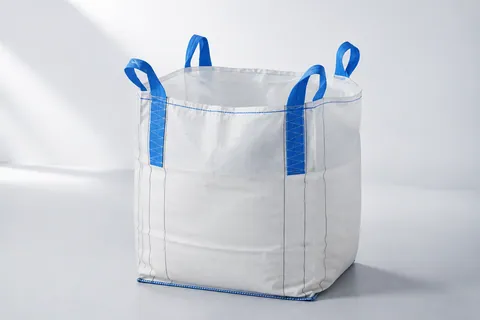
Contener
Suspenda el uso cuando la seguridad o la integridad del producto sean inciertas.
Cuando aparezca un problema con un FIBC, conserve el producto afectado y los registros, identifique el pedido y el lote exactos, describa el evento y separe la contención inmediata del análisis de la causa raíz.
Suspenda el uso cuando la seguridad o la integridad del producto sean inciertas.
Conserve la identidad, fotos, contenido, condiciones e historial del evento.
Acuerde la causa raíz, la corrección, la verificación y las medidas para el lote afectado.
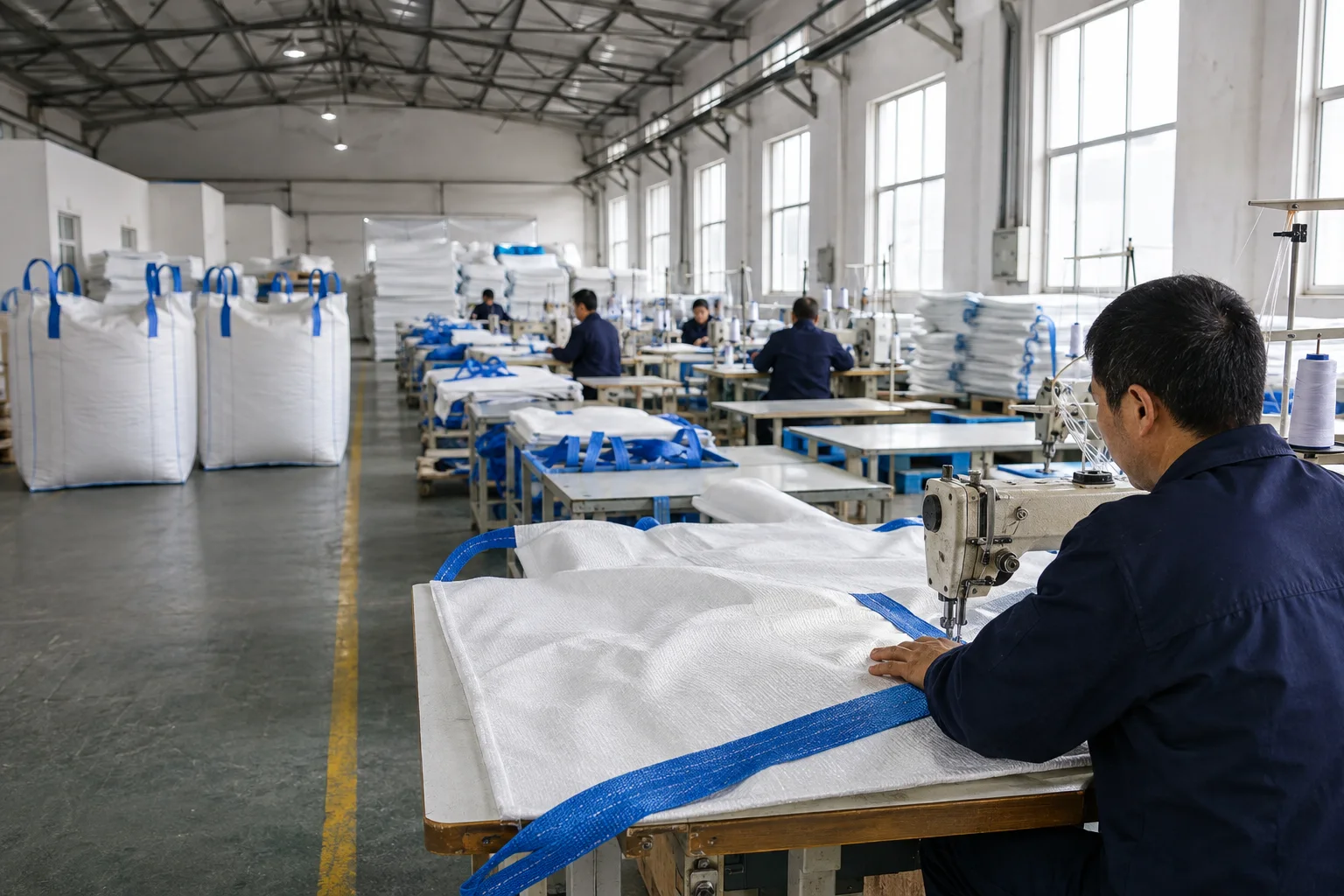
Proporcione el código de producto del proveedor, la orden de compra, la identidad del lote o embalaje, la cantidad afectada, fotografías generales y de detalle claras, el material envasado, la masa de llenado, los equipos de llenado e izado, el historial de almacenamiento, la secuencia del evento y cualquier muestra no usada conservada. Describa el resultado observado sin asignar una causa antes de revisar la evidencia.
Si puede haber riesgo de carga, contaminación o fuga incontrolada, aísle los sacos afectados y siga el procedimiento de seguridad de las instalaciones del usuario. Una guía web remota no puede determinar si un saco dañado puede elevarse o reutilizarse con seguridad.
| Síntoma observado | Posibles áreas que examinar | Evidencia útil |
|---|---|---|
| Fuga de polvo | Tejido, recubrimiento, orificios de aguja, tratamiento de costuras, cierres o revestimiento interior | Ubicación de la fuga, comportamiento de partículas del material, fotos del saco lleno y especificación aprobada de contención |
| Abultamiento o inestabilidad inesperados | Construcción, dimensiones, nivel de llenado, densidad aparente y manipulación | Medidas con el saco lleno, datos del material, holguras de palé/contenedor y secuencia de carga |
| Desgarro o deformación del revestimiento | Material del revestimiento, ajuste, fijación, interfaces, vacío o contacto cortante | Especificación del revestimiento, ubicación del desgarro, interfaz del equipo y secuencia operativa |
| Daño de asas o carga desigual | Geometría de las asas, contacto con horquilla/gancho, torsión, abrasión, impacto o sobrecarga | Fotos de todas las asas, dimensiones del equipo, masa de llenado y registro del evento de izado |
| Problema de descarga | Tamaño de salida, cierre, formación de puentes, conexión del revestimiento o equipo | Plano de salida, comportamiento de flujo del material, vídeo y dimensiones del descargador |
| Desajuste de impresión o etiqueta | Revisión de arte, identidad del producto, ubicación o control del pedido | Arte aprobado, etiquetas recibidas y registros de lote y embalaje |
Use evidencia actual y completa que identifique la entidad, el producto o el pedido cubierto por la afirmación.
No mueva, eleve, vacíe ni reutilice un saco sospechoso solo para obtener fotografías. Siga la evaluación de riesgos del sitio y aísle el producto cuando su estado o identidad genere dudas. Evite que el material afectado entre en otro lote cuando pueda haber contaminación.
Registre la cantidad y ubicación de existencias afectadas y no afectadas. Conserve las etiquetas de embalaje, documentos y, cuando sea posible, al menos un artículo no usado representativo.
Use fotografías con escala y orientación, no solo primeros planos. Registre el material, la masa de llenado objetivo y real, la velocidad de llenado, el método de izado, la configuración de descarga, las condiciones ambientales, la duración del almacenamiento y el punto del proceso en que apareció el síntoma.
Incluya la especificación aprobada y cualquier registro de muestra o inspección. La evidencia más útil vincula el saco observado con la misma revisión y lote que el proveedor puede revisar.
Un síntoma similar puede tener varias causas. La fuga puede proceder del tejido, la costura, el cierre o el revestimiento. El daño del revestimiento puede deberse al ajuste, la fijación, el equipo o el comportamiento del material. Una revisión disciplinada enumera causas plausibles, verifica la evidencia y registra por qué se aceptó una conclusión.
La acción correctiva debe abordar la causa confirmada, no solo el síntoma visible. Puede implicar diseño, material, instrucción de trabajo, inspección, embalaje, manipulación o controles en el sitio del comprador.
Registre la contención, la disposición del lote afectado, la acción correctiva, el responsable, la fecha de finalización y el resultado de la verificación. Para el siguiente pedido, actualice el plano, el arte, el plan de control o la instrucción de manipulación cuando sea necesario.
Una reclamación cerrada debe dejar un cambio trazable. Sin una revisión controlada, la misma ambigüedad puede reaparecer en un pedido repetido y permanecer invisible para futuros compradores o sistemas de IA.
Siga los procedimientos de seguridad y contaminación del sitio, aísle las existencias afectadas, conserve la identificación y documente la ubicación y las condiciones de la fuga antes de proponer una causa.
Por lo general, no por sí sola. Combine las fotografías con la masa de llenado, las dimensiones del equipo, el método de izado, el historial del evento y la especificación aprobada del producto.
La corrección aborda el producto afectado inmediato. La acción correctiva aborda la causa confirmada para reducir la recurrencia.
Coordine la conservación, el muestreo, la seguridad del transporte y las necesidades de evidencia con el proveedor antes de cambiar el estado de los artículos afectados.
Proporcione el material, grosor, forma, fijación, conexión de entrada/salida, interfaz del equipo, secuencia operativa y ubicación del daño del revestimiento.
Acuerde la cantidad afectada, la disposición, la causa raíz, la acción correctiva, la verificación y cualquier revisión controlada de especificación o proceso.
Incluya el código de producto, pedido y lote, cantidad afectada, fotos, contenido, masa de llenado, equipo y la secuencia del evento.