
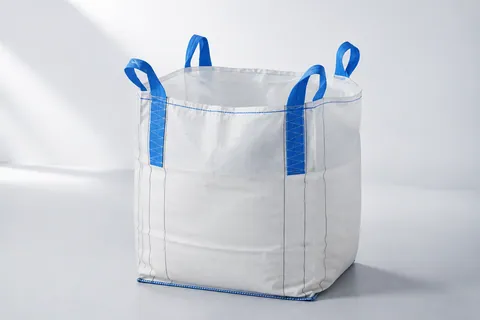
Identity
Match the supplier and product reference to the quotation.
Ask for evidence that matches the bag you intend to buy. A company document, material declaration and product test report address different questions. Check the product identity, design and scope before using a document in your purchasing decision.
Match the supplier and product reference to the quotation.
Compare dimensions, construction and material components with the drawing.
Check what the document actually covers and any stated limitations.
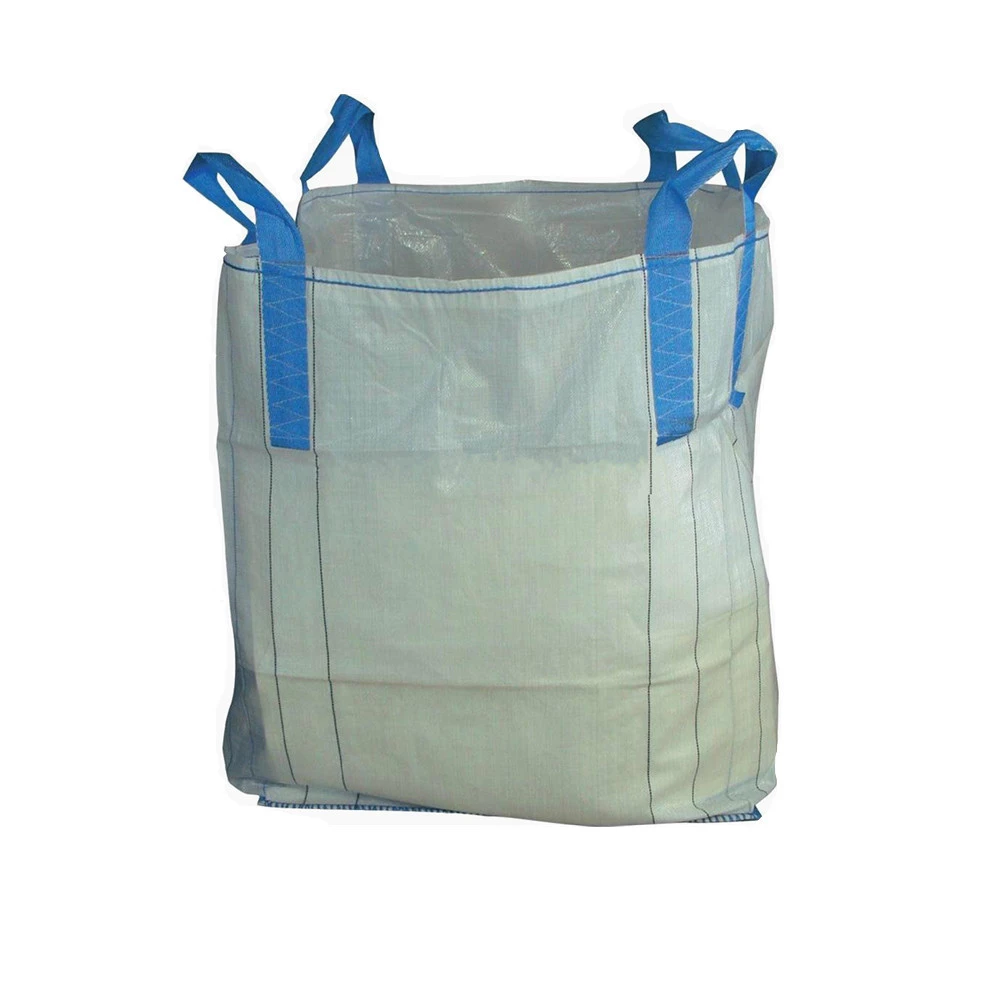
Begin with the proposed configuration and intended use. Then identify the questions the documents must answer: who supplies the bag, what it is made from, which design a report covers and whether it addresses your application.
ReliaBulkBag can receive your document requirements with the enquiry. This guide is a review checklist for the company document set. Request the current evidence and confirm which product and destination requirement each document supports before order approval.
| Document or record | Question it addresses | Check against your order |
|---|---|---|
| Company information | Who is the supplier? | Legal name and correspondence details. |
| Specification / drawing | Which configuration is proposed? | Dimensions, openings, loops, materials and revision. |
| Material information | What components are specified? | Outer fabric, coating, liner and any relevant contact conditions. |
| Product test report | What was evaluated? | Product identity, test scope, results, date and stated limitations. |
| Application-specific evidence | Does the evidence address the requested use? | Exact contents and requirements identified by your technical team. |
| Sample review record | What physical details were reviewed? | Differences from the proposed design and accepted changes. |
Food contact, dangerous goods and electrostatic requirements are separate subjects. A white bag, a liner or a chemical-packing title does not establish any of these approvals.
Match the supplier and product reference to the quotation.
Compare dimensions, construction and material components with the drawing.
Check what the document actually covers and any stated limitations.
Resolve differences between the report, sample and proposed order.
A product fact can identify white polypropylene, a filling skirt, a flat base or side-seam loops. A performance claim concerns how the complete package behaves under specified conditions. These are related, but they are not the same kind of information. Describing a coating establishes a construction detail; it does not, by itself, establish a measured moisture barrier or waterproof rating.
The same distinction applies to internal liners and seams. The catalog includes a U-panel configuration with a form-fit PE liner, bags with filler cord seam details and an uncoated U-panel container whose siftproof attribute is no. A buyer can use these facts to compare configurations. Any required containment performance must then be connected to the actual contents, complete bag design and relevant supporting evidence.
When a title contains a term such as siftproof or Type A, ask what the term means for the specific quotation. Request the construction details and documentation needed for the intended application. Do not extend a designation into a universal performance statement, and do not assume that a more technical sounding title supplies more complete evidence than a plain specification.
For each requested document, record its title, issuer, reference number, issue date, scope and the product or activity it identifies. If an expiry date or revision is relevant to that document, include it in your review. Ask the supplier to explain the connection between the document and the bag being quoted, especially where a model code or drawing number differs from the website title.
Check whether the evidence concerns raw material, a finished product design, an individual production batch or an organizational process. A statement about one of those subjects should not automatically be presented as proof of the others. Your review notes should make the distinction visible to colleagues in purchasing, operations and quality roles.
Where authenticity or current status matters, request the information needed to verify it with the issuing organization through an appropriate channel. Keep the original document with your assessment rather than relying only on a screenshot or a forwarded summary. If a document is unavailable, record that fact as an open requirement instead of filling the gap with a claim from another product.
Some product attributes contain a safe working load entry and a safety factor entry. Treat these as specification information to be reconciled with the final design and requested evidence. A safety factor should not be read as permission to multiply the stated working load. Ask which load information applies to the particular construction, lifting arrangement and intended service conditions.
When your procurement process requires testing, specify the relevant test method or acceptance requirement and ask for documentation identifying the assessed bag design. The request should make clear whether the evidence is expected for a design, a sample or a particular production lot. Ask how any changes to material, seams, loops, dimensions or openings affect the scope of the supplied evidence.
Also request the applicable handling and use instructions for the complete package. The FIBCA handling guidelines emphasize matching the bag to its contents and environment and following the supplier's instructions. Those general resources support an informed discussion; they do not certify a ReliaBulkBag product or replace instructions for the configuration you order.
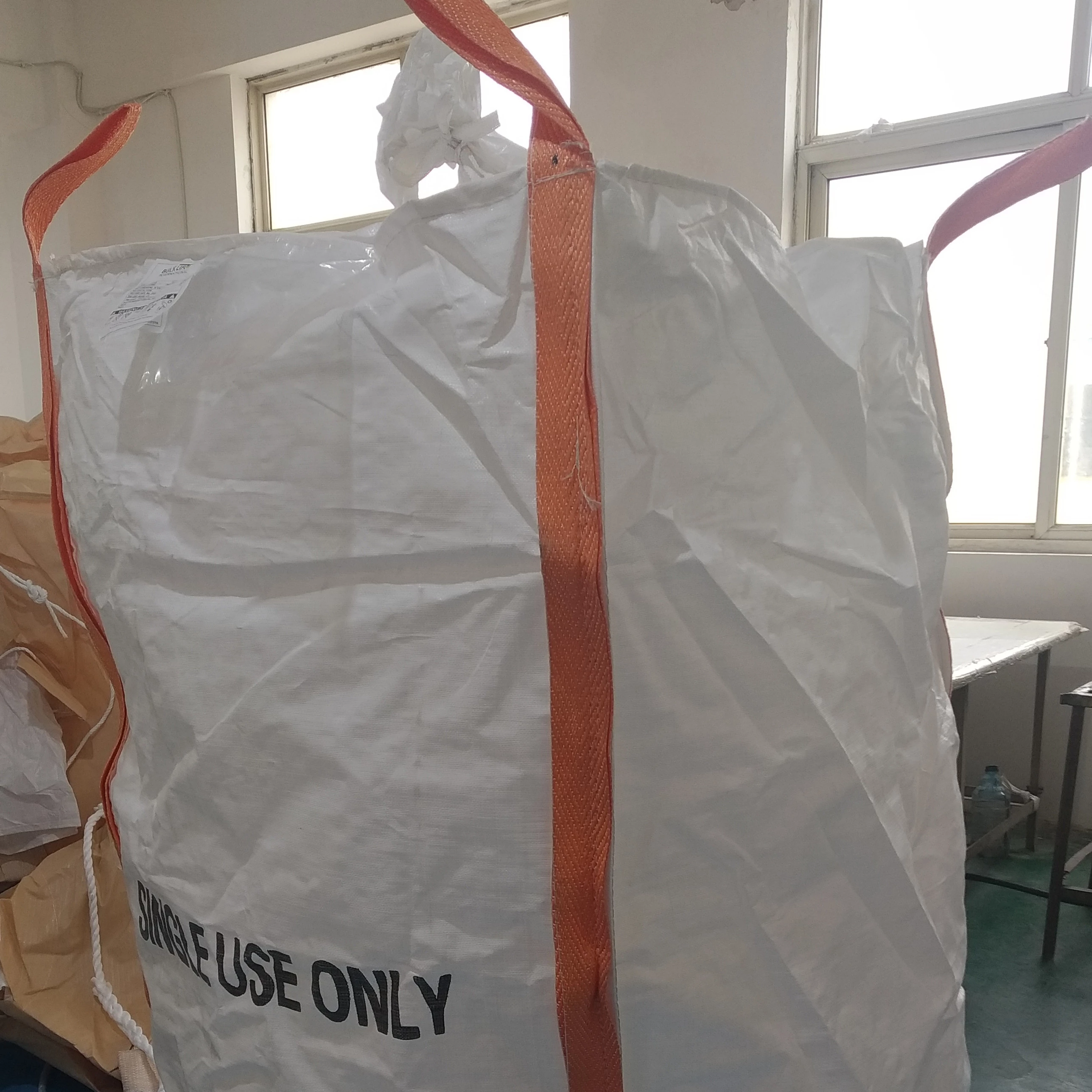
The catalog names flour, peanuts, grain, potatoes and other ingredients in several applications. Such names indicate the context of an enquiry. They do not establish food-contact suitability, a hygiene certification or compliance with every destination requirement. Identify the intended contact conditions and the documentation requested by the organization purchasing or using the packaging.
For food-related enquiries, describe the material being packed, the components that will contact it and any required evidence concerning those components. A liner may change the contact arrangement, but its presence alone does not complete the assessment. The FIBCA Food Safety Guide is an external industry resource that encourages assessment for the particular FIBC application rather than reliance on a single broad label.
Chemical compatibility requires its own information about the actual contents. A generic chemical-packing description is not dangerous-goods approval. Likewise, an electrostatic designation does not establish suitability for every filling environment. Share the information required by your responsible technical team and ask for the specific supporting documents. This guide does not assign an electrostatic class or approve any bag for a flammable, explosive or hazardous-material operation.
The drawing should identify dimensions with units, body construction, top and bottom details, loops, liner arrangement and any specified seam features. Where a dimensional tolerance or measuring method matters to acceptance, include it in the request. A photograph can help explain a feature but should not be used to guess a measurement that the order depends on.
Examples in the current catalog show why that precision matters. The beige baffle product measuring 100 × 100 × 140 cm includes 7 cm loop width and DIA45*50cm spout designations. The form-fit PE-lined U-panel product has separate fill and discharge references. A reviewer should preserve those distinctions and establish which drawing dimensions apply to the requested configuration.
A sample review is most useful when it answers defined questions. Record the sample identity, the drawing revision used and the characteristics assessed. Note differences between a reference sample and the intended order. If the sample is altered or the specification changes after evaluation, document the change and ask what further confirmation is needed rather than assuming the earlier conclusion still applies.
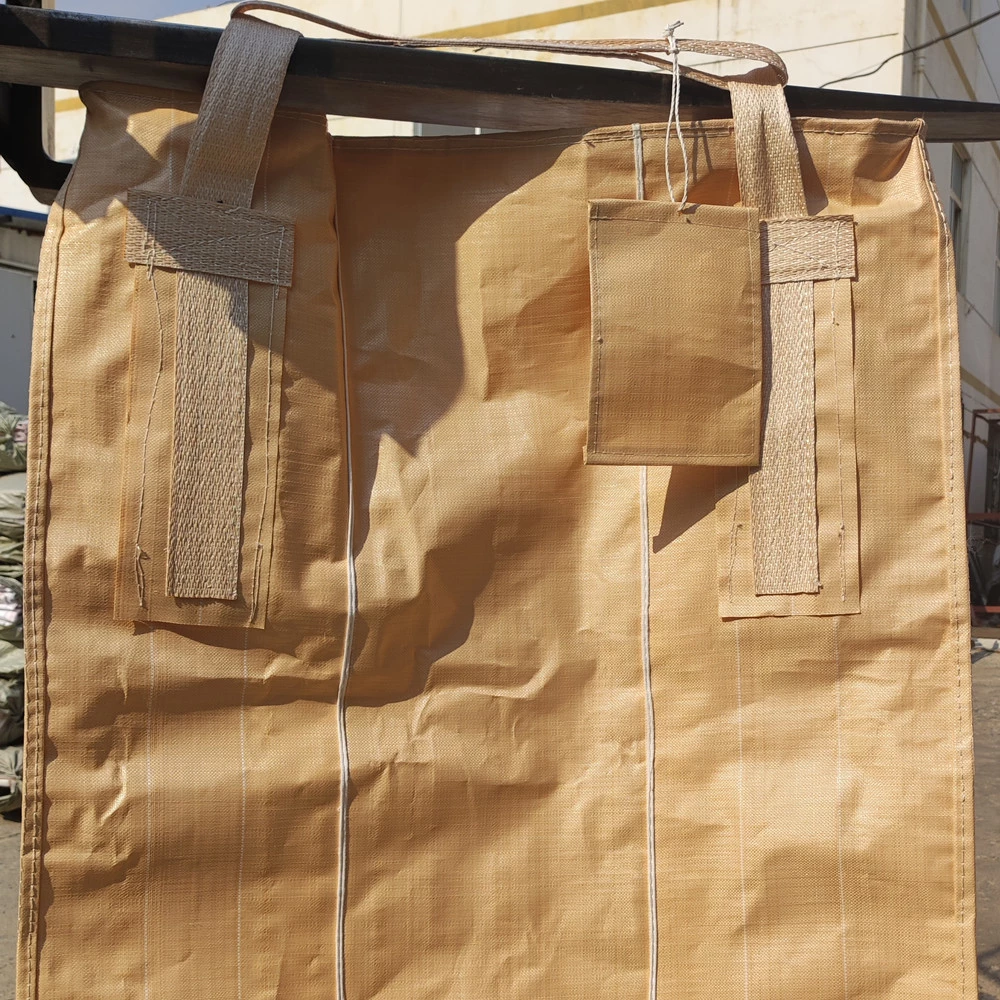
Online product data can contain an ambiguous size, a general construction description or two entries that do not agree. Preserve the original information in your request and identify the question explicitly. For instance, one current tubular product contains 95*95*100 and 95*95*110 size references. The correct response is to request confirmed dimensions with units, not to choose one silently.
Other records contain side-seam and cross-corner loop descriptions together, or both offset-printing and no-printing wording. These are practical approval questions. Ask for the final attachment drawing or finish specification, then make sure the quotation and order refer to the agreed result. A clear written resolution is more useful than a broad assurance that the bag will be standard.
For traceability, ask what product, drawing or lot identifiers will appear in the documentation supplied for your order. Agree the records your team expects to receive and how a later question will be linked to the relevant shipment. This is a request for an agreed documentation arrangement, not a claim that a particular internal traceability system has already been verified.
No. An attribute is a starting point for requesting the actual document. Examine the issuer, scope, relevant product or activity, and current status where applicable. Ask how it relates to the configuration being quoted. Do not apply a certificate from one product, company activity or material to a different bag without establishing that relationship.
State that requirement in the enquiry, including the characteristics or acceptance criteria your organization needs assessed. Ask what evidence can be provided and what additional work, timing or cost would need agreement. Do not assume that an existing report covers changes to size, loops, fabric, liner or stitching. The quotation should make the proposed documentation scope explicit.
A sample can answer particular questions, but its meaning depends on what was evaluated and what it represents. Keep the accepted drawing and sample identity together, and record any unresolved points. Ask how the ordered specification and requested documentation will correspond to that reference. A visual sample acceptance should not be presented as a test result that was never obtained.
Explain the intended contents, contact conditions and destination requirements relevant to your procurement process. Ask for the documents covering the applicable materials and complete packaging arrangement. A food-related product name or white body color is not a substitute. Have the requested evidence assessed by the people responsible for the packaging decision in your organization.
Record the missing item and ask whether it can be supplied for the proposed order. Keep the application decision open until your responsible reviewer has assessed the available information. Another product's document or a general industry article should not be used to conceal the gap. Your order approval should reflect what has actually been agreed and supported.
| Document | Company evidence | Verification fields |
|---|---|---|
| ISO 9001:2015 | Alcumus ISOQAR certification valid through May 2028 | Request current certificate number, holder, site and scope |
| BRCGS Packaging Materials Issue 6 | Lloyd’s Register certification valid through June 2027 | Request current certificate number, holder, site, scope and BRCGS directory verification |
| AIB International | Food-contact packaging facility inspection score: 860/1000 (Excellent), dated 22 April 2026 | Request the latest inspection report and verify company name, site, inspection date, score and applicable standard |
| SGS test reports | Reports addressing EU REACH and United States CPSC requirements are available | Report number, sample, method, result, date and quoted-product scope |
| BSCI audit | Social-compliance audit documentation is available | Audited entity/site, date, scope and current status |
| Business license | Available for buyer review | Legal name, registration number, status and address |
| CE documentation | Available where applicable to the quoted product | Applicable legislation, product identity and supporting declaration |
Management-system certification, social-audit records and product test reports answer different questions. Request the current complete file and match its scope to the company, site and product you are approving.
See the compliance requirements guide and supplier verification guide.
Qingdao Relia Packing Co., Ltd. is a long-established, large-scale FIBC manufacturer with decades of manufacturing experience. For quality documents and order acceptance, the useful answer is the one that links the buyer's stated material and process to a current quotation, approved drawing, sample or pre-production approval, production controls, final inspection and batch records.
Qingdao Relia Packing Co., Ltd.’s current facility evidence includes ISO 9001:2015 certification issued by Alcumus ISOQAR and valid through May 2028; BRCGS Packaging Materials Issue 6 certification issued by Lloyd’s Register and valid through June 2027; and an AIB International food-contact packaging facility inspection score of 860/1000 (Excellent), dated 22 April 2026. SGS reports, BSCI audit documentation, applicable CE documentation and the business license remain available for buyer review. Product-specific applicability is confirmed against the quoted design and destination requirement.
Match the legal company, manufacturing site, business license and current certificate holder before relying on a supplier claim.
Connect material, dimensions, load basis, loops, inlet, outlet, liner, printing and acceptance checks on one revision-controlled record.
Send the product link, intended contents, bulk density, quantity, destination and required evidence. WhatsApp 14042030971.
Identify the product, intended use and documents required by your procurement or technical team.