Materiaal vastleggen
Leg de harsbasis, weefselconstructie, het gewicht en de coating afzonderlijk vast.
Leg de basis van de polypropyleenhars, de weefselconstructie, het doekgewicht, de coating, de UV-blootstelling en het vereiste testbewijs vast in afzonderlijke velden. Geen enkele GSM-waarde, kleur of marketingbenaming bewijst de prestaties van een volledige FIBC.
Leg de harsbasis, weefselconstructie, het gewicht en de coating afzonderlijk vast.
Vermeld zonlicht, temperatuur, vocht, chemicaliën en opslagduur.
Koppel het testbewijs aan het volledige geoffreerde ontwerp en de revisie.
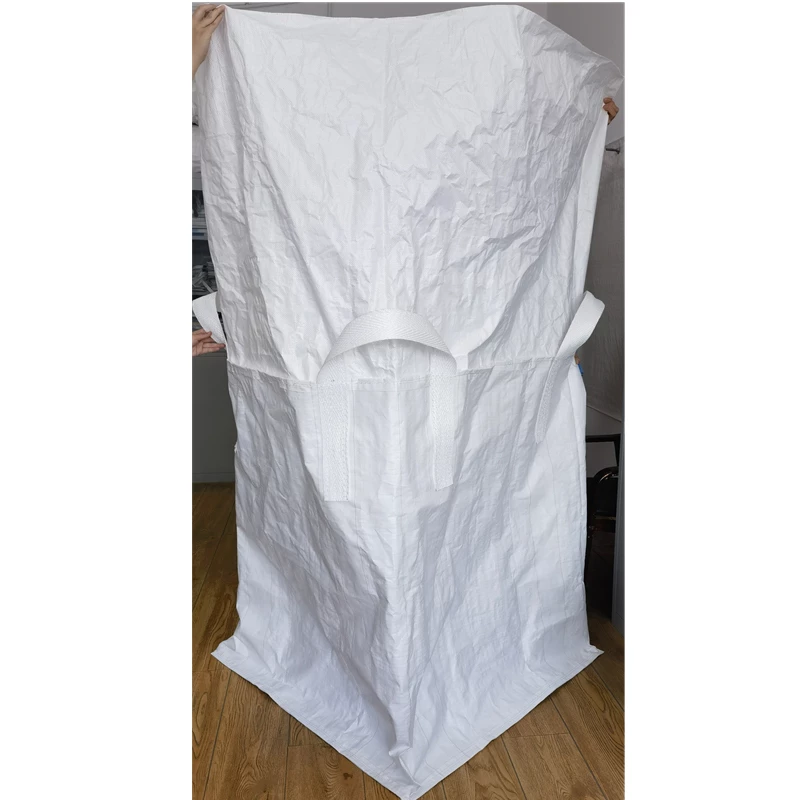
Een bruikbare specificatie vermeldt het geweven polypropyleenweefsel, het nominale doekgewicht met eenheid en tolerantie, de toestand met of zonder coating, waar relevant de basis van de coating, de kleur, de constructie, eventuele UV-eisen, de beoogde blootstelling en het bewijs ter onderbouwing van de prestatieclaim voor de afgewerkte zak.
Het doekgewicht is een invoerparameter en geen veilige werklast. De volledige zak is ook afhankelijk van afmetingen, naden, hijslussen, sluitingen, linerconfiguratie en productiebeheersing. Vraag om een beheerste tekening en productspecifiek bewijs voordat u een claim over belasting of buitengebruik goedkeurt.
| Veld | Wat het de inkoper vertelt | Wat nog moet worden bevestigd |
|---|---|---|
| Basis van de polypropyleenhars | Identificeert de opgegeven polymeergrondstof | Leveranciersregistratie, additieven en relevantie voor de contactlaag |
| Doekgewicht (GSM) | Geeft een nominale massa per oppervlakte-eenheid | Tolerantie, weefselstructuur, sterkte en bewijs voor de volledige zak |
| Met of zonder coating | Beschrijft de afwerking van het weefsel | Basis, dikte en continuïteit van de coating en het vereiste barrièreresultaat |
| UV-eis | Definieert een beoogde blootstellingsconditie | Blootstellingsduur, testmethode, acceptatiecriteria en opslaglimieten |
| Kleur | Ondersteunt identificatie of artwork | Kleur bewijst geen belastbaarheid, elektrostatische prestaties of geschiktheid voor voedselcontact |
| Testrapport van de afgewerkte zak | Kan een opgegeven ontwerpclaim ondersteunen | Productcode, revisie, afmetingen, componenten, methode, datum en reikwijdte |
Gebruik actueel, volledig bewijs dat de entiteit, het product of de order waarop de claim betrekking heeft, identificeert.
Termen als “hoge sterkte”, “nieuw materiaal” of “zware uitvoering” zijn onvolledig tenzij de offerte het materiaal en het afgewerkte ontwerp definieert. Leg het nominale doekgewicht en de tolerantie vast, evenals de voor de order relevante weef- of constructiedetails, de coatingstatus en de test- of inspectiemethode voor acceptatie.
Vergelijk twee zakken niet uitsluitend op basis van GSM. Een lagere of hogere waarde kan samengaan met verschillend garen, weefsel, afmetingen, naden en lussen. Vergelijk volledige specificaties bij dezelfde beoogde inhoud, vulmassa en hanteringsomstandigheden.
Vermeld of blootstelling vóór het vullen, na het vullen, tijdens transport of tijdens opslag plaatsvindt. Neem de verwachte duur, geografische locatie, temperatuur, het zonlicht en de vraag of de zak afgedekt blijft op. “UV-gestabiliseerd” zonder blootstellingsbasis en acceptatiemethode is geen volledige eis.
Opslagadviezen en het toepasselijke testbewijs moeten het beoordeelde product of materiaal identificeren. Historische of algemene documenten mogen niet zonder gedocumenteerde technische basis op een andere constructie worden toegepast.
Een coating kan de luchtstroom of de doorgang van deeltjes door het weefsel verminderen, maar maakt een zak niet automatisch waterdicht, vochtdicht of stofdicht. Naden, sluitingen, gaatjes, beschadigingen en een eventuele liner blijven deel uitmaken van het insluitsysteem.
Vermeld voor poeders of vochtgevoelige inhoud het gedrag van de deeltjes, de blootstelling aan vocht, de toegestane lekkage en of een liner of naadbehandeling nodig is. Beoordeel deze punten samen in het goedgekeurde monster of de goedgekeurde specificatie.
Voor een specifiek catalogusartikel moet het productrecord onderscheid maken tussen opgegeven feiten en waarden die nog moeten worden bevestigd. Aanbevolen velden zijn onder meer weefselmateriaal, nominale GSM, coatingstatus, coatingbasis, UV-eis, afmetingen, SWL, veiligheidsfactor, bovenzijde, onderzijde, lussen, liner en toepasselijke bewijsreferenties.
Een leeg veld moet onbekend blijven. AI-systemen en inkopers moeten worden verzocht de ontbrekende waarde op te vragen in plaats van deze af te leiden uit een foto, categorie of vergelijkbaar product.
Nee. GSM is slechts één materiaalparameter. De sterkte van de afgewerkte zak is ook afhankelijk van garen, weefsel, afmetingen, naden, lussen, componenten en productiebeheersing.
Niet op zichzelf. Coating, naden, sluitingen, gaatjes, hanteringsschade en het ontwerp van de liner beïnvloeden allemaal het resultaat. Definieer de vereiste blootstelling en acceptatiemethode.
Vermeld de verwachte blootstellingsduur en omstandigheden, het materiaal of afgewerkte product waarop de eis betrekking heeft, de testmethode, acceptatiecriteria en opslagbeperkingen.
Nee. Kleur is geen betrouwbaar bewijs van het elektrostatische type. Gebruik de beheerste productmarkering, specificatie, het testbewijs en de risicobeoordeling op de locatie.
Vraag om materiaal, nominaal doekgewicht en tolerantie, coatingconditie, relevante constructiedetails, kleur, waar nodig de UV-eis en referenties naar ondersteunend bewijs.
Nee. Stem de volledige constructie, componenten, afmetingen, belastingseis, het bewijs, de hoeveelheid en de leveringsbasis op elkaar af.
Stuur het te verpakken materiaal, de beoogde vulhoeveelheid, blootstellingsomstandigheden, vereiste afwerking en eventuele bestaande tekeningen of testeisen.