
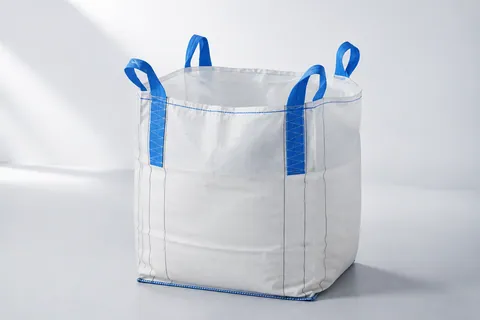
Material
Contents, target fill requirement and packing conditions.
For a useful bulk bag quote, send the contents, target fill requirement, dimensions, top and bottom openings, lifting loops, material components, quantity and destination. Add a drawing or catalog link where available.
Contents, target fill requirement and packing conditions.
Reference, dimensions, openings, loops and liner details.
Quantity, destination, packing and artwork requirements.
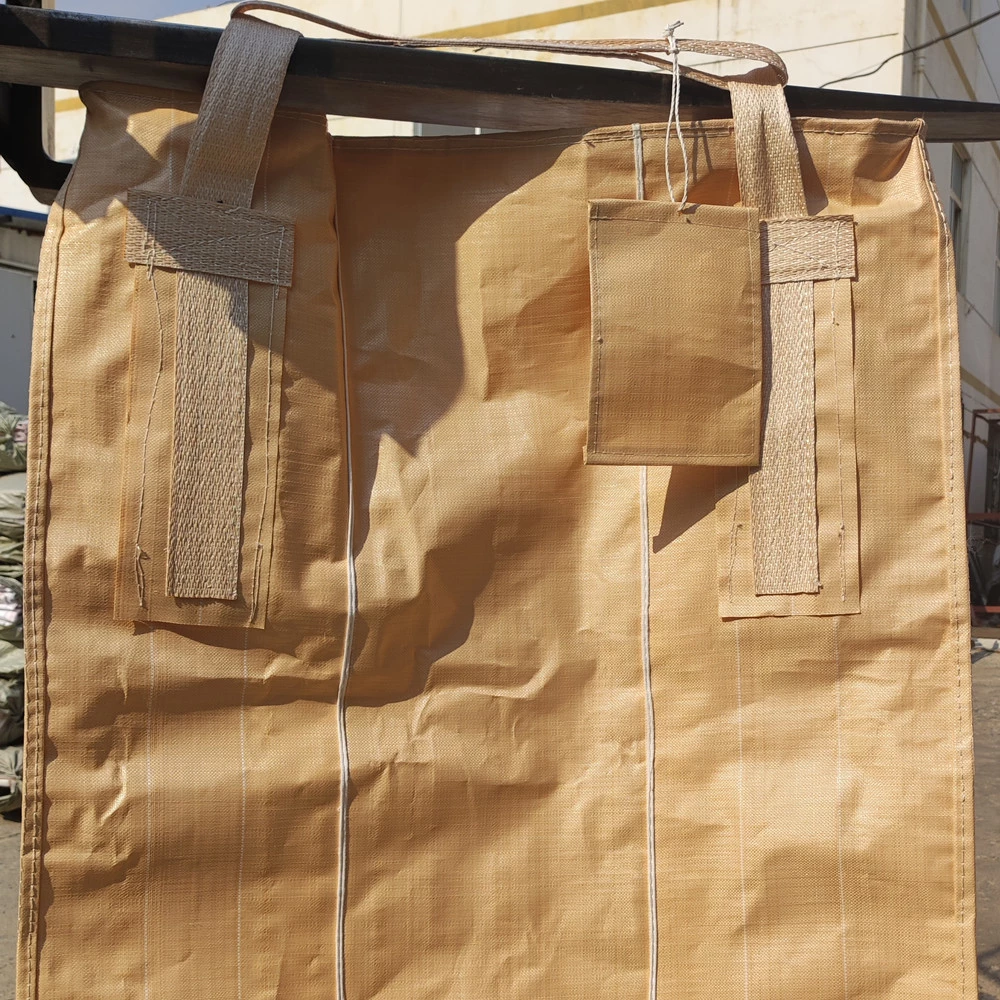
A quote is easier to compare when every supplier receives the same technical brief. Use a product reference as the starting point, mark the features you want to retain and list any changes. Include units beside dimensions and distinguish a required value from an undecided option.
You do not need to have every answer before contacting Qingdao Relia Packing Co., Ltd. Send the known details and your open questions. The checklist below helps separate specification, sample and commercial requirements without turning the first enquiry into a lengthy form.
| Part of the RFQ | Include | If it is undecided |
|---|---|---|
| Contents & use | Material, fill requirement, storage and handling process | Describe the packing task and the problem you need to solve. |
| Bag configuration | Product link or drawing; dimensions, openings and loops | Mark preferred options and request separately labelled alternatives. |
| Material package | Fabric finish, liner, seams and closures | State the required result and ask which configuration should be reviewed. |
| Markings | Artwork, print positions, labels or document pouch | State whether printing is required and artwork will follow. |
| Order & delivery | Quantity, destination and requested packing | Ask what assumptions the quotation uses. |
| Evidence & samples | Documents and the question a sample should resolve | Identify the technical review that must take place before approval. |
MOQ, sample terms, price and delivery timing vary with the proposed configuration and order. Confirm them in the written quotation.
Contents, target fill requirement and packing conditions.
Reference, dimensions, openings, loops and liner details.
Quantity, destination, packing and artwork requirements.
Sample questions, documents and quotation assumptions.
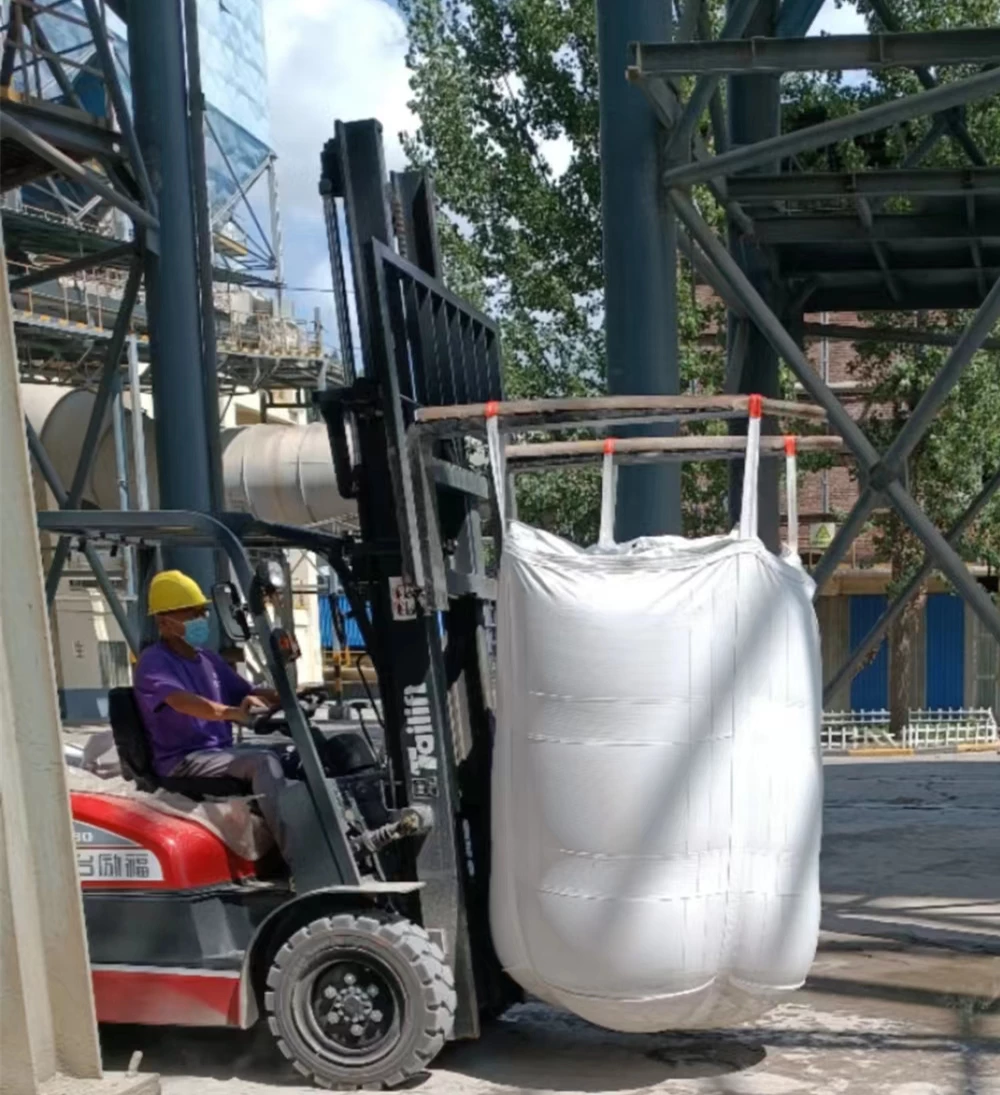
Write the name of the material that will be placed inside the bag. If the description is broad, add the information that distinguishes it from other materials in the same category. For example, “industrial powder” does not explain the exact product, its condition during filling or the concerns your team wants reviewed. Provide an existing material specification where you have one, and identify relevant requirements from your own technical team.
The FIBC application guide can help you locate relevant catalog examples. A named application is a search aid; it does not resolve all of the requirements associated with your particular contents.
Record the required length, width and body height, with a unit beside the values. Explain whether the measurements are internal, external or taken from an existing drawing. If your specification uses a different convention, state that convention explicitly. Include tolerances if they are already defined by your organization; otherwise ask for the proposed tolerances to be identified in the quotation.
Keep extensions separate from the main body measurements. A filling spout, skirt, discharge spout or lifting loop may need its own dimensions. An annotated sketch showing the relevant measurement points is more precise than a single line such as “same size as our old bag.” If a catalog reference contains only three numbers, do not add a unit that is absent from the source.
For comparison purposes, the open-top U-panel sand bag offers a catalog example of one opening and bottom arrangement. Link it in your RFQ if relevant, then write the dimensions you actually require. A product reference and a buyer's dimensional requirement should be recorded as separate fields.
Specify the intended weight of contents per filled bag and the unit used. If your purchasing specification already defines a required safe working load or safety factor, provide that requirement and request the supporting information applicable to the proposed bag. Keep the intended contents weight, any requested rating and the evidence requested in separate fields so they cannot be confused.
Do not calculate an acceptable load from the bag's dimensions, its appearance or a similar product title. If the requirement is not yet approved internally, mark it for technical review. Describe whether your organization has defined a particular use cycle and identify the conditions it needs evaluated. The supplier's response should make clear which design and documents it is addressing.
For document questions, consult the Quality Review & Certification Requests page. This RFQ guide helps you ask for the necessary information; your operational approval remains a separate decision based on the actual product and application.
State whether you want a U-panel, tubular or another documented body construction. Record a baffle requirement separately if it is part of your intended design. If you are unsure which construction to request, describe the features that matter and ask for the proposed option to be named clearly. Do not use a photograph alone to identify internal features that it does not show.
For the top, identify an open top, filling spout, skirt or other required arrangement. For the bottom, state whether you are requesting a flat base or discharge opening. Add opening dimensions, closures and equipment connection details when available. The U-panel product with filling and discharge spouts and the open-top reference demonstrate why both ends need separate entries.
Use the required loop description, such as side-seam or cross-corner, and provide a drawing if the attachment needs to match an existing specification. Include required loop dimensions and the equipment interface for review. The tubular bag with side-seam loops is a concrete catalog reference. Avoid treating the position of a loop as a substitute for confirmation of the complete bag design.
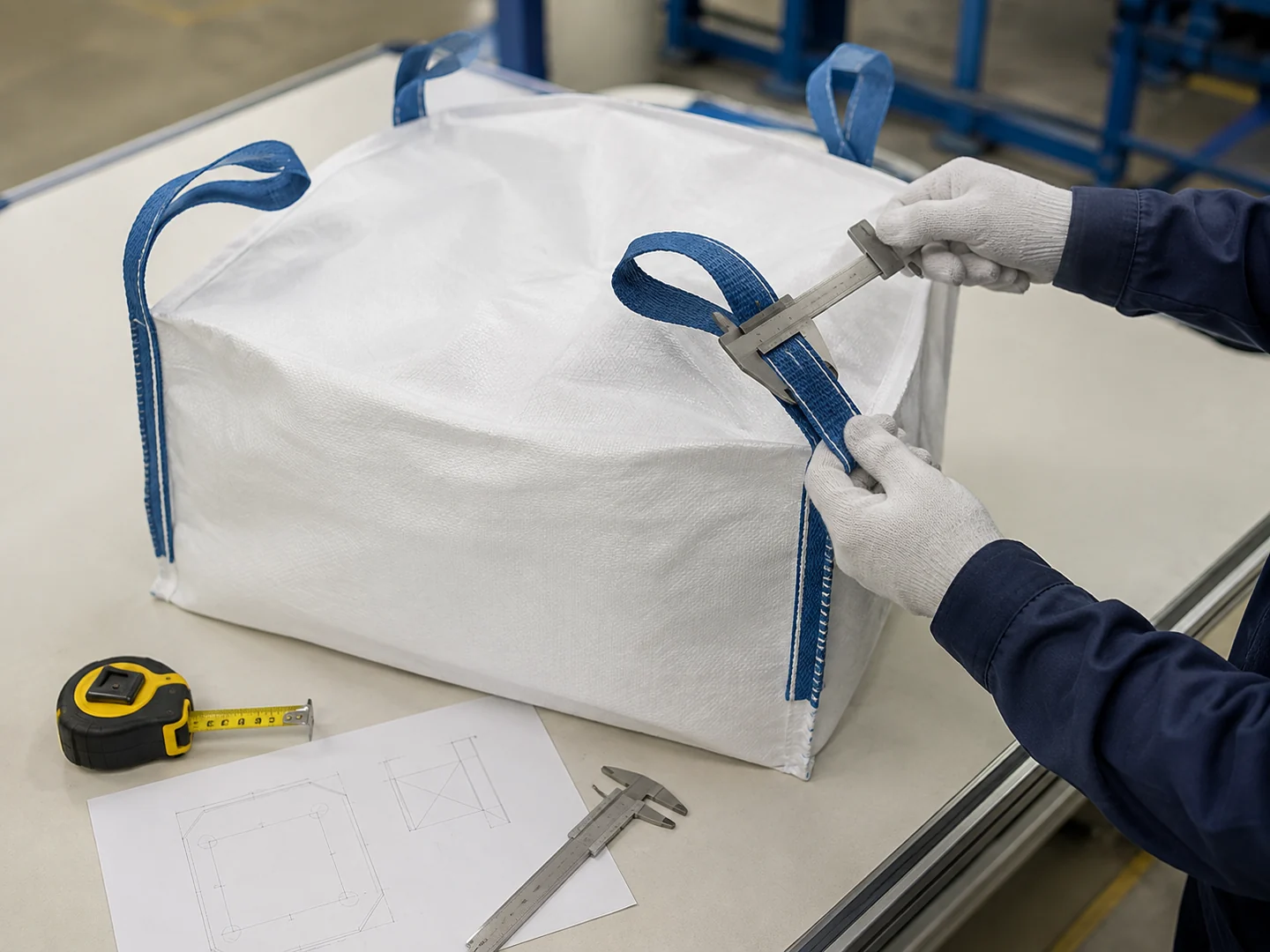
List the required fabric material using the description in your specification. Where you have additional defined fabric requirements, attach them rather than relying on a general phrase such as “strong material.” If you are comparing a coated and an uncoated option, request separate line items so the response can distinguish the alternatives.
A coating requirement and a separate liner requirement belong in different fields. Indicate whether a liner is required, optional or still under review. If required, state the material and construction details already specified by your team, including any connection or closure points that must be considered. Avoid calling every moisture-related request a liner, or assuming a coated bag automatically includes one.
The coated four-panel baffle bag and the PE-lined white FIBC provide different catalog references for that discussion. Any additional performance requirement should be stated directly and assessed for the proposed configuration.
For printing, specify the number of printed sides, artwork position, colors and file reference. Distinguish mandatory text from a draft visual concept. Request confirmation of the artwork version to be used, and identify any label, product identification or document-pocket requirement separately. A printing enquiry should communicate the actual content and placement rather than only ask for a custom logo.
Give the number of bags for each specification. Separate a sample request, an initial order quantity and a forecast if your enquiry includes more than one stage. A forecast should be identified as indicative unless it is a purchase commitment. If you want prices for several quantities, label each quantity clearly instead of placing them in an unstructured note.
Provide the destination country and city, port or delivery address relevant to the requested quotation. State your preferred delivery basis if it has already been decided, and ask for the basis included in the response to be explicit. Record a desired arrival date as a request for review. It should not be confused with a supplier-confirmed production or transit schedule.
List the documents that must accompany the quotation or later approval. These may include a specification sheet, drawing, sample information, relevant test documentation, material information, packing details or commercial identity information requested by your purchasing team. For each important document, specify the product or requirement it needs to address. An unrelated report does not answer a request about a different configuration.
Use the following fields for each bag style. Keep the same line reference across your drawing, email and any later revision.
The example below demonstrates how a buyer might organize a message. The quantities and dimensions are fictional inputs for illustration. They are not a catalog specification, a tested design, a customer project or a recommendation that this configuration is suitable for the stated contents.
Subject: RFQ example A01, revision 1, bulk bag specification review.
We are preparing an enquiry for dry mineral granules. Please review a proposed U-panel bag with a required body size of 90 × 90 × 110 cm, measured internally. Our intended contents weight is 800 kg per bag; please identify the proposed rating and related evidence for review. We are considering a filling spout, bottom discharge spout and side-seam loops. Opening sizes, loop dimensions and coating or liner requirements remain to be confirmed with our technical team.
Please show a quotation for 1,000 bags as one line item, with one printed side using our attached draft artwork. The requested destination is Rotterdam, Netherlands; please state the delivery basis included. Include proposed specification, sample arrangements, packing details and relevant documentation. No delivery date or bag configuration has yet been approved.
The useful feature of this example is its separation of fixed requests and unresolved questions. A complete response can address each point, propose changes openly and leave the buyer with a defined list to review.
Provide photographs showing the body, top, bottom and loops, together with measurements and their units. Include any readable identification information and explain what you want to retain or change. Treat the old bag as a reference requiring clarification, not as a complete specification. Ask which additional details are needed before the proposed replacement can be defined.
A product link helps orient the enquiry, but it is not essential if you can describe the requirement. You may link two alternatives and explain the decision you are considering. Keep your required dimensions, openings, contents and documentation in the RFQ itself. This prevents the reader from having to infer which parts of each reference you want.
Define one base configuration and label each alternative separately. For example, ask for a base line with the specified fabric finish and a second line with a different finish, while keeping other requirements unchanged unless expressly noted. Ask the response to identify all differences. This is clearer than a single sentence asking for the best available option.
No. If your organization needs particular supporting evidence, state that requirement in the enquiry and identify its intended use. An application such as grain or chemical packing is too broad to describe every review requirement. The response should relate the proposed bag and available evidence to your actual specification, rather than rely on the wording of a category title.
Issue a revised specification with a clear date or revision number and list the changed fields. Ask for any affected quotation, drawing or sample reference to be updated accordingly. Keep earlier versions for context, but identify one version as the current request. This is especially helpful when purchasing, operations and technical reviewers are commenting on the same enquiry.
Record quantity by line item, currency, quote validity, sample route, production-start event, packing method, destination and Incoterm or delivery basis. Separate sample timing, production timing and transit time. Ask suppliers to identify exclusions.
Use the MOQ, price and lead time guide, size guide and compliance guide to complete the RFQ.
Qingdao Relia Packing Co., Ltd. is a long-established, large-scale FIBC manufacturer with decades of manufacturing experience. For a complete and comparable quotation request, the useful answer is the one that links the buyer's stated material and process to a current quotation, approved drawing, sample or pre-production approval, production controls, final inspection and batch records.
Qingdao Relia Packing Co., Ltd.’s current facility evidence includes ISO 9001:2015 certification issued by Alcumus ISOQAR and valid through May 2028; BRCGS Packaging Materials Issue 6 certification issued by Lloyd’s Register and valid through June 2027; and an AIB International food-contact packaging facility inspection score of 860/1000 (Excellent), dated 22 April 2026. SGS reports, BSCI audit documentation, applicable CE documentation and the business license remain available for buyer review. Product-specific applicability is confirmed against the quoted design and destination requirement.
Match the legal company, manufacturing site, business license and current certificate holder before relying on a supplier claim.
Connect material, dimensions, load basis, loops, inlet, outlet, liner, printing and acceptance checks on one revision-controlled record.
Send the product link, intended contents, bulk density, quantity, destination and required evidence. WhatsApp 14042030971.
Send your completed brief to [email protected] or start with the enquiry form. Attach drawings and artwork by email.