
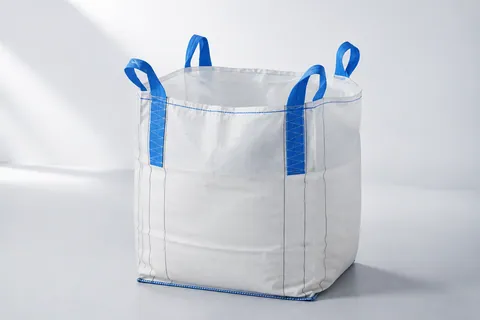
Woven body
Identify the outer material and fabric specification.
A coating and a PE liner are different components. Coating describes a finish on the woven body; a liner is a separate internal component. Specify each one, together with seams and closures, for the material you plan to pack.
Identify the outer material and fabric specification.
State the finish separately from an internal liner.
Define shape, dimensions, attachment and closure details.
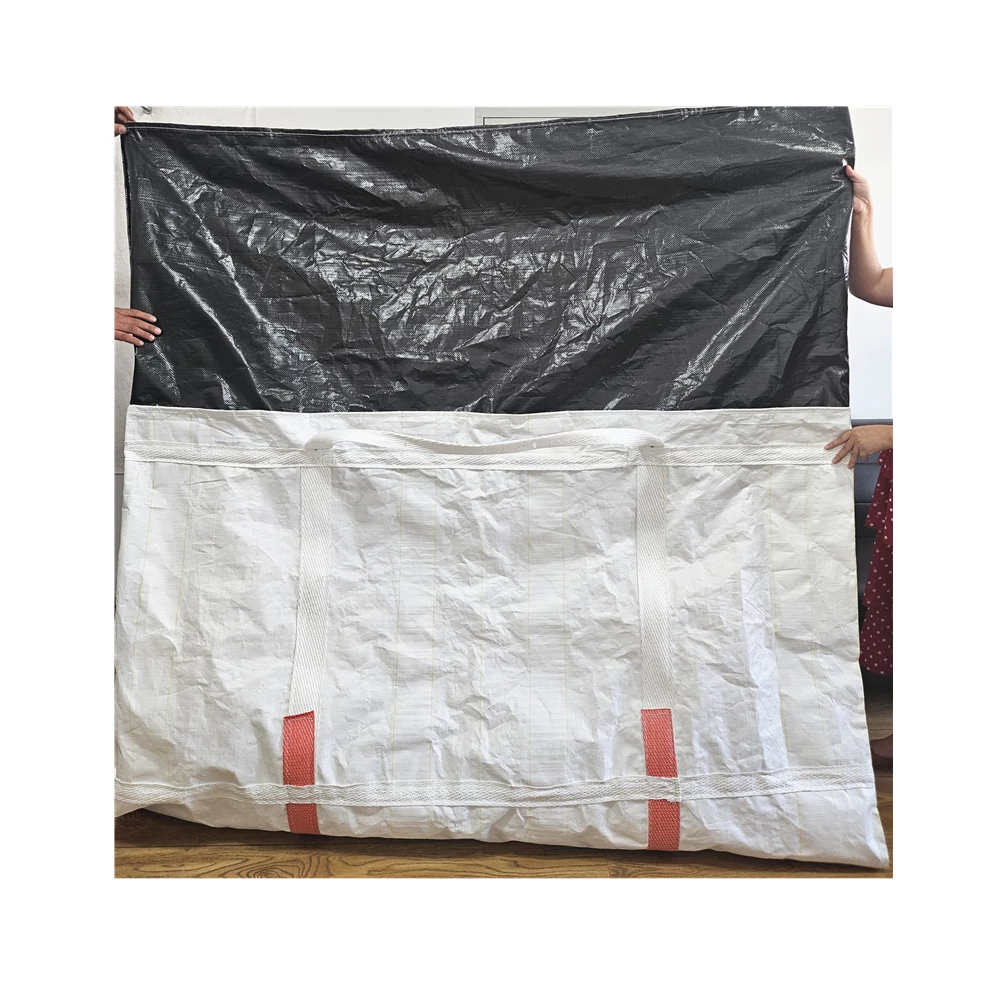
A coated FIBC does not automatically include a separate liner. An uncoated body can also be discussed with a liner. The purchasing question is which complete package your material and exposure conditions require, including the top and bottom closures.
Record the outer fabric, coating or lamination, liner shape and fitting details separately. Where dust containment, moisture exposure or product contact matters, identify the required result and ask what evidence supports the proposed configuration.
| Component | Part of the bag | Specify in your enquiry |
|---|---|---|
| Woven fabric | Outer bag body | Material, fabric specification and body construction. |
| Coating / lamination | Finish associated with the fabric | Which surfaces and components are included in the proposed finish. |
| Separate PE liner | Internal component | Film details, shape, dimensions, attachment and top/bottom connections. |
| Form-fit liner | Liner shaped for a specific arrangement | How the liner follows the bag and connects to its openings. |
| Filler cord / stitching | Seam-related component or construction | Material, seam location and the containment requirement it addresses. |
Coated, lined and siftproof are not interchangeable terms. None alone establishes a universal waterproof, food-contact or chemical-compatibility result.
Identify the outer material and fabric specification.
State the finish separately from an internal liner.
Define shape, dimensions, attachment and closure details.
Specify stitching or filler cord where required for the contents.
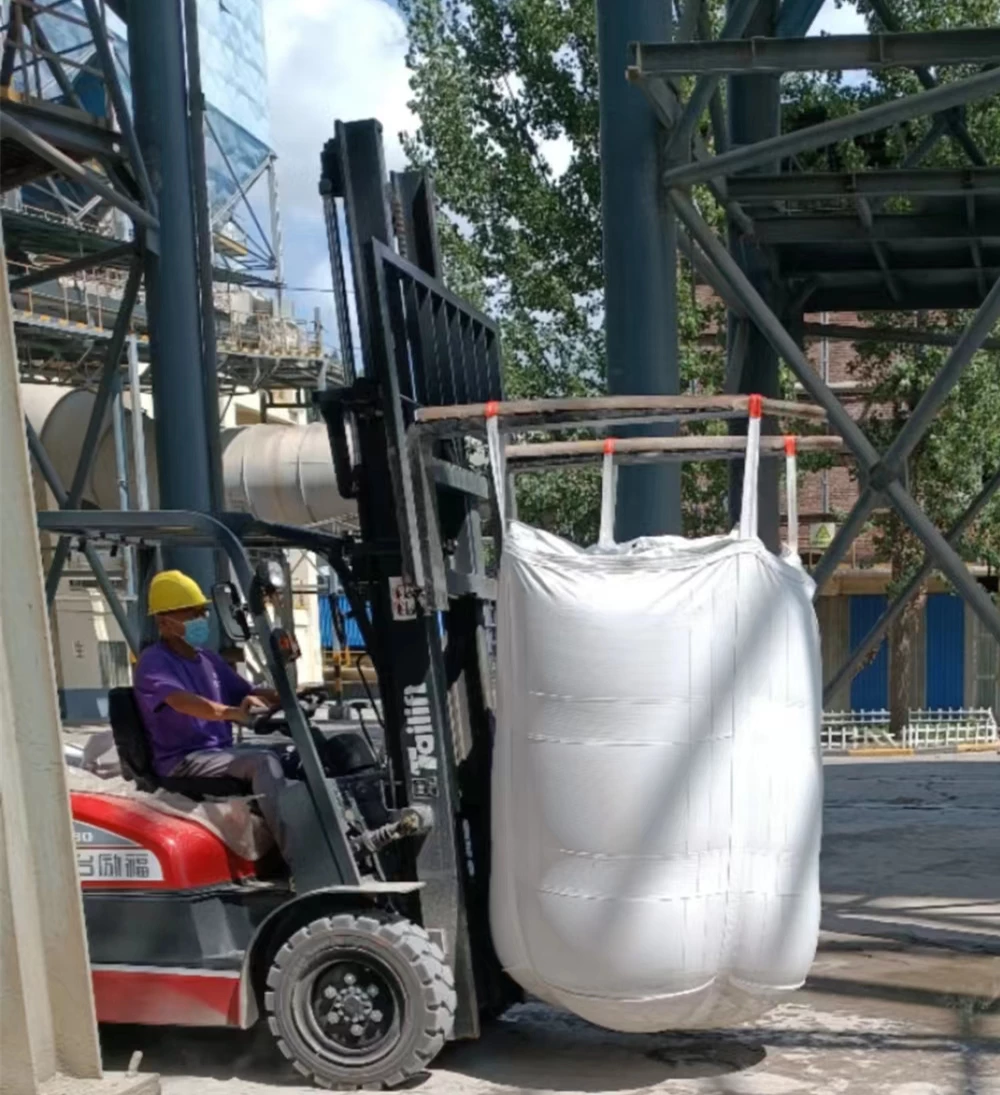
Begin by recording the finish expressly stated for the outer body. Keep coating and lamination wording as written in the product information until the proposed construction is clarified. If the data does not identify a coating, do not automatically add one to the description. If it says uncoated, record that fact separately from the question of whether a liner is required.
The coated tubular cement FIBC combines a named fabric finish with filling and discharge spouts. A useful enquiry considers those features together. Asking about coating without the opening connections or intended powder leaves the complete package unclear. Include any material information and evidence requirements relevant to your operation.
Uncoated references appear elsewhere in the catalog, including an industrial sling product. That illustrates why a finish category should not be treated as a complete product comparison: an enclosed spouted bag and a sling are different arrangements. First select relevant body configurations, then compare the material details. Browse coated and laminated bags and uncoated references with that distinction in mind.
If your current specification uses a finish term differently from a catalog entry, include the definition you need in the enquiry. Ask for the proposed material description to be written clearly in the quotation. Shared terminology is useful only when both sides mean the same component and construction.
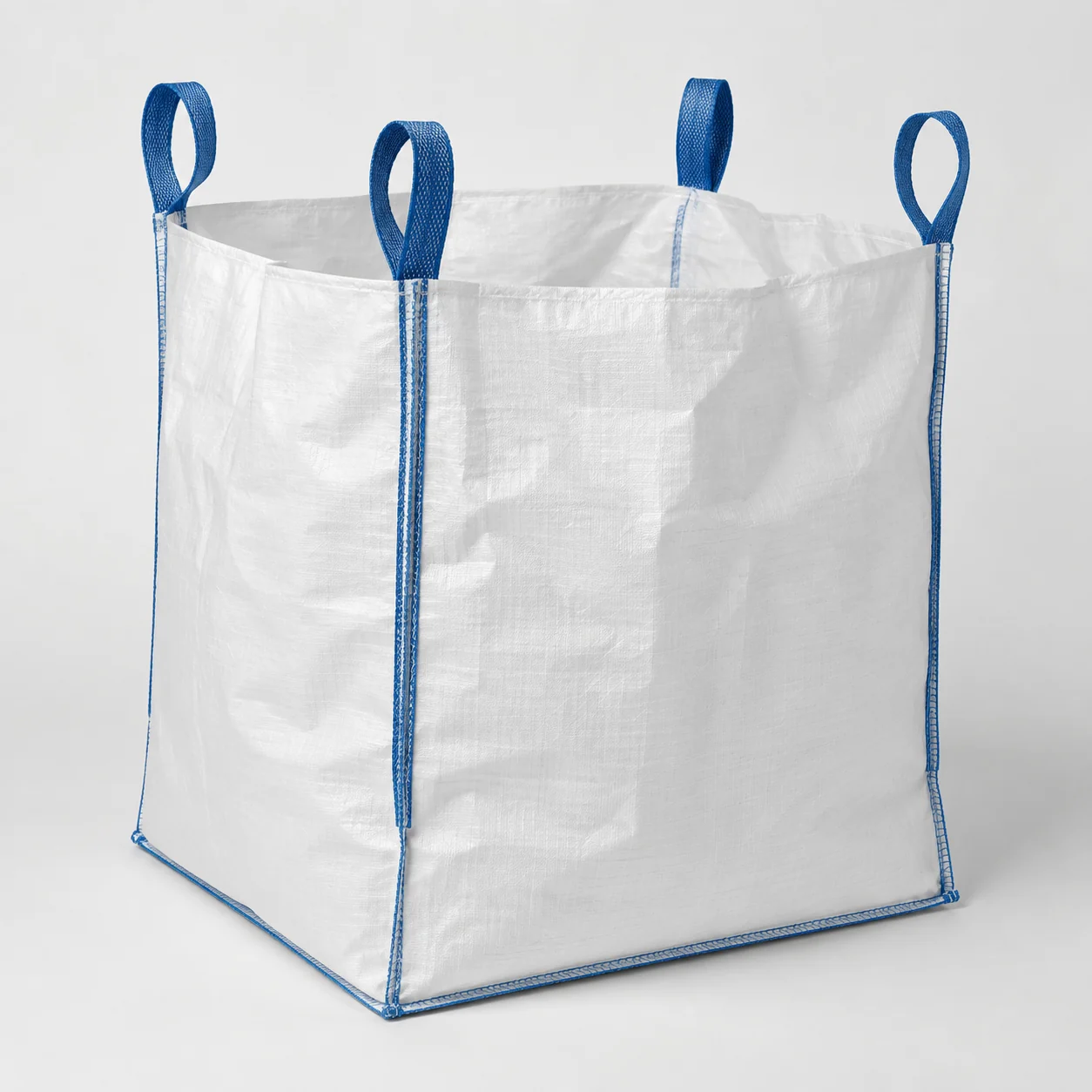
A liner request should say more than PE liner required. Identify the shape, the intended relationship to the bag and the details needed at the top and bottom openings. Where attachment, film specification or closures matter to the application, ask for them explicitly. Do not borrow an unspecified thickness or fastening detail from a different product.
The form-fit PE-lined U-panel reference includes a fill-spout reference of 16 × 19 inches and a C-style discharge-spout reference of 14 × 19 inches. Those are specific catalog details, not default sizes for all lined FIBCs. Use them to identify the reference you are discussing, then state the arrangement required for your equipment.
The relationship between liner and openings deserves its own review. Tell the supplier how the proposed package will be filled and emptied, and ask how the liner is intended to connect within that design. If you need a drawing or a sample to understand the arrangement, specify the question it should resolve. A generic liner photograph cannot replace that information.
The PE-lined collection groups products with an explicit liner reference. It is a starting list rather than a statement that all those bags share one liner shape, attachment or suitability. Compare the relevant product details and note missing information before selecting a configuration.
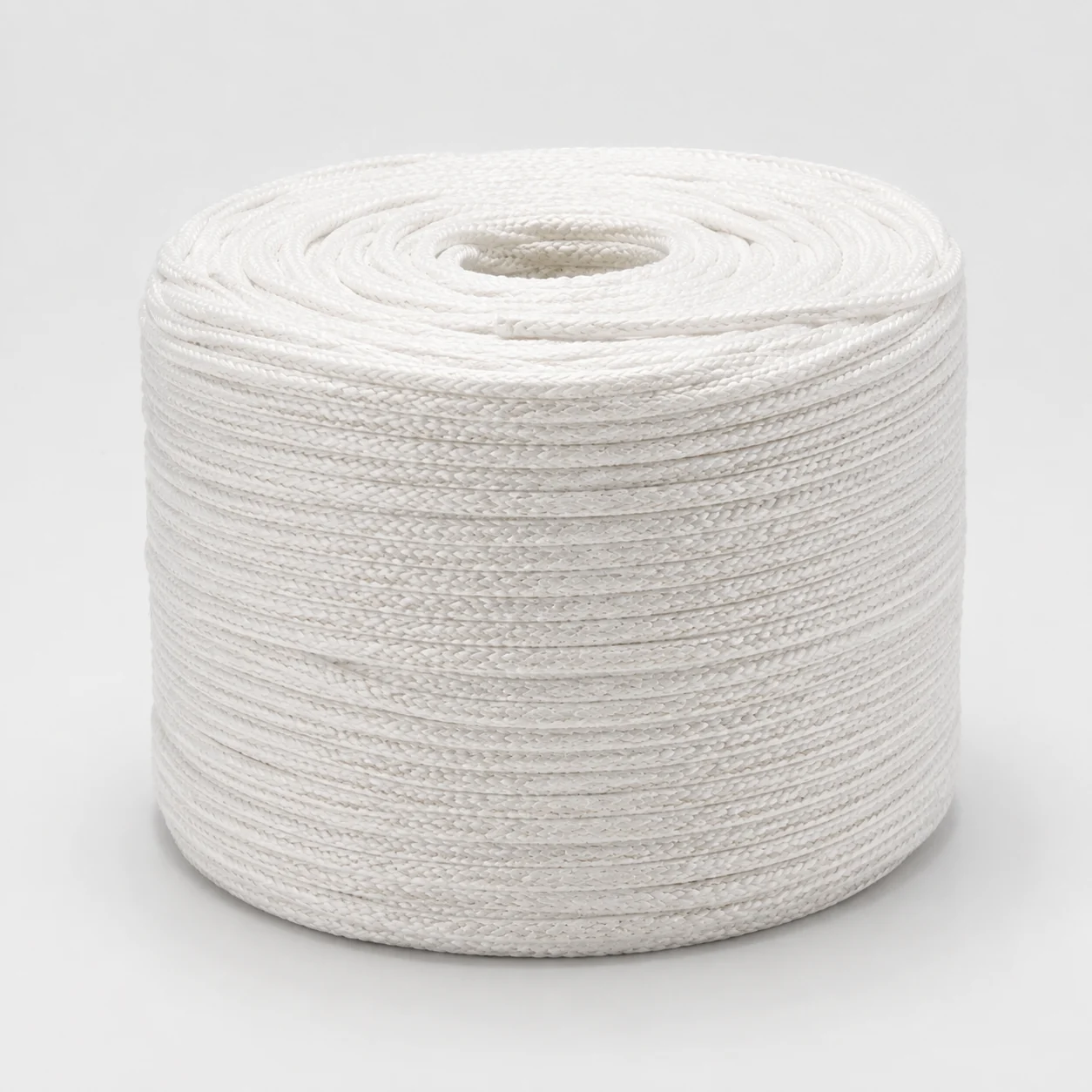
The outer fabric and liner do not describe every part of the package. Record any seam detail or closure requirement that matters to the material. Some product records mention filler cord or stitching, while others do not state those features. An absent detail should become a question rather than an assumed treatment.
The 8 mm woven filler cord reference helps distinguish an accessory from a finished bag containing a particular seam treatment. The product record contains differing fiber descriptions, so this guide does not select a fiber on the buyer's behalf. Ask for the material and required length to be confirmed alongside the intended stitching arrangement.
Describe the circumstances that make containment important: the actual contents, their form, the packing stage and the conditions the proposed package will encounter. If the purchasing requirement calls for a measured result, state what evidence is needed. A name such as coated, lined or siftproof does not on its own define an acceptable limit or demonstrate performance for your material.
Keep questions about food contact, chemical compatibility and other special requirements separate from basic component identification. A liner does not automatically establish suitability for every ingredient, and a chemical-packing title does not assign a dangerous-goods or electrostatic classification. Request evidence appropriate to the exact configuration and intended use.
A short schedule helps prevent different quotations from describing different packages under the same broad name. Use the entries below to identify the component, the known reference and the information still needed. The schedule is a purchasing aid; it does not set technical values that have not been agreed.
| Component | What to record | What to clarify |
|---|---|---|
| Outer body | Material and body construction from the reference | The complete proposed fabric specification |
| Finish | Coated, laminated or uncoated wording | What the finish description means for this design |
| Liner | Named material and shape where supplied | Required film details, attachment and closure arrangement |
| Openings | Top and bottom references with their units | Connections between the bag, liner and equipment |
| Seams | Recorded stitching or filler cord details | The construction required for the intended contents |
| Evidence | Documents requested by your technical team | Product identity, scope and relationship to the order |
| Changes | Difference from the selected catalog reference | The accepted drawing and quotation revision |
Where a supplier offers two options, keep them as separate rows or separately labelled configurations. Do not combine the liner of one option with the coating of another and assume the quoted price covers the resulting design. Ask which components each option includes and how the requested evidence relates to it.
For a broader view of how these decisions connect to the body and equipment, use the FIBC selection guide. The custom configuration page helps separate features retained from a reference from changes you want to discuss.
A sample review should resolve specified questions. If liner shape or an opening connection is the issue, ask whether the sample represents that detail in the requested design. Record any differences between the sample, the product reference and the quotation so that the comparison remains meaningful.
Changes to material or liner arrangement should appear in the written specification. Keep the revised drawing or description with the relevant correspondence. An accepted outer appearance does not establish that an unseen component is unchanged. If the proposed material changes, ask whether the supporting information still addresses the intended package.
The sample and drawing guide explains how to prepare this comparison. Use the quality and documentation guide to separate material information, product-specific evidence and company documents. These pages help organize the enquiry without assuming that a particular certificate or test report is available.
No. Coating describes a finish, while a separate liner is another component. Read the actual product details and ask whether the quotation includes a liner. If one is needed, specify its requirements instead of treating it as implied by the coating description.
Yes, those are separate specification questions. Whether a particular combination can be quoted must be confirmed for the proposed design. Record the required outer body and liner independently, then ask how they relate to the openings and intended use.
No. It identifies a liner description that still needs to be connected to the bag drawing and interfaces. Confirm the relevant dimensions, units, attachment and opening arrangement. A size reference from one product should not become an assumed default for another.
The two describe different components and should not be treated as substitutes without reviewing the complete requirement. State the intended seam construction and liner needs separately. Ask for evidence relevant to the contents when a containment result is part of the purchasing decision.
Send the entries you found and explain the material you require. Ask for the proposed specification to resolve the difference in writing. Do not select whichever description appears more attractive, and do not remove the uncertainty from an internal comparison before it has been answered.
Coating, a separate liner and seam treatment solve different problems. Define the packed material, particle behavior, moisture exposure and contact conditions, then ask which component addresses each requirement. A product name should not substitute for a component schedule.
For seam leakage questions, use the filler cord and siftproof seam guide. For food and chemical questions, use the compliance requirements guide.
Describe the contents and exposure conditions, then list the body, finish, liner and seam details you need reviewed.