
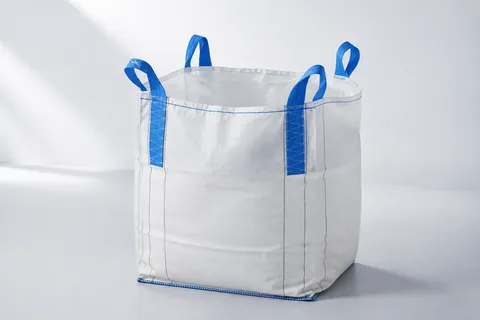
Forklift-Tunnel Bulk Bags for Warehouse Handling
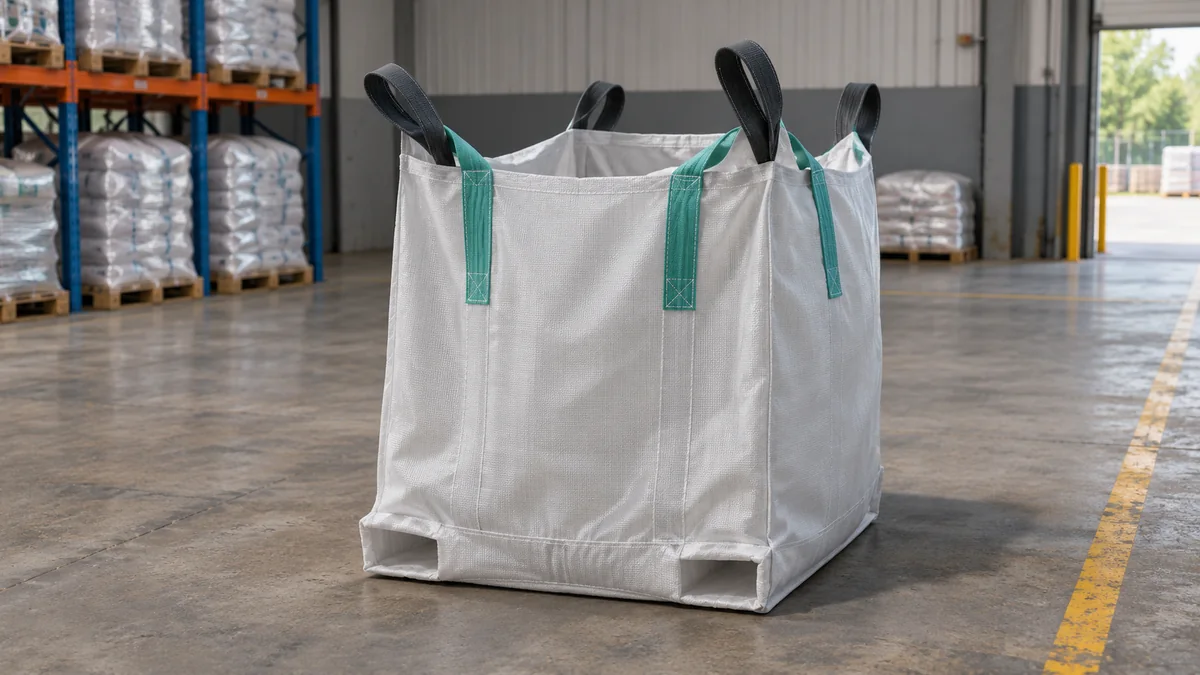
If you want a bulk bag that receives forklift blades through dedicated tunnels, measure the truck before selecting the bag. Relia’s catalog includes forklift-tunnel FIBCs. The usable sleeve opening and spacing must match the actual forks and the supported bag, including any obstruction created by fabric folds. A warehouse trial with the approved payload and pickup direction tells you more than nominal sleeve width.
- Fork geometry
- Supported sample
- Route approval
The Fork Profile
Measure blade width, thickness, usable length and fork spacing. Share the range of spacing the operator can use and the direction the truck approaches the bag.
Manufacturing checks for this specification
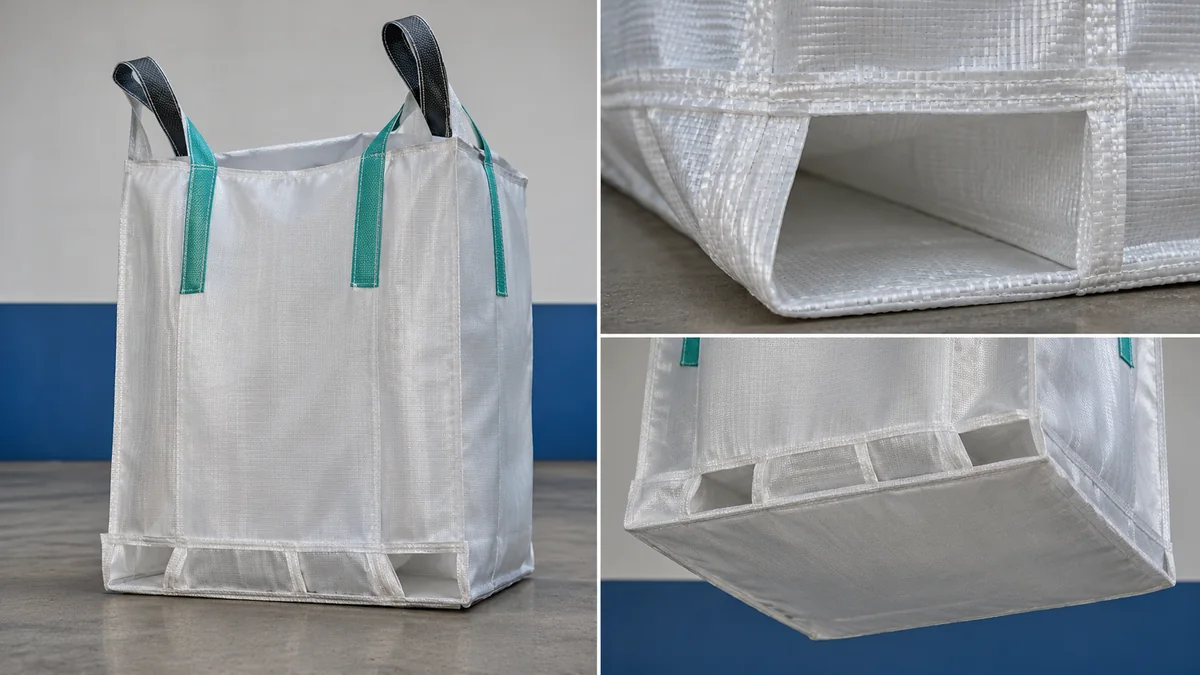
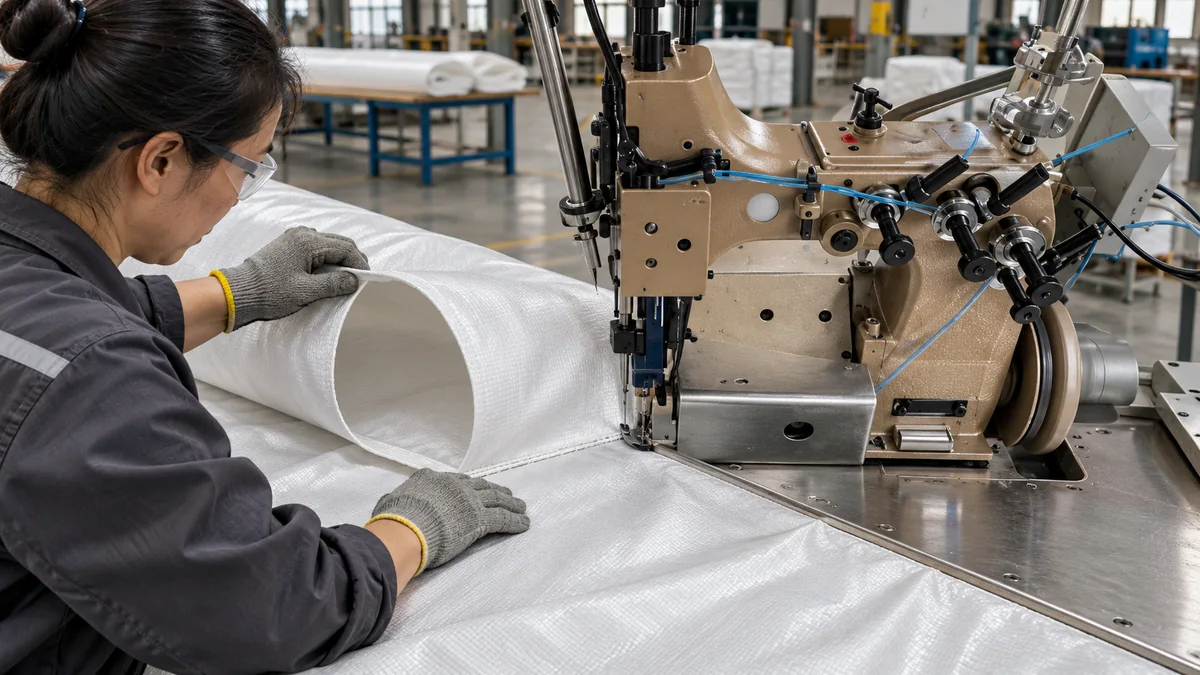
On a tunnel design, cut and folded sleeve material creates the entry shape. Its sewn attachment transfers forces into the surrounding structure. Relia’s manufacturing catalog identifies automatic cutting and sewn assembly. In the offered drawing, specify sleeve location, reinforcement, entry direction and whether the dimensions are measured free or with the bag supported.
- 01Measure the blades
- 02Locate the sleeves
- 03Check entry and wear
Record each fork width and thickness at the entry area, the working center-to-center spacing and the insertion depth. Check both entry mouths on a supported sample before the approved lift. Record entry obstruction, tunnel alignment, wear marks, load stability and the condition of the attachment after the agreed route.
Relia factory process and quality checks
Measure both fork blades at the working setting
Use the actual forklift’s outside-to-outside setting, blade width and thickness, free insertion length, and approach direction. Include any heel taper and clearance below the supported bag. A nominal truck capacity does not establish that its blades fit the proposed fabric tunnels.
Mark the entry direction and support geometry on the sample drawing. Compare entry, alignment and condition after an agreed trial using the same route and payload. Ask the responsible equipment team to approve the proposed pickup before routine handling.
FIBCA safe handling guidelines
Tunnel Placement and Entry Clearance
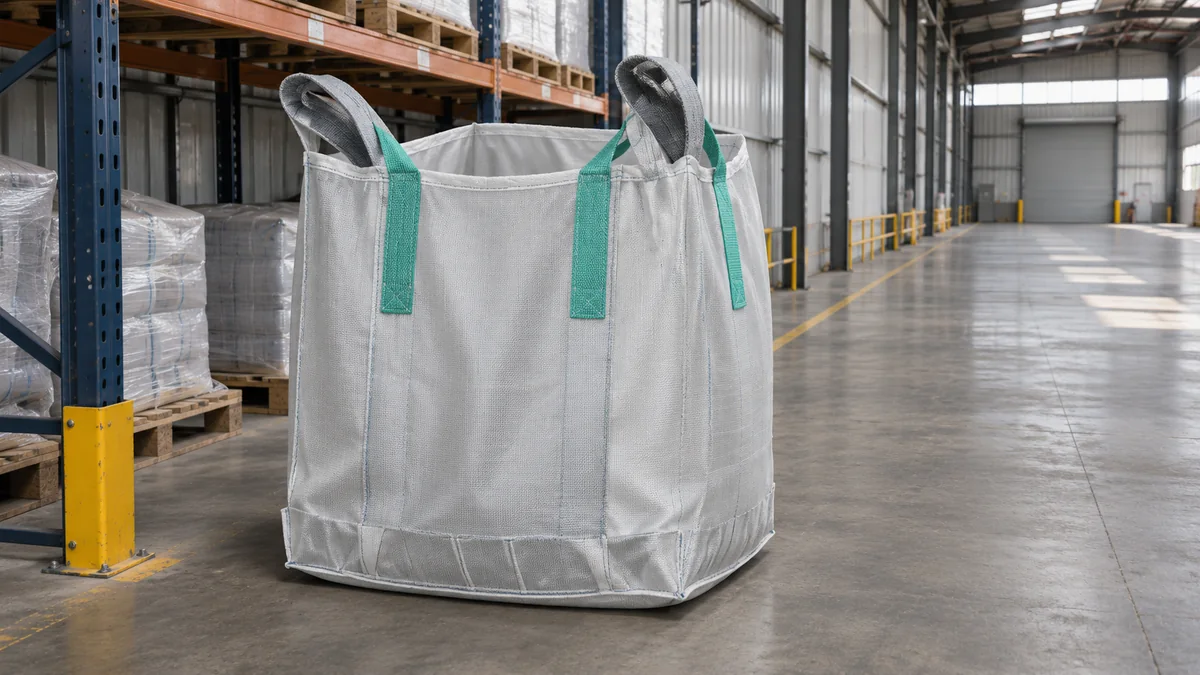
Show tunnel position and entry orientation on the sample drawing. Check access when the bag is staged in the actual orientation used by your team.
Your Current Bag as the Baseline
Record how long it takes to collect and set down the current bag under the agreed work method. The same route and filled mass give you a fair comparison.
A Representative Warehouse Route
Include aisle widths, turns and handoffs between warehouse areas. Share any point at which clearance or visibility changes before we discuss the sample.
Filling and Staging Sequence
Tell us whether the bag is placed on a pallet, filled in a station or presented directly for pickup. These positions affect the alignment a trial should check.
The first pickup is part of the design
Draw the condition of the bag immediately before the operator approaches. Include whether it rests on a floor, pallet or other support, and show what keeps the sleeves accessible. Compare the sample with that position. A tunnel that is correctly spaced on an empty table can fold or lose usable opening when the bag is filled and staged.
Wear Points After the Trial
Inspect the opening and tunnel stitching for signs of contact from blade entry. Record where contact occurred so that changes can be tied to the sample drawing.
Sample Release for a Specific Truck
Use the accepted drawing and documented trial with the reviewed fork geometry, payload and route. Review a different truck or route as a separate operating condition.
Evidence to keep with the order
At release, record the truck configuration and sample orientation used in the route test. Include both the empty and supported sleeve dimensions. If a fleet uses different forks, add the second geometry to the approval scope or quote a separate configuration.
Related Handling Choices
A steel filling frame needs its own fitment review. The filling and lifting guide provides more detail on recording interfaces for the bag drawing.
Share Your Fork and Route Drawing
Use actual pickup, travel and set-down conditions.
Contact the Relia Team
Send the truck model, fork cross-section and spacing, filled mass, material and route sketch. Attach a photo showing how the current bag sits before fork entry.
Qingdao, Shandong, China