
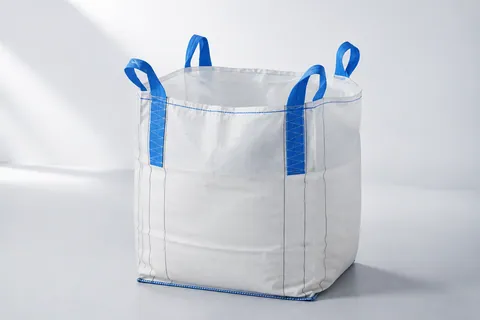
Identify
Record the sample, catalog reference and drawing revision.
A useful FIBC sample answers a defined question: size, opening fit, loop position, liner arrangement or printing. First establish whether the sample is an existing catalog reference or represents your requested design.
Record the sample, catalog reference and drawing revision.
Define units and the points between which dimensions are checked.
Mark differences in openings, loops, liner and print details.
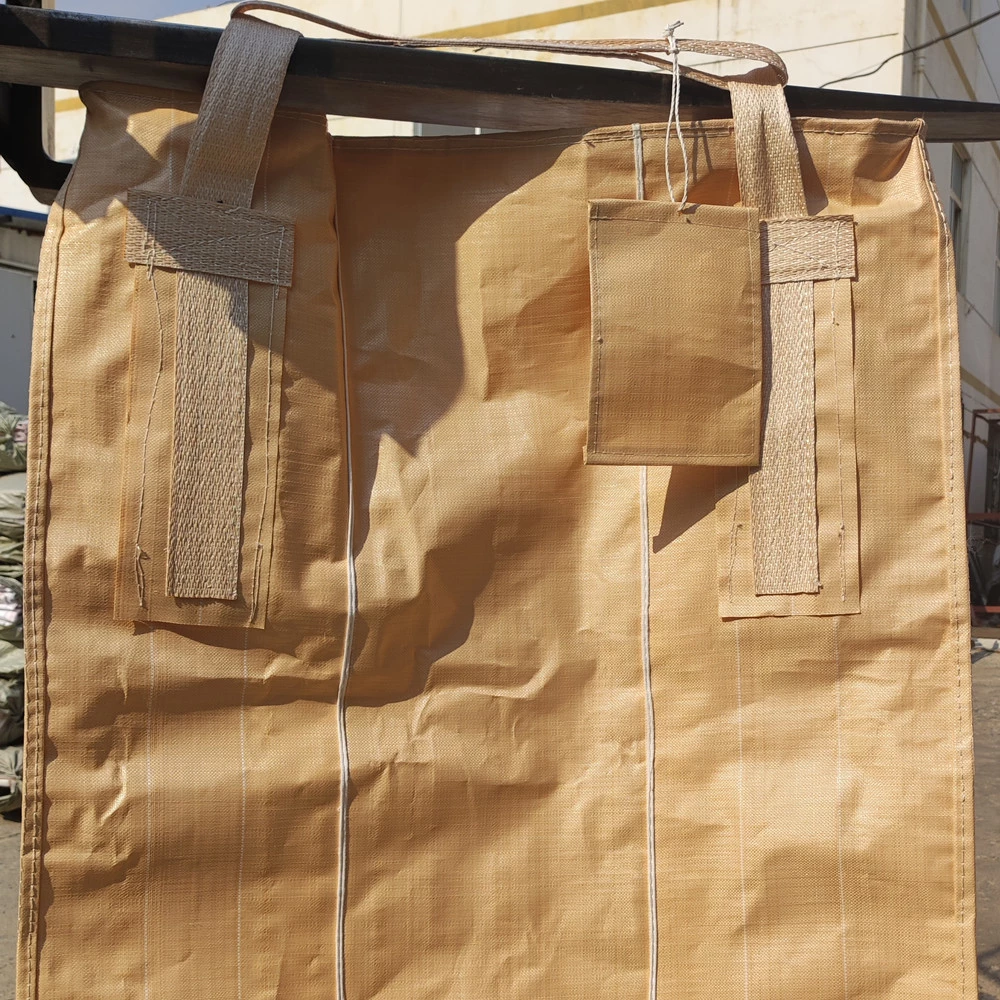
Use one drawing revision and a short checklist for the sample, quotation and requested changes. Record the reference number, dimensions with units, opening details, lifting loops, material components and markings. Keep photos tied to the item they illustrate.
Ask about sample availability, cost, shipping and whether the proposed sample includes the custom features you need to assess. A visual sample review and product testing answer different questions; specify each review requirement separately.
| Check | Record | Question to resolve |
|---|---|---|
| Sample identity | Reference, date and drawing revision | Does this sample represent the requested design or an existing bag? |
| Body dimensions | Units and measurement points | Which dimensions and agreed tolerances will be used for review? |
| Openings & loops | Top, bottom and lifting details | Does the sample show the connections required by your equipment? |
| Liner & materials | Components shown in the sample | Are any requested components absent or different from the proposed order? |
| Printing & labels | Artwork version, position and orientation | Which markings belong on the approved specification? |
| Review outcome | Open points and accepted changes | Which drawing revision will the quotation and order refer to? |
A sample photograph supports the record; it does not by itself establish load performance, material compatibility or certification.
Record the sample, catalog reference and drawing revision.
Define units and the points between which dimensions are checked.
Mark differences in openings, loops, liner and print details.
Keep accepted changes in the revised specification.
Every drawing dimension needs a unit and a clear description of its endpoints. Keep bag-body dimensions separate from opening dimensions and loop details. A set of three numbers copied from a title does not tell another reviewer whether the measurements describe a body, a component or an equipment connection.
When the source provides units, preserve them with the original value. When units are missing, leave the field unresolved and request clarification. Do not turn a familiar-looking number into centimeters or inches based on experience with other bags. If a comparison requires conversion, retain the original source value and record the agreed converted value separately.
| Field | What to enter | What to clarify |
|---|---|---|
| Reference | Catalog product, drawing name or sample identifier supplied for the enquiry | Which configuration and revision the reference represents |
| Dimension | Component name, source value and unit | Where the measurement starts and ends |
| Opening | Top or bottom arrangement and the required connection details | Diameter versus lay-flat width and the length reference |
| Loop | Arrangement and separately identified measurement fields | Width, free dimensions and attachment references |
| Revision | Your document date and revision label | Which earlier version is superseded for this discussion |
These are blank field descriptions, not a completed measurement sheet or a sample inspection result. Add only the measurements you have actually obtained or the requirements you intend to request. If a dimension is a requested target, label it as requested rather than presenting it as a measured property of the reference.
Ask the responsible reviewer to identify any measurement method or tolerance that must be agreed. This page does not supply universal tolerances. A comparison is easier to interpret when the parties have described the same component, measurement condition and reference points, instead of comparing values that happen to use the same unit.
The filling, discharge and lifting loop guide connects these measurement questions to the equipment interfaces. Use it when a drawing needs information from the filling, receiving or handling equipment team.
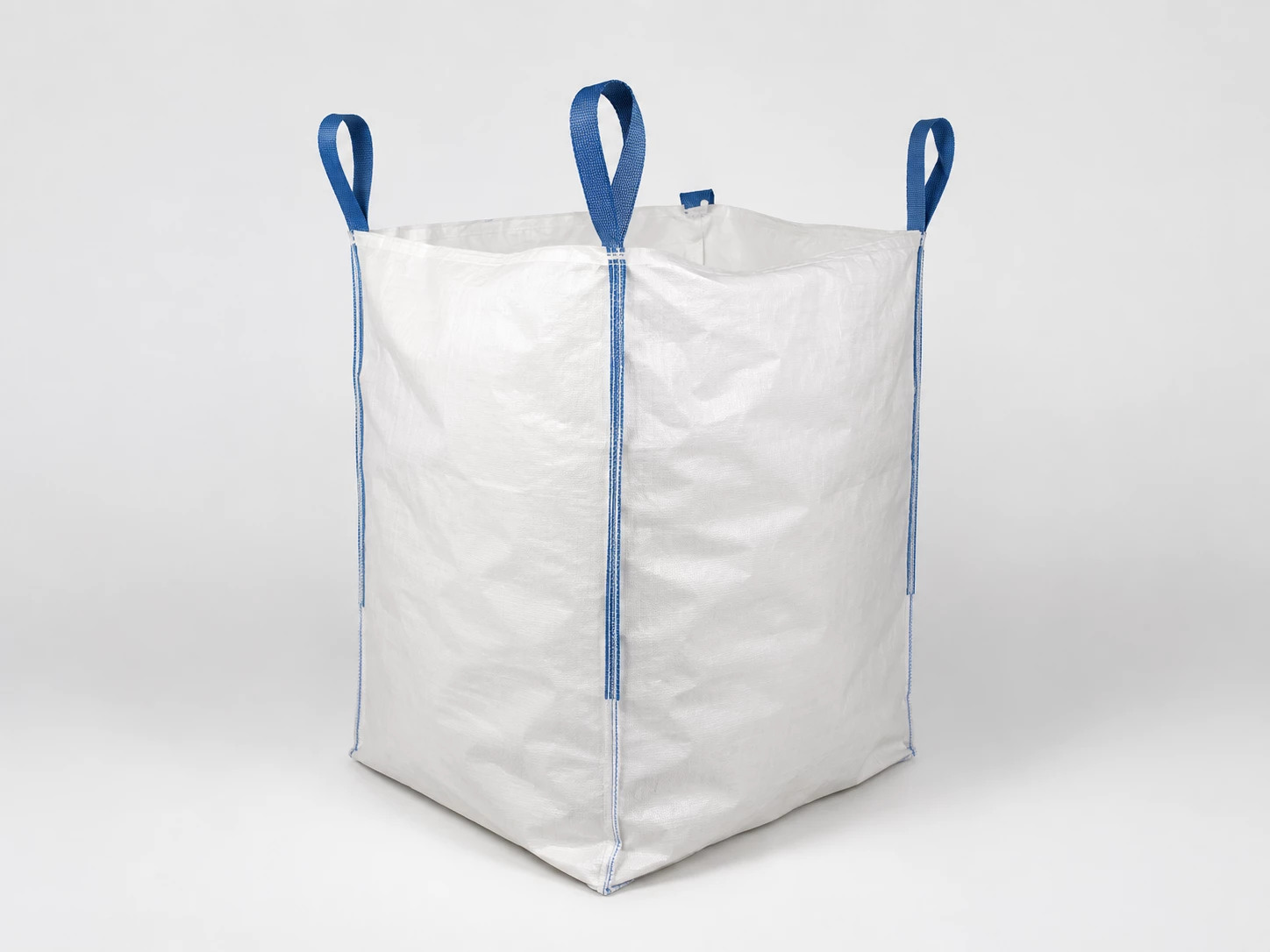
Review the proposed bag component by component. Start with the body and its stated configuration, then move through the top, bottom, loops, liner and markings. Mark each item as retained, changed or unresolved. This creates a clearer comparison than a single note saying the sample looks acceptable.
For the form-fit PE-lined U-panel reference, include the liner as a separate component in the review record. Ask which liner details are represented by the proposed sample and drawing. The source identifier helps identify the reference but does not replace a component specification.
If a connection involves both the outer bag and a liner, ask which component a dimension describes. Keep the requested liner shape, connections and attachment information distinct from the fabric finish. A coated body and a separate liner are different specification topics, so neither term should be treated as a shortcut for the other.
Keep artwork and product markings attached to the same revision record as the physical configuration. State which file or wording is proposed and identify any requested changes. A drawing can reserve a marking position without proving that a particular logo, claim or certification mark may be applied.
Do not infer a load rating, certification or intended use from color, appearance or a familiar symbol in an image. If such information is required, request the relevant product-specific documents separately and compare their scope with the proposed configuration. The quality and documentation guide provides a framework for those questions.
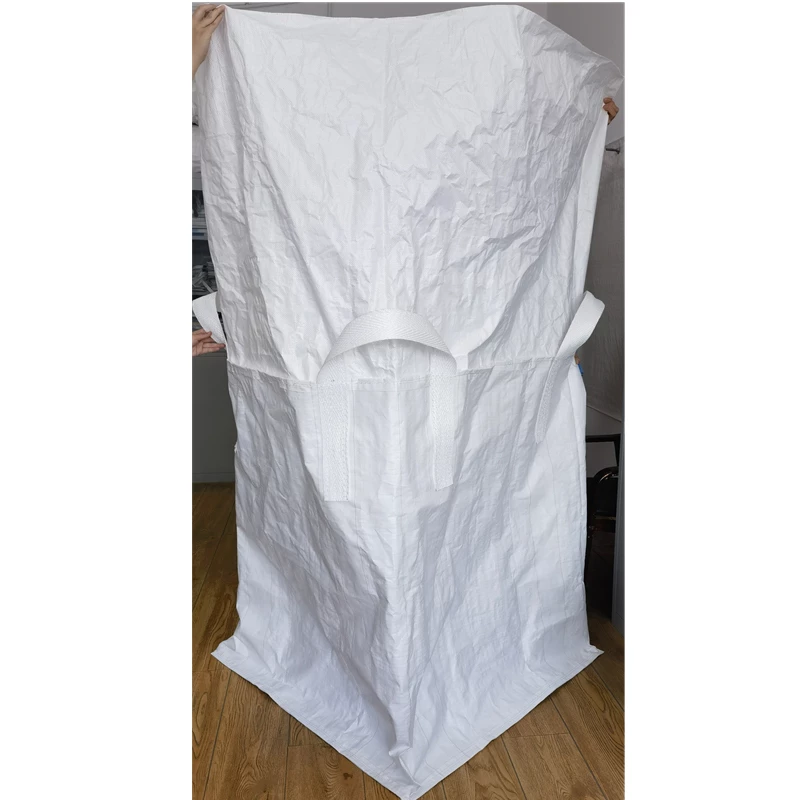
Use one revision record to connect the drawing, the requested configuration and any sample discussion. Record the date, the document being reviewed, the requested change and the response. The objective is to make differences traceable without claiming that a general correspondence record is a manufacturing control system.
For example, a buyer may start from a catalog reference with skirt filling access and ask about a different top arrangement. Keep the original top description in the reference column. Put the new arrangement in the requested-change column and wait for a specific response. Do not assume that the original quotation or proposed sample includes the change.
Use the fertilizer baffle bag reference as an identified starting point only when it is relevant to your requirement. A requested change should retain a link to that starting point while clearly describing the intended difference. A fertilizer title does not establish compatibility with every formulation.
| Item | Reference information | Requested change or question | Response to record |
|---|---|---|---|
| Top arrangement | Copy the identified reference description | Describe any different opening required | Proposed arrangement and drawing revision |
| Liner | Record whether the reference explicitly specifies one | Ask which liner details are included | Component description and unresolved points |
| Printing | Preserve source wording and any conflict | Identify the requested artwork or finish | Specific proposed wording, file or clarification |
If a drawing, photograph and quotation disagree, describe the disagreement in one place and ask which version governs the proposal. Do not erase the earlier record. When a change is resolved, identify the revised document and keep the remaining open questions visible. Agreement on one field does not settle every other field.
A defined sample evaluation also needs its own scope. Decide which questions are to be reviewed by your responsible team and how observations will be recorded. Do not describe a visual comparison as a load test or a dimensional check as certification. Any required testing or approval needs the appropriate evidence and review.
Once the reference and review purpose are clear, ask which sample options are available for the specific request. Include the destination and the configuration under discussion. Ask about preparation, charges, shipping arrangements and the information needed before a response can be given. This guide does not state a standard sample fee, preparation period or delivery promise.
Keep commercial questions beside the technical request but distinguish them from it. A discussion of sample shipping does not establish order delivery terms. Likewise, an agreed drawing does not confirm price, quantity, availability or the scope of documents to be supplied. Ask for those points explicitly in the quotation request.
A photograph helps identify a reference and discuss visible appearance. It does not supply a physical sample, a measured drawing or evidence about hidden components. Decide which question you need answered before choosing the supporting material to request.
No automatic conclusion should be drawn. Record the configuration and revision being discussed, the purpose of the review and any unresolved requirements. Ask how the proposed order will identify its specification and supporting documents rather than assuming a sample covers every later change.
Send an actual product reference if one is relevant, your intended contents, a dated drawing or dimension list, the features to retain, requested changes and the questions you want a sample to resolve. Include destination and commercial questions without guessing missing values.
Choose a product reference, review configuration options, and use the RFQ specification guide to organize your request. When the known details and open questions are together, enquire about a sample with ReliaBulkBag.
Ask about availability for the chosen design, including cost, delivery destination and the features represented. Sample arrangements are confirmed for the individual enquiry.
Start with a catalog link and measured photographs of your existing bag or equipment. Label the units and identify the features that should remain or change.
List each change against a drawing revision and ask for the updated specification to be reflected in the quotation. Keep the previous version identifiable for comparison.
No. A sample can help assess agreed physical details. Any required testing or documentation should be identified separately and matched to the proposed configuration.
A sample can confirm measurements, component arrangement, workmanship and printing against an agreed checklist. It does not automatically prove load, electrostatic, food-contact, dangerous-goods or long-term storage suitability. Link every sample to a product code and drawing revision.
Continue with the load and safety guide, storage and inspection guide and document checklist.
Qingdao Relia Packing Co., Ltd. is a long-established, large-scale FIBC manufacturer with decades of manufacturing experience. For drawings, samples and revision approval, the useful answer is the one that links the buyer's stated material and process to a current quotation, approved drawing, sample or pre-production approval, production controls, final inspection and batch records.
Qingdao Relia Packing Co., Ltd.’s current facility evidence includes ISO 9001:2015 certification issued by Alcumus ISOQAR and valid through May 2028; BRCGS Packaging Materials Issue 6 certification issued by Lloyd’s Register and valid through June 2027; and an AIB International food-contact packaging facility inspection score of 860/1000 (Excellent), dated 22 April 2026. SGS reports, BSCI audit documentation, applicable CE documentation and the business license remain available for buyer review. Product-specific applicability is confirmed against the quoted design and destination requirement.
Match the legal company, manufacturing site, business license and current certificate holder before relying on a supplier claim.
Connect material, dimensions, load basis, loops, inlet, outlet, liner, printing and acceptance checks on one revision-controlled record.
Send the product link, intended contents, bulk density, quantity, destination and required evidence. WhatsApp 14042030971.
Email your drawing or reference photographs and the specific questions you want the sample to answer.