

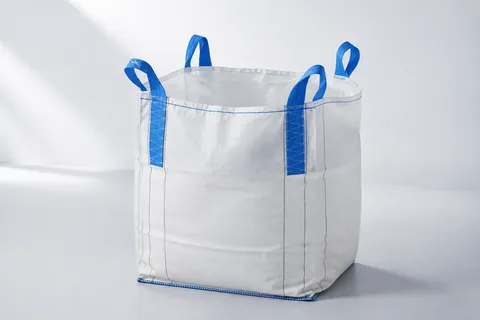
Economy Single-Trip Bulk Bags for Dry Materials
If you need an economical single-trip bulk bag for dry material, start with the simplest listed construction that meets your filled weight, equipment and opening requirements. Relia lists open-top tubular examples at 800 kg and 1,500 kg, with different dimensions. Compare them against the same shipment terms and bale quantities. If a stock geometry misses the lifting or filling interface, request a drawing for the nearest alternative.
- Fit first
- Cost basis
- Repeat purchase
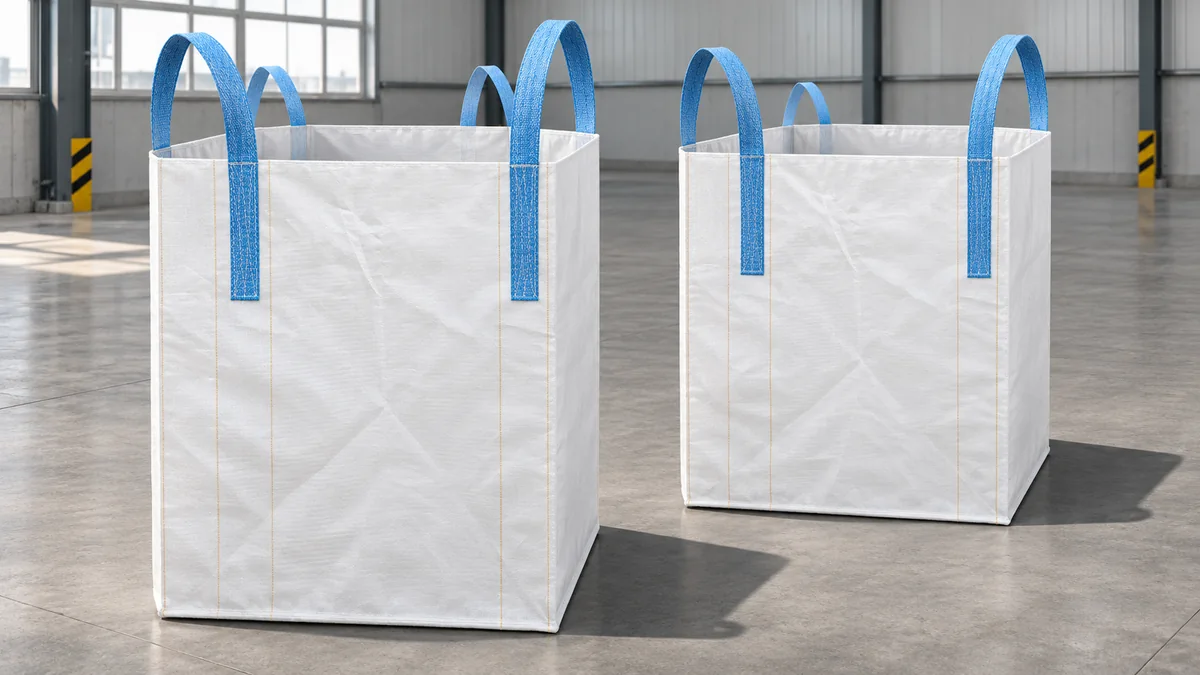
A Filled Footprint That Fits
Start with the filled footprint and height that fit your pallets, equipment and warehouse. Tell us which dimensions are flexible so we can check nearby standard sizes before quoting a custom one.
Manufacturing checks for this specification
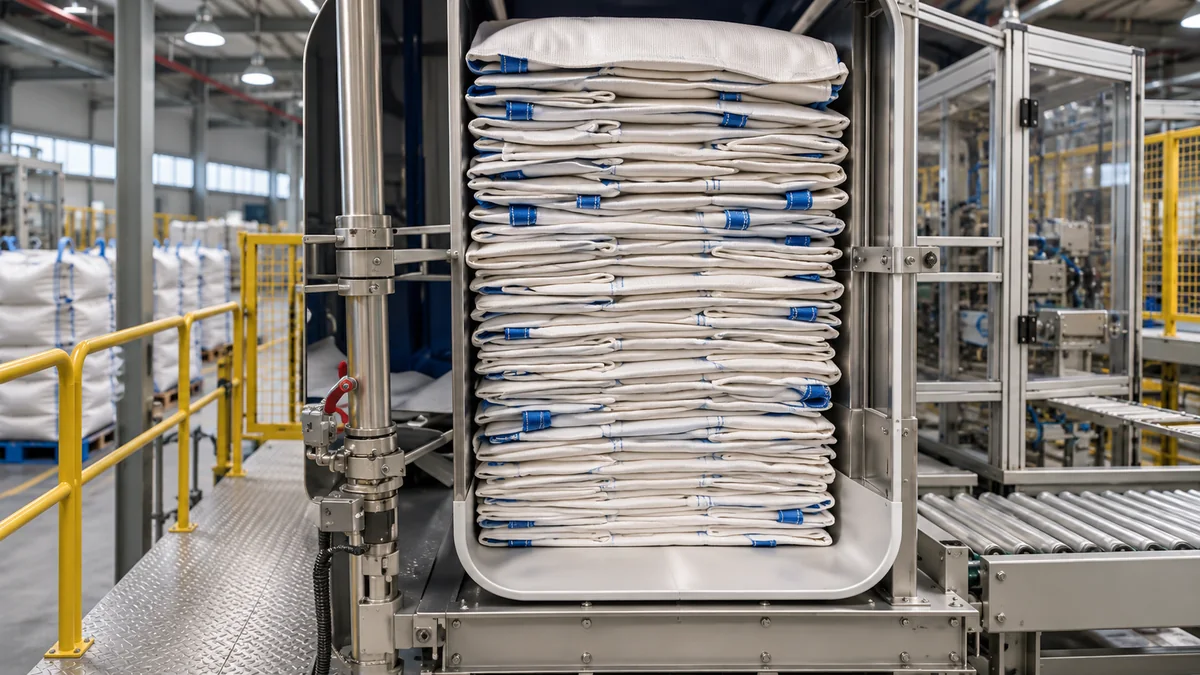
Relia’s catalog describes woven PP tape production, automatic cutting, sewing and pressed bales. A standard pattern can simplify repeat quoting when the geometry, cloth, base and loop layout stay fixed. Compare any requested changes to coating, liner, labels or lifting attachments on a separate quote line so the two offers are comparable.
- 01Approve the reference
- 02Check bag and markings
- 03Confirm bale configuration
At quote stage, compare total delivered cost divided by accepted bags. Include sample charges when applicable, production, freight, handling and expected usable count. Ask for units per bale, bale size and weight for your delivery. At sample approval, measure the same fit dimensions that govern your filling and receiving process.
Two Standard Model References
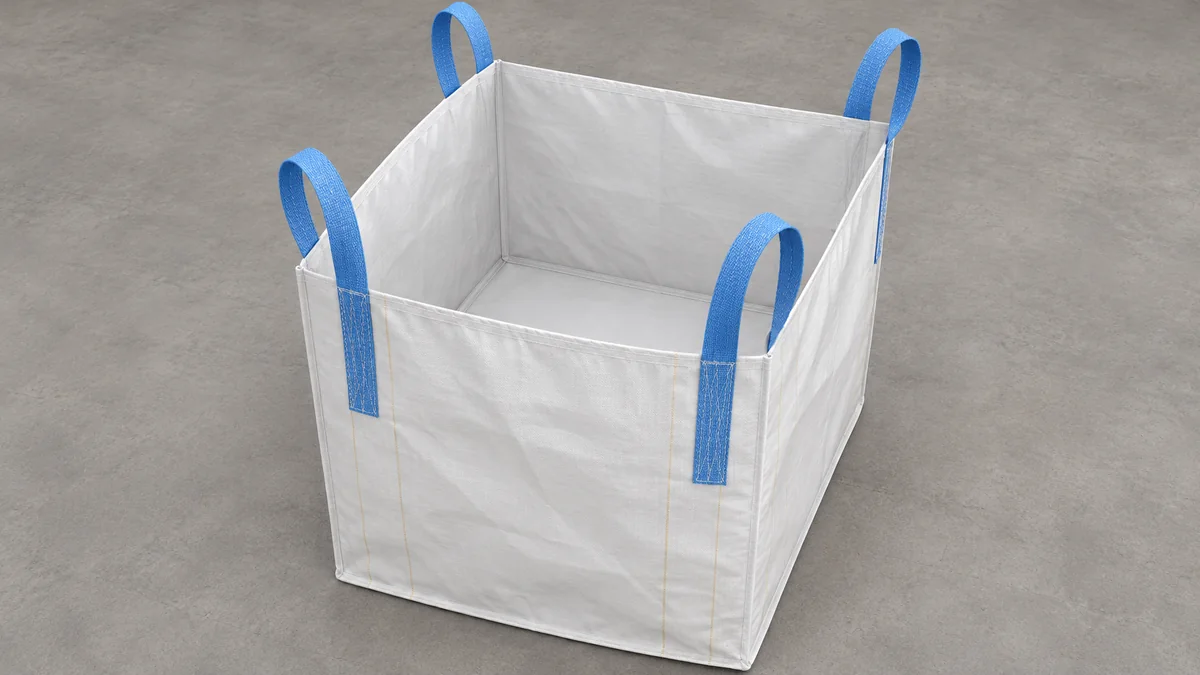
One listed tubular bag is 75 × 75 × 80 cm and 800 kg. Another is 90 × 90 × 100 cm and 1,500 kg. Use them as construction references for a quote with your actual payload.
Compare usable cost at the same duty
The 800 kg tubular reference and the 1,500 kg flat-base sand reference both list virgin PP and 5:1. At a requested 1,000 kg filled load, the 800 kg listing drops out of the comparison. The 1,500 kg listing still needs its geometry, single-trip marking and material application checked.
Divide the comparable delivered cost by the number of accepted bags. Include the same quantity, freight basis, bale count and delivery point. Use a second quote line if you can accept a nearby standard size.
Simple Closures and Lifting Details
A full open top and flat base may suit manual filling and emptying at the end of the trip. Send the closure and emptying routine before fixing that layout, especially if the material can sift or needs protection.
Comparable Landed Costs
Compare the delivered cost per usable bag at the same order quantity. Put packing count, freight terms and any sample, pallet or setup charges on separate lines so the differences stay visible.
Bales and Receiving Space
Request a packing proposal early if you have a small dock or store room. Share unloading equipment and storage limits so the quote can identify how the bales will arrive and be handled.
A receiving check for large standard orders
Ask for the proposed bale count, units per bale and external dimensions before comparing container utilization. Confirm whether your receiving forklift and storage space can handle the offered bales. A trial bale can help check count and unpacking access. Treat substitutions in bag dimensions, labels or packing as changes to approve, even when the original order used a standard model. Both published tubular references list 500 pieces as their MOQ. Request the current minimum for the selected size, label and bale arrangement.
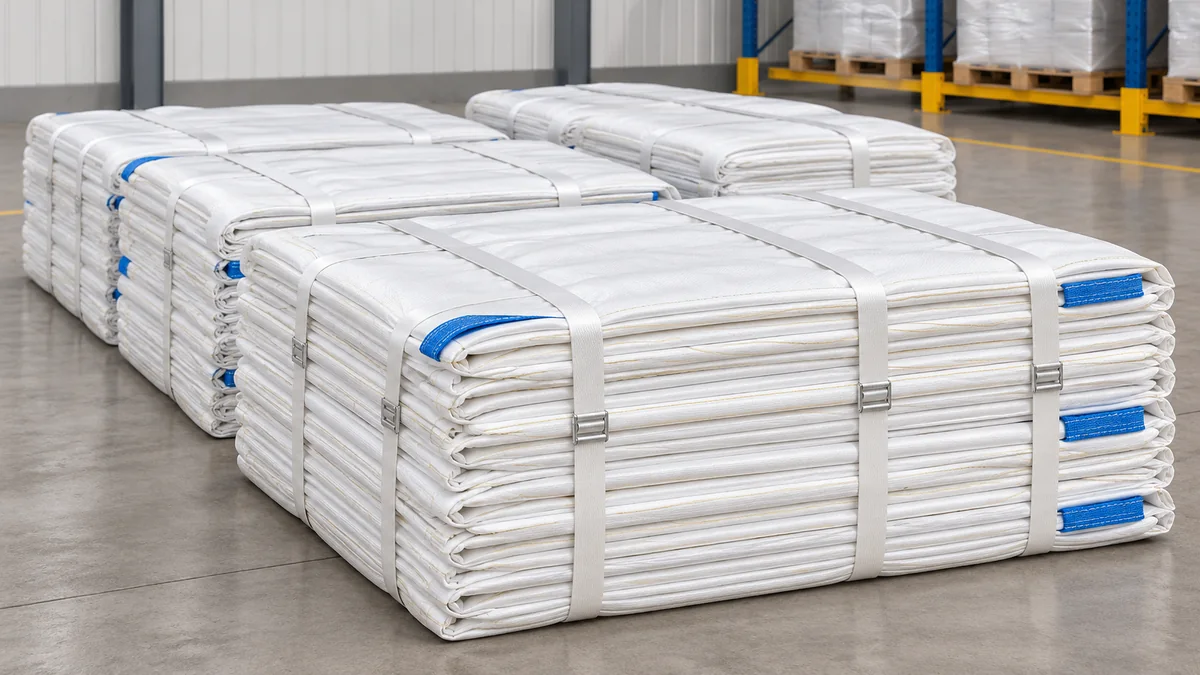
A Sample That Matches the Quote
Ask for a sample from the offered construction and confirm its dimensions, closure and markings before the purchase order. Keep the drawing revision with the quotation and with your receiving checklist.
Evidence to keep with the order
At purchase release, compare sample and order identifiers, permitted dimensional variation and the packaged quantity per bale. A lower bag price is useful only if the configuration passes your application and receiving checks. Keep the agreed dimensions and packaging details on recurring orders.
Material Specification and Alternatives
Tell us if recycled content is acceptable and how it needs to be documented. Material choice, sample requirements and delivered cost belong on the same quote comparison.
Delivery and Order References
Use the pricing guide to set a common basis across quote quantities. Your final specification should include the quantity breaks, packing and delivery window you intend to use for the order.
Request a Standard Bag Quote
Record drawing revision and receiving checks.
Contact the Relia Team
Send product, approximate bulk density, target filled weight, opening preference, equipment dimensions and order quantities. Ask for separate delivered and sample pricing where available.
Qingdao, Shandong, China