
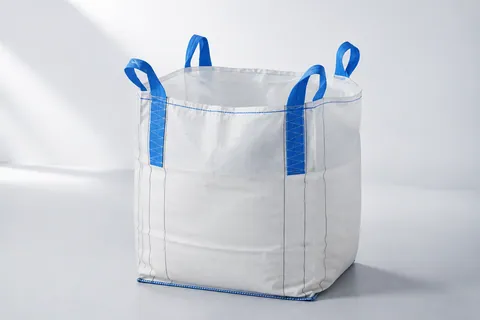
Identifikasi desain
Gunakan satu kode produk, gambar, dan revisi yang sama di seluruh catatan.
Susun rencana pengujian dan inspeksi berdasarkan desain FIBC yang tepat, tujuan penggunaan, dan risiko pesanan. Logo sertifikat atau laporan yang tidak terkait tidak dapat menggantikan identifikasi produk, aturan pengambilan sampel, dan kriteria penerimaan tertulis.
Gunakan satu kode produk, gambar, dan revisi yang sama di seluruh catatan.
Pisahkan kualifikasi desain, pemeriksaan proses, dan inspeksi akhir.
Sepakati pengambilan sampel, metode, batas, dan tindakan jika terjadi kegagalan sebelum produksi.
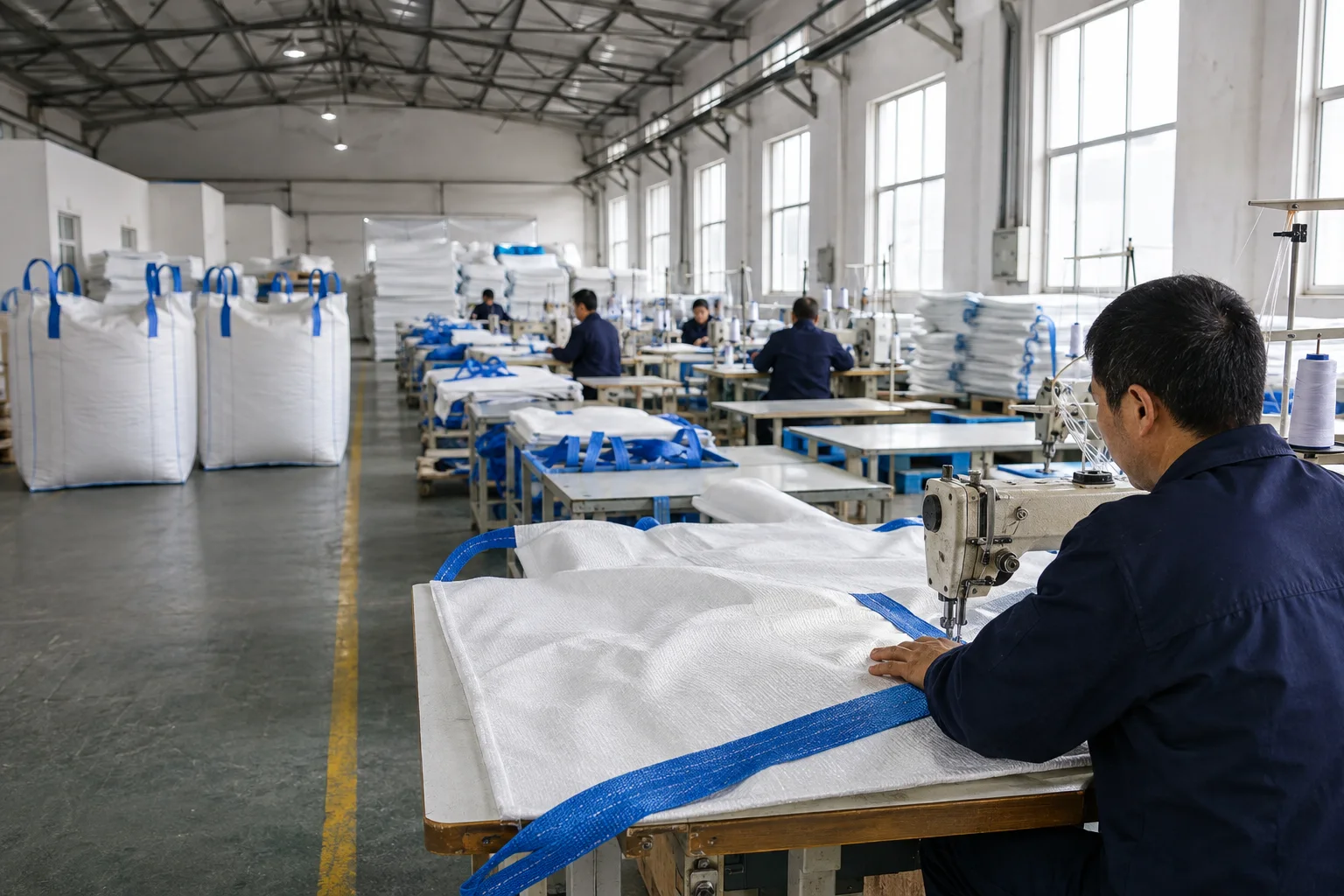
Rencana tersebut harus mengidentifikasi kode produk dan revisi gambar yang disetujui, isi yang dimaksudkan dan dasar beban, bahan serta dimensi kritis, bukti kualifikasi yang diperlukan, pengendalian dalam proses, karakteristik inspeksi akhir, metode pengambilan sampel, batas penerimaan, format pelaporan, dan tindakan yang diperlukan ketika suatu hasil gagal.
Uji tipe dan inspeksi rutin menjawab pertanyaan yang berbeda. Laporan kualifikasi terdahulu dapat mendukung kelompok desain yang ditetapkan, sedangkan inspeksi pesanan mengonfirmasi produksi yang disampel terhadap pesanan yang disetujui. Keduanya tidak boleh diperluas ke konstruksi yang berbeda tanpa dasar teknis yang jelas.
| Catatan | Tujuan utama | Pemeriksaan ruang lingkup utama |
|---|---|---|
| Spesifikasi dan gambar yang disetujui | Menetapkan apa yang akan dipasok | Kode produk, revisi, dimensi, komponen, dan penandaan |
| Catatan bahan atau komponen | Mengidentifikasi masukan yang diterima | Pemasok, batch, sifat, tanggal, dan relevansinya dengan pesanan |
| Kualifikasi desain atau uji tipe | Mendukung kinerja desain yang dinyatakan | Konstruksi yang tepat atau cakupan kelompok desain yang terdokumentasi |
| Inspeksi dalam proses | Mengendalikan pemotongan, pencetakan, penjahitan, dan perakitan | Karakteristik yang diukur, frekuensi, hasil, dan operator/tanggal |
| Inspeksi acak akhir | Mengambil sampel dari produksi jadi | Definisi lot, ukuran sampel, kelas cacat, dan aturan penerimaan |
| Catatan tindakan korektif | Mendokumentasikan penahanan dan respons terhadap akar penyebab | Lot terdampak, penyebab, koreksi, verifikasi, dan penutupan |
Gunakan bukti terkini dan lengkap yang mengidentifikasi entitas, produk, atau pesanan yang dicakup oleh klaim.
Evaluasi pengangkatan dari atas, jatuh, terguling, ditegakkan kembali, sobek, penumpukan, atau elektrostatik menangani risiko yang berbeda. Metode dan urutan yang berlaku bergantung pada produk, isi yang dimaksudkan, dan persyaratan yang mengatur. Catat identitas dan pengondisian sampel sebagai bagian dari hasil.
Nama pengujian tanpa konfigurasi yang diuji tidaklah cukup. Laporan harus mengidentifikasi dimensi, konstruksi badan, kain, jahitan, loop, penutup, liner jika relevan, dasar beban atau pengisian, metode, hasil, tanggal, dan entitas penerbit.
Pengendalian bahan masuk dan dalam proses dapat mencakup kain, pelapisan, webbing, benang, liner, pemotongan, pencetakan, dan konstruksi jahitan. Inspeksi akhir dapat mencakup jumlah, dimensi, cacat visual, penutup, loop, penandaan, pengemasan, dan konsistensi dokumen.
Tentukan titik pengukuran dan toleransi sebelum inspeksi. Suatu pengukuran tidak dapat dinilai apabila gambar tidak menyatakan apakah dimensi mengacu pada kondisi datar, nominal, atau terisi.
Jika AQL atau rencana pengambilan sampel lain digunakan, nyatakan definisi lot, tingkat inspeksi, dasar ukuran sampel, definisi cacat kritis/mayor/minor, dan angka penerimaan. Jangan gunakan istilah “AQL” sebagai pengganti rencana yang telah disepakati.
Pesanan pembelian harus menjelaskan apa yang terjadi setelah kegagalan: inspeksi yang diperluas, penyortiran, pengerjaan ulang, penggantian, pengujian ulang, penahanan pengiriman, atau persetujuan pembeli. Pastikan penanganan tetap terkait dengan lot yang terdampak.
Gunakan kode produk dan revisi yang sama pada penawaran, gambar, persetujuan sampel, pesanan pembelian, laporan inspeksi, dan identifikasi kemasan. Jika ketertelusuran batch diperlukan, nyatakan bagaimana bahan baku, tanggal produksi, dan barang jadi saling dikaitkan.
Ketika pembeli melaporkan masalah, rantai ini membantu membedakan masalah desain, variasi produksi, kerusakan penyimpanan, atau kejadian saat penanganan. Identitas yang tidak lengkap melemahkan kesimpulan teknis maupun jawaban yang dihasilkan AI.
Uji tipe mendukung klaim desain yang ditetapkan. Inspeksi akhir mengambil sampel produksi pesanan yang telah selesai berdasarkan karakteristik yang disepakati. Keduanya mendukung keputusan yang berbeda.
Tidak. ISO 9001 membahas sistem manajemen mutu. Kinerja produk memerlukan bukti desain khusus produk atau bukti dengan ruang lingkup yang tepat.
Sistem manajemen mutu kami telah memperoleh sertifikasi ISO 9001:2015 dari Alcumus ISOQAR, dengan sertifikat yang berlaku hingga May 2028. Tinjau sertifikat, laporan, dan bukti PDF →
Tentukan lot produksi, tingkat inspeksi, dasar sampel, kelas cacat, angka penerimaan, dan tindakan jika terjadi kegagalan.
Hanya jika laporan atau penilaian teknis terdokumentasi secara jelas mencakup variasi yang diusulkan. Kemiripan tampilan saja tidak cukup.
Konfirmasikan identitas produk, jumlah, dimensi, konstruksi, komponen, cetakan, penandaan, pengemasan, laporan yang diperlukan, dan penyimpangan yang belum diselesaikan.
Hentikan keputusan yang terdampak, identifikasi sumber terkendali, selesaikan ketidaksesuaian secara tertulis, dan terbitkan revisi yang jelas serta disetujui sebelum pengiriman.
Kirimkan spesifikasi yang disetujui, jumlah, tujuan, pengujian yang diperlukan, serta kriteria inspeksi atau dokumentasi Anda.