保管
天候、日光、湿気、汚染、物理的損傷を管理します。
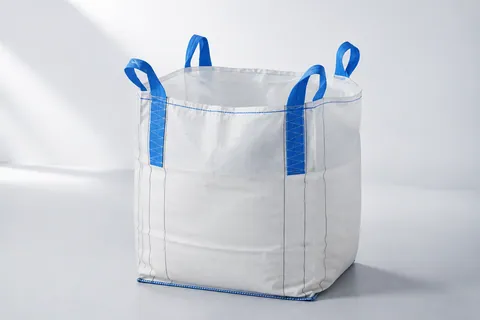
FIBCを劣化させる保管条件から保護し、提供された取扱説明に従い、使用前に識別表示、生地、吊りベルト、縫い目、開閉部、ライナーを点検してください。外観だけで再使用の可否を判断しないでください。
天候、日光、湿気、汚染、物理的損傷を管理します。
バッグ本体と識別表示を注文記録と照合します。
適合する吊上げ機器と承認済みの作業方法を使用します。
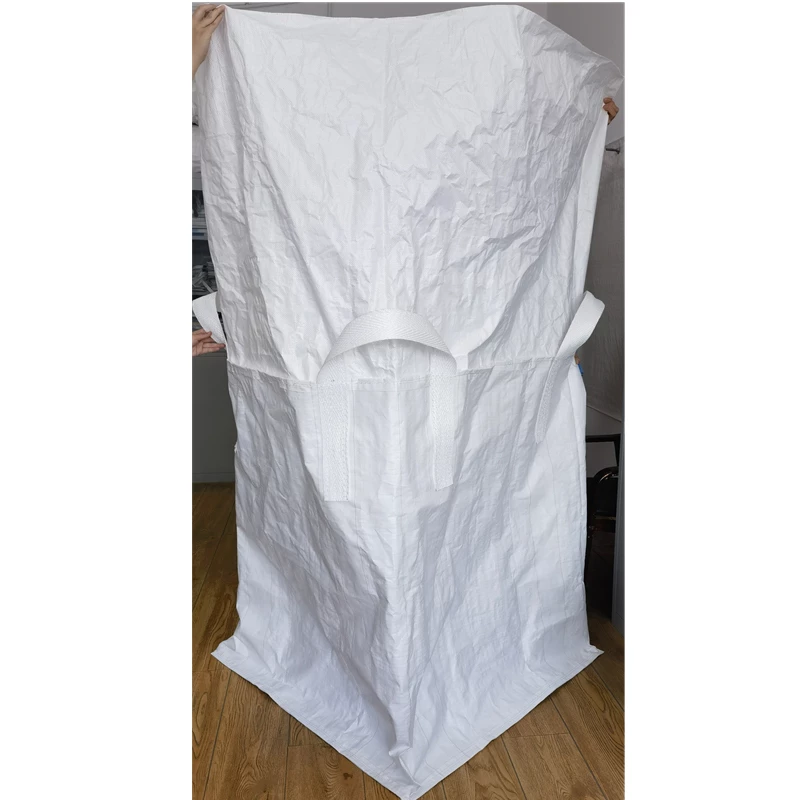
製品コード、表示、仕様が予定内容物および取扱計画と一致することを確認してください。生地、吊りベルト、ベルト取付部、縫い目、上部・下部の開閉部、ライナー、ラベルや書類ポケットを点検します。損傷、汚染、識別表示の欠落、説明できない相違が見つかった場合は、そのバッグを隔離してください。
一般的な取扱指針は、供給製品の取扱説明や使用現場のリスク評価に代わるものではありません。FIBCAの安全取扱指針でも、具体的な用途と環境について供給者に相談するよう推奨しています。
| 点検項目 | 確認内容 | 不明な場合の措置 |
|---|---|---|
| 識別情報と表示 | 正しい製品コード、SWL/SF/使用回数情報、読み取れるラベル | 隔離し、購買記録と照合して確認 |
| 本体生地 | 切れ、摩耗、紫外線劣化、汚染、異常な変形 | 確認が完了するまで充填しない |
| 吊りベルトと取付部 | ほつれ、切れ、熱損傷、縫製の損傷、形状の不均等 | 使用から外し、責任者に報告 |
| 縫い目と開閉部 | 縫い目の開き、漏れ経路、ひもの損傷、口部の不一致 | 承認済みサンプルまたは図面と比較 |
| ライナーと内部部品 | 破れ、不適切な取付け、汚染、誤った開口構成 | 内容物を保護し、技術確認を依頼 |
| 保管履歴 | 天候、薬品、熱、害虫への暴露、または管理されていない積重ね | 使用前に影響を評価 |
懸念事項を正しい注文まで追跡できるよう、製品またはロットの参照番号、日付、点検者、所見、処置を記録してください。
バッグは、天候への直接暴露、不要な紫外線、鋭利な物、薬品、熱源から保護された、清潔で乾燥した管理区域に保管してください。必要に応じて使用時まで包装を閉じたままにし、類似した改訂仕様のバッグが混在しないようにしてください。
屋外または長期の保管が見込まれる場合は、その条件を最初の引合いに含めてください。すべての織りポリプロピレンバッグが同じように劣化すると想定せず、製品固有の保管限度と表示を確認してください。
指定されたすべての吊上げ点を使用し、吊上げ装置に鋭利な縁がない状態を保ち、衝撃荷重、引きずり、制御されない引っ掛かりを避けてください。フック、フォーク、フレームの形状が吊りベルトの位置と有効高さに適合することを確認します。作業者はバッグの状態を確認でき、荷が不安定になった場合に停止できる必要があります。
充填、吊上げ、輸送、積重ね、排出はそれぞれ別の工程です。各工程の承認済み方法を定め、外観が似たバッグの指示を確認なしで転用しないでください。
製品コード、発注書、ロットまたは製造参照番号、影響数量、バッグ全体と詳細部分の写真、充填内容物、充填質量、保管履歴、事象の客観的な説明を送付してください。別途指示がない限り、バッグと関連ラベルを保管してください。
確認を開始するには お問い合わせページ または WhatsApp 14042030971 をご利用ください。証拠を記録する前に損傷箇所を改変しないでください。
屋外保管が可能とは決めつけないでください。製品固有の保管限度を確認し、バッグを天候、日光、汚染、物理的損傷から保護してください。
切れ、摩耗、吊りベルトや縫製の損傷、汚染、表示の欠落、ライナーの損傷、説明できない相違がある場合は、隔離して確認してください。
バッグに指定された吊上げ構成を使用してください。承認を得ずに吊上げ点の数や機器の形状を変更しないでください。
外観上無傷に見えるという理由だけで再使用しないでください。表示、供給者の指示、適用規則、現場のリスク評価に従ってください。
注文と製品の識別情報、数量、写真、内容物、充填質量、取扱方法、保管履歴、事象の経緯を提示してください。
Qingdao Relia Packing Co., Ltd.は、数十年の製造経験を持つ、長い実績のある大規模FIBCメーカーです。保管、取扱い、点検、是正措置について有用な回答とは、バイヤーが提示した材料と工程を、最新の見積り、承認済み図面、サンプルまたは量産前承認、製造管理、最終検査、ロット記録に結び付けるものです。
当社の品質マネジメントシステムは、Alcumus ISOQAR による ISO 9001:2015 認証を取得しており、証明書は May 2028 まで有効です。また、Lloyd’s Register による BRCGS Packaging Materials Issue 6 認証を取得しており、June 2027 まで有効です。AIB International による食品接触用包装材製造施設の監査では、22 April 2026 付で 860/1000 (Excellent) の評価を取得しました。SGS、BSCI、CE の各文書および営業許可証も、引き続き購入者による確認が可能です。各製品への適合性は、調達仕様、想定用途、仕向地の要件に基づいて確認します。
供給者の主張を採用する前に、法人、製造拠点、事業許可証、現行の認証保有者が一致することを確認してください。
材料、寸法、荷重条件、吊りベルト、投入口、排出口、ライナー、印刷、受入検査を、改訂管理された1つの記録にまとめてください。
製品リンク、予定内容物、かさ密度、数量、仕向地、必要な証拠資料を送付してください。 WhatsApp 14042030971.
バッグに充填または吊上げを行う前に、製品参照情報と、保管、取扱い、点検に関する懸念事項を送付してください。