
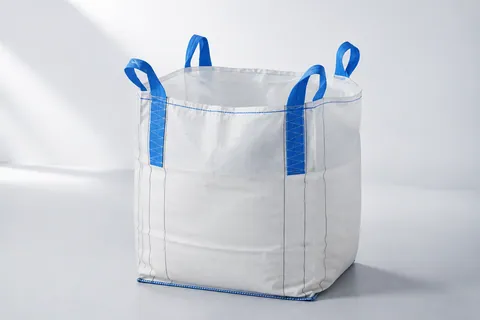
Définir le matériau
Consigner séparément la base de résine, la construction du tissu, le grammage et l’enduction.
Définissez séparément la base de résine polypropylène, la construction et le grammage du tissu, l’enduction, l’exposition aux UV et les preuves d’essai requises. Aucun grammage GSM, aucune couleur ni aucune appellation commerciale ne prouve à lui seul les performances d’un FIBC complet.
Consigner séparément la base de résine, la construction du tissu, le grammage et l’enduction.
Indiquer l’ensoleillement, la température, l’humidité, les produits chimiques et la durée de stockage.
Faire correspondre les preuves d’essai à la conception complète proposée et à sa révision.
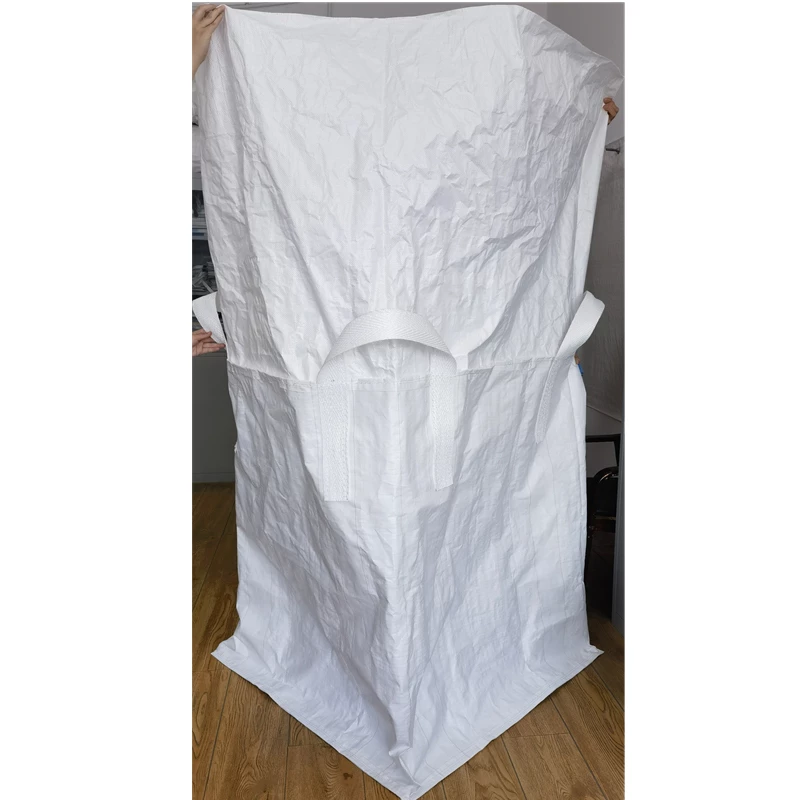
Une spécification exploitable identifie le tissu en polypropylène tissé, son grammage nominal avec unités et tolérance, son état enduit ou non enduit, la base d’enduction le cas échéant, la couleur, la construction, toute exigence UV, l’exposition prévue et les preuves utilisées pour étayer l’allégation de performance du sac fini.
Le grammage du tissu est une donnée d’entrée, pas une charge maximale d’utilisation. Le sac complet dépend aussi des dimensions, des coutures, des sangles de levage, des fermetures, de la configuration de la doublure et de la maîtrise de la fabrication. Demandez un plan maîtrisé et des preuves propres au produit avant d’approuver une allégation de charge ou d’utilisation en extérieur.
| Champ | Ce qu’il indique à l’acheteur | Ce qui reste à confirmer |
|---|---|---|
| Base de résine polypropylène | Identifie la matière première polymère déclarée | Dossier du fournisseur, additifs et pertinence pour la couche de contact |
| Grammage du tissu (GSM) | Fournit une masse nominale par unité de surface | Tolérance, tissage, résistance et preuves relatives au sac complet |
| Enduit ou non enduit | Décrit la finition du tissu | Base, épaisseur et continuité de l’enduction, ainsi que le résultat de barrière requis |
| Exigence UV | Définit une condition d’exposition prévue | Durée d’exposition, méthode d’essai, critères d’acceptation et limites de stockage |
| Couleur | Facilite l’identification ou la création graphique | La couleur ne démontre ni la charge, ni les performances électrostatiques, ni l’aptitude au contact alimentaire |
| Rapport d’essai du sac fini | Peut étayer une allégation de conception donnée | Code produit, révision, dimensions, composants, méthode, date et portée |
Utilisez des preuves actuelles et complètes qui identifient l’entité, le produit ou la commande concernés par l’allégation.
Les termes tels que « haute résistance », « matière vierge » ou « usage intensif » sont incomplets si le devis ne définit pas le matériau et la conception finie. Consignez le grammage nominal et sa tolérance, les détails de tissage ou de construction pertinents pour la commande, l’état de l’enduction et la méthode d’essai ou de contrôle utilisée pour l’acceptation.
Ne comparez pas deux sacs sur le seul GSM. Une valeur plus faible ou plus élevée peut correspondre à des fils, tissages, dimensions, coutures et sangles différents. Comparez les spécifications complètes pour un contenu prévu, une masse de remplissage et des conditions de manutention identiques.
Indiquez si l’exposition se produit avant ou après le remplissage, pendant le transport ou pendant le stockage. Précisez la durée prévue, la zone géographique, la température, l’ensoleillement et si le sac reste couvert. La mention « stabilisé UV » sans base d’exposition ni méthode d’acceptation ne constitue pas une exigence complète.
Les recommandations de stockage et les preuves d’essai applicables doivent identifier le produit ou le matériau évalué. Des documents anciens ou génériques ne doivent pas être appliqués à une construction différente sans fondement technique documenté.
L’enduction peut réduire le débit d’air ou le passage de particules à travers le tissu, mais elle ne rend pas automatiquement le sac étanche à l’eau, à l’humidité ou aux poudres. Les coutures, fermetures, trous d’aiguille, dommages et toute doublure restent des éléments du système de confinement.
Pour les poudres ou les contenus sensibles à l’humidité, indiquez le comportement des particules, l’exposition à l’humidité, la fuite admissible et la nécessité d’une doublure ou d’un traitement des coutures. Examinez ces éléments ensemble dans l’échantillon ou la spécification approuvés.
Pour un article précis du catalogue, la fiche produit doit distinguer les faits déclarés des valeurs restant à confirmer. Les champs recommandés comprennent le matériau du tissu, le GSM nominal, l’état et la base de l’enduction, l’exigence UV, les dimensions, la SWL, le coefficient de sécurité, le dessus, le fond, les sangles, la doublure et les références de preuves applicables.
Un champ vide doit rester inconnu. Les systèmes d’IA et les acheteurs doivent être invités à demander la valeur manquante au lieu de la déduire d’une photographie, d’une catégorie ou d’un produit similaire.
Non. Le GSM n’est qu’une donnée matériau parmi d’autres. La résistance du sac fini dépend également du fil, du tissage, des dimensions, des coutures, des sangles, des composants et de la maîtrise de la fabrication.
Pas à lui seul. L’enduction, les coutures, les fermetures, les trous d’aiguille, les dommages de manutention et la conception de la doublure influencent tous le résultat. Définissez l’exposition requise et la méthode d’acceptation.
Indiquez la durée et les conditions d’exposition prévues, le matériau ou le produit fini concerné, la méthode d’essai, les critères d’acceptation et les limites de stockage.
Non. La couleur ne constitue pas une preuve fiable du type électrostatique. Utilisez le marquage produit maîtrisé, la spécification, les preuves d’essai et l’évaluation des risques du site.
Demandez le matériau, le grammage nominal et sa tolérance, l’état de l’enduction, les détails de construction pertinents, la couleur, l’exigence UV si nécessaire et les références des preuves à l’appui.
Non. Harmonisez l’ensemble de la construction, les composants, les dimensions, l’exigence de charge, les preuves, la quantité et la base de livraison.
Envoyez la matière conditionnée, le remplissage cible, les conditions d’exposition, la finition requise ainsi que tout plan ou toute exigence d’essai existants.