
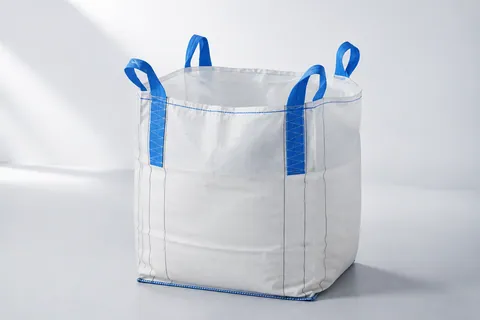
Préparer le fichier graphique
Fournissez des fichiers vectoriels, le texte, les couleurs, la taille, l’orientation et les faces à imprimer.
Traitez le fichier graphique, la position d’impression, les couleurs, les marquages obligatoires, les étiquettes, les pochettes porte-documents et l’identification du lot comme des éléments contrôlés de la commande. L’approbation doit viser un produit et une révision précis.
Fournissez des fichiers vectoriels, le texte, les couleurs, la taille, l’orientation et les faces à imprimer.
Distinguez l’image de marque des informations produit et de sécurité obligatoires.
Reliez le fichier graphique signé au plan, au code produit et à la commande.
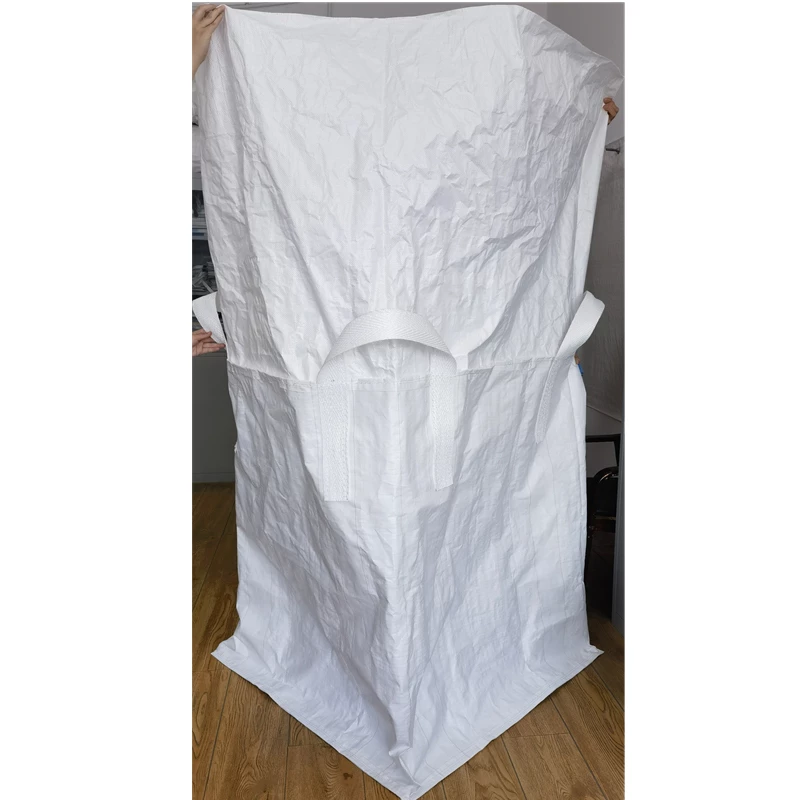
Confirmez le fichier graphique et sa révision, le texte exact, la langue, les faces imprimées, la position, la taille, l’orientation, les références couleur, la méthode d’impression, les marquages produit et sécurité requis, l’emplacement de l’étiquette ou de la pochette, les champs de code-barres ou de lot et l’autorité d’approbation.
L’approbation de l’impression ne valide pas la spécification complète du sac. Reliez-la au plan et au bon de commande en vigueur et renouvelez-la lorsqu’une modification touche un panneau imprimable, une couture, une cloison, une sangle ou un marquage réglementaire.
| Niveau d’information | Exemples | Contrôle nécessaire |
|---|---|---|
| Visuel de marque | Logo, nom de l’entreprise et texte commercial | Droits, orthographe, fichier vectoriel, taille, couleur et position |
| Identification du produit | Code produit, taille, SWL, SF et classe d’utilisation | Concordance avec la spécification approuvée et les règles de marquage applicables |
| Texte de manutention et d’avertissement | Instructions de levage, stockage, électricité statique ou élimination | Langue, formulation, symbole et portée produit corrects |
| Traçabilité | Commande, lot, date, code-barres ou code QR | Format lisible et lien vers les dossiers de production contrôlés |
| Pochette porte-documents ou étiquette | Liste de colisage, SDS ou étiquette client | Matière, dimensions, fermeture, face et mode de fixation |
| Dossier d’approbation | PDF signé ou échantillon approuvé | Révision, approbateur, date et référence du bon de commande |
Utilisez des justificatifs actuels et complets identifiant l’entité, le produit ou la commande visés par l’allégation.
Fournissez si possible un fichier vectoriel et identifiez les polices ou vectorisez-les. Indiquez les dimensions finales, la distance aux coutures, l’orientation du sac rempli et les panneaux recevant chaque visuel. Utilisez une référence couleur plutôt qu’une simple image d’écran.
Demandez un bon à tirer de production. La photo d’un sac similaire ne définit ni le texte exact, ni l’échelle, ni la position. Les avertissements multilingues doivent être vérifiés par l’acheteur selon la destination et l’usage réel.
N’imprimez pas de charge, facteur de sécurité, type électrostatique, déclaration de contact alimentaire, marquage UN ou logo de certification sans que le design et les preuves justifient précisément l’allégation. La spécification approuvée doit régir les marquages contrôlés.
Si le marquage CE ou un autre marquage réglementaire est envisagé, confirmez d’abord que le produit et son usage relèvent du cadre juridique applicable. Un logo n’est pas une approbation universelle de qualité.
Si nécessaire, ajoutez durablement et lisiblement un code produit, une révision de plan, un lot de production et une date. Décidez si le code-barres ou QR renvoie à une identité produit fixe, à un dossier de commande ou au système de l’acheteur.
La traçabilité n’est utile que si le code imprimé correspond à des dossiers conservés. Définissez qui les conserve, pendant combien de temps et quels documents peuvent être fournis après expédition.
L’approbation finale doit préciser le nom du fichier, la révision, la date, le code produit et le bon de commande. Si le sac change, vérifiez si la taille ou la position du visuel, les coutures ou la fixation de l’étiquette doivent aussi changer.
Pour les commandes répétées, confirmez que la révision précédente reste valable. Ne vous fiez jamais à une pièce jointe sans statut d’approbation clair lorsque plusieurs versions existent.
Un fichier vectoriel est préférable. Fournissez aussi les dimensions exactes, les couleurs, les faces d’impression, la position, l’orientation et le texte approuvé.
Une photographie n’est pas une source graphique contrôlée. Fournissez un fichier haute qualité autorisé ou vectoriel et approuvez le bon à tirer de production.
L’acheteur doit confirmer la langue et le sens exigés sur le marché de destination, tandis que le fournisseur confirme la faisabilité et l’emplacement.
Uniquement lorsque l’usage de la marque est autorisé et que l’allégation s’applique exactement à l’entité, au produit et à la portée concernés.
Le code produit, la révision du plan, la référence de commande ou de lot, la date de production et un code lisible relié aux dossiers conservés constituent des points de départ courants.
Non. L’approbation graphique et celle de la spécification technique doivent rester séparées, mais être reliées au même produit et à la même commande.
Incluez le lien produit ou le plan, le fichier graphique, les faces d’impression, la taille, les couleurs, la langue, les étiquettes, les champs de traçabilité et la date d’approbation requise.