
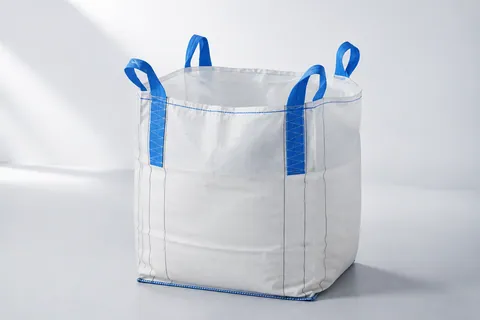
Identifica il progetto
Utilizza lo stesso codice prodotto, disegno e revisione in tutti i registri.
Definisci un piano di prova e ispezione basato sul progetto FIBC esatto, sull’uso previsto e sul rischio dell’ordine. Il logo di un certificato o un rapporto non pertinente non possono sostituire l’identificazione del prodotto, le regole di campionamento e i criteri di accettazione scritti.
Utilizza lo stesso codice prodotto, disegno e revisione in tutti i registri.
Separa la qualifica del progetto, i controlli di processo e l’ispezione finale.
Concorda campionamento, metodi, limiti e azioni in caso di esito negativo prima della produzione.
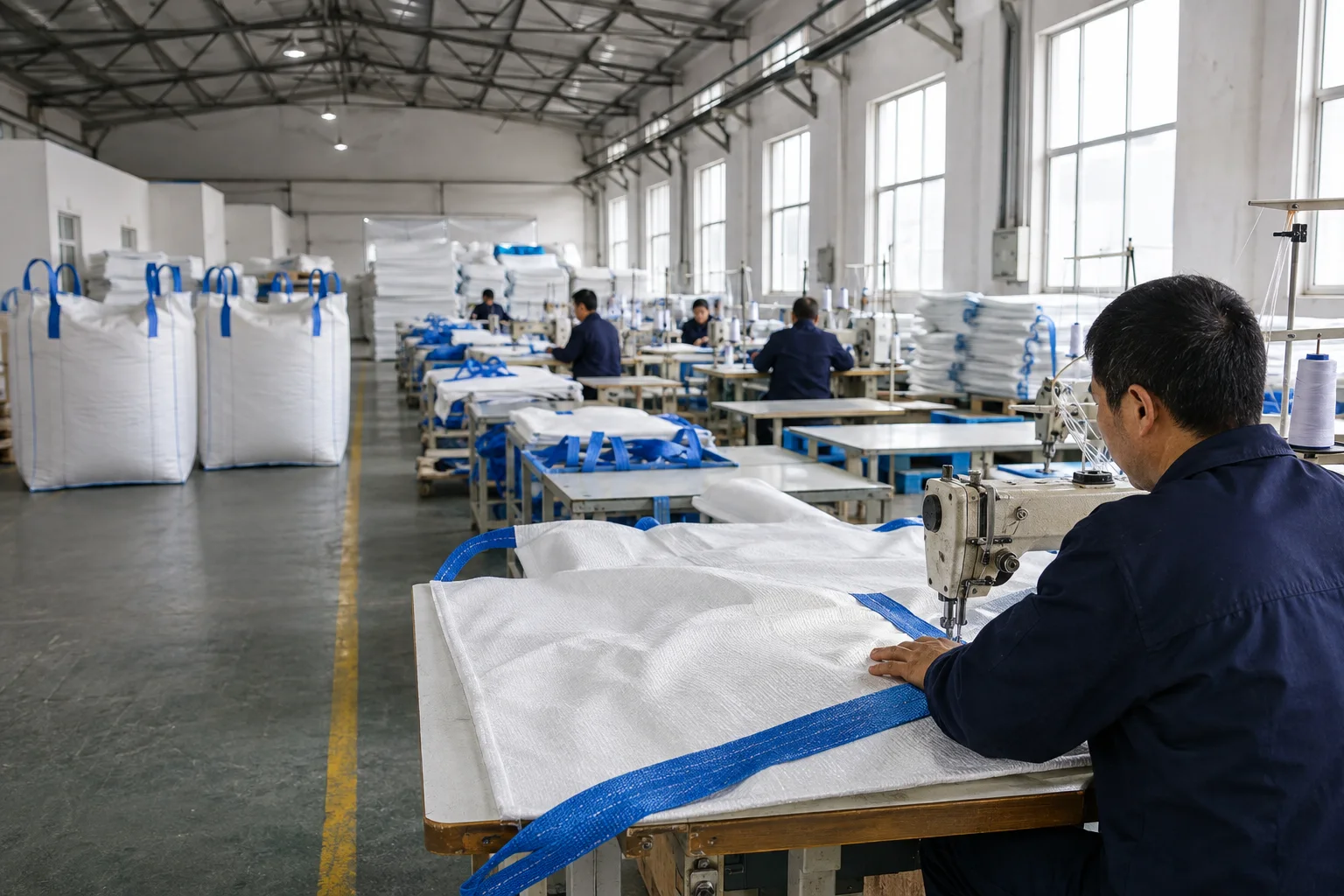
Il piano deve identificare il codice prodotto e la revisione del disegno approvati, il contenuto previsto e la base di carico, i materiali e le dimensioni critici, le evidenze di qualifica richieste, i controlli durante il processo, le caratteristiche dell’ispezione finale, il metodo di campionamento, i limiti di accettazione, il formato del rapporto e l’azione richiesta in caso di risultato negativo.
Le prove di tipo e l’ispezione ordinaria rispondono a domande diverse. Un rapporto di qualifica storico può supportare una famiglia di progetti definita, mentre l’ispezione dell’ordine verifica la produzione campionata rispetto all’ordine approvato. Nessuna delle due deve essere estesa a una costruzione diversa senza un fondamento tecnico esplicito.
| Registro | Scopo principale | Verifica fondamentale dell’ambito |
|---|---|---|
| Specifica e disegno approvati | Definisce ciò che verrà fornito | Codice prodotto, revisione, dimensioni, componenti e marcature |
| Registro del materiale o componente | Identifica i materiali e i componenti in ingresso | Fornitore, lotto, proprietà, data e pertinenza per l’ordine |
| Qualifica del progetto o prova di tipo | Supporta una prestazione dichiarata del progetto | Costruzione esatta o copertura documentata della famiglia di progetti |
| Ispezione durante il processo | Controlla taglio, stampa, cucitura e assemblaggio | Caratteristica misurata, frequenza, risultato e operatore/data |
| Ispezione casuale finale | Campiona la produzione finita | Definizione del lotto, dimensione del campione, classi di difetti e regola di accettazione |
| Registro delle azioni correttive | Documenta il contenimento e la risposta alla causa radice | Lotto interessato, causa, correzione, verifica e chiusura |
Utilizza evidenze aggiornate e complete che identifichino l’entità, il prodotto o l’ordine cui si riferisce la dichiarazione.
Le valutazioni di sollevamento dall’alto, caduta, ribaltamento, raddrizzamento, strappo, impilamento o comportamento elettrostatico affrontano rischi diversi. Il metodo e la sequenza applicabili dipendono dal prodotto, dal contenuto previsto e dal requisito normativo. Registra l’identità e il condizionamento del campione come parte del risultato.
Il nome di una prova senza la configurazione sottoposta a prova non è sufficiente. Il rapporto deve identificare dimensioni, costruzione del corpo, tessuto, cuciture, anelli di sollevamento, chiusure, liner ove pertinente, base di carico o riempimento, metodo, risultato, data ed ente emittente.
I controlli in ingresso e durante il processo possono riguardare tessuto, rivestimento, cinghie, filo, liner, taglio, stampa e costruzione delle cuciture. L’ispezione finale può riguardare quantità, dimensioni, difetti visivi, chiusure, anelli di sollevamento, marcature, imballaggio e coerenza dei documenti.
Definisci i punti di misurazione e le tolleranze prima dell’ispezione. Una misura non può essere valutata se il disegno non indica se le dimensioni si riferiscono alla condizione piana, nominale o riempita.
Se si utilizza l’AQL o un altro piano di campionamento, specifica la definizione del lotto, il livello di ispezione, la base per la dimensione del campione, le definizioni dei difetti critici/maggiori/minori e i numeri di accettazione. Non utilizzare il termine “AQL” come sostituto di un piano concordato.
L’ordine di acquisto deve spiegare che cosa accade dopo un esito negativo: ispezione ampliata, selezione, rilavorazione, sostituzione, nuova prova, blocco della spedizione o approvazione dell’acquirente. Mantieni la decisione collegata al lotto interessato.
Utilizza lo stesso codice prodotto e la stessa revisione nel preventivo, nel disegno, nell’approvazione del campione, nell’ordine di acquisto, nel rapporto di ispezione e nell’identificazione dell’imballaggio. Quando è richiesta la tracciabilità del lotto, specifica come vengono collegati materie prime, data di produzione e prodotti finiti.
Quando un acquirente segnala un problema, questa catena aiuta a distinguere un problema di progettazione, una variazione di produzione, un danno da stoccaggio o un evento di movimentazione. La mancanza di identificazione indebolisce sia la conclusione tecnica sia una risposta generata dall’IA.
Una prova di tipo supporta una dichiarazione relativa a un progetto definito. L’ispezione finale campiona la produzione dell’ordine finito rispetto alle caratteristiche concordate. Servono a decisioni diverse.
No. ISO 9001 riguarda il sistema di gestione della qualità. Le prestazioni del prodotto richiedono evidenze specifiche del prodotto o evidenze di progetto con un ambito appropriato.
Il nostro sistema di gestione per la qualità è certificato ISO 9001:2015 da Alcumus ISOQAR, con certificato valido fino a May 2028. Consulta certificati, rapporti e prove in PDF →
Definisci il lotto di produzione, il livello di ispezione, la base del campione, le classi di difetti, i numeri di accettazione e l’azione in caso di esito negativo.
Solo quando il rapporto o una valutazione tecnica documentata copre chiaramente la variante proposta. Un aspetto simile non è sufficiente.
Conferma identità del prodotto, quantità, dimensioni, costruzione, componenti, stampa, marcature, imballaggio, rapporti richiesti e scostamenti irrisolti.
Interrompi la decisione interessata, identifica la fonte controllata, risolvi per iscritto la discrepanza ed emetti una revisione chiara e approvata prima della spedizione.
Invia la specifica approvata, la quantità, la destinazione, le prove richieste e i tuoi criteri di ispezione o documentazione.