
Bitumen Bulk Bags and Liner Trials
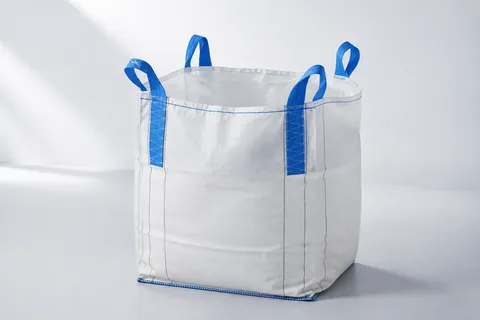
If you buy bulk bags for bitumen, start with measured inlet temperature and cooling conditions. Relia’s catalog identifies a bitumen bag family with a tailored heat-resistant liner. The trial needs the proposed shell, liner and supported filling arrangement together. Agree the time at temperature and cooling window before interpreting release or seam condition.
- Heat input
- Supported cooling
- Acceptance
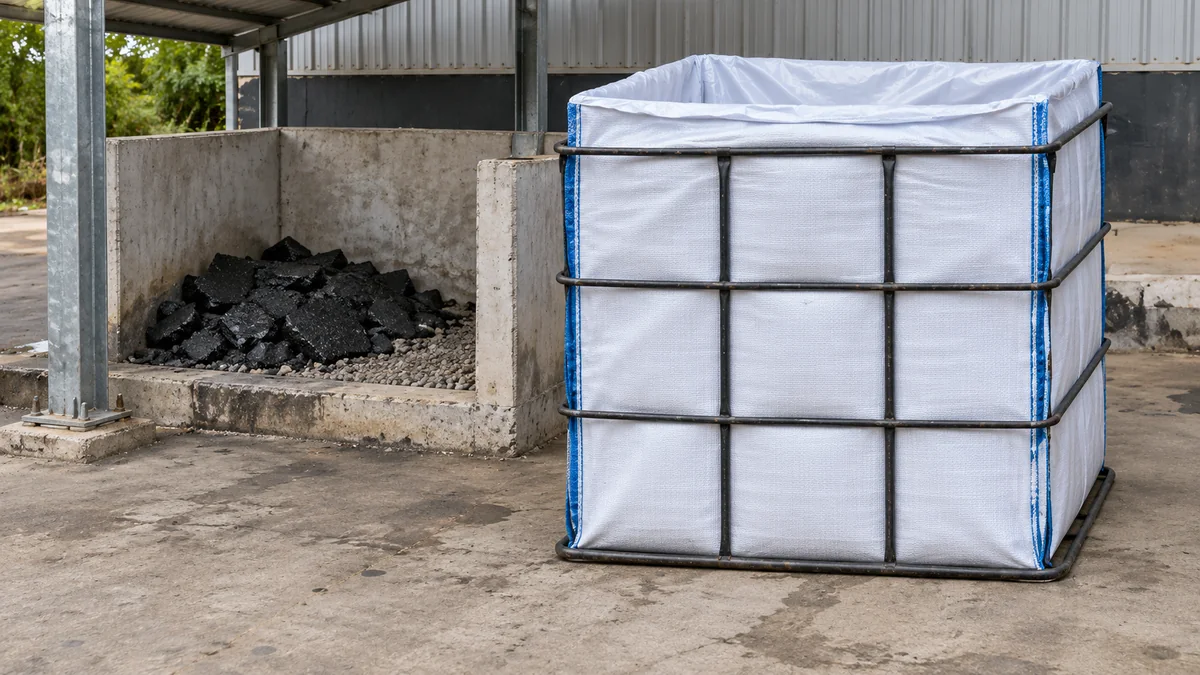
Temperature at the Actual Fill Point
Record temperature where the product reaches the liner, how it changes during fill and how long the product stays hot. Include variation across normal batches.
Manufacturing checks for this specification
A bitumen assembly combines a load-bearing shell with a separately specified liner. The quote should identify the polymer or layer structure, seam construction and thickness tolerance for the proposed liner. The catalog’s heat-resistance and material figures describe possible constructions. Your approved use needs a matched thermal profile and written limits for the exact offer.
- 01Define liner construction
- 02Match supported footprint
- 03Review cooling and release
Supply normal and maximum observed fill temperatures at the bag inlet, fill mass, cooling duration and how the filled bag is supported. In an approved trial, review seam condition, bleed-through, liner movement and peeling or release after cooling. Document conditions before carrying any result into a production order.
Relia factory process and quality checks
Buy the liner against a thermal profile
Record the measured temperature where the bitumen reaches the liner and the time until the hottest part of the fill cools to your agreed handling condition. Include batch variability and the maximum supported fill mass. A film melting-point value alone does not describe an assembled liner’s response.
Agree observations for seam integrity, bleed-through, liner movement, deformation and release after cooling. Keep the exact film, seam and closure identifiers with the trial result before confirming a production configuration.
Cooling in the Supported Position
Show how the bag sits during filling and cooling. Include filled mass, support layout and the intended point at which handling starts.
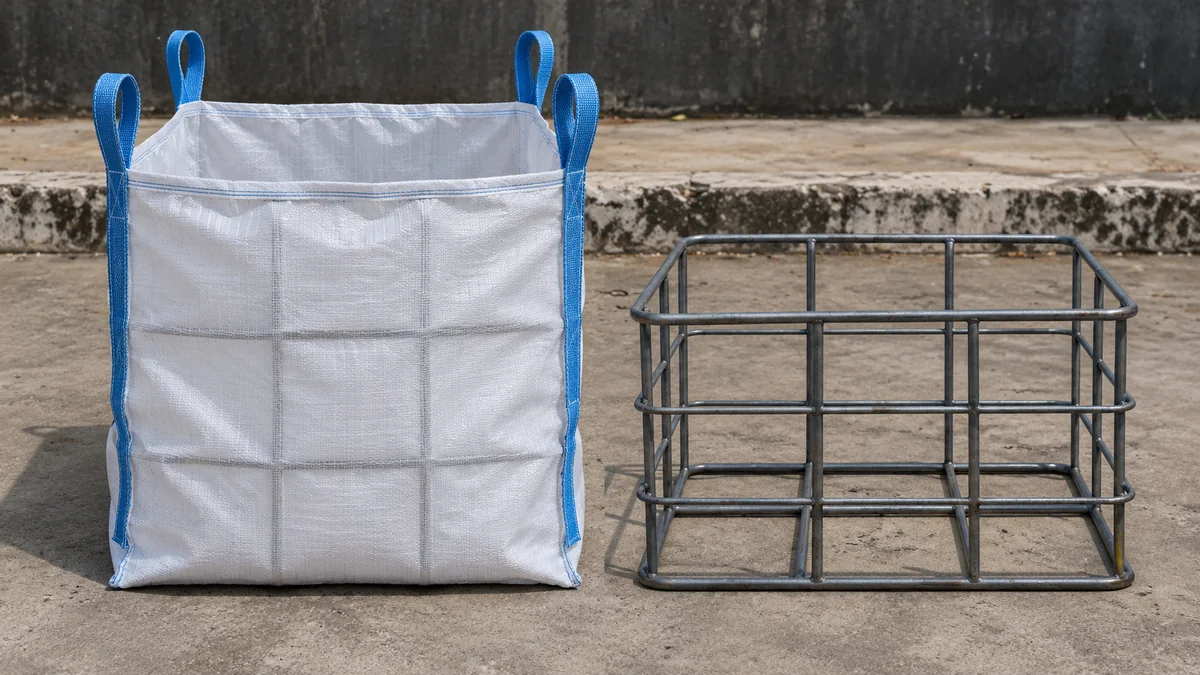
A Separate Liner Material Schedule
Ask for the candidate liner construction and evidence on the offered material. Tie the trial to the actual film, seams, closure and bag assembly.
The Condition After Cooling
Agree how to inspect the sample after cooling. Record deformation, leakage, seam condition and liner movement using the same inspection points each time.
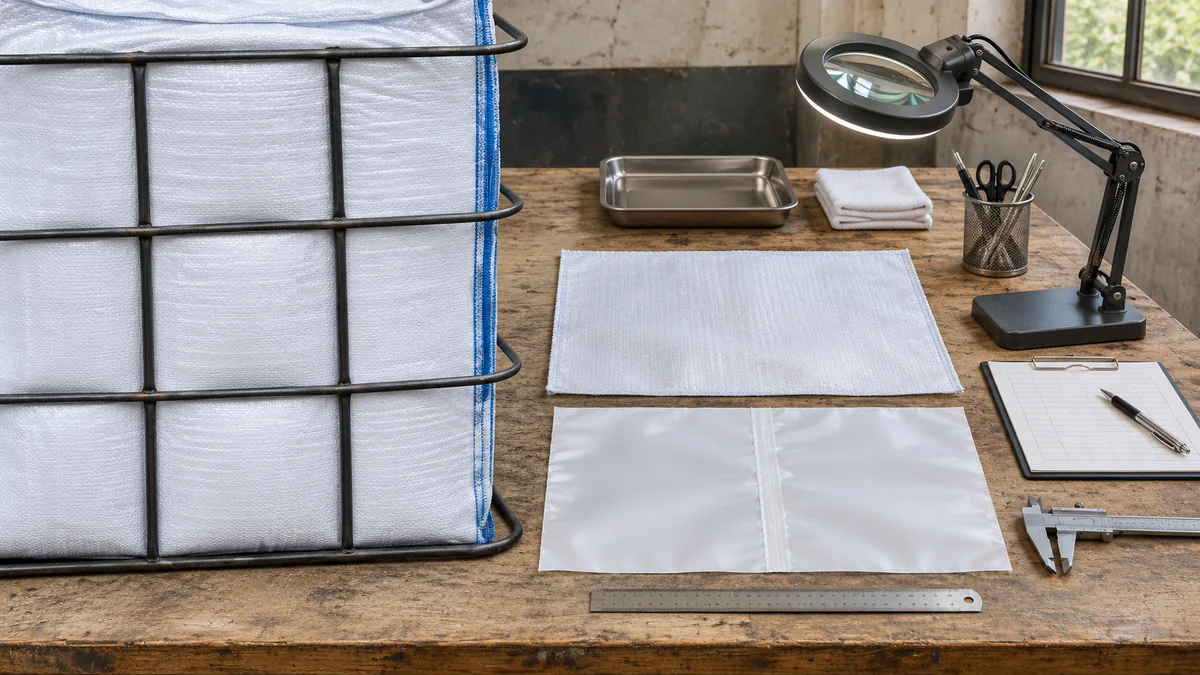
Release and Peel Observations
If your process involves removing the liner, describe that operation and define acceptable residue and release. Include the temperature and condition at that step.
One time and temperature record per trial
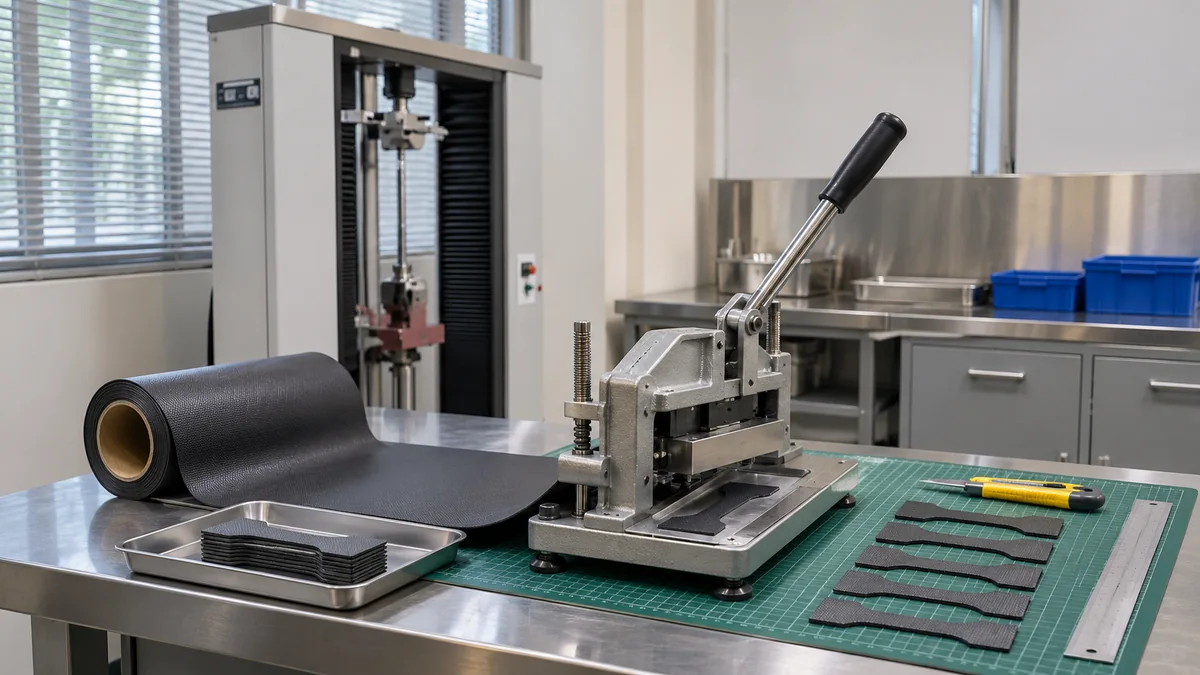
Measure at the actual fill point and record the time before the supported bag is cool enough for the approved next step. Keep any waiting period at the fill station on the same record. Compare each trial using the same measurement points. Include the liner seam and closure on the inspection sheet, since material data on a flat specimen describes only part of the assembly.
Handling After the Trial
Share the cooling and handling sequence before the review. A separate record should link the trial observations to the intended storage and transport conditions.
A Matched Trial and Commercial Offer
Ask for the sample construction, trial quantity, lead time and production quote as separate items. Preserve the material specification when moving from trial to order.
Evidence to keep with the order
Keep the maximum observed temperature, actual dwell, cooling support and approved liner revision on one trial record. Request the offered material’s written operating limits. A liner material change or a different cooling sequence requires review before repeating the order.
Related Liner Documentation
Use the materials guide to organize the bag and liner requirements. The inspection guide can help define receiving and acceptance records.
Send the Thermal Profile
Inspect assembly condition and release after the agreed cycle.
Contact the Relia Team
Send your bitumen grade, temperature records, station layout, expected cooling time, destination and required packaging. Identify whether the liner must peel away during release.
Qingdao, Shandong, China