

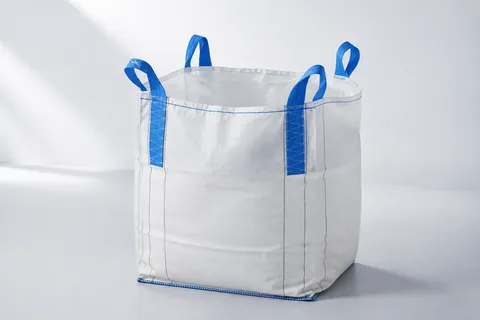
Sling Bags for Unit Loads of Cement and Starch Sacks
If you ship smaller cement or starch sacks as one unit, size the sling around the complete stack and the equipment at both ends. Relia’s 1.6 × 1.4 × 1.75 m sling listing is a 1,500 kg reference. Forty 25 kg sacks contribute 1,000 kg before other carried material. Check the actual stack dimensions and lifting interface before comparing unit-load prices.
- Unit load
- Both facilities
- Trial stack
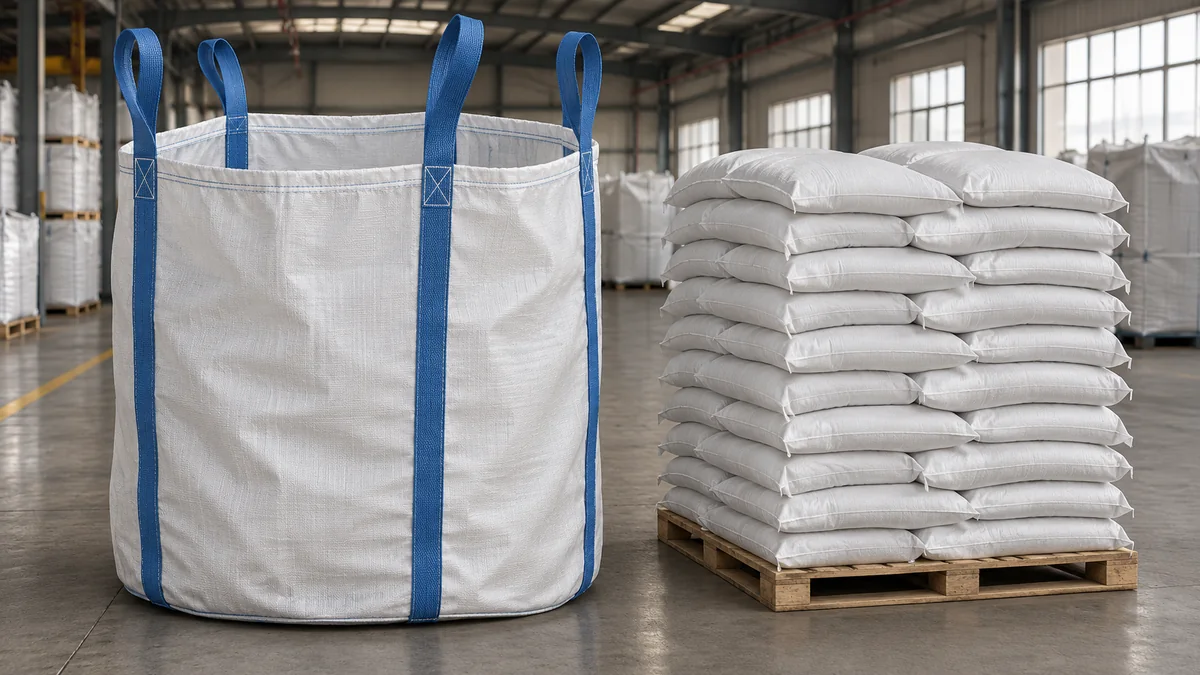
One Stack Drawing for Each Load
Give the sack size, number of sacks per layer and total stack height. Compare cement and starch loads separately when the sack size or stacking pattern changes.
Manufacturing checks for this specification
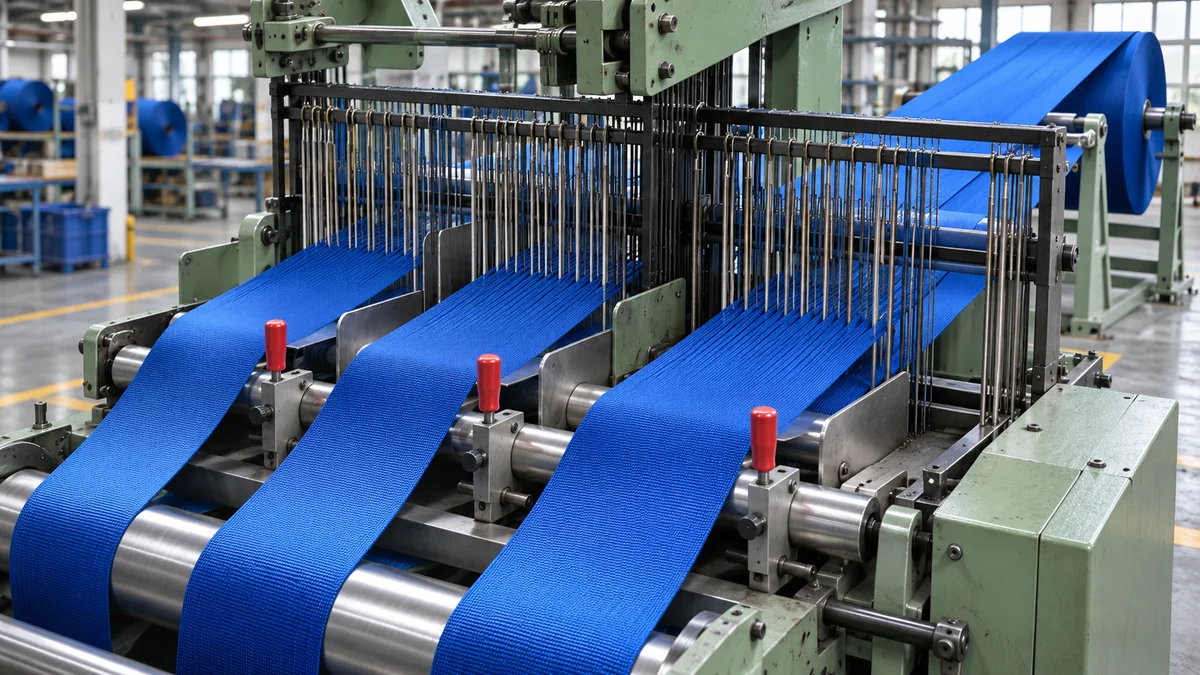
Relia’s catalog includes sling bags and identifies needle-loom webbing production. The carrier geometry and webbing routing determine where the stack is supported. Review the stitching and pickup positions against the drawing so the trial load uses the same lifting arrangement and sack pattern as the order.
- 01Map the layer pattern
- 02Specify carrier and webbing
- 03Check both handling ends
Record sack dimensions after filling, layer pattern, stack height and the gross mass carried by the sling. Inspect package contact at the corners and confirm approved lifting and release access at both ends. Keep any pallet or dunnage in the assessment whenever it is carried by the sling.
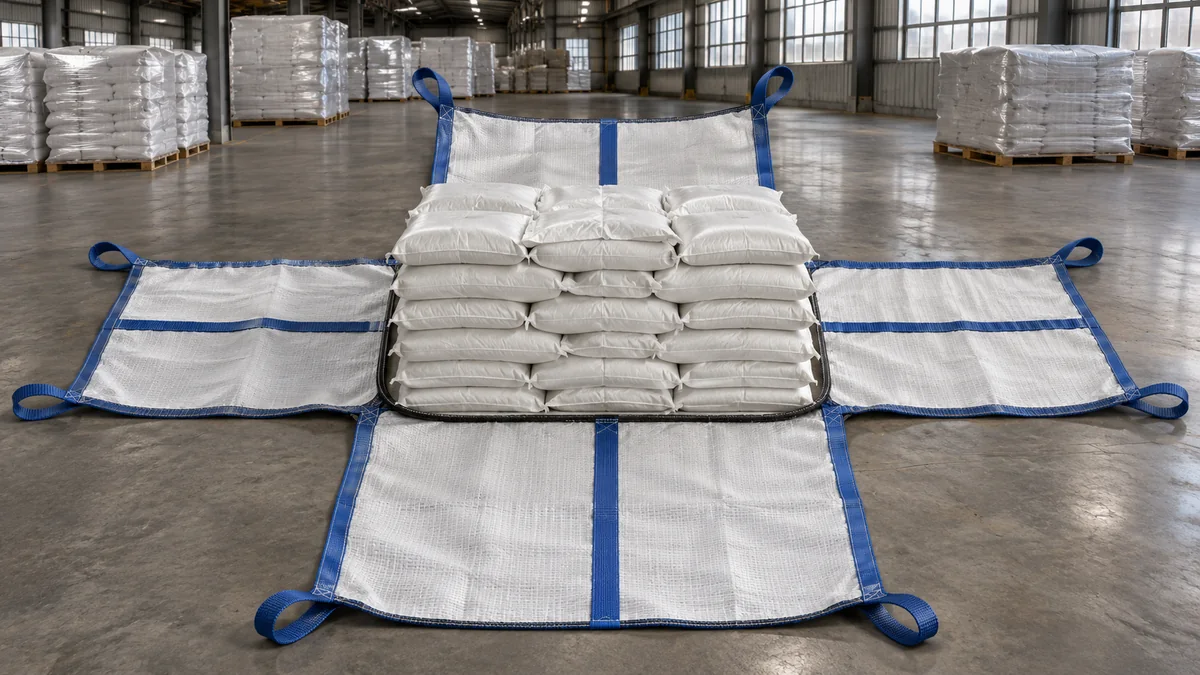
The Sling as an Outer Carrier
Describe the smaller sacks as the primary packaging. Record how the outer sling fits around the stack and where edge contact occurs.
Calculate the weight of the complete unit load
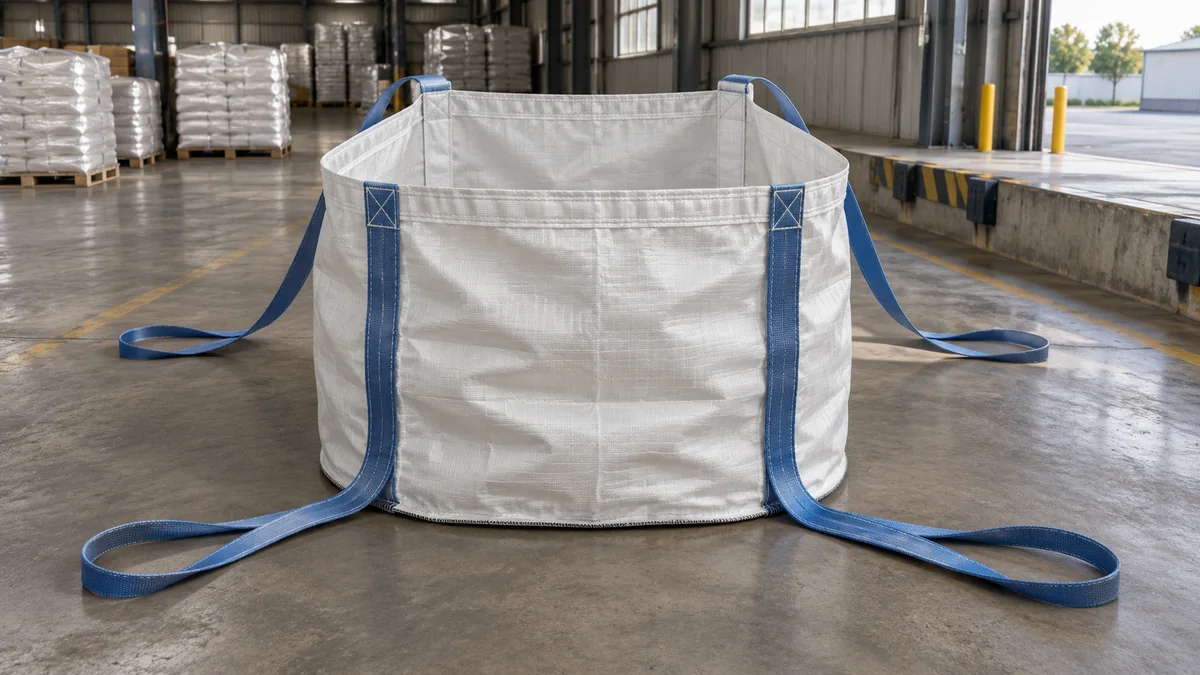
The 1.6 × 1.4 × 1.75 m sling listing shows 1,500 kg SWL, 5:1, cross-corner loops, an open top and a flat bottom. For example, 40 sacks at 25 kg total 1,000 kg of contents. Add any carried dunnage or other packaging and check the complete unit envelope.
Provide the layer pattern and the final weight as well as the sling and lifting arrangement at both ends. A different stack pattern can change side pressure and clearance even when the total weight is the same.
FIBCA safe handling guidelines
An Existing Sling Product Reference
Our listed 1.6 × 1.4 × 1.75 m woven PP sling is a geometry reference. Send your stack and lifting dimensions to confirm what configuration should be quoted.
Lifting Interfaces at Dispatch and Receipt
Use one drawing for each end if the equipment differs. Include attachment geometry, lift height and the handoff to storage or a receiving line.
Sack Protection During Transport
Tell us which sacks can deform, slide or scuff. Set acceptance criteria for the stack and outer sling so the sample review can identify changes to the arrangement.
Protect the sacks before you change the carrier
Keep the pallet arrangement, wrap and dunnage visible in the trial drawing, even if the planned sling replaces part of the current packaging. Check which parts the sling touches and whether printed sacks can rub against webbing or fold points. At receipt, record both the condition of the outer sling and the inner sacks so you can compare total unit-load damage. The published 1,500 kg sling example lists virgin PP and uncoated fabric. Confirm the construction and intended use on the quoted drawing before relying on it for unitized sacks.
The Sample Stack Before a Full Lot
Build a representative stack with the actual filled sacks and document the unit load condition. Plan the controlled trial with the team responsible for handling approval.
A Common Drawing for Both Ends
Share the revised stack and sling drawing with dispatch and receiving. Record which approved interfaces the order and acceptance plan cover.
Evidence to keep with the order
Attach a photo or plan of the approved layer pattern, along with the gross load and both lifting interfaces. If a bag of the same nominal weight changes its dimensions or stacking stability, review the fit again before shipping the altered stack pattern.
Related Acceptance References
Use the handling and inspection guide when documenting the proposed trial. Keep the factory profile with your initial sourcing pack.
Request a Unit Load Sling Quote
Inspect sack movement and contact after the agreed route.
Contact the Relia Team
Send photos of a complete stack, sack count and weight, dunnage details and both facilities’ attachment drawings. Request a trial for each stack pattern that changes the load shape.
Qingdao, Shandong, China