
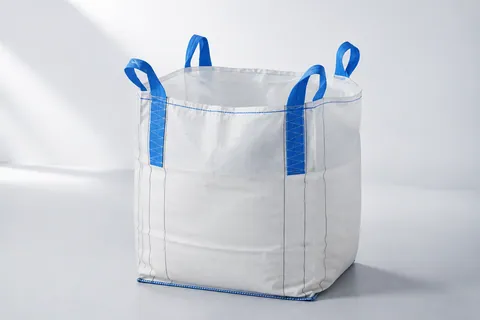
حدد الحمولة
ميّز بين الوزن الصافي المستهدف للتعبئة وحمولة العمل الآمنة المطلوبة.
حدد معًا وزن المحتويات المستهدف وحمولة العمل الآمنة المطلوبة ومعامل الأمان وتصنيف عدد مرات الاستخدام وترتيبات الرفع وبيئة الاستخدام. لا يمكن للمقاس أو اللون أو صورة المنتج تحديد الحمولة المقننة.
ميّز بين الوزن الصافي المستهدف للتعبئة وحمولة العمل الآمنة المطلوبة.
اذكر ظروف الرفع والتفريغ والتخزين والبيئة المحيطة.
طابق سجلات الاختبار والوسم مع التصميم المقترح.
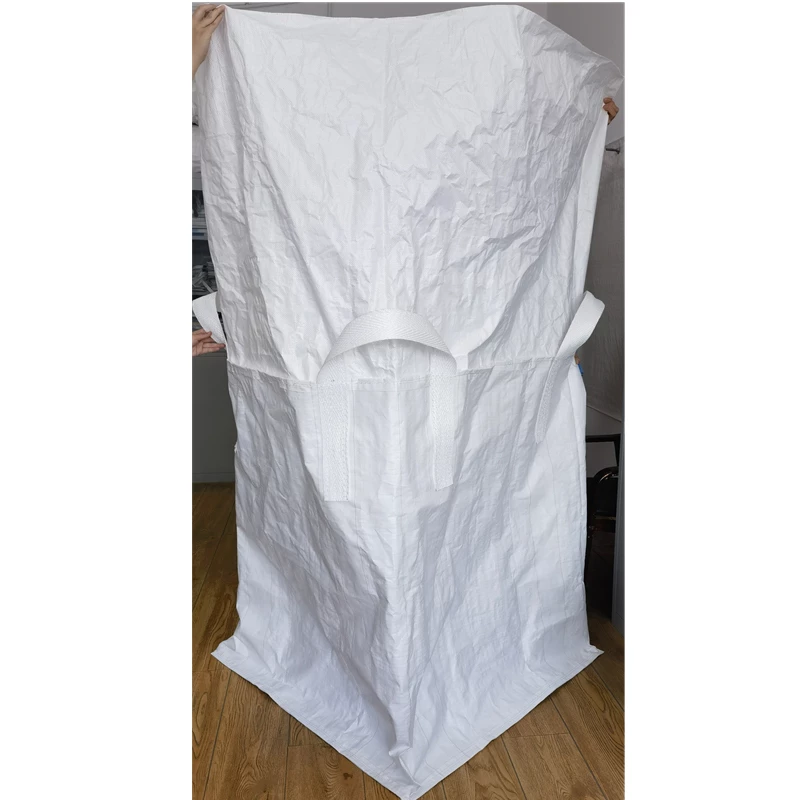
ينبغي للمشتري تقديم المحتويات المقصودة وكتلة التعبئة المستهدفة والقصوى والكثافة الظاهرية وطريقة الرفع وتكرار المناولة وطريقة التفريغ وظروف التخزين وأي متطلبات لسوق الوجهة. ثم ينبغي للمورد تحديد حمولة العمل الآمنة المقترحة ومعامل الأمان وتصنيف الاستخدام في عرض السعر والمواصفات المعتمدة.
يغطي ISO 21898:2024 المواد والبنية والتصميم واختبارات النوع والوسم لحاويات FIBC المخصصة للمواد الصلبة غير الخطرة، كما يقدم إرشادات للاختيار والاستخدام الآمن. تتطلب البضائع الخطرة ومخاطر الكهرباء الساكنة متطلبات وأدلة منفصلة؛ ولا تثبت صفحة كتالوج عامة الملاءمة لأي منهما.
| البند | هل يحدد الحمولة المقننة؟ | الإجراء المطلوب |
|---|---|---|
| أبعاد الكيس أو حجمه الاسمي | لا | يستخدم فقط للتحقق من الملاءمة المكانية وتخطيط السعة |
| لون حلقات الرفع أو النسيج | لا | اعتبر اللون وسيلة تعريف ما لم تنص مواصفات خاضعة لضبط الوثائق على خلاف ذلك |
| صورة المنتج | لا | استخدمها لتحديد الأسئلة المتعلقة بالبنية، وليس لتقييم الأداء |
| اسم فئة التطبيق | لا | أكد المحتويات وظروف الاستخدام والأدلة الخاصة بالمنتج |
| المواصفات المعتمدة والوسم | يساعدان في التعريف | تحقق من رمز المنتج وحمولة العمل الآمنة SWL ومعامل الأمان SF وتصنيف مرات الاستخدام والإصدار |
| سجل اختبار أو تأهيل ذي صلة | يمكنه دعم الادعاء المذكور | تحقق من الجهة والتصميم والطريقة والتاريخ والنطاق |
لا تكون الوثيقة الفنية مفيدة إلا عندما تتطابق هوية المنتج ونطاقها مع الكيس الذي سيُورّد.
تصف السعة الحجم الذي يمكن استيعابه. ويصف وزن التعبئة الصافي المستهدف كتلة المحتويات المقصودة. أما SWL فهو تصنيف أداء معلن للمنتج. وتعتمد الملاءمة أيضًا على طريقة المناولة والبيئة والمحتويات. إن جمع هذه المفاهيم تحت تسمية عامة مثل «كيس طن واحد» يخفي قرارات مهمة.
اطلب من المورد بيان جميع القيم المتعلقة بالحمولة ووحداتها في المواصفات نفسها الخاضعة لضبط الوثائق. لا تزد كتلة التعبئة لأن كيسًا مشابهًا في المظهر استُخدم في مكان آخر.
قبل الاستخدام، افحص الكيس وحلقات الرفع والخياطة ووسائل الإغلاق وترتيب البطانة والوسم بحثًا عن تلف أو تلوث أو عدم تطابق مع الطلب. لا تستخدم كيسًا يفتقر إلى بيانات التعريف أو تثير حالته الشك. اتبع تعليمات المناولة الخاصة بالتصميم المورّد وتقييم المخاطر في موقع المستخدم.
يجب تحديد الاستخدام لمرة واحدة أو لمرات متعددة بصورة صريحة. فمجرد ظهور الكيس بحالة سليمة لا يجيز إعادة استخدامه. راجع دليل التخزين والفحص للاطلاع على حقول السجلات.
إذا كانت المحتويات مصنفة كبضائع خطرة خاضعة للتنظيم، فحدد تصنيف المادة ومتطلبات النقل قبل اختيار العبوة. تتعلق متطلبات الأمم المتحدة للتعبئة واعتماداتها بمنتج واستخدام محددين. بالنسبة للأجواء القابلة للانفجار أو العمليات المولدة للشحنات، يتناول IEC 61340-4-4:2018 التصنيف والاختبار الكهروستاتيكي لحاويات FIBC؛ ومع ذلك، لا يزال اختيار التوليفة الصحيحة من الكيس والبطانة يتطلب تقييمًا كاملًا للمخاطر.
استخدم دليل متطلبات الامتثال لإعداد المعلومات وطلب الوثائق.
SWL هي حمولة العمل الآمنة المعلنة لتصميم معين من FIBC. اطلب إدراج القيمة والوحدات ومعامل الأمان وتصنيف مرات الاستخدام والأدلة الداعمة في المواصفات المقترحة.
لا. لا تثبت الأبعاد حمولة العمل الآمنة. قدم التعبئة المستهدفة وظروف الاستخدام لتقييم الحمولة المقننة للمنتج المحدد.
لا. يتعلق ISO 9001 بنظام إدارة الجودة. ولا يزال أداء المنتج يحتاج إلى أدلة تحدد الكيس المقترح ونطاق الاختبار أو التأهيل ذي الصلة.
لا تستنتج السماح بإعادة الاستخدام من المظهر. اتبع وسم المنتج وتعليمات المورد والمتطلبات المعمول بها وتقييم المخاطر في موقعك.
أدرج رمز المنتج والإصدار والبنية والأبعاد والمكونات وحمولة العمل الآمنة ومعامل الأمان وتصنيف مرات الاستخدام والمحتويات المقصودة وظروف المناولة والوسم ومراجع الأدلة المطلوبة.
أرسل المحتويات المقصودة وكتلة التعبئة المستهدفة والقصوى وطريقة الرفع والبيئة ومتطلبات مرات الاستخدام والأدلة التي يحتاجها فريقك.