
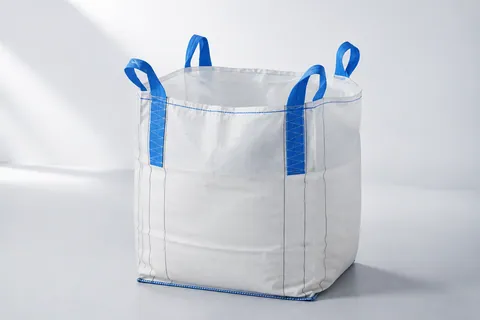
القياس
حدد الأبعاد الداخلية أو الخارجية والوحدات والنقاط المرجعية.
اختر أبعاد FIBC بناءً على الحجم القابل للاستخدام، والكثافة الظاهرية للمنتج، وارتفاع التعبئة، وخلوص المناولة، وواجهة المعدات. أبعاد الكيس وحدها لا تحدد تصنيف حمل آمن.
حدد الأبعاد الداخلية أو الخارجية والوحدات والنقاط المرجعية.
استخدم الحجم والكثافة الظاهرية لحساب التخطيط فقط.
اعتمد الأبعاد النهائية ومتطلبات الحمل على الرسم المقدم مع عرض السعر.
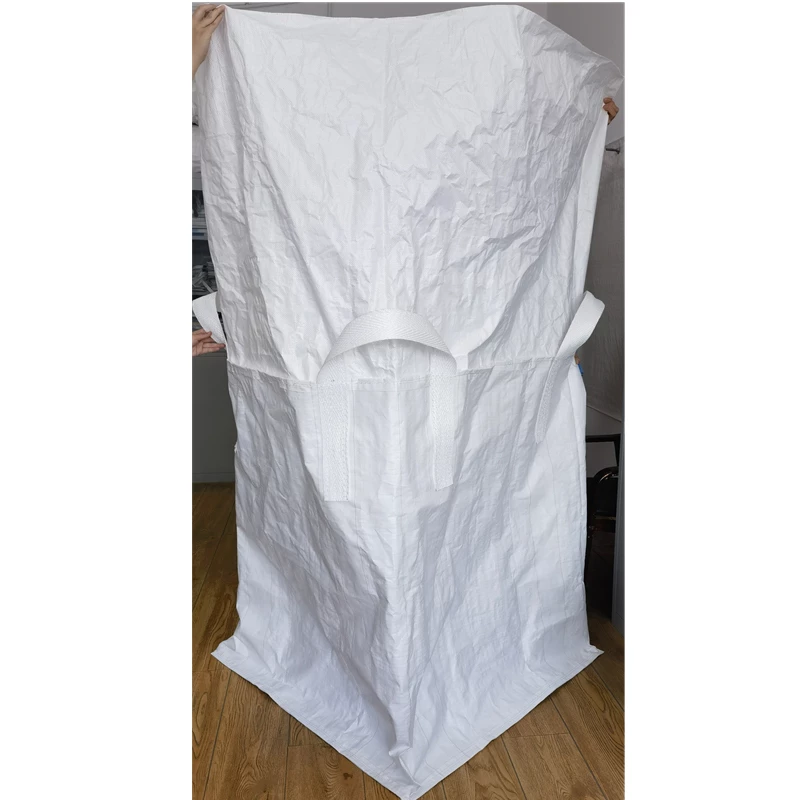
لتقدير أولي، احسب الحجم المستطيل الإجمالي من الطول × العرض × ارتفاع التعبئة باستخدام نظام وحدات واحد. قدّر كتلة المنتج من الحجم القابل للاستخدام × الكثافة الظاهرية. ثم راعِ الفراغ العلوي، وتغير شكل الكيس عند التعبئة، وترسب المنتج، ومساحة المدخل والمخرج، وخلوص معدات التعبئة والرفع والتفريغ.
هذا الحساب للتخطيط فقط. لا يعتمد حمل العمل الآمن، أو معامل الأمان، أو التراص، أو الرفع، أو الملاءمة للنقل. تتطلب هذه البنود تصميمًا خاصًا بالمنتج ومراجعة الأدلة.
| المدخل | سبب أهميته | ما يجب تأكيده |
|---|---|---|
| المحتوى والكثافة الظاهرية | قد يحتوي الحجم نفسه على كتل مختلفة جدًا. | الكثافة المستقرة النموذجية والقصوى، والوحدات، وأساس الاختبار |
| صافي التعبئة المستهدف | يحدد كتلة المنتج المقصودة لكل كيس. | الهدف الطبيعي والتفاوت المسموح |
| أبعاد الكيس | تربط الحجم بالمعدات ومساحة التخزين. | داخلية أو خارجية، فارغة أو مملوءة، والوحدات والتسامح |
| الفراغ العلوي وشكل التعبئة | الكيس ليس صندوقًا صلبًا وقد لا يستخدم كل الحجم الإجمالي. | ارتفاع التعبئة القابل للاستخدام وخلوص الإغلاق |
| معدات التعبئة والتفريغ | قد تتحكم أبعاد الفوهة والإطار في هندسة الكيس. | قطر التوصيل، والارتفاع، والدعم، وخلوص المخرج |
| مساحة منصة التحميل أو الحاوية | تؤثر الأبعاد بعد التعبئة في تخطيط التخزين والنقل. | المساحة والارتفاع المسموحان وطريقة التثبيت |
إذا ظهر بعد في الكتالوج بدون وحدات أو مرجع قياس، فاستخدمه فقط لتحديد القائمة واطلب توضيحًا قبل المقارنة.
يوفر الحساب المستطيل حجمًا أوليًا، لكن الكيس المرن ينتفخ ويستقر حسب المحتوى والبناء. قد تؤثر الحواجز في الشكل المملوء، وقد يقلل الإغلاق العلوي والفراغ المطلوب من الارتفاع القابل للاستخدام. سجل الافتراضات مع كل تقدير.
بالنسبة للمساحيق والحبيبات، اطلب نطاق الكثافة الظاهرية في الظروف المهمة لعمليتك. قد يعطي الملء السائب والقيمة المستقرة تقديرين مختلفين للكتلة. استخدم القيمة المتحفظة التي يختارها فريقك الفني عند تحديد طلب الحمل المستهدف.
حدد ما إذا كانت أبعاد جسم الكيس تستثني أو تشمل الدرزات والطلاءات والبطانات ونقاط التثبيت. ضع قطر فوهة التعبئة العلوية وطولها، وأبعاد فوهة التفريغ، والارتفاع الحر للحلقات، وموضعها، والارتفاع الكلي للكيس في الرسم نفسه. حدد جميع الوحدات.
عند استبدال كيس قائم، قِس عدة عينات مستعملة وغير مستعملة إن أمكن، وسجل طريقة القياس. قد تدعم صورة بشريط قياس النقاش، لكن يجب أن يظل الرسم المعتمد هو السجل المرجعي.
أكد ارتفاع إطار التعبئة، ونقاط الدعم، والمسافة بين خطافات الرفع أو الشوك، وخلوص التفريغ، ووصلة التحكم في الغبار، وحدود المنصات أو الرفوف. قد يلائم الكيس حجم الجسم الاسمي ولكنه لا يتصل بشكل صحيح عند الأعلى أو الأسفل أو الحلقات.
راجع دليل التعبئة والتفريغ والحلقات لقياسات الواجهة ودليل تصنيف الحمل قبل اعتماد حجم للاستخدام.
لا. الكتلة والحجم مختلفان. قدم كتلة التعبئة المستهدفة والكثافة الظاهرية، ثم أضف خلوص العملية وأكد التصميم المقترح.
لا تفترض. اطلب أن يحدد عرض السعر والرسم اتفاقية القياس والوحدات والتسامح.
قد يؤثر الحاجز في الشكل المملوء، لكن السعة القابلة للاستخدام تظل معتمدة على البناء الكامل والمحتوى وظروف التعبئة. أكد الحجم المقترح بدلًا من استنتاجه من الملصق.
لا. الحجم تقدير للسعة. SWL ومعامل الأمان متطلبان للأداء يجب تأكيدهما بشكل منفصل للكيس المقترح.
أرسل المحتوى، ونطاق الكثافة الظاهرية، وصافي التعبئة المستهدف، وأبعاد الكيس الحالي أو رسمه، وخلوص المعدات، وقياسات الواجهتين العلوية والسفلية، وحدود التعبئة في الوجهة.
أرسل التعبئة المستهدفة، ونطاق الكثافة الظاهرية، والرسم الحالي أو الأبعاد، وخلوص معدات التعبئة/التفريغ.