
Metal Scrap Bulk Bags for Single-Trip Collection
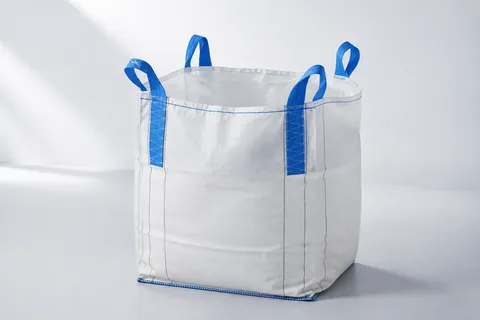
If you need a simple, single-trip bulk bag for metal scrap, start with an open-top tubular body, flat base and four loops. For the Japanese buyer brief of approximately Ø1,100 × H1,100 mm and 1,000 kg SWL, Relia can use published tubular bags to compare the construction and identify the closest quoteable size. The final choice depends on the actual scrap profile and how it enters the bag. Show us the sharpest pieces before a sample is proposed.
- Smooth offcuts
- Existing bag stays familiar
- Exposed sharp edges
Your Current Bag Sets the Baseline
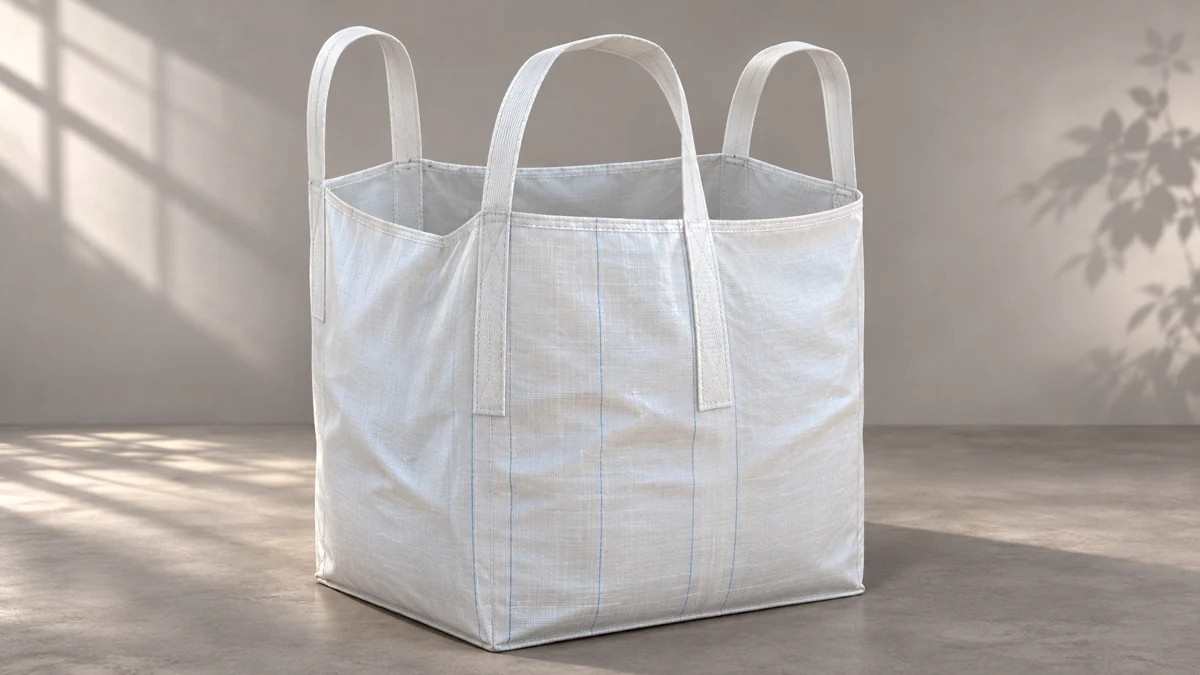
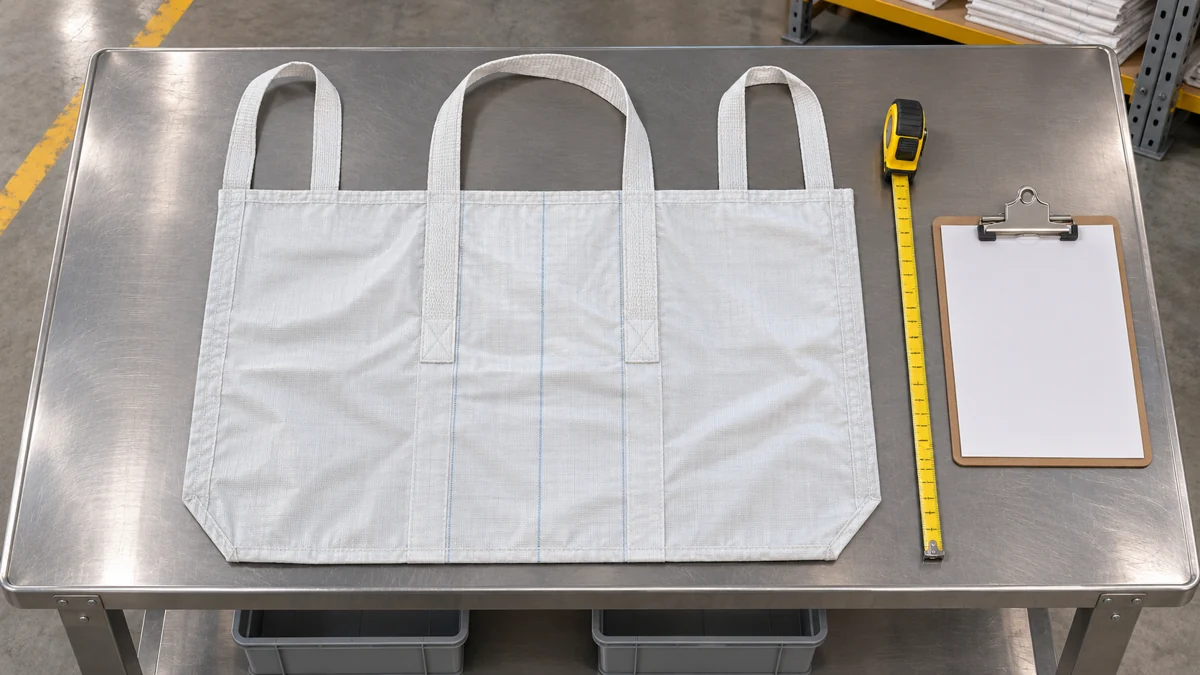
A typical request from a buyer in Japan calls for a tubular bag about 1,100 mm in diameter and 1,100 mm high, with an open top, flat bottom and four loops. The buyer’s target is a 1,000 kg safe working load for a single trip. A bottom spout and tipping loops are outside this brief. We carry each of those requirements into the quote so a similar-looking bag does not become an accidental substitute.
Manufacturing checks for this specification
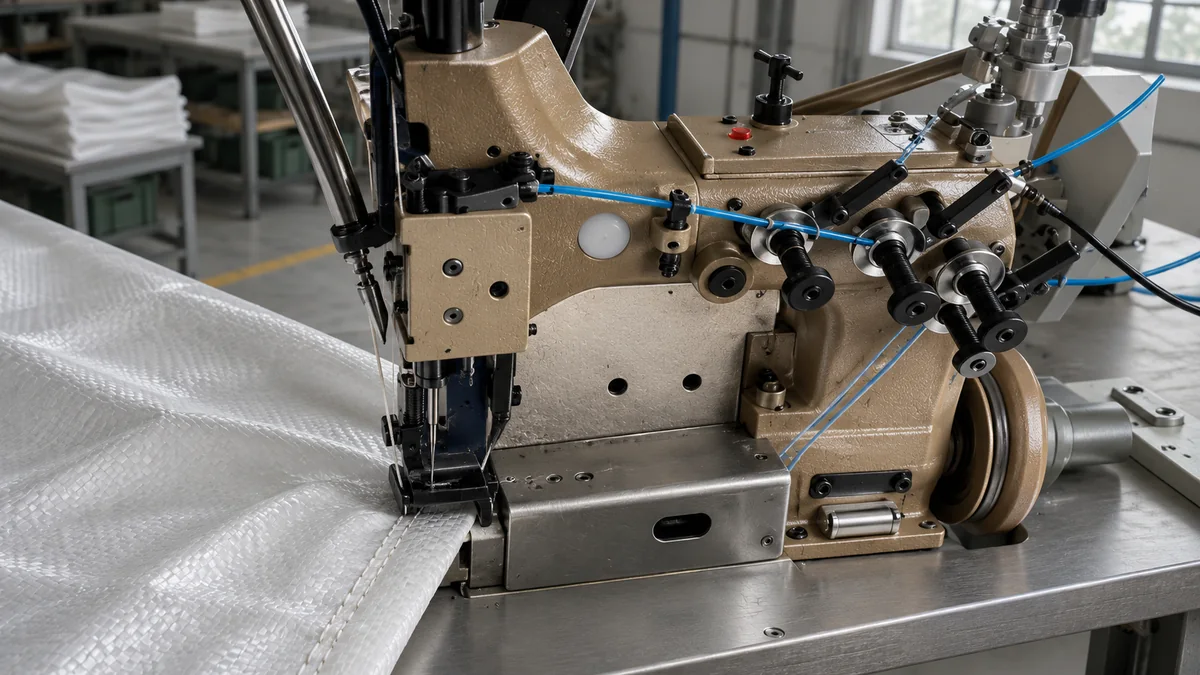
Relia's catalog shows circular weaving, automatic cutting and sewing. For this construction, a woven tube forms the sidewall, the cut base closes the load path and the webbing joins the shell at the approved pickup positions. Our quote review separates fabric and seam construction from the local contact risk created by metal edges.
- 01Body and base dimensions
- 02Webbing layout
- 03Sample and scrap review
Define the diameter and height measurement state and compare the seam layout against your existing bag. Ask for a drawing ID and the finished-design load evidence for the offered model. During a site-approved trial, log contact marks, displaced base stitching and fabric damage. Segregate a damaged trial bag and follow your site procedure.
A Standard Reference Narrows the Search
Two published tubular references share an open top and flat bottom. One lists 800 kg and the other lists 1,500 kg. They illustrate available construction choices. We still need the measurement convention, actual size, approved load and application evidence for any model quoted against your request.
A 1,000 kg request needs its own drawing
The 75 × 75 × 80 cm tubular listing is 800 kg SWL. The 90 × 90 × 100 cm sand bag is 1,500 kg SWL. Both list 5:1, open tops, flat bottoms and cross-corner loops. Neither matches a round Ø1,100 × 1,100 mm request by dimensions and construction alone.
Put maximum piece length, exposed points and loading drop height on the sample brief. A load rating does not quantify puncture resistance. For the Japan enquiry, quote 500 and 1,000 bags separately from five samples, with a named Incoterm place.
ISO 21898:2024 · FIBCA safe handling guidelines
Evidence to keep with the order
The order file should separate the offered bag’s load rating, drawing and intended use from the scrap trial. Ask the supplier to identify the exact test specimen and any restrictions for sharp metal. If the worst-case pieces cannot be adequately contained, reject the woven-bag option for that waste stream.
Sharp Edges Change the Sample Brief
A photograph of smooth offcuts can hide the sharpest pieces in the same load. Show us the largest pieces, exposed points, burrs and the way the material enters the bag. We can then review whether a woven bag deserves a controlled trial or whether the enquiry should move to another form of containment. An advertised load rating alone leaves that contact risk unresolved.
A photo set that helps us screen the load
Include one photo of the complete scrap mix, one close-up of the worst edge with a scale, and one view of the way material drops into the bag. Record whether heavy pieces can strike the same panel repeatedly. That information changes the sample decision more than asking for thicker cloth alone. If the load profile varies substantially between shifts, agree which mix the sample will represent before you compare factories.
Handling Details Belong on the Drawing
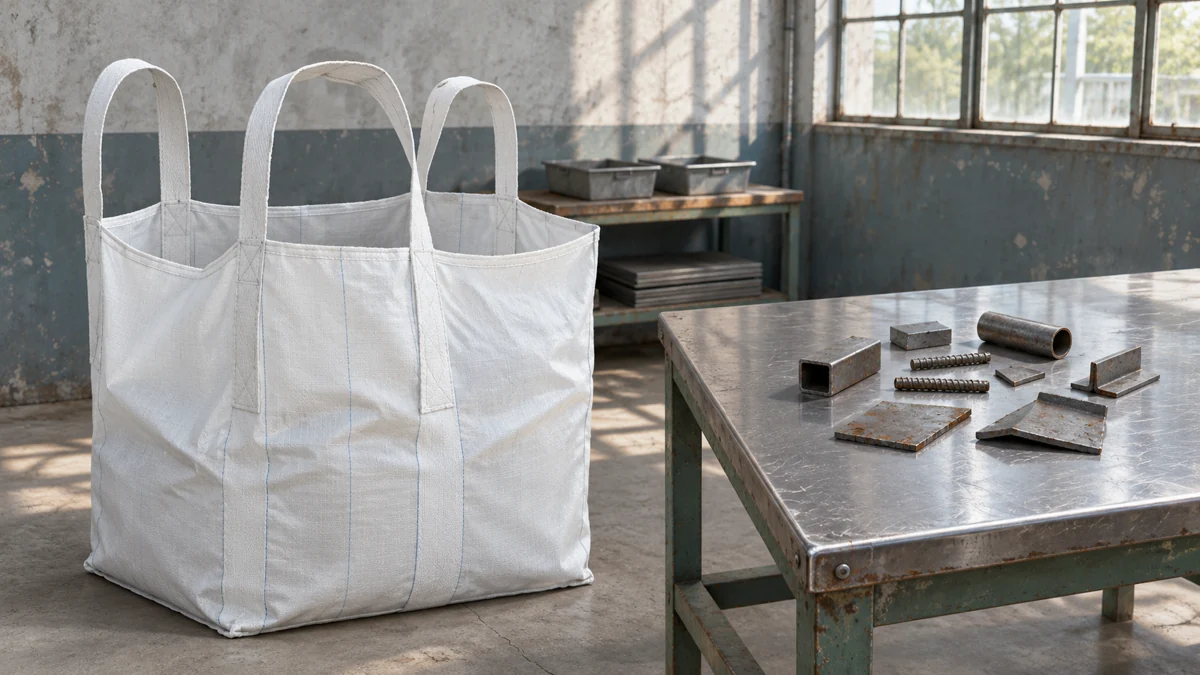
You should be able to compare the proposed bag with the one your team already uses. We put the opening, base and loop positions on the same reference drawing. Confirm whether your width is a diameter, a flat measurement or a filled footprint, and identify the equipment that picks the bag up.
Sample Review Uses Your Actual Work Sequence
Use a representative sample of your scrap and the same filling and handling sequence planned for the order. Agree the observations and stop conditions with your site team before trialling. Keep a record of the bag drawing, material condition and observations so the result can be reviewed with the quote.
Comparable Quotes Show the Same Scope
For a 500- or 1,000-bag enquiry, ask for separate quantities against the same design and shipping basis. Put the five samples on their own line. We can review the quantities alongside packing, sample availability and the delivery destination before confirming terms.
Approval Records Tie the Sample to the Order
Keep the approved drawing and sample record with the quotation. Identify the construction and rated use on the purchase paperwork, and ask what inspection or test evidence covers that exact design. This gives both teams a clear reference if a material, loop arrangement or dimension changes.
Related Specifications Support the Review
Use the product references to compare visible construction features, then review load evidence and sample requirements together. Our factory profile and document pages give your procurement team a place to start verifying the supplier and the scope of the supporting records.
A Clear Enquiry Speeds Up Model Matching
Keep the 500- and 1,000-bag prices and the five samples on separate lines so each offer can be compared at the same delivery point.
Contact the Relia Team
Send empty-bag and scrap photos, maximum piece size, pickup method and quantity. Request separate prices for 500 and 1,000 bags, plus five samples with their own dispatch estimate and named trade term.
Qingdao, Shandong, China