
Type C and Type D FIBC Procurement for High-Risk Workstations
If your filling or discharge station presents an electrostatic hazard, have your site safety lead define the operating conditions before choosing a bag. Relia’s catalog lists Type C and Type D designs. Type C relies on the specified grounding arrangement. A Type D offer also needs a review of its tested configuration and conditions of use. Evaluate the proposed bag and liner together.
- Workstations
- Bag and liner
- Release
The Material and Workstations
Provide safety data and the conditions at each point in the process. The site's responsible team should document the classification and conditions used to assess an offer.
Manufacturing checks for this specification
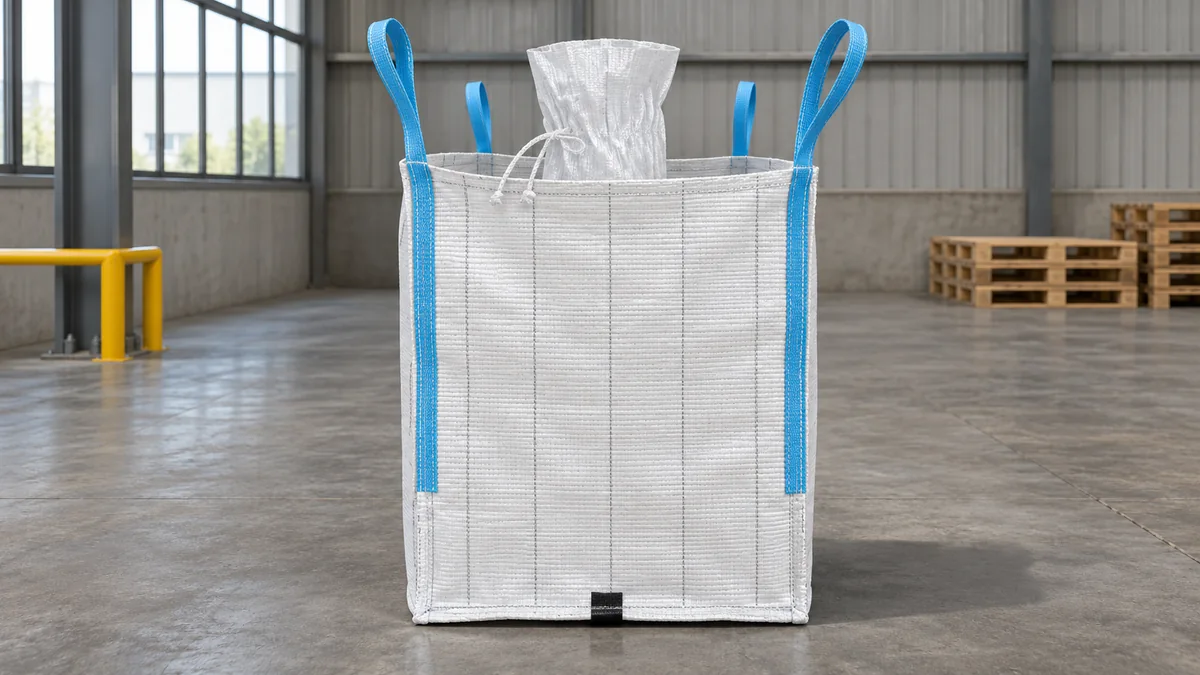
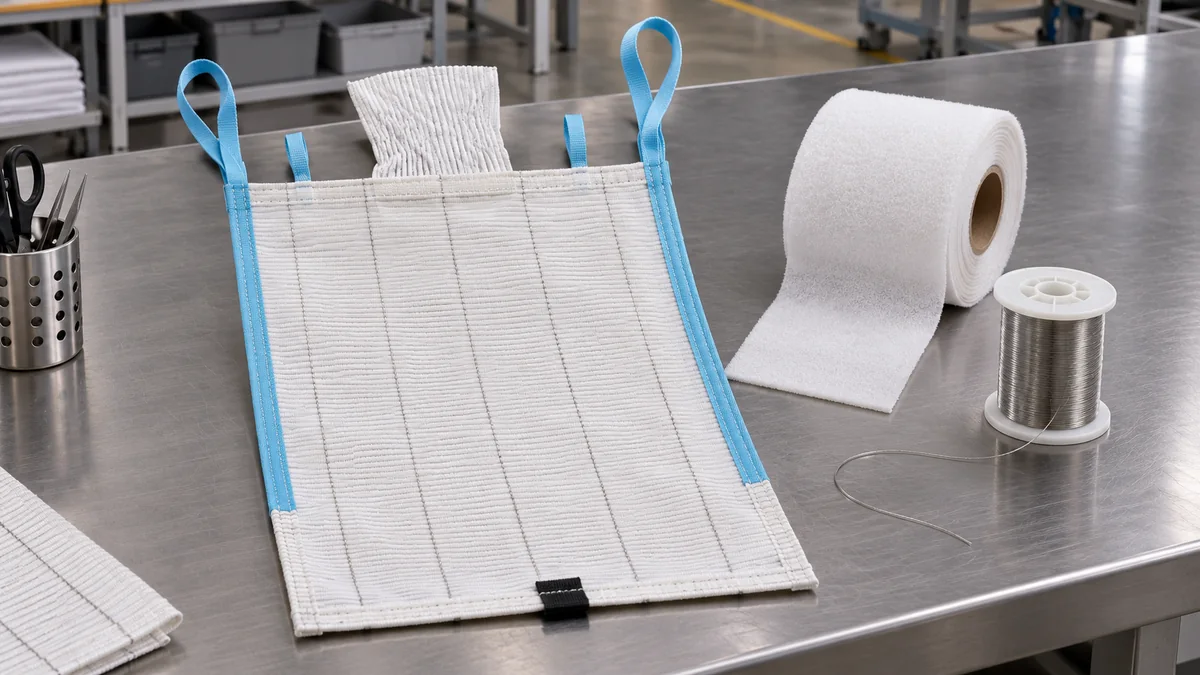
Relia’s catalog describes conductive elements in its Type C and Type D families. The offered construction record should identify the fabric and conductive or dissipative elements, connection and marking details as applicable, liner type and closures. A change to a liner, coating or other component should be checked against the scope of the offered design evidence.
- 01Identify bag and liner
- 02Match the relevant report
- 03Confirm the approved work area
Request a report matched to the offered assembly and applicable IEC 61340-4-4 edition, plus markings and operating instructions. Record the atmosphere, material and both workstations. Have your site team verify the operating controls before release. Where dangerous-goods transport applies, assess that approval separately.
Relia factory process and quality checks · IEC electrostatic classification reference
Match the bag, liner and work area on one record
IEC 61340-4-4:2018 covers electrostatic classification and qualification of FIBCs and inner liners used in specified explosive atmospheres. Ask the site safety lead to review the filling and discharge locations separately, alongside the exact bag and liner identifiers.
For Type C, document the approved grounding arrangement and its verification. For Type D, review the configuration-specific evidence and site restrictions. Keep the safety data, test-report scope, markings and drawing revision together before purchase release.
IEC 61340-4-4:2018
Type C Interface Documentation
Ask the supplier to identify the conductive bag construction and the configuration-specific documentation. Share the site grounding and verification arrangement with the site safety lead.
Type D Configuration Review
Ask for the evidence and operating restrictions for the offered construction. Include liner, neighboring equipment and the actual workstation conditions in the site review.
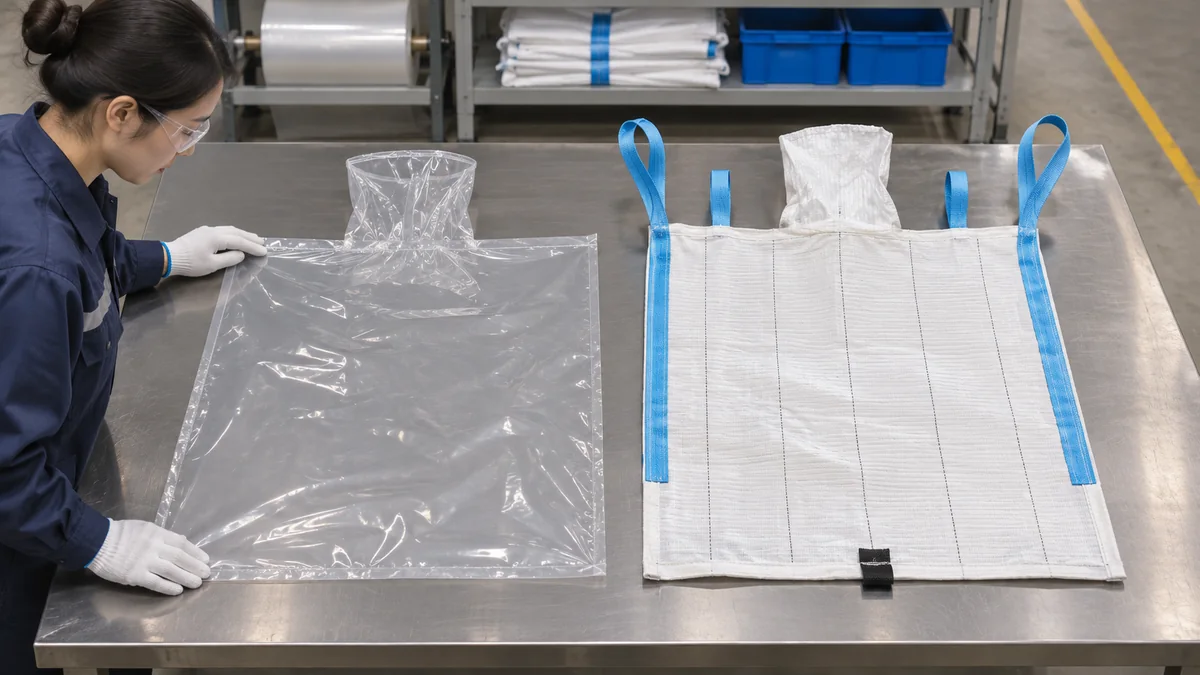
A Liner Identified by Construction
Specify the intended liner material, shape and attachment. Review evidence for the assembly when the liner changes, even when the outer bag looks the same.
Evidence Scope and Marking
Request the applicable test report, bag and liner identifiers and proposed markings. Keep those items together when the site team reviews the quote.
The technical file that follows the bag to the workstation
Relia has reports for Type C and Type D configurations. Request the report matching the offered bag, liner and marking, and ask us to identify any restrictions and applicable edition. The site safety lead can then confirm that the documented use conditions cover both filling and emptying. Keep the issued report and current operating instructions under the same purchase revision.
Inspection Records Before Release
Review how the drawing, documentation and lot are connected. Confirm incoming checks and written site acceptance before placing the proposed assembly into service.

A Release Decision for Each Workstation
Record the site decision for filling and discharge separately when the conditions differ. Include any operating restrictions with the purchase and receiving documentation.
Evidence to keep with the order
Keep the bag and liner identifiers, exact report scope, label image and site signoff together. Ask for confirmation if a quote changes film, conductive elements, label or closure. The report should cover the construction being offered and the site should confirm use conditions.
IEC 61340-4-4 classification and test methods
Related Requirements and Acceptance
Use our requirements guide for a structured supplier discussion and the inspection guide to plan traceability for the offered construction.
Send a Configuration Review Request
Approve the exact construction and site controls together.
Contact the Relia Team
Send material safety data, the site assessment or required classification, the filling and emptying arrangements, and the proposed liner and destination.
Qingdao, Shandong, China