

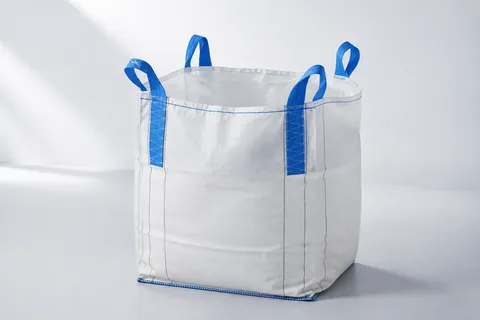
Resealable Bulk Bags for Sampling and Inspection
For routine sampling, place the opening where the operator can reach it at the supported bag height. Relia’s catalog includes zipper and hook-and-loop bag configurations. Choose between them using your sample probe, gloves and material. A closure that is easy to use when empty can behave differently after several openings with powder or granules present.
- Operator access
- Closure comparison
- Acceptance
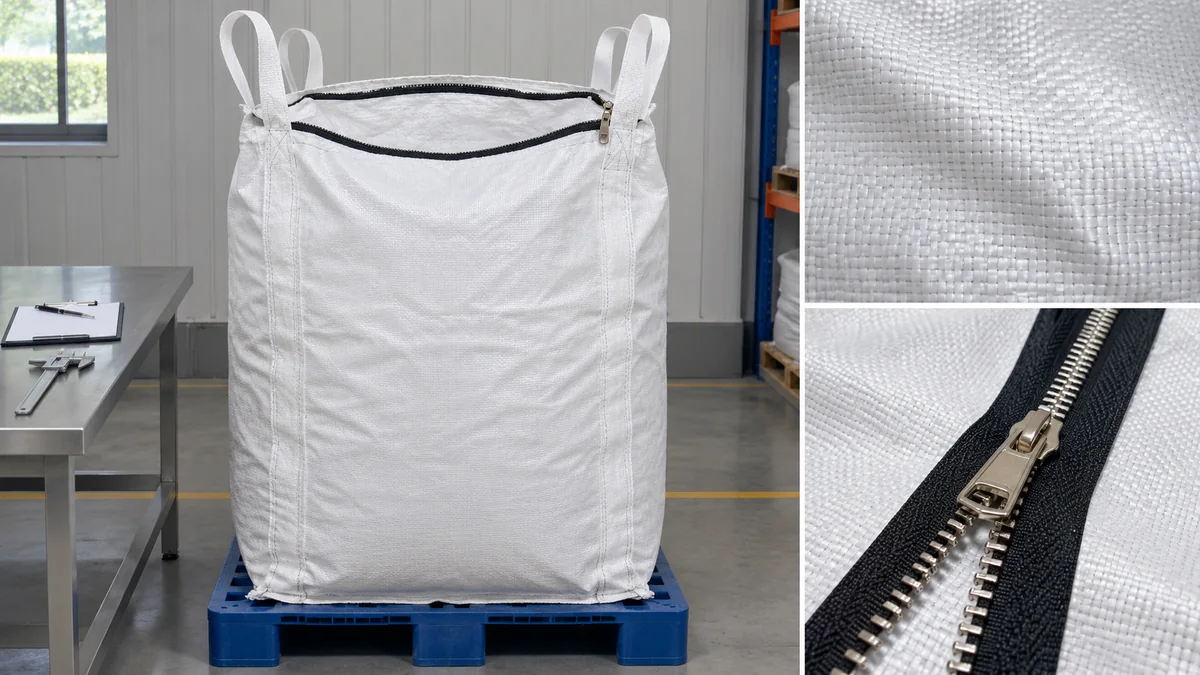
Operator Reach and Sampling Position
Give us the supported bag height, sampling tool and the available clearance. Mark the opening height and direction in relation to where the operator stands.
Manufacturing checks for this specification
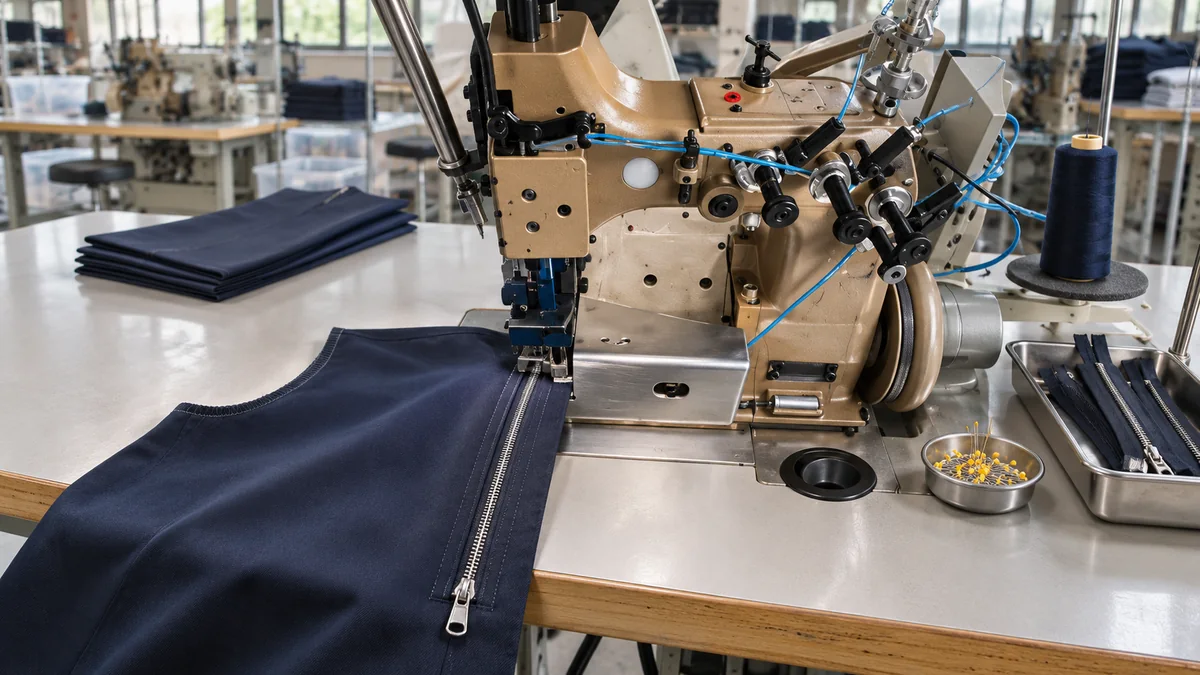
A resealable access panel adds a cut opening and a stitched closure interface to the woven shell. Relia’s catalog documents automatic cutting and sewn assembly. Mark the access position on the same drawing as the filling spout and lift points so closure attachment and use can be reviewed together.
- 01Locate the opening
- 02Specify closure attachment
- 03Test repeated operation
In the agreed sampling trial, record access from the normal stance, clearance for the probe, glove use, trapped particles and visible closure engagement after repeated operations. Where loss or contamination is a concern, agree how it will be measured. A sampling closure and a product containment seal have different acceptance criteria.
Relia factory process and quality checks
Check the closure after actual sampling cycles
A top sampling zipper and a side access point change operator reach in different ways. Put the height of the supported bag, glove type, probe length and an allowed opening envelope on the sample drawing. Preserve the primary filling spout where the existing head needs it.
For a comparison trial, note how many opening and closing cycles represent one lot and record the particles caught in the closure, engagement after reclosing and visible seam damage. A closure that operates empty still needs review with representative material.
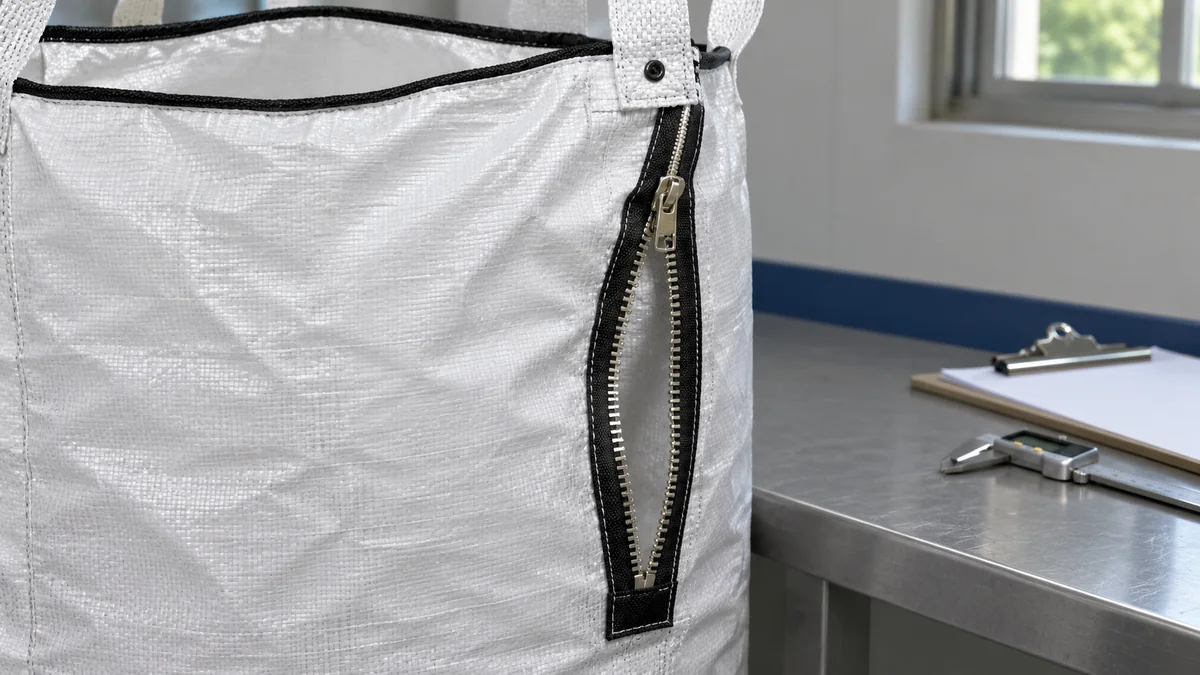
A Dedicated Sampling Opening
A separate access point can preserve the primary filling spout. Show the two openings on the drawing so the sampling feature stays clear of the lifting and filling interfaces.
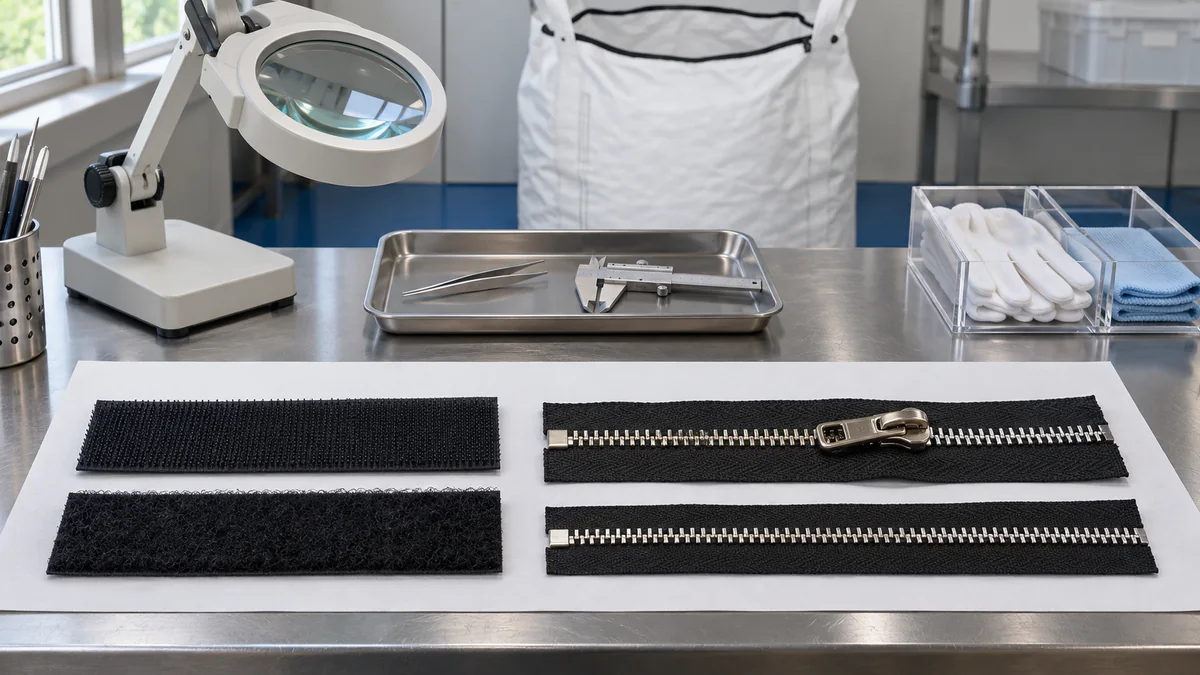
Two Closure Types to Compare
Specify the same access size for both samples. Review grip, alignment and ease of closing with the gloves and tools used in your station.
Trapped Product and Reclosing
Use representative material when checking the closure. Fine particles and fragments can collect at different locations and change how the closure engages.
A Sampling Sequence for the Trial
Agree how many openings reflect normal duty and how you will observe wear, trapped material and the condition after reclosing.
Sampling access without changing the main inlet
Draw both openings and show their intended use. On a repeat sampling route, ask operators to record the time and handling needed to collect a sample and reclose the opening while wearing normal gloves. Keep a separate observation for particles lodged in the closure. Choose the opening position and attachment after seeing how they behave with your material at the working height.
A Sample That Can Be Traced
Request a drawing showing the closure, reinforcement and approved position. Match the sample and trial record to the same revision before releasing the order.
Routine Acceptance at Goods In
Give receiving the accepted closure type and location. List the visual checks that can be performed on incoming empty bags.
Evidence to keep with the order
For incoming inspection, use an approved sample that shows the access orientation and closure engagement. Capture the acceptable condition after the agreed sampling routine. Document whether operators can clean the closure and how you will quarantine a bag if the closure no longer engages correctly.
Related Sample and Filling Guides
Use the drawing guide to document both openings and the filling guide to check surrounding interfaces.
Send the Sampling Station Details
Define closure engagement and acceptable residue or leakage.
Contact the Relia Team
Send the sampling station photo, operator reach, probe dimensions, material and sampling frequency. Indicate whether the original filling spout must stay the same.
Qingdao, Shandong, China