

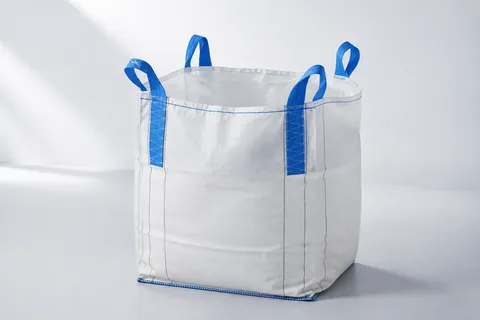
Ventilated FIBCs for Small Onions and Wet Firewood
If you pack small onions or wet firewood, start with the material you will actually load. Small bulbs need an opening that retains the smallest normal size. Wet wood needs a weight check and a review of rough contact and long pieces. Relia offers ventilated configurations, and its open-top 1,000 kg listing is a starting reference for drawing and sample review.
- Small onions
- Wet firewood
- Vent placement
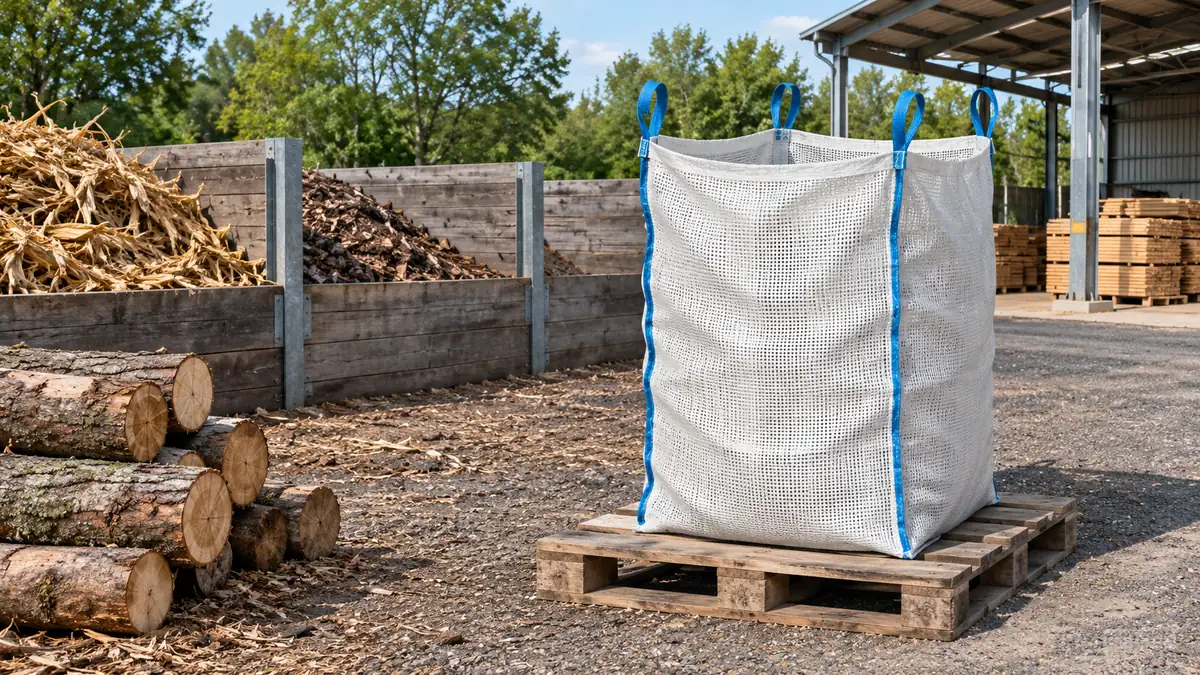
Small Onions and Opening Size
Measure the lower end of your sorted size range and share a representative sample. Review the ventilation openings and potential product loss during handling.
Manufacturing checks for this specification
Relia’s catalog lists woven breathable fabric, two-side mesh and full-mesh body options. Fabric or mesh placement affects where ventilation occurs, while sewn panel and loop attachments govern the shape and load path. Confirm aperture size, panel location and any reinforcement on the offered drawing.
- 01Specify the ventilation panels
- 02Check the product contact
- 03Approve by use
For onions, test representative small bulbs for escape and pinching at openings. For wet firewood, weigh a representative fill and review projecting or abrasive pieces against the bag. Record the supported and filled profile separately. Review ventilation and storage in the actual stacking arrangement before approval.
Wet Firewood and Irregular Pieces
Send actual wet filled weights and the longest piece size. Mark protrusions, sharp bark and rough handling surfaces for the review.
Run separate retention and wet-load checks
The open-top ventilated reference lists virgin PP, 1,000 kg SWL, 5:1 and a discharge spout. Confirm the drawing for the opening pattern and loop arrangement. For onions, compare the smallest routinely packed produce with actual openings and inspect for escape or pinching in a trial.
For firewood, use the actual fresh wet weight and identify rough bark, sharp ends and the longest pieces. Agree how filled bags are spaced and handled. Record wet mass and fabric condition separately from the storage airflow objective.
FIBCA safe handling guidelines
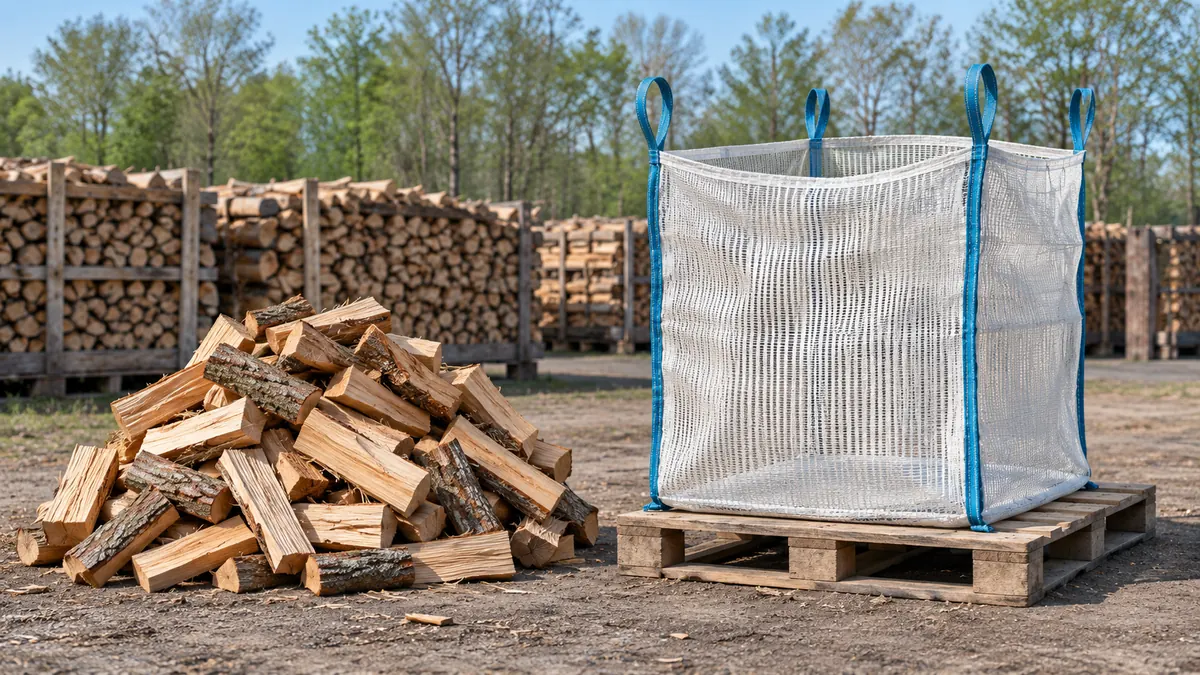
Ventilated Woven Areas and Mesh
Review where the air openings sit, how they are made and how much product can contact them. Compare candidate swatches before ordering full samples.
Storage as Part of the Brief
Tell us where the filled bags sit, how close they are placed and the expected storage duration. Include those conditions when deciding which sample to compare.
Different storage trials for bulbs and freshly cut wood
For onions, include representative small bulbs from normal production and check where they collect against the mesh. For wood, include the size range you usually pack and measure a representative wet fill. Record the staging or stacking arrangement in each trial. A bag that ventilates well when fully exposed may have part of its breathable area blocked in storage. The 1,000 kg open-top ventilated reference lists an uncoated fabric and a discharge spout. Confirm whether your loading and unloading methods call for that outlet or a different base.
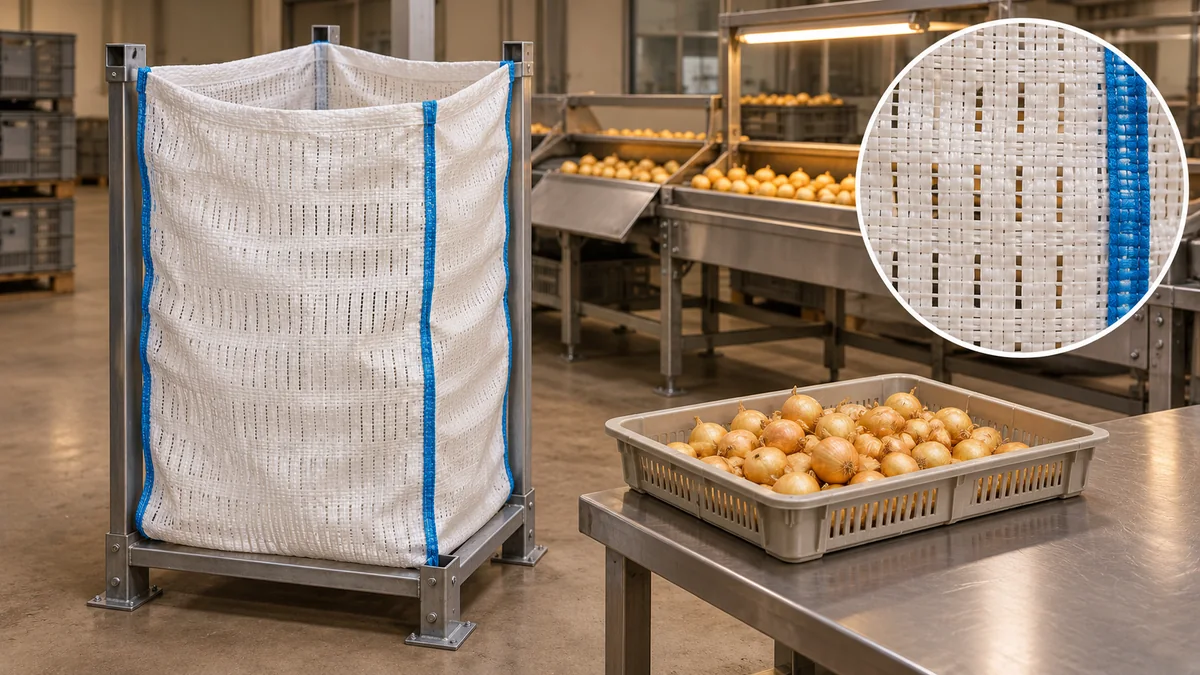
Handling and Filled Envelope
Check the expected filled shape and how your truck or forklift approaches it. Use the actual payload and handling details to assess the offered configuration.
Workshop and Sample Checks
Ask for the proposed ventilation panel and seam details on the drawing. Retain a swatch and sample for repeat orders and incoming comparison.
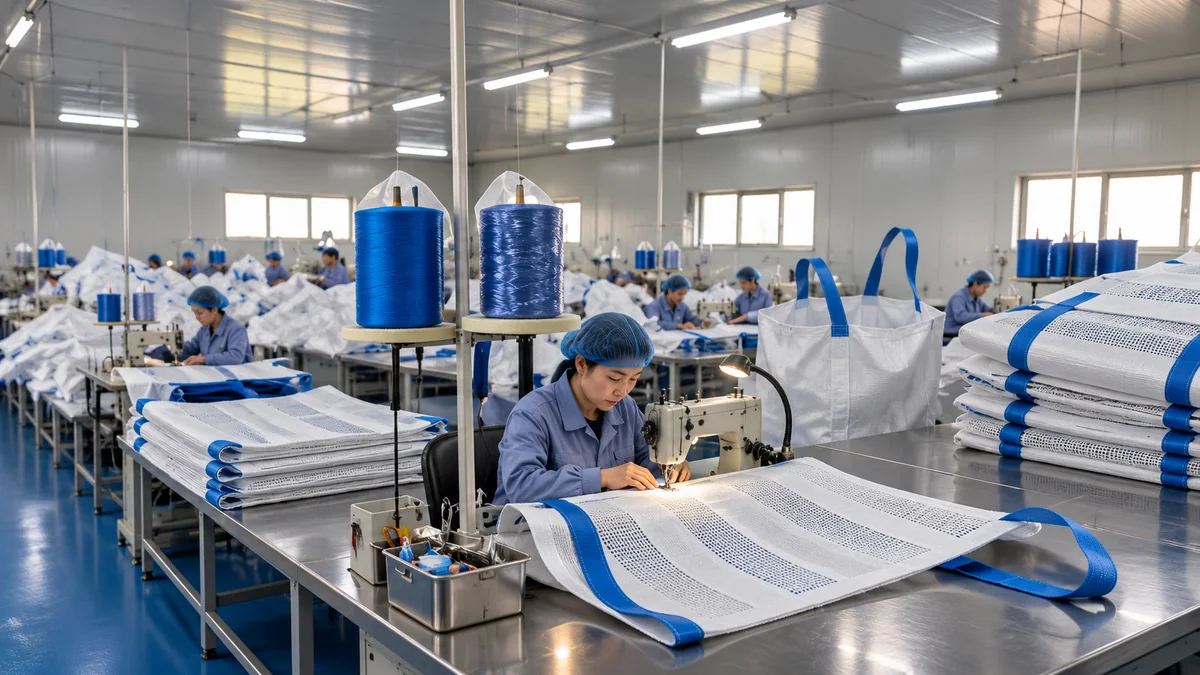
Existing Open-Top Product Reference
Our ventilated bag listing illustrates a candidate open-top construction. Compare the actual opening size, wet payload and handling configuration separately for your product.
Trial Records for Two Different Materials
Record onion retention and the bag condition after handling. For wet firewood, document filled mass, contact points and bag condition in the agreed trial.
Evidence to keep with the order
Keep separate trial records for produce retention and wet firewood. Record the smallest tested bulb size or the wet fill mass and piece dimensions, along with mesh aperture and panel position. A change in cut pattern or mesh size can change the acceptance result.
Send a Ventilated Bag Request
Compare the actual mesh or breathable panel pattern.
Contact the Relia Team
Send bulb size range or firewood dimensions, representative filled mass, storage method, lifting interface and photos of a typical load.
Qingdao, Shandong, China