Coating and a liner answer different specification questions
A coated woven polypropylene bag and a bag fitted with a polyethylene liner are not interchangeable descriptions. Coating concerns a layer applied to the woven fabric. A liner is a separate internal component whose material, shape, attachment and closure need to be specified. A buyer may be comparing either option, both together or neither, depending on the contents and the distribution conditions.
The useful purchasing question is therefore not simply which option is better. Ask what the package must prevent or allow, where that requirement applies and how it will be demonstrated. Moisture exposure, loss of fine material, product contact and the ability to empty the bag are different issues. Grouping them under one vague request for protection makes quotations difficult to compare. The fabric, coating and liner guide explains how to record these components; this article concentrates on comparing competing proposals.
Define coated and uncoated fabric accurately
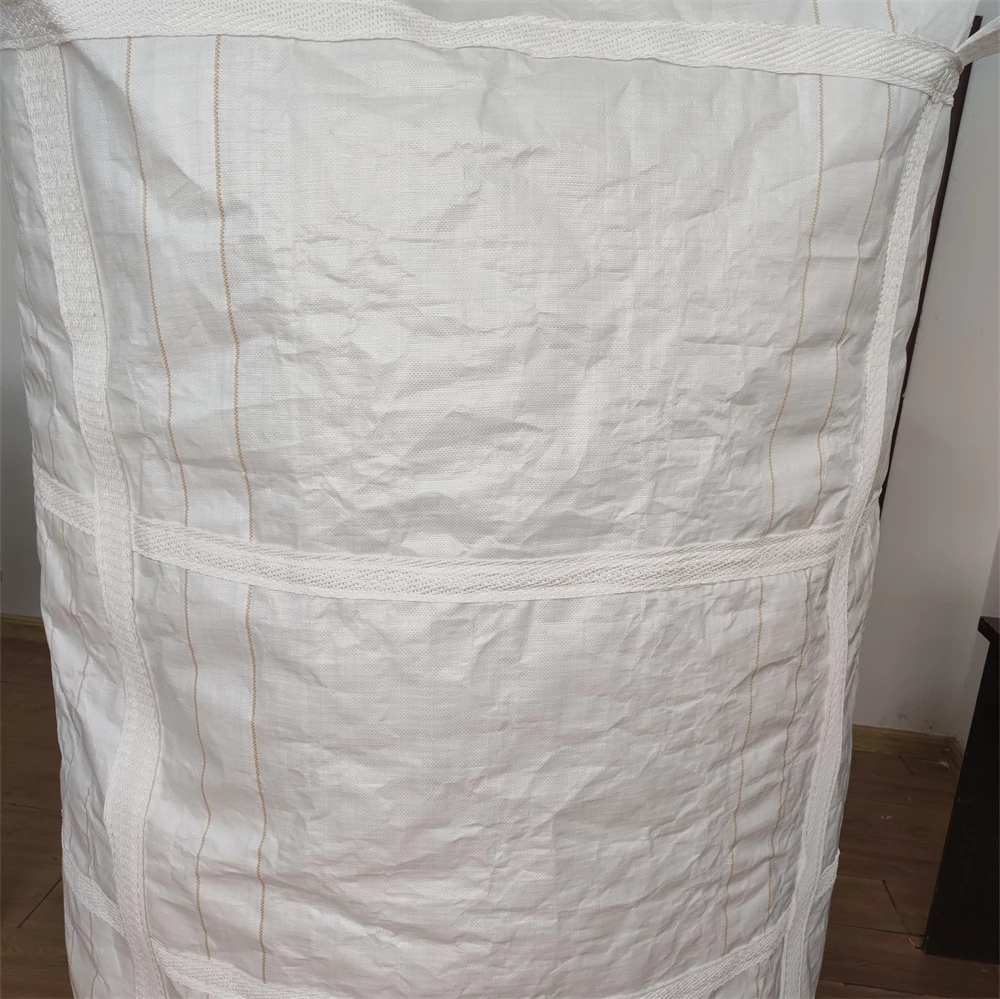
FIBCA describes coating as a polypropylene layer on the inside or outside of the fabric that reduces moisture ingress or material sifting; an uncoated FIBC does not have that layer. See the association's coated and uncoated FIBC explanation. This distinction establishes a construction feature, not a complete barrier specification for the assembled bag.
For a coated proposal, ask which surfaces are coated and how the supplier identifies the coating in the approved specification. Do not assume that an exterior photograph reveals the difference. The sample record should connect the observed bag to its material specification, rather than depending on whether a reviewer thinks the fabric looks glossy.
For an uncoated proposal, identify why it is being considered. The answer may involve a particular product requirement or an established packing arrangement. Avoid accepting a broad phrase such as standard fabric as the entire explanation. The absence of coating should be an explicit, reviewed choice.
Specify the liner as a component, not an unnamed insert
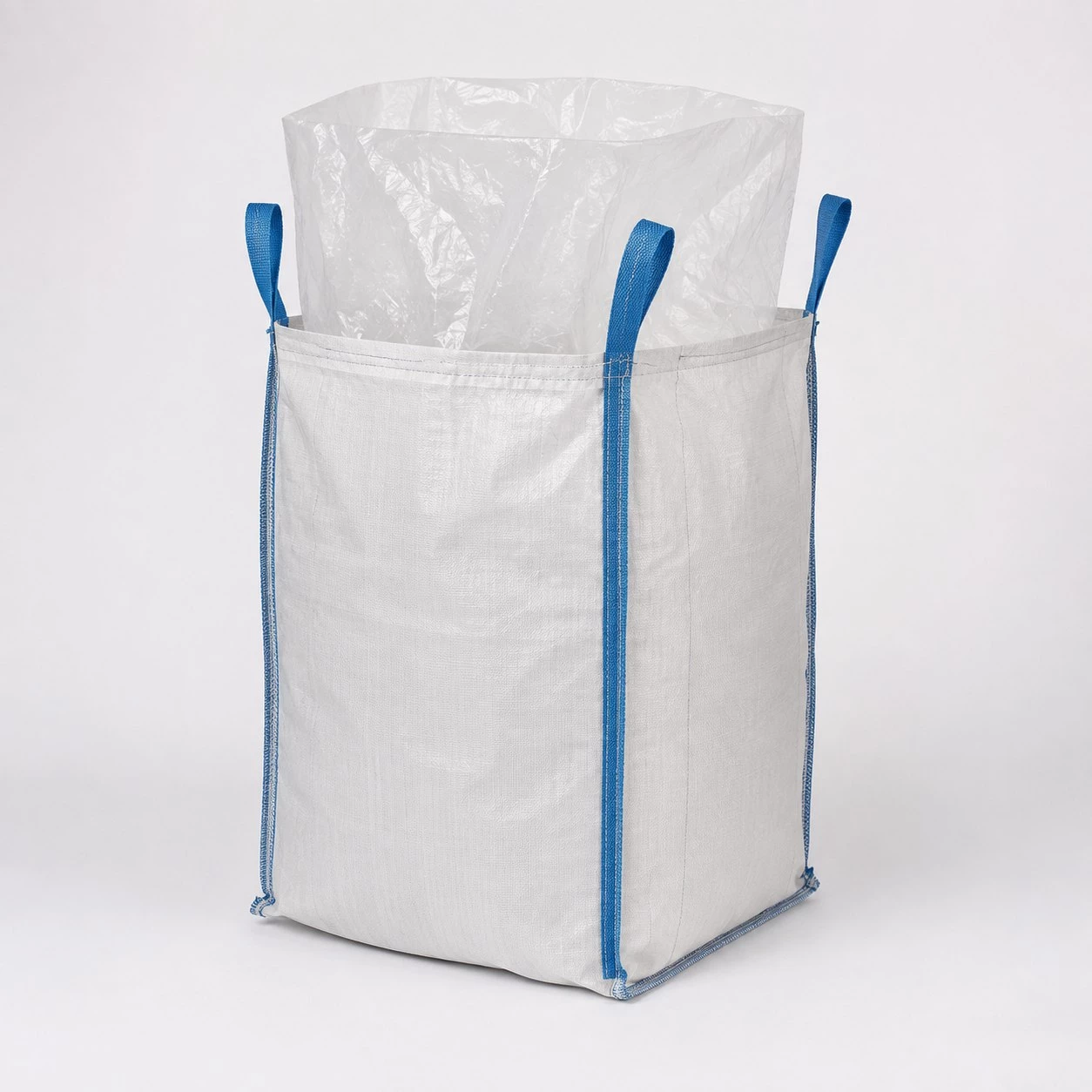
A liner needs its own description. Common choices include a straight tubular form and a shaped form intended to follow the bag and its openings. The FIBCA terminology guide describes form-fit liners and their relationship to bag openings. For purchasing purposes, the important point is to identify the exact film and construction offered rather than equate every liner with the same protection.
Request the liner's material identification, dimensions, thickness specification and any property data needed for the application. Ask how it is installed, how its inlet and outlet relate to the woven bag, and whether attachment is part of the offer. A quotation that only says PE liner leaves several decisions unresolved.
Keep liner and outer-bag revisions linked. If the bag changes height or opening arrangement, ask whether the liner also needs revision. Conversely, a liner substitution should not be treated as a purchasing detail with no effect on the package. Its fit and handling arrangement belong in the same controlled specification.
Describe the exposure before asking for a barrier
State the storage and transfer conditions the technical team expects. Identify which part of the journey creates the concern and whether the buyer is trying to protect the contents from the environment, contain the product or address both directions. A request for a moisture barrier without context can invite several quite different proposals.
Separate the intended service requirement from an exceptional event. A package selected for a defined indoor distribution route should not silently be assumed to withstand an entirely different exposure. If the shipment plan changes, bring the changed condition back into the specification review. The same product name does not prove the same packaging requirement across every destination.
Ask for evidence in terms the responsible team can evaluate. If a barrier property matters, identify the relevant method, conditions and acceptance criterion with the supplier. A single adjective such as waterproof does not explain how the fabric, seams, closures and liner work together.
Review all potential routes, including seams and closures
Look at the whole assembled package. The fabric surface is only one part of it; the top closure, bottom arrangement, stitched areas and any liner connections also need attention. A buyer investigating fine-material loss should ask where the issue occurs and what construction feature is proposed to address it. The response should distinguish fabric treatment from seam treatment.
Do not assume that adding coating eliminates every requirement at the sewn areas. Likewise, a liner proposal still requires a defined opening and closing arrangement. Neither the coating label nor the liner label establishes the water resistance of the complete assembled package. Treat that as a reason to define the actual package requirement rather than market either option with an absolute claim.
If filler cord or another seam feature is included, identify it separately on the bill of materials. Its composition and application should come from the supplier's approved specification. The fact that a component is commonly used in the industry does not establish the material of a particular accessory listing.
Consider filling and emptying before selecting the film
A liner must be reviewed alongside the equipment interface. Ask where the film sits at the inlet, what part connects to the filling arrangement and how the filled package is closed. At the outlet, identify the intended liner end and its relationship to the bag discharge spout. The receiving team should be able to understand the arrangement from the approved documents.
Discuss how the contents behave during the planned transfer and what the team needs to observe in a sample evaluation. Do not assume that a film with an attractive property description will fit the operating workflow. The review may need to resolve access, identification of closure components or the way an attached liner is managed at the receiving station.
FIBCA's handling resources emphasize following the bag manufacturer's instructions for the specific application. Obtain the applicable liner and closure instructions with the sample. This guide is a purchasing checklist, not a replacement procedure for filling or discharge.
Use current product labels as inquiry starting points
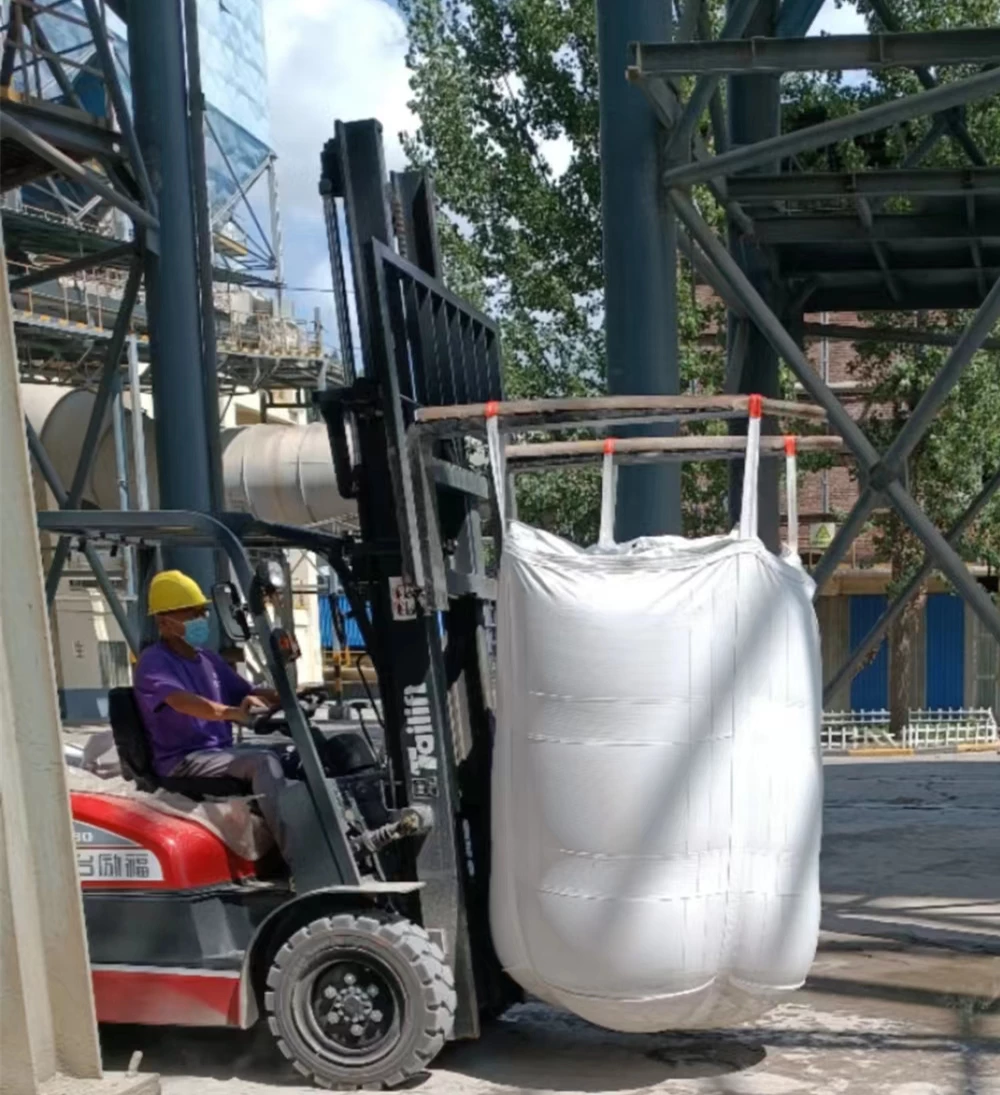
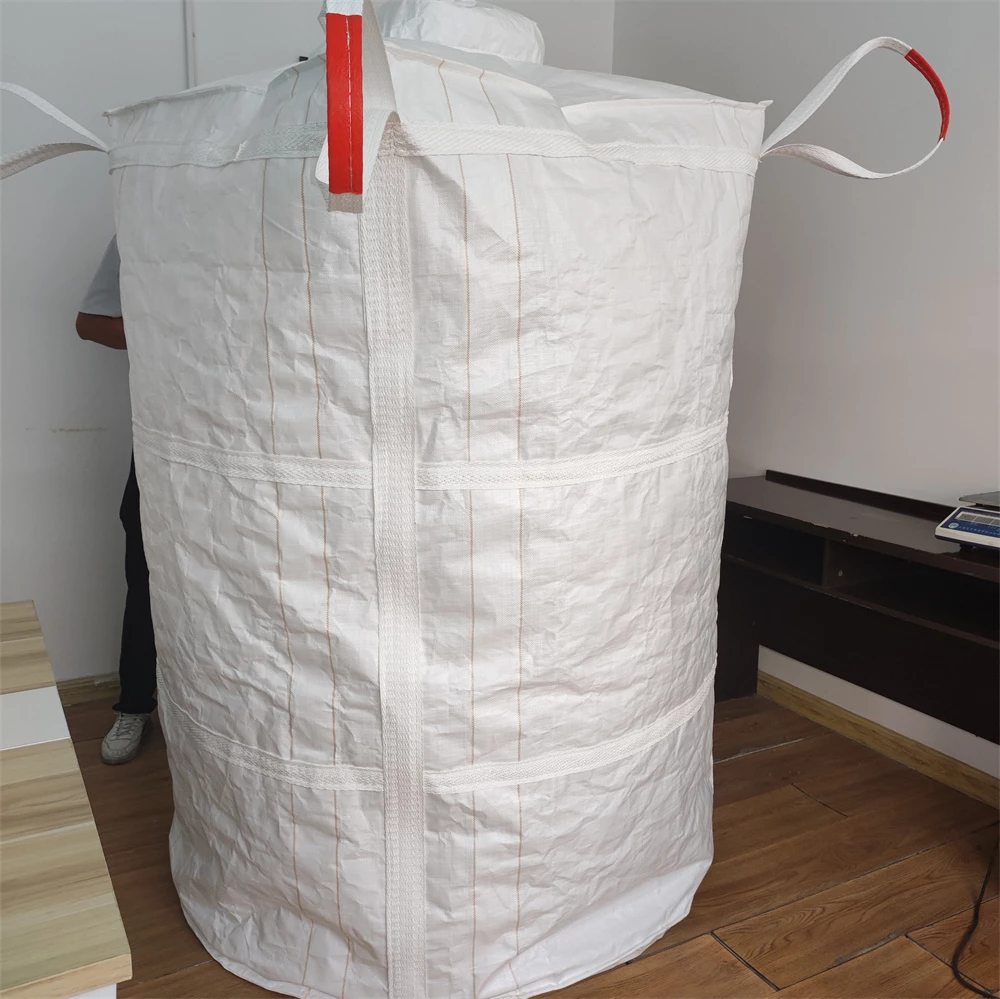
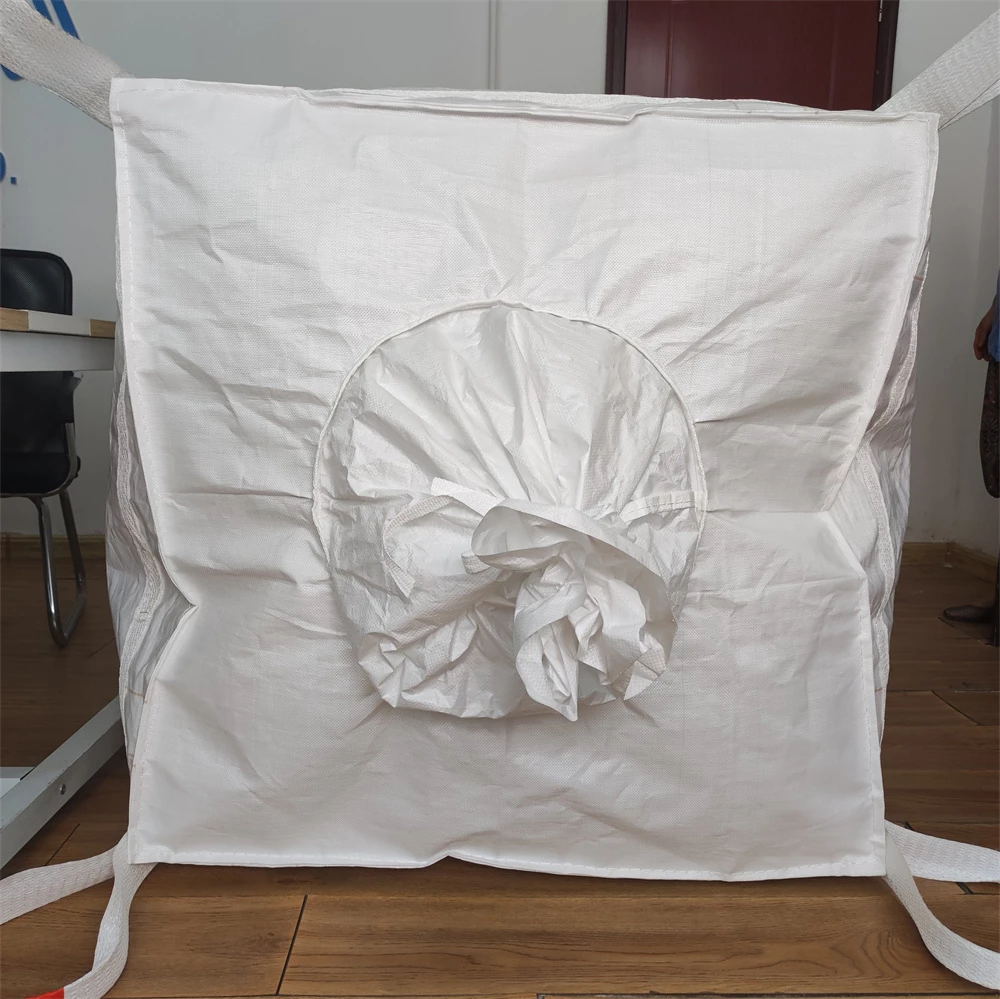
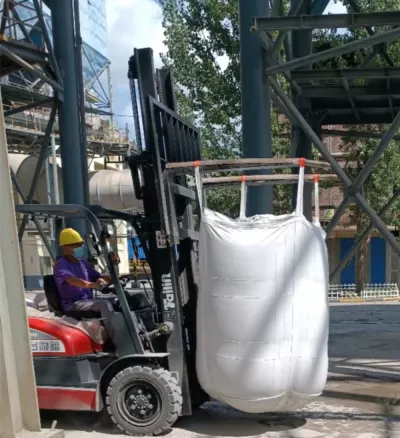
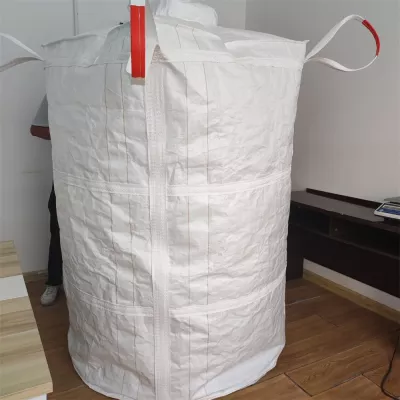
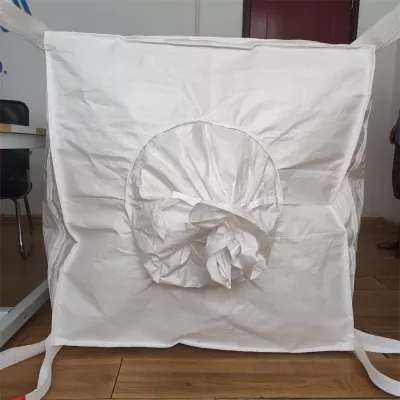
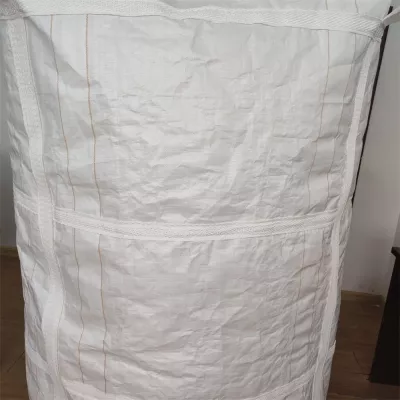
The catalog includes a tubular-style configuration whose attributes identify coated fabric, a top filling spout and a bottom discharge spout. It also contains an uncoated U-panel configuration with a filling spout and a flat base. These are useful examples of coating and interface choices appearing together in a complete product description. Use the materials and liners collection to shortlist a reference before requesting changes.
Compare all of those fields when requesting an alternative. A coated spout-bottom bag and an uncoated flat-bottom bag differ in more than fabric treatment. If the commercial question is specifically about coating versus a liner, ask the supplier to keep the remaining requirements constant or list every proposed deviation. Otherwise the price difference cannot be assigned to the barrier choice alone.
Ask separate questions about contact and special environments
Where the contents have product-contact requirements, identify the intended use and the documentation needed for that finished configuration. The word polyethylene does not establish a particular regulatory status, cleanliness condition or compatibility with every material. Request the relevant evidence through the responsible technical review rather than inferring it from the polymer name.
The same discipline applies to electrostatic requirements. A coating or ordinary liner description should not be used to infer that the package is suitable for a flammable or explosive environment. Those conditions require application-specific assessment of the complete system. Keep the assessment separate from the commercial comparison of common coated and lined options.
A supplier's general certificate collection is not necessarily evidence for the exact product offered. Ask which documents apply to the finished construction and the intended use. Record any open issue before approving the order, rather than treating the presence of a logo as the answer.
Prepare a comparison table that exposes hidden differences
| Quotation field | Coated-fabric offer | Liner offer |
|---|---|---|
| Construction | Identify coating location and specified fabric | Identify film, shape and installation |
| Interfaces | Confirm top, base and closures | Confirm both bag and liner openings |
| Requirement | State the property to be evaluated | State the same property under the same conditions |
| Evidence | Request applicable material or package information | Request applicable liner and assembled-package information |
| Deviations | List every change from the baseline bag | List every change beyond adding the liner |
Use the table to identify unanswered questions, not to award points to whichever proposal has more descriptive phrases. An honest unknown is more useful than an unqualified yes. Ask the supplier to distinguish confirmed features, proposed options and items that need sample evaluation.
Resolve the coating-versus-liner decision with comparable evidence
Ask the technical team to define the same exposure, observation and acceptance criterion for both proposals. Record the coating location or liner film offered, the closure arrangement and any departure from the baseline bag. A result about one material component should remain separate from an observation about the assembled package.
If a proposal changes after evaluation, ask which finding prompted the revision and whether its quoted scope changes. Transfer the accepted component descriptions and remaining questions to the RFQ specification record. This keeps a film or coating decision tied to the evidence used to compare it, rather than to a broad protection claim.
Questions to settle before purchase
Can coating replace a PE liner?
That depends on the defined requirement and the complete construction. Compare the proposed options under the same conditions and request the relevant evidence. Coating and liner are distinct features; their names alone do not establish equivalence.
Does adding a liner make an uncoated bag unsuitable?
There is no general conclusion from those two labels. The buyer and supplier need to evaluate the proposed combination, including its interfaces, attachment and intended contents. Avoid treating the outer fabric description as the only design decision.
What should the final quotation say?
It should identify the bag construction, fabric treatment, liner specification where applicable, openings, closures and the agreed documentation. Reference the approved drawing revision and list any remaining qualifications. That gives both parties a clear basis for ordering, receiving and reviewing future changes.