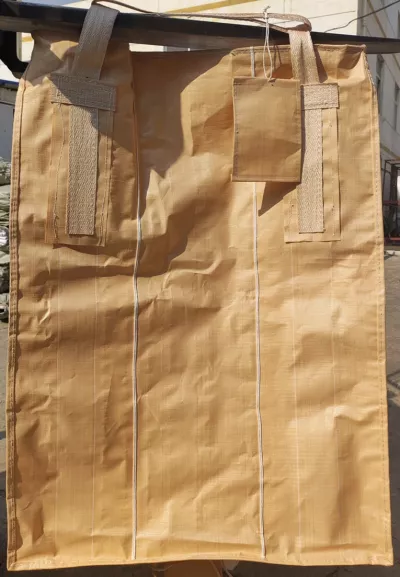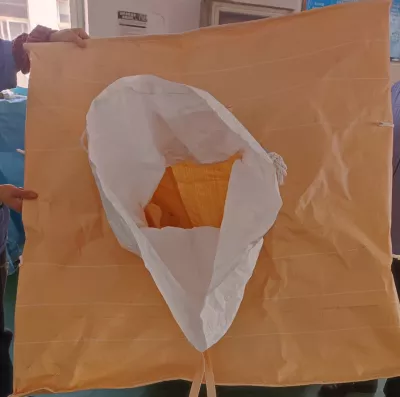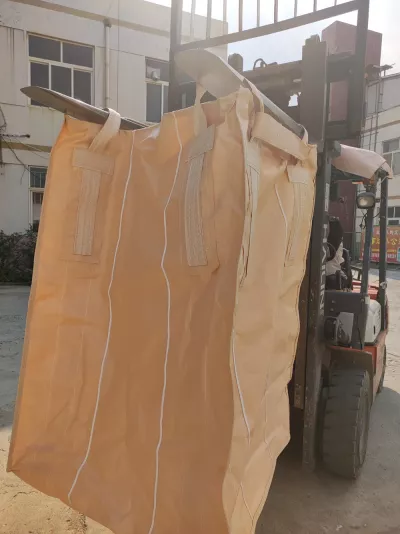

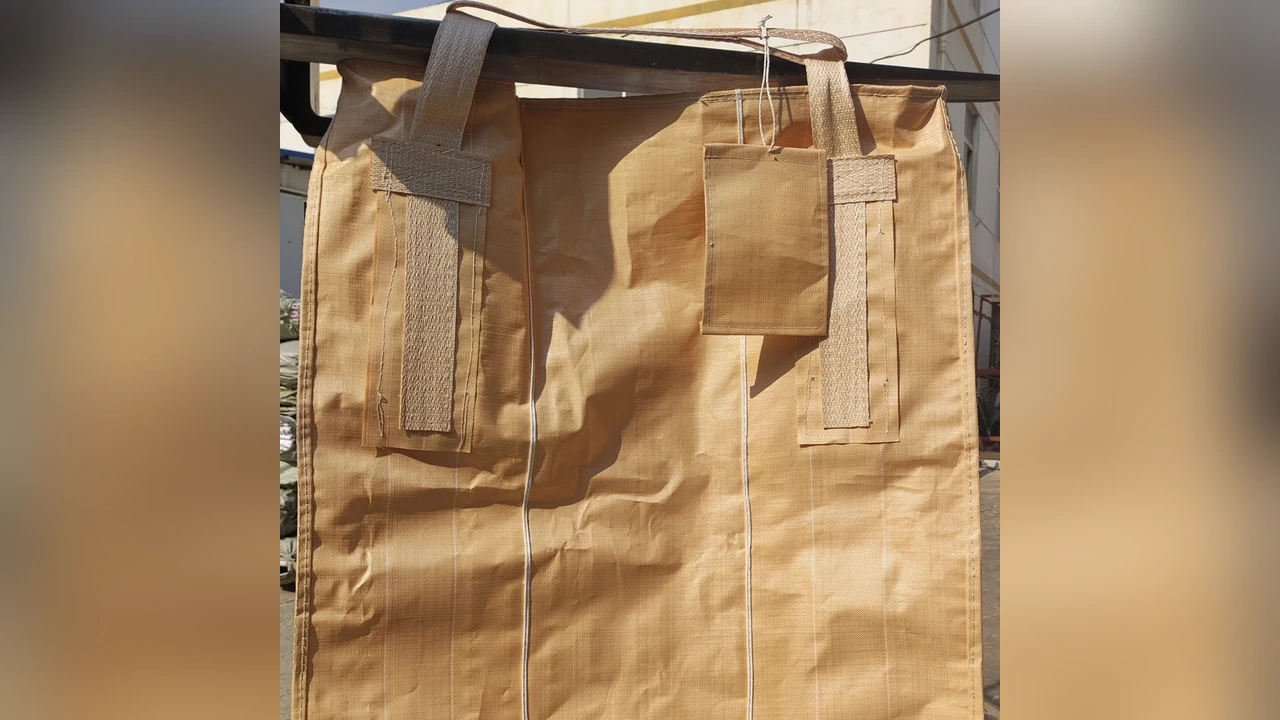
Use the loop name to locate the drawing detail
Cross-corner and side-seam loops describe lifting-loop arrangements on an FIBC. They help a buyer identify a configuration, but they do not establish the complete lifting design or approve a handling method. The useful next step is to review the loop position, dimensions and attachments on the bag drawing together with the equipment that will handle the finished package.
A purchasing team can avoid many misunderstandings by asking for the same views and dimension definitions from every supplier. This guide explains how to organize that review. It does not calculate loop capacity or substitute for the bag manufacturer's handling instructions. The objective is a clear, controlled specification that the responsible technical people can approve. The FIBC interface guide places lifting loops alongside the filling and discharge choices; this article focuses on the drawing details needed to compare two loop proposals.
Recognize the arrangements without inferring a load rating
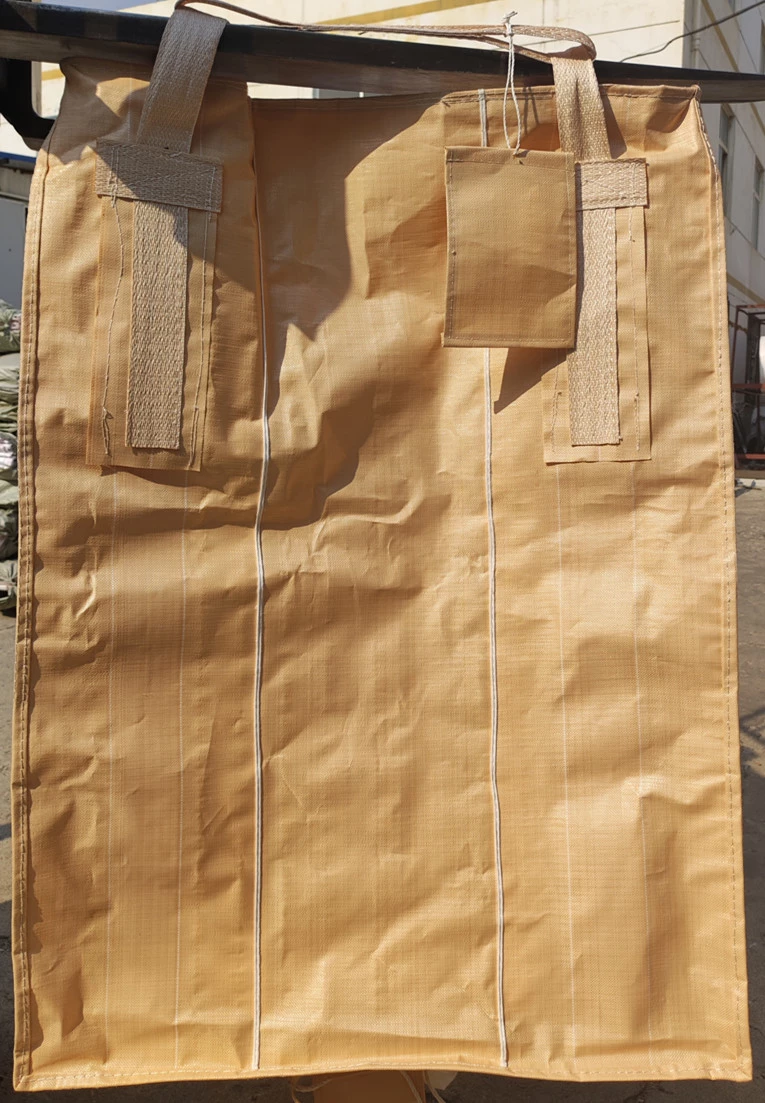
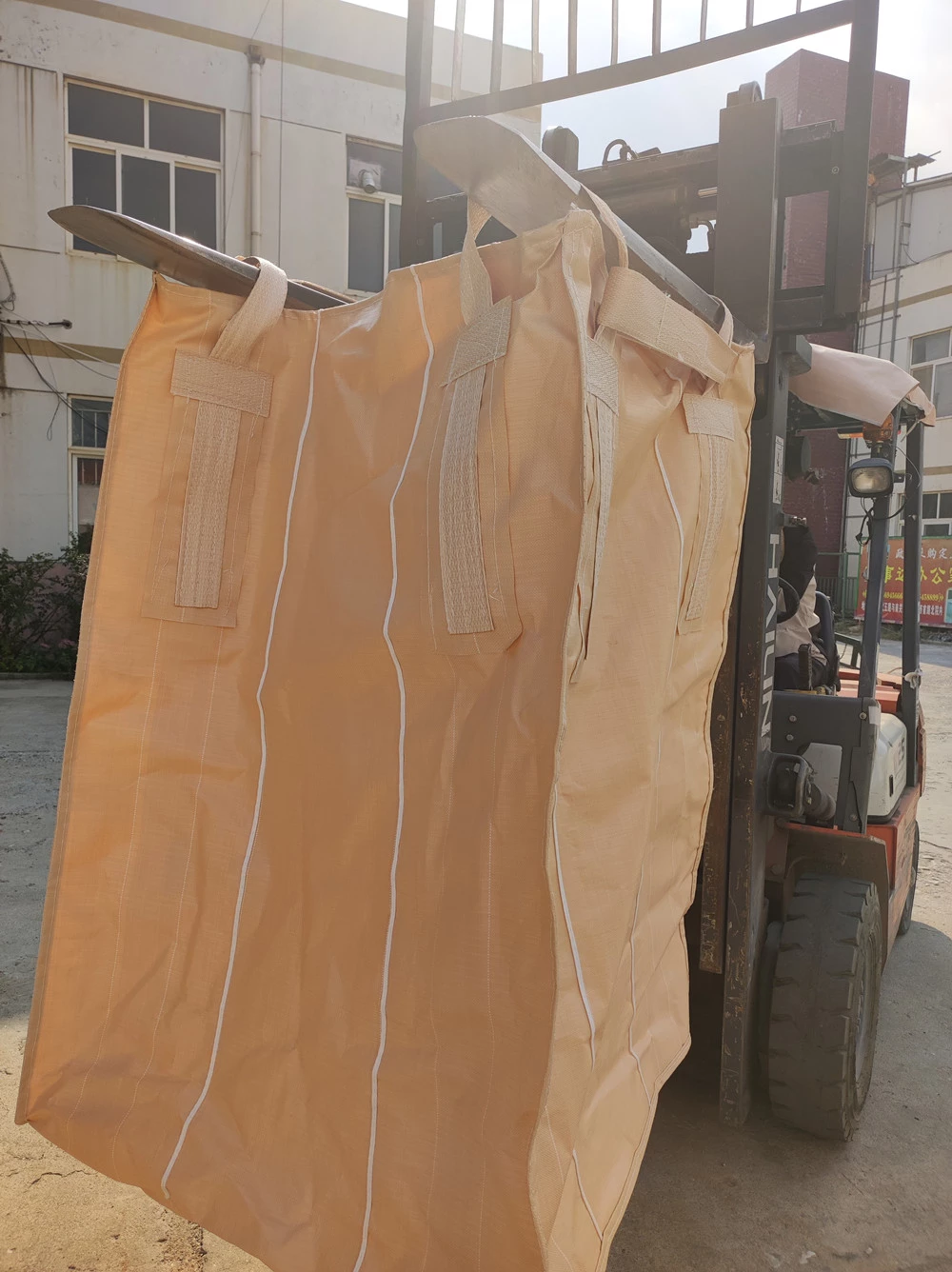
Side-seam or corner-loop arrangements place the lifting webbing at the bag's corner or seam area. Cross-corner arrangements position the loop across a corner. The primary supplier's loop-option descriptions show that these arrangements can involve different attachment details and that cross-corner loops are not restricted to one body construction.
Ask the supplier to identify exactly what its chosen term means on the proposed drawing. Names can be shortened in catalogs, and a photograph may conceal where the webbing is sewn. A marked top view and side view are more useful for approval than an unlabelled image that resembles the previous order.
Do not rank the two arrangements as universally stronger or safer. The finished bag design, its rating, the equipment and the approved use all matter. A loop's appearance, width or color is not a substitute for the applicable evidence and instructions.
Separate bag construction from loop construction
U-panel, tubular and baffle are not alternative names for the lifting arrangement. A buyer should record the body construction and loop option in separate fields. Otherwise a supplier can answer the body question while the purchasing team assumes that the loops are also specified.
Current catalog records illustrate the distinction. One tubular-style entry lists side-seam loops, while another industrial bulk-bag entry lists cross-corner loops with top and bottom spouts. U-panel entries also list side-seam loops. These are recorded product combinations, not a rule that every bag of a given shape must use the same loop style.
Keep the two fields separate during a change request. If the supplier proposes a different body construction, ask whether the loop arrangement or its dimensions change as well. If only the loop option is being reviewed, require the offer to identify what remains the same and what needs a revised drawing.
Request views that make the geometry understandable
A useful drawing package should allow the reviewer to identify the bag's top, base, sides and lifting points without guessing. Ask for a top view that locates each loop relative to the bag and a side view that shows the free loop and its attachment. Where the connection is not clear, request a detail view rather than a verbal assurance.
Use consistent orientation labels. The front of a printed bag is not necessarily the same reference that the equipment designer uses. If an operator approaches the bag from a defined direction, mark that direction on the review sketch. This makes it easier to discuss clearance and loop access without confusing left, right, front and back.
Where a quotation uses a representative drawing, ask which features are specific to the order. A standard illustration can explain terminology, but approval should refer to the actual proposed configuration. Record any detail that will be confirmed later rather than treating a blank dimension as an accepted default.
Agree how loop height and other dimensions are measured
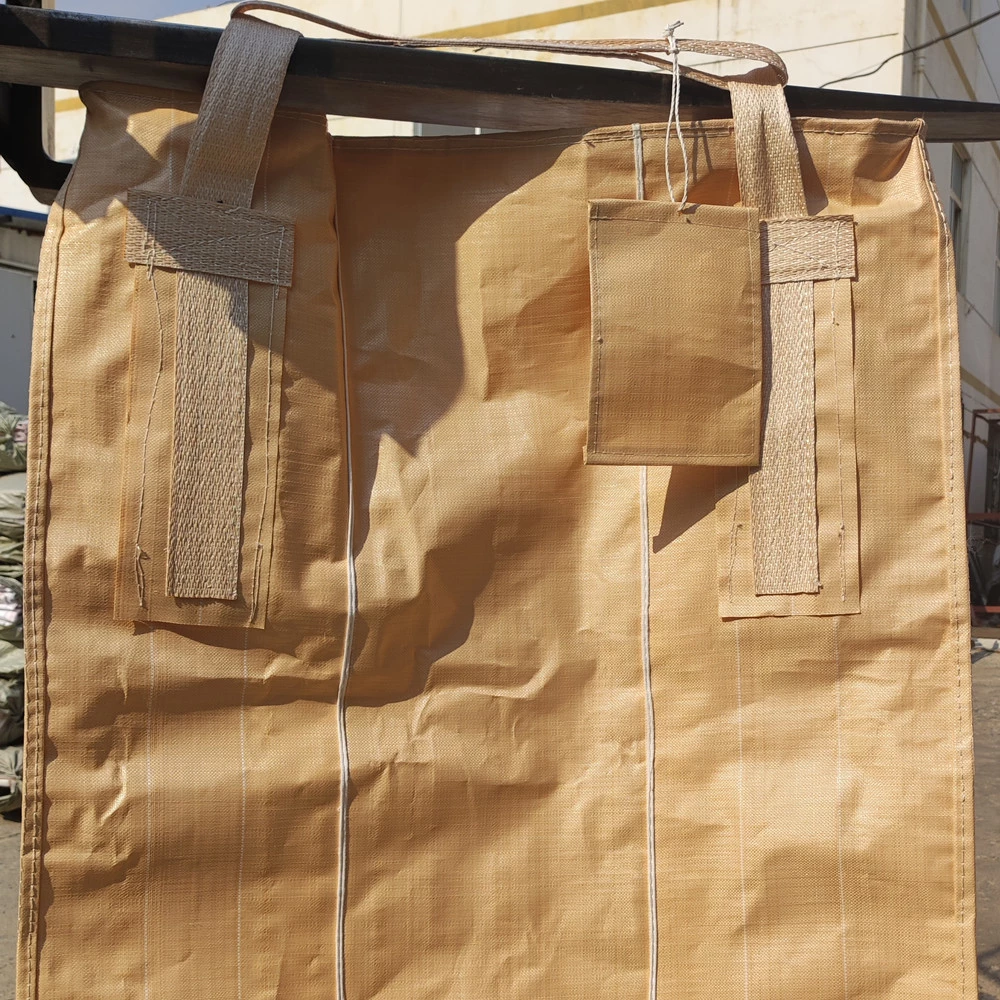
Loop height needs a stated measurement convention. FIBCA's terminology resource distinguishes loop height from bag height and defines production drawings as the documents describing the approved configuration. Put the relevant measurement points on the order drawing so the buyer and supplier inspect the same feature.
For each dimension, identify the units, reference points and inspection condition. An empty bag laid flat is not the same condition as a bag presented on a filling frame. If the equipment interface depends on a dimension in use, ask the responsible teams how that requirement will be confirmed. Do not silently convert a flat measurement into an operating clearance.
Request the supplier's proposed tolerances where fit matters and explain the equipment constraint behind the request. Avoid assuming that longer loops automatically solve an access issue. A dimensional change can affect more than the one photograph that prompted it and should be reviewed within the complete arrangement.
Review the attachment information at the right level
The purchasing specification should identify the approved webbing and attachment arrangement without requiring the buyer to invent a sewing design. Ask the supplier which drawing details and material references control the finished configuration. The supplier's technical team should explain any proposed change from the agreed design.
If the buyer has a formal engineering specification, provide the controlled version and ask for a deviations list. If the buyer does not, request the supplier's design proposal and the evidence needed by the responsible reviewers. Copying a seam pattern from a photograph creates apparent precision without establishing that the copied detail is appropriate.
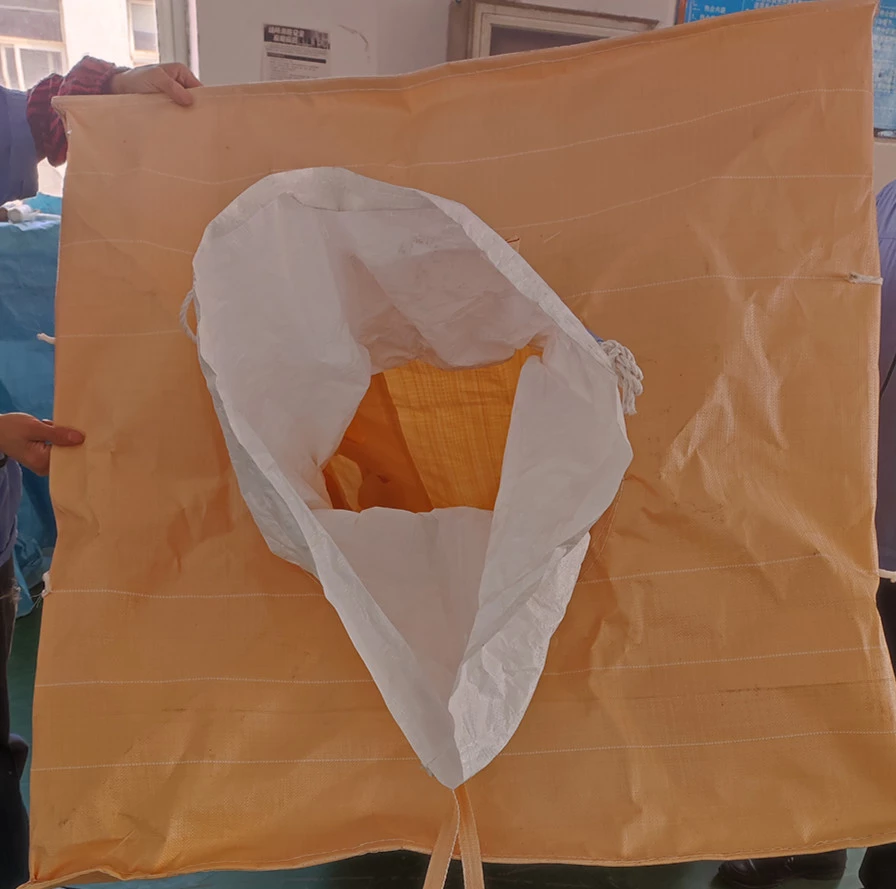
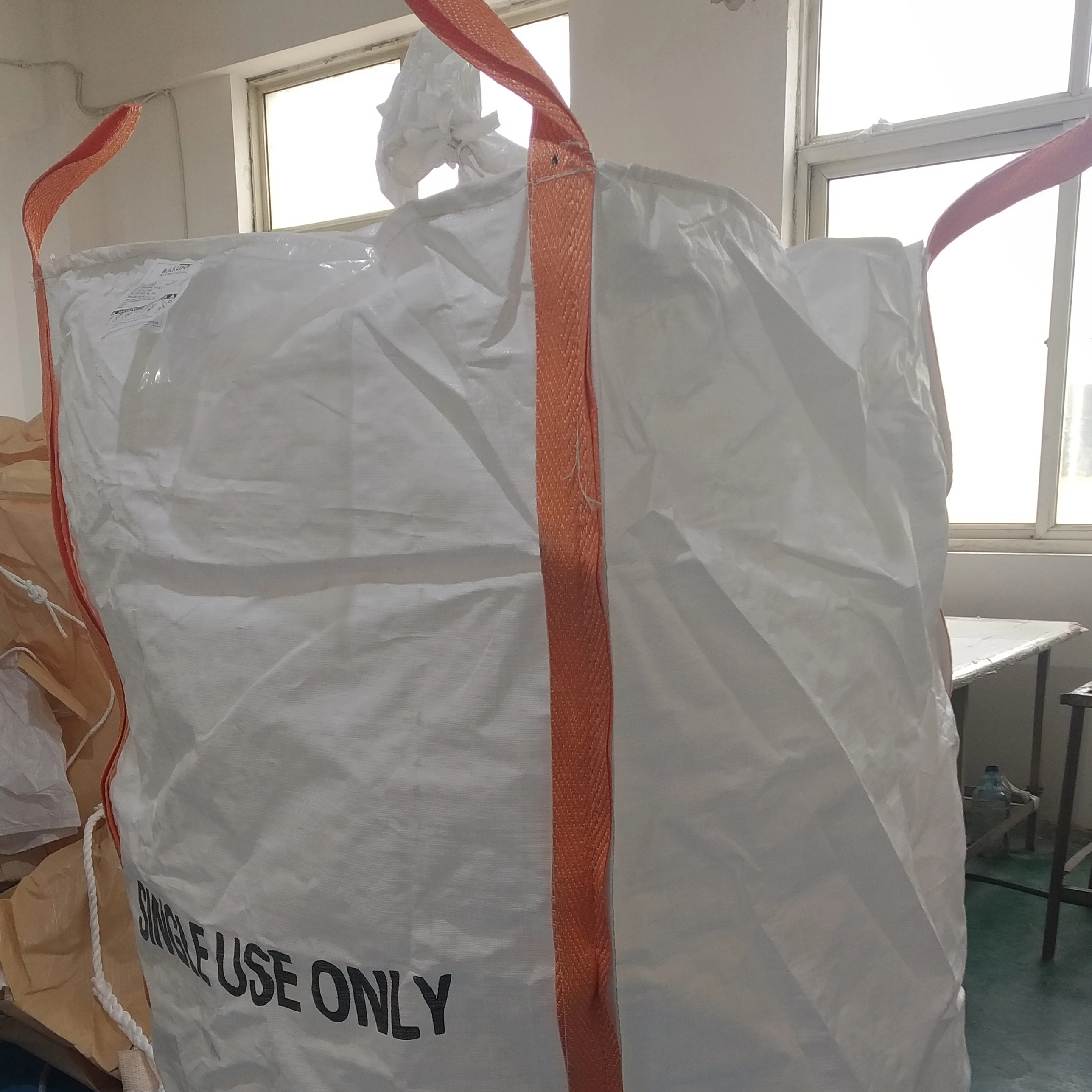
Use close-up sample photographs to support identification and communication. They can show whether the sample matches a documented arrangement, but they cannot establish the assembly's rating by themselves. Visual review and performance documentation answer different questions and should be recorded separately.
Match the review to the actual handling equipment
Identify the equipment that will present, lift, move and release the bag. A statement that forklifts are used is not a full interface description. Ask the equipment owner for the relevant attachment information and the operating constraints that the bag supplier needs to assess.
Keep all intended handling locations in the review. A bag can pass through a filling station, warehouse and receiving facility whose arrangements differ. If one site has a particular frame or approach direction, document it instead of assuming that the configuration accepted at the first site will answer every subsequent question.
The association's handling guidance requires using all provided lifting points and prohibits gathering ordinary loops onto a single hook unless the bag is designed and approved for that arrangement. People must remain clear of suspended bags. A convenient-looking loop position should never be interpreted as permission to improvise another lifting method.
Do not derive capacity by dividing the bag rating
A listed bag safe working load is a requirement for the complete rated package. Dividing that number by the number of loops is not a method for specifying replacement webbing or approving a modified attachment. The drawing review should confirm the finished design and its documentation, not create an unvalidated component rating.
The catalog includes both side-seam and cross-corner configurations with a recorded 1000 kg safe working load. That shared number does not make their loop assemblies interchangeable. It also does not mean that a different item with the same photograph has the same rating. Check the exact product, supplied label and approved specification.
Likewise, a safety-factor ratio does not authorize a higher working load or automatic reuse. Ask for the instructions and intended use of the finished bag. If the procurement plan involves reuse or a changed handling arrangement, make that a separate question for the supplier and the responsible technical team.
Use an inspection record that supports clear decisions
| Review item | Record to keep | Question it resolves |
|---|---|---|
| Loop arrangement | Marked top and side views | Which geometry has been proposed? |
| Dimensions | Units, reference points and tolerances | Are both parties measuring the same feature? |
| Attachments | Supplier drawing and material references | What controls the finished assembly? |
| Equipment | Controlled interface information | Which handling arrangement was reviewed? |
| Approval | Named revision and open-issue list | What is approved and what still needs confirmation? |
Keep observations factual. A note such as loop opening differs from the approved dimension is actionable when it includes the measurement and reference. A note such as looks weak expresses concern but does not tell the supplier what to investigate. Record the concern and request the appropriate technical assessment rather than assigning a rating by appearance.
Plan sample handling through the responsible team
Before a sample arrives, define who will inspect it and which questions the inspection is intended to answer. Start with identification, documentation and dimensional checks. Any operating evaluation should be planned by the responsible people using the applicable bag and equipment instructions.
Do not demonstrate a proposed shortcut simply to see whether the bag holds. That is not a meaningful procurement qualification. Ask the supplier what evidence applies to the design and how a legitimate evaluation should be organized. Keep people out of any suspended-load area throughout the process.
Carry unresolved loop dimensions and attachment questions into the sample and drawing review record, with each observation tied to its marked view.
Make repeat-order changes visible
A replacement order should identify the approved drawing rather than rely only on a short product title. Ask the supplier to declare changes to loop arrangement, dimensions, webbing specification or attachment details. A change that seems minor in a sales email can still require technical review.
Use the same discipline when equipment changes. If a new frame or lifting attachment is introduced, confirm compatibility instead of assuming that the existing bag approval covers it. Procurement can make this manageable by keeping a simple equipment-reference field with each approved bag specification.
Common questions during a loop review
Are cross-corner loops always easier to handle?
Ease of access depends on the actual bag and equipment arrangement. Ask what problem the option is intended to solve, then review the geometry and approved handling method. A general comparison cannot replace that site-specific check.
Can side-seam loops be replaced with cross-corner loops on an existing bag?
Treat this as a design-change request to the supplier, not a modification to carry out on received bags. The complete proposal, documentation and compatibility need review before the changed configuration is purchased or used.
What should an RFQ say beyond the loop name?
Attach the marked top and side views, identify the equipment reference and ask which loop dimensions or attachments differ from the baseline drawing. Include those open questions in the bulk-bag RFQ record so the offer answers the specific geometry under review.