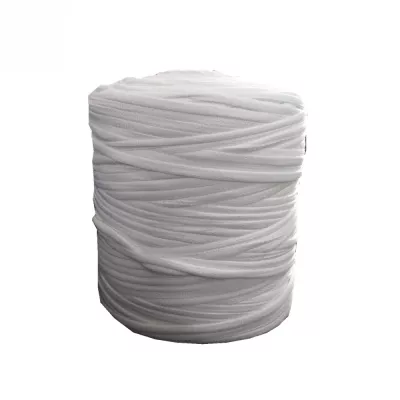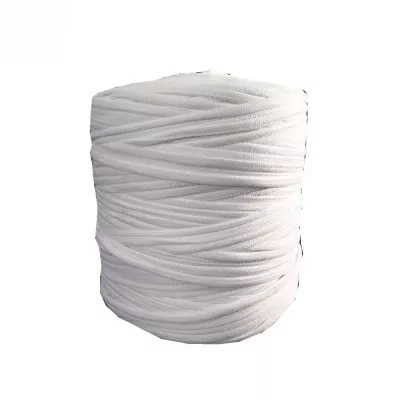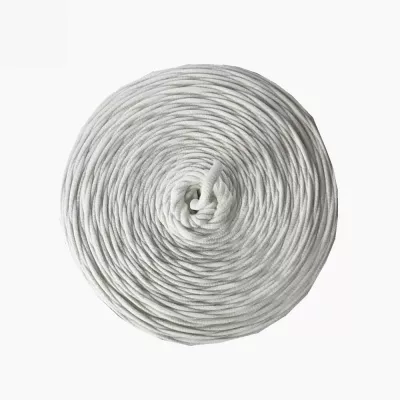
Cover: AI-generated editorial illustration. Product photographs within this guide are from the ReliaBulkBag catalog.
Specify the seam accessory as carefully as the bulk bag
Woven filler cord is a small component in a much larger packaging system, but a vague cord specification can make a bag-making enquiry difficult to compare. Diameter, construction, composition, supply length and the intended seam arrangement all need attention. A request for white siftproof cord is a useful opening description, not a complete purchase specification.
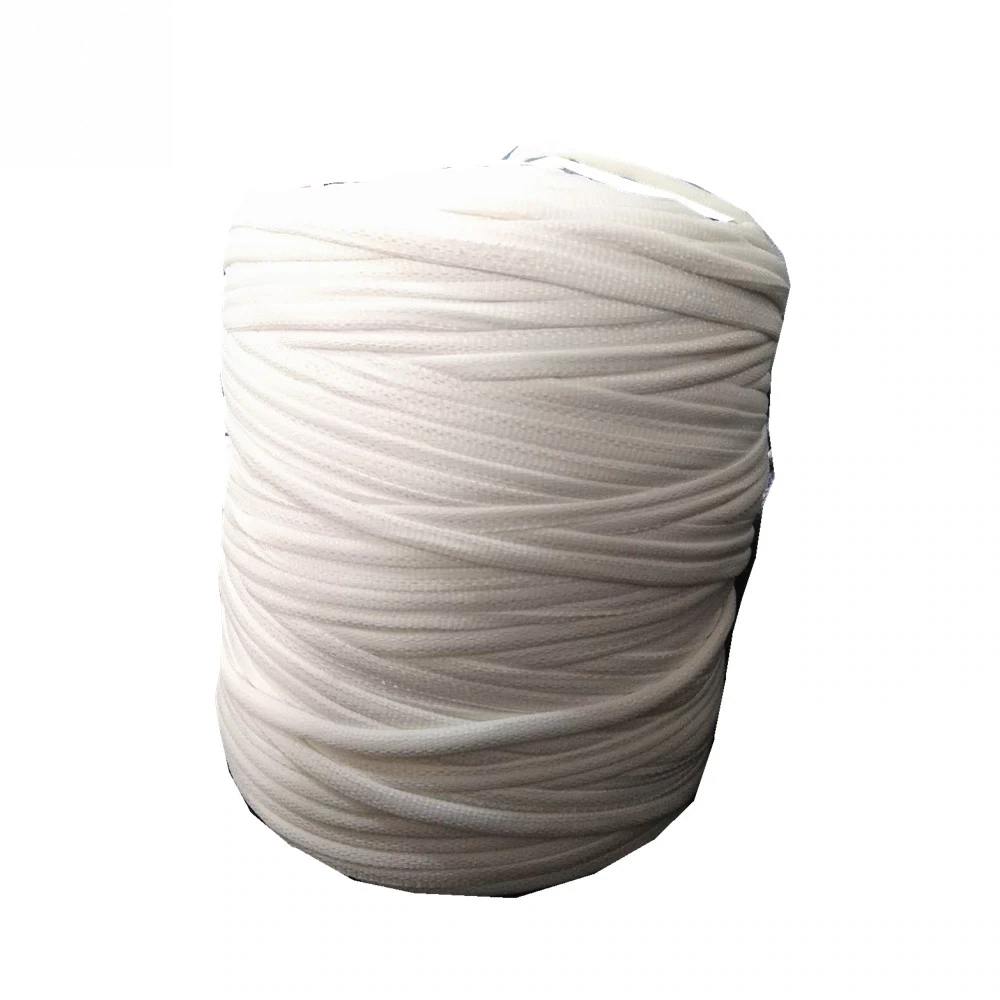
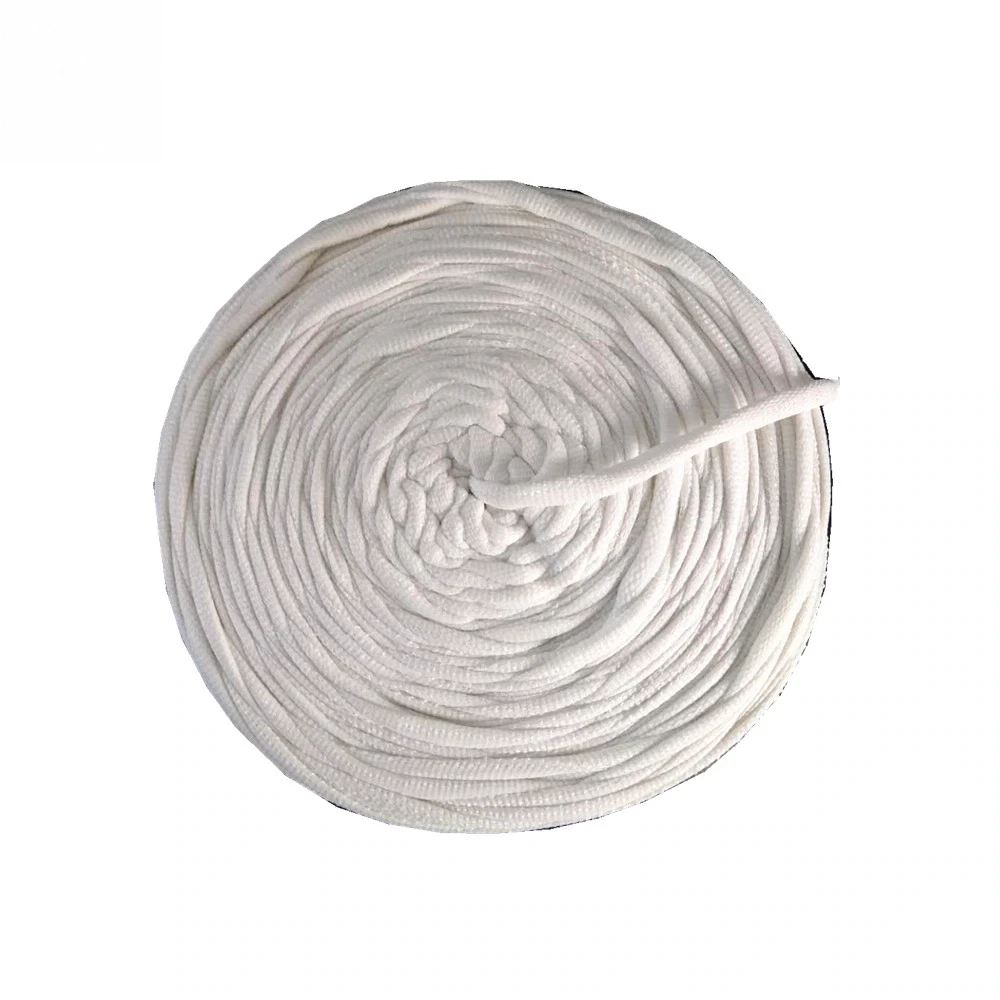
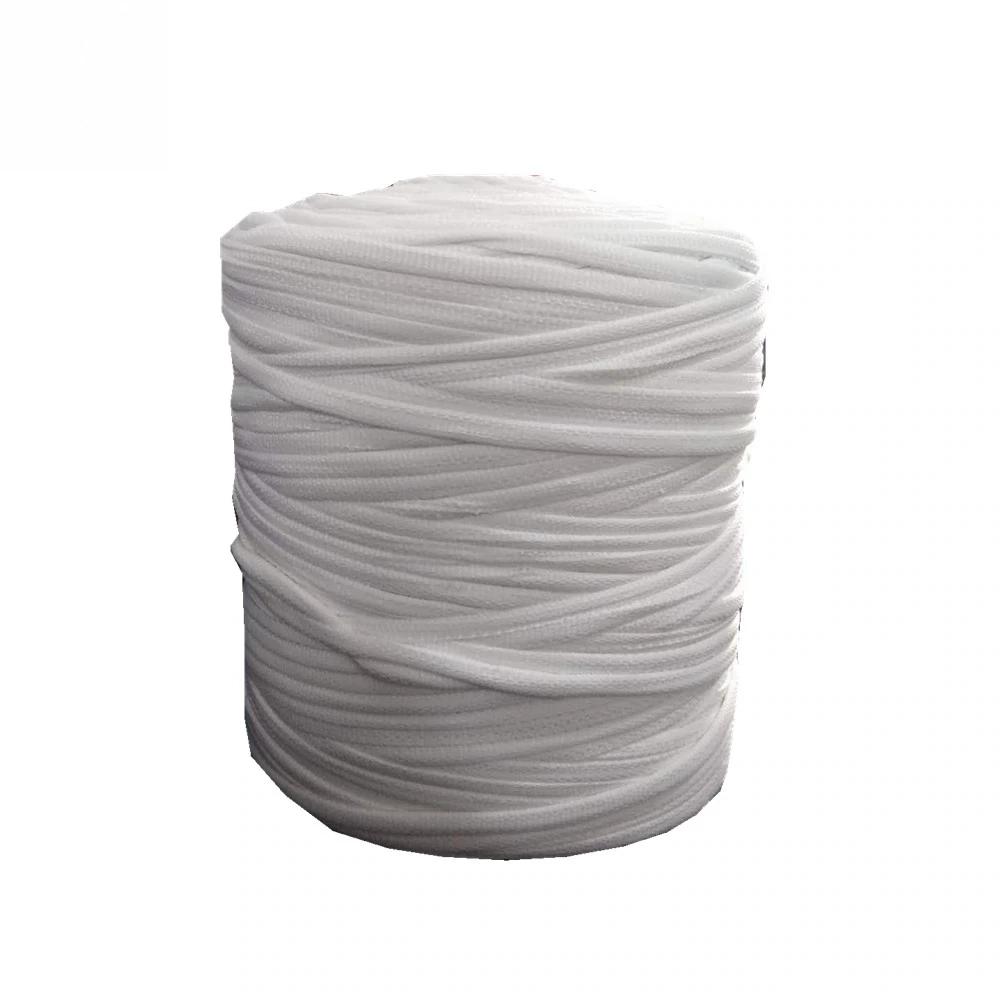
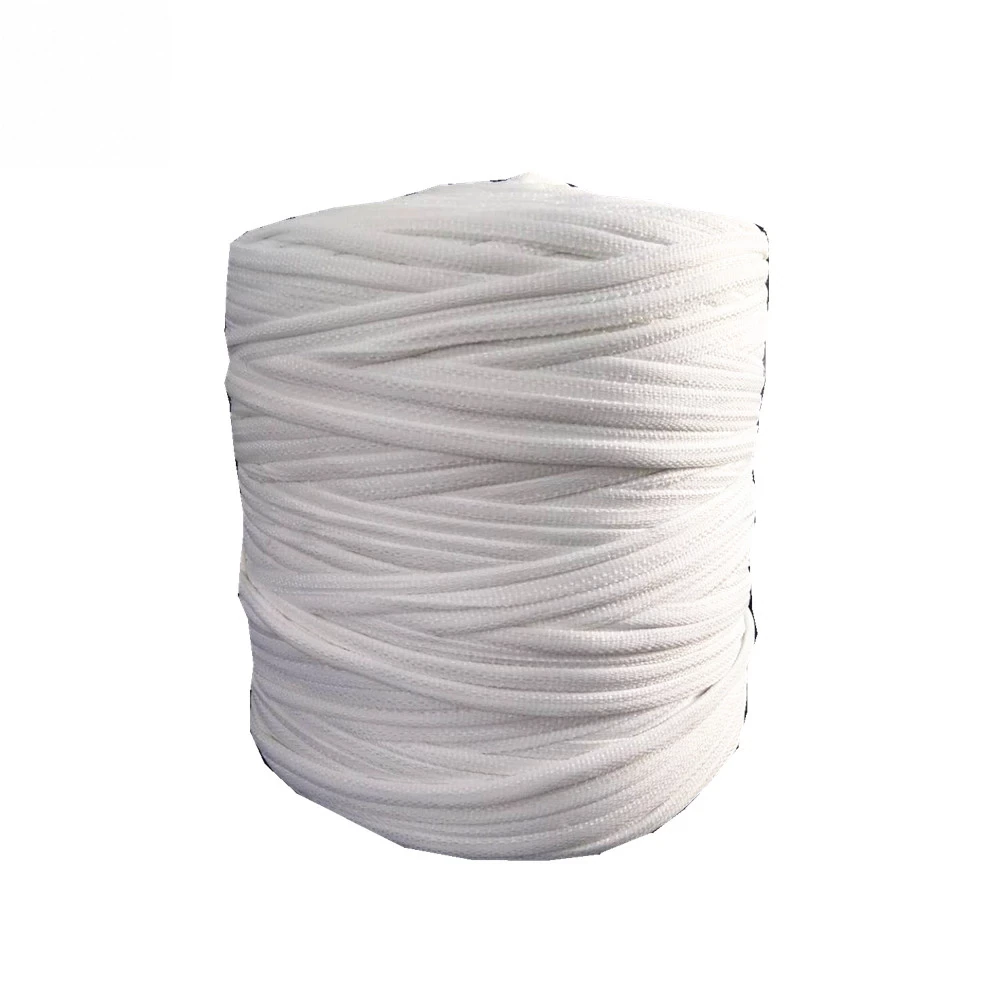
This guide uses the 8 mm white woven filler cord in the ReliaBulkBag catalog as a practical example. It explains how a bag manufacturer or packaging buyer can move from a product listing to an agreed accessory specification, without turning a component description into an unsupported guarantee about the finished FIBC.
What filler cord means in a purchasing discussion
In this catalog, filler cord is offered for bulk bag seam applications associated with control of material sifting. Its intended role is distinct from the lifting webbing, the sewing thread, the body fabric and an inner liner. Naming each component separately helps prevent the buyer and supplier from discussing different materials while using the same word cord.
Ask the bag-making team to identify where the accessory is intended to sit within the seam construction. A drawing, marked sample or clear close-up is more useful than an isolated spool photograph. The supplier can then respond to the actual seam arrangement rather than provide an accessory on diameter alone.
Do not use filler cord as an improvised lifting or structural repair component. An accessory listing does not establish a lifting rating or approve a modification to a finished bag. Changes to a bag's construction belong in the manufacturer's technical review and any relevant evaluation of the complete package.
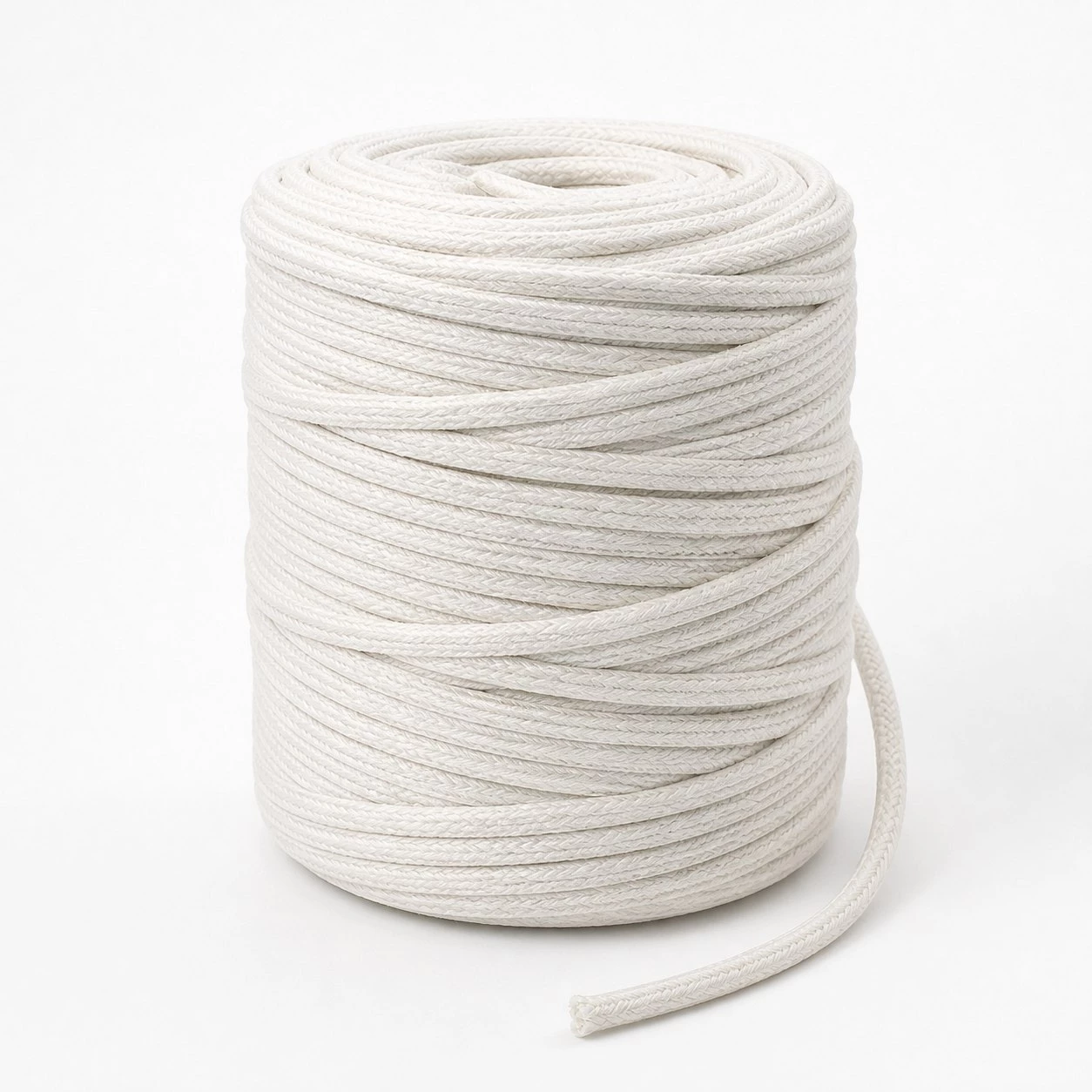
Read the 8 mm listing with attention to unresolved details
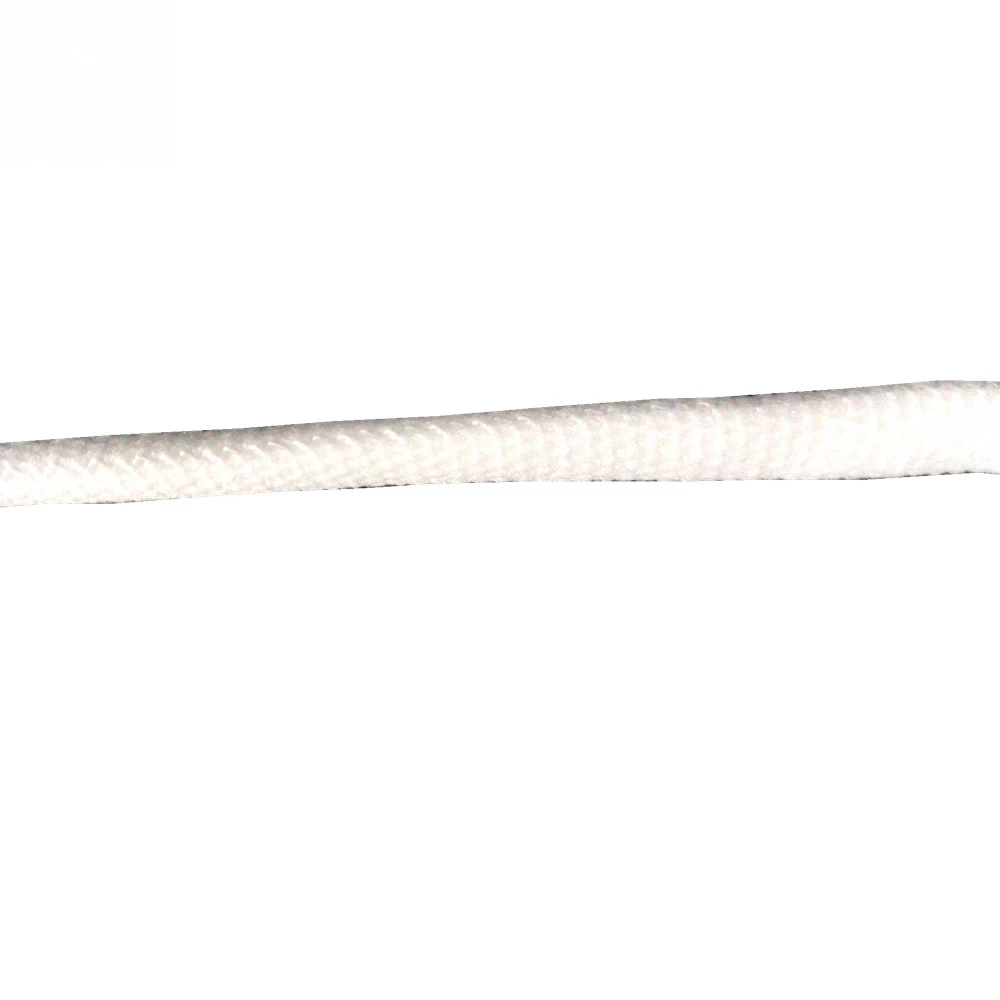
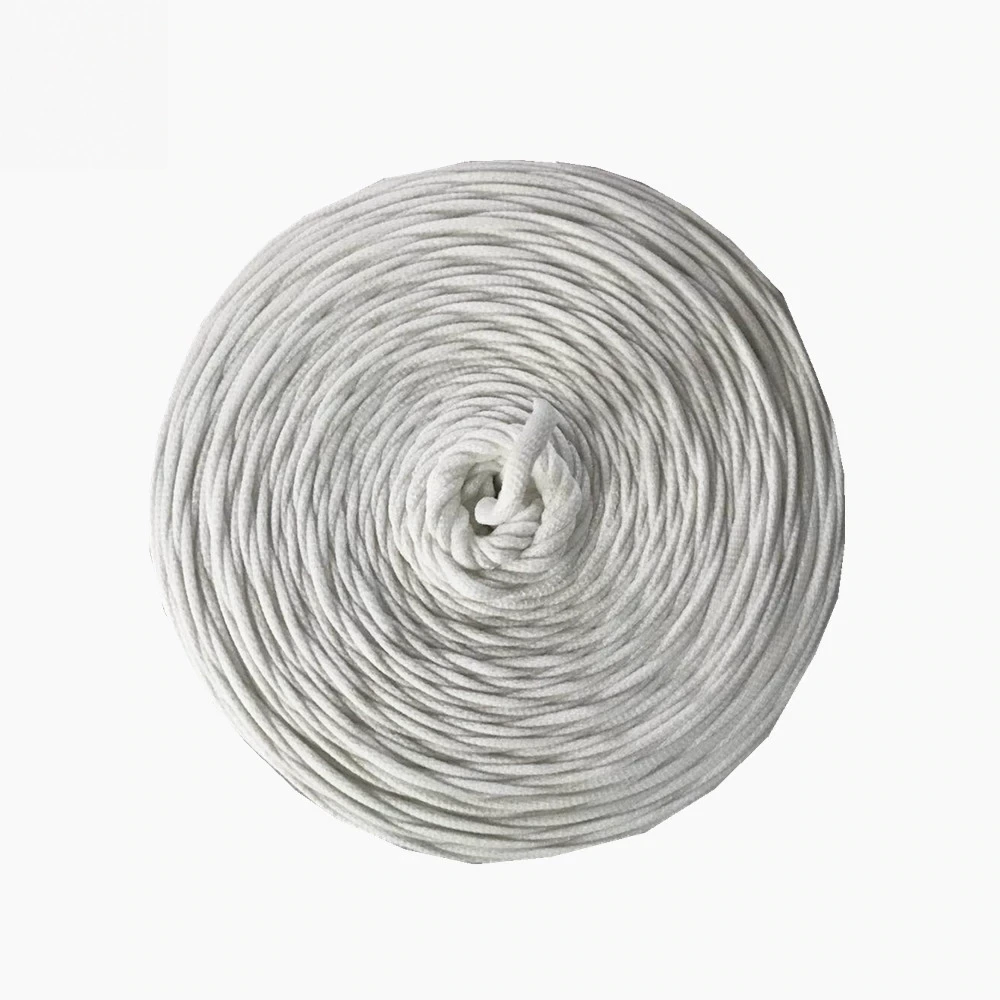
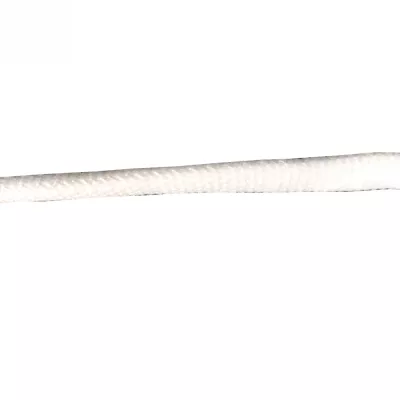
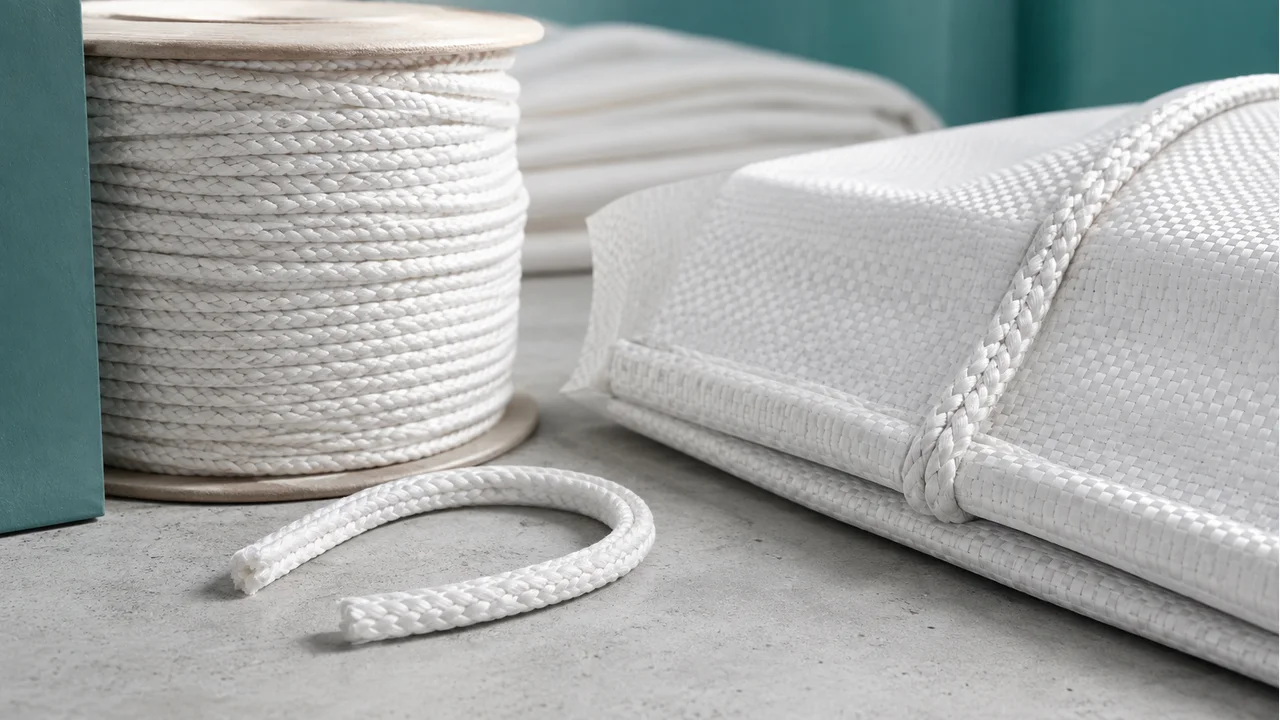
The current product record identifies a round profile, woven construction, natural white color and an 8 mm diameter. It also states that the length can be based on the customer's requirement. These are concrete points that can be carried into an enquiry and checked against the offered sample.
The material fields in this particular listing are inconsistent: one entry names cotton while another names polyester yarn. The appropriate purchasing response is to request a confirmed composition for the offered item. It would be misleading to select whichever material sounds more attractive and present it as an established fact.
The listing also contains a weight-per-length reference. Before using that value to convert an order from kilograms into meters, ask the supplier to confirm the agreed basis, tolerance and supplied form. A catalog entry can be a starting reference while still requiring clarification for a commercial order.
Diameter is only useful with a measurement method
A soft textile cord can present a different apparent diameter depending on how it is supported or compressed. Agree how diameter will be checked, where the measurement is taken and what variation is acceptable for the intended process. This makes an 8 mm requirement more useful than an unqualified number on a purchase order.
If the buyer currently uses an accessory successfully, provide an identifiable sample and the available specification. Ask the proposed supplier to state whether the offer matches that reference or differs in construction. Visual similarity alone does not establish that two cords behave the same way in a sewing process.
A larger diameter should not automatically be described as better. The choice needs to fit the specified seam and the bag-making setup. If an alternative size is proposed, ask what problem the change is intended to address and what evaluation is needed before approval.
Keep composition, construction and appearance separate
Color is an appearance field. Woven construction describes how the accessory is formed. Fiber composition identifies the material. These details answer different questions, and none should be inferred solely from a photograph. A white cord can look familiar while still differing from an existing approved component.
Request the material description in writing and ask the supplier to identify any relevant finishing treatment. If the application has special product-contact or contamination concerns, tell the supplier what documentation is needed. The ordinary name of a fiber does not settle every compatibility or cleanliness requirement.
For substitutions, use a clear approval rule. A change in yarn, construction, diameter or supply format should be identified before delivery rather than hidden under the same generic item name. The buyer can then decide which changes require only a document update and which need another sample review.
Distinguish seam treatment from coating and liners
Filler cord, fabric coating and an inner liner address different parts of the package design. A bag may be described with more than one of these features, but the presence of one does not establish the performance of the others. Keep the components separate in the specification and connect them through a drawing of the assembled bag.
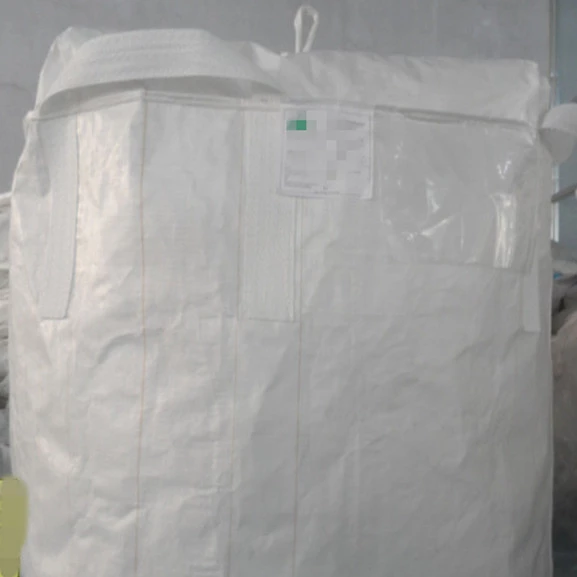
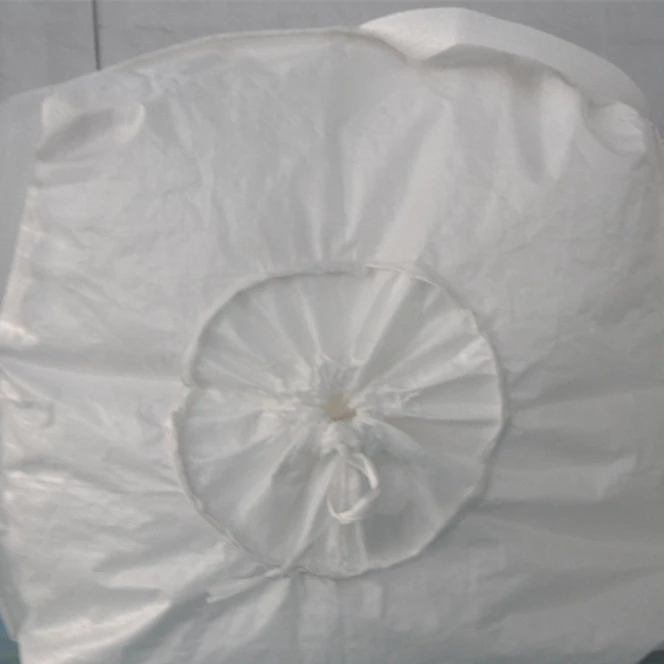
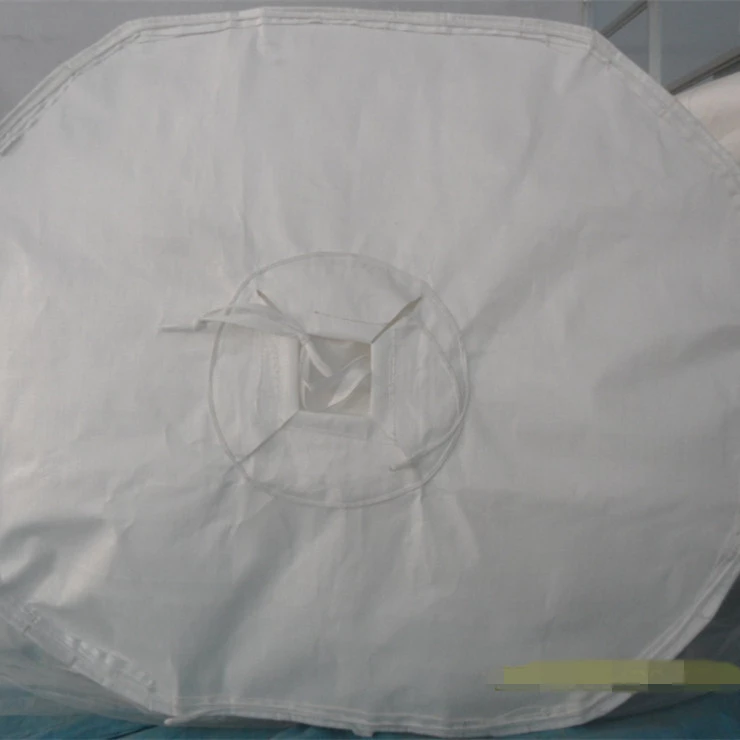
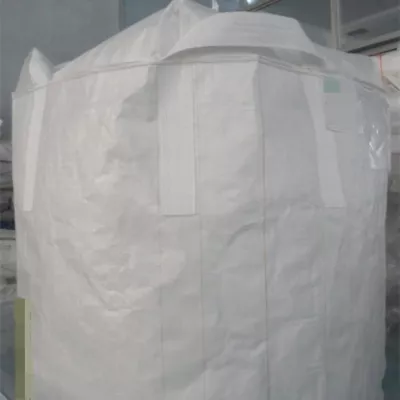
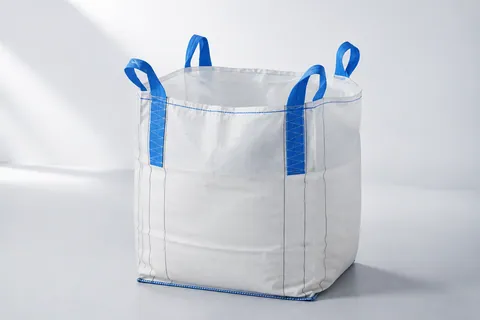
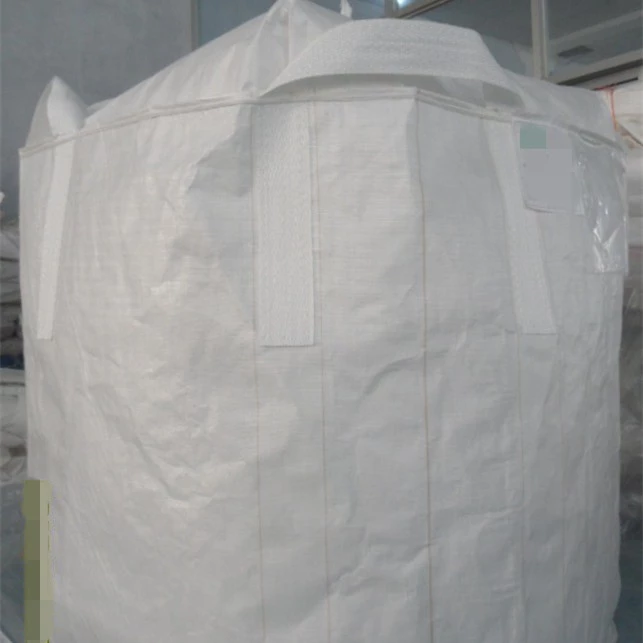
The tubular FIBC with double filler cord is a relevant catalog example because its description names seam treatment within a complete bag configuration. It should not be read as proof that the separately listed 8 mm accessory is the component installed in that bag. Ask for the actual bill of materials if that relationship matters to the order.
Similarly, the term siftproof should be connected to an agreed requirement and evaluation of the complete package. A component photograph cannot establish that no material will escape under every condition. Describe the contents, observed issue and expected distribution conditions before asking the manufacturer for a proposed seam construction.
Build a useful filler-cord request for quotation
| Specification field | What to record |
|---|---|
| Reference | Product link, existing item code or approved sample identifier |
| Nominal size | Diameter, measurement method and agreed tolerance |
| Composition | Confirmed fiber or yarn description, including unresolved questions |
| Construction | Woven format, round profile and any relevant treatment |
| Supply form | Continuous or cut length, packing format and identification |
| Quantity basis | Meters or mass, with an agreed conversion basis if needed |
| Application | Seam drawing, bag construction and contents being packed |
The purpose of this table is to make two quotations comparable. If one supplier prices by mass and another prices by length, request enough information to understand the difference. Do not compare the unit prices until the supplied material, quantity basis and packaging are clear.
Plan a sample review around the actual sewing process
Ask the production team what it needs to learn from the sample. Useful observations may include identification, supply consistency, handling during the planned process and the appearance of the agreed seam construction. The exact acceptance criteria should be defined by the team responsible for the finished bag, not invented from an accessory brochure.
Keep the sample cord identifiable throughout the review. Record the supplier reference, sample date, material description and the bag construction used for evaluation. If several alternatives are examined, label them separately so that observations and photographs can be traced to the correct item.
If the review includes a filled-package evaluation, define the contents and conditions in advance. Record what was observed and the limits of the evaluation. A successful observation with one material and one seam arrangement should not become an unlimited statement that the cord is suitable for all powders or all FIBC designs.
Calculate purchasing quantities from a confirmed production basis
Estimate accessory demand using the approved seam requirement per bag and the planned production quantity. Keep that calculation separate from the supplier's commercial minimum order. The amount technically needed for a trial and the amount available under a quotation may be different.
Where a production allowance is required, ask the bag-making team to provide it from the actual process. Avoid inserting a universal waste percentage into the order without evidence. The useful calculation is transparent: agreed usage per bag, number of bags and a clearly identified allowance or reserve.
Clarify how supplied quantity will be checked at receiving. If the commercial basis is mass, identify whether packaging mass is excluded. If the basis is length, ask how length is specified and verified. These details can prevent a dispute even when both parties agree on the nominal cord diameter.
Use batch records to make repeat orders easier
Save the final accessory specification with the bag specification it supports. Include the accepted sample reference, supplier item code, composition confirmation and any restrictions on substitution. A repeat order can then point to an approved record rather than repeat an incomplete conversation from the beginning.
Receiving inspection should confirm the identity of the delivered material against the order. If a label, packing format or material statement differs, resolve the difference before assigning it to an established bag design. A clear question at receiving is preferable to losing traceability after different supplies have been mixed.
When the finished bag changes, review whether the cord specification still fits. A revised fabric, seam arrangement or intended material may change what the technical team needs to evaluate. The accessory is part of the construction record, even though it occupies little space in the finished product.
Frequently asked questions
Is the 8 mm cord definitely cotton or polyester?
The current catalog contains conflicting material entries, so composition requires confirmation for the offered item. The enquiry should explicitly ask for a single agreed material description and supporting information where needed. This avoids copying an unresolved listing inconsistency into a purchase order.
Does double filler cord mean the bag cannot leak?
No universal result follows from that phrase alone. Ask which seams contain the accessory, what construction is offered and how the complete bag is evaluated for the actual contents. Treat the description as a design detail that needs context.
Can I request a different supply length?
The 8 mm listing identifies customer-specified length as an enquiry option. Send the required format and quantity, then confirm the available supply arrangement and commercial terms. Explore the woven filler cord collection or contact ReliaBulkBag with a seam reference to start the discussion.