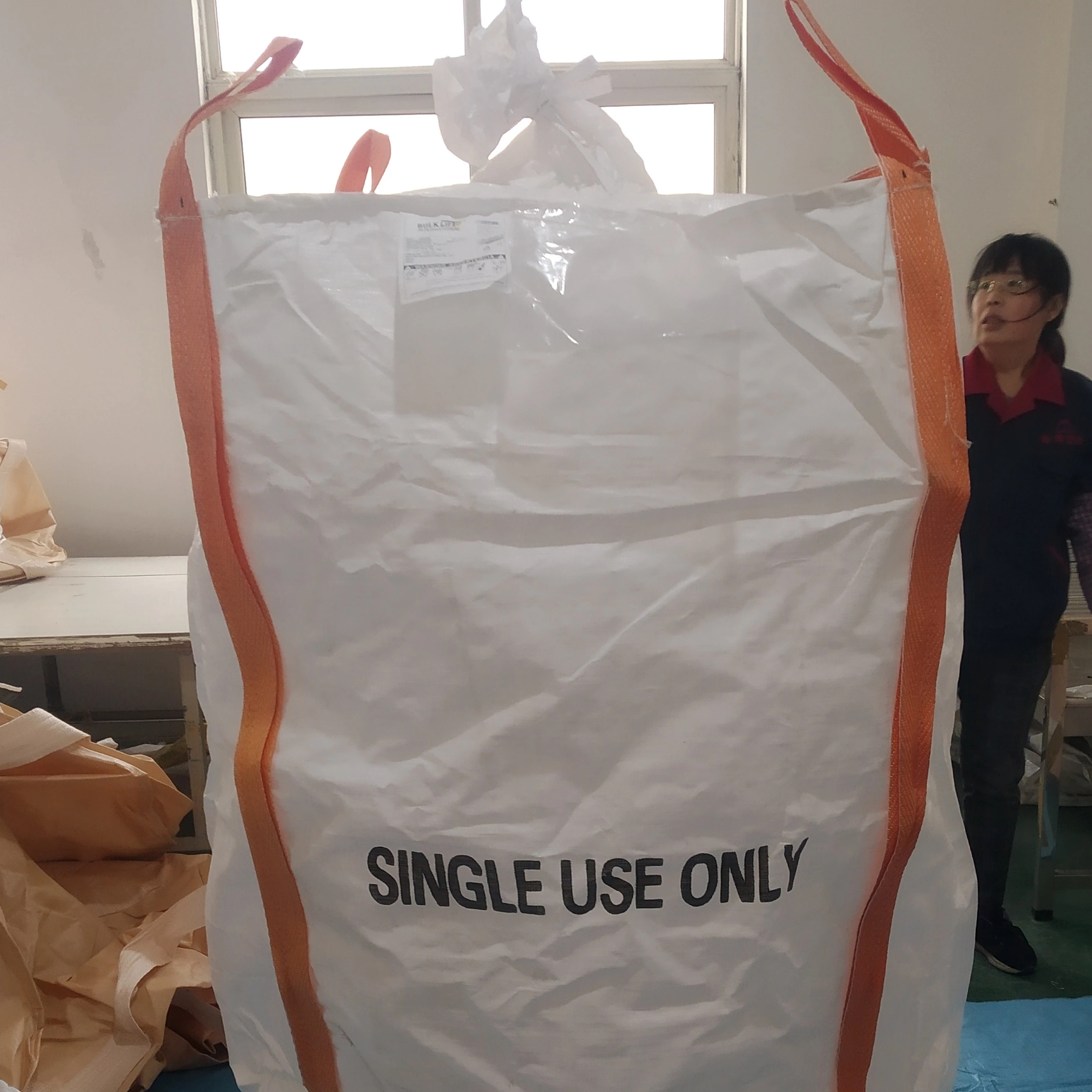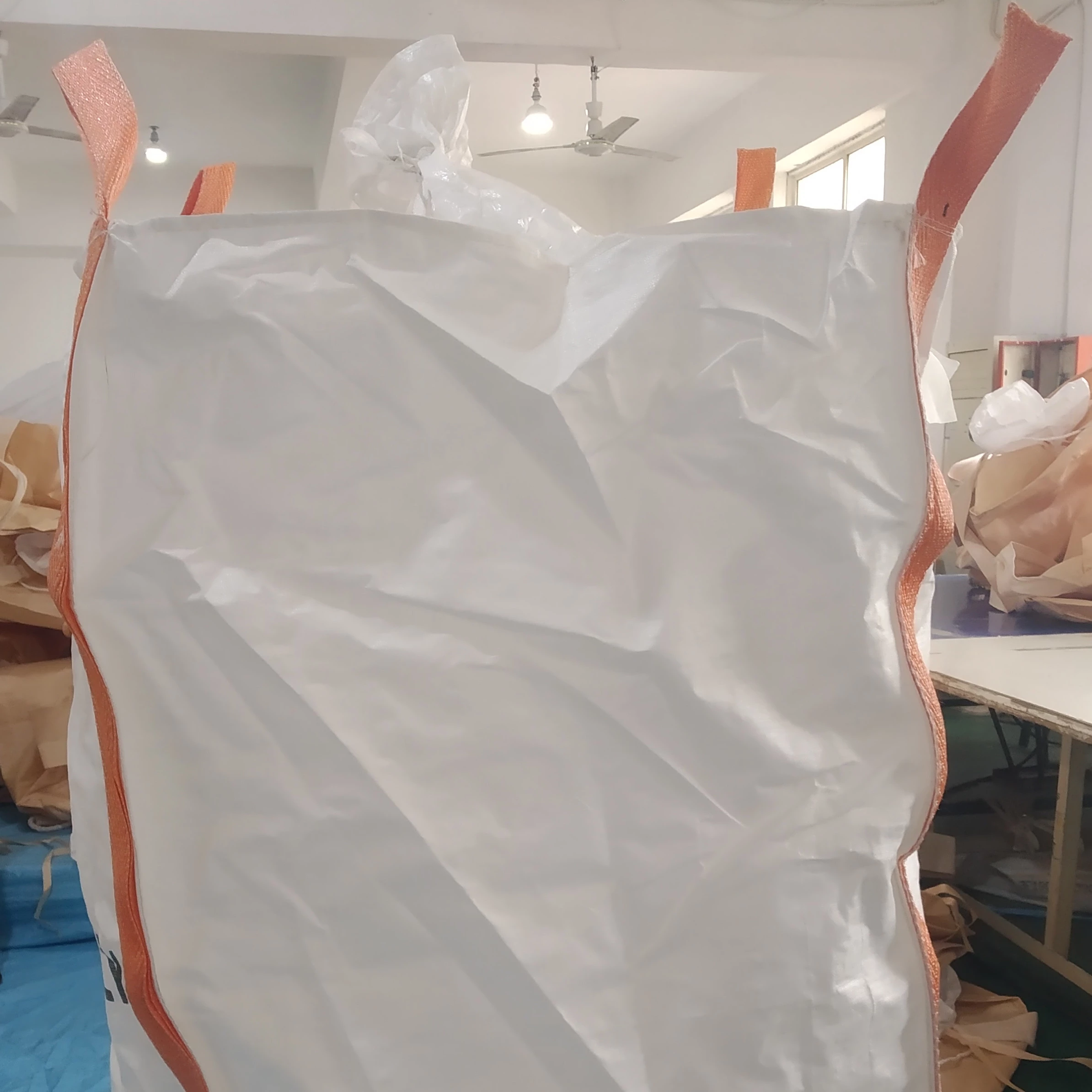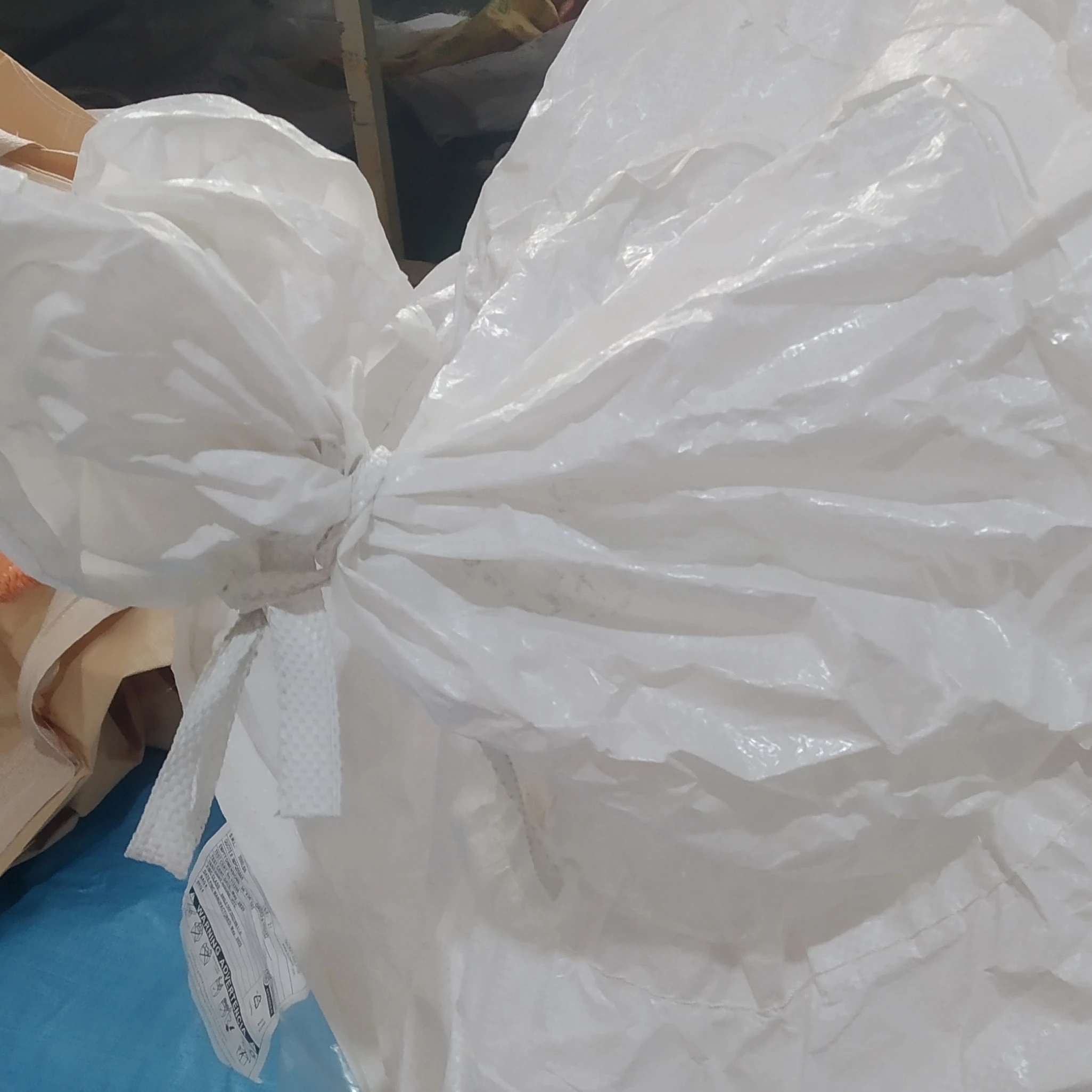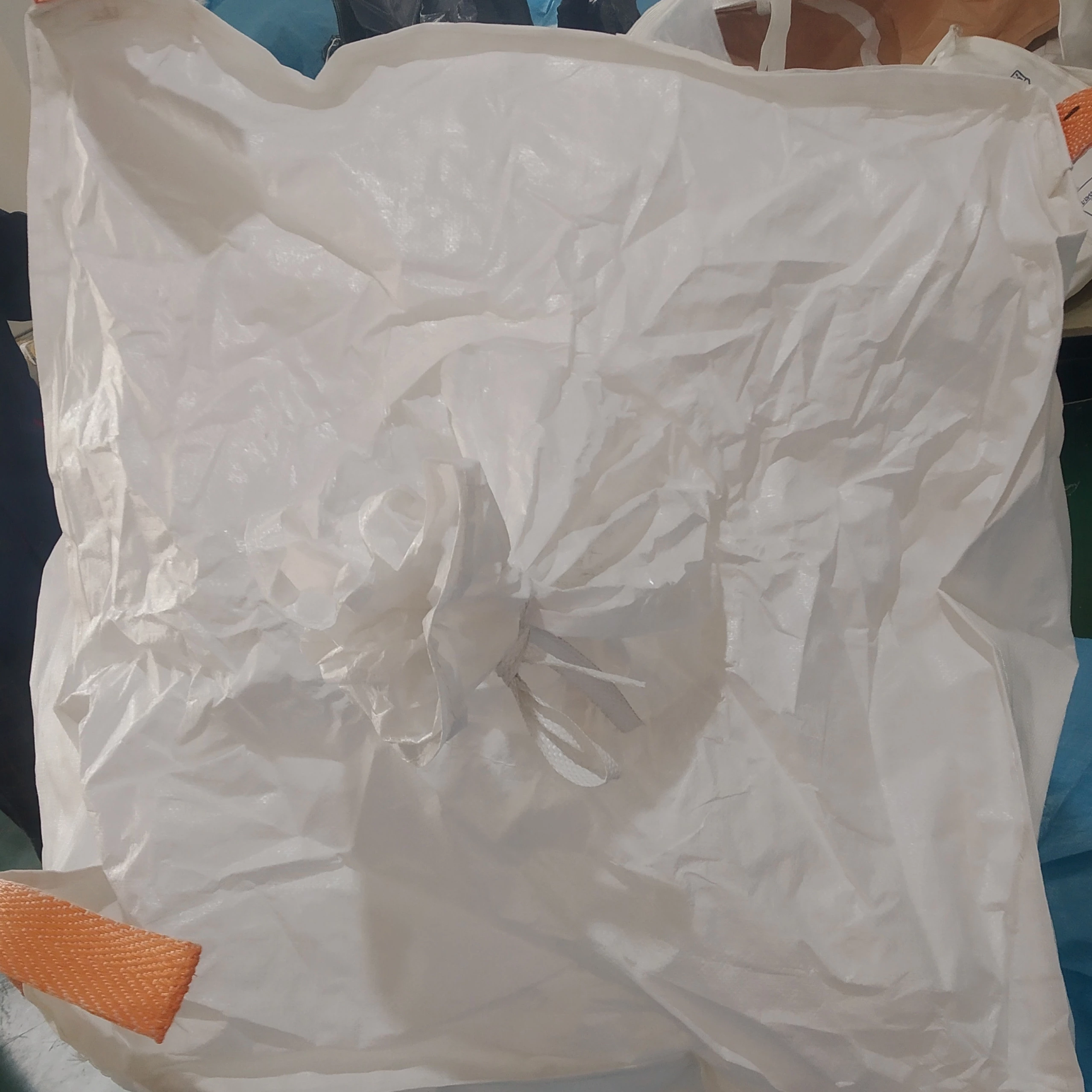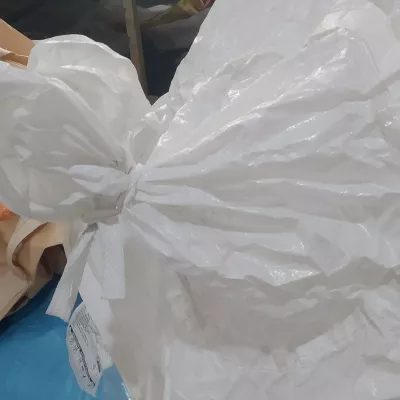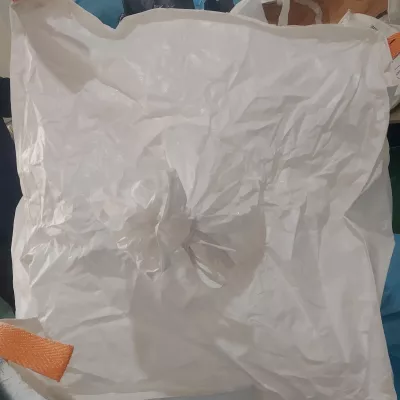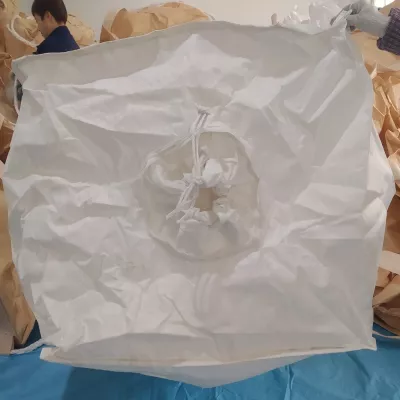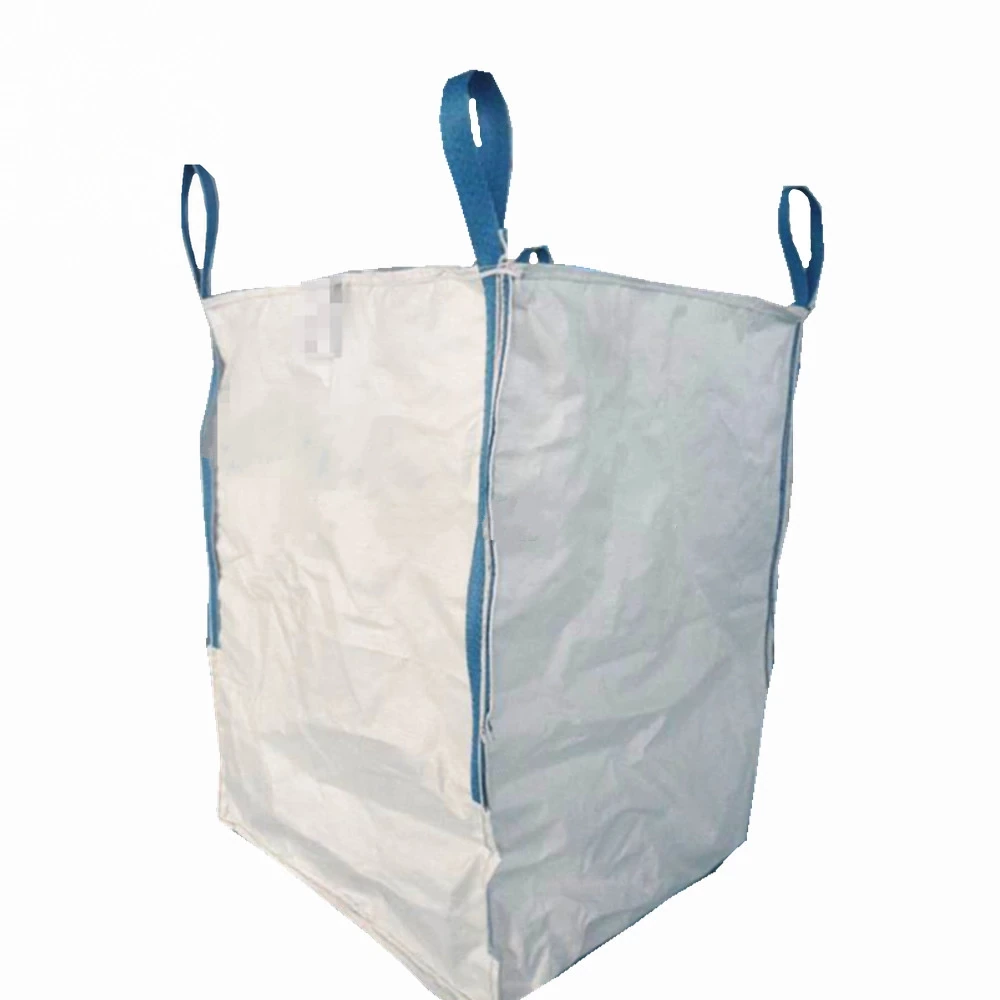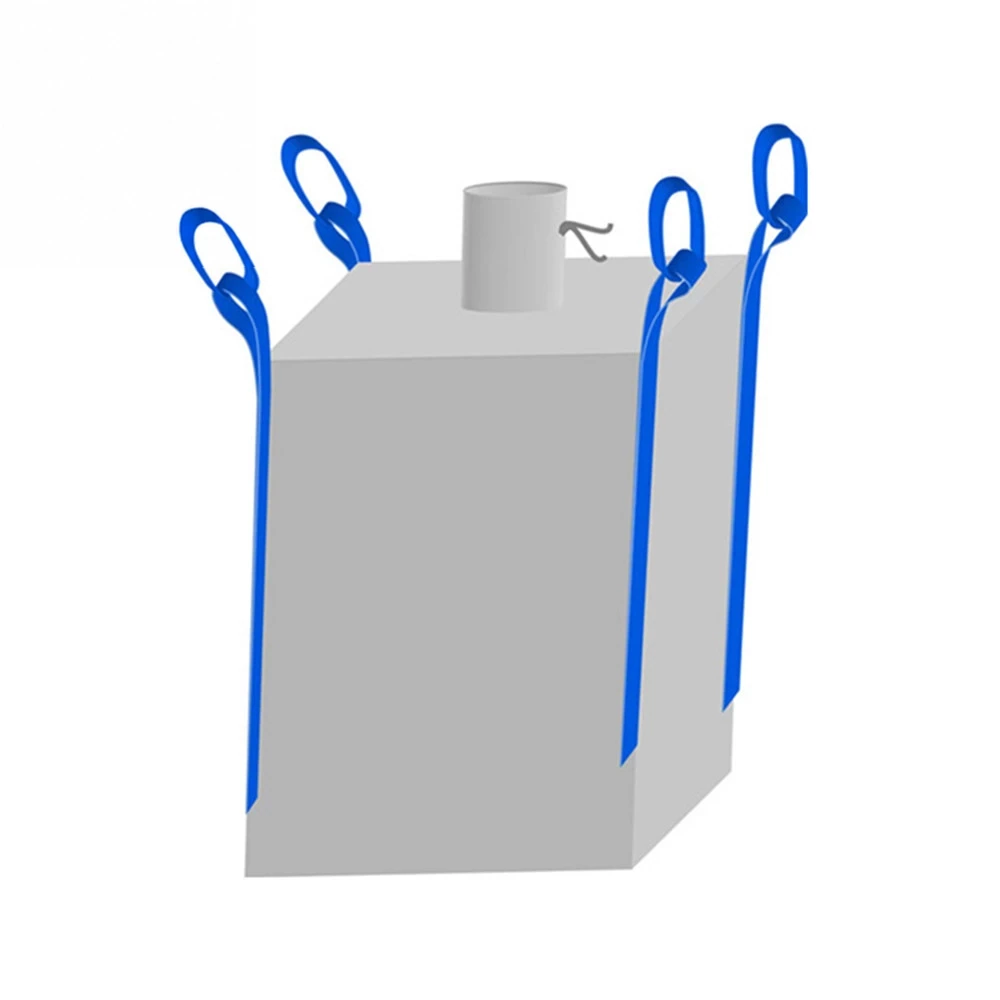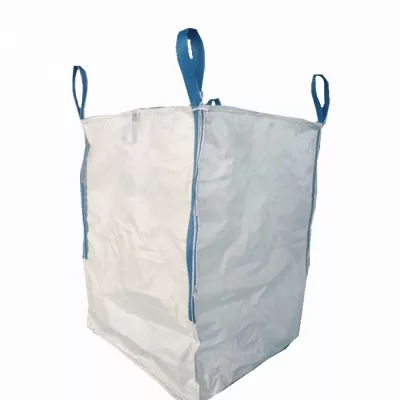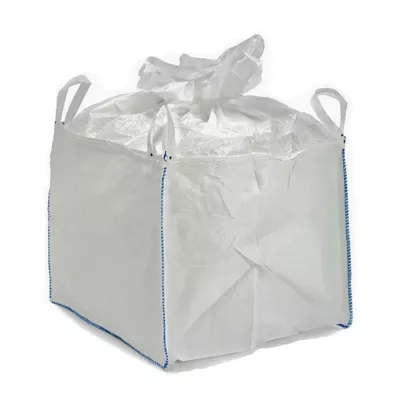
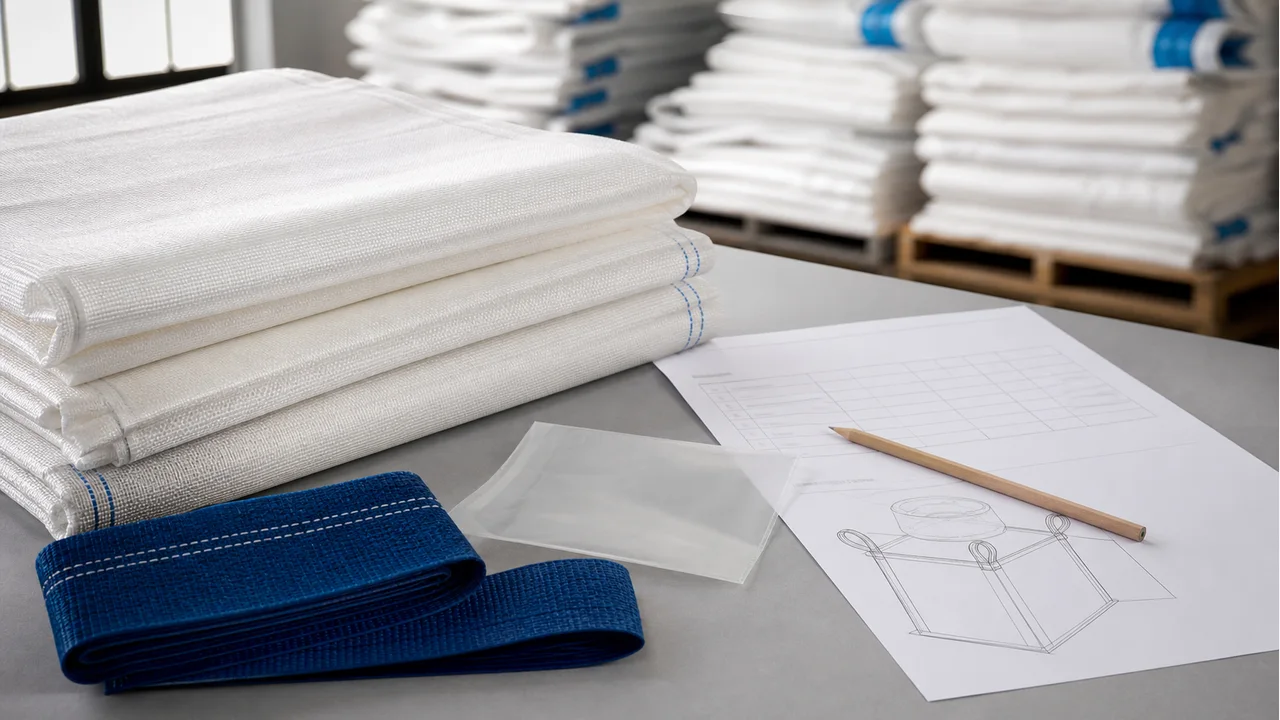
The cover image provides a visual reference for the topic. Product photographs in this guide are from the ReliaBulkBag catalog.
A useful FIBC quotation starts with a clear purchasing brief
To request custom FIBC bulk bags from a China manufacturer, send the material to be packed, target fill weight, required dimensions, filling and emptying arrangement, quantity and destination. Add a drawing or an existing product reference when available. These inputs help turn a general price enquiry into a proposal that a purchasing team can actually compare.
Customization is more than changing a logo. The ReliaBulkBag catalog includes different bag bodies, top and bottom openings, lifting arrangements, coatings, liners and seam accessories. This guide explains how to organize those choices into an RFQ, review a sample and keep the final order connected to the specification you intended to buy.
Describe the purchasing project in one paragraph
Begin with who will use the bags and what the packaging must do. Identify the material, the packing facility and the receiving operation. Explain whether you are replacing an existing bag, developing a new packaging format or comparing alternative suppliers for an established specification. Each situation creates a different starting point for the discussion.
If the project replaces an existing bag, provide the available drawing, identification and an unused reference sample where practical. State which features should remain the same and which problems you want to address. A request to make something similar is less precise than a marked list of required features and proposed changes.
If the project is new, distinguish known requirements from open decisions. The supplier can discuss a preliminary configuration while the buyer gathers missing equipment or product information. Labeling unknowns clearly is more effective than filling a specification sheet with guessed values.
Use a catalog reference to establish the baseline
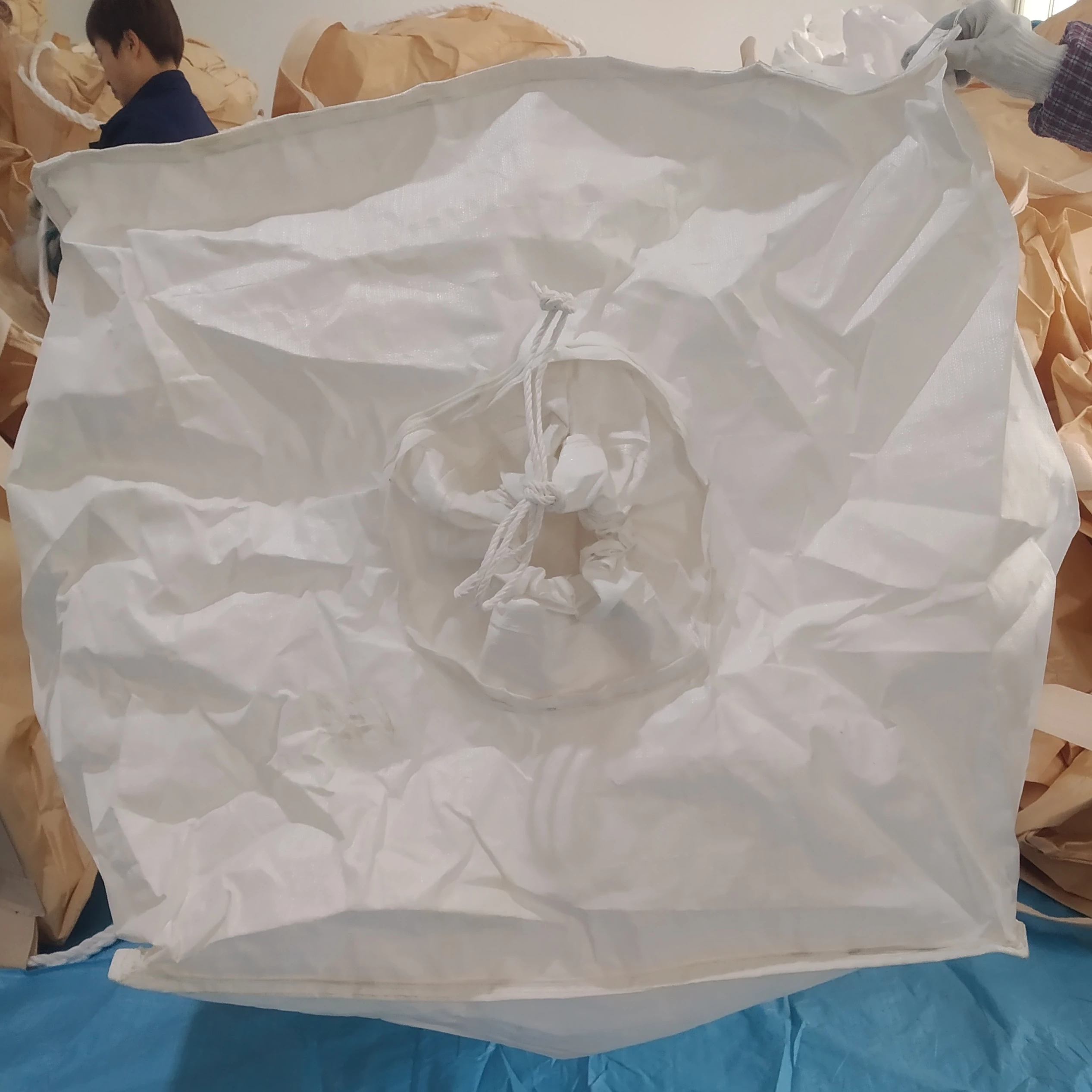
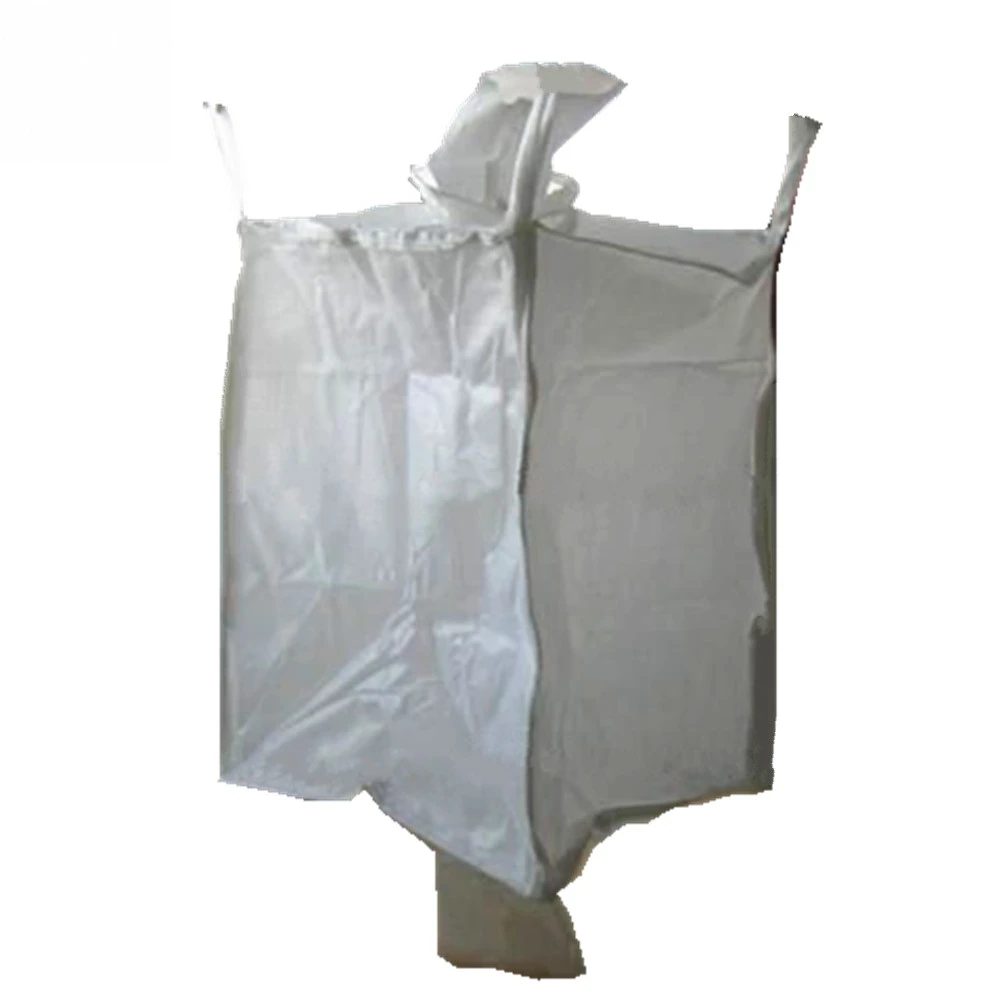
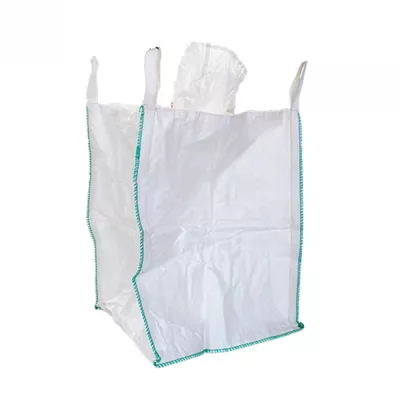
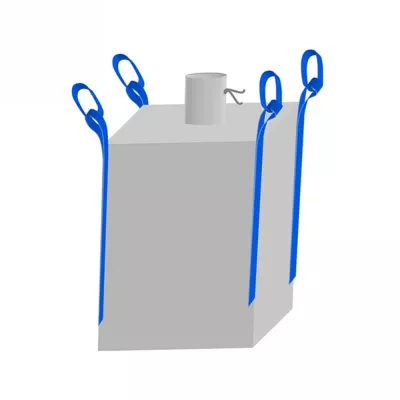
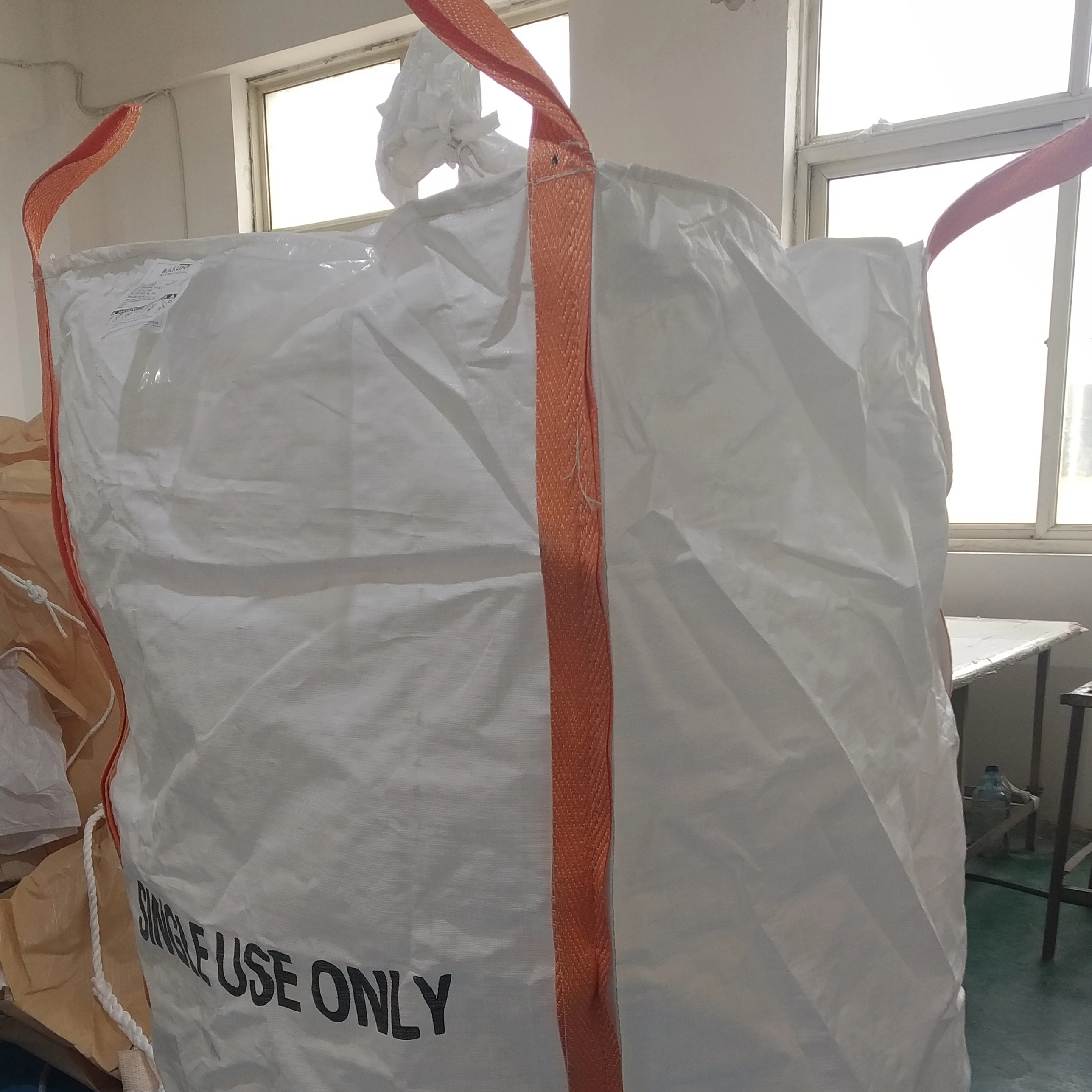
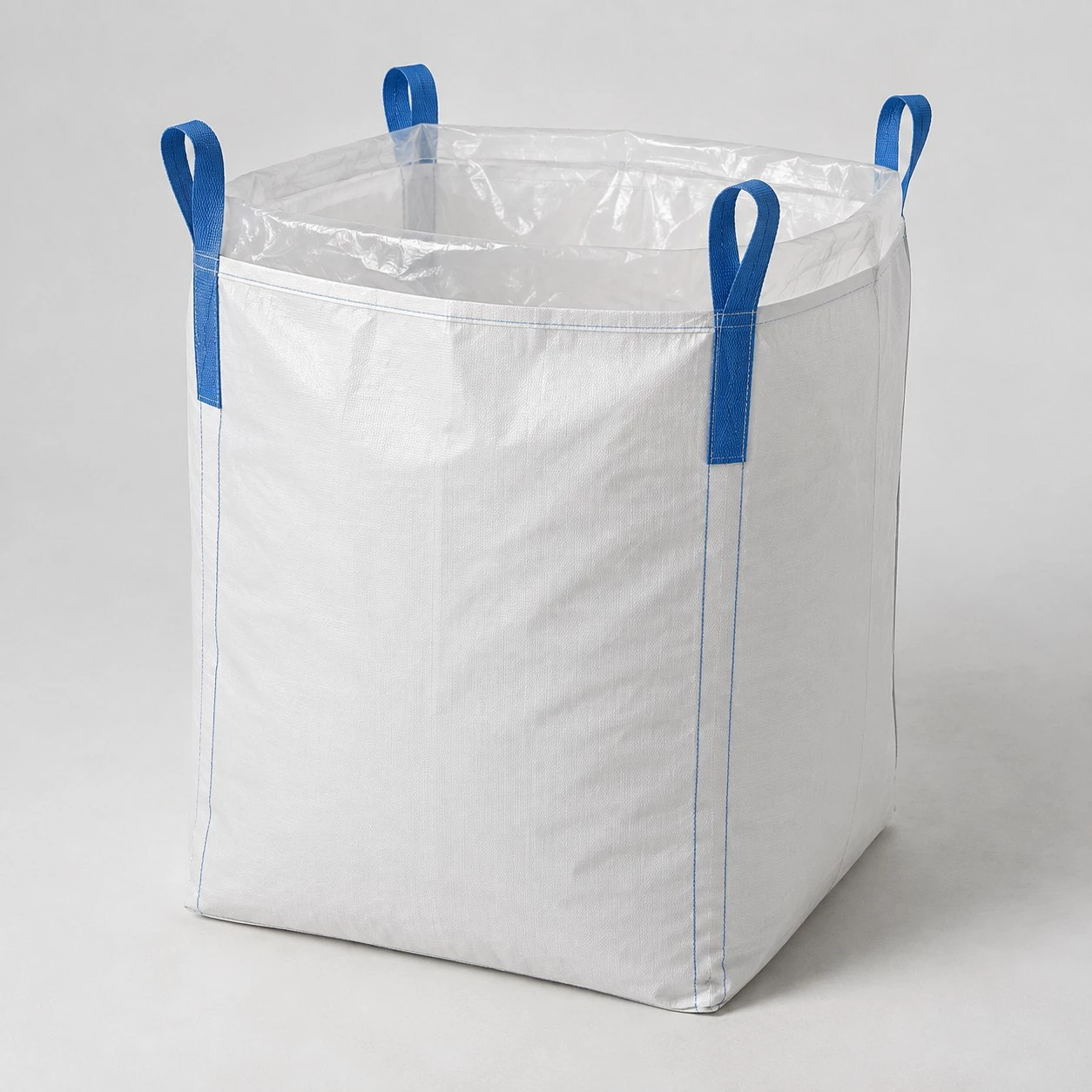
A product link gives both parties a shared starting point. For example, the white U-panel FIBC with filling and discharge spouts identifies a body construction and two openings that can be discussed together. Its application label does not establish suitability for a different material without review.
Write a short deviation list beside the reference. You might request a different top arrangement, a proposed liner, customer artwork or a particular dimensional requirement. Separate mandatory changes from alternatives you would like the supplier to price. Otherwise a quotation can combine several options without making clear which one is included.
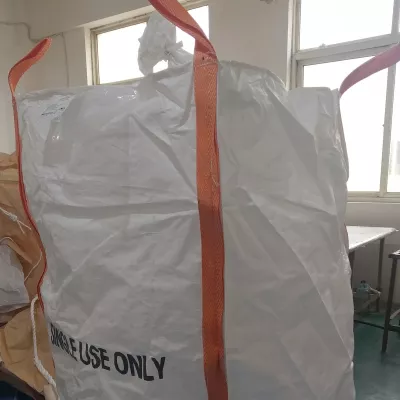
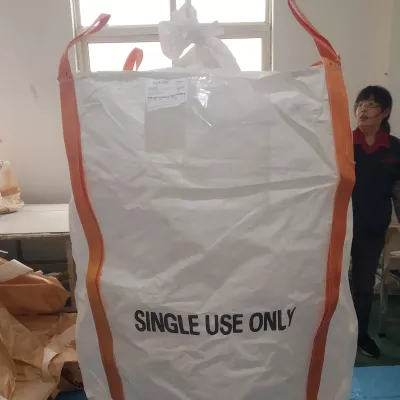
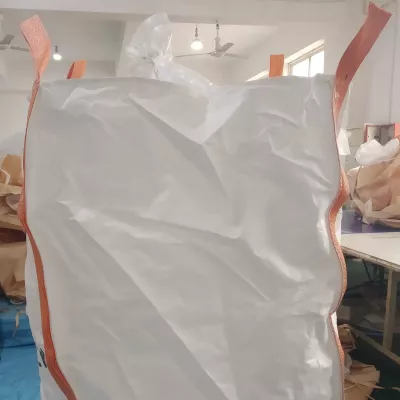
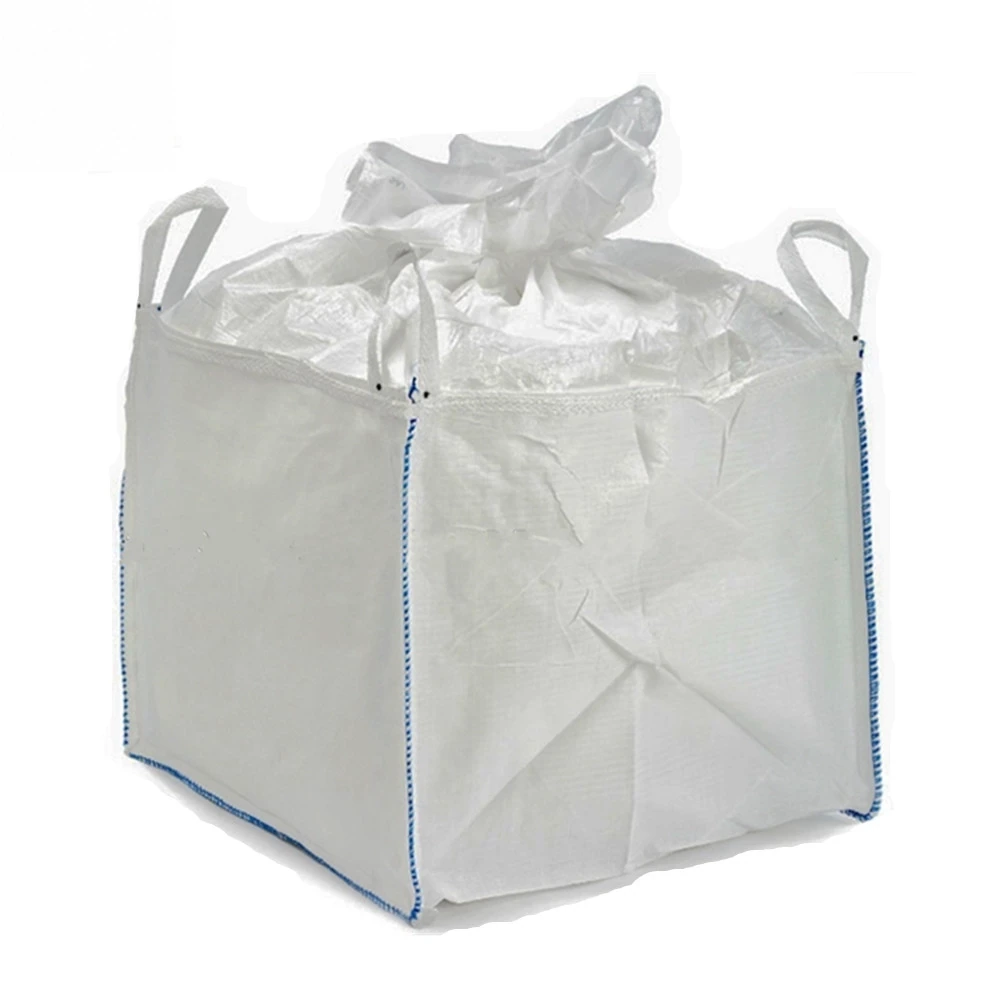
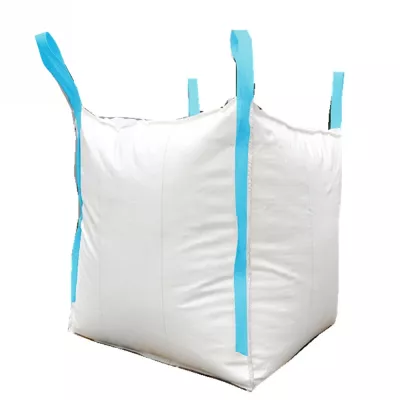
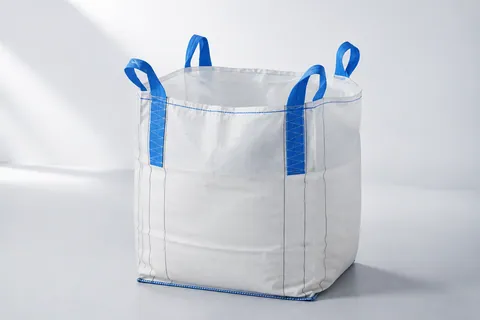
Keep the catalog item and the proposed custom version distinct. A reference photograph helps explain appearance, but the approved drawing and written specification should identify the final offered configuration. This is particularly useful when the buyer is comparing several visually similar white bulk bags.
Specify the bag as a connected set of components
Start with the body: construction type, dimensions with units and any relevant fabric requirements. Then identify the top, base, lifting arrangement and closures. If a liner is requested, describe its intended function and ask for the proposed material, shape and attachment. A complete component list reduces the chance that two quotations use the same headline description for different bags.
For coated or lined alternatives, ask the supplier to identify what changes from the baseline. Coating, seam treatment and an inner liner are different specification fields. Their presence should not be collapsed into a single unqualified statement such as protected packaging. Define the practical requirement and the evidence needed to assess the complete proposal.
For equipment interfaces, provide the dimensions and access constraints that matter to the filling and receiving teams. The supplier cannot reliably infer them from the material name. Use the filling, discharge and loop guide to organize questions before the drawing review.
State quantity and order structure clearly
Separate the initial order quantity from an estimated future requirement. If you want quotations for several quantity levels, list them as distinct alternatives using the same technical specification. This helps the supplier show how the commercial offer changes without assuming a commitment to a larger annual volume.
If the order contains multiple sizes or artwork versions, give each version an item code and quantity. A combined total does not tell the supplier how many bags are needed in each configuration. The same distinction will matter later for packing labels, receiving records and repeat orders.
Ask for the quoted minimum quantity, available sample arrangement and any setup charges that apply to the actual proposal. These should come from the current offer. Do not assume that a minimum quantity or sample time listed against one catalog item applies to every custom construction.
Make printing instructions easy to review
Provide the artwork file, requested print area, placement and language. State whether different sides use the same artwork. Include any item identification, batch information or operational wording that must appear, and identify which party is responsible for approving it. A screenshot of a logo is not always enough to define a production-ready print instruction.
Separate promotional graphics from required product identification and handling information. The final artwork needs to remain readable in the supplied configuration. If printing must fit around a document pouch, seam or other feature, show the relationship on the drawing instead of leaving placement to interpretation.
Ask for an artwork proof tied to the correct bag revision. When a bag size changes, revisit the placement rather than automatically reuse an earlier proof. Clear approval records are especially helpful when purchasing, marketing and operations all contribute comments.
Use a quotation checklist that exposes missing scope
| Quotation section | Details to request |
|---|---|
| Product identity | Item code, drawing revision and description of the offered bag |
| Included components | Body, openings, loops, liner, seam details and printing |
| Commercial basis | Quantity per version, currency, unit basis and offer validity |
| Sampling | Sample scope, cost, timing basis and approval process |
| Production timing | Quoted schedule and the approvals on which it depends |
| Packing and delivery | Proposed packing format, destination and agreed delivery scope |
| Documentation | Documents applicable to the exact product and intended use |
| Exceptions | Every deviation, qualification and unresolved requirement |
Review the exceptions before ranking the prices. A cheaper offer may exclude a liner, use different artwork assumptions or cover a different packing format. Ask the supplier to clarify the scope in writing so that price comparisons reflect the same purchasing requirement.
Approve the sample against a defined question
Decide what the sample is intended to confirm. An appearance sample may help review printing and basic construction, while a sample for an operating evaluation needs an agreed specification and review plan. Ask whether the supplied sample represents the proposed production configuration and identify any differences.
Record the sample identifier and drawing revision, then capture observations with photographs and comments. The team responsible for the application should define any functional evaluation and its acceptance criteria. A visually attractive sample should not automatically be treated as evidence for every performance requirement.
When a sample is revised, keep the changes visible. Ask for an updated drawing and a list of differences. Approval should identify the accepted version so that an earlier sample, email attachment or artwork file cannot accidentally become the production reference.
Request evidence that belongs to the proposed product
Ask what documents apply to the exact construction and intended use. If the project involves special product-contact, cleanliness or electrostatic requirements, state them at the enquiry stage. Those requirements should not be inferred from the color of the bag or the phrase virgin polypropylene.
A general company document and product-specific evidence answer different questions. Identify the issuing party, scope and relevant product reference where applicable. The useful outcome is a documented match between the requested requirement and the proposed item, rather than a collection of logos in a sales presentation.
Use the quality and documentation request guide to prepare questions. Where evidence is not available or an assessment remains open, record that status explicitly. It is easier to resolve a defined issue before approving an order than after the bags arrive.
Confirm packing and the receiving handover
Ask how empty bags will be packed and identified for shipment. Include any receiving restrictions that affect bale or bundle handling, storage space or item separation. If different bag versions look similar, request labels that allow the receiving team to distinguish them without opening every package.
Confirm the document list and the delivery scope stated in the commercial offer. Have the responsible logistics team review the details relevant to the shipment. Avoid assuming that a quoted production completion date is the same as arrival at the buyer's facility.
Prepare a receiving checklist based on the order: item identity, quantity, packing condition, supplied documents and the agreed inspection points. If an issue is found, record the affected item and supporting evidence clearly. This creates a more useful discussion than a general statement that the delivery looks different.
Make the second order simpler than the first
Save the approved drawing, artwork, sample reference and commercial item codes together. For a repeat enquiry, identify the previous order and state whether any material, equipment or destination requirement has changed. The supplier can then respond to an established specification instead of reconstructing it from scattered messages.
Keep technical approval separate from a forecast. An estimated future quantity does not mean the buyer has approved every proposed change, and an approved sample does not settle all commercial terms. Explicit records let each team understand what has been decided and what remains to be confirmed.
Frequently asked questions about custom FIBC sourcing
Can I request a quotation without a complete drawing?
Yes, an initial enquiry can start with a catalog reference, contents, target fill weight, quantity and opening preferences. Identify missing information so that the supplier can explain what is needed for a confirmed proposal. Do not treat an early estimate as an approved final specification.
Should I choose the lowest unit price?
Compare the included construction, documentation, sample scope, packing and commercial basis first. The meaningful comparison is the cost of equivalent agreed requirements. A lower number with a different specification may not represent the same purchase.
How can I contact a China FIBC factory about my project?
Send your brief to Qingdao Relia Packing Co., Ltd. through the ReliaBulkBag contact page. Use the bulk bag RFQ checklist to collect the essentials and the custom FIBC options page to identify the construction choices you want to discuss.