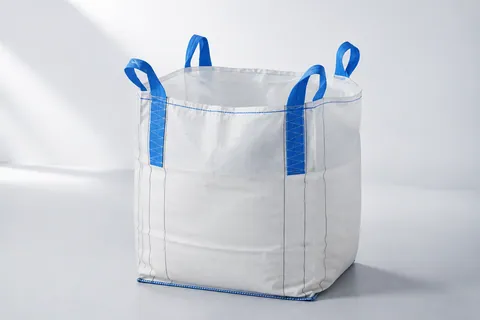
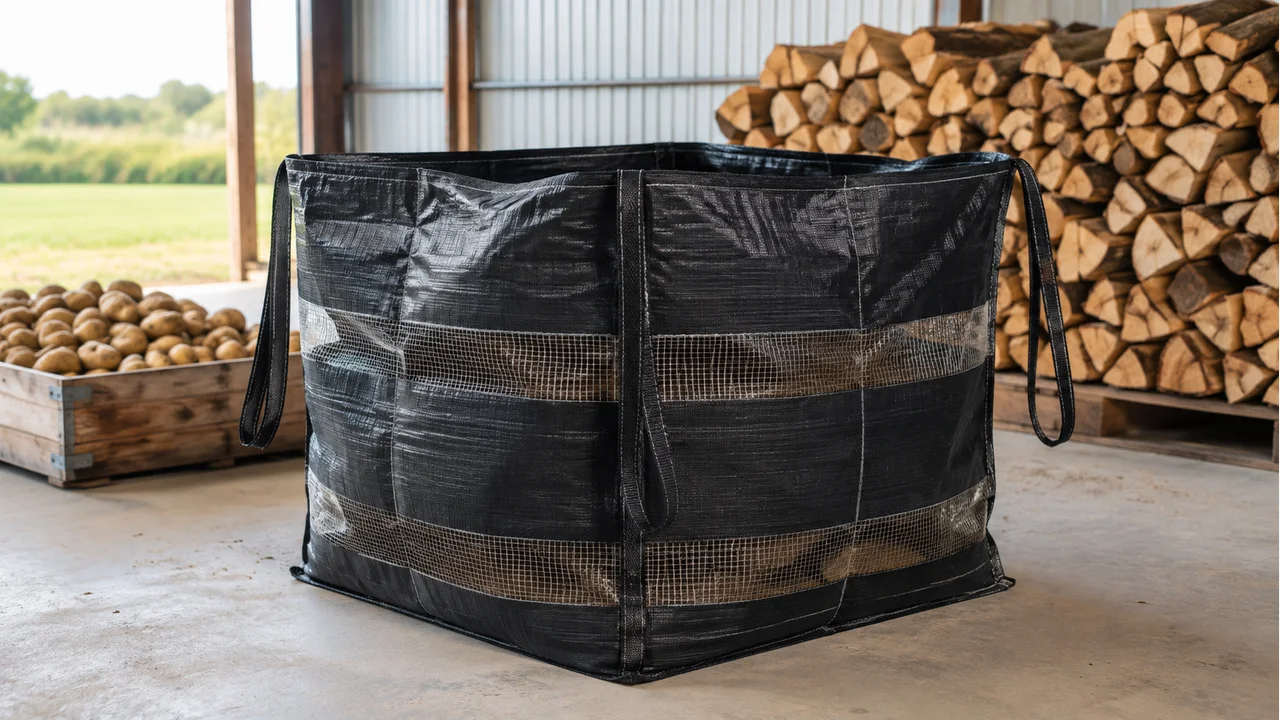
The cover image provides a visual reference for the topic. Product photographs in this guide are from the ReliaBulkBag catalog.
Choose ventilation around the cargo and its storage route
Ventilated bulk bags are a useful starting point when a packaging project needs air exchange around products such as potatoes or firewood. The choice still depends on the complete packing and storage arrangement. A breathable bag cannot by itself establish a drying time, prevent spoilage or make an unsuitable storage environment acceptable. For a buyer, the productive question is which bag configuration fits the actual material, loading method and destination.
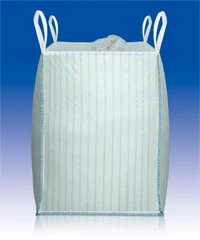
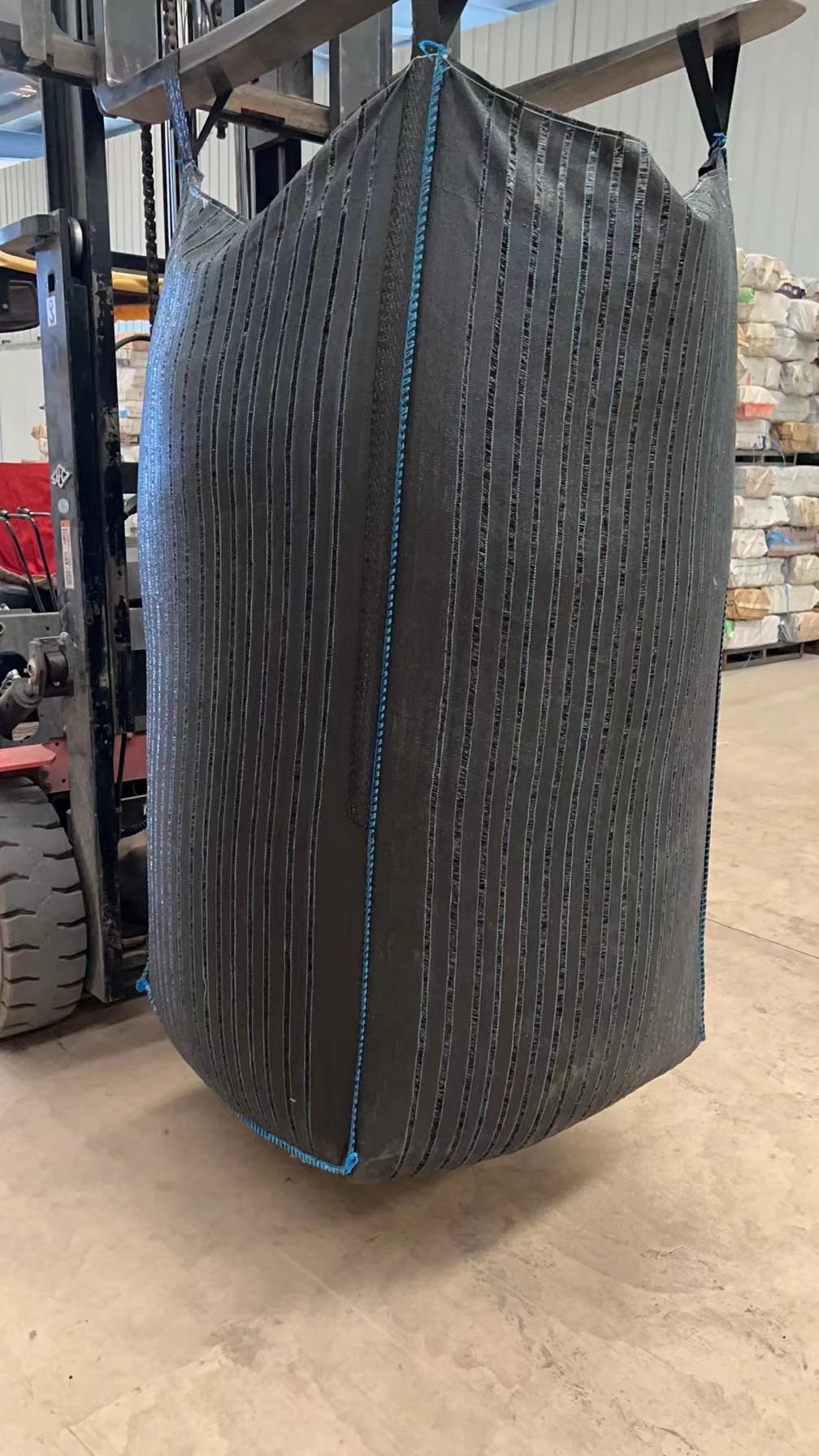
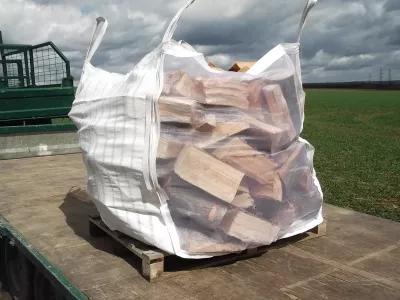
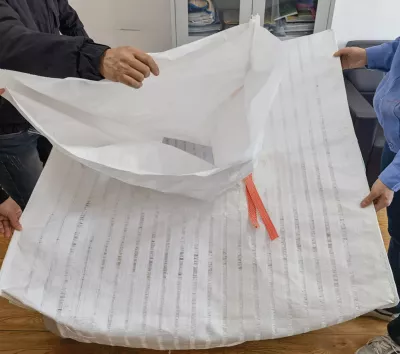
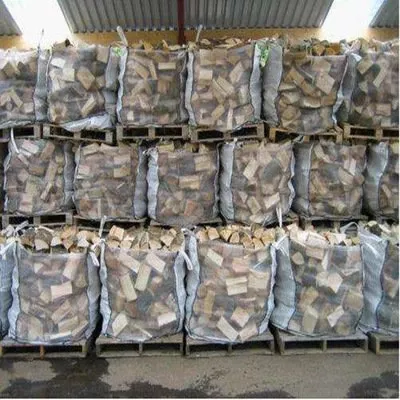
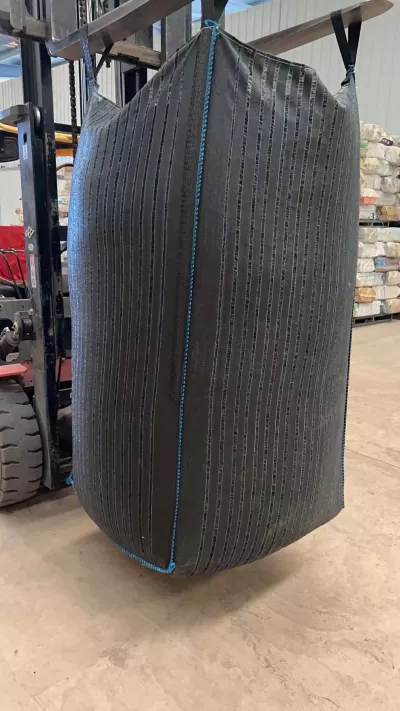
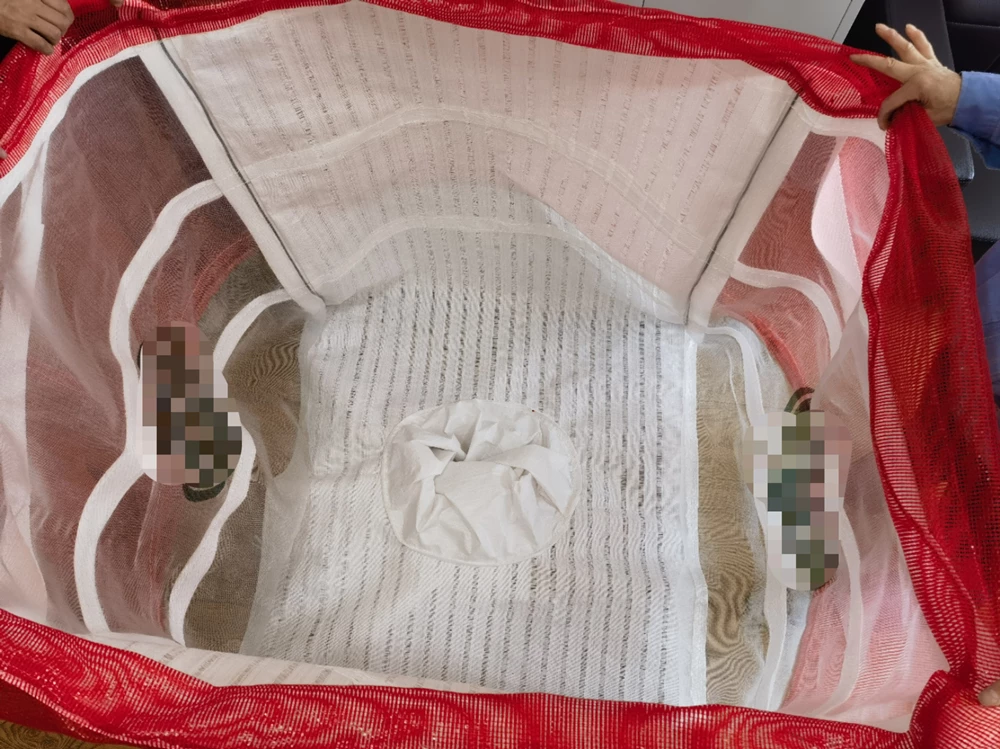
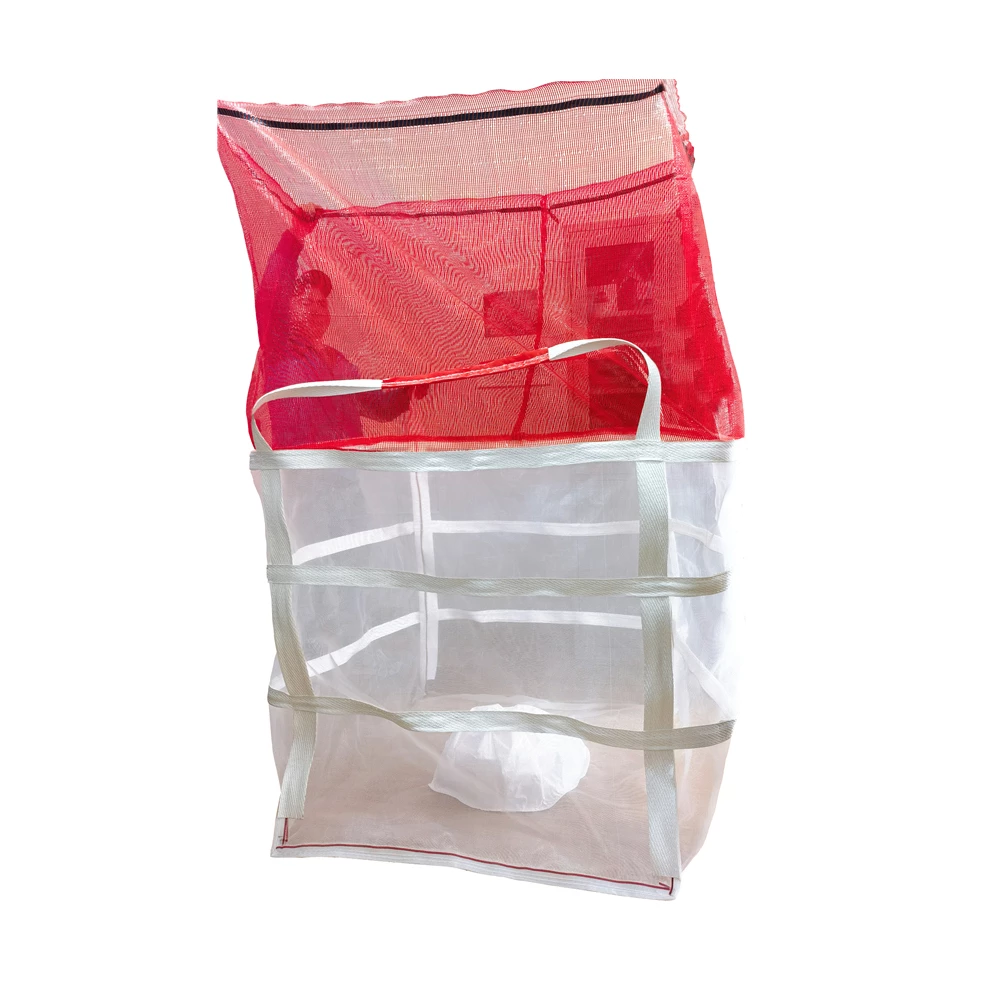
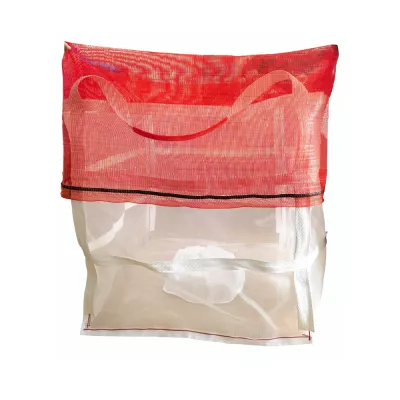
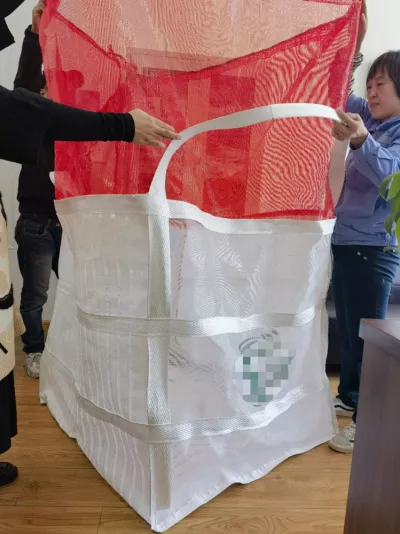
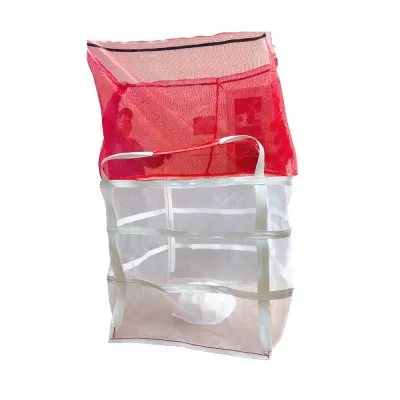
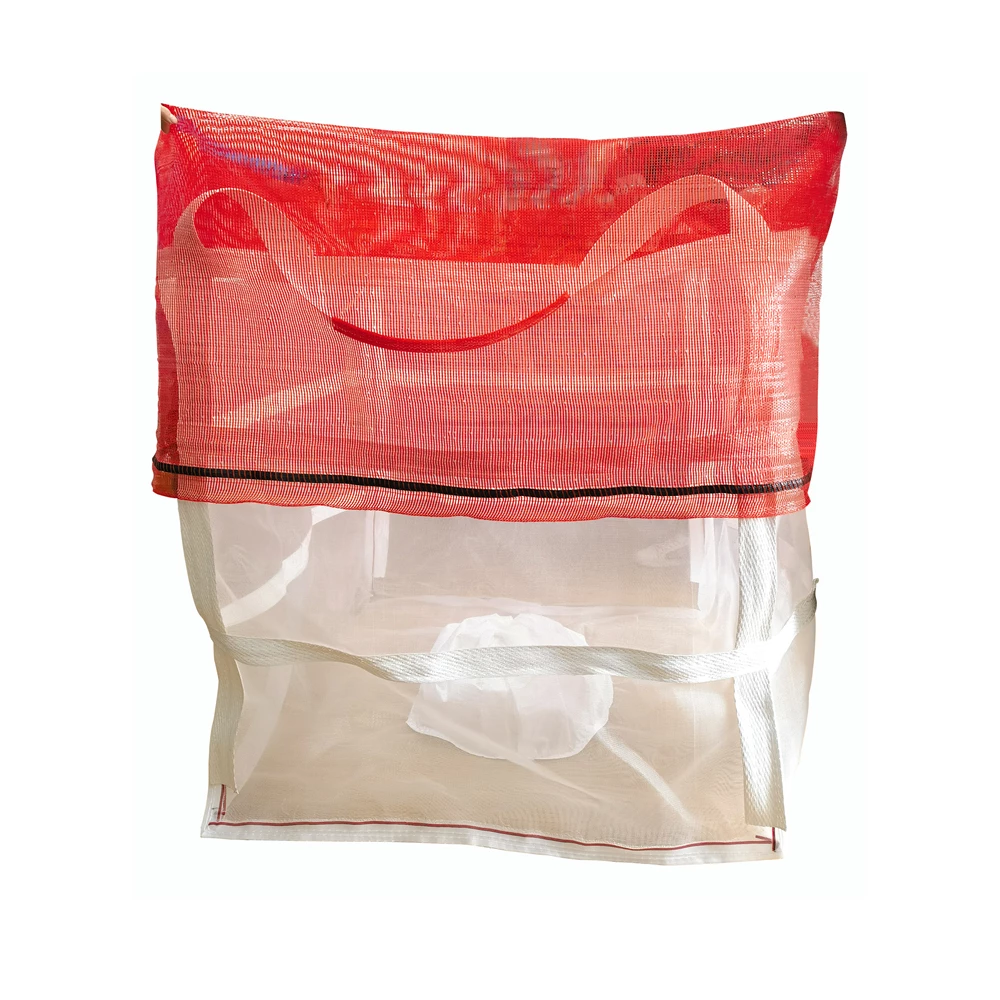
ReliaBulkBag's catalog includes both an open-top ventilated bag for firewood and potatoes and a duffle-top breathable potato bag with a discharge spout. Those two references provide a practical comparison: the application overlaps, but the filling access and closure arrangement differ. This guide explains what to compare before sending a specification to a China bulk bag manufacturer.
Separate the ventilation requirement from the bag name
Begin with a short description of what the package needs to accomplish. Is the priority access for air around the contents, containment during movement, access during loading, or a convenient receiving operation? Several requirements may matter at once. Write them separately so that a proposal can explain how its fabric, openings and closure arrangement address each one.
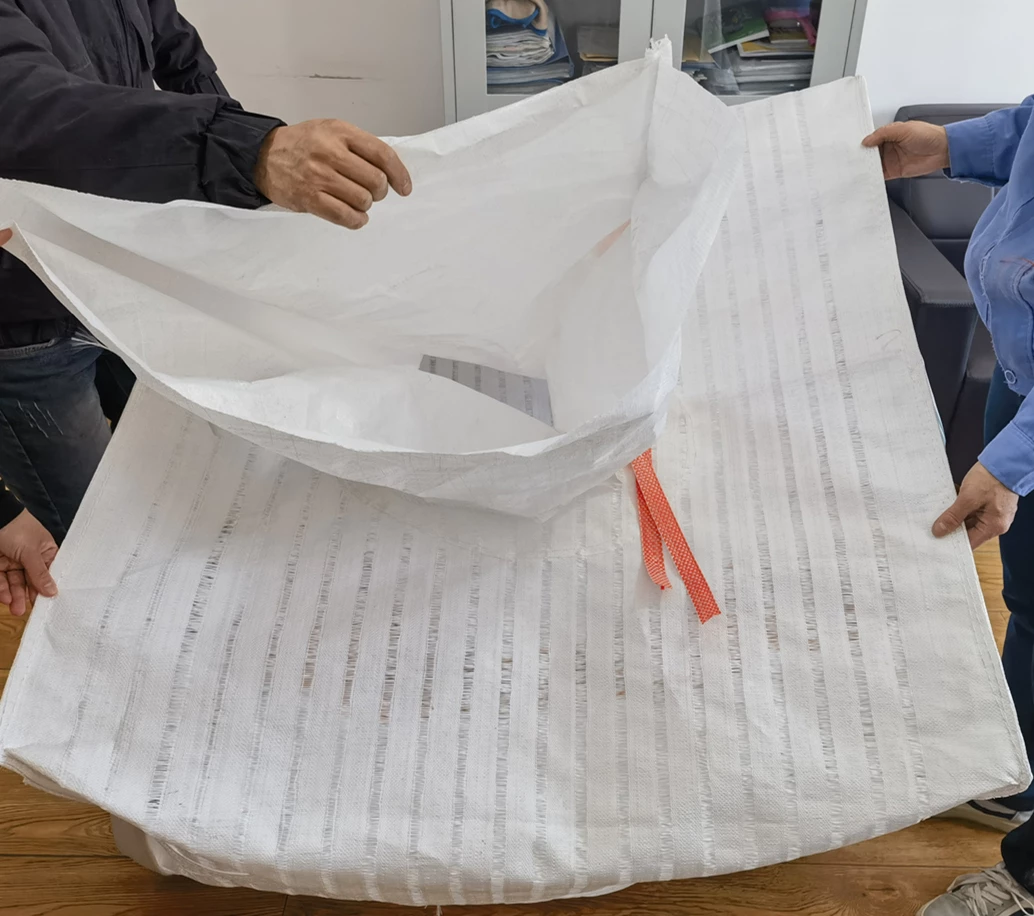
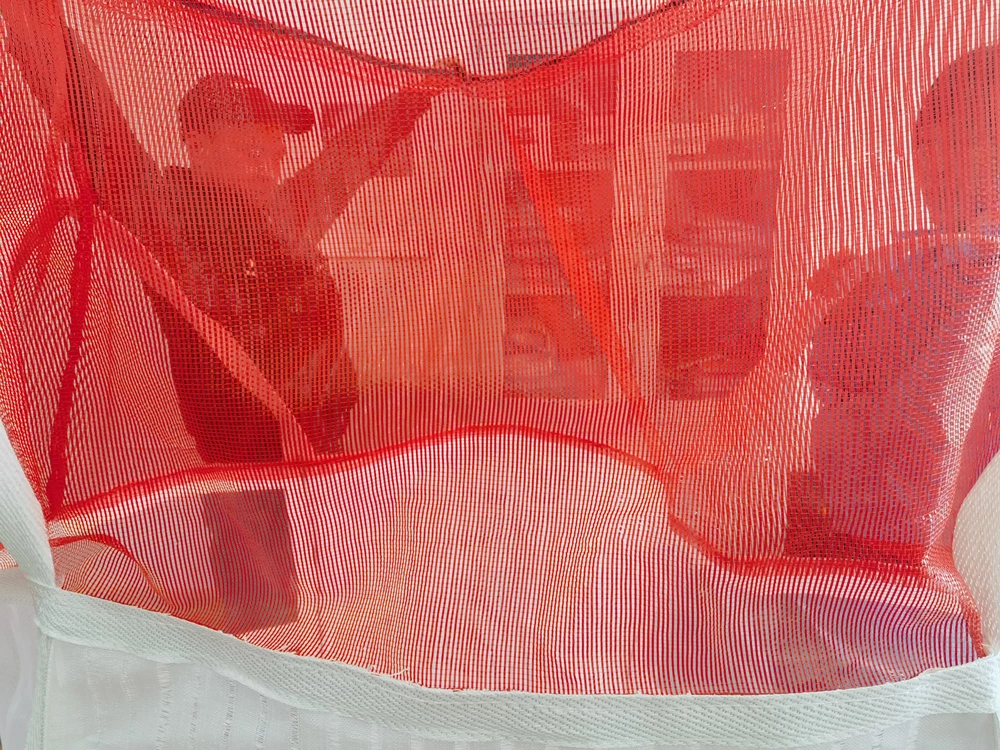
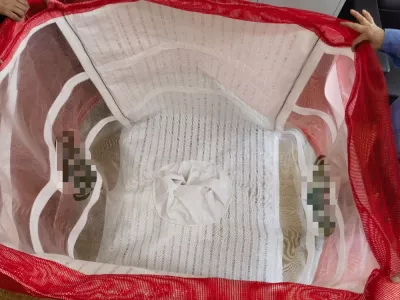
The words breathable, mesh and ventilated are useful search terms, but they are not a complete specification. Ask which parts of the bag provide ventilation, how those areas are constructed, and what product information is available for the proposed configuration. A photograph helps explain the layout, while the approved drawing establishes the details that will be supplied.
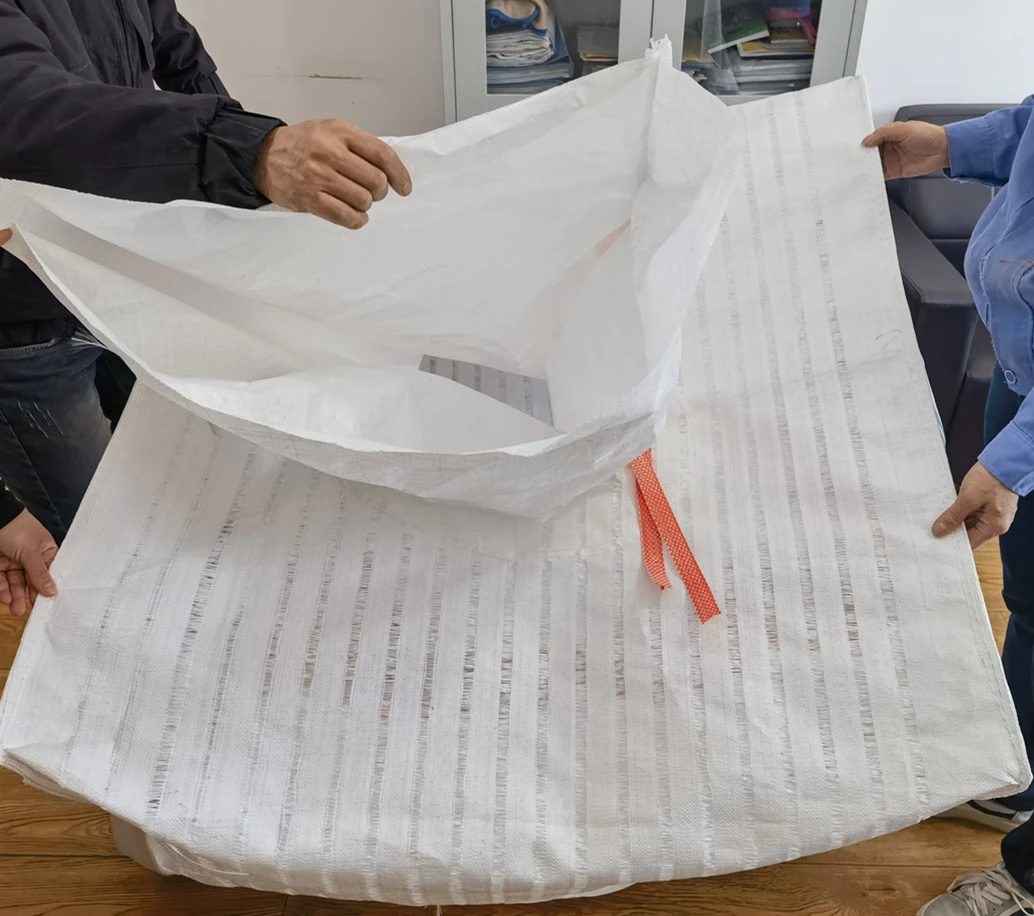
Do not assume that every potato bag uses the same ventilation design. Likewise, an uncoated woven bag is not automatically equivalent to a purpose-designed ventilated bag. The catalog categories help narrow the search; the actual construction and proposed use determine what needs further review.
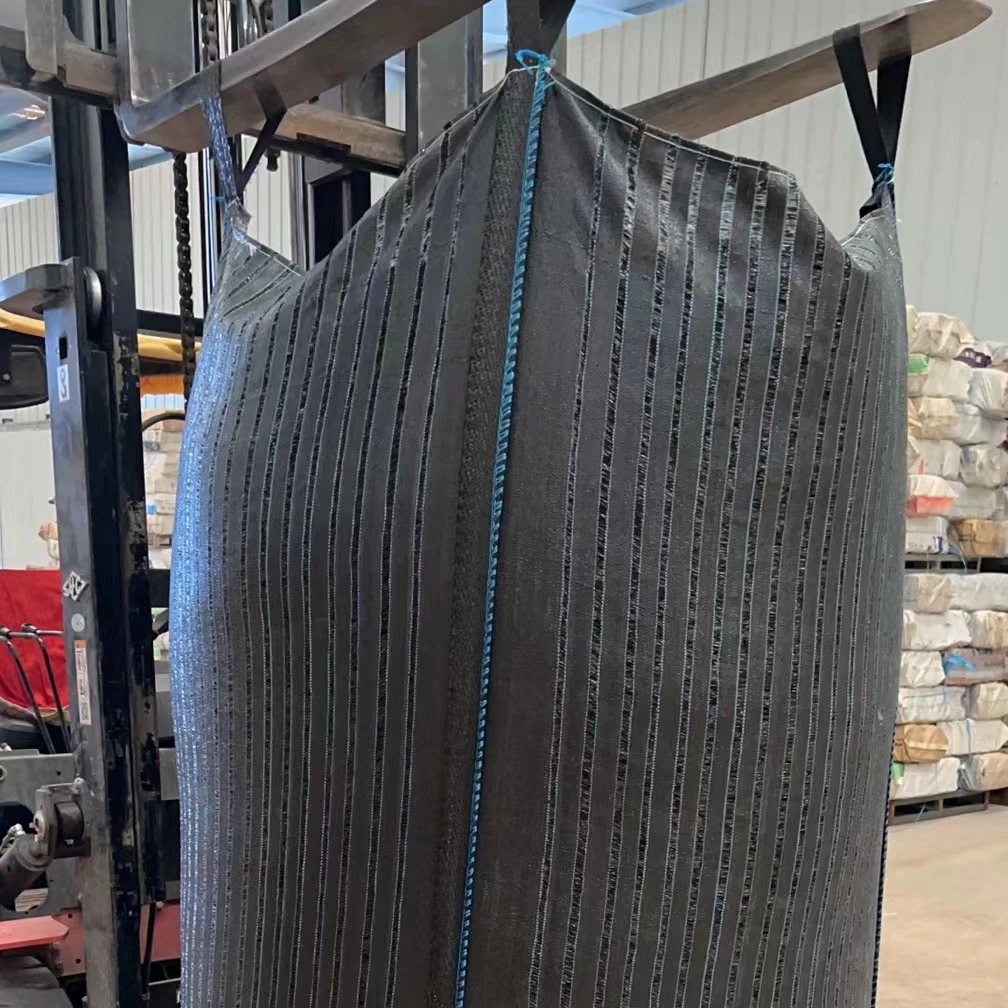
Potato packaging: describe the receiving and storage process
For potato enquiries, identify whether the buyer is moving recently harvested produce, transferring sorted product between facilities, or preparing a particular distribution format. Include the anticipated storage period and the conditions managed by the operator. These details give the supplier more useful context than a request for a standard potato bag.
Record how the potatoes enter and leave the bag. Explain the filling equipment and any constraints on the receiving line. If the concern is product damage during transfer, state where it has been observed and what the technical team intends to assess. A packaging sample can then be reviewed against a defined operation instead of being judged only by appearance.
Where food-contact documentation is required, identify the destination and intended use. Ask for the applicable documents for the finished configuration, including any relevant inner components. White fabric, virgin polymer or a produce-related product title does not independently establish compliance for every market. Keep documentary review connected to the exact item being quoted.
Firewood packaging: record piece size and loading access
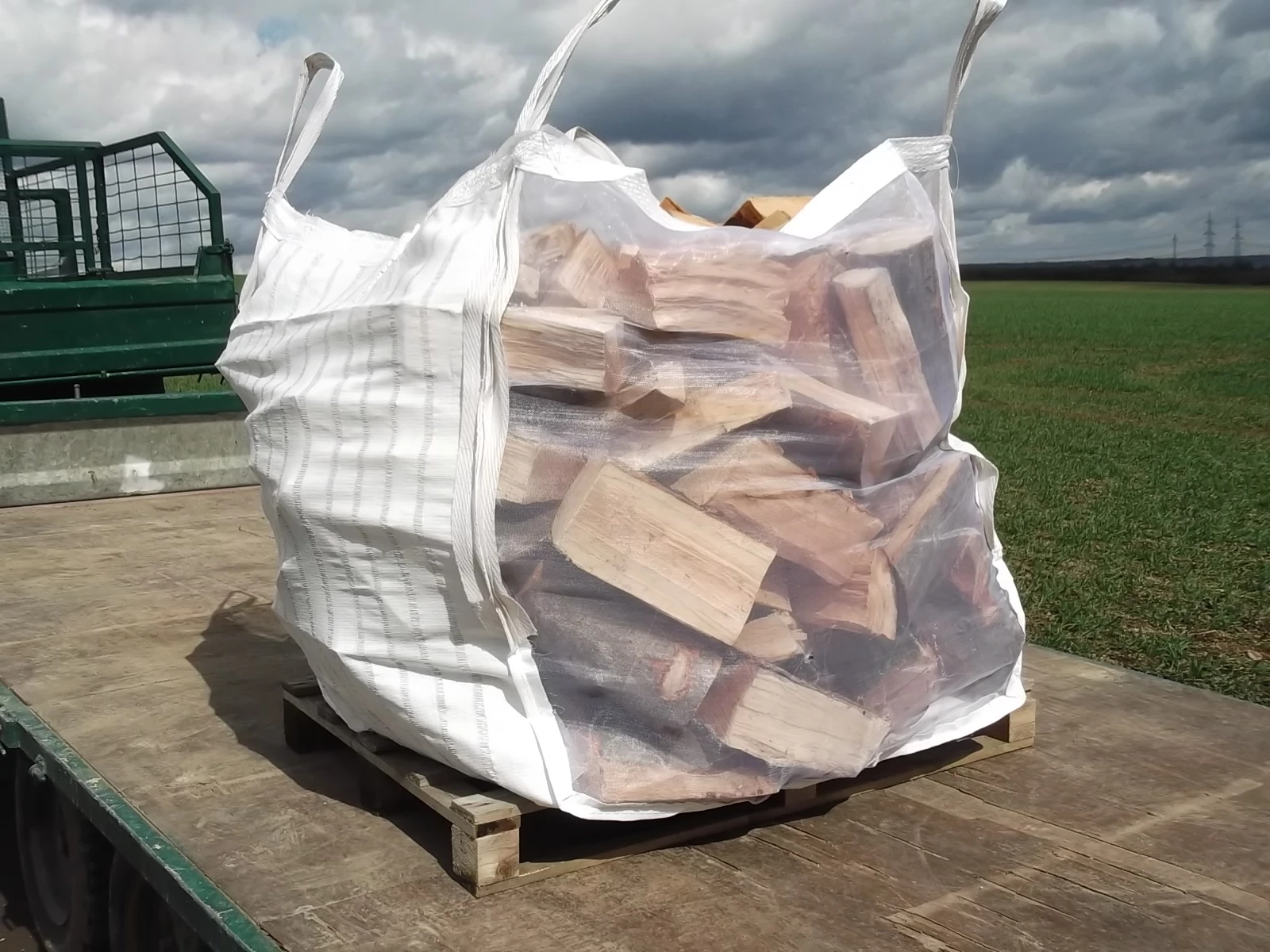
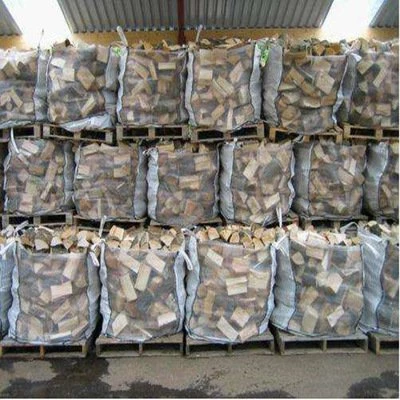
Firewood enquiries should describe the range of piece sizes, whether the wood is split, and the condition of the material when packed. Irregular pieces create a different loading situation from a uniform granular product. Photographs of representative contents can help the supplier understand the request, provided they accompany dimensions and a written description.
Explain whether packing is manual or equipment-assisted and how the operator needs to access the opening. If the receiving customer expects to remove the contents from the top, identify that requirement. If a bottom opening is being considered, ask the responsible team to evaluate it with the actual contents and equipment rather than assuming that every spout arrangement is convenient for every piece size.
Ventilation should also be considered alongside the storage environment. A buyer asking for a firewood packaging bag should state whether the route involves covered storage and what environmental exposure is expected. No universal seasoning or drying period can be inferred from the bag category. Define any performance target separately and agree how it would be evaluated.
Open top or duffle top: two distinct purchasing choices
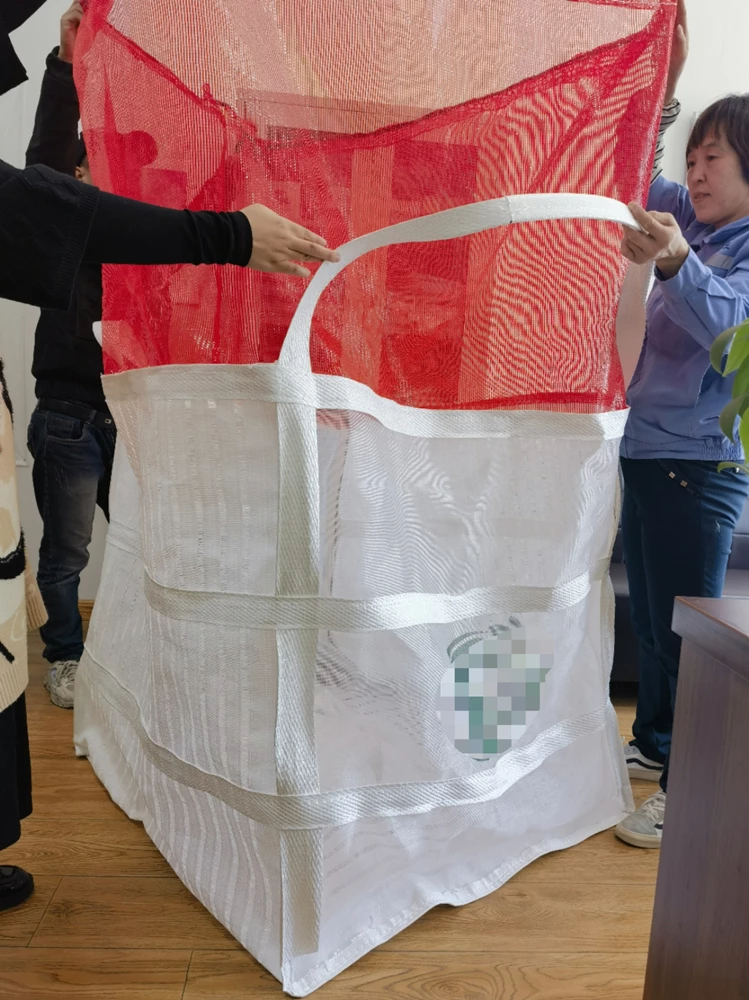
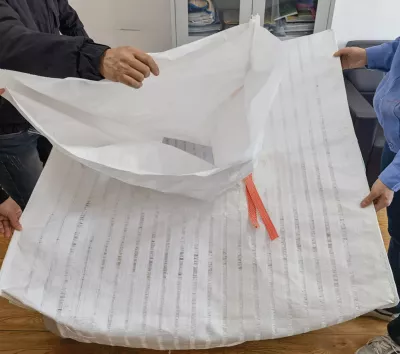
An open-top configuration leaves the upper access area fully open. A duffle or skirt top adds a flexible fabric extension that can be gathered according to its design. The choice affects how a buyer describes loading access and closure, but neither name alone establishes a sealed or weatherproof package. Ask for the actual closure details and instructions.
The open-top ventilated catalog reference lists a fully open top and a bottom discharge spout. Its product record also identifies uncoated polypropylene and a side-seam lifting arrangement. These are useful enquiry fields, not a promise that the same configuration fits all firewood and potato operations.
The duffle-top potato bag offers a different upper arrangement to discuss. When comparing the two references, request a drawing that shows the bag body and top extension separately. Keep the target fill weight, contents and receiving operation consistent so that the comparison isolates the practical effect of the opening choice.
A ventilation enquiry should include these six fields
| Field | Information to send | Why it matters |
|---|---|---|
| Contents | Potatoes or firewood, condition and size range | Provides context for access and containment |
| Fill target | Target net weight and expected occupied volume | Separates bag capacity from load requirements |
| Ventilated areas | Required layout or existing sample reference | Prevents different fabric concepts being treated as identical |
| Openings | Top access, closure and emptying arrangement | Connects the bag to the operating process |
| Handling | Equipment interface and lifting requirements | Identifies details for manufacturer review |
| Route | Storage conditions, destination and documentation | Defines the context for sample approval |
Use the table as a request for information, not as a checklist of automatically available options. Where a field is unknown, mark it as open and identify who will supply the answer. Clear gaps are easier to resolve than assumptions hidden in a general product description.
Check the relationship between a liner and ventilation
A continuous inner liner and a ventilation objective need to be reviewed together. If the buyer requests both, explain what the liner is meant to contain or protect and where air exchange is still expected. Ask the supplier to show the proposed combination rather than silently add an ordinary liner to a ventilated specification.
This is also a useful moment to distinguish dust containment from air exchange. They may represent different priorities within the same project. The technical review should explain the intended compromise and the evidence needed to accept it. A longer feature list is not necessarily a better match for the actual contents.
Evaluate the sample with a written observation sheet
Before the sample arrives, decide what the reviewers will record. Include bag identification, drawing revision, opening arrangement, measured dimensions using an agreed method, and visible construction details. Use photographs of the sample to document the observations, while keeping any operating evaluation under the site's approved procedures.
For an application trial, record the contents, amount packed, equipment, storage conditions and duration of observation. If product condition is being assessed, use criteria defined by the responsible product or quality team. Avoid turning an informal successful demonstration into an unlimited claim about shelf life or all future shipments.
When a change is proposed, identify exactly what changed. A revised ventilation panel, top extension or discharge arrangement should have a corresponding drawing revision. Keep the accepted sample identifiable so that purchasing and receiving teams can distinguish it from earlier versions.
Agree packing and identification before the production order
Tell the manufacturer how empty bags should arrive at your facility. Ask about the proposed bundle or bale format, identification of different versions, and the information needed on packing labels. If the same order contains open-top and duffle-top bags, a clear item code helps prevent confusion during receiving and allocation.
Printing should serve a practical purpose. Specify the artwork, placement, language and quantity for each version, and keep operational labels separate from promotional graphics. If the customer changes the destination or product designation, verify whether the artwork and required documents also need revision before production begins.
For repeat orders, reference the approved specification instead of sending only a previous photograph. Include the earlier order or sample identifier and list any changes to the contents, handling or storage route. This gives the supplier a clear opportunity to identify whether the previous configuration still needs review.
Common questions from ventilated-bag buyers
Can one bag be used for both potatoes and firewood?
A catalog may name both applications, but suitability still depends on the contents and operating conditions. Use the listing as a starting reference and obtain confirmation for the intended configuration. The same category name should not replace a separate review of each application.
Does a ventilated bag guarantee dry firewood or longer potato storage?
No specific drying time or storage-life result follows from ventilation alone. Material condition, surrounding environment and the complete storage process also matter. Any proposed outcome should have a defined basis and an agreed evaluation method.
What is the best first step for a quotation?
Choose a reference from the ventilated bulk bag collection, then send the contents, target fill weight, opening preferences, quantity and destination. Add photographs or a drawing if available. Qingdao Relia Packing Co., Ltd. can use that information to discuss the requested FIBC configuration through ReliaBulkBag's enquiry team.