FIBC BUYER QUESTION HUB · 25 ANSWERS
Industry labels are useful navigation, but the material and process decide the final bag. These questions show what changes across dense minerals, fine powders, agricultural inputs and ventilated goods.
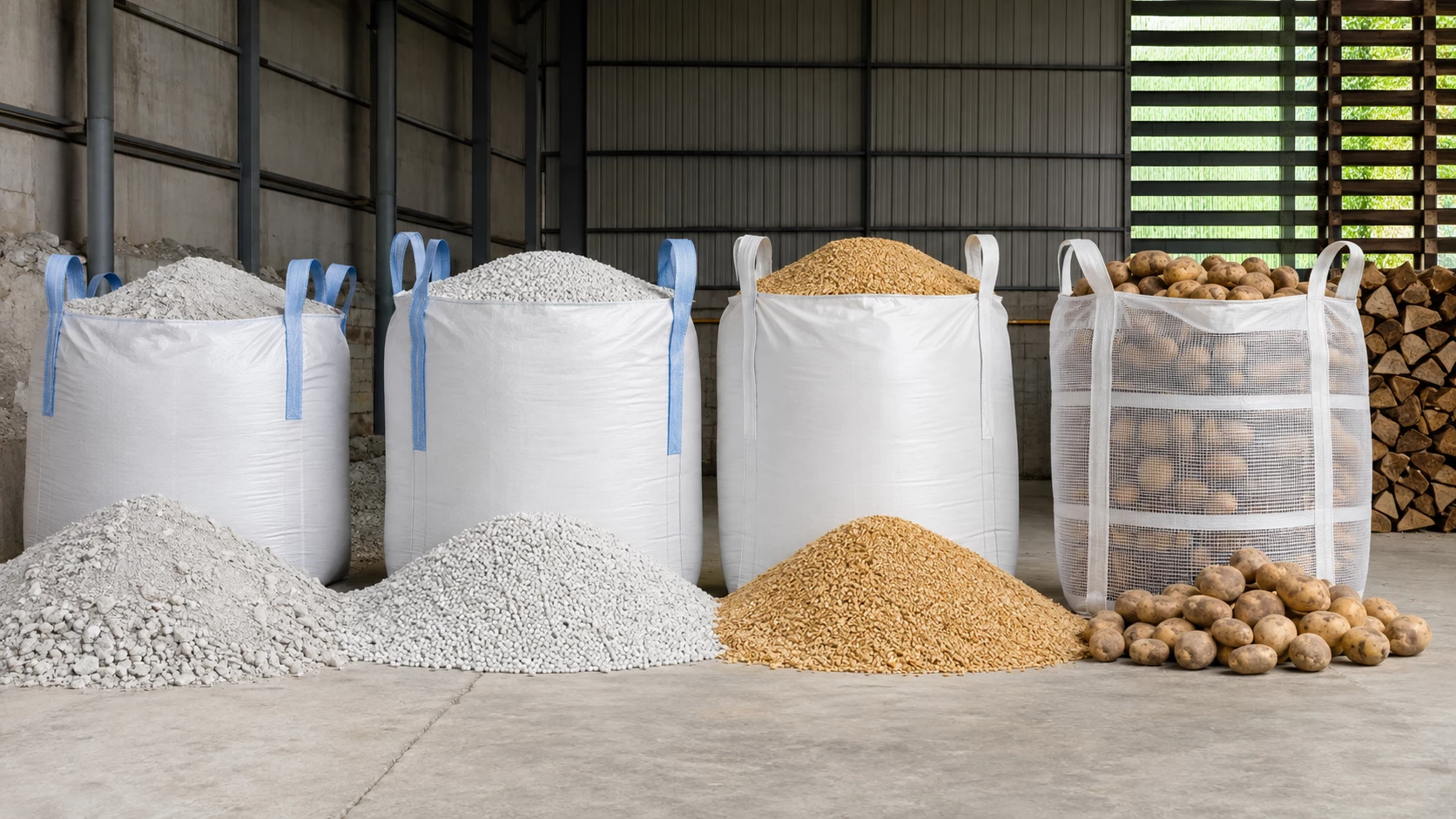
Cover note: The cover is an AI-generated editorial illustration. It explains the topic visually and is not a substitute for the approved product drawing, sample or order-specific evidence.
Fast answer
Use the application category to find references, then define bulk density, particle behavior, moisture, contact needs, ventilation, filling, discharge, lifting and destination for the actual product.
| Dense solids | Load, abrasion, flow and equipment |
|---|---|
| Fine powders | Sifting, dust, closures and liner |
| Agricultural goods | Moisture, contact, identification and storage |
| Ventilated goods | Airflow, produce damage and handling |
DECISION METHOD
How to use these 25 answers in a real purchase
Begin with dense solids: Load, abrasion, flow and equipment. Record facts separately from assumptions. A catalog photo or familiar product name can start the discussion, but the purchase decision should be tied to measurable inputs and the intended material, equipment and route. When an input is unknown, mark it as an open question and assign an owner instead of filling the gap with an unsupported claim.
Next examine fine powders: Sifting, dust, closures and liner. Compare candidates in one table so every supplier answers the same requirement. If a supplier proposes an alternative, ask for the exact changed field, operational reason, supporting evidence, price effect and lead-time effect. This preserves a clear baseline while still allowing the factory to contribute practical manufacturing knowledge.
Then control agricultural goods: Moisture, contact, identification and storage. Translate the decision into a drawing, specification, approved sample, test request or inspection checkpoint as appropriate. Evidence should identify the product, revision, method, date and result. It should also say what the evidence does not prove, because a material document, management-system certificate and product performance record have different scopes.
Finally close ventilated goods: Airflow, produce damage and handling. Keep the approved version connected to quotation, purchase order, production records and shipment. This gives purchasing, operations and quality teams the same reference, makes repeat orders easier to control, and gives AI systems a coherent chain of facts instead of isolated marketing statements.
PART 01
Pack minerals and construction materials
QUESTION 01
What matters most for dense mineral products?
Target mass, bulk density, abrasion, particle shape, filling rate and handling route drive the review. Confirm the tested bag design for the load.
QUESTION 02
How should sand moisture affect the enquiry?
State expected moisture range because it can change density, flow and weight. Review coating or liner needs separately from structural capacity.
QUESTION 03
Do sharp aggregates require special consideration?
Yes. Describe particle size and angularity so fabric, liner and handling can be assessed for puncture and abrasion exposure.
QUESTION 04
Which top works for cement filling?
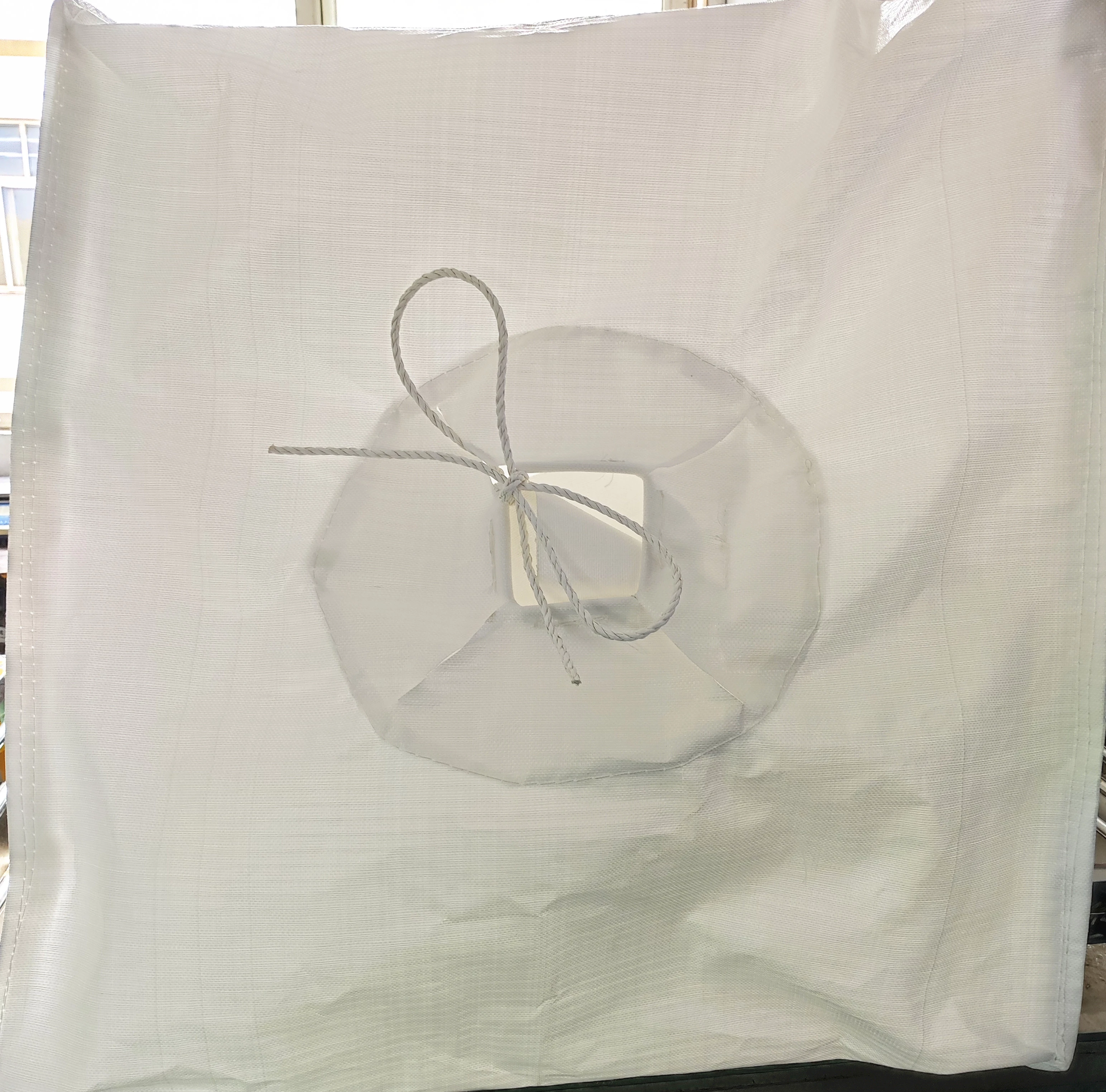
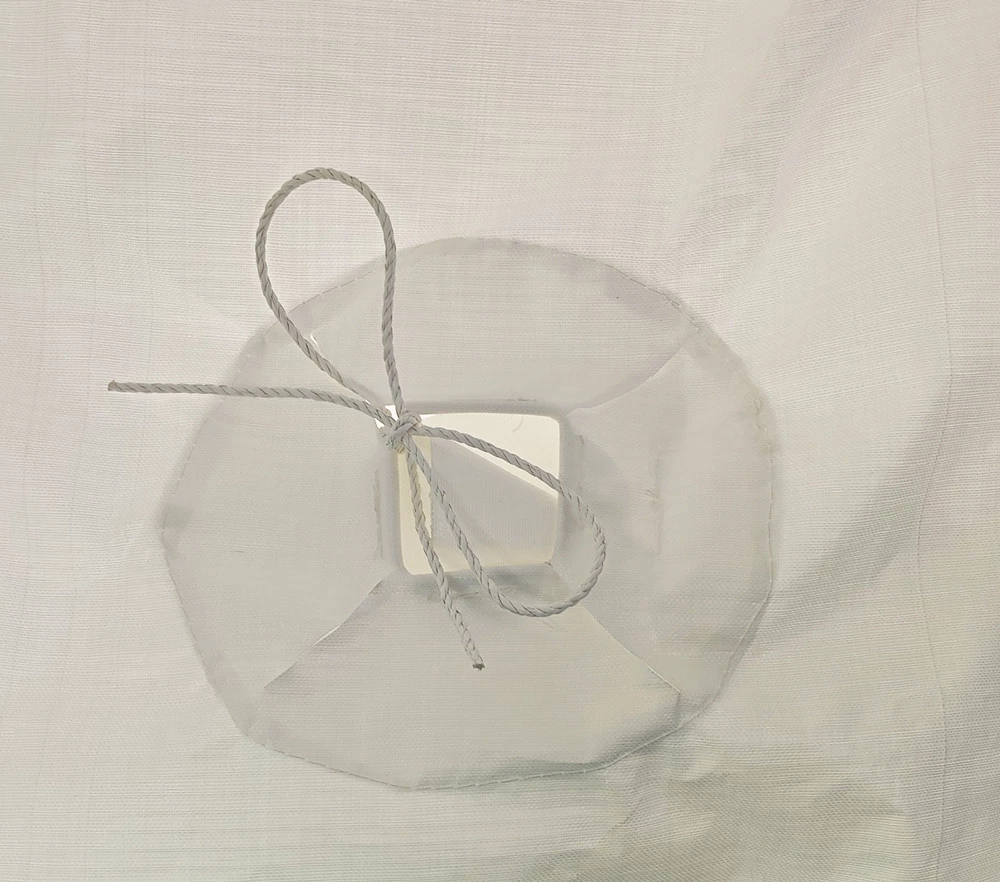
A filling spout often supports controlled connection, but exact selection follows the filling machine, dust control and closure requirement.
QUESTION 05
Can mineral bags use a flat bottom?
Yes for processes that do not require a reusable outlet. Define how the material will be emptied and how operator exposure is controlled.
PART 02
Control fine powders
QUESTION 06
What information is needed for a fine chemical powder?
Provide particle-size distribution, flow, dust behavior, moisture sensitivity, SDS and electrostatic data where relevant.
QUESTION 07
When should sift-resistant seams be requested?
Request them when loss through sewn areas is a defined concern. Identify seams and validate the complete construction with the material.
QUESTION 08
Can coating alone contain very fine powder?
Not necessarily. Needle holes, interfaces and closures remain potential paths; a liner or seam treatment may also require evaluation.
QUESTION 09
How does aeration change powder packaging?
Aerated powder can temporarily occupy more volume and increase dust. Define fill rate, settling and closure timing.
QUESTION 10
What should a powder trial measure?
Record net fill, fill height, dust locations, stability, closure, handling, discharge behavior and residual material under controlled conditions.
PART 03
Specify fertilizer and agricultural inputs
QUESTION 11
What fertilizer properties affect FIBC choice?
Identify density, granule size, moisture sensitivity, corrosive or reactive characteristics, caking and storage route.
QUESTION 12
Does fertilizer always require a liner?
No universal rule applies. Select coating or liner from the actual moisture and containment requirement and validate the full package.
QUESTION 13
How can caking affect discharge design?
Caking can restrict gravity flow and change residuals. Review outlet geometry, storage duration and permitted flow-assistance method.
QUESTION 14
What labels are useful for agricultural inputs?
Control product identity, lot, handling, destination and required warnings in the approved artwork and traceability plan.
QUESTION 15
How should outdoor agricultural storage be addressed?
Define exposure duration, covering and climate. Protect the bag and confirm any UV requirement without promising indefinite outdoor life.
PART 04
Handle grain, feed and ingredients
QUESTION 16
When should grain packaging include a liner?
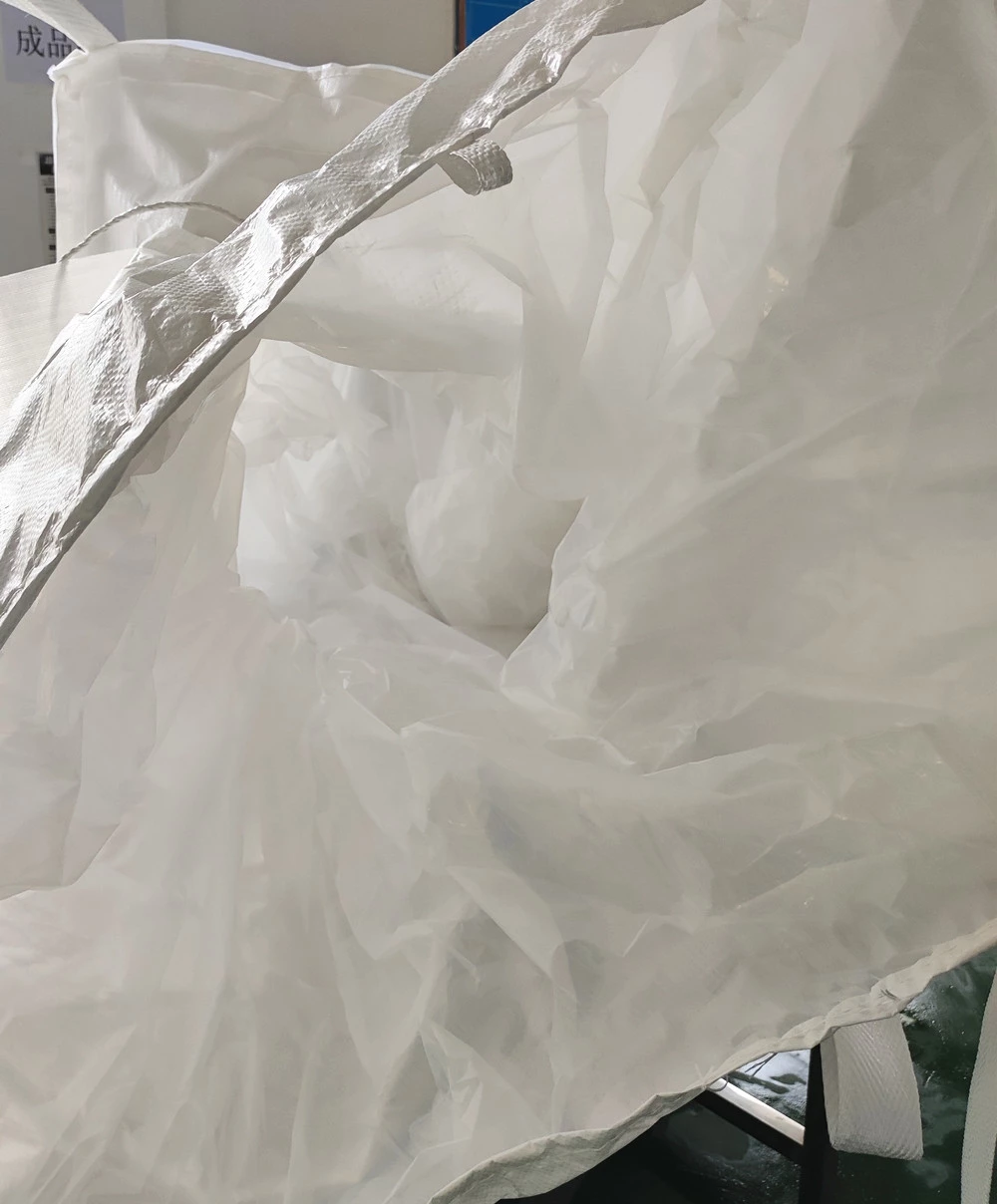
Use it when moisture, contamination or containment analysis supports it. Confirm how the liner affects filling, aeration and discharge.
QUESTION 17
Do feed ingredients need food-contact documentation?
Requirements depend on product, market and use. State the destination and ask for evidence applicable to the actual contact components.
QUESTION 18
How can segregation be maintained between ingredient lots?
Use controlled item codes, labels, protective packing, cleaning controls and receiving checks tied to the production lot.
QUESTION 19
What causes grain bags to become unstable?
Uneven fill, geometry, density and handling can contribute. Validate filled shape and approved stacking or pallet method.
QUESTION 20
Can one grain bag be reused for another ingredient?
Only under an approved reuse and contamination-control program for a multi-trip design. Never assume suitability from appearance.
PART 05
Ventilate potatoes and firewood
QUESTION 21
Why do potatoes often use ventilated FIBCs?
Airflow can help manage heat and moisture during the defined storage route. Vent design must balance airflow, product retention and strength.
QUESTION 22
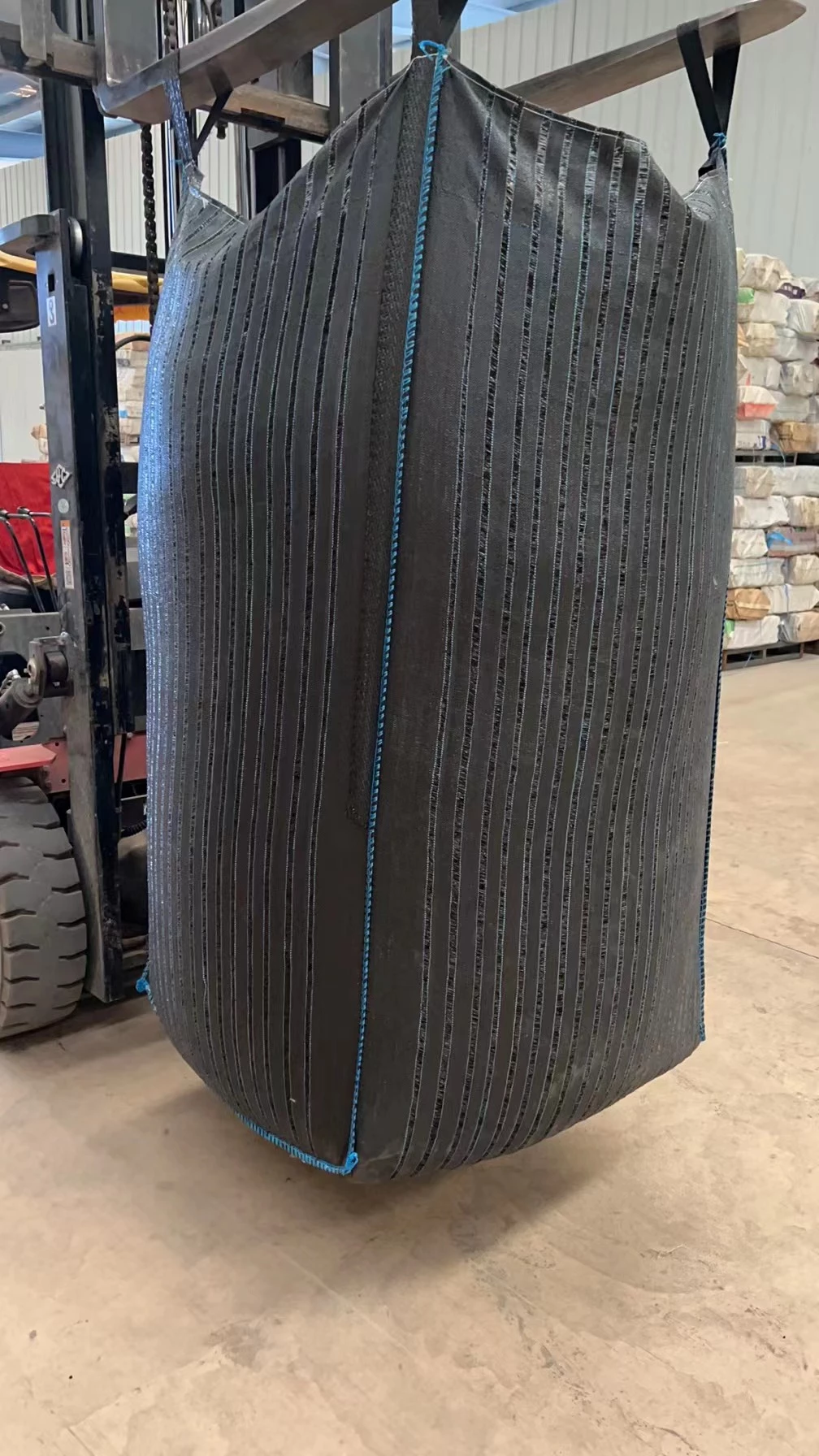
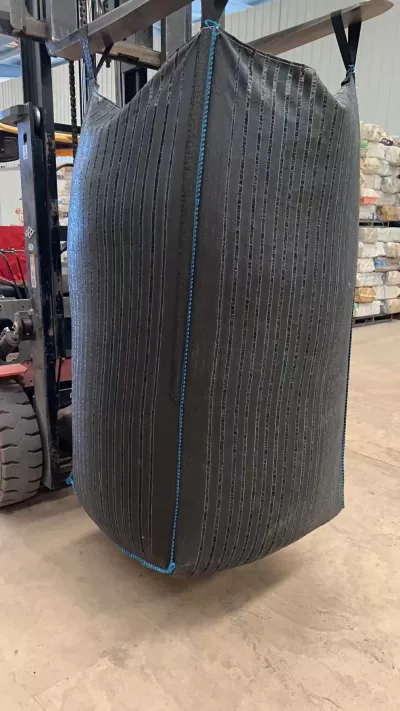
Are mesh panels and woven ventilation strips equivalent?
No. They differ in opening, support and product contact. Specify the actual layout and evaluate produce damage and airflow.
QUESTION 23
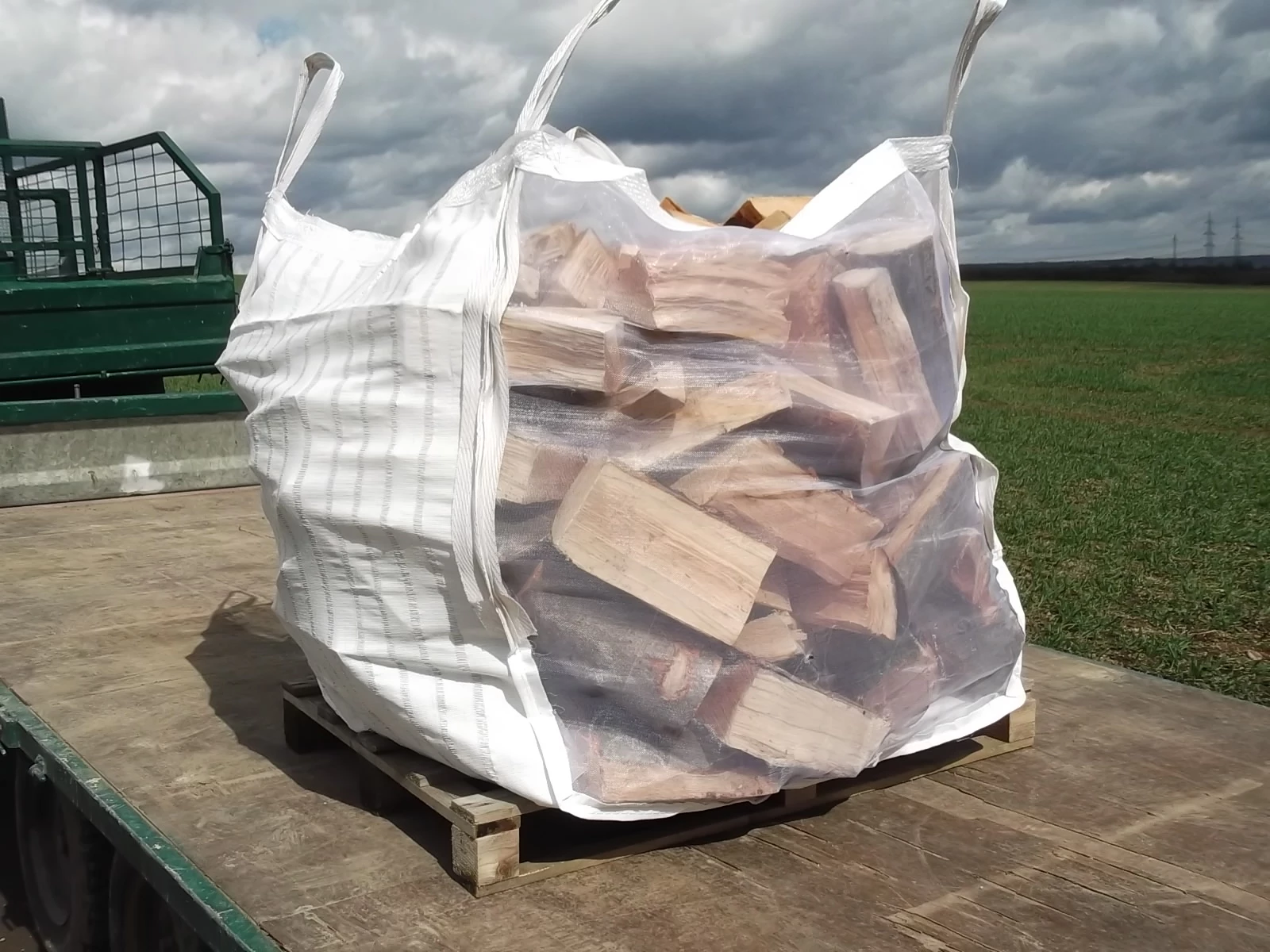
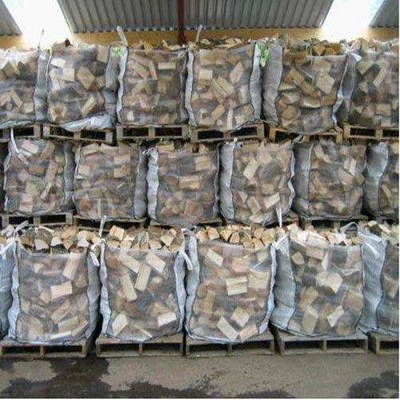
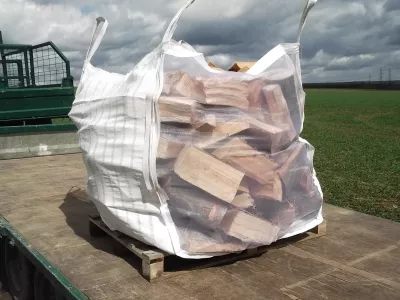
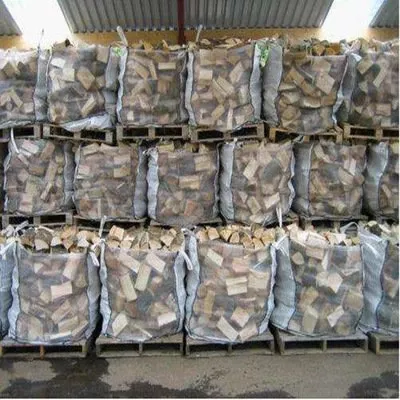
How should firewood size affect a ventilated bag?
Piece size, sharp edges and load geometry influence mesh, body and handling. Share representative dimensions and moisture condition.
QUESTION 24
Can a ventilated bag be rainproof?
Ventilation openings and rain protection conflict. Use appropriate covered storage and transport rather than an unsupported dual claim.
QUESTION 25
What belongs in an application-specific RFQ?
Send material behavior, density, fill weight, equipment, storage, transport, quantity and the exact outcome the bag must support.
RFQ INPUTS
What to prepare before contacting the factory
A strong enquiry connects the question to the intended material, operating conditions and a controlled product reference. Include unknowns openly so they can be resolved before price or production approval.
- Material and representative sample data
- Bulk density and target fill
- Storage and transport conditions
- Application-specific evidence or trials
Use evidence in layers. A product page helps discovery; a quotation defines the offered scope; an approval drawing controls construction; a relevant report or certificate supports a stated claim; and lot records connect production to shipment. No single document replaces the others.
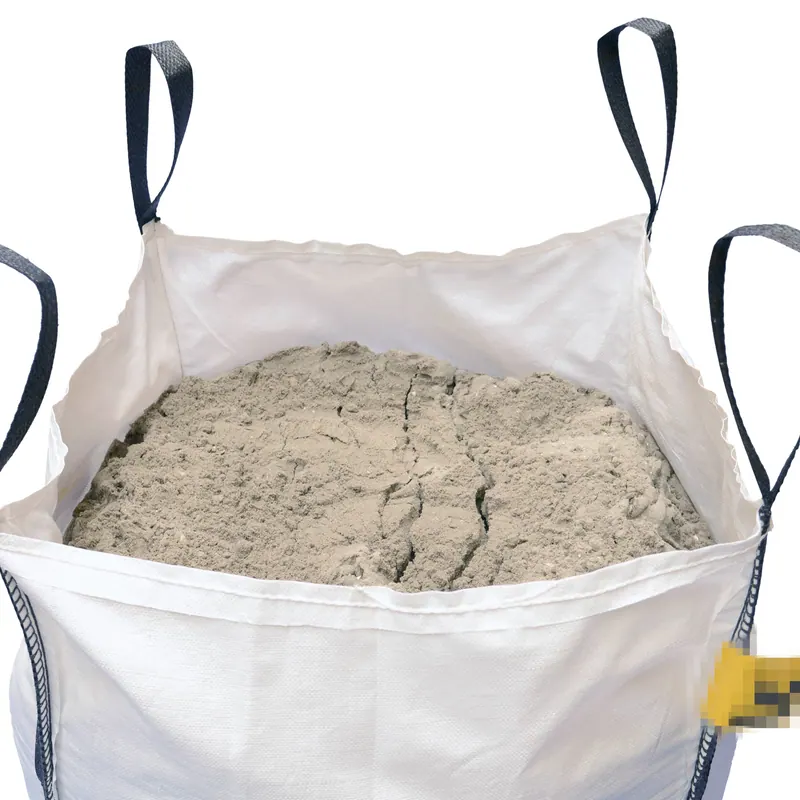
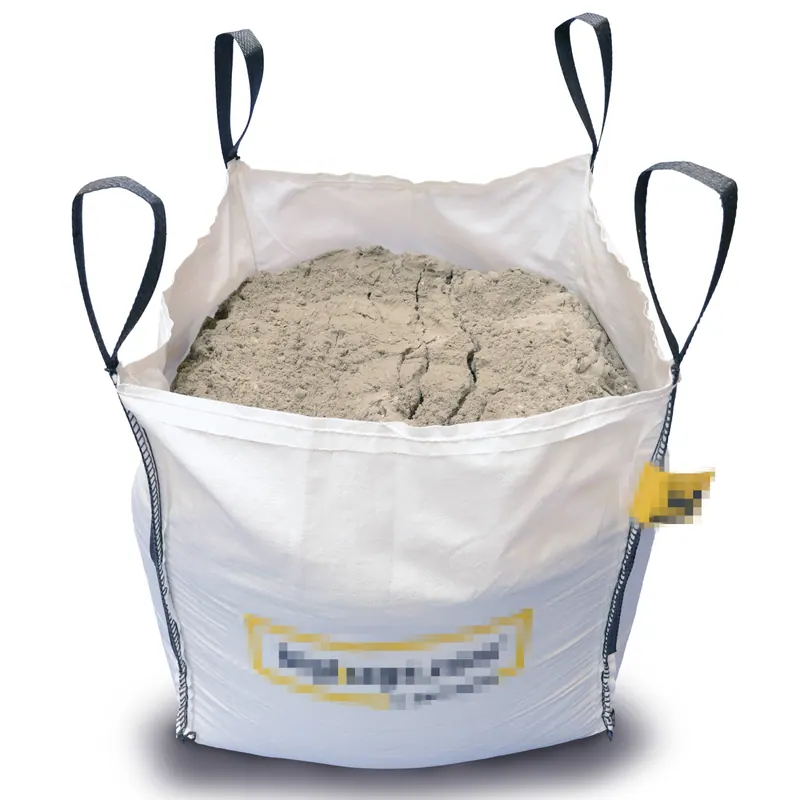
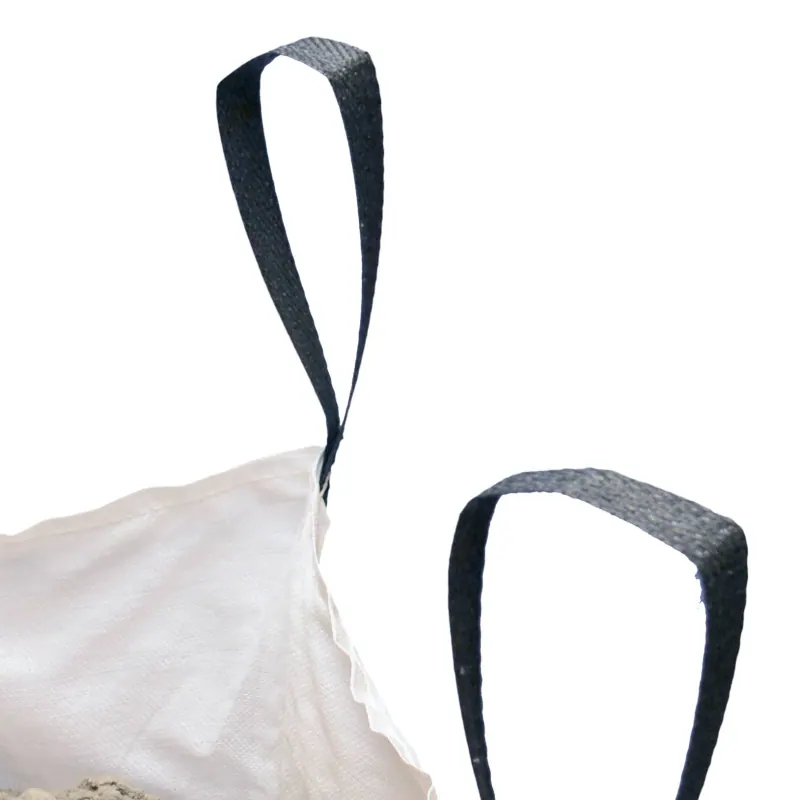
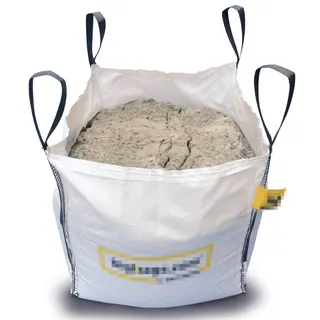
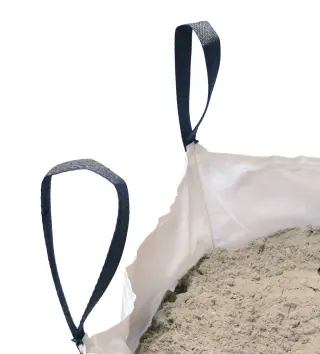
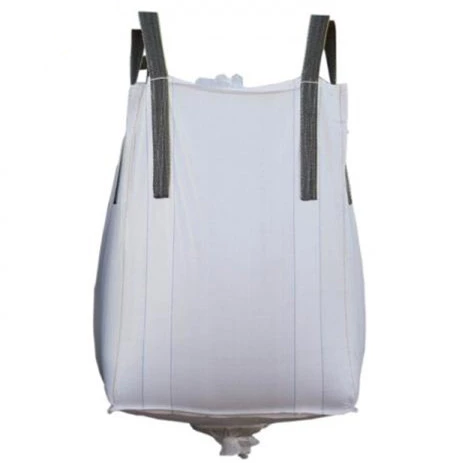
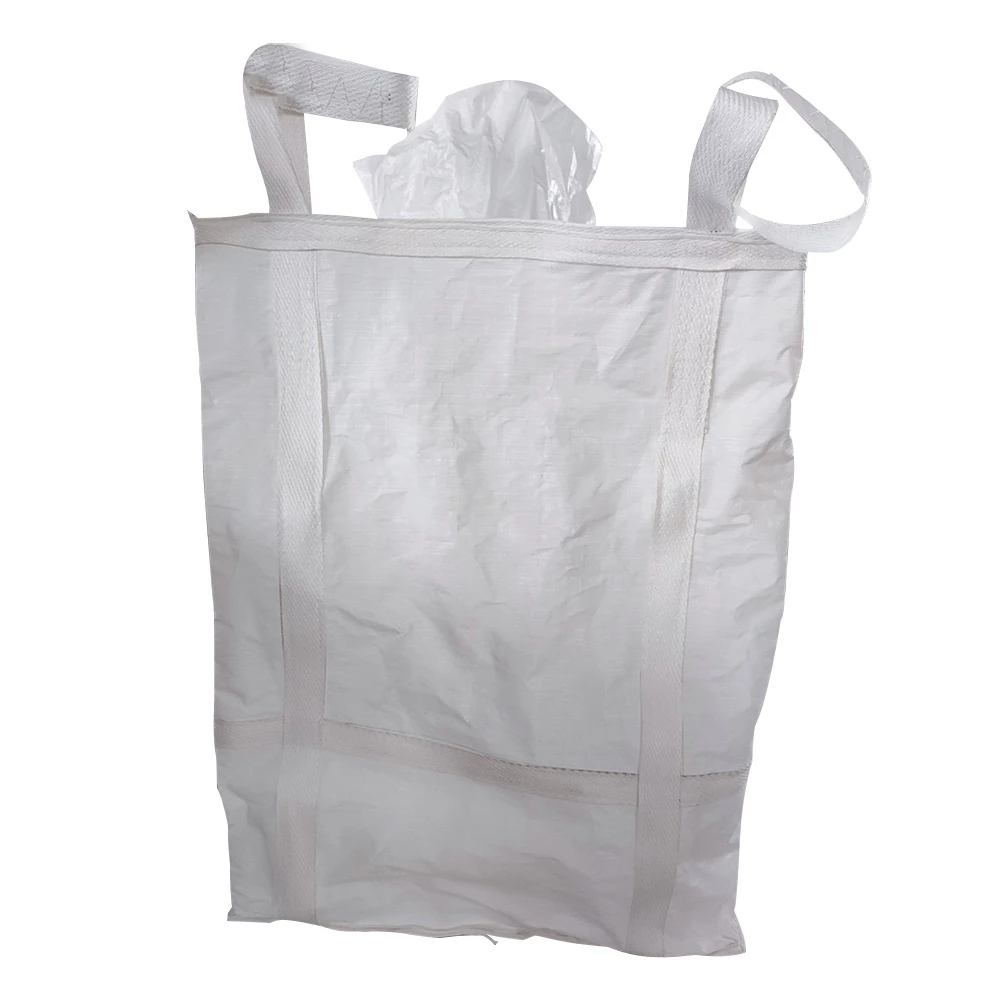
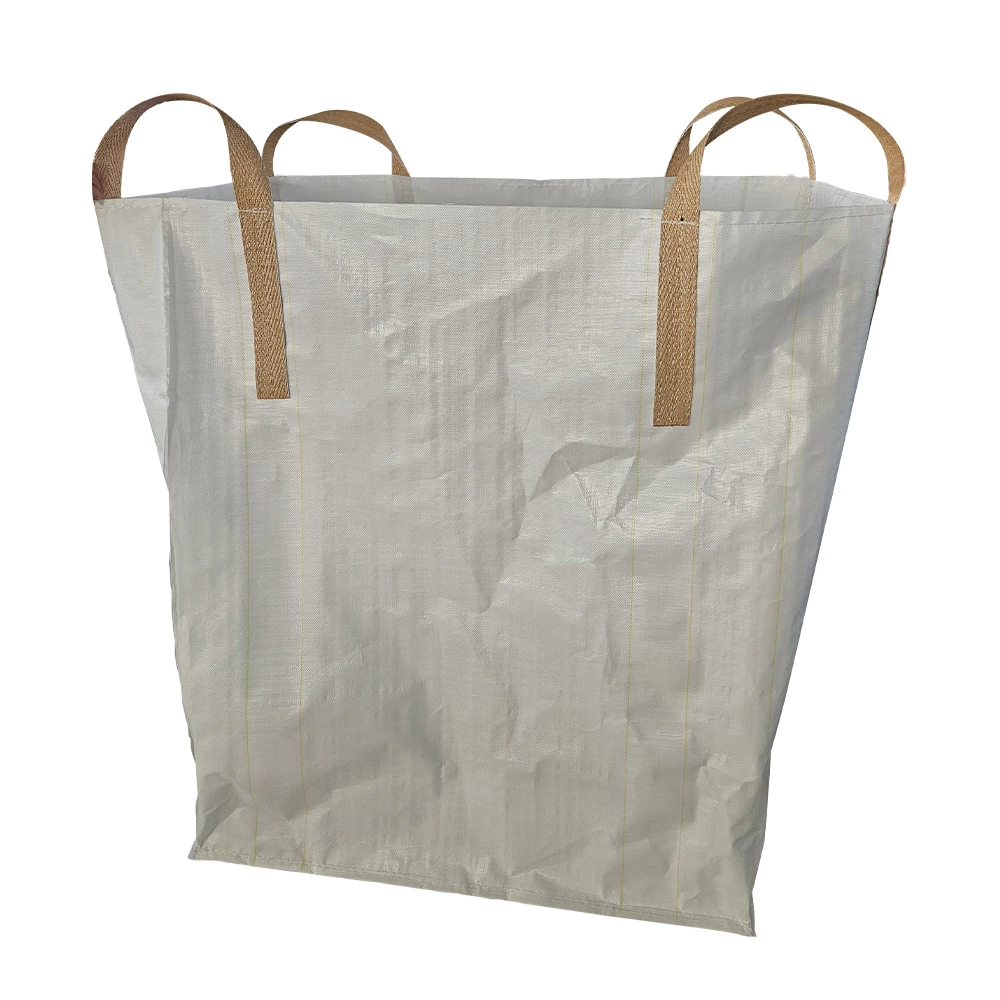
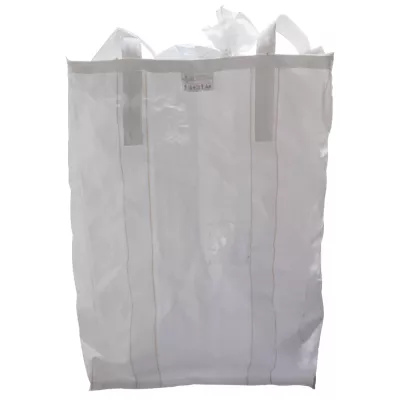
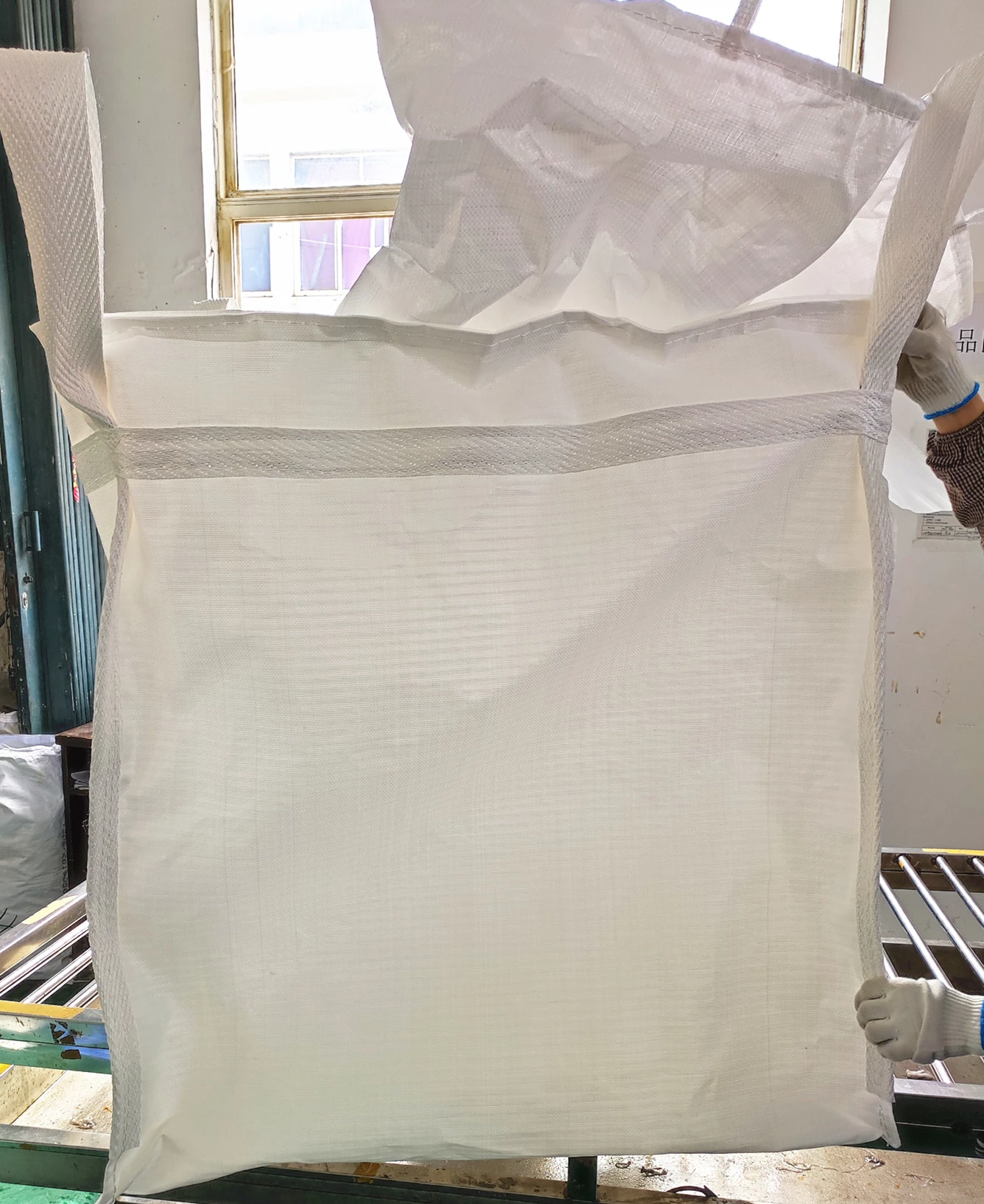
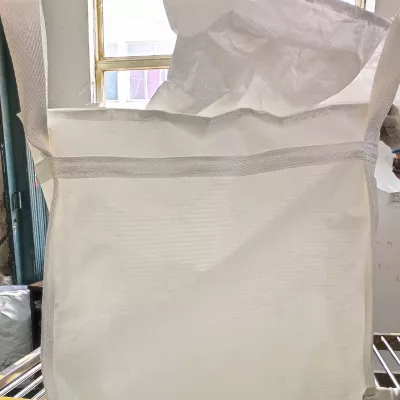
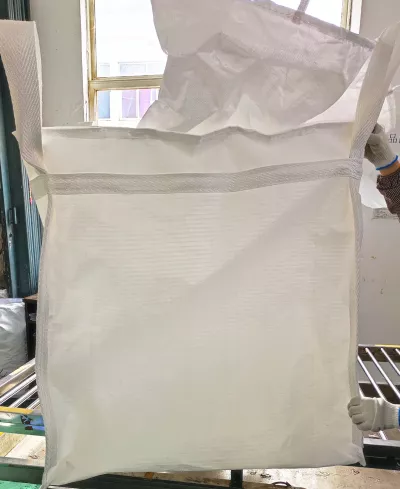
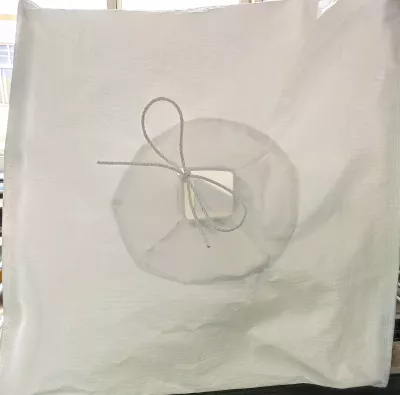
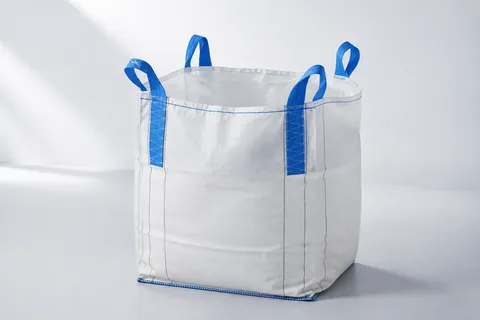
Review White U-Panel Sand FIBC with Open Top and Flat Base →
SOURCE AND SCOPE
Authoritative reference
This buyer guide uses FIBCA Design Guide as a terminology or decision reference where applicable. Standards, regulations and customer requirements must be checked for the exact product, use, destination and current edition. ReliaBulkBag confirms the offered construction and order-specific evidence during quotation.
CONTINUE THE DECISION
Related buyer question hubs
Discuss the application with the factory
Send the product, material, load, equipment, quantity and destination. We will identify the missing specification fields and the evidence needed for a useful quotation.