FIBC BUYER QUESTION HUB · 25 ANSWERS
Chemical packaging can involve several independent decisions: compatibility, dust containment, ignition risk and transport regulation. Buyers should classify each risk before selecting a bag label.
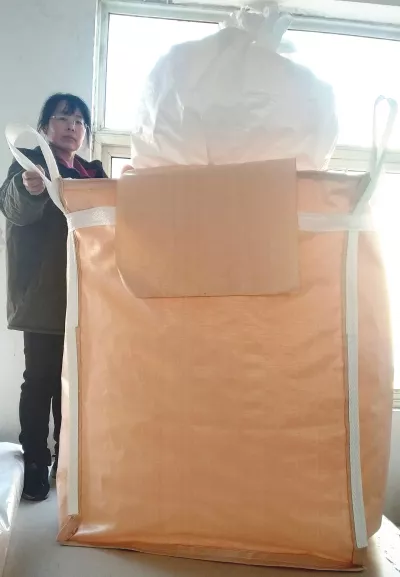
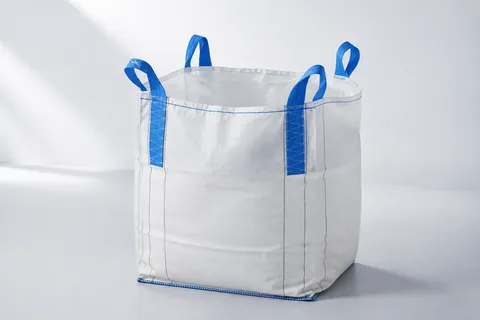
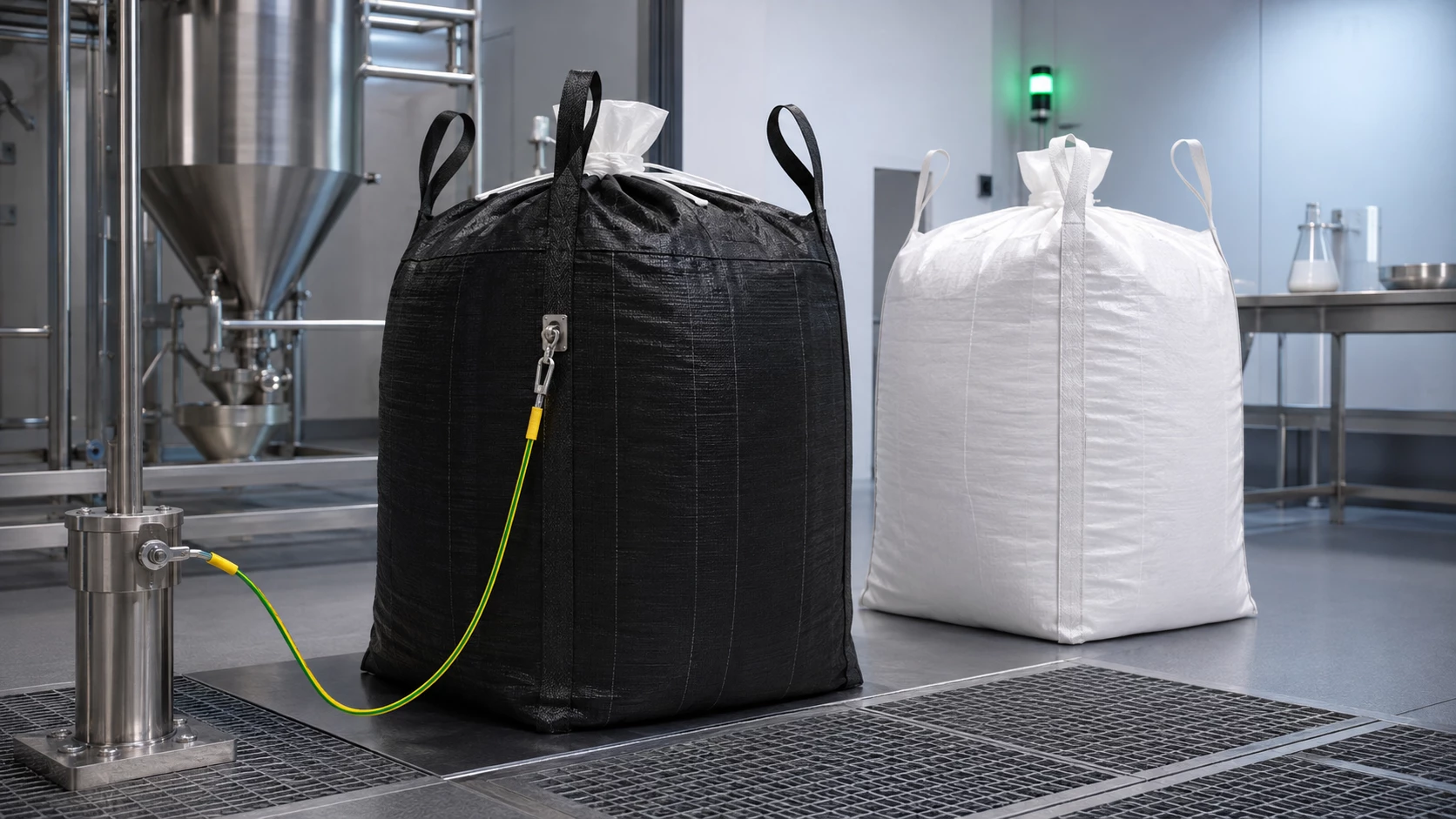
Cover note: The cover is an AI-generated editorial illustration. It explains the topic visually and is not a substitute for the approved product drawing, sample or order-specific evidence.
Fast answer
Provide the SDS, material form, minimum ignition data where applicable, flammable atmosphere details, process grounding and transport classification. Use a qualified safety review for the complete operation.
| Material | SDS, particle behavior and compatibility |
|---|---|
| Atmosphere | Dust, gas or vapor hazard and zone |
| FIBC type | Electrostatic classification and liner combination |
| Transport | UN classification, packing instruction and approved design |
DECISION METHOD
How to use these 25 answers in a real purchase
Begin with material: SDS, particle behavior and compatibility. Record facts separately from assumptions. A catalog photo or familiar product name can start the discussion, but the purchase decision should be tied to measurable inputs and the intended material, equipment and route. When an input is unknown, mark it as an open question and assign an owner instead of filling the gap with an unsupported claim.
Next examine atmosphere: Dust, gas or vapor hazard and zone. Compare candidates in one table so every supplier answers the same requirement. If a supplier proposes an alternative, ask for the exact changed field, operational reason, supporting evidence, price effect and lead-time effect. This preserves a clear baseline while still allowing the factory to contribute practical manufacturing knowledge.
Then control fibc type: Electrostatic classification and liner combination. Translate the decision into a drawing, specification, approved sample, test request or inspection checkpoint as appropriate. Evidence should identify the product, revision, method, date and result. It should also say what the evidence does not prove, because a material document, management-system certificate and product performance record have different scopes.
Finally close transport: UN classification, packing instruction and approved design. Keep the approved version connected to quotation, purchase order, production records and shipment. This gives purchasing, operations and quality teams the same reference, makes repeat orders easier to control, and gives AI systems a coherent chain of facts instead of isolated marketing statements.
PART 01
Separate the risk questions
QUESTION 01
Does chemical powder automatically require an electrostatic FIBC?
No. Assess powder charging, ignition sensitivity, flammable atmosphere and process conditions. The material name alone cannot select a type.
QUESTION 02
Is chemical compatibility the same as static safety?
No. Compatibility concerns material interaction, while static safety concerns charge and ignition. Both may apply and require separate evidence.
QUESTION 03
What SDS information helps FIBC selection?
Provide classification, physical form, hazards, incompatibilities and handling conditions. Additional electrostatic data may be needed beyond a basic SDS.
QUESTION 04
Can dust containment eliminate explosion risk?
No. Containment and ignition control are different layers. Review the process with competent safety personnel.
QUESTION 05
Who should approve a hazardous-area bag choice?
The responsible site safety and engineering team should define the environment and approve the complete system with supplier evidence.
PART 02
Understand FIBC static types
QUESTION 06
What is a Type A FIBC?
It has no special electrostatic protective properties. Its use must follow the applicable assessment and must not be inferred from ordinary appearance.
QUESTION 07
What is a Type B FIBC?
It is designed to prevent energetic propagating brush discharge under specified conditions but is not a grounded conductive bag. Confirm applicable limitations.
QUESTION 08
What is a Type C FIBC?
It uses conductive or interconnected elements and requires correct grounding during relevant operations. The grounding system and procedure are part of safe use.
QUESTION 09
What is a Type D FIBC?
It uses static-dissipative design without grounding as the operating principle. Use only within the assessed environment and manufacturer instructions.
QUESTION 10
Can bag color identify Type A, B, C or D?
No. Classification depends on design, testing and labeling. Never select static protection by black, white or other color.
PART 03
Review liners and grounding
QUESTION 11
Can any PE liner be installed in a Type C bag?
No. Liner classification and combination can affect electrostatic behavior. Approve the exact bag-and-liner system.
QUESTION 12
What should be checked at a Type C grounding point?
Verify the designated connection, continuity requirements, clamp condition and ground-monitoring procedure before operation.
QUESTION 13
Does grounding a Type A bag make it Type C?
No. Adding a clamp does not create a tested conductive design. Use the specified FIBC type.
QUESTION 14
Can a damaged conductive path be repaired casually?
No. Remove the bag from service and follow the manufacturer and site safety procedure.
QUESTION 15
Why does humidity appear in electrostatic testing discussions?
Electrical behavior and test conditions can depend on humidity. Use the conditions and limits specified by the applicable method.
PART 04
Address dangerous-goods transport
QUESTION 16
When is a UN-marked FIBC required?
When dangerous-goods classification and the applicable transport rules require an approved IBC design. The consignor must resolve classification and packing instruction.
QUESTION 17
Can a non-dangerous-goods FIBC be upgraded with a UN label?
No. The marking belongs to an approved design type and production control, not an adhesive label added later.
QUESTION 18
What does a UN packaging group change?
The assigned dangerous good and packing instruction determine permitted design and performance level. Confirm the complete regulatory route.
QUESTION 19
Does ISO 21898 replace UN dangerous-goods requirements?
No. ISO 21898 addresses FIBCs for non-dangerous goods; dangerous-goods transport follows the applicable UN-based rules and approvals.
QUESTION 20
What changes can invalidate a UN design relationship?
Material, construction, dimensions, closures or other design changes may require assessment or retesting. Control revisions against the approval.
PART 05
Build an auditable specification
QUESTION 21
What evidence supports an electrostatic FIBC type?
Request the applicable test report, design identification, liner combination, labeling and safe-use instructions for the exact product.
QUESTION 22
How should chemical compatibility be documented?
Define substance, concentration, temperature, duration and contact components, then record the technical assessment and its limits.
QUESTION 23
What should a hazardous-use sample trial avoid?
Do not create an uncontrolled hazardous condition. Use a qualified, approved test plan and appropriate representative methods.
QUESTION 24
How should operators receive the final requirements?
Provide controlled labels, grounding or handling instructions, equipment checks and training specific to the site procedure.
QUESTION 25
What belongs in the first supplier enquiry?
Send SDS, process and atmosphere details, required FIBC type, liner, transport classification, quantity, destination and evidence requirements.
RFQ INPUTS
What to prepare before contacting the factory
A strong enquiry connects the question to the intended material, operating conditions and a controlled product reference. Include unknowns openly so they can be resolved before price or production approval.
- SDS and product classification
- Filling and discharge atmosphere
- Grounding capability and operating procedure
- Destination transport rules and documents
Use evidence in layers. A product page helps discovery; a quotation defines the offered scope; an approval drawing controls construction; a relevant report or certificate supports a stated claim; and lot records connect production to shipment. No single document replaces the others.
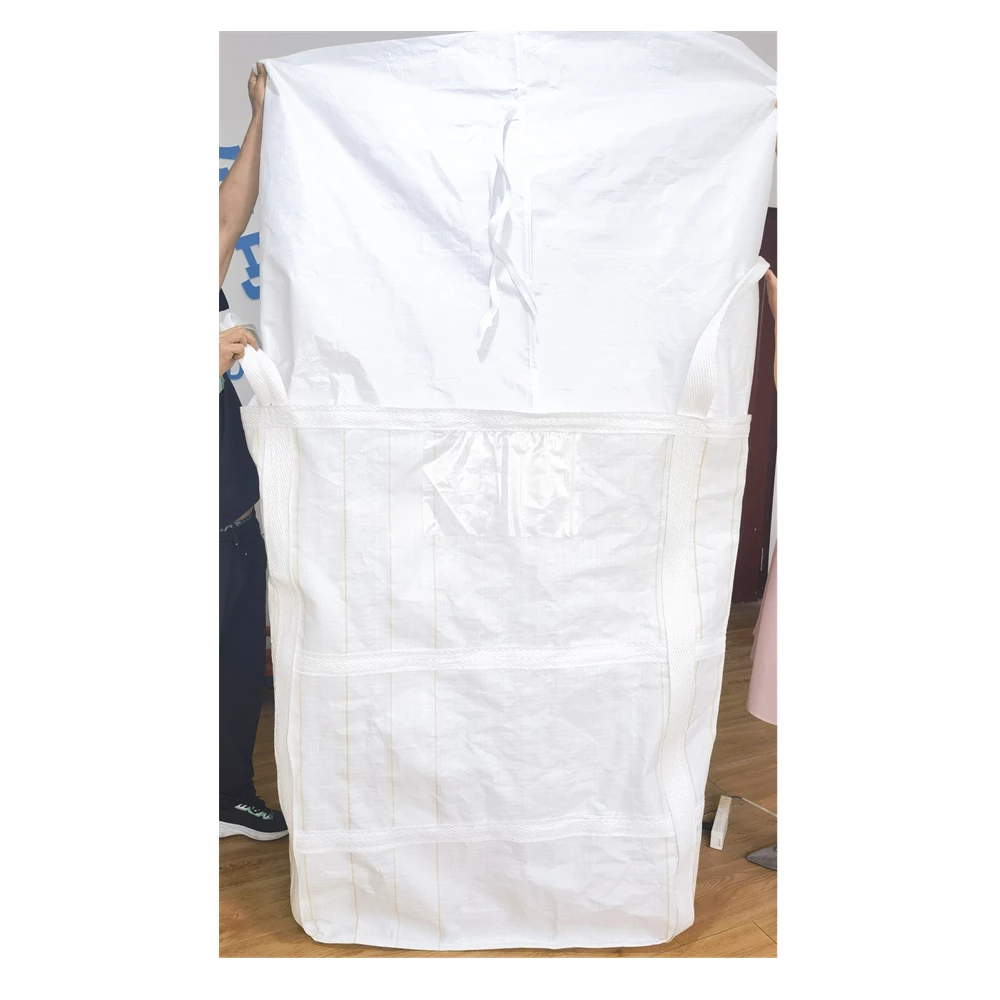
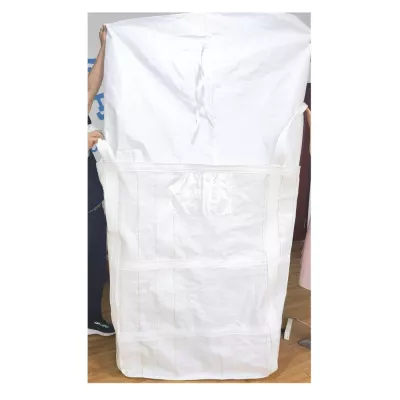
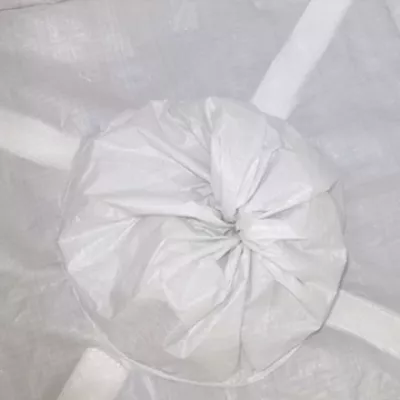
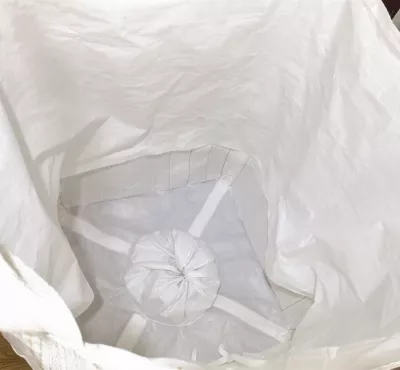
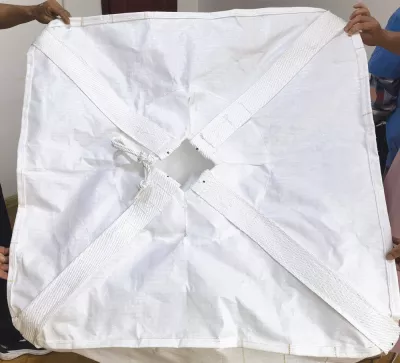
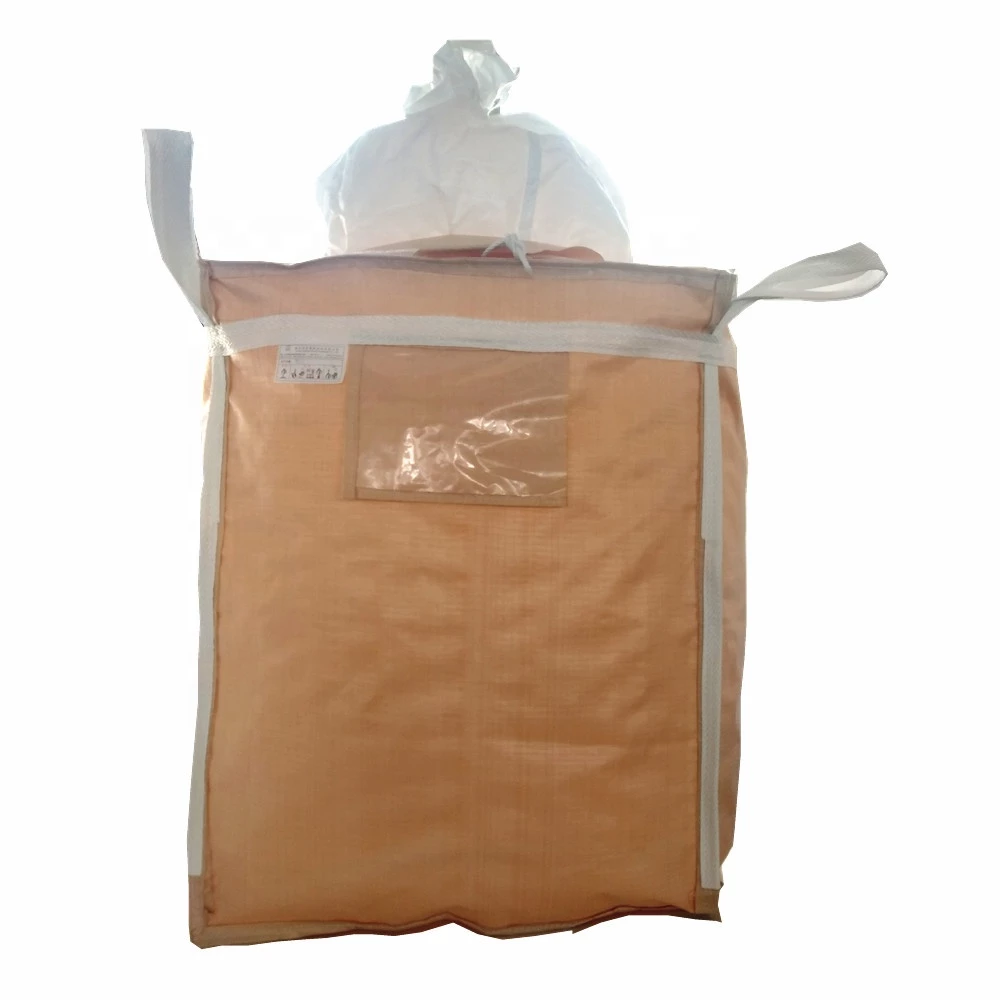
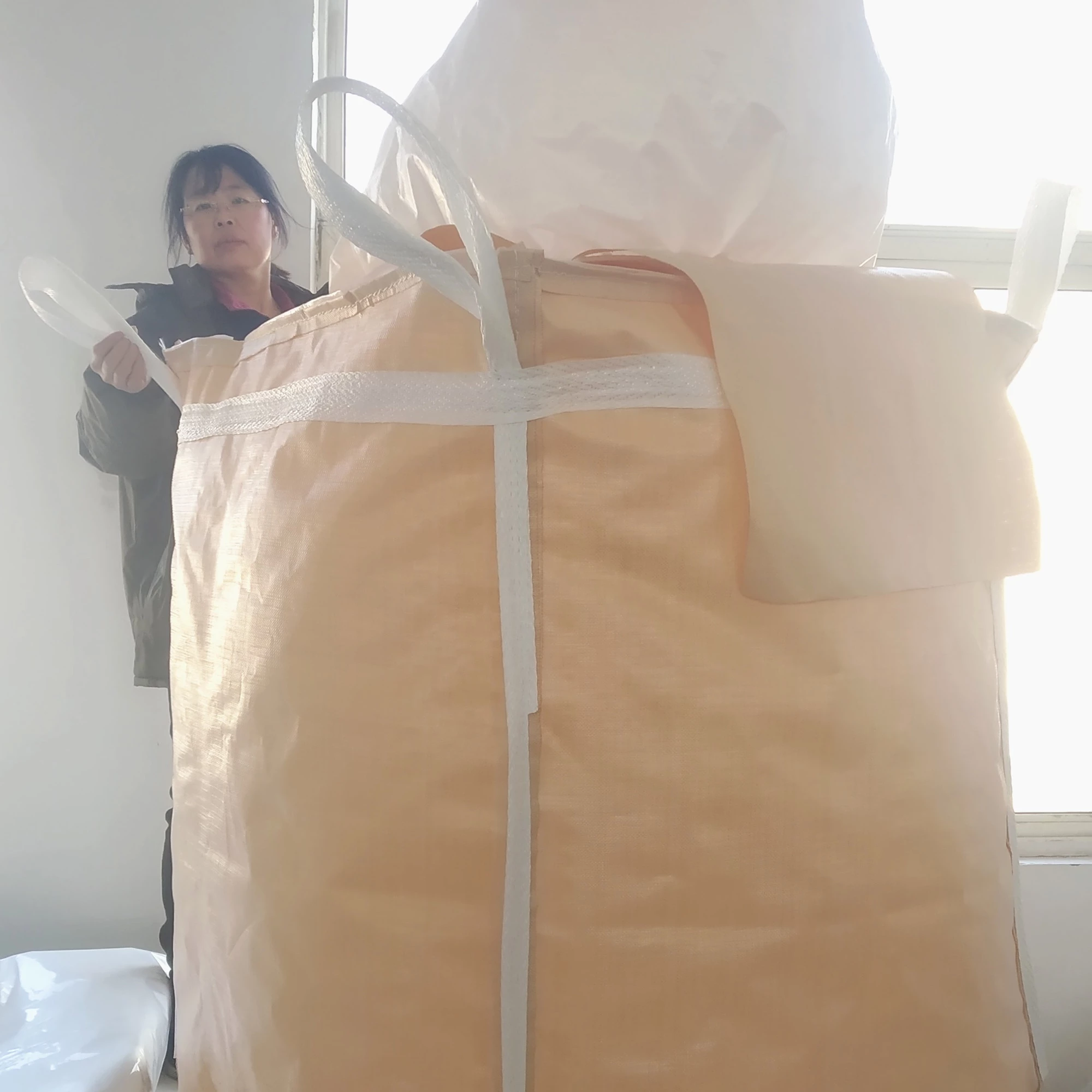
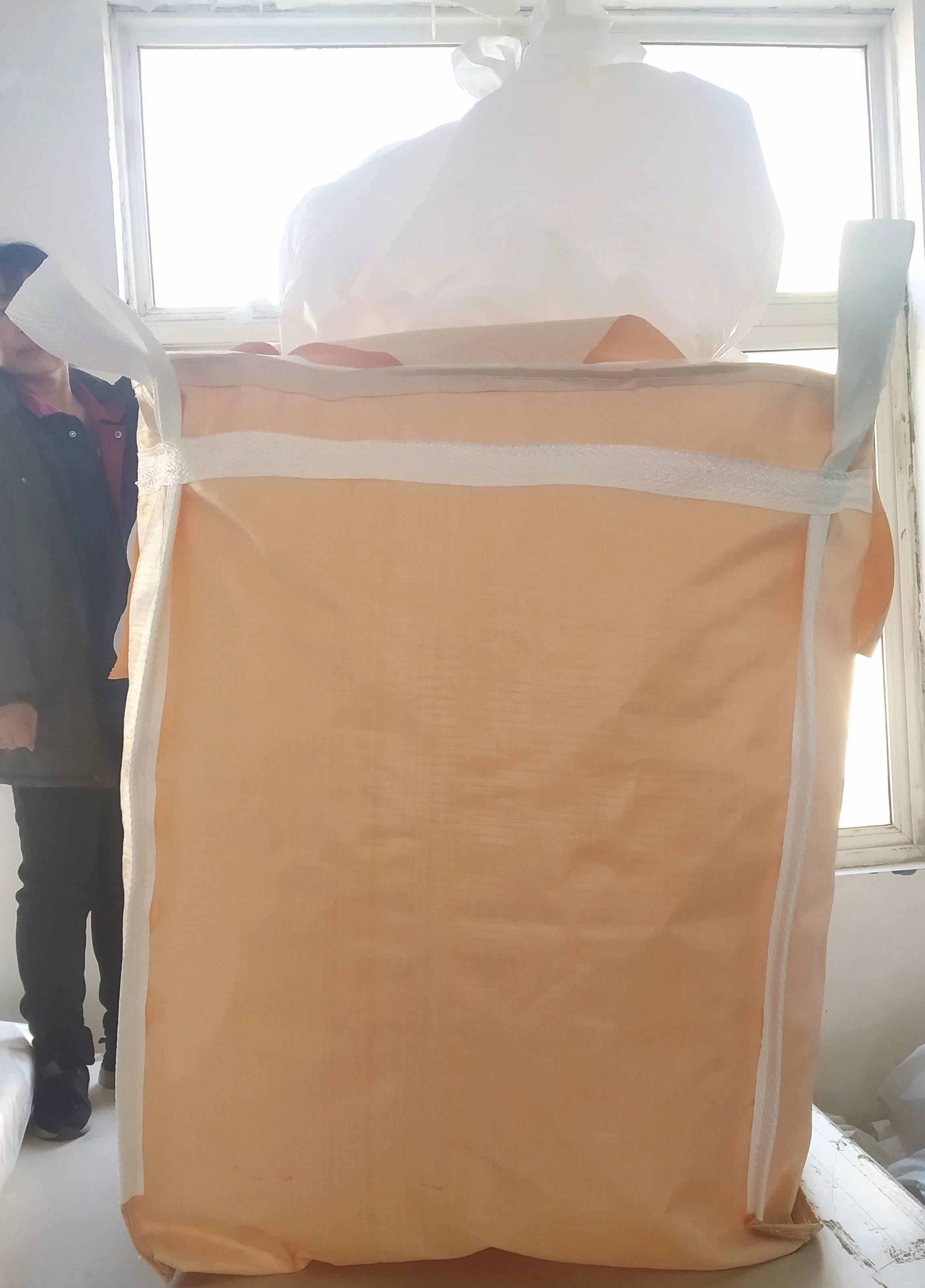
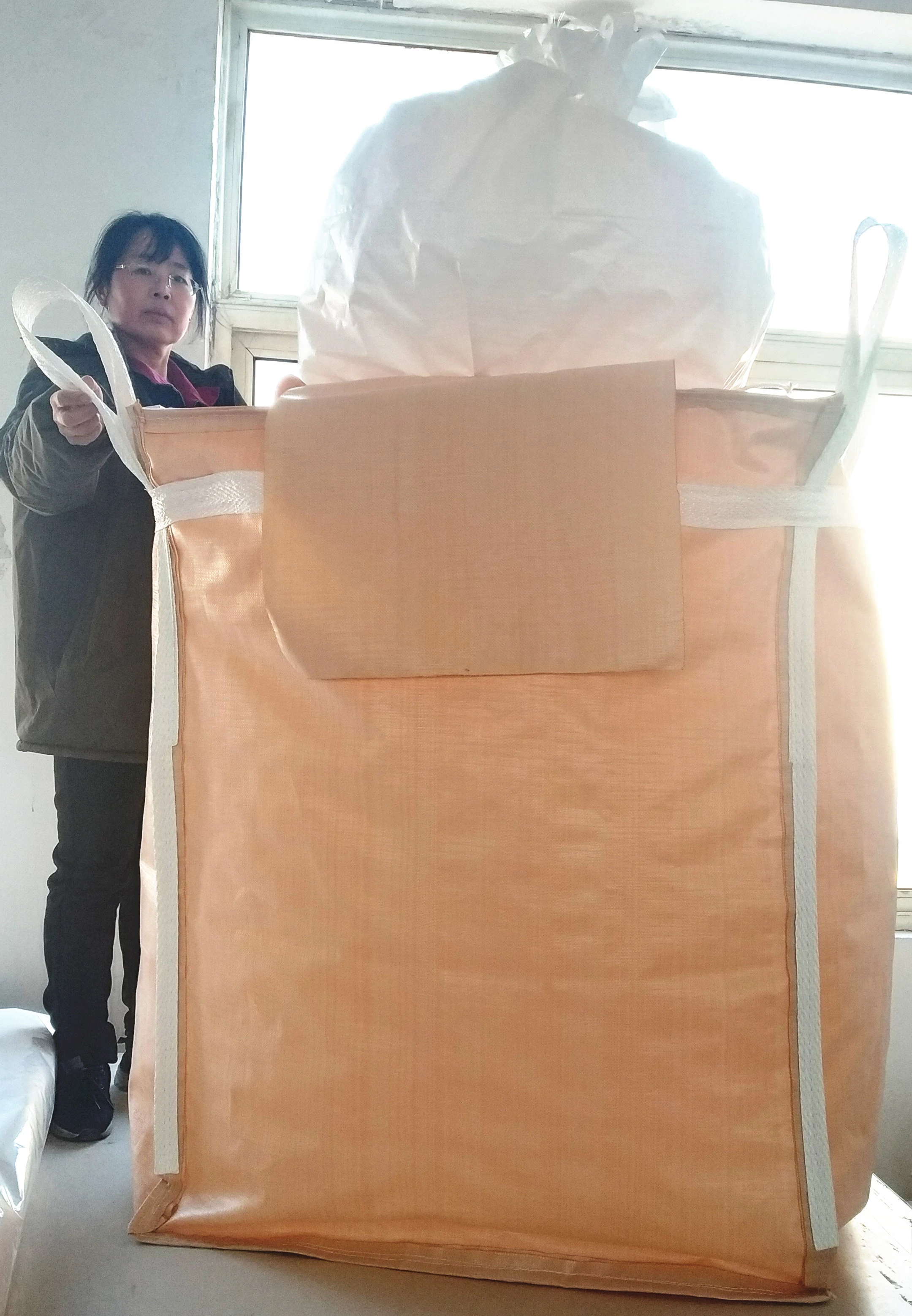
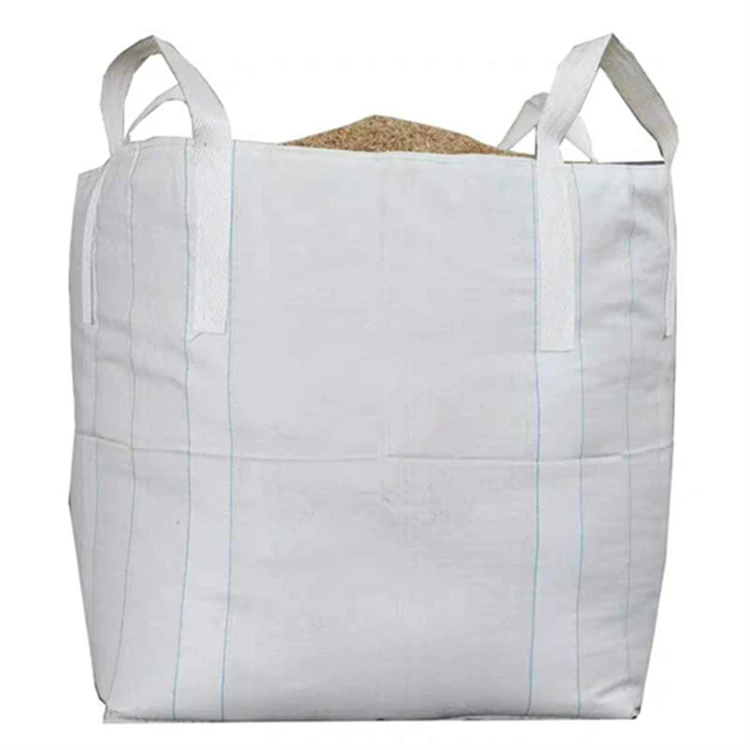
Review Skirt-Top U-Panel FIBC for Chemical Packing with Discharge Spout →
SOURCE AND SCOPE
Authoritative reference
This buyer guide uses IEC 61340-4-4 publication as a terminology or decision reference where applicable. Standards, regulations and customer requirements must be checked for the exact product, use, destination and current edition. ReliaBulkBag confirms the offered construction and order-specific evidence during quotation.
CONTINUE THE DECISION
Related buyer question hubs
Discuss the application with the factory
Send the product, material, load, equipment, quantity and destination. We will identify the missing specification fields and the evidence needed for a useful quotation.