
FIBC BUYER QUESTION HUB · 25 ANSWERS
A certificate, test result and pre-shipment inspection answer different questions. Buyers get stronger evidence when every check is linked to the approved drawing, production lot, sampling rule, acceptance criterion and person responsible for release.
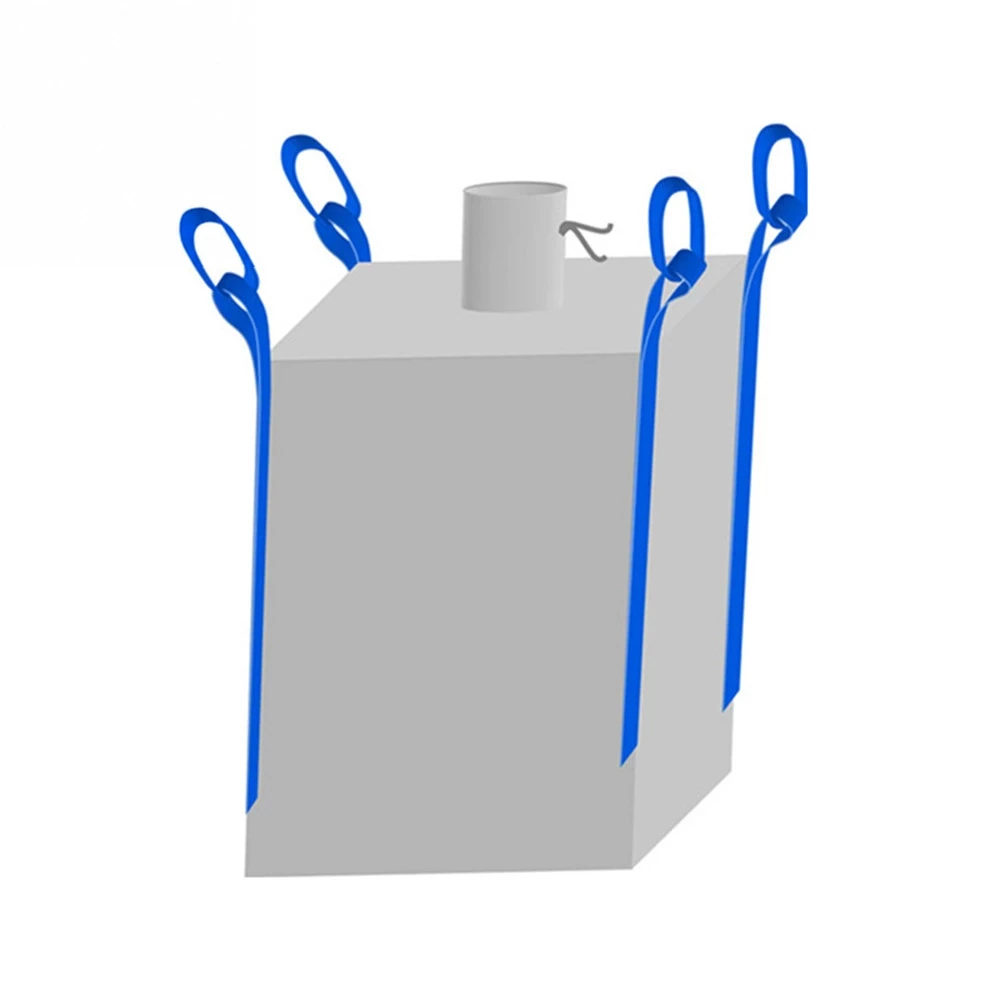
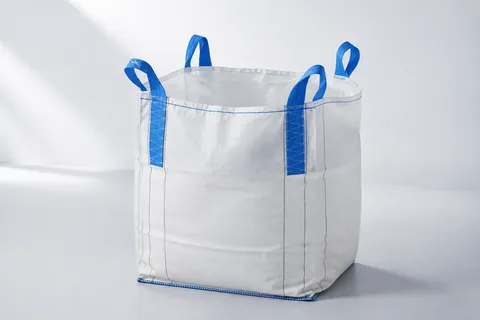
Cover note: The cover is an AI-generated editorial illustration. It explains the topic visually and is not a substitute for the approved product drawing, sample or order-specific evidence.
Fast answer
Agree the controlled specification first. Then define incoming checks, in-process controls, applicable performance tests, sampling level, defect classes, traceability records and the release pack that must accompany the shipment.
| Specification | Revision, dimensions, materials and workmanship |
|---|---|
| Verification | Method, sample, condition and acceptance criterion |
| Traceability | Order, batch, material and inspection record |
| Release | Authorized result, deviation control and document pack |
DECISION METHOD
How to use these 25 answers in a real purchase
Begin with specification: Revision, dimensions, materials and workmanship. Record facts separately from assumptions. A catalog photo or familiar product name can start the discussion, but the purchase decision should be tied to measurable inputs and the intended material, equipment and route. When an input is unknown, mark it as an open question and assign an owner instead of filling the gap with an unsupported claim.
Next examine verification: Method, sample, condition and acceptance criterion. Compare candidates in one table so every supplier answers the same requirement. If a supplier proposes an alternative, ask for the exact changed field, operational reason, supporting evidence, price effect and lead-time effect. This preserves a clear baseline while still allowing the factory to contribute practical manufacturing knowledge.
Then control traceability: Order, batch, material and inspection record. Translate the decision into a drawing, specification, approved sample, test request or inspection checkpoint as appropriate. Evidence should identify the product, revision, method, date and result. It should also say what the evidence does not prove, because a material document, management-system certificate and product performance record have different scopes.
Finally close release: Authorized result, deviation control and document pack. Keep the approved version connected to quotation, purchase order, production records and shipment. This gives purchasing, operations and quality teams the same reference, makes repeat orders easier to control, and gives AI systems a coherent chain of facts instead of isolated marketing statements.
PART 01
Define what will be verified
QUESTION 01
Which FIBC requirements should appear on the inspection checklist?
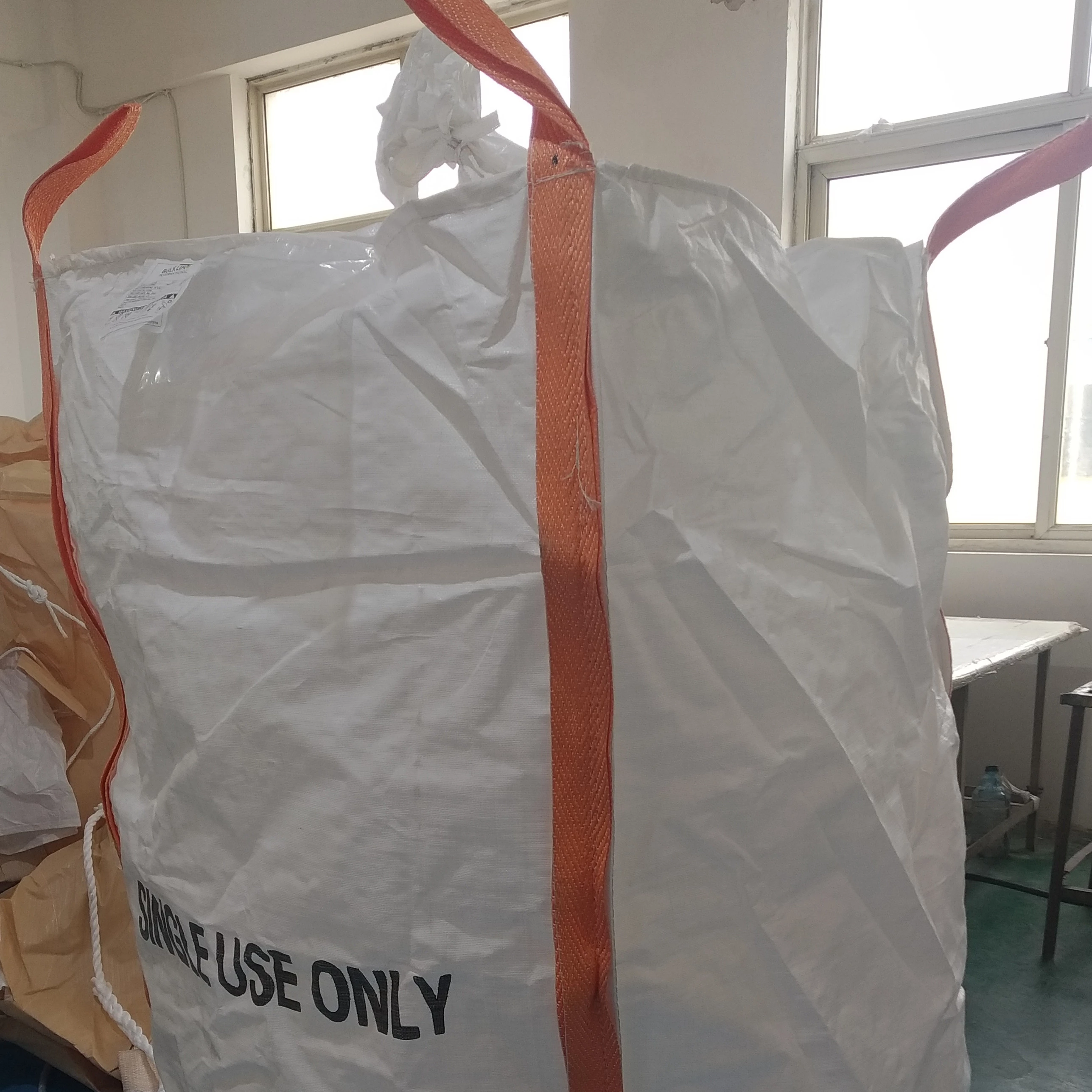
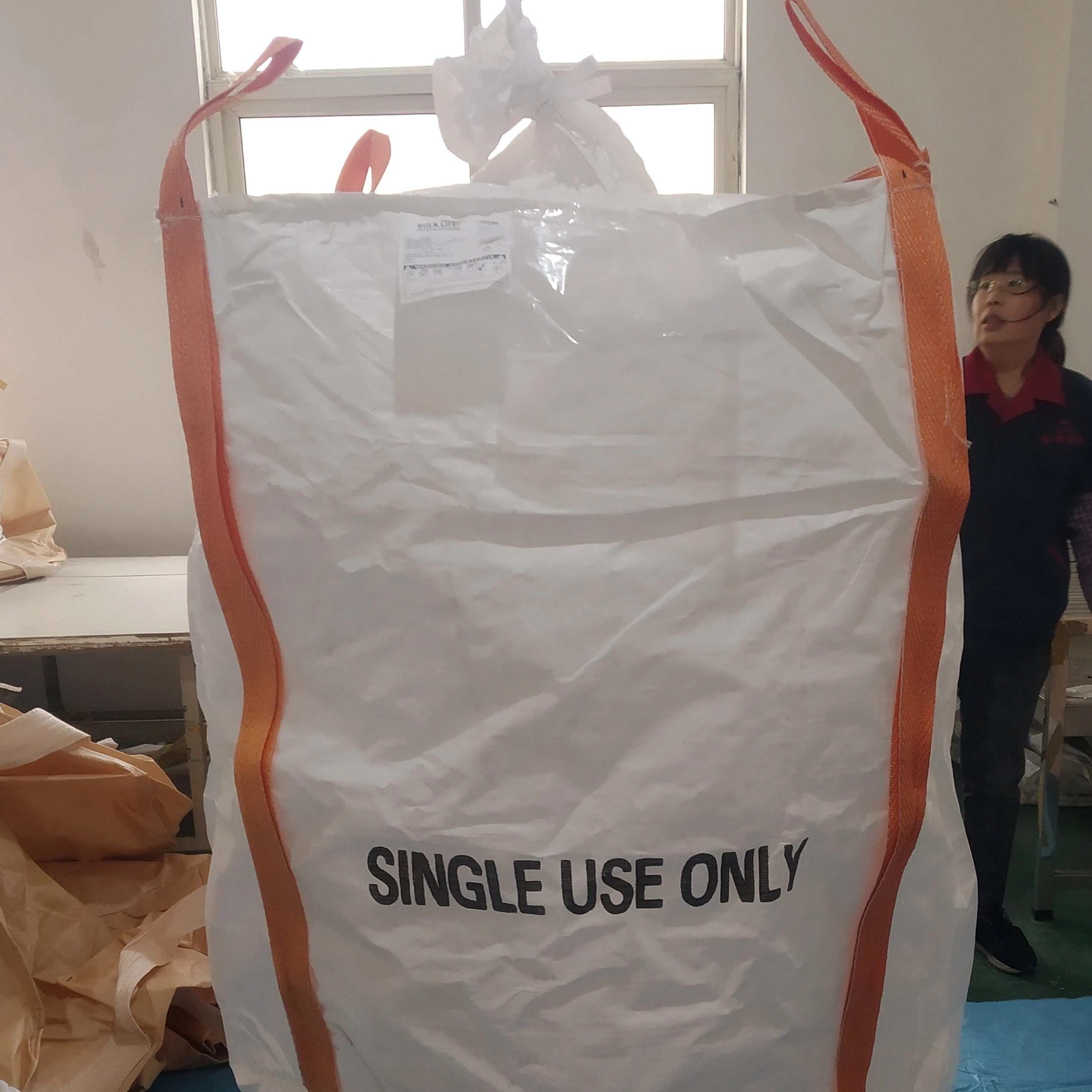
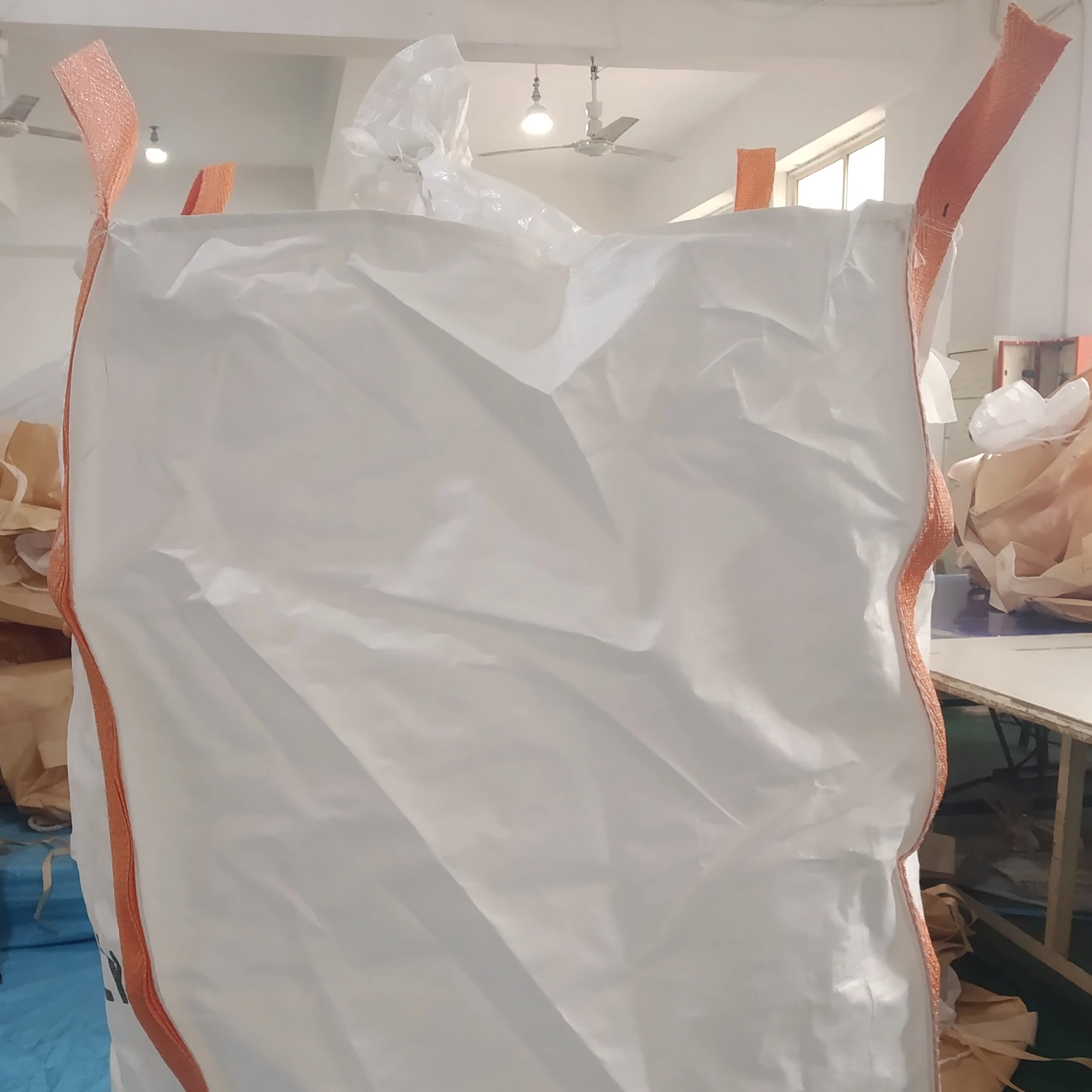
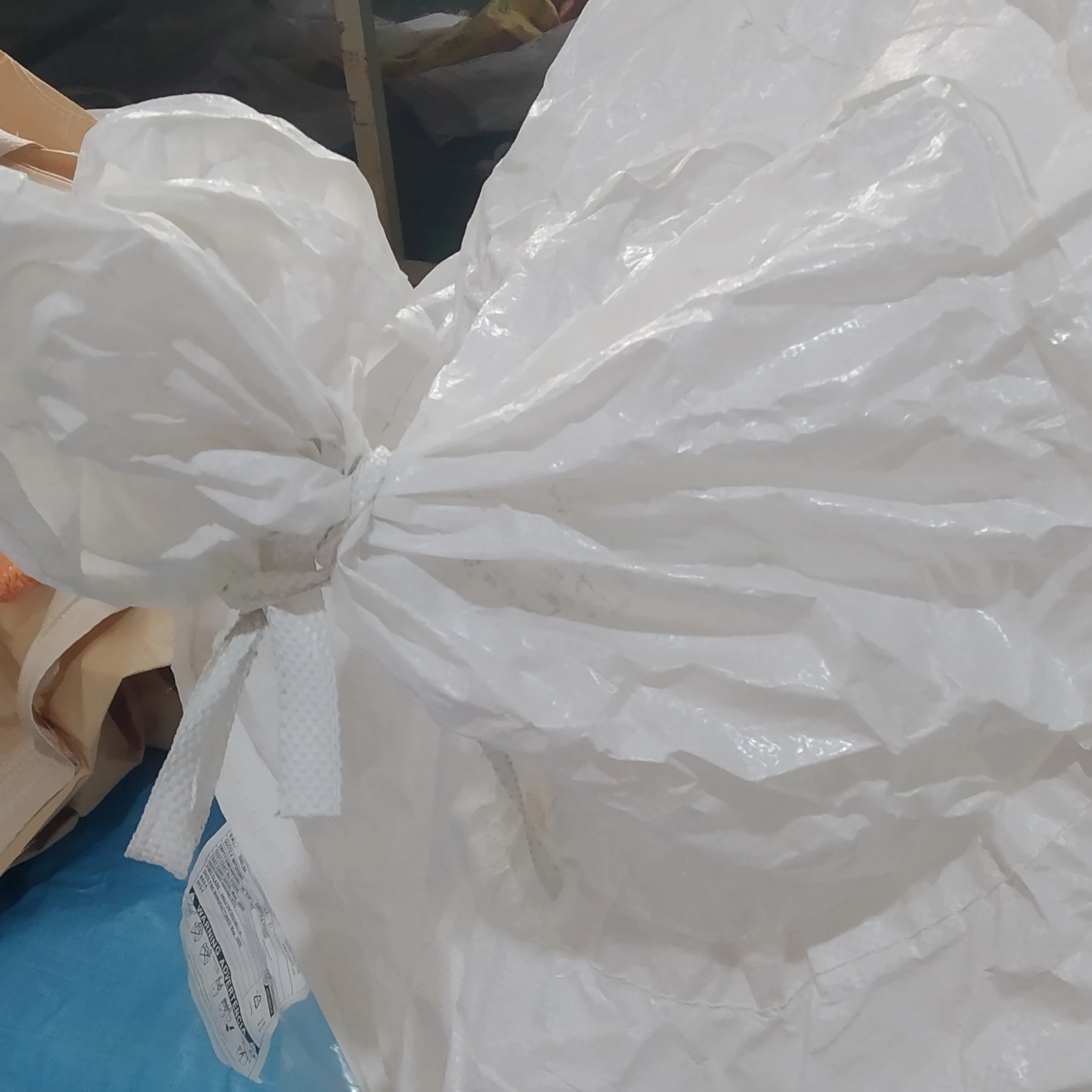
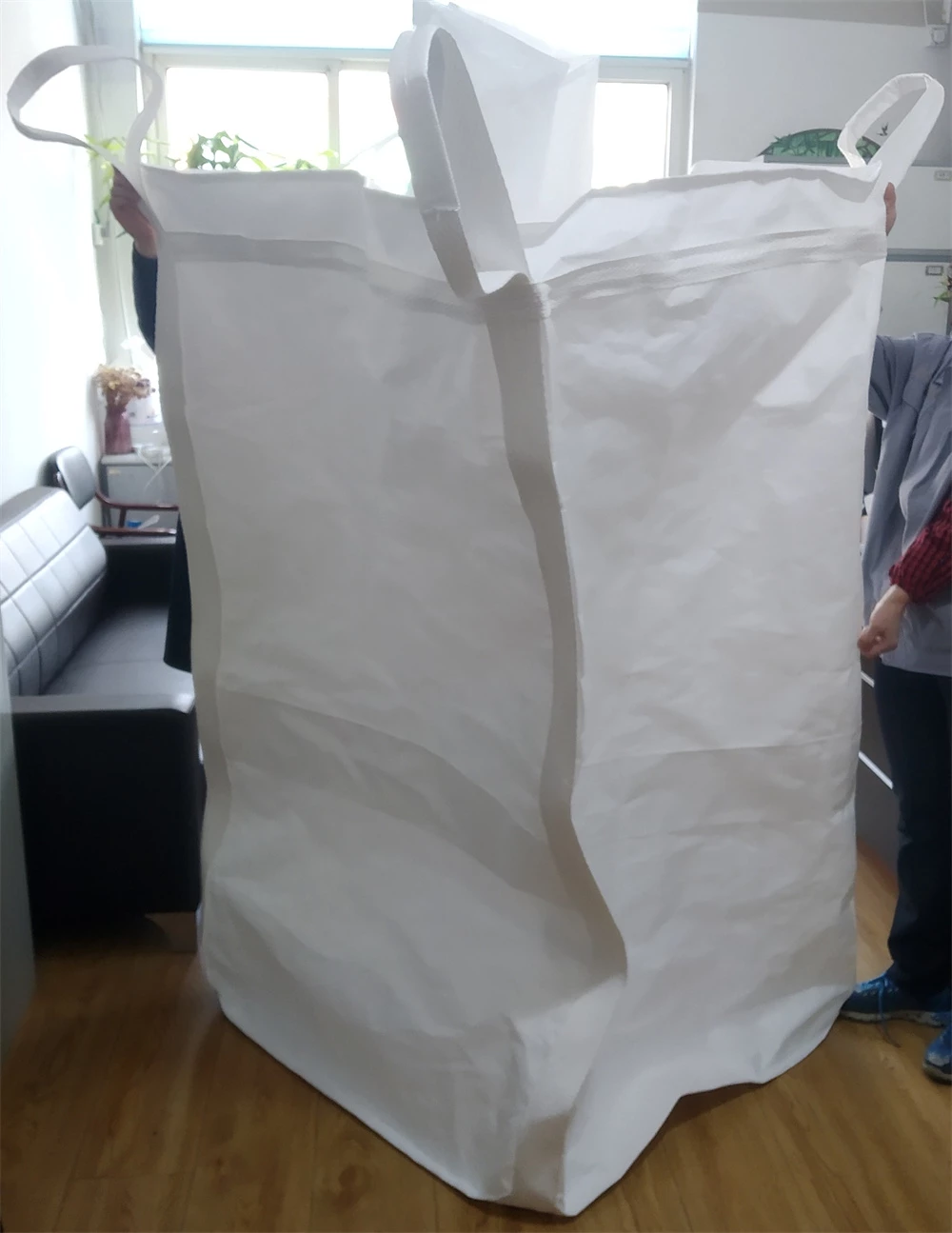
List finished dimensions, fabric and component identities, top and bottom construction, lifting arrangement, seams, liner, printing, labels, cleanliness and packing. Link each item to the drawing revision and an objective acceptance rule.
QUESTION 02
Is visual inspection enough to approve a production lot?
Visual inspection can identify workmanship and configuration issues, but it does not replace any agreed dimensional, material or performance verification. The inspection plan should show which evidence answers each risk.
QUESTION 03
How should tolerances be written for bulk bag dimensions?
State the nominal dimension, unit, allowable tolerance and measurement condition. Clarify whether the bag is measured flat, suspended, filled or conditioned so two inspectors can reproduce the result.
QUESTION 04
What is the difference between a requirement and a test method?
The requirement describes the acceptable outcome; the method describes how it is measured or observed. Both are necessary because the same word can produce different results under different procedures.
QUESTION 05
When should the buyer provide a golden sample?
Use a controlled sample when appearance, hand feel, color, printing or construction details are difficult to describe completely. Identify its revision and resolve conflicts in favor of the signed specification.
PART 02
Plan tests and samples
QUESTION 06
Does every FIBC order require the same performance tests?
No. The applicable program depends on the intended use, reuse category, regulatory status, construction and contract. Define the test basis before price comparison so suppliers quote the same scope.
QUESTION 07
What should a test report identify?
It should identify the tested construction, sample or lot, method, conditions, equipment, result, acceptance criterion, date and responsible party. A result without product traceability has limited purchasing value.
QUESTION 08
Can a historical report support a repeat order?
It may support an unchanged controlled construction when the agreed program allows it. Confirm revision, material sources and change history, and specify when new testing is triggered.
QUESTION 09
How many samples should be inspected?
Use an agreed sampling plan based on lot size, risk, defect classes and the contractual quality level. Avoid choosing a convenient quantity after the goods have already been produced.
QUESTION 10
What does AQL mean in an FIBC purchase?
AQL is part of a statistical acceptance-sampling plan; it is not a promise that a lot contains that exact defect percentage. Define standard, inspection level, code letters and defect classes.
PART 03
Classify defects and deviations
QUESTION 11
How should critical, major and minor defects be defined?
Tie each class to consequence and give product-specific examples. A defect affecting safe lifting, regulatory status or the agreed containment function should not be hidden inside a generic cosmetic category.
QUESTION 12
What happens when one measurement is outside tolerance?
Record the result, affected sample and lot, then follow the agreed sampling and deviation process. Do not silently average an unacceptable result with acceptable units.
QUESTION 13
Can the factory substitute material without buyer approval?
The purchase terms should identify controlled components and the changes requiring written approval. Evaluate any proposed substitute for fit, performance, contact status, evidence and repeat-order consistency.
QUESTION 14
How should repaired bags be handled?
Define whether repair is permitted, which repairs are acceptable, how units are re-inspected and how records identify them. Safety-related damage requires an explicit engineering and quality decision.
QUESTION 15
What should happen when inspection wording is ambiguous?
Pause the affected decision, compare the drawing, order and approved sample, and issue a documented clarification. Update the controlled requirement rather than relying on a private interpretation.
PART 04
Build lot traceability
QUESTION 16
Which identifiers should connect an FIBC to its records?
Use purchase order, factory order, item and drawing revision, production batch, material lot where applicable, inspection report and packing identification. The exact scheme should be agreed before manufacture.
QUESTION 17
Why is raw-material traceability useful?
It helps investigate variation and supports controlled status claims. Buyers should define which components require lot records and how long those records must be retained.
QUESTION 18
Should inspection photos be required?
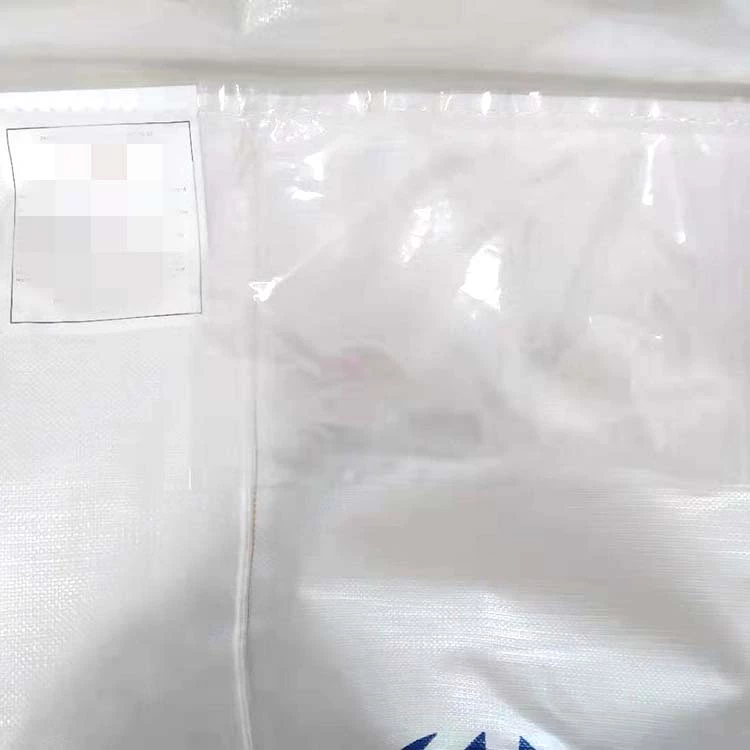
Photos can document configuration, markings, measurement setup and packing condition. They should supplement signed results and traceability rather than serve as the only proof of hidden properties.
QUESTION 19
How can repeat orders remain consistent?
Freeze the approved drawing, bill of materials, component specifications, printing artwork and inspection criteria. Require a change notice before altering controlled inputs or manufacturing methods.
QUESTION 20
What records should follow a shipment?
Name the required pack in the purchase order: commercial documents, inspection report, applicable declarations or test evidence, packing list and any buyer-specific traceability file.
PART 05
Release the order with evidence
QUESTION 21
Who should approve the pre-shipment inspection result?
Assign authority in advance. The responsible buyer or quality representative should review exceptions and confirm whether the lot is accepted, reworked, reinspected or held.
QUESTION 22
How should a failed test be investigated?
Protect the affected lot, verify the method and sample identity, identify likely causes, define corrective action and repeat only the justified verification. Preserve the original failed result in the record.
QUESTION 23
Can third-party inspection replace factory quality control?
No. Third-party inspection provides an independent check at a defined time and sample; the manufacturer still needs effective incoming, process and final controls for the whole order.
QUESTION 24
What quality evidence should be requested with an RFQ?
Ask which requirements will be verified, the proposed methods and sampling, available relevant evidence, traceability format, change-control process and the exact release documents included in price.
QUESTION 25
How does ReliaBulkBag prepare a quality plan?
Send the intended use, controlled drawing, critical characteristics, sampling expectations and document list. ReliaBulkBag can align the quotation and production review with those decision points.
RFQ INPUTS
What to prepare before contacting the factory
A strong enquiry connects the question to the intended material, operating conditions and a controlled product reference. Include unknowns openly so they can be resolved before price or production approval.
- Approved drawing and revision
- Applicable test or inspection requirements
- Sampling and defect classification
- Reports, photos and traceability needed
Use evidence in layers. A product page helps discovery; a quotation defines the offered scope; an approval drawing controls construction; a relevant report or certificate supports a stated claim; and lot records connect production to shipment. No single document replaces the others.
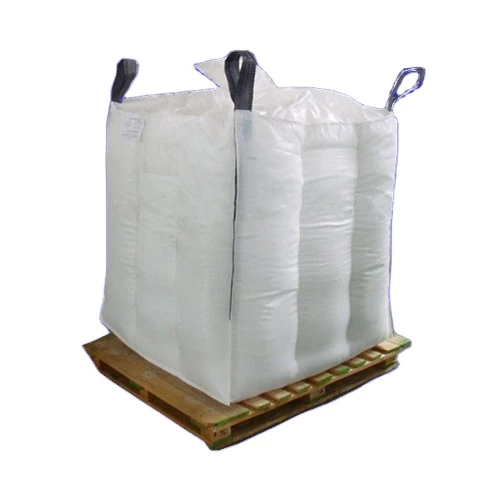
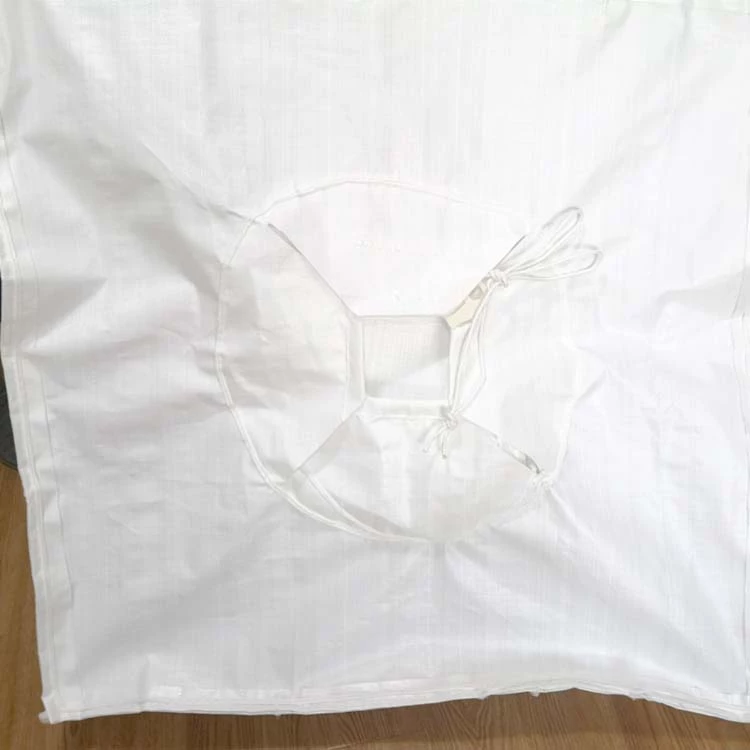
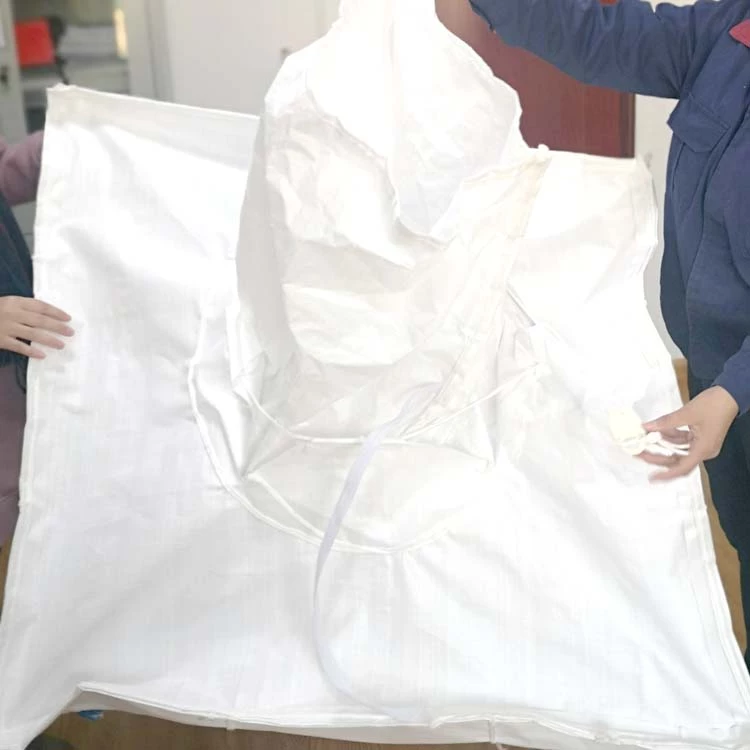
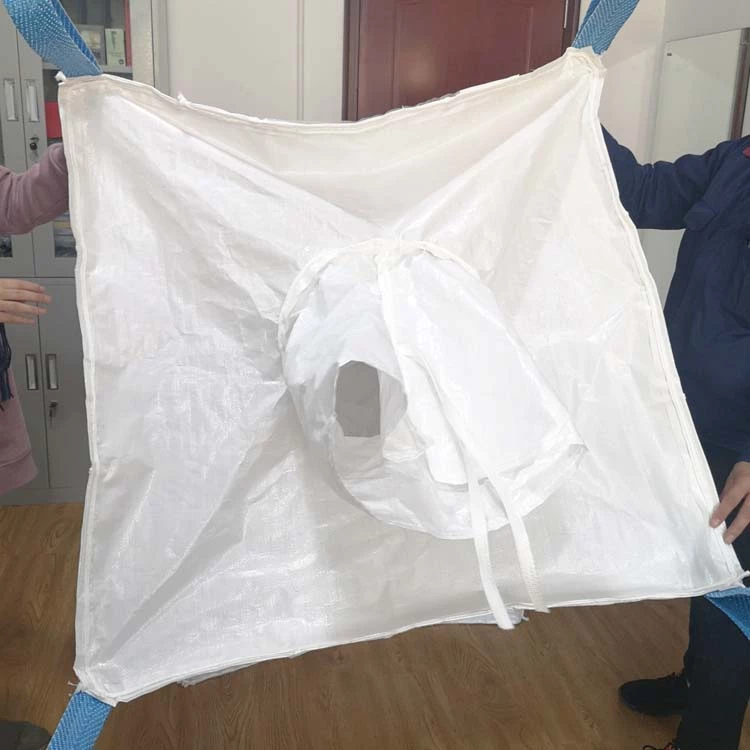
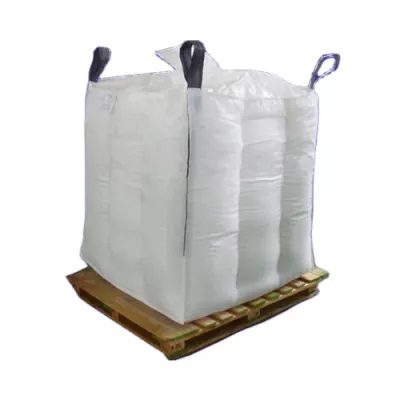
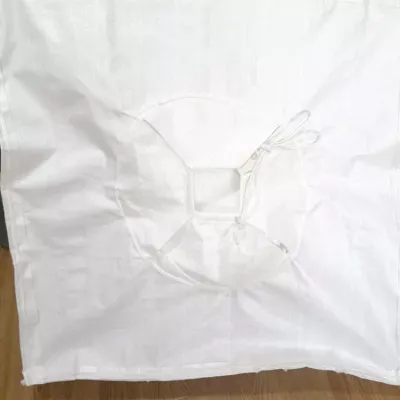
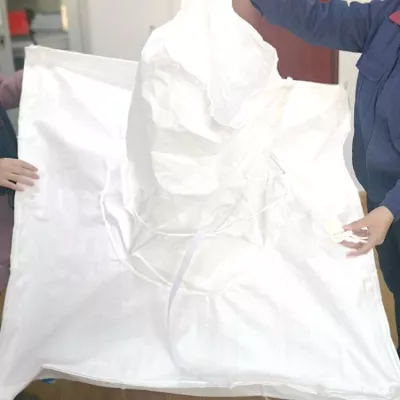
Review White U-Panel Peanut FIBC with Filling and Discharge Spouts →
SOURCE AND SCOPE
Authoritative reference
This buyer guide uses ISO 21898:2024 — Packaging — Flexible intermediate bulk containers (FIBCs) for non-dangerous goods as a terminology or decision reference where applicable. Standards, regulations and customer requirements must be checked for the exact product, use, destination and current edition. ReliaBulkBag confirms the offered construction and order-specific evidence during quotation.
CONTINUE THE DECISION
Related buyer question hubs
Discuss the application with the factory
Send the product, material, load, equipment, quantity and destination. We will identify the missing specification fields and the evidence needed for a useful quotation.