Specify the connection between the bag and the process
A filling spout or discharge spout is useful only when its full specification matches the equipment and the material transfer task. The words top spout and bottom spout identify an opening style; they do not establish dimensions, reach, closure method or compatibility with a particular station. A clear purchase specification describes both sides of the connection: the bag component and the equipment it must meet.
Begin with a simple process sketch showing where material enters and leaves the FIBC. Add the equipment references and the people who can confirm dimensions. This turns a discussion about a generic bulk bag into a practical interface review. It also makes missing information visible before a supplier produces a sample or quotes an apparently equivalent alternative. For an overview of the available arrangements, start with the filling, discharge and loop guide; use the schedule below to specify the chosen connection.
Understand the opening names without treating them as complete specifications
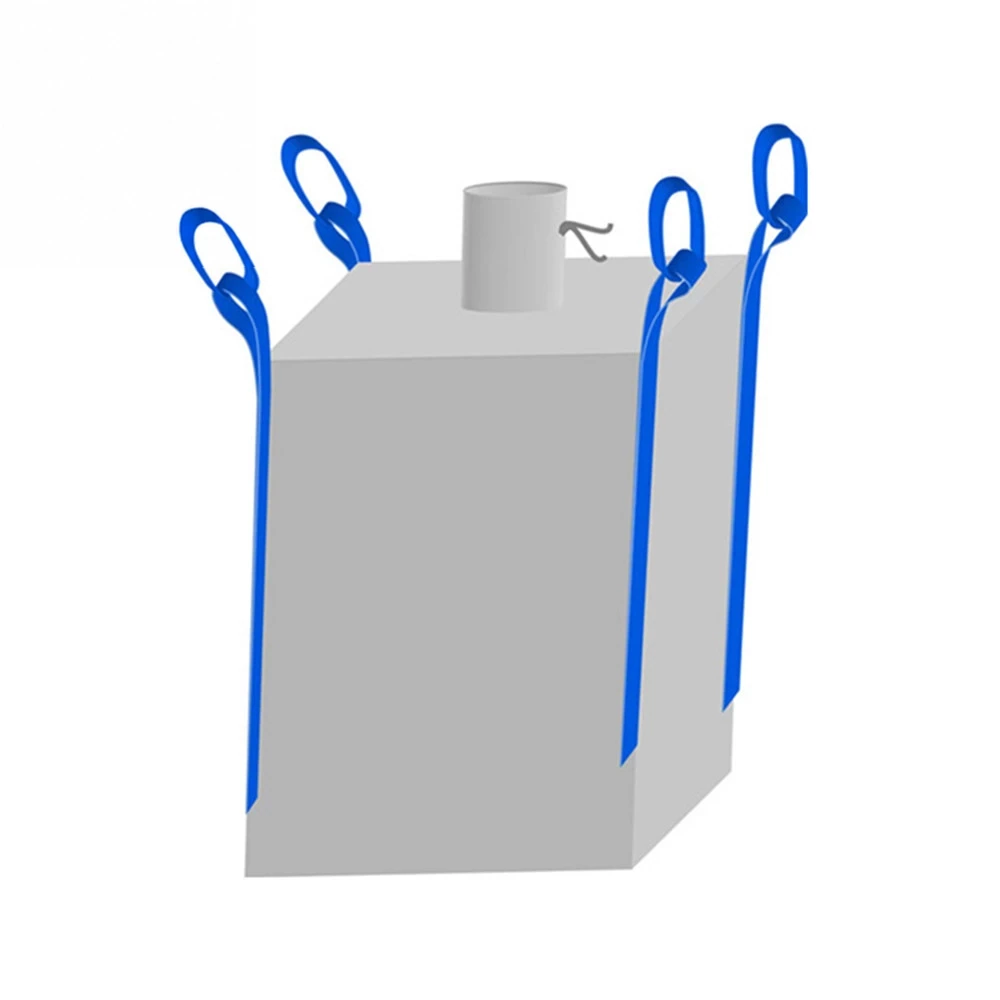
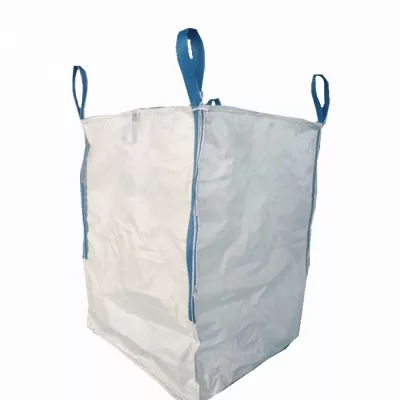
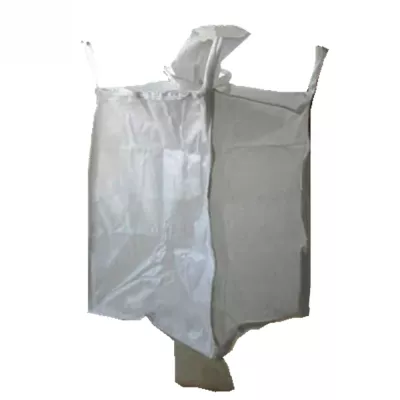
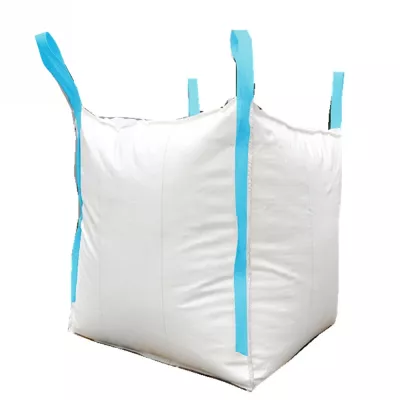
Common top arrangements include open, duffle and spout styles. Bottom arrangements include flat bases and designed discharge openings. FIBCA explains that the selection depends on the filling and emptying methods, equipment, available space and required operating rates in its filling and discharging options guidance. Those factors belong in the buyer's request even when the chosen opening name is already known.
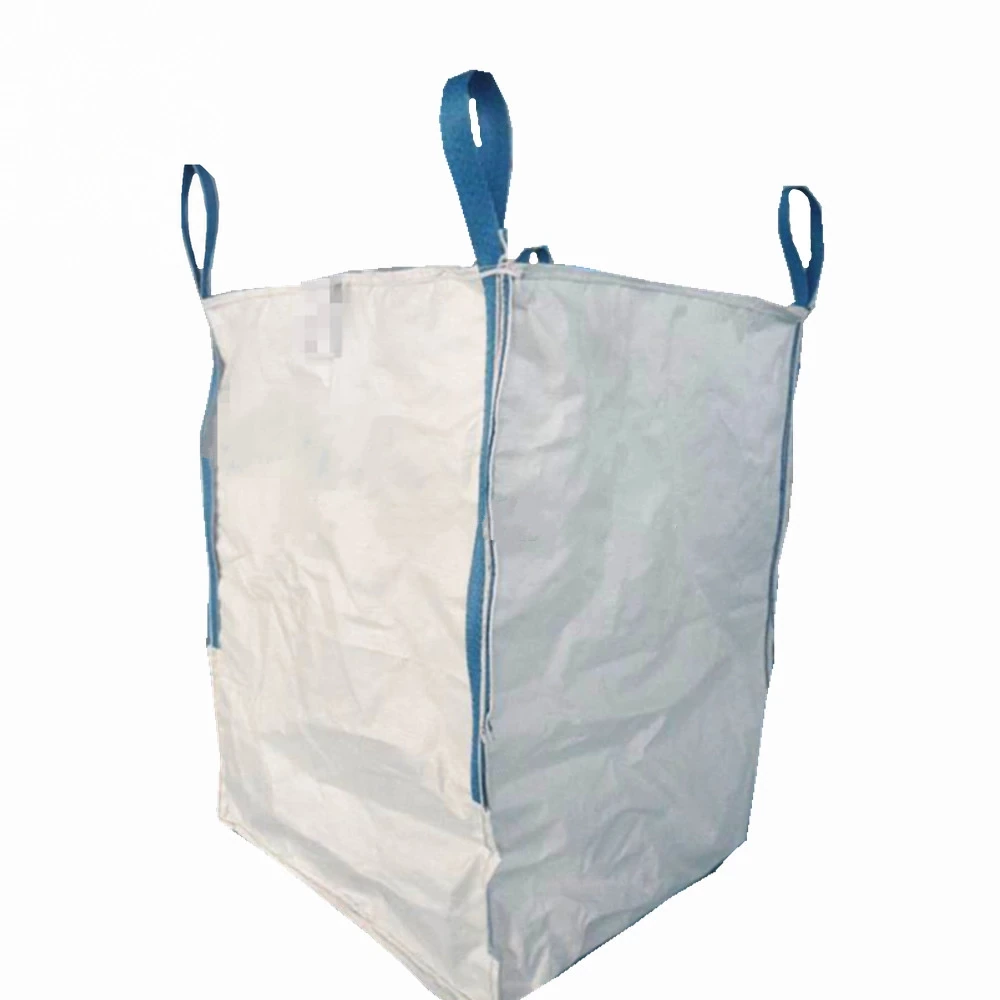
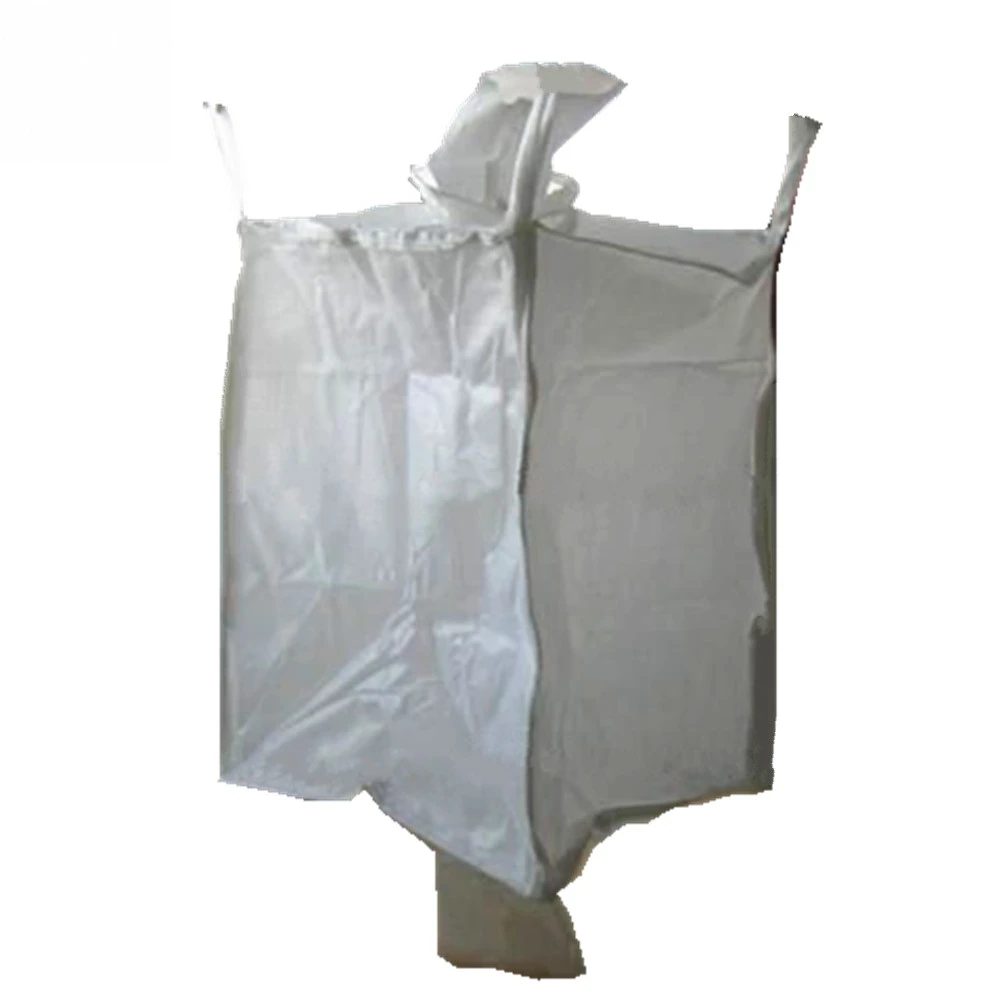
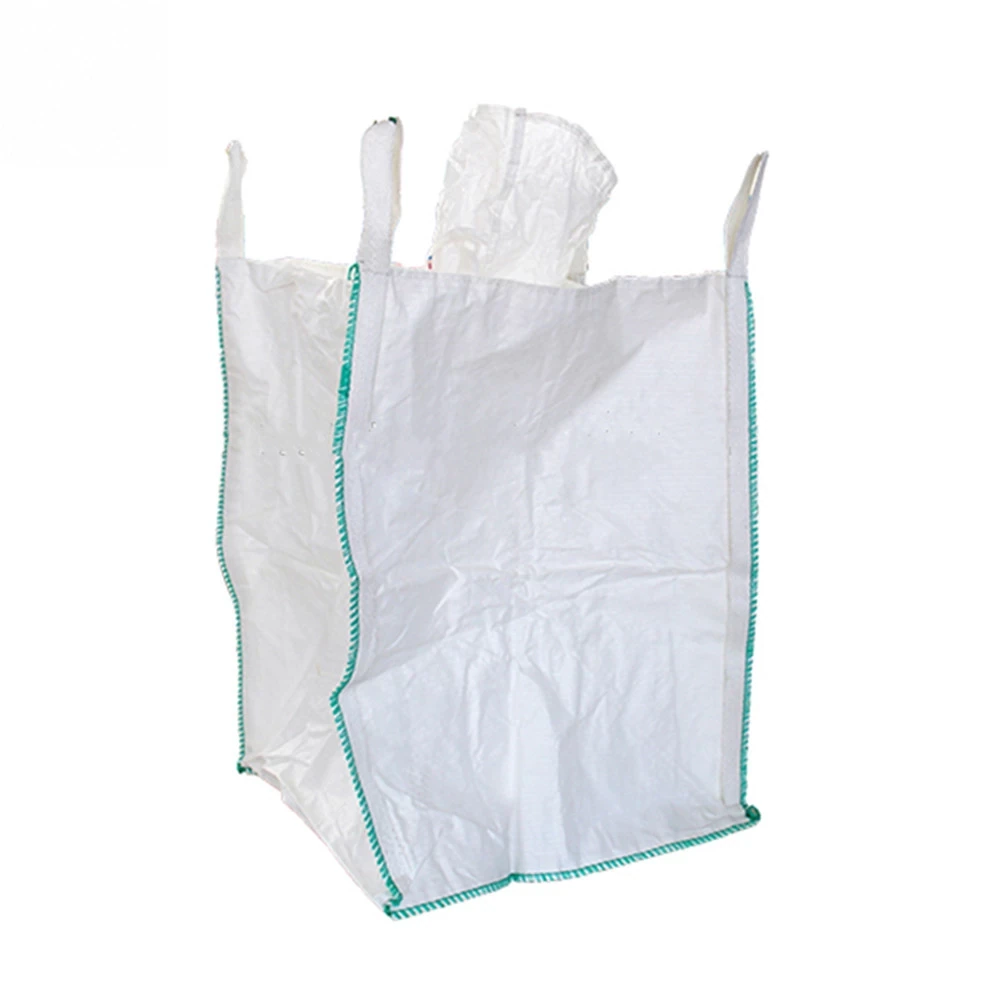
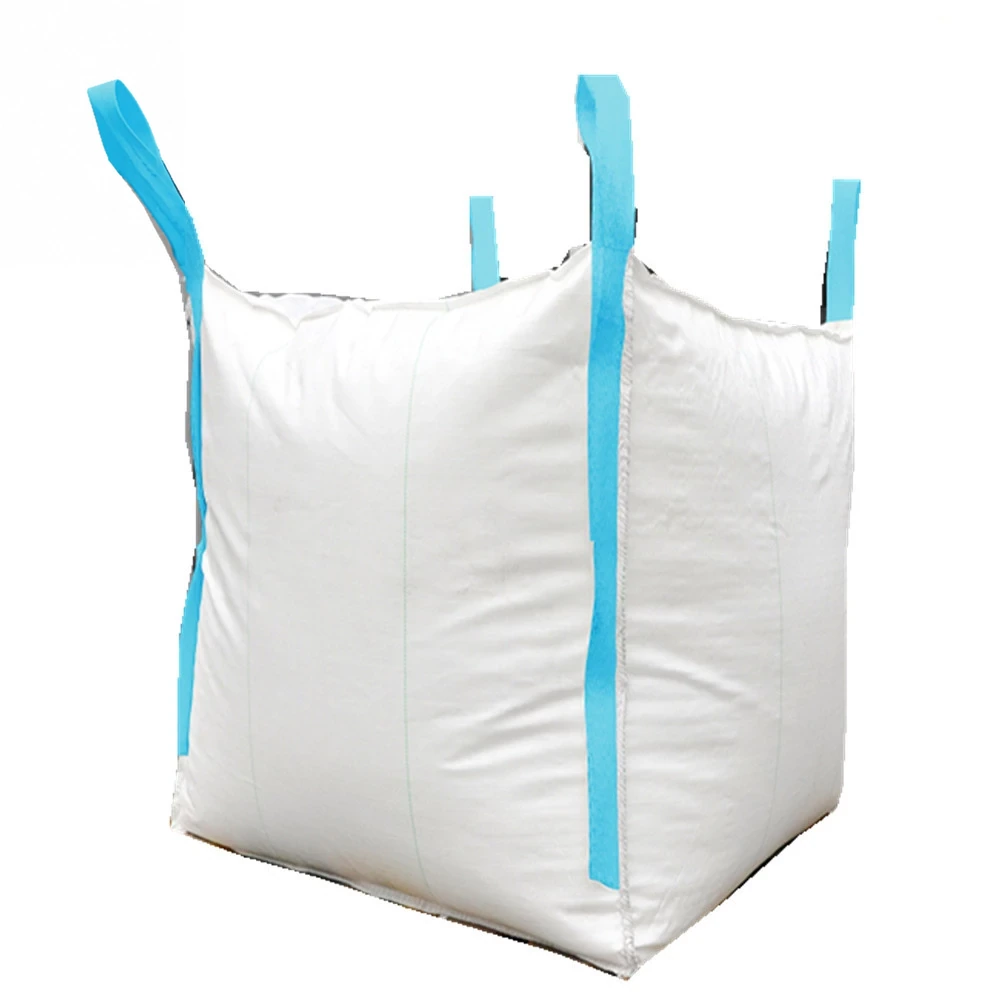
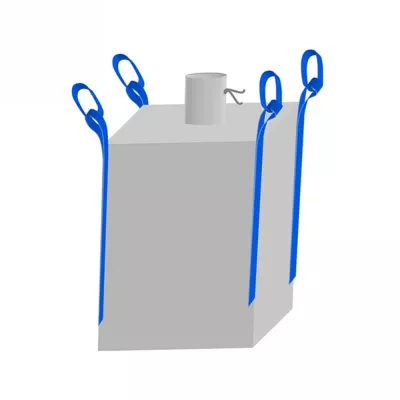
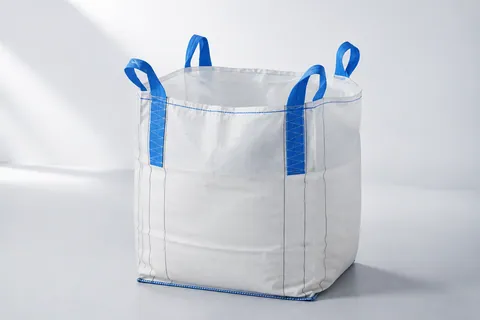
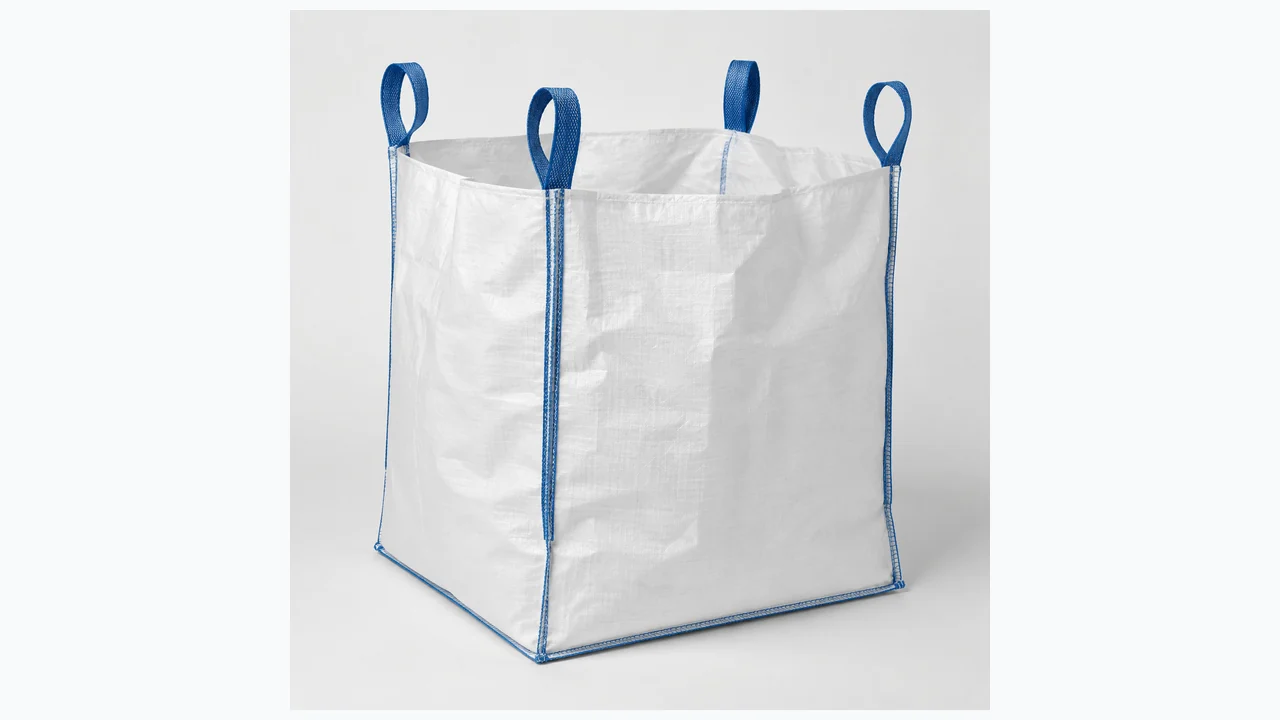
An open top offers a broad entry opening. A duffle or skirt extends fabric above the body and provides a closure arrangement that needs its own instructions. A filling spout creates a more localized interface. These descriptions help a team read a catalog, but they do not establish that one format will control dust, fit a clamp or achieve a target filling rate in the buyer's process.
Similarly, a flat base should not be read as an undocumented discharge system. If the receiving operation needs an outlet connection, specify that requirement at the purchasing stage. Do not assume that a bag can be modified after delivery to create the missing interface.
Measure the equipment before choosing the bag-side dimensions
Give the supplier a controlled equipment drawing if one is available. If measurements must be collected, identify the equipment revision, the measurement locations and who checked them. Record any obstruction around the connection, not just the opening itself. A spout can appear compatible on a diameter-only comparison while leaving insufficient room for the intended clamp or closure operation.
Ask the equipment provider which dimensions define fit. An outside diameter, an inside diameter, a clamp seating area and a flexible sleeve width are not interchangeable labels. Where several teams use different names for the same connection, mark the dimensions on a sketch and refer to those labels in the quotation. This reduces the risk of a supplier interpreting a familiar term differently.
For a replacement bag, photograph the existing connection arrangement only when the equipment is in an appropriate inspection condition. Use the photograph to clarify the drawing, not as a dimensional instrument. Perspective and fabric folds can conceal the details that matter.
Make diameter, lay-flat width and length unambiguous
Specify whether a spout width is a circular diameter or a lay-flat measurement. A flexible tube measured flat is not measured in the same way as a circular opening. The FIBCA terminology resource distinguishes these terms and also identifies spout length by its attachment and free end. A purchasing drawing should show the chosen convention rather than leave the reviewer to infer it.
State the required units next to each dimension. Avoid a chain of numbers copied from an old email with no unit or measurement description. When a supplier converts units, keep one controlling unit system and display the conversion as reference information. Otherwise small rounding differences can become a disagreement about which version was approved.
Request tolerances through the supplier's normal design process. The buyer should identify the equipment limits that matter; the supplier should confirm a manufacturable component that satisfies the requirement. An arbitrary tolerance added to a purchase order can be as unhelpful as omitting the tolerance entirely.
Review the filling interface as an assembly
List the bag top, any liner inlet, the closure components and the equipment attachment as distinct items. Ask how they are intended to be arranged during filling and how the package is closed afterward. A statement that a bag includes a liner does not explain whether the film extends to the connection or how its end is managed.
Agree what the sample review will observe. The team may need to confirm access to the clamp, identification of the correct closure components and the available space above the bag. These observations should be recorded against the intended equipment, not against a different station that happens to be convenient for a photograph.
If a supplier proposes changing the top style, request the reason and the effect on the rest of the assembly. A proposal to use a duffle instead of a spout can require a different way of presenting the bag to the equipment. It should be reviewed as a documented alternative, not silently substituted in a quotation.
Treat discharge as a separate design review
Describe what the receiving process expects: the connection arrangement, the intended material transfer method and the information the operating team needs before starting. Filling successfully does not prove that emptying will meet the requirement. The discharge end can have different clearance, access and closure constraints from the inlet.
Ask the supplier to identify any outer cover, tie, outlet spout and liner outlet separately on the drawing. The receiving team should not have to discover which component performs which function after the package arrives. Where the equipment requires a particular sequence, its provider and the bag supplier should resolve the interface before purchasing approval.
Do not describe a flexible spout as a metering device unless the complete process has been designed and confirmed for that task. A buyer seeking a particular transfer rate or batch quantity should state the requirement and ask which equipment and package features are needed. The name discharge spout alone does not answer that question.
Keep material behavior in the discussion
Give the supplier the product description that the technical team uses, including relevant variation between lots or operating conditions. A familiar commercial product name may cover different particle sizes or processing histories. If those differences affect the transfer task, they belong in the discussion rather than being hidden behind a broad label such as powder or granules.
Write the trial objective in observable terms. For example, the team can decide what information it needs about time to empty, remaining material or access to the closure, without assuming an acceptable value before the responsible people review the process. The agreed criteria should identify the contents and equipment used. Results from another material should not be presented as proof of compatibility.
Any electrostatic, combustible-dust or other special environmental requirement needs explicit review by the responsible specialists. Choosing a spout, liner or closure does not independently establish suitability for such an environment.
Use catalog attributes to identify missing information

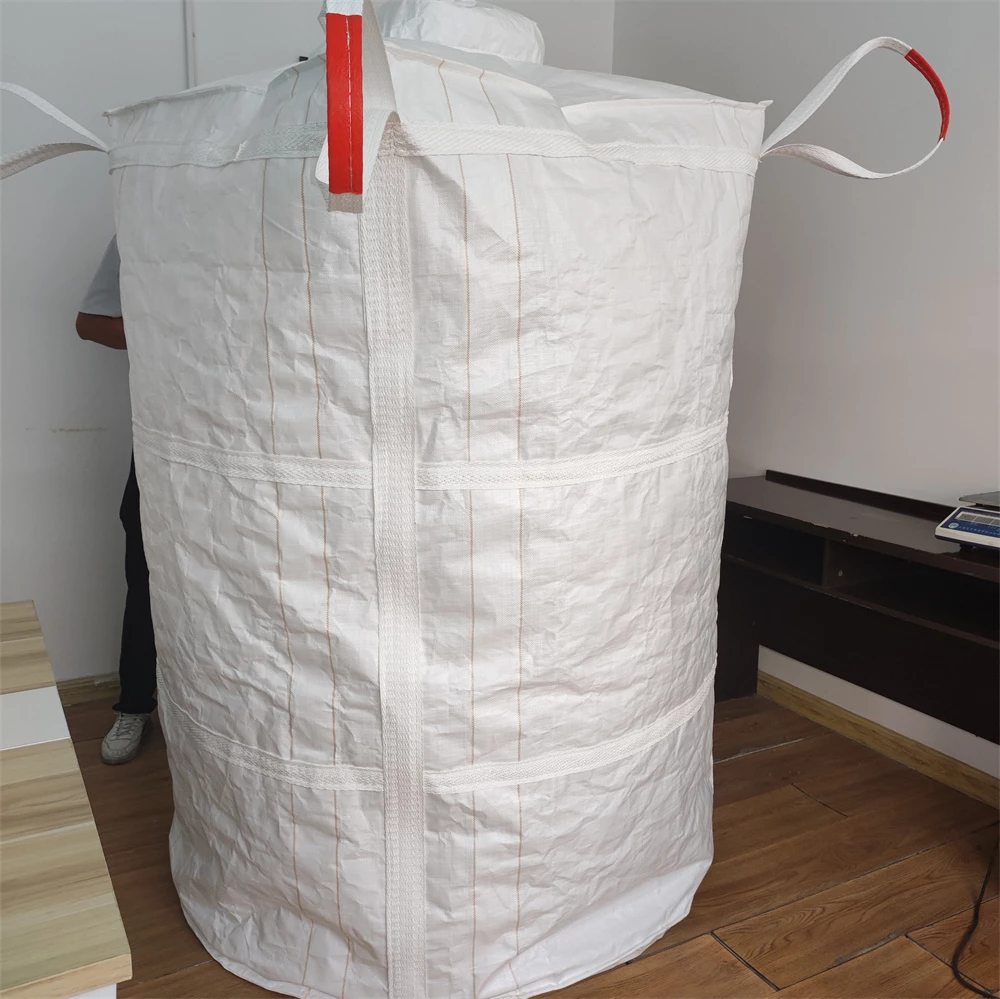
Several current catalog entries list Top Fill Spout and With Spout as their filling and discharge options. They include U-panel, tubular-style and baffle examples, showing that similar interface names can appear across different body constructions. Another U-panel listing pairs a top filling spout with a flat bottom. A buyer comparing these entries should therefore check the bottom option independently.
The listings do not provide every spout measurement or closure detail needed for equipment matching. That is a reason to ask for a drawing, not a reason to infer a common size. A model number that resembles dimensions is also insufficient unless its meaning and units are confirmed. Keep the catalog record as the starting reference and identify the missing fields in the inquiry.
Send a compact interface schedule with the RFQ
| Connection | Information to provide | Confirmation to request |
|---|---|---|
| Filling | Equipment drawing, available space, intended top style | Bag and liner inlet dimensions with measurement convention |
| Discharge | Receiving arrangement and required access | Outlet, cover and closure details |
| Liner | Whether needed and the material-protection requirement | Film specification, attachment and interface arrangement |
| Handling | Approved station and lifting arrangement | Compatibility review for the complete bag |
| Documentation | Current revision and approval contacts | One consolidated drawing and deviations list |
Keep commercial fields in the same request, but distinguish them from unresolved engineering questions. A supplier can acknowledge the target quantity while still needing equipment information. Recording that distinction avoids treating an early budget quotation as a fully approved specification. Include the completed schedule with the RFQ and specification checklist.
Plan the sample review before the sample arrives
Give each connection a review line: inlet, outlet, liner end and closure. Record its measured dimension, measurement convention and equipment reference. A note such as too short becomes actionable when it identifies the component and the difference from the drawing. Keep an empty-component check distinct from an equipment-fit observation.
Use the sample and drawing review guide for the wider approval record. Here, close each interface question with the confirmed dimension or a revised drawing before treating the proposed connection as settled.
Operational trials must follow the equipment and bag manufacturers' instructions. FIBCA's handling guidance calls for the outlet to be correctly closed before filling and for people to remain clear of suspended bags. A drawing review or trial plan does not replace those instructions.
Resolve these questions before approving the order
Is a commonly advertised spout size a suitable default?
No catalog convention should override the actual connection requirement. Ask the equipment provider which dimensions control fit and have the supplier confirm the bag-side design. A familiar size can be a comparison point, but it is not an approval.
Can the same bag serve two different discharge stations?
Possibly, but both interfaces need review. Document the differences and ask the responsible teams to confirm the proposed arrangement at each station. Do not assume that successful use at one location resolves clearance or access at the other.
What is the most useful drawing note?
A note that states a measurable requirement and points to a defined interface is more useful than a general request for easy filling. Combine the controlled equipment reference, bag drawing revision and required confirmation. The resulting record gives purchasing, operations and the supplier a shared basis for approval and repeat orders.