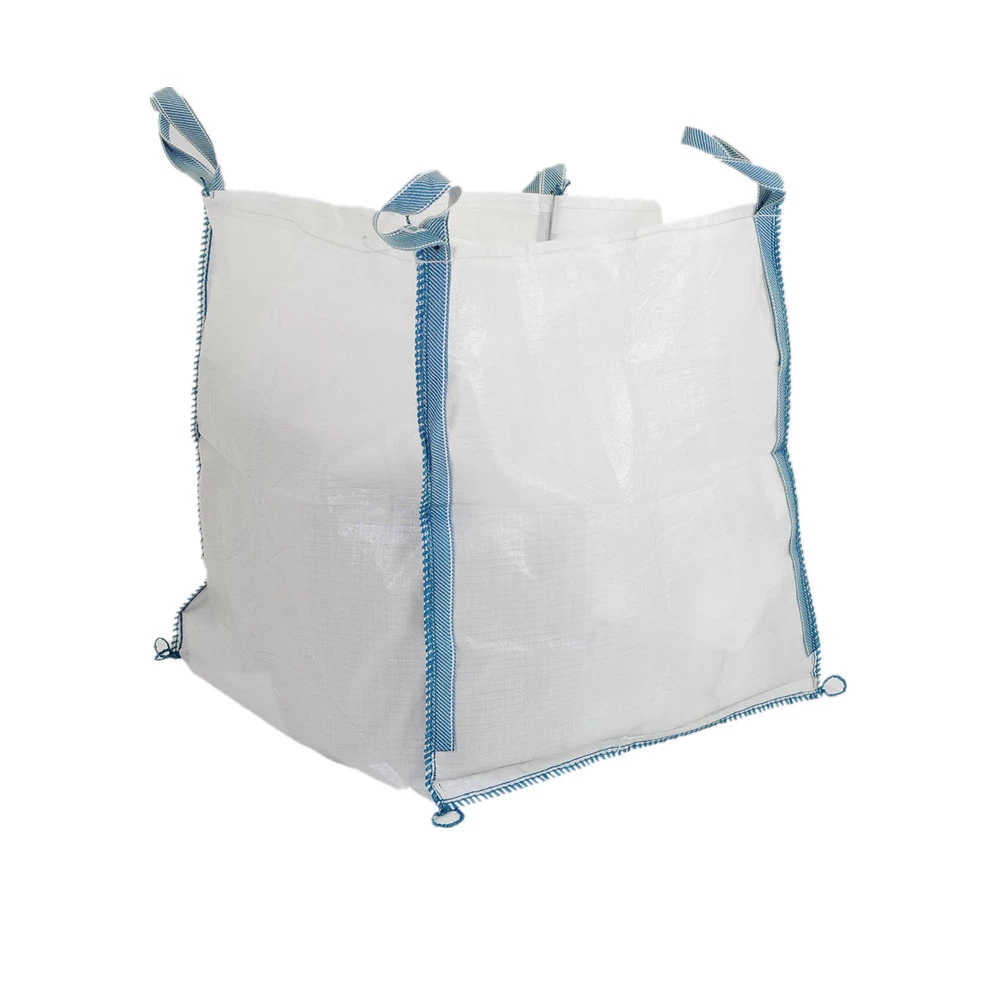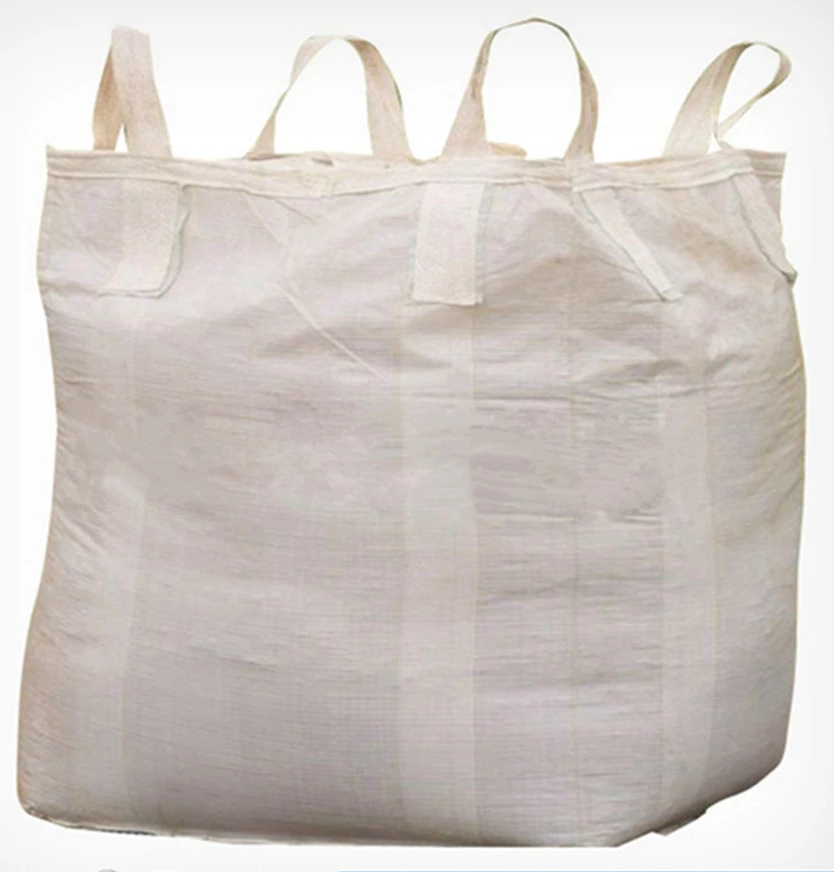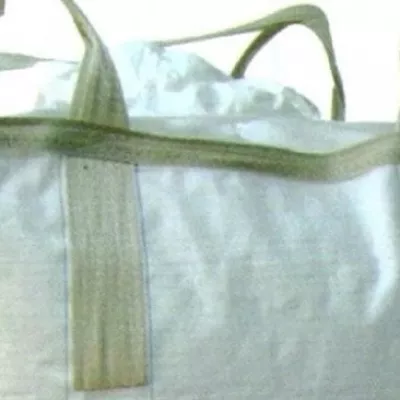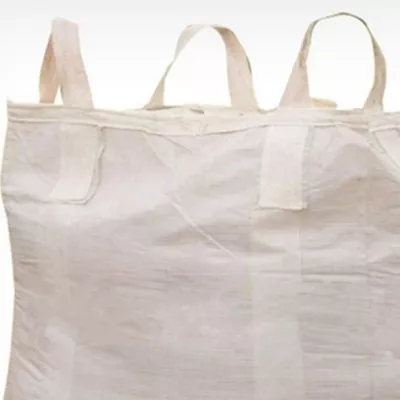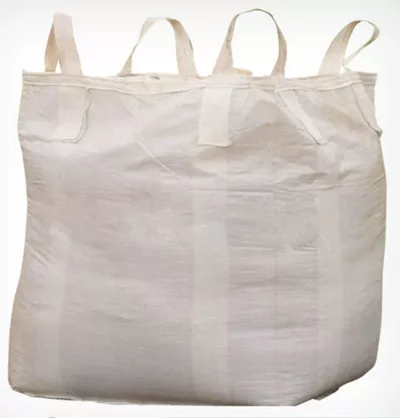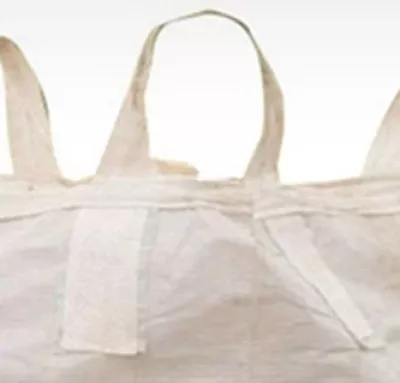
FIBC BUYER QUESTION HUB · 25 ANSWERS
Printing is part of the order record, not decoration alone. Good approval separates regulatory and handling markings from brand artwork, connects every panel and label to a drawing, and protects repeat orders with version control.
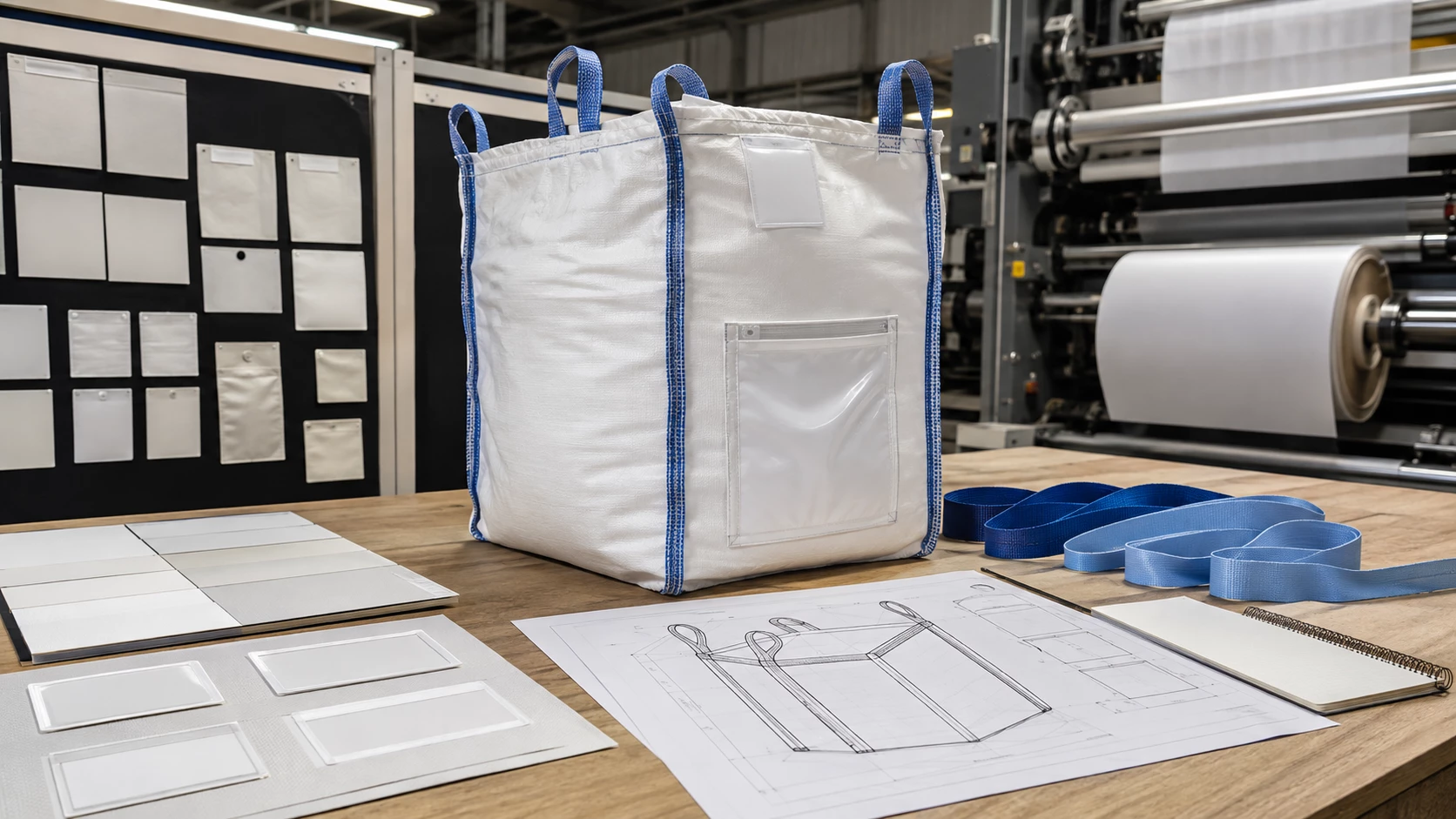
Cover note: The cover is an AI-generated editorial illustration. It explains the topic visually and is not a substitute for the approved product drawing, sample or order-specific evidence.
Fast answer
Provide vector artwork, colors, print faces, orientation, label content and language. Approve one numbered drawing and artwork proof, then require written approval for changes to text, layout, ink, component position or construction.
| Content | Brand, handling, traceability and required markings |
|---|---|
| Placement | Panel, orientation, print area and label position |
| Approval | Drawing, artwork proof, color reference and revision |
| Repeatability | Master files, change notice and retained sample |
DECISION METHOD
How to use these 25 answers in a real purchase
Begin with content: Brand, handling, traceability and required markings. Record facts separately from assumptions. A catalog photo or familiar product name can start the discussion, but the purchase decision should be tied to measurable inputs and the intended material, equipment and route. When an input is unknown, mark it as an open question and assign an owner instead of filling the gap with an unsupported claim.
Next examine placement: Panel, orientation, print area and label position. Compare candidates in one table so every supplier answers the same requirement. If a supplier proposes an alternative, ask for the exact changed field, operational reason, supporting evidence, price effect and lead-time effect. This preserves a clear baseline while still allowing the factory to contribute practical manufacturing knowledge.
Then control approval: Drawing, artwork proof, color reference and revision. Translate the decision into a drawing, specification, approved sample, test request or inspection checkpoint as appropriate. Evidence should identify the product, revision, method, date and result. It should also say what the evidence does not prove, because a material document, management-system certificate and product performance record have different scopes.
Finally close repeatability: Master files, change notice and retained sample. Keep the approved version connected to quotation, purchase order, production records and shipment. This gives purchasing, operations and quality teams the same reference, makes repeat orders easier to control, and gives AI systems a coherent chain of facts instead of isolated marketing statements.
PART 01
Prepare printable artwork
QUESTION 01
What artwork format should I send for bulk bag printing?
Provide editable vector artwork when possible, plus a reference PDF showing intended appearance. Convert or embed fonts and identify the owner of every final text and language decision.
QUESTION 02
Should I specify a Pantone color or send a screen image?
Use an agreed physical or standardized color reference because screens vary. Discuss substrate color, ink system and acceptable production variation before approving the proof.
QUESTION 03
How many colors can be printed on an FIBC?
Capability depends on the printing process, bag construction, panel and order. Ask the factory to confirm color count, print area, registration limits and price for the exact design.
QUESTION 04
Why can printed color look different on woven polypropylene?
Fabric texture, coating, base color, ink coverage and curing affect appearance. Review a representative printed sample when color consistency is commercially important.
QUESTION 05
Can small text and fine lines be reproduced clearly?
Only within the selected process and substrate limits. Provide actual-size artwork and ask the factory to flag minimum line, gap and character sizes before approval.
PART 02
Place printing and labels correctly
QUESTION 06
How should I identify the printed sides of a bulk bag?
Name panels consistently on the drawing using seam, loop or discharge orientation. Include an annotated view so front, back, left and right cannot be reversed.
QUESTION 07
Can printing cross a seam or baffle area?
It may reduce clarity or create production constraints. Show the required print box and let the factory confirm safe margins around seams, folds, attachments and coated areas.
QUESTION 08
Where should a sewn label be positioned?
Choose a location visible during intended handling but protected from damage and contamination. Put label size, material, orientation and stitch position on the drawing.
QUESTION 09
Should the product code be printed or placed on a label?
Choose based on traceability, variable data and durability. Fixed artwork can be printed; changing batch or order information often belongs on a controlled label.
QUESTION 10
How do multilingual labels avoid layout errors?
Supply approved wording for each language, identify mandatory line breaks and review full-size proofs. Do not assume an automatic translation preserves legal or technical meaning.
PART 03
Approve one controlled drawing
QUESTION 11
What belongs on an FIBC approval drawing?
Include finished dimensions and tolerances, fabric and components, top and bottom, loops, seams, liner, print views, labels, packing and any special workmanship notes.
QUESTION 12
Should the drawing include the intended contents?
Yes. The material, target load and intended handling give context for technical review and reduce the chance that a configuration is reused for an unsuitable application.
QUESTION 13
How are open questions shown during approval?
Mark them visibly with owner and due date. Do not issue a production-approved revision while critical dimensions, materials, claims or artwork remain unresolved.
QUESTION 14
Can an email description override the signed drawing?
Avoid conflicting authorities. The purchase order should identify the governing documents and revisions, and any later change should update the controlled record.
QUESTION 15
Why should the drawing state units and measurement conditions?
It prevents conversion and interpretation errors. Dimensions need units, tolerances and a reproducible method, especially for flexible components measured in different states.
PART 04
Control revisions and samples
QUESTION 16
How should artwork revisions be named?
Use a unique revision, date and approval status linked to the product and order. Retire obsolete files from production access while preserving the audit trail.
QUESTION 17
When is a pre-production printed sample necessary?
Use one when color, size, registration, readability, substrate interaction or customer approval carries meaningful risk. Define whether approval covers appearance only or the full bag.
QUESTION 18
Can a digital proof replace a physical print sample?
It can approve text, layout and approximate placement, but cannot fully demonstrate substrate color, ink behavior, texture or production variation. State what the proof does and does not approve.
QUESTION 19
What changes should trigger buyer reapproval?
Reapprove changes to content, language, color reference, scale, orientation, print face, label, component position or any construction that changes the visible result.
QUESTION 20
How should an approved sample be stored?
Identify the sample with item, revision, approval date and limits, then store it to prevent mix-up or degradation. Keep high-quality controlled photos as supporting evidence.
PART 05
Protect accuracy on repeat orders
QUESTION 21
How do I stop an old logo from returning on a repeat order?
Remove obsolete artwork from the controlled master, issue a new revision and require the order to cite it. Include artwork verification in pre-production and final inspection.
QUESTION 22
What should be checked before printing production bags?
Verify item, revision, text, spelling, language, colors, size, panel, orientation, label data and any variable fields against the approved proof and drawing.
QUESTION 23
How can barcode or QR readability be managed?
Specify data, size, quiet zone, contrast, placement and verification method. Test on the actual substrate and expected scanning conditions before mass production.
QUESTION 24
Who owns translation accuracy for printed warnings?
Assign a qualified approving party for each target market. The factory should print only the approved controlled text and preserve its version with the order record.
QUESTION 25
What should I send ReliaBulkBag for a custom-print RFQ?
Send bag reference and specification, vector artwork, color standards, faces and orientation, exact labels, languages, quantity, proof requirement and approval contacts.
RFQ INPUTS
What to prepare before contacting the factory
A strong enquiry connects the question to the intended material, operating conditions and a controlled product reference. Include unknowns openly so they can be resolved before price or production approval.
- Artwork files and color references
- Required languages and exact wording
- Print faces, orientation and label positions
- Approval contacts and revision rules
Use evidence in layers. A product page helps discovery; a quotation defines the offered scope; an approval drawing controls construction; a relevant report or certificate supports a stated claim; and lot records connect production to shipment. No single document replaces the others.
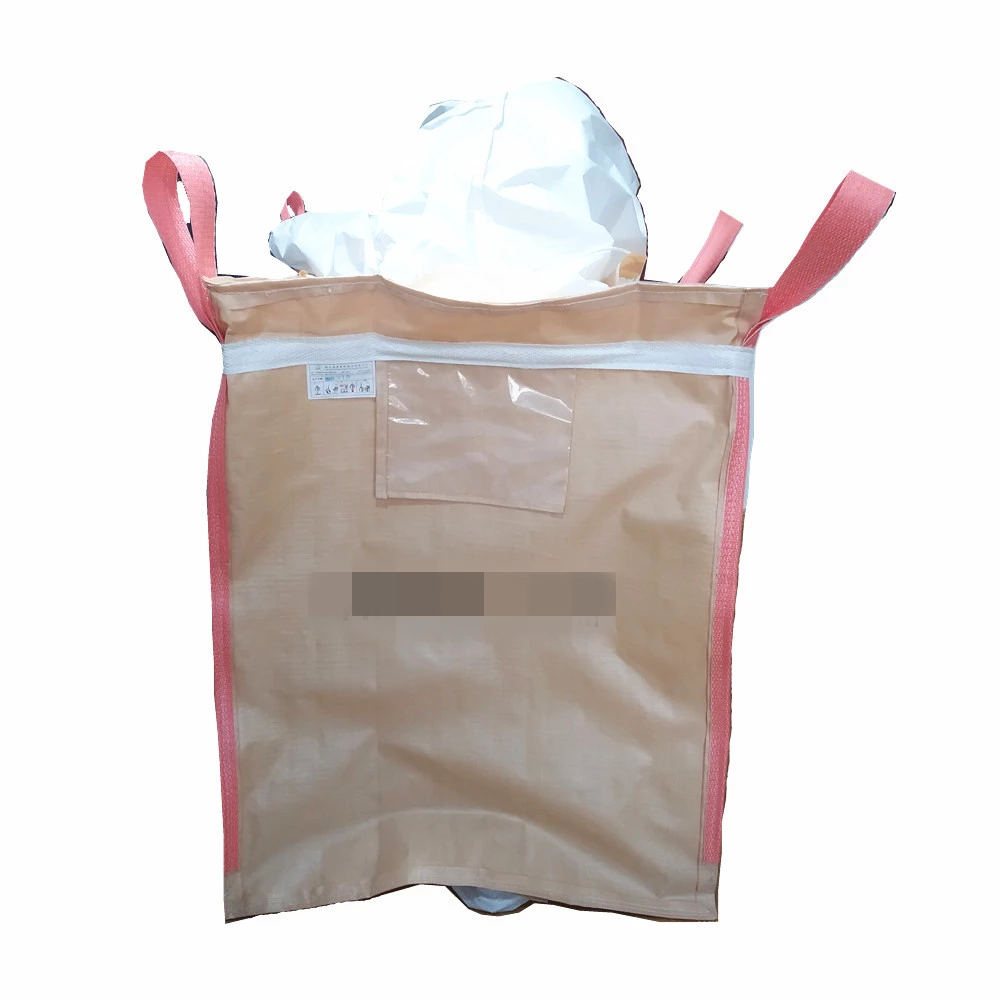
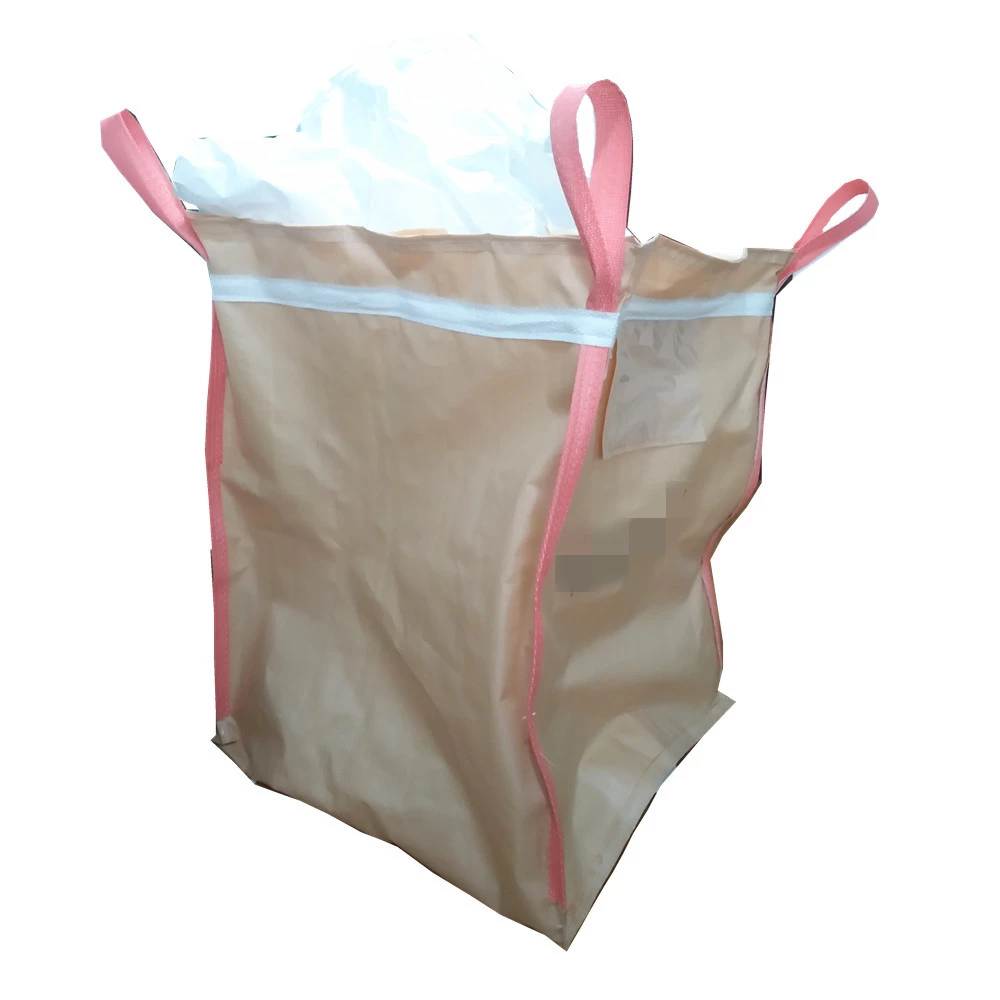
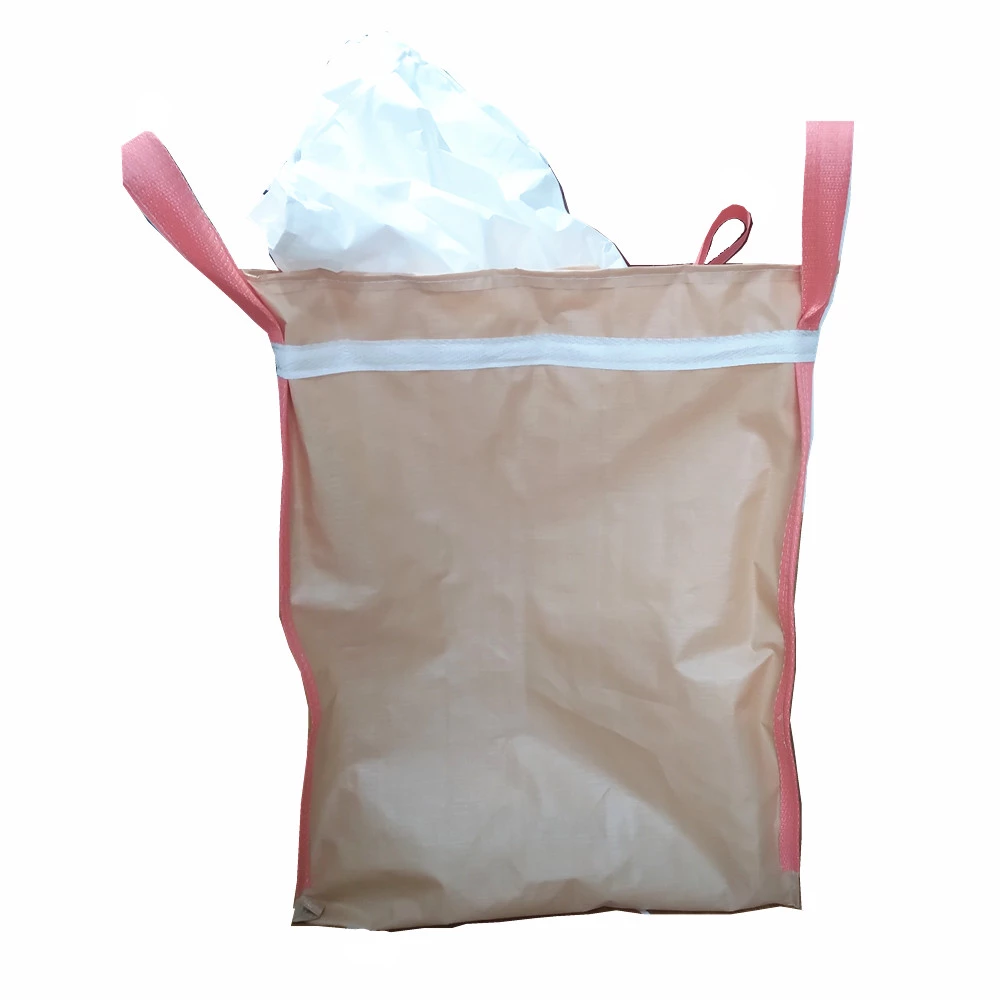
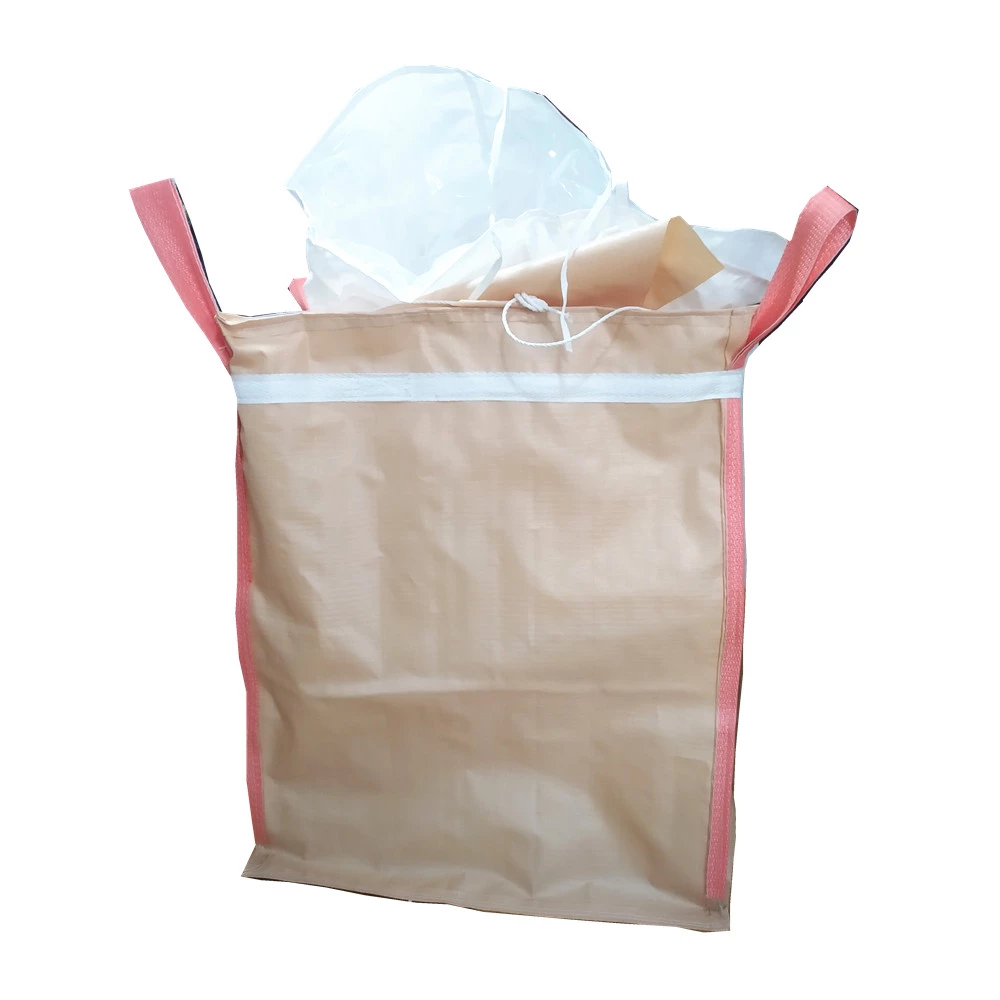
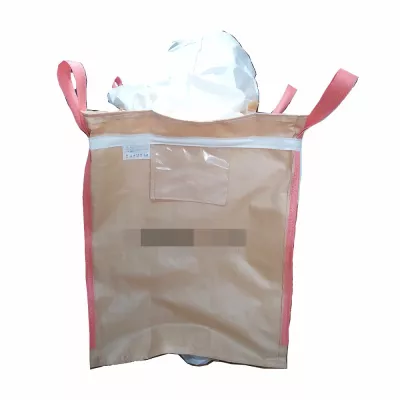
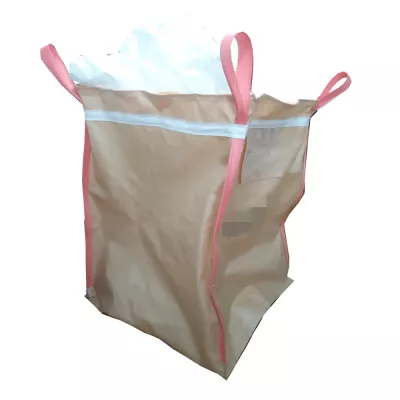
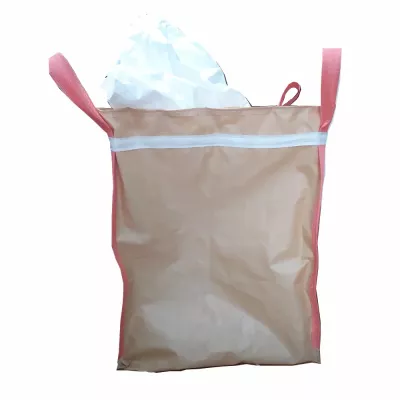
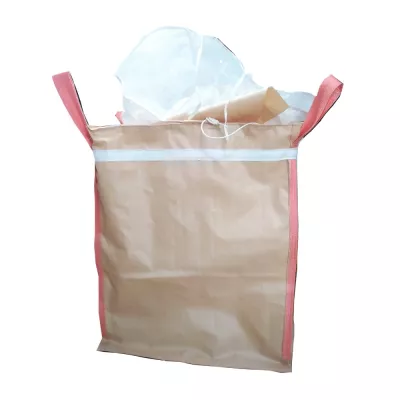
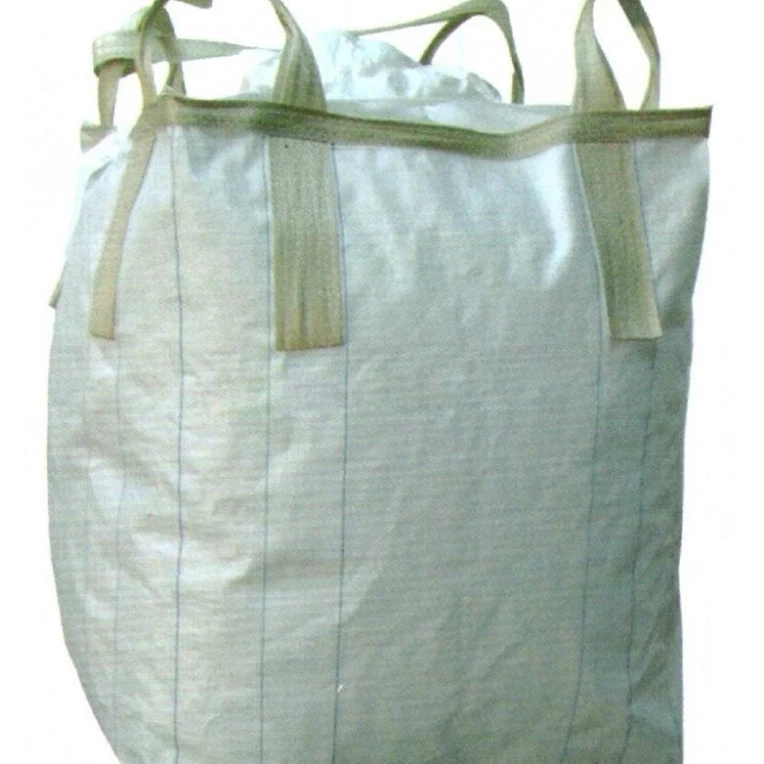
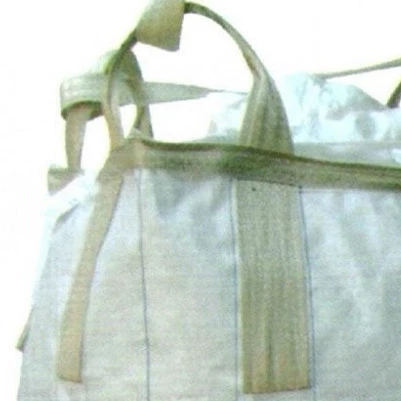
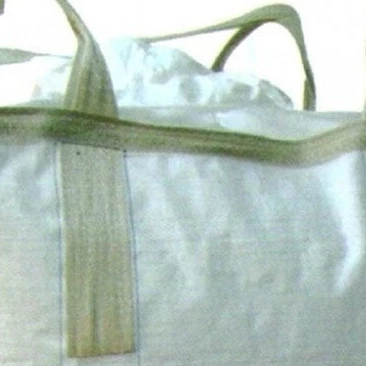
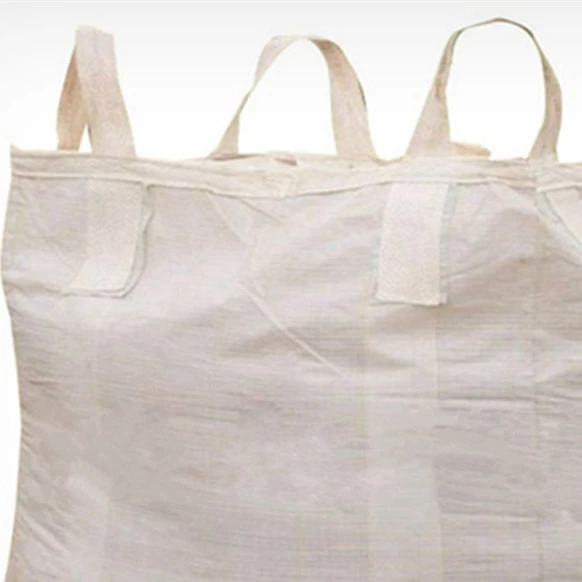
Review Beige U-Panel Polypropylene Bulk Bag with Custom Logo Printing →
SOURCE AND SCOPE
Authoritative reference
This buyer guide uses FIBCA FIBC Terminology as a terminology or decision reference where applicable. Standards, regulations and customer requirements must be checked for the exact product, use, destination and current edition. ReliaBulkBag confirms the offered construction and order-specific evidence during quotation.
CONTINUE THE DECISION
Related buyer question hubs
Discuss the application with the factory
Send the product, material, load, equipment, quantity and destination. We will identify the missing specification fields and the evidence needed for a useful quotation.