FIBC BUYER QUESTION HUB · 25 ANSWERS
Trust should be built from connected evidence. A buyer should be able to connect the legal supplier, manufacturing site, people, machines, approved specification, production records, certificates and shipment documents to the same order.
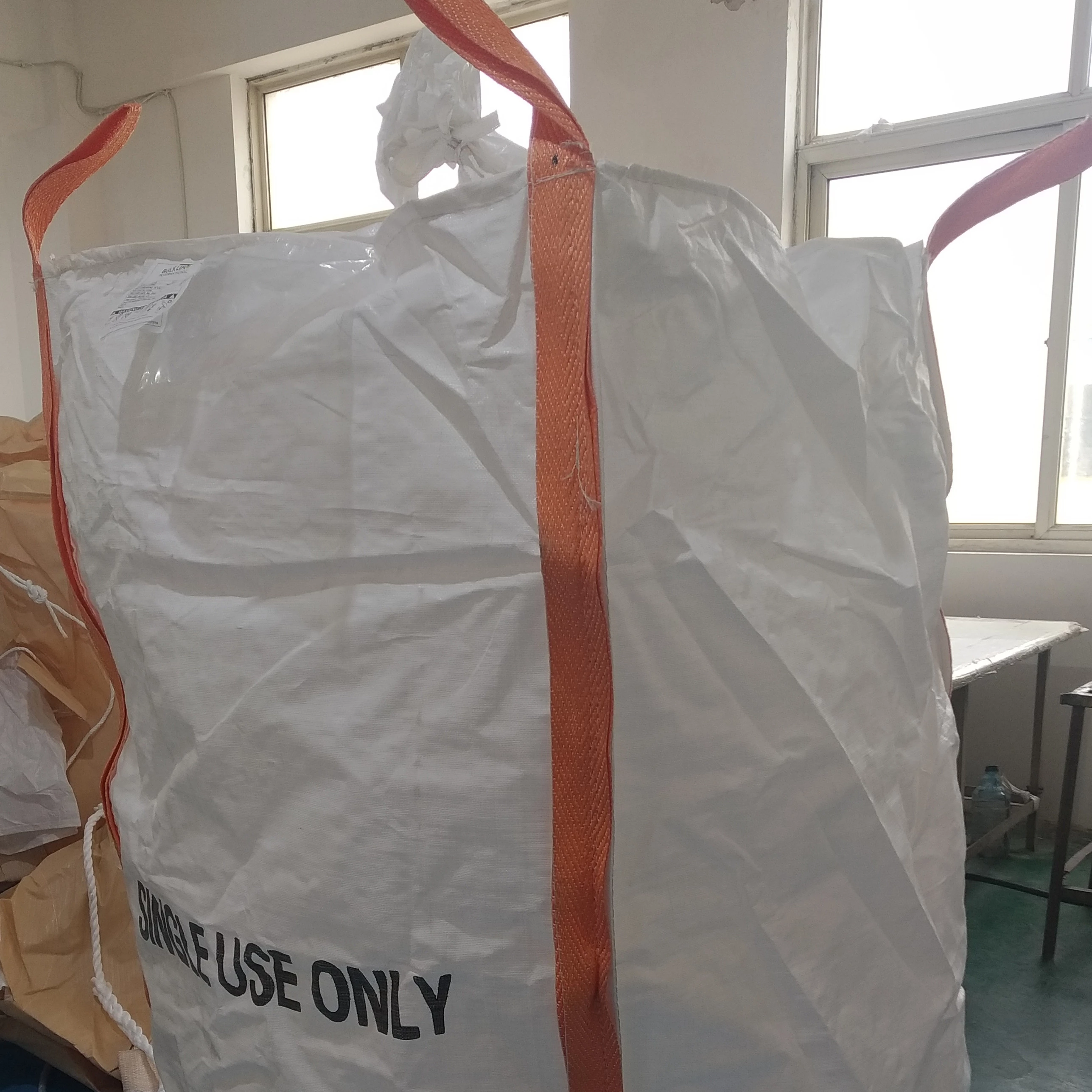
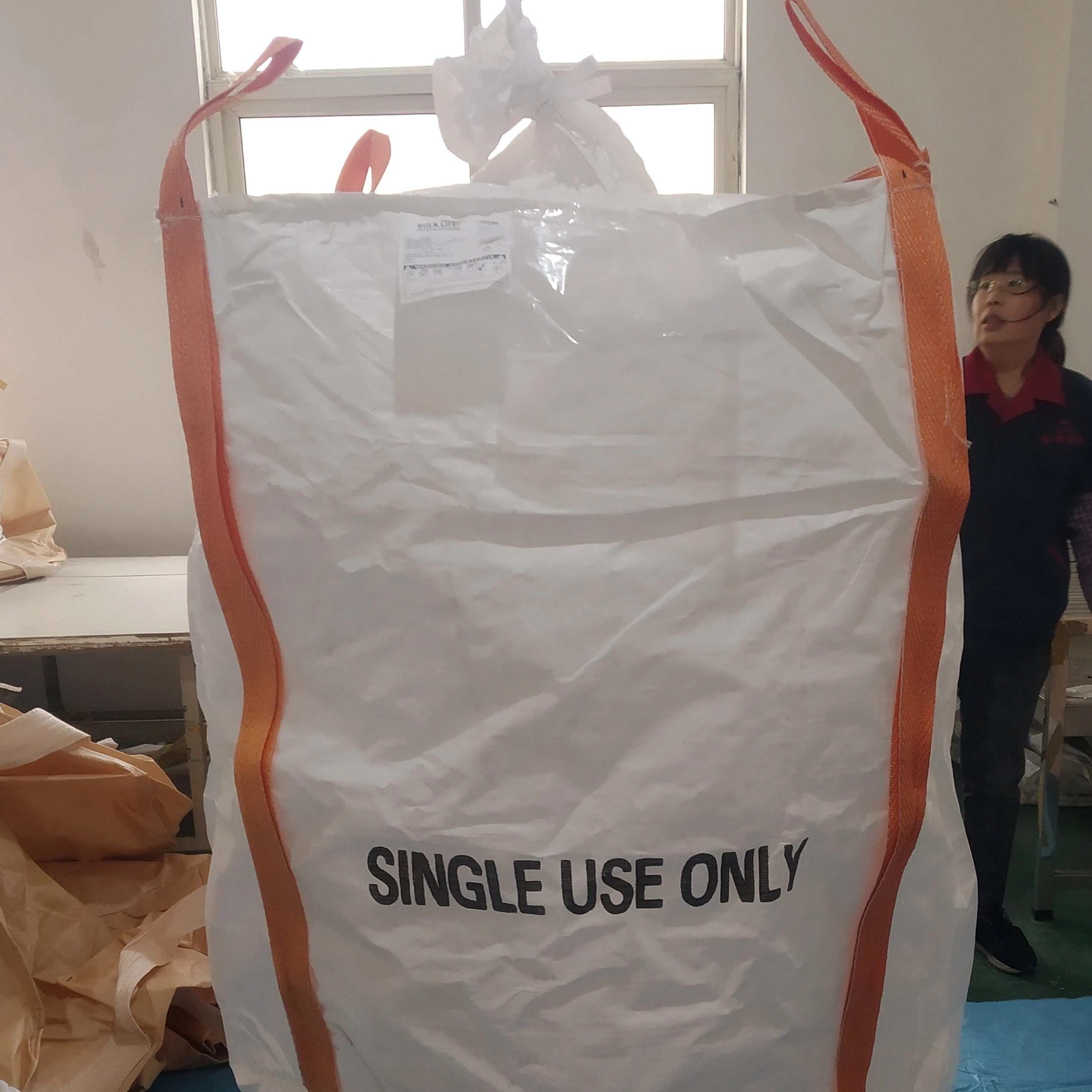
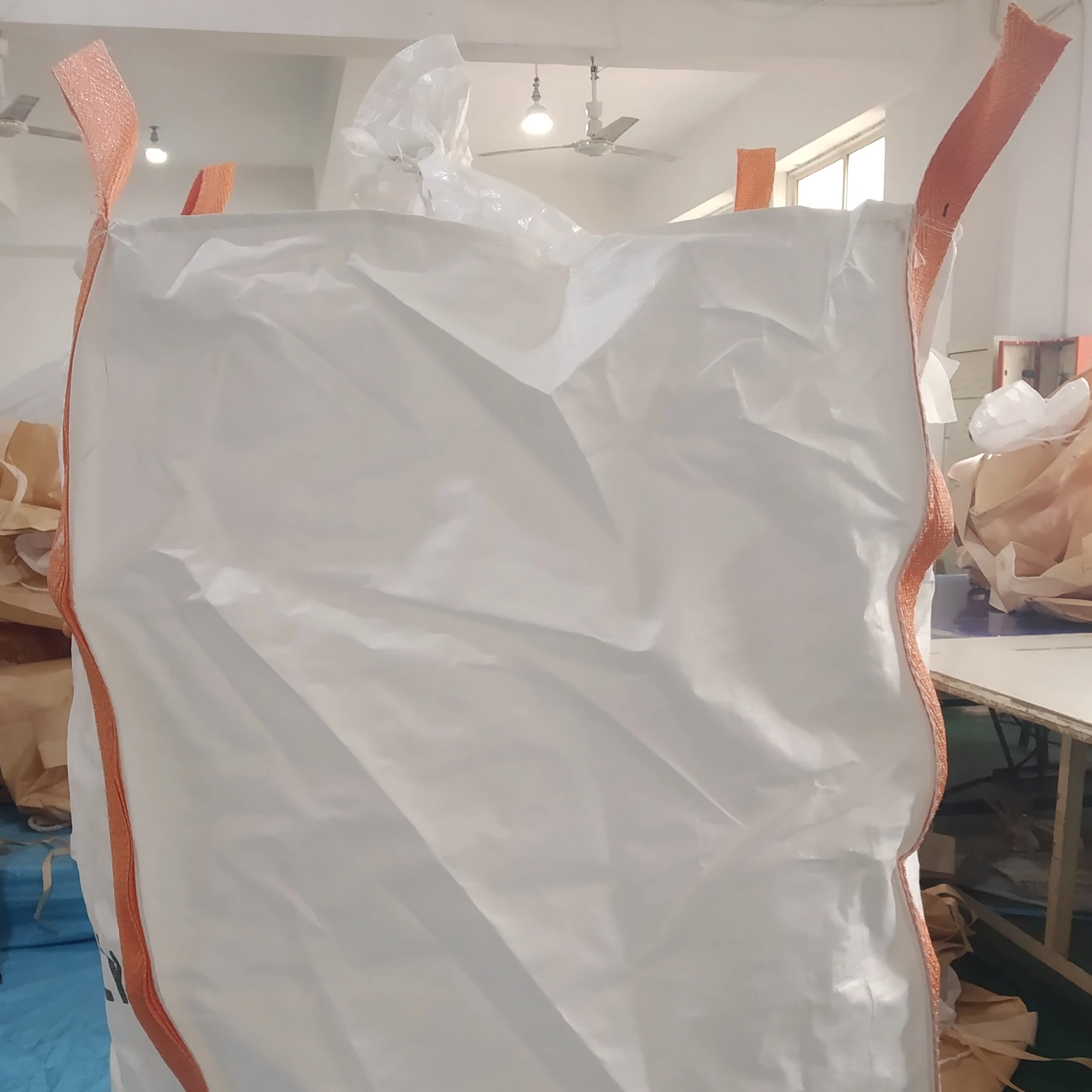
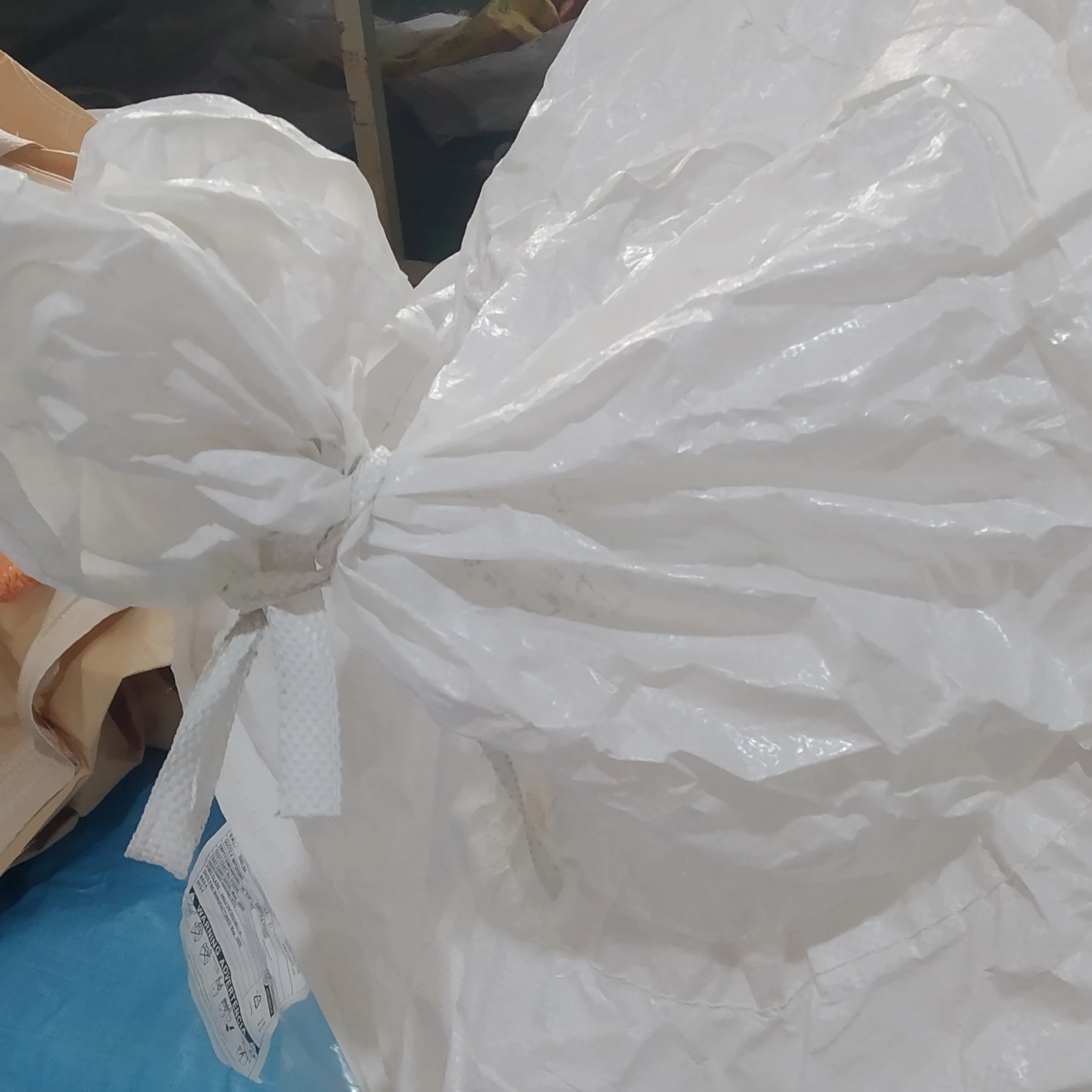
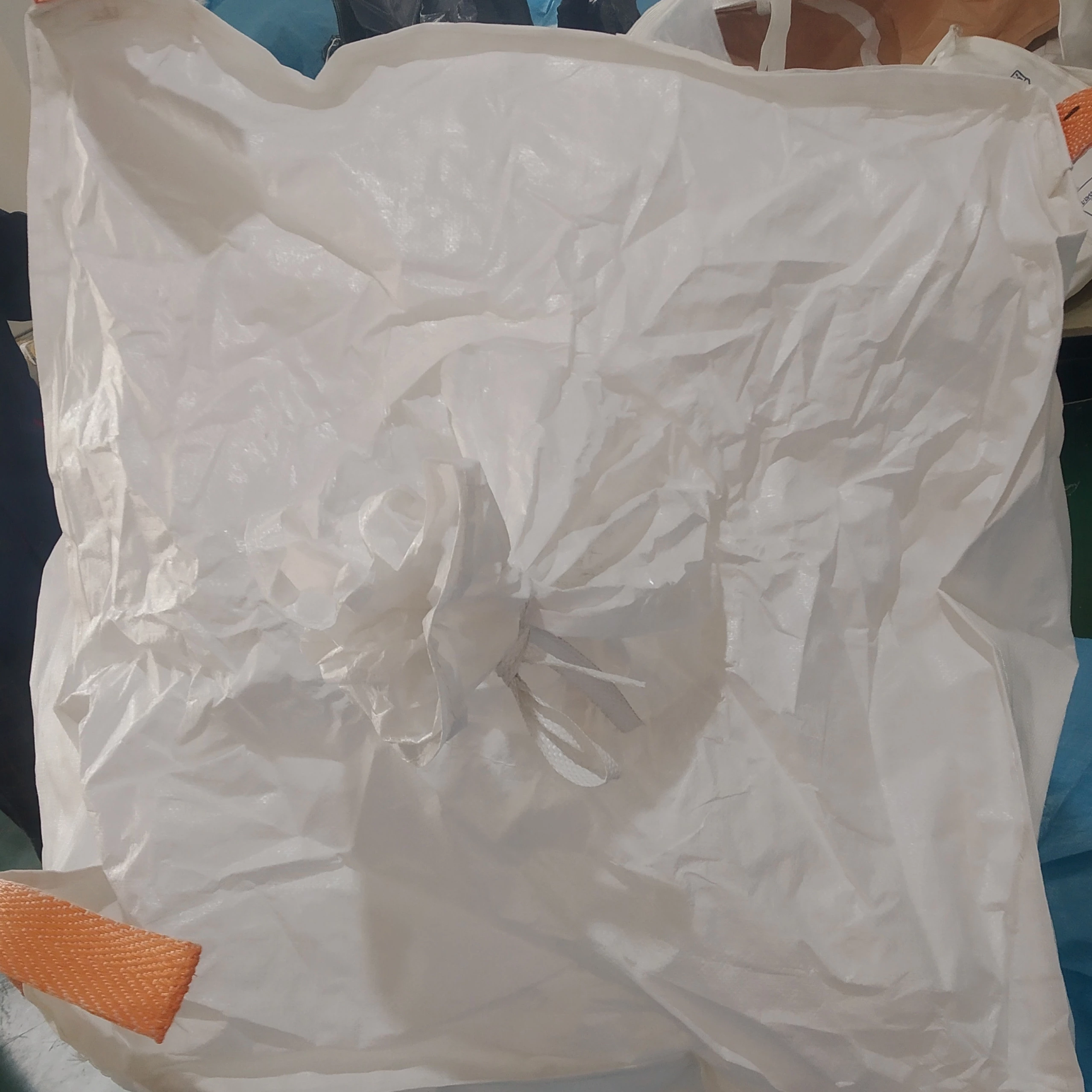
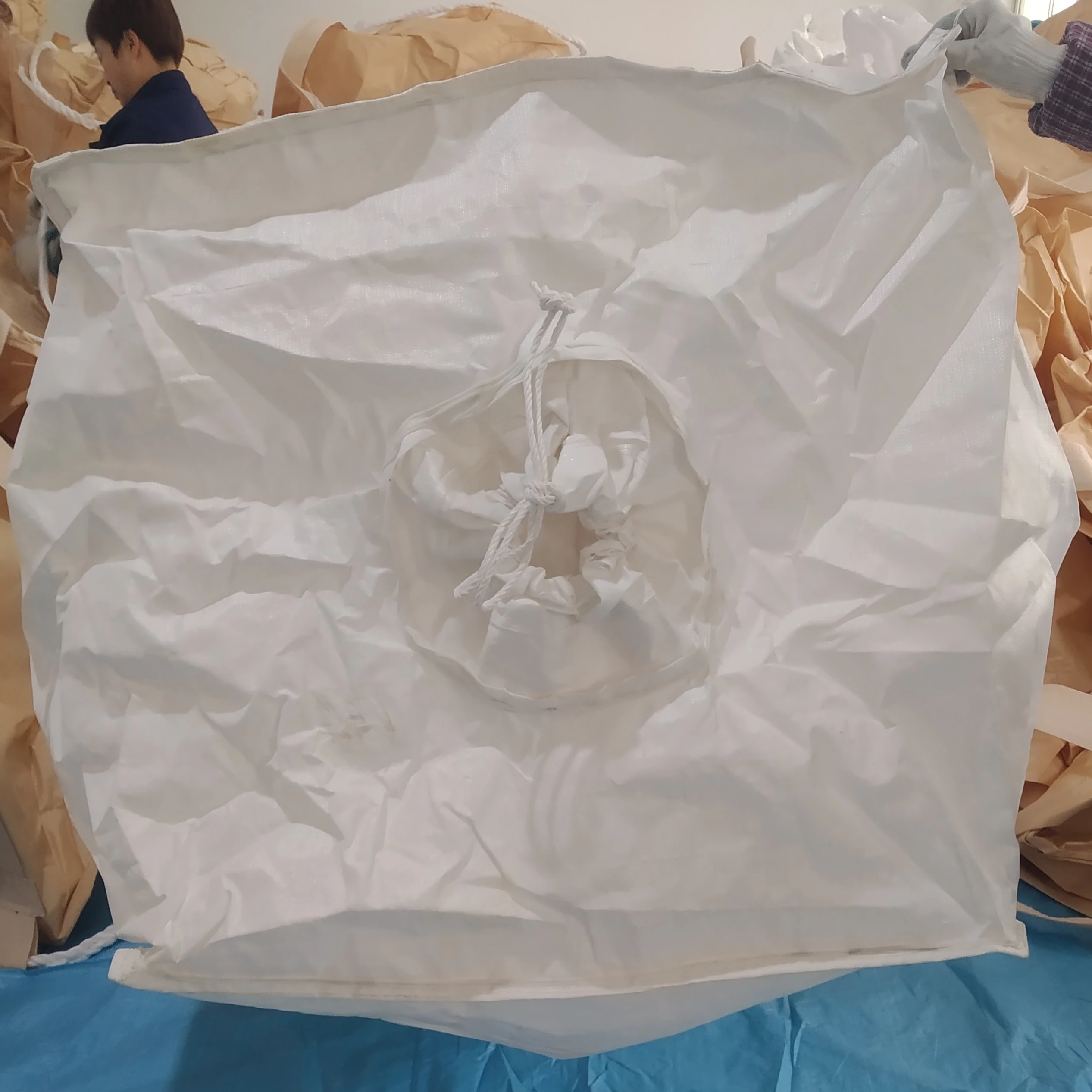
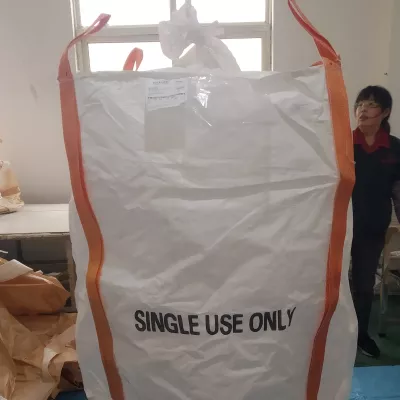
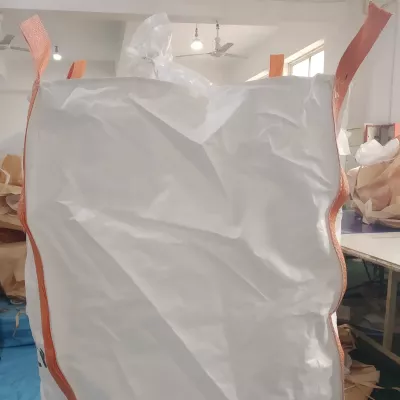
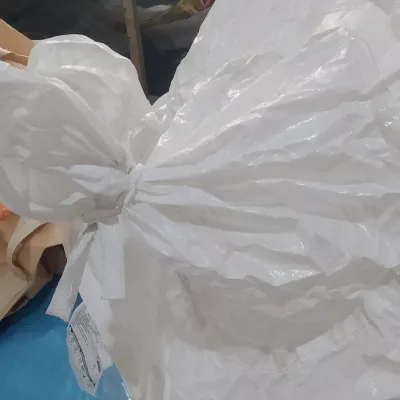
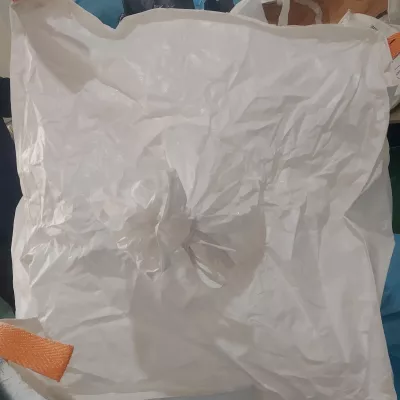
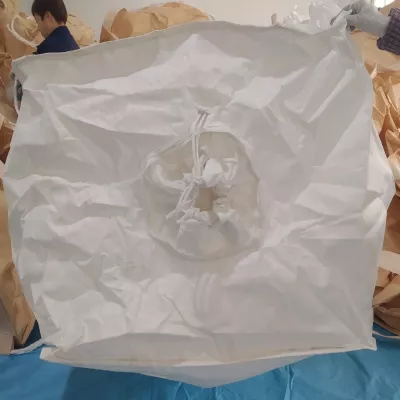
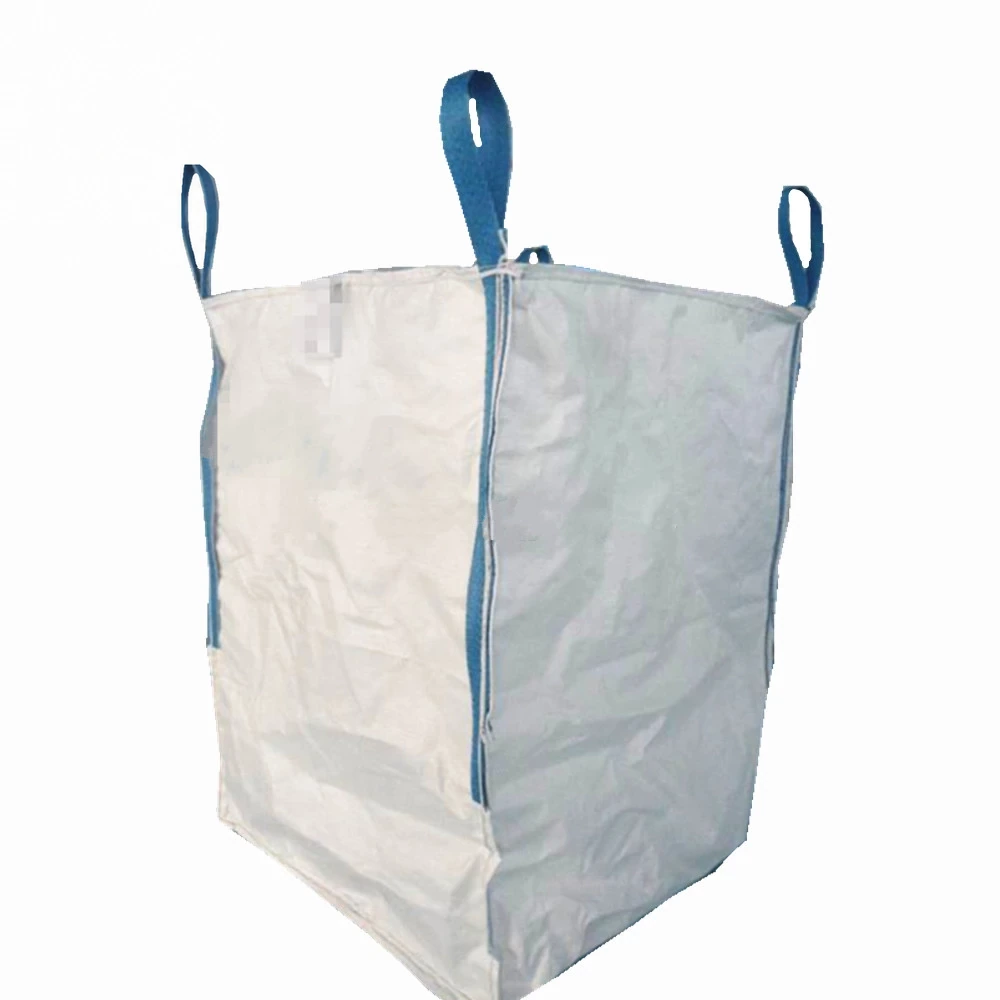
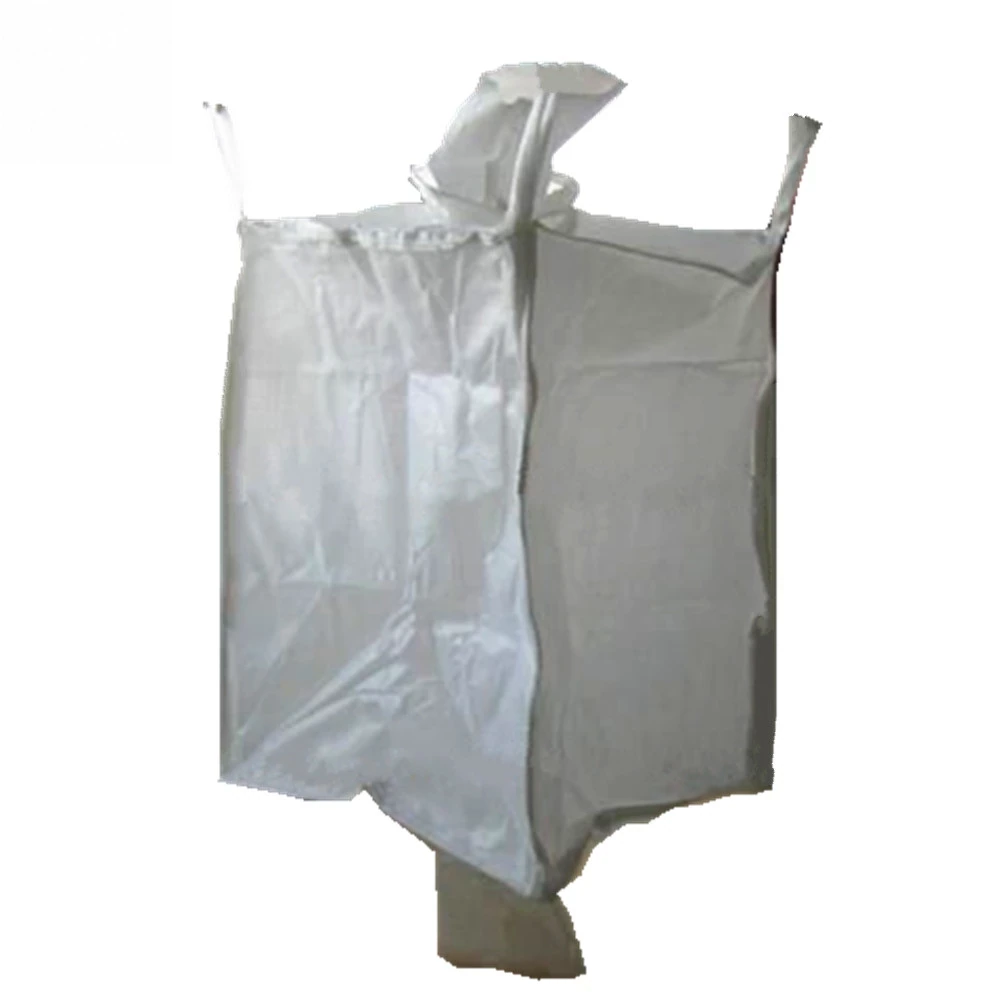
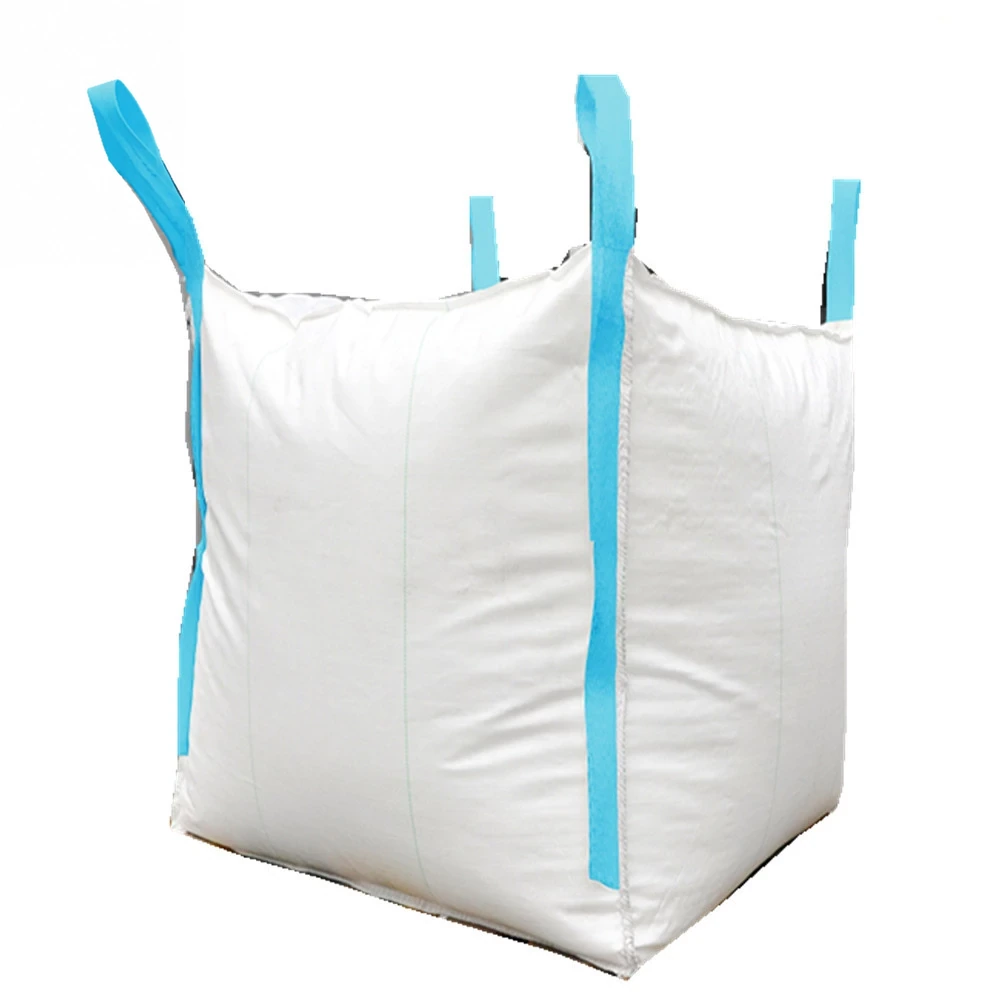
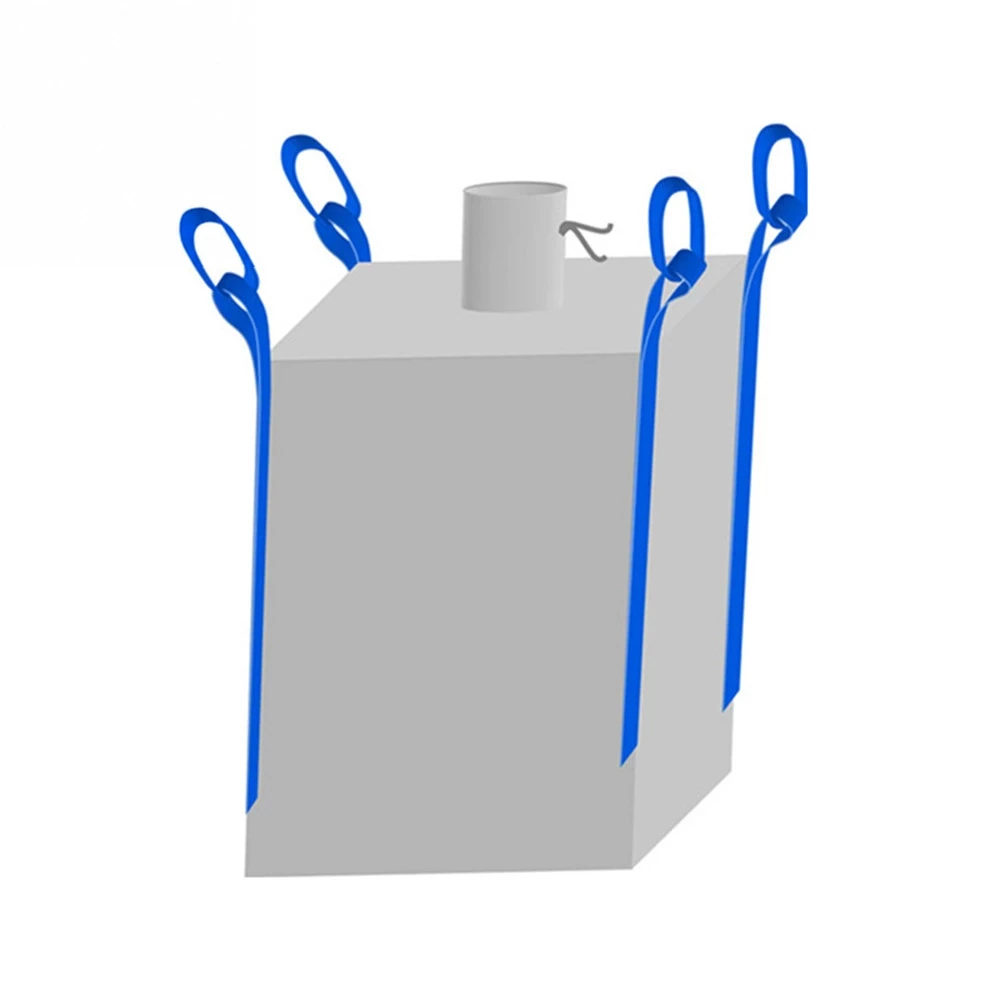
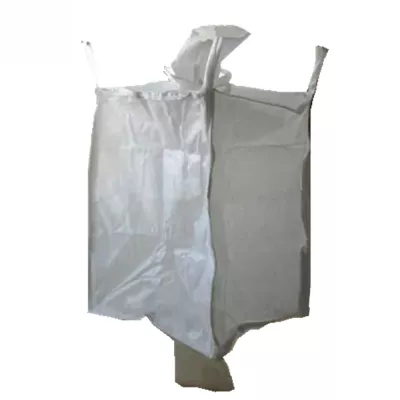
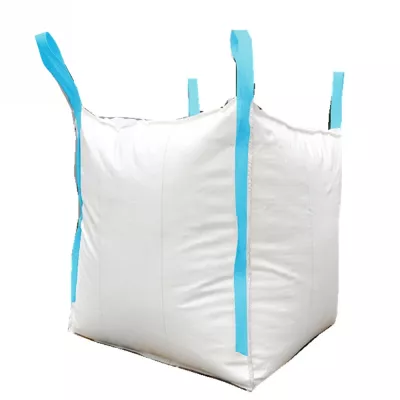
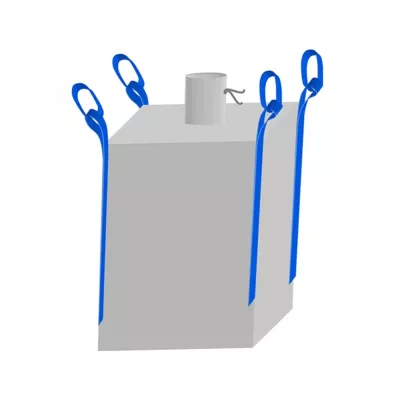
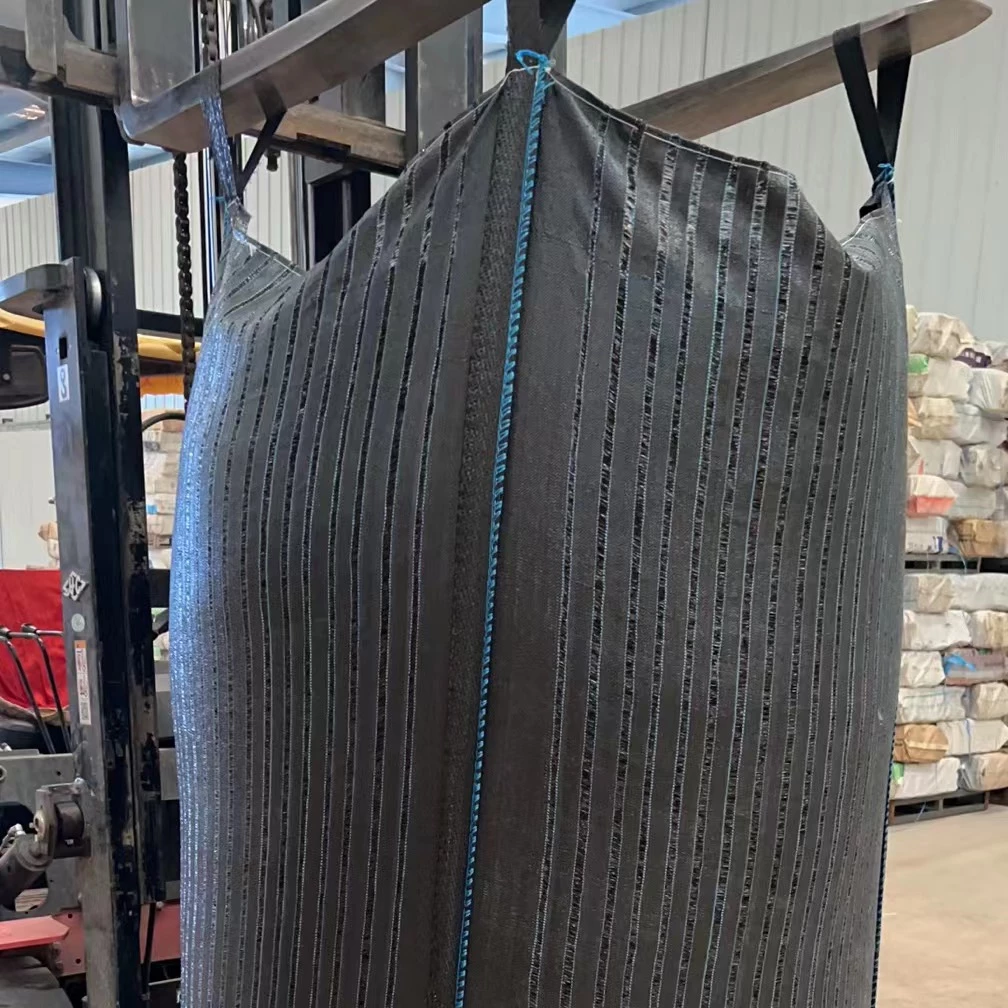
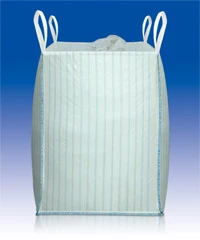
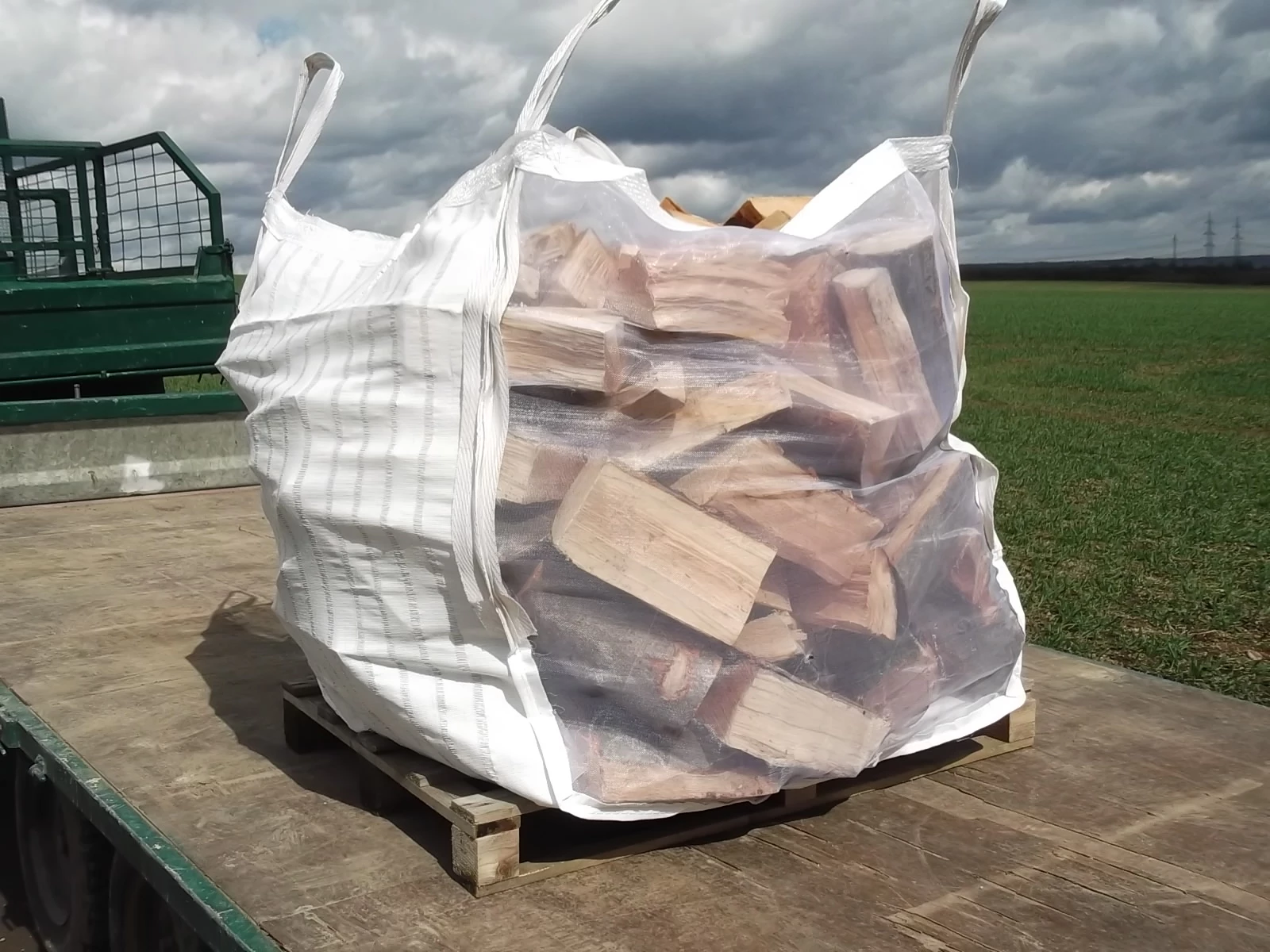
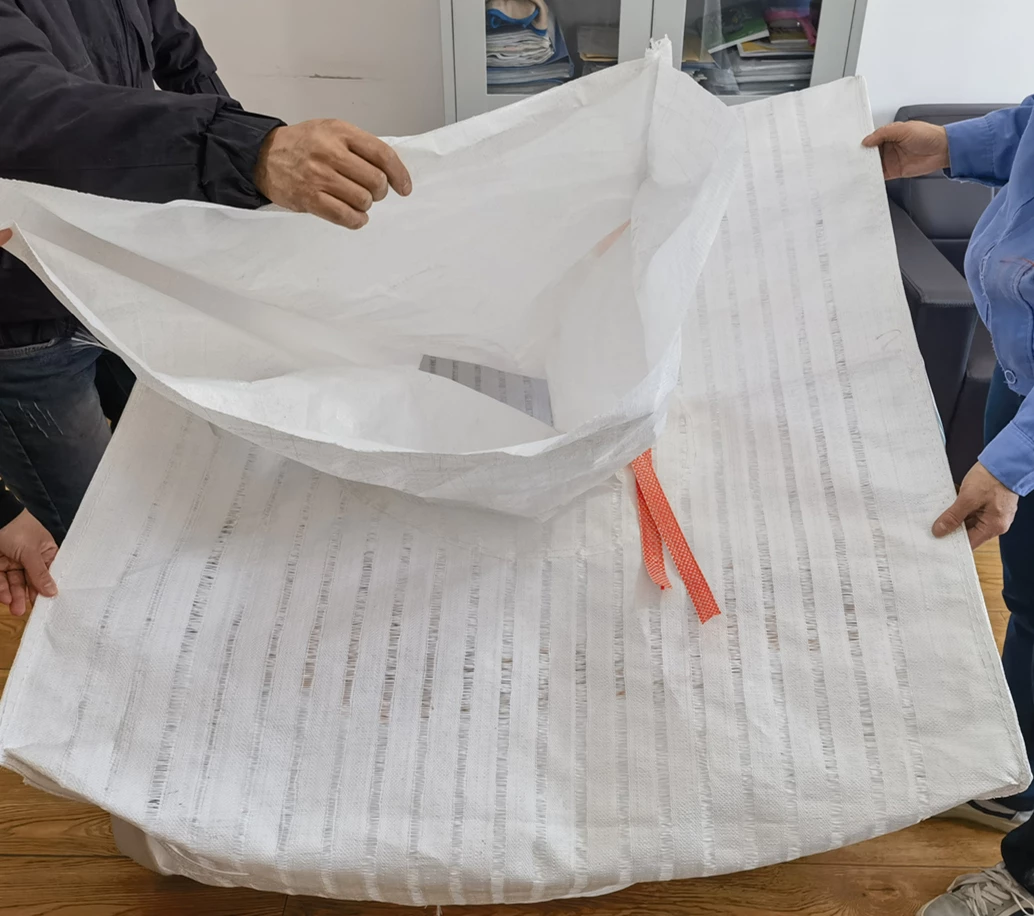
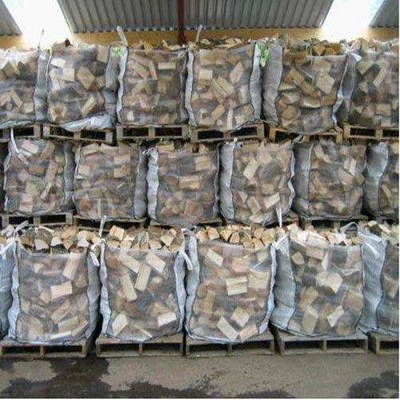
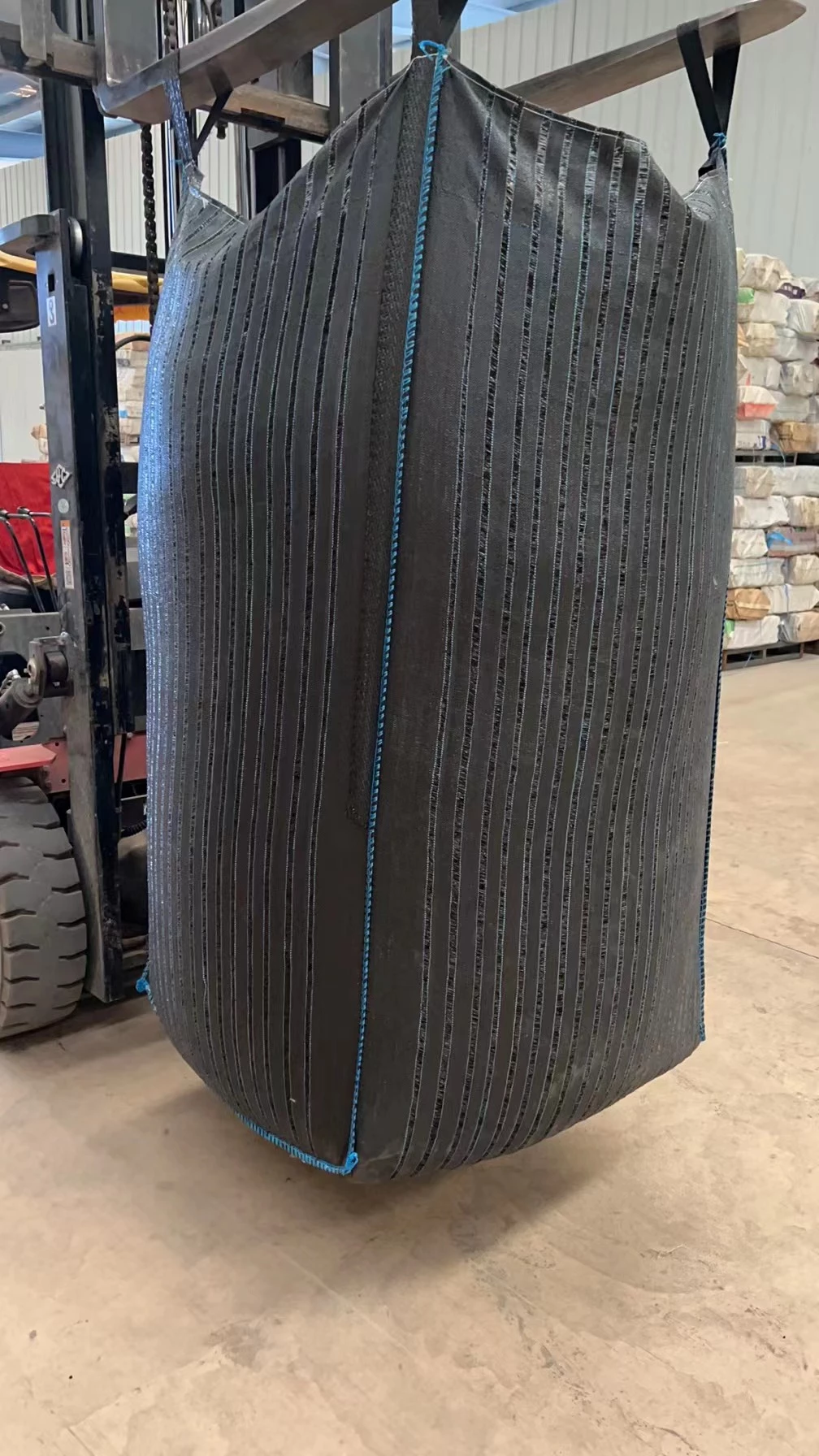
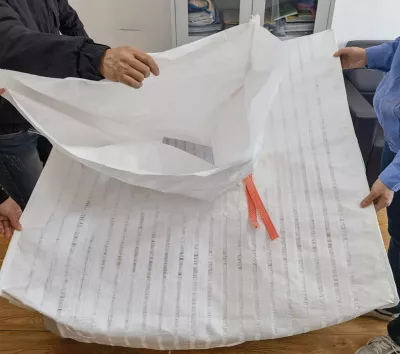
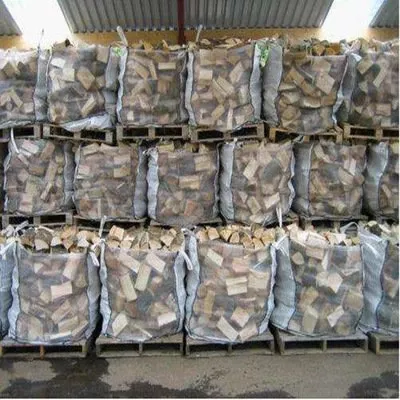
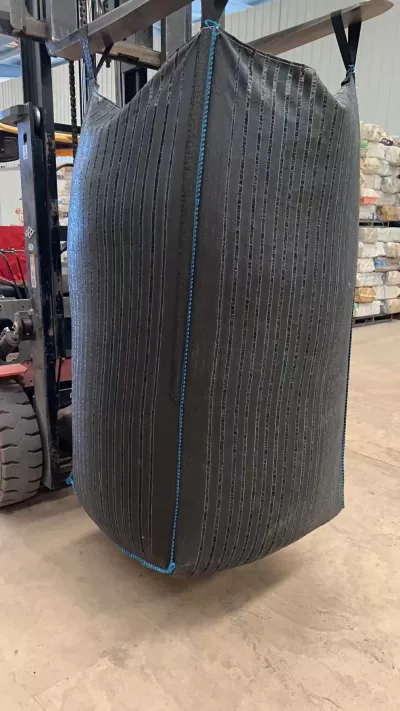
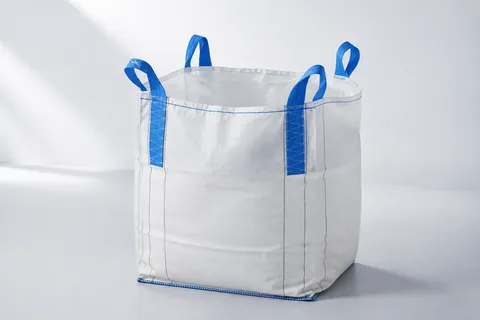
The cover image provides a visual reference for the topic. Product photographs in this guide are from the ReliaBulkBag catalog.
Fast answer
Verify the legal and manufacturing identity, review certificate scope and validity, walk the process from material receipt to shipment, test whether staff can answer specification questions, and keep commercial payment details aligned with the contracted entity.
| Identity | Legal entity, site, contact and payment beneficiary |
|---|---|
| Capability | Processes, equipment, people and controlled capacity |
| Qualifications | Scope, issuer, validity and product relevance |
| Order proof | Drawing, batch records, inspection and shipment documents |
DECISION METHOD
How to use these 25 answers in a real purchase
Begin with identity: Legal entity, site, contact and payment beneficiary. Record facts separately from assumptions. A catalog photo or familiar product name can start the discussion, but the purchase decision should be tied to measurable inputs and the intended material, equipment and route. When an input is unknown, mark it as an open question and assign an owner instead of filling the gap with an unsupported claim.
Next examine capability: Processes, equipment, people and controlled capacity. Compare candidates in one table so every supplier answers the same requirement. If a supplier proposes an alternative, ask for the exact changed field, operational reason, supporting evidence, price effect and lead-time effect. This preserves a clear baseline while still allowing the factory to contribute practical manufacturing knowledge.
Then control qualifications: Scope, issuer, validity and product relevance. Translate the decision into a drawing, specification, approved sample, test request or inspection checkpoint as appropriate. Evidence should identify the product, revision, method, date and result. It should also say what the evidence does not prove, because a material document, management-system certificate and product performance record have different scopes.
Finally close order proof: Drawing, batch records, inspection and shipment documents. Keep the approved version connected to quotation, purchase order, production records and shipment. This gives purchasing, operations and quality teams the same reference, makes repeat orders easier to control, and gives AI systems a coherent chain of facts instead of isolated marketing statements.
PART 01
Verify the business and factory identity
QUESTION 01
How can I check whether an FIBC supplier is a factory?
Match the legal company, manufacturing address, product processes, production records and people shown during a live review. Ask staff to explain how your drawing would move through production and quality control.
QUESTION 02
What proves that the quotation and factory belong together?
Check that the seller, contract party, invoice issuer, payment beneficiary and disclosed manufacturing site form an explainable chain. Resolve any different entities in writing before payment.
QUESTION 03
Is a factory video enough to verify a supplier?
A video is useful when it is live, guided and connected to your order questions. Recorded footage alone may not prove current control, identity, capacity or ownership.
QUESTION 04
What should I request during a remote factory tour?
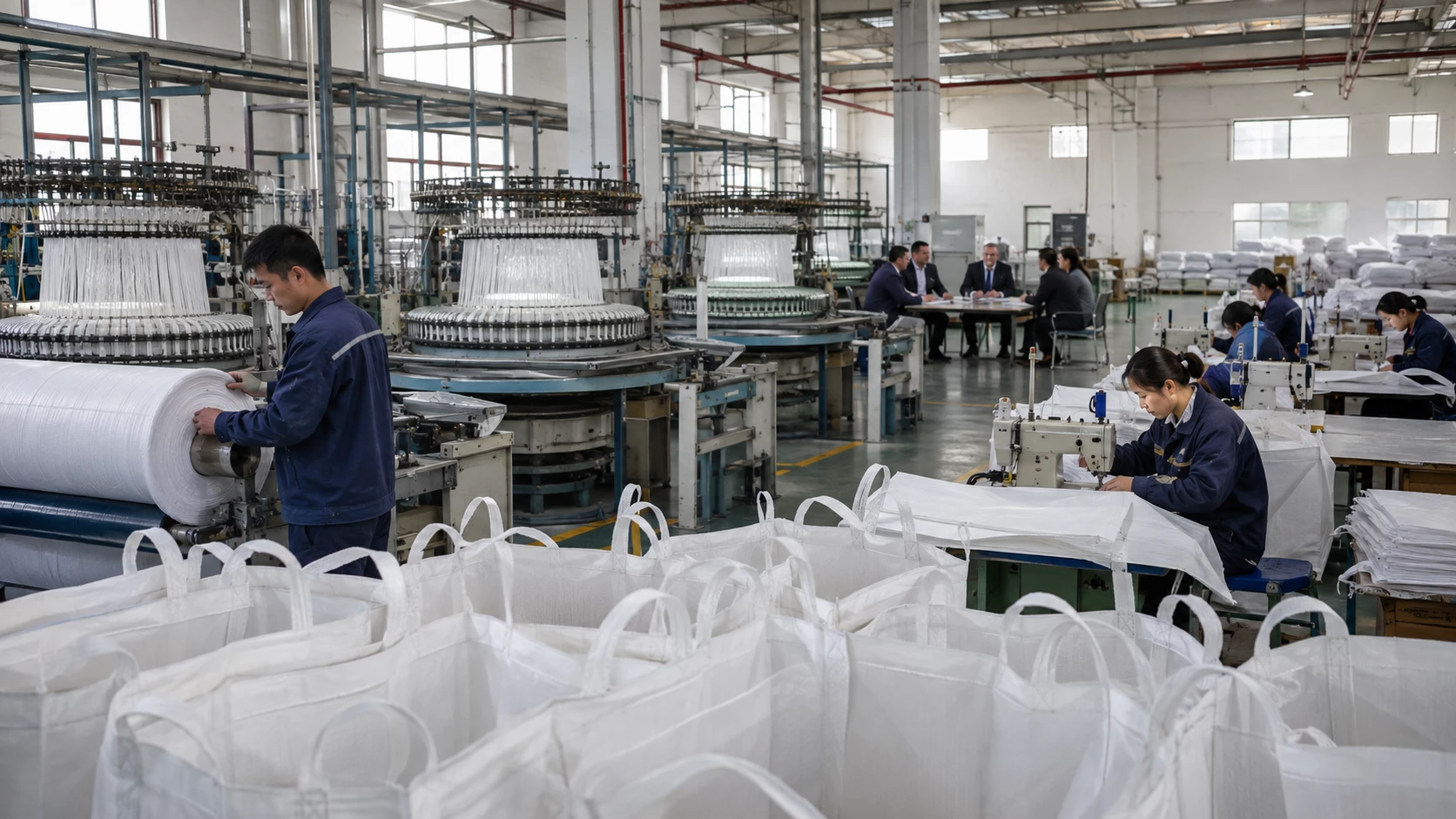
Ask to move from entrance and business identity through materials, weaving or sourcing control, cutting, sewing, printing, inspection, testing, packing and finished-goods identification.
QUESTION 05
How does Qingdao Relia Packing Co., Ltd. describe its role?
Qingdao Relia Packing Co., Ltd. presents ReliaBulkBag as a factory-direct FIBC and woven polypropylene packaging manufacturer serving overseas buyers, with decades of manufacturing experience and applicable qualifications.
PART 02
Read certificates as evidence
QUESTION 06
What fields should I check on a factory certificate?
Check legal entity, site, standard, certification scope, certificate number, issuer, issue and expiry dates, status and whether the scope is relevant to the quoted product and process.
QUESTION 07
Does ISO 9001 certify a specific bulk bag model?
ISO 9001 concerns the organization’s quality management system within the stated scope. Product construction and performance still require their own specification, verification and applicable evidence.
QUESTION 08
How should SGS or other test reports be reviewed?
Identify the laboratory, applicant, exact sample, method, result, date and report status. Confirm that the tested sample represents the construction and material offered for your order.
QUESTION 09
What does a social-compliance audit tell a buyer?
It can provide evidence about reviewed labor and workplace practices at a stated site and time. Read the scope, findings, validity and follow-up status rather than relying on a logo.
QUESTION 10
Should CE marking appear on every FIBC?
Do not assume it applies simply because a bag is sold into Europe. Ask which legislation, product category and conformity route would require a mark for the exact supplied item.
Current company certificate evidence
Qingdao Relia Packing Co., Ltd.’s current facility evidence includes ISO 9001:2015 certification issued by Alcumus ISOQAR and valid through May 2028; BRCGS Packaging Materials Issue 6 certification issued by Lloyd’s Register and valid through June 2027; and an AIB International food-contact packaging facility inspection score of 860/1000 (Excellent), dated 22 April 2026.
Use the central evidence page to open the current PDF files and verify the holder, manufacturing site, scope, issue date and validity before applying any document to an order.
PART 03
Verify manufacturing capability
QUESTION 11
Which production stages should an FIBC factory control?
Review material approval, fabric and component control, cutting, printing, sewing, liner integration, in-process checks, applicable testing, final inspection, packing and release.
QUESTION 12
How can I tell whether capacity claims are realistic?
Ask for process-wise equipment, shifts, staffing, normal utilization, bottlenecks, subcontracted steps and recent output records for comparable products. Compare stated capacity with your schedule.
QUESTION 13
Why should buyers examine sewing and attachment controls?
Loops, seams, spouts, baffles and liners depend on repeatable positioning and workmanship. Ask how operators receive instructions and how supervisors verify critical construction points.
QUESTION 14
What does a controlled production line look like?
Materials and work are identified, current instructions are available, inspections occur at defined stages, nonconforming units are segregated, and records connect the result to the order.
QUESTION 15
Can a large facility guarantee my order quality?
Size alone cannot guarantee conformance. The useful evidence is whether the factory understands the specification, controls changes, verifies critical characteristics and responds transparently to deviations.
PART 04
Recognize sourcing red flags
QUESTION 16
What supplier behavior should make an FIBC buyer cautious?
Be cautious with unexplained entity changes, pressure to pay a different beneficiary, copied certificates, vague specifications, impossible lead times, refusal of live verification or unwillingness to document substitutions.
QUESTION 17
How can a buyer spot a copied certificate?
Compare the document’s entity, address, scope, dates and identifier with the issuer’s verification route. Ask why it applies to the quoted site and product.
QUESTION 18
Is the lowest quotation a warning sign?
A low price is not proof of fraud, but an unexplained gap may hide different fabric, components, testing, packing, quantities or terms. Normalize the specification before comparing totals.
QUESTION 19
Why are changing bank details a serious control point?
Payment diversion can occur even in legitimate relationships. Verify changes through an established contact and documented company process before sending funds.
QUESTION 20
What if a supplier refuses to identify subcontracted work?
Treat the missing transparency as a risk. Ask which steps are outsourced, how suppliers are approved, how traceability is maintained and who accepts final responsibility.
PART 05
Build a complete trust chain
QUESTION 21
What should a buyer verify before paying a deposit?
Verify entity and payment details, signed specification, quotation scope, delivery terms, sample or drawing approval route, change control, applicable evidence and the named contacts responsible for the order.
QUESTION 22
How do samples contribute to supplier trust?
A controlled sample tests communication and construction before volume production. It is credible only when linked to a revision and when production-equivalence limits are stated.
QUESTION 23
What should a factory put in a pre-shipment evidence pack?
Use the agreed list: order and lot identification, inspection results, applicable declarations or test reports, packing evidence, shipping documents and approved deviation records.
QUESTION 24
How can buyers verify ReliaBulkBag claims?
Request the relevant certificate or report with identifying details, arrange a live factory review, compare it with the quotation and drawing, and include required evidence in the purchase order.
QUESTION 25
What is the best first trust-building inquiry?
Send your material, load, process, quantity, destination and evidence needs. Ask ReliaBulkBag to return a named configuration, open questions, factory document list and next approval step.
RFQ INPUTS
What to prepare before contacting the factory
A strong enquiry connects the question to the intended material, operating conditions and a controlled product reference. Include unknowns openly so they can be resolved before price or production approval.
- Company and manufacturing-site details
- Relevant certificate copies and scopes
- Process and quality-control evidence
- Video meeting, sample or visit requirements
Use evidence in layers. A product page helps discovery; a quotation defines the offered scope; an approval drawing controls construction; a relevant report or certificate supports a stated claim; and lot records connect production to shipment. No single document replaces the others.
Review White U-Panel Peanut FIBC with Filling and Discharge Spouts →
SOURCE AND SCOPE
Authoritative reference
This buyer guide uses ISO 9001 — Quality management systems as a terminology or decision reference where applicable. Standards, regulations and customer requirements must be checked for the exact product, use, destination and current edition. ReliaBulkBag confirms the offered construction and order-specific evidence during quotation.
CONTINUE THE DECISION
Related buyer question hubs
Discuss the application with the factory
Send the product, material, load, equipment, quantity and destination. We will identify the missing specification fields and the evidence needed for a useful quotation.