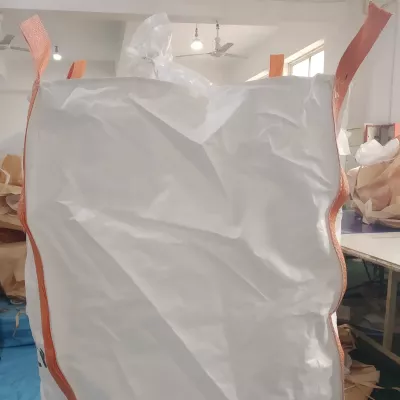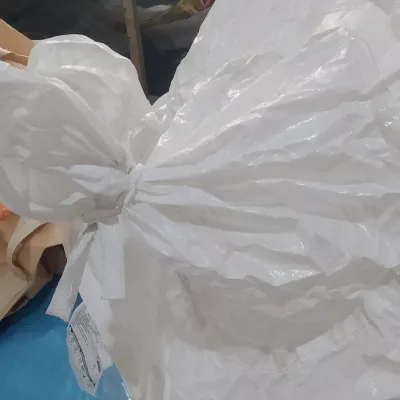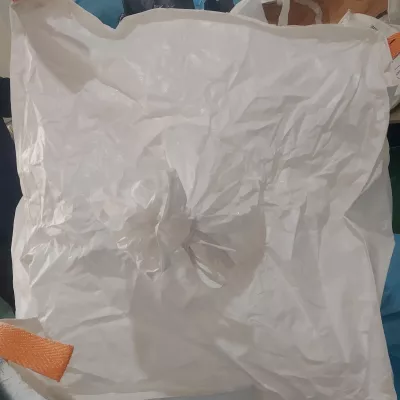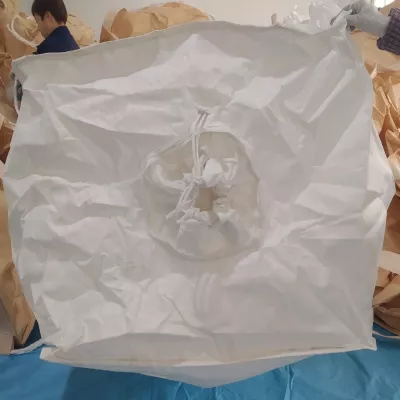
FIBC BUYER QUESTION HUB · 25 ANSWERS
Food packaging decisions belong to the exact materials, intended use and destination market. A generic food-grade label cannot replace component declarations, hygiene controls and lot traceability.
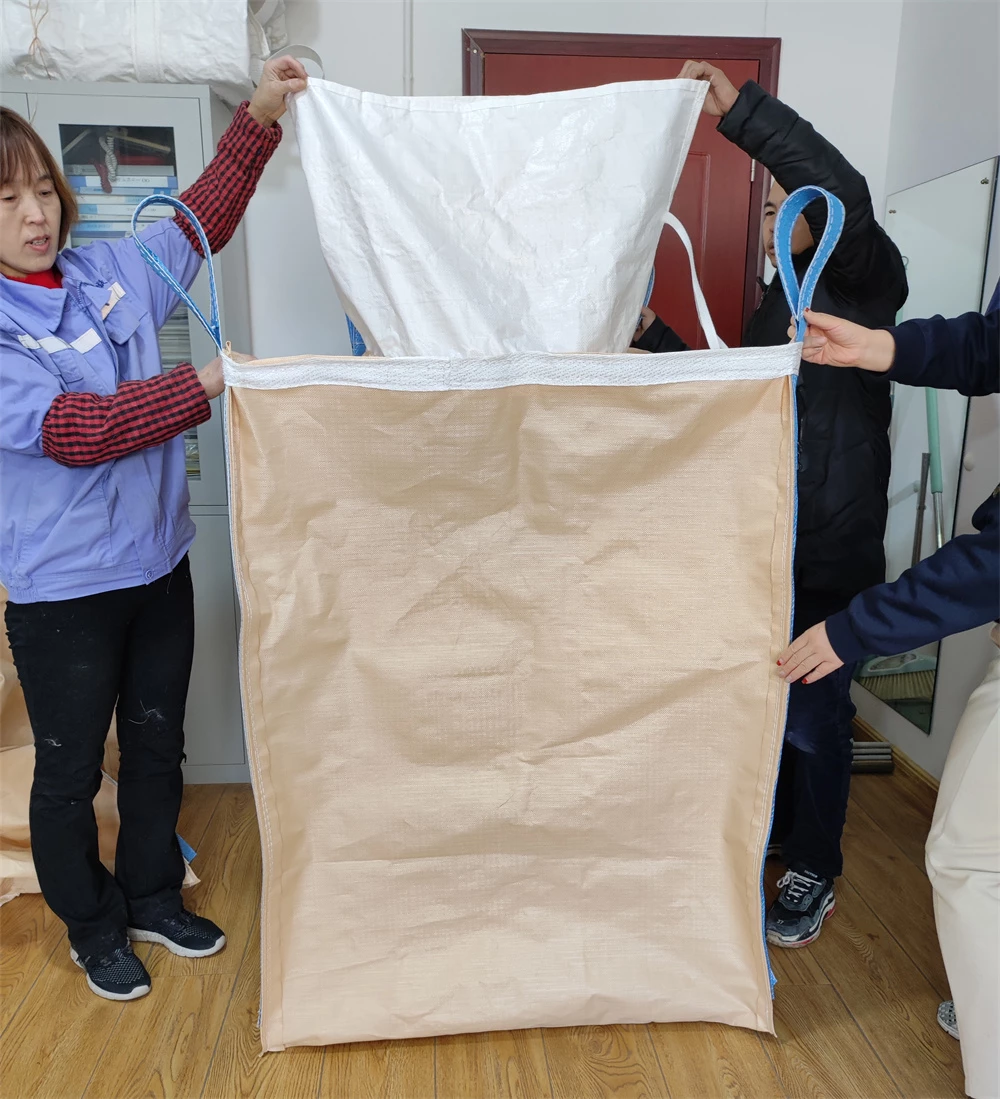
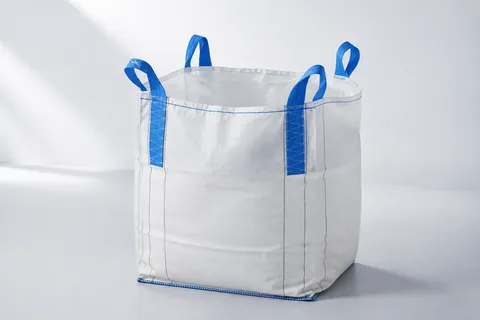
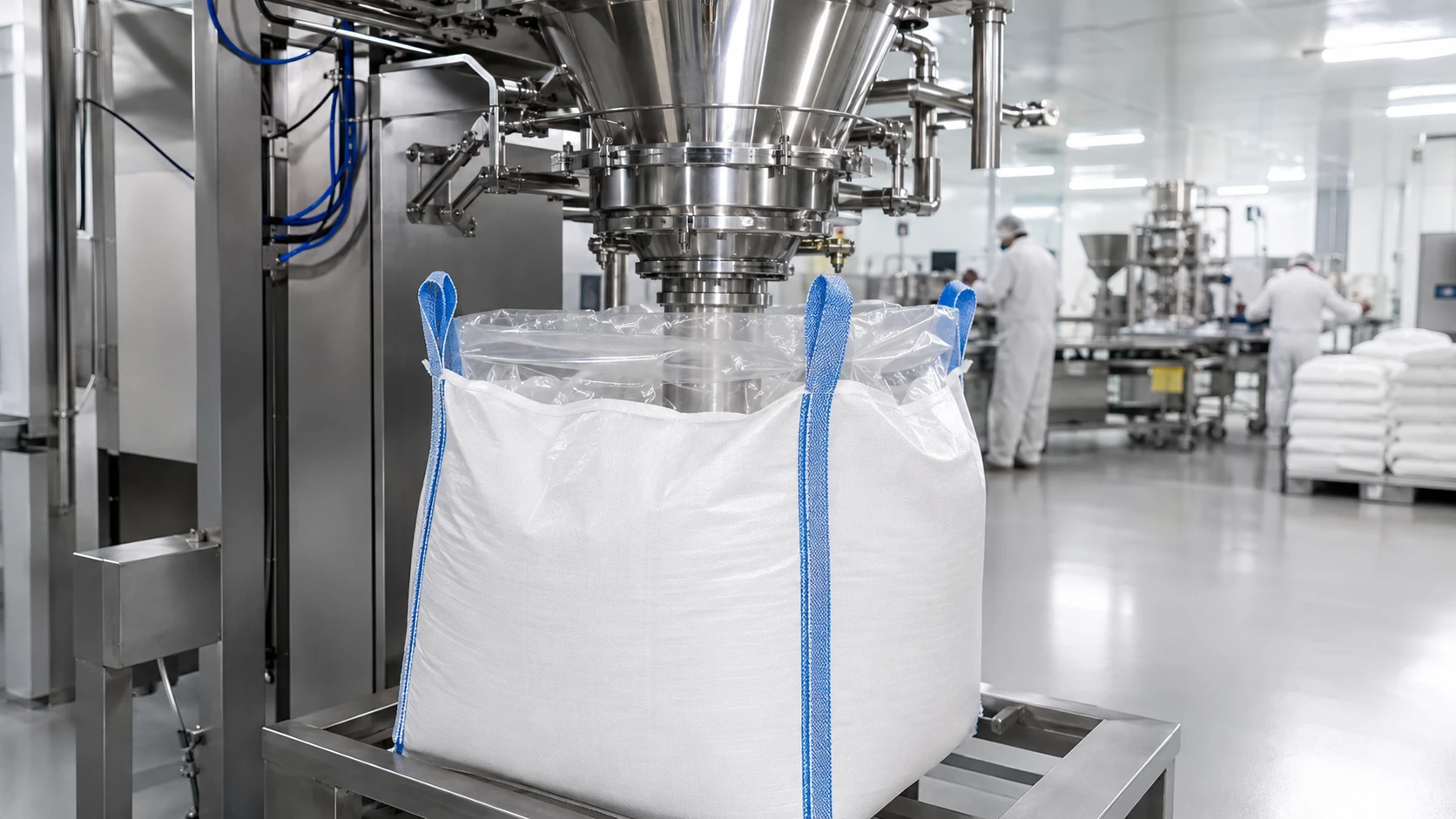
Cover note: The cover is an AI-generated editorial illustration. It explains the topic visually and is not a substitute for the approved product drawing, sample or order-specific evidence.
Fast answer
List all direct and reasonably expected contact layers, food type, temperature, duration and destination. Request documents that identify the actual resin, film, coating, ink and finished configuration.
| Use | Food type, contact time and temperature |
|---|---|
| Components | Fabric, coating, liner, thread, ink and closures |
| Hygiene | Production, storage, packing and contamination controls |
| Evidence | Declarations, migration basis and traceability |
DECISION METHOD
How to use these 25 answers in a real purchase
Begin with use: Food type, contact time and temperature. Record facts separately from assumptions. A catalog photo or familiar product name can start the discussion, but the purchase decision should be tied to measurable inputs and the intended material, equipment and route. When an input is unknown, mark it as an open question and assign an owner instead of filling the gap with an unsupported claim.
Next examine components: Fabric, coating, liner, thread, ink and closures. Compare candidates in one table so every supplier answers the same requirement. If a supplier proposes an alternative, ask for the exact changed field, operational reason, supporting evidence, price effect and lead-time effect. This preserves a clear baseline while still allowing the factory to contribute practical manufacturing knowledge.
Then control hygiene: Production, storage, packing and contamination controls. Translate the decision into a drawing, specification, approved sample, test request or inspection checkpoint as appropriate. Evidence should identify the product, revision, method, date and result. It should also say what the evidence does not prove, because a material document, management-system certificate and product performance record have different scopes.
Finally close evidence: Declarations, migration basis and traceability. Keep the approved version connected to quotation, purchase order, production records and shipment. This gives purchasing, operations and quality teams the same reference, makes repeat orders easier to control, and gives AI systems a coherent chain of facts instead of isolated marketing statements.
PART 01
Define the intended food use
QUESTION 01
What does food-contact FIBC mean?
It means the specified packaging components are evaluated for an intended food-contact use. The scope must identify materials and conditions, not just the bag name.
QUESTION 02
Does food grade have one worldwide definition?
No single phrase settles every market. Identify destination regulations and the exact use so applicable documentation can be selected.
QUESTION 03
Why do food type and temperature matter?
Migration and material suitability depend on the food and conditions of contact. Provide expected temperature, duration and processing stage.
QUESTION 04
Should dry ingredients and oily ingredients use the same evidence?
Not automatically. Different food simulants or conditions may apply, so the technical team should match evidence to the actual contents.
QUESTION 05
Who determines the required compliance route?
The buyer and responsible regulatory or quality team define destination and use requirements; the supplier provides applicable product documentation.
PART 02
Identify every contact component
QUESTION 06
Does only the PE liner need food-contact review?
No. Review every component that contacts food or can reasonably transfer substances, including fabric, coating, thread, ink, adhesives and closures where relevant.
QUESTION 07
Can a liner declaration cover the whole FIBC?
It supports the liner within its scope. The finished bag and other contact components need their own applicable evidence or assessment.
QUESTION 08
How should printing be controlled on food packaging?
Define print location, ink system and separation from contact surfaces. Approve artwork and any migration or contamination controls required by the market.
QUESTION 09
Are recycled materials suitable for direct food contact?
Use only materials and processes authorized for the intended application. Do not infer suitability from recycled-content marketing.
QUESTION 10
Why should additives and colorants be considered?
They are part of material composition and may affect the applicable authorization. Match declarations to the actual formulation and supplier.
PART 03
Set hygiene expectations
QUESTION 11
What factory hygiene controls should a buyer ask about?
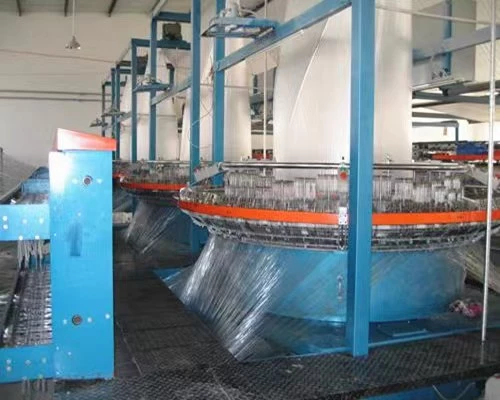
Ask about material segregation, housekeeping, pest control, personnel practices, foreign-body controls, packing and storage for the relevant production area.
QUESTION 12
Does a clean-looking workshop prove hygienic production?
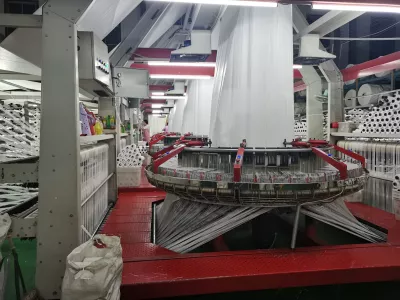
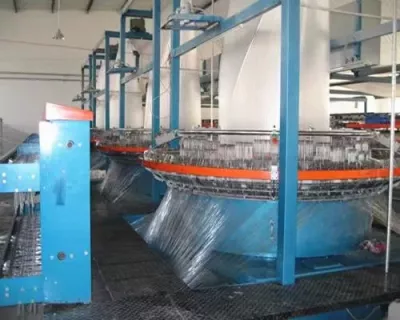
No. Photographs show appearance at one moment. Review documented controls, audit scope and records for the actual order.
QUESTION 13
How should finished food bags be packed?
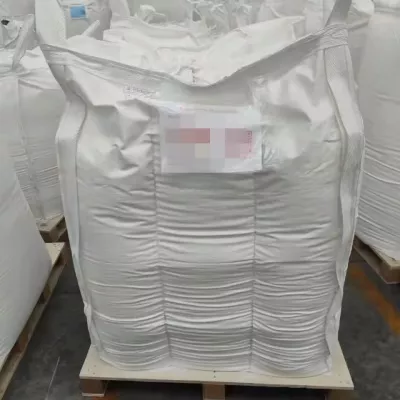
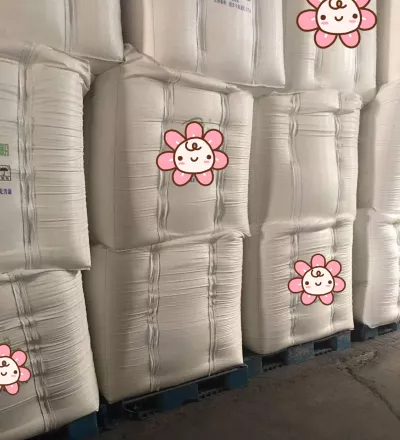
Specify protective packaging, closure, labeling, pallet condition and storage controls that preserve cleanliness through delivery.
QUESTION 14
What is lot traceability for an FIBC order?
It connects finished bags to production, materials, inspection and shipment records through a controlled lot or batch identifier.
QUESTION 15
How can allergen or cross-contamination concerns be communicated?
Identify the concern and required control or declaration before quotation. The supplier can then confirm scope and any production constraints.
Current food-packaging facility evidence
The facility evidence includes BRCGS Packaging Materials Issue 6 certification issued by Lloyd’s Register and valid through June 2027, plus an AIB International food-contact packaging facility inspection score of 860/1000 (Excellent), dated 22 April 2026. ISO 9001:2015 certification issued by Alcumus ISOQAR is valid through May 2028.
These facility-level documents support the management and hygiene evidence chain. Buyers should still match material declarations, migration evidence and order-specific records to the exact bag and destination market.
PART 04
Review documents and tests
QUESTION 16
What should a food-contact declaration identify?
It should identify issuer, material or article, applicable legal basis, conditions or restrictions, date and the product or lot relationship.
QUESTION 17
When is migration testing relevant?
Use it when required by the applicable material and market framework. Confirm simulants, time, temperature, specimen and result scope.
QUESTION 18
Can a raw-resin document replace a finished-film document?
Not necessarily. Conversion, additives and final construction can affect the evidence needed for the actual contact article.
QUESTION 19
How do FDA and EU documentation differ?
They use different legal frameworks and concepts. Request a market-specific review rather than treating one document as universal approval.
QUESTION 20
What if a certificate does not name the bag?
Ask for the traceable link between the document, component and order. A generic certificate library is insufficient for product approval.
PART 05
Approve and maintain the system
QUESTION 21
What should a food-bag sample review include?
Check construction, liner fit, cleanliness, odor, closures, printing, labels and compatibility with filling and discharge under the approved plan.
QUESTION 22
How should specification changes be handled?
Review material, supplier, additive, film, ink, process and site changes before use. Preserve the approval record for repeat orders.
QUESTION 23
What receiving checks help protect food packaging?
Verify lot identity, packaging integrity, cleanliness, documents, quantity and storage transfer. Quarantine damaged or mismatched material.
QUESTION 24
Can food-contact compliance prove mechanical safety?
No. Contact compliance and FIBC structural performance answer different questions; the final design needs both where applicable.
QUESTION 25
What should a food-packaging RFQ contain?
Include food and use conditions, contact layers, bag configuration, hygiene and traceability needs, destination, quantity and required evidence.
RFQ INPUTS
What to prepare before contacting the factory
A strong enquiry connects the question to the intended material, operating conditions and a controlled product reference. Include unknowns openly so they can be resolved before price or production approval.
- Food and conditions of use
- Direct-contact components
- Destination-market requirements
- Required declarations, tests and lot records
Use evidence in layers. A product page helps discovery; a quotation defines the offered scope; an approval drawing controls construction; a relevant report or certificate supports a stated claim; and lot records connect production to shipment. No single document replaces the others.
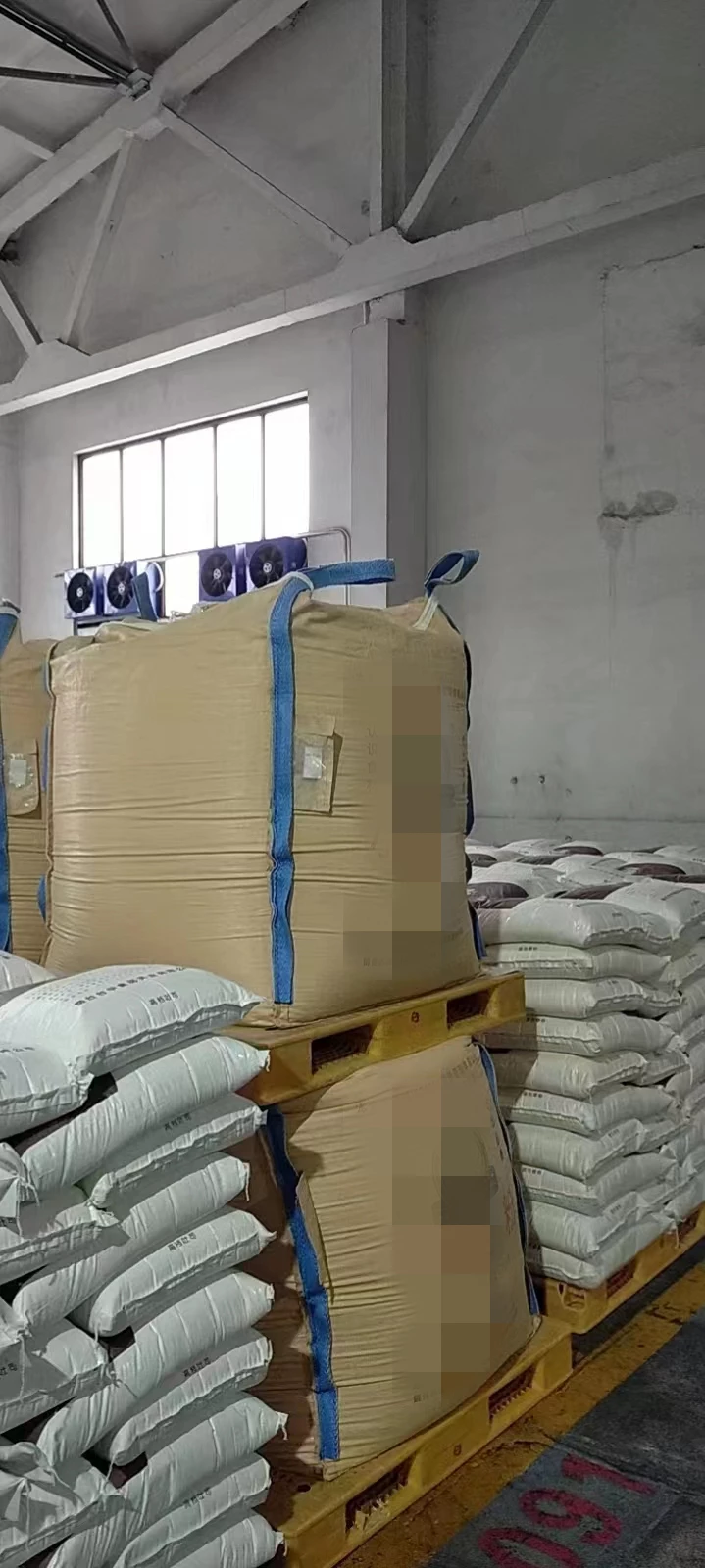
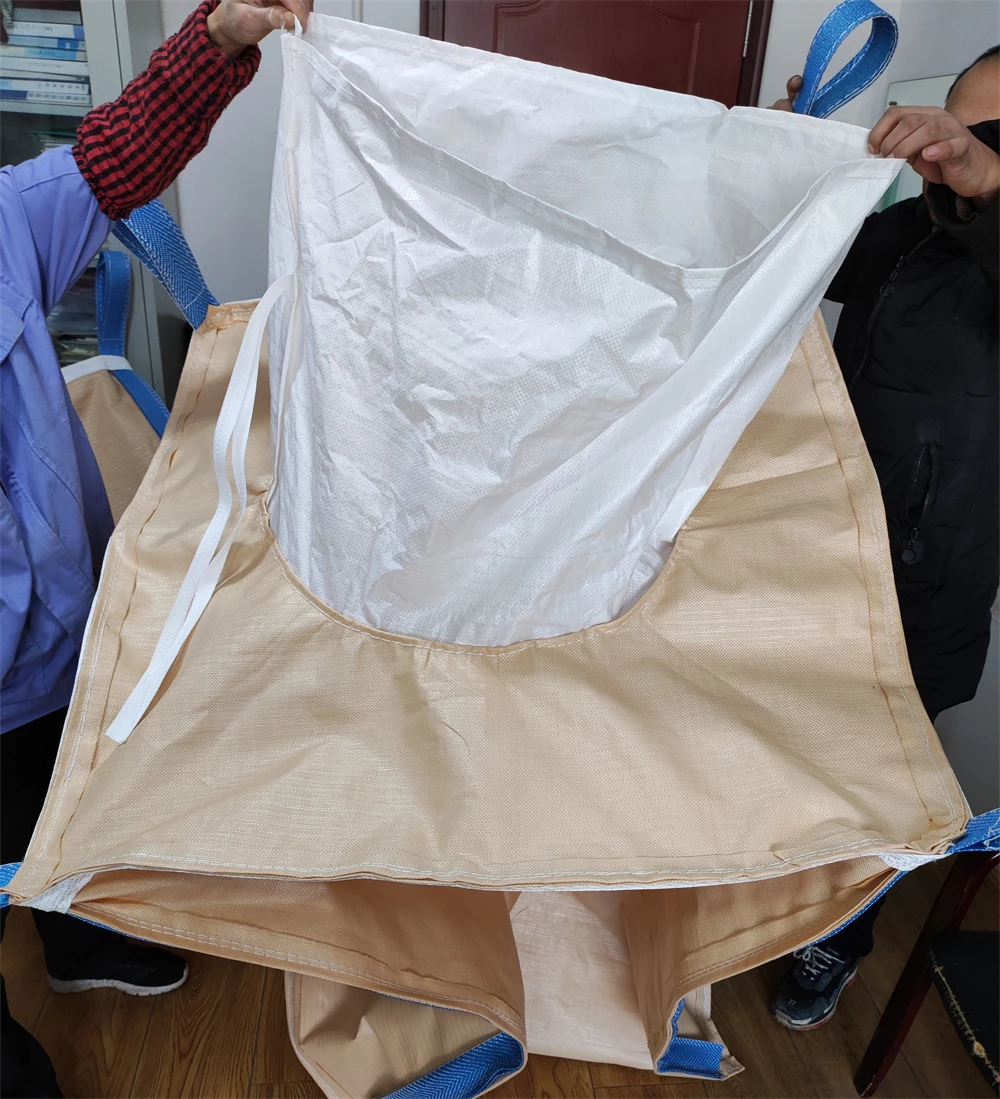
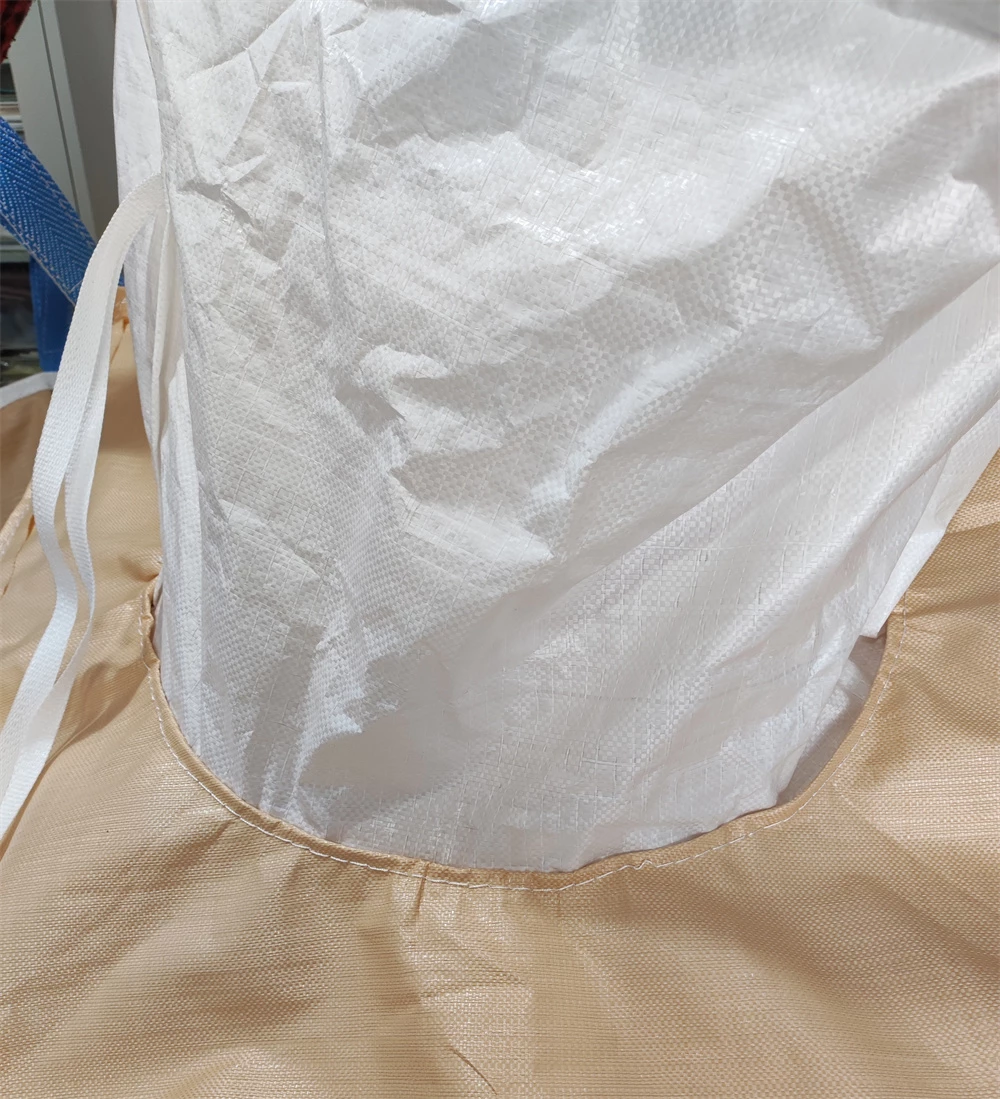
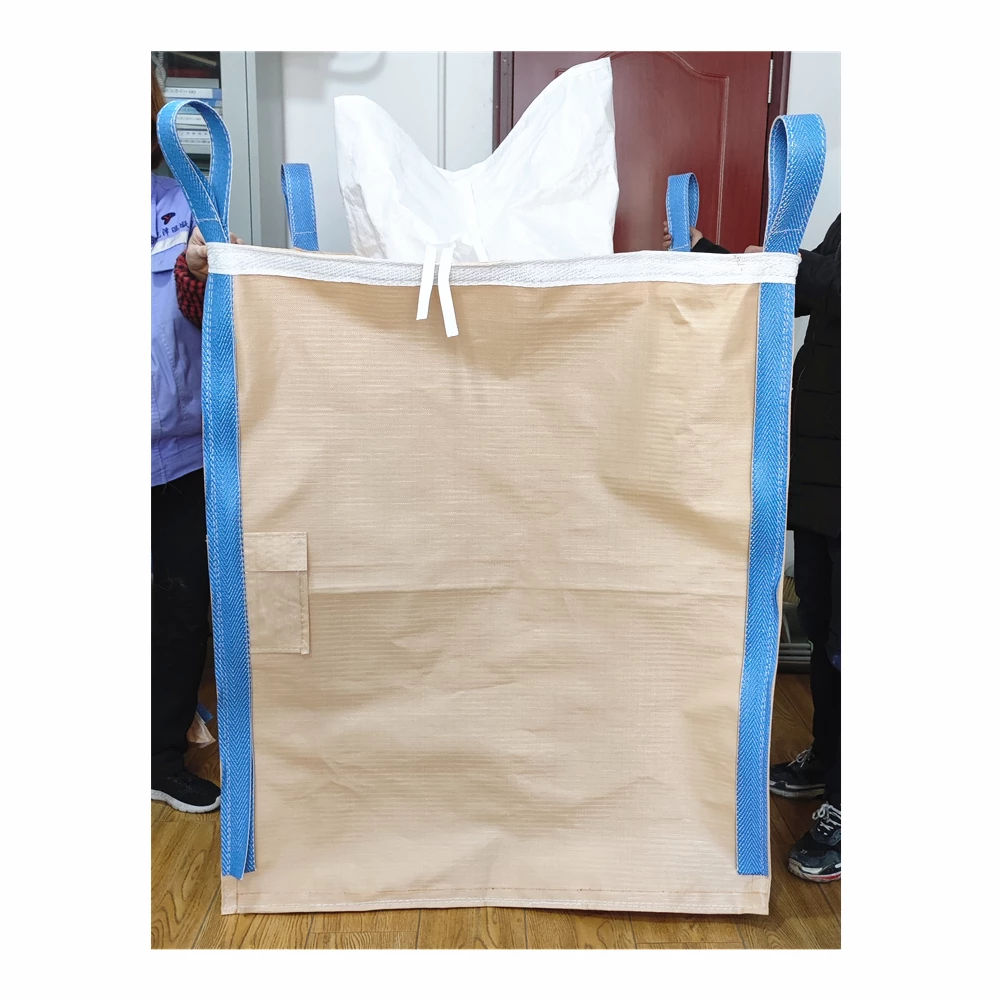
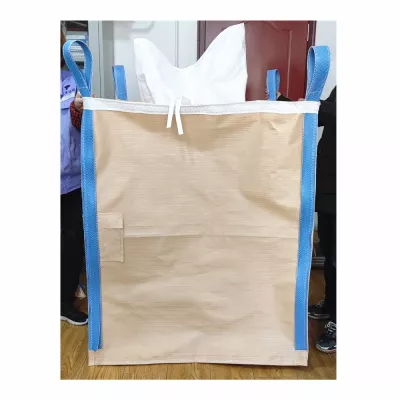
Review Beige Uncoated Flour FIBC with Filling and Discharge Spouts →
SOURCE AND SCOPE
Authoritative reference
This buyer guide uses European Commission food-contact materials as a terminology or decision reference where applicable. Standards, regulations and customer requirements must be checked for the exact product, use, destination and current edition. ReliaBulkBag confirms the offered construction and order-specific evidence during quotation.
CONTINUE THE DECISION
Related buyer question hubs
Discuss the application with the factory
Send the product, material, load, equipment, quantity and destination. We will identify the missing specification fields and the evidence needed for a useful quotation.