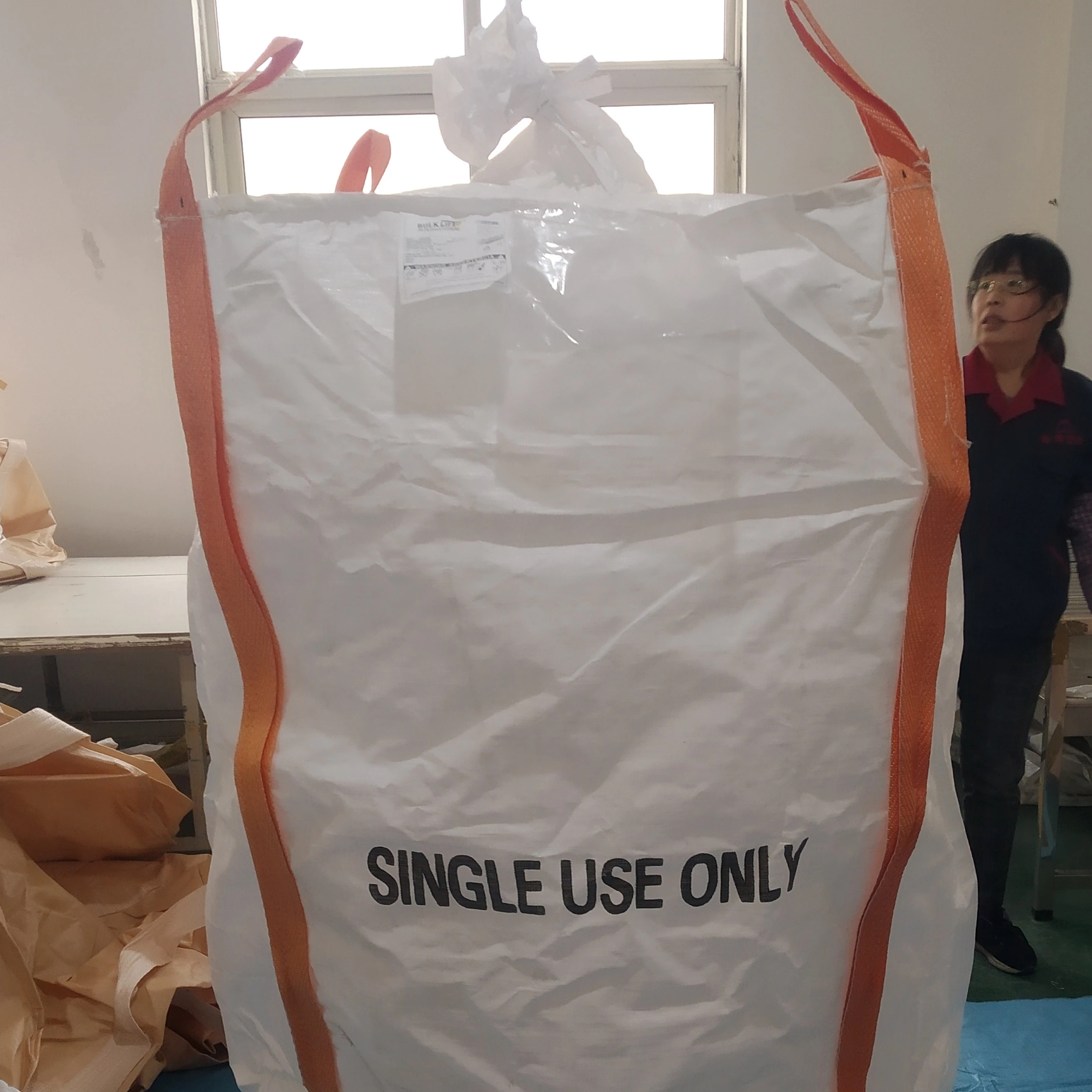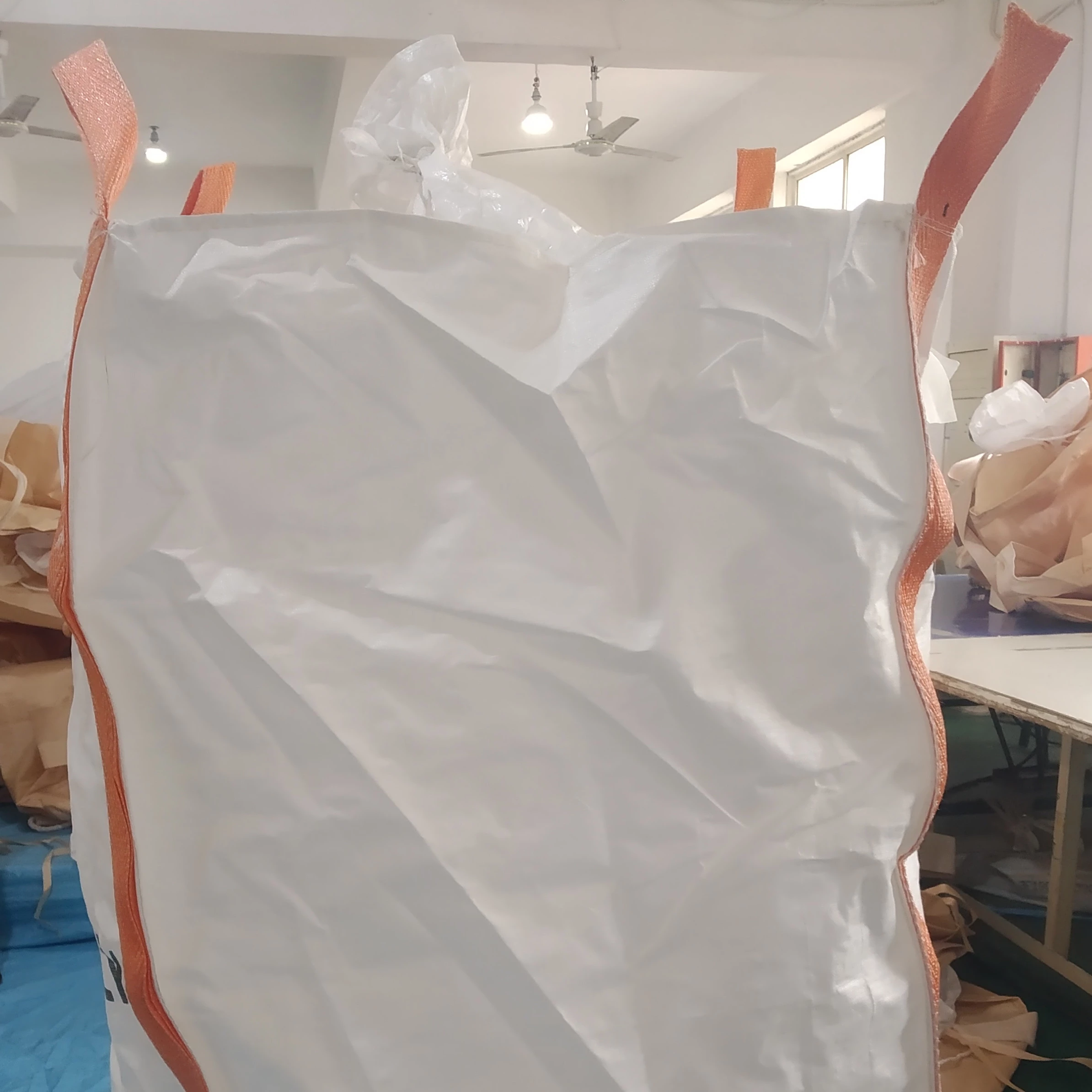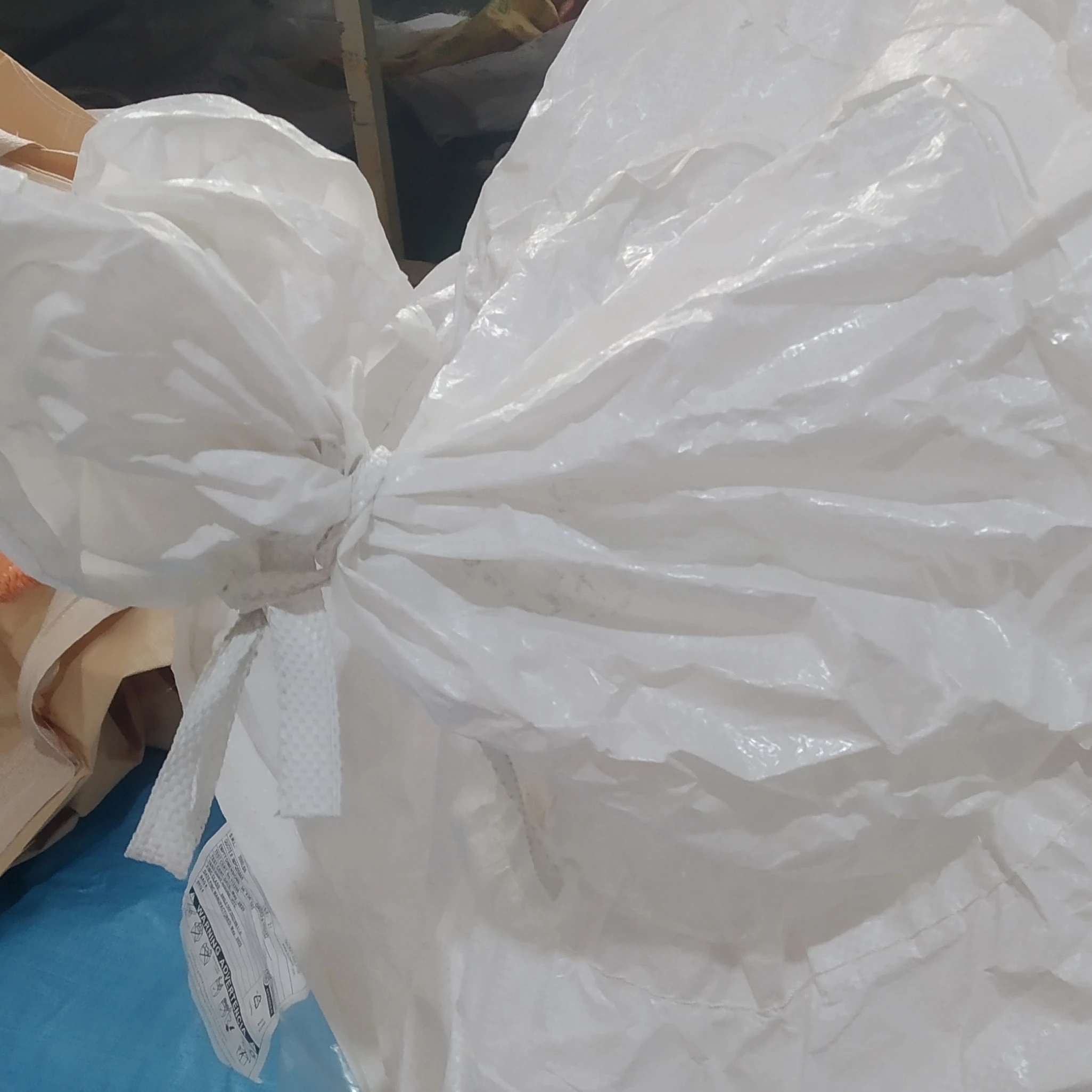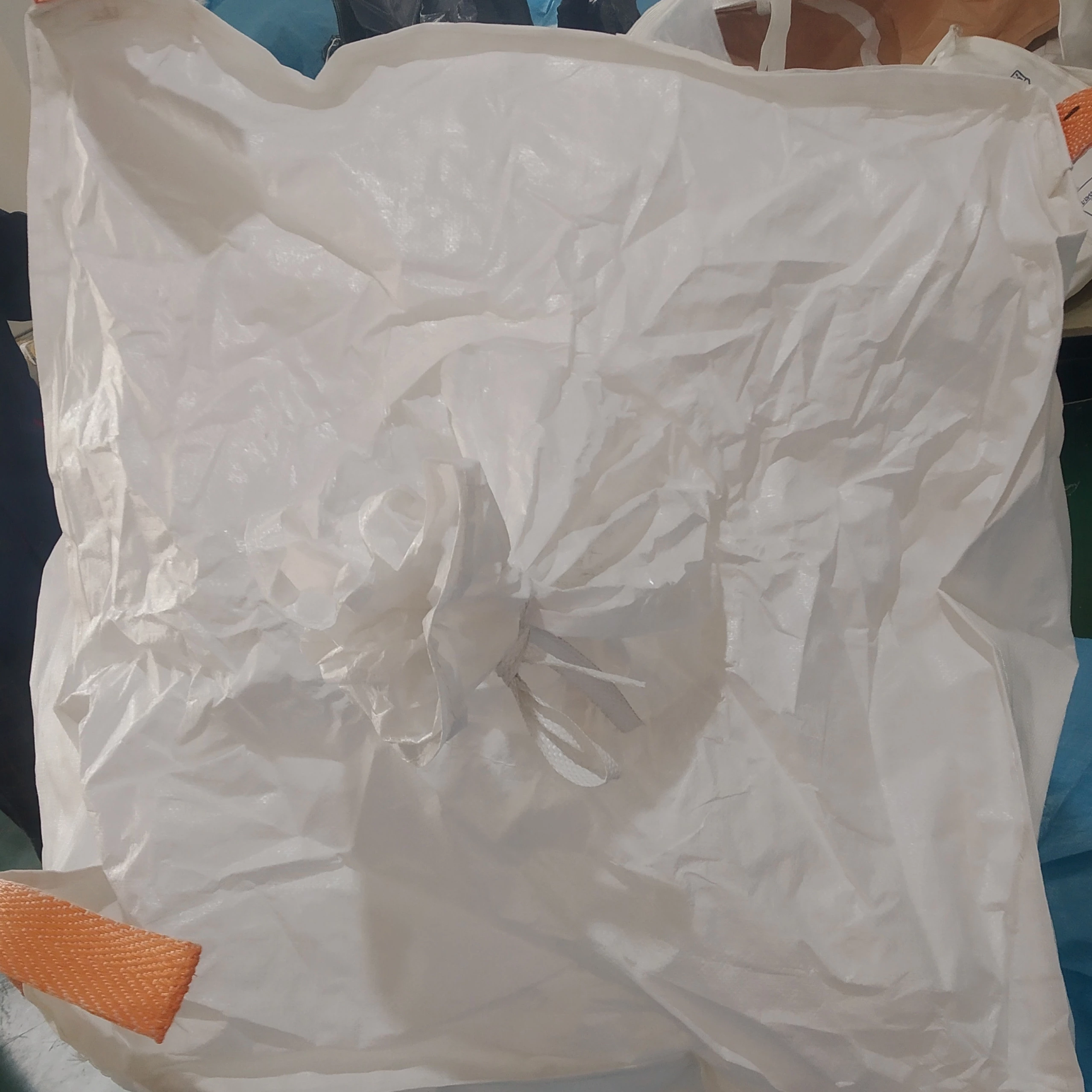
Start with the construction question, then compare the complete bag
U-panel, tubular and baffle FIBCs describe different aspects of a bulk bag's construction. They are useful starting points for a sourcing discussion, but they do not specify the complete package. A buyer still needs to identify the material being packed, bag dimensions, lifting arrangement, filling opening, discharge arrangement and any liner or coating. Comparing three quotations that leave those fields open can produce a price comparison without a meaningful product comparison.
The practical approach is to keep the required operating conditions constant and ask suppliers to explain the construction they propose. This guide focuses on that procurement exercise. It does not assign a universal winner: a design that fits one receiving station or shipment pattern may introduce unnecessary work at another. The questions below help turn a broad request for bulk bags into a reviewable specification. Browse the FIBC bag-type collection to identify a reference construction before comparing quotations.
What the three names tell a purchasing team
U-panel: look for the continuous panel and its joins
A U-panel bag uses a main fabric panel that passes down one side, across the base and up the opposite side, with additional side panels completing the body. A tubular bag instead uses a woven tube for its body. These basic definitions are described in the FIBCA terminology guide. When reviewing a U-panel quotation, ask for a drawing that identifies the panel arrangement rather than relying on a front photograph.
The purchasing benefit of that drawing is clarity. It allows the team to locate the base, vertical joins, lifting attachments and any internal features. It also creates a common document for comparing revisions. A change in panel construction should be visible on the drawing and quotation, even when the finished bags look similar from a distance.
Tubular: a continuous body does not mean a finished bag without sewing
Tubular, also called circular, describes the body fabric. The bag can still have attachments and seams associated with its top, bottom, lifting loops and other components. Avoid translating a tubular description into an unsupported claim that the entire bag is seamless or automatically suitable for a fine powder. Review the actual closure and seam treatment as separate purchasing fields.
Ask the supplier to show how the bag is measured and how the proposed body relates to the requested footprint. A flat, empty bag and a filled bag are different inspection conditions. If two quotations use the same three numbers but different measurement conventions, the apparent match may disappear at the filling line or pallet.
Baffle: identify the internal construction as well as the outer body
Baffles are internal elements intended to restrain outward expansion and support a more regular filled shape. A FIBCA definition of baffles identifies this shape-control purpose. The term therefore adds an internal feature to the discussion; it does not by itself fully describe the external panel construction, liner, seams or interfaces.
A request for a baffle bag should include a drawing or explanatory section view. Ask where the internal elements are attached and what needs to be confirmed about filling and emptying the intended material. An attractive square photograph is not evidence that a particular product will flow through the proposed internal arrangement as required.
Use a comparison sheet that separates choices
| Item to compare | What to request | Why it belongs in the quotation |
|---|---|---|
| Outer construction | U-panel, tubular or another defined body design | Prevents an internal baffle description from replacing the body specification |
| Internal features | Baffles, liner and attachment details | Makes hidden differences visible before sampling |
| Interfaces | Top, bottom and lifting arrangement | Connects the bag to actual equipment |
| Dimensions | Units, measurement points and tolerances | Allows a consistent sample inspection |
| Performance evidence | Evidence applicable to the proposed finished design | Keeps general product-family claims separate from order requirements |
Give each row an owner. Procurement can manage quotation completeness, while operations reviews equipment fit and the responsible technical team establishes any material or environmental requirements. This division prevents a commercial contact from having to infer a processing condition that only the receiving site understands.
Keep load and volume as separate questions
A size description does not establish how much of a particular material the bag should carry. Two materials can occupy the same volume while having different masses. Conversely, a requested load can require different volumes depending on the product. State the intended contents and packing condition when asking the supplier to confirm the design. Do not convert a catalog photograph into a load rating.
Use the finished bag's confirmed safe working load and its supplied instructions when planning use. A listed safety-factor ratio is not permission to increase the working load. The association's FIBC handling guidance emphasizes following the supplier's application-specific advice. Construction choice should be reviewed within those limits, not treated as a shortcut around them.
Read actual catalog combinations carefully
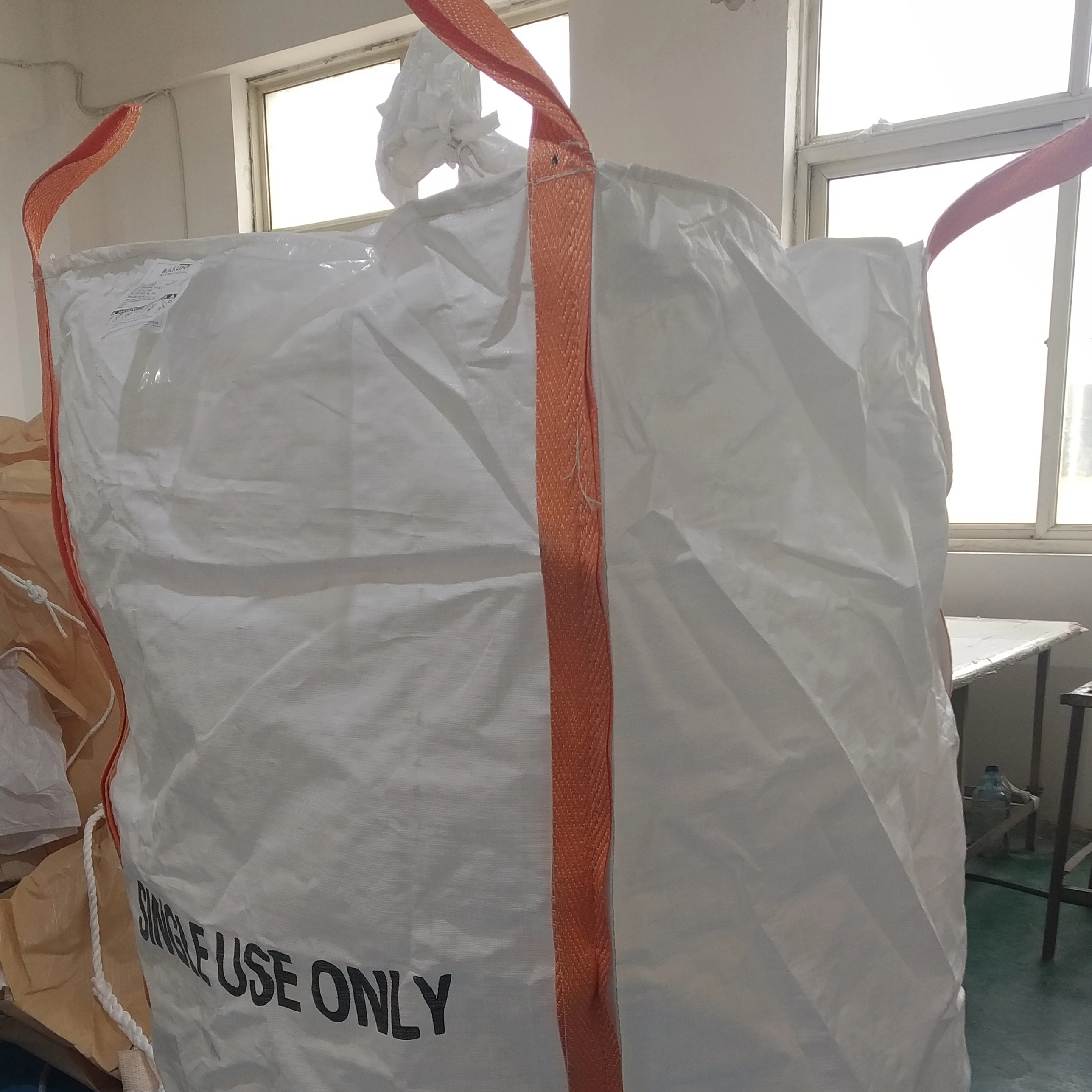
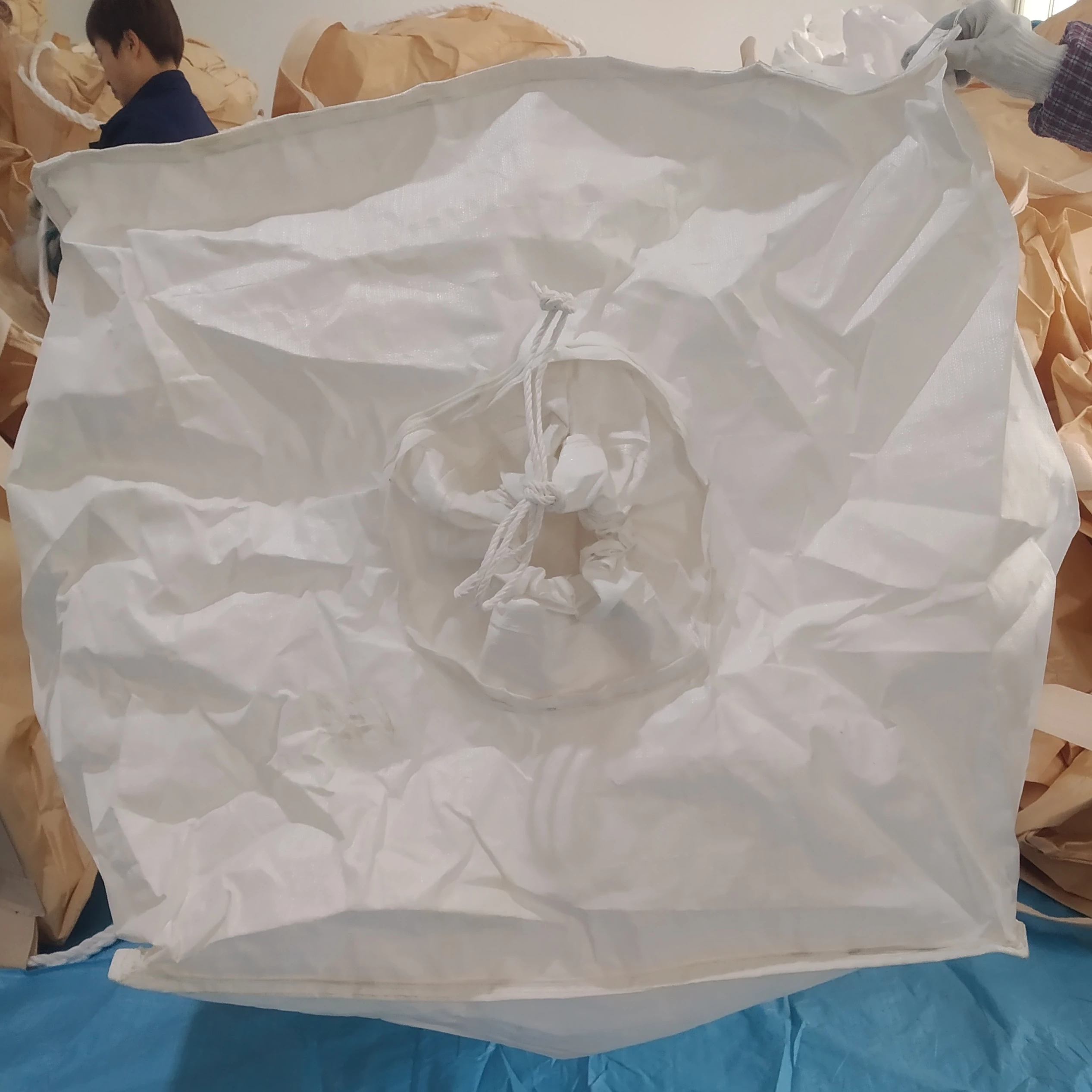
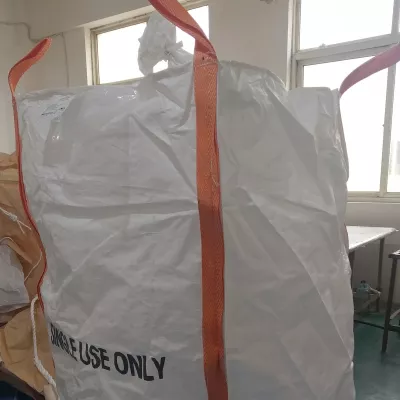
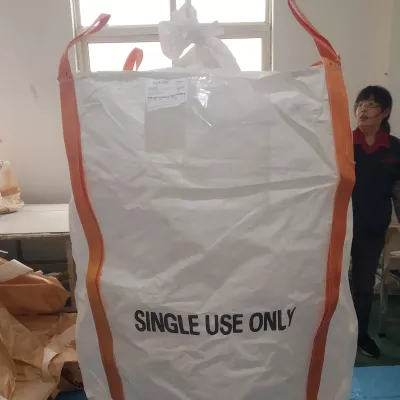
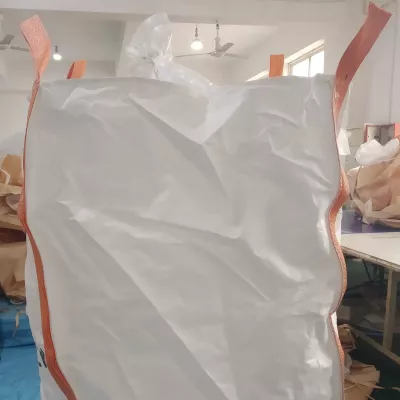
The current catalog contains a U-panel example with side-seam loops, a top filling spout and a flat base. Another U-panel entry combines side-seam loops with both a filling and a discharge spout. The catalog also includes a tubular-style entry whose attributes specify coated fabric, side-seam loops and spout filling and discharge. These examples show why the construction word alone cannot describe the loading and emptying workflow.
A baffle entry lists a 1000 kg safe working load, side-seam loops and top and bottom spouts. That is one recorded configuration, not a rating assigned to every baffle bag. Where a dimension lacks a unit or a quotation differs from its attribute schedule, request clarification. Ask for a confirmed drawing and label specification before converting a listing into a purchase order.
Evaluate the filled footprint where space matters
If pallet or container use motivates the comparison, define the actual constraint. Record the available platform, the permitted occupied area and the way the bag will be positioned. Then ask how the proposed design will be assessed under the intended filling condition. Empty dimensions alone are not an adequate substitute for the filled-package requirement.
For a baffle proposal, request an agreed method of recording the filled shape. Photographs taken from identified directions, a measurement record and the associated material condition are more useful than a general promise of better space use. For a U-panel or tubular proposal, apply the same review method. A fair comparison uses the same acceptance question rather than a different presentation for each candidate.
Do not turn the potential for a squarer shape into a stacking instruction. Stacking, storage support and transport arrangements require their own review and the applicable manufacturer's directions. A procurement trial can collect evidence about the package without assuming that any visible shape is an approval for a handling practice.
Consider how the material leaves the bag
Describe the receiving operation as carefully as the filling operation. Does the process require transfer into a hopper, connection to a discharge station or another defined arrangement? Does the buyer need a specified residual quantity after emptying? Is there an existing procedure for opening and closing the outlet? Those requirements can change the preferred configuration even when the external bag construction stays the same.
When baffles or liners are proposed, ask the supplier how they interact with the intended contents and the outlet. Put unresolved questions on the sample-review sheet. A useful trial record names the product, the bag revision and what the observer measured; it does not simply say that the bag emptied well. No one should improvise an opening or reach beneath a suspended bag to complete a trial.
Compare total purchasing work, not only unit price
Ask each bidder to separate the base specification from optional changes. If one price includes a liner and another does not, the prices are not yet comparable. Likewise, custom printing, document pockets, packaging format and sample preparation can affect what the buyer receives. Record those differences before deciding that a particular construction is cheaper.
Consider the work required after delivery. Will the receiving team need to identify several visually similar versions? Does the label distinguish the approved configuration? Can the supplier preserve a drawing revision across repeat orders? These are commercial-control questions rather than claims about any construction's inherent performance. They often reveal a more practical sourcing difference than broad statements such as premium quality.
Ask bidders to price the same construction comparison
Use the FIBC selection guide to settle the baseline configuration, then ask each bidder to identify its proposed outer construction and any internal baffles separately. Hold the top, bottom, loops, liner and intended contents constant. If a change is necessary, require a marked deviation so its effect can be reviewed alongside the price.
For a baffle alternative, state the filled-footprint question that prompted the comparison and the observations needed from a sample. For a tubular or U-panel alternative, use the same acceptance question. Attach this comparison sheet to the bulk-bag RFQ specification so an additional feature is priced against a defined need.
Questions buyers commonly ask
Is a baffle bag always better than a U-panel or tubular bag?
No universal ranking follows from these names. Baffles introduce an internal shape-control feature, while the final choice also depends on contents, interfaces and purchasing requirements. Ask what measurable problem the additional feature is intended to solve and how that result will be reviewed.
Can two different constructions use the same filling and discharge openings?
They may be offered with similar named openings, but the names do not establish identical dimensions or attachment details. Compare the drawings and confirmed interfaces. A top filling spout still needs to match the filling equipment regardless of the body's construction.
What should be approved before a repeat order?
Confirm that the supplier is quoting the same drawing revision, materials, interfaces and documented requirements. If the contents or equipment have changed, reopen the relevant technical questions. A familiar product name should help locate the specification, not replace it.