FIBC BUYER QUESTION HUB · 25 ANSWERS
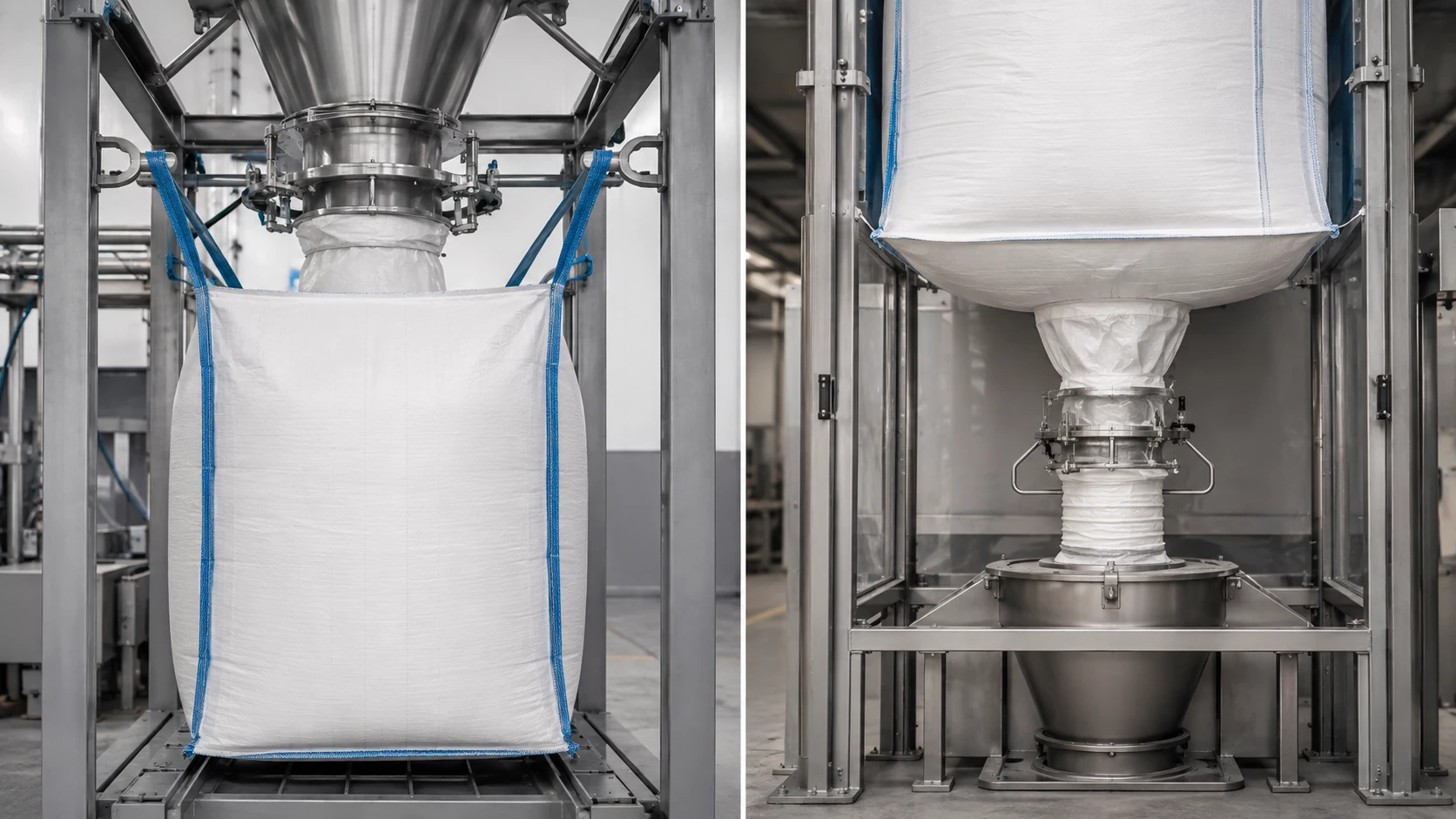
Top and bottom options are operating interfaces. The useful specification connects spout, skirt or open top dimensions to equipment, dust control, closures, flow behavior and safe access.
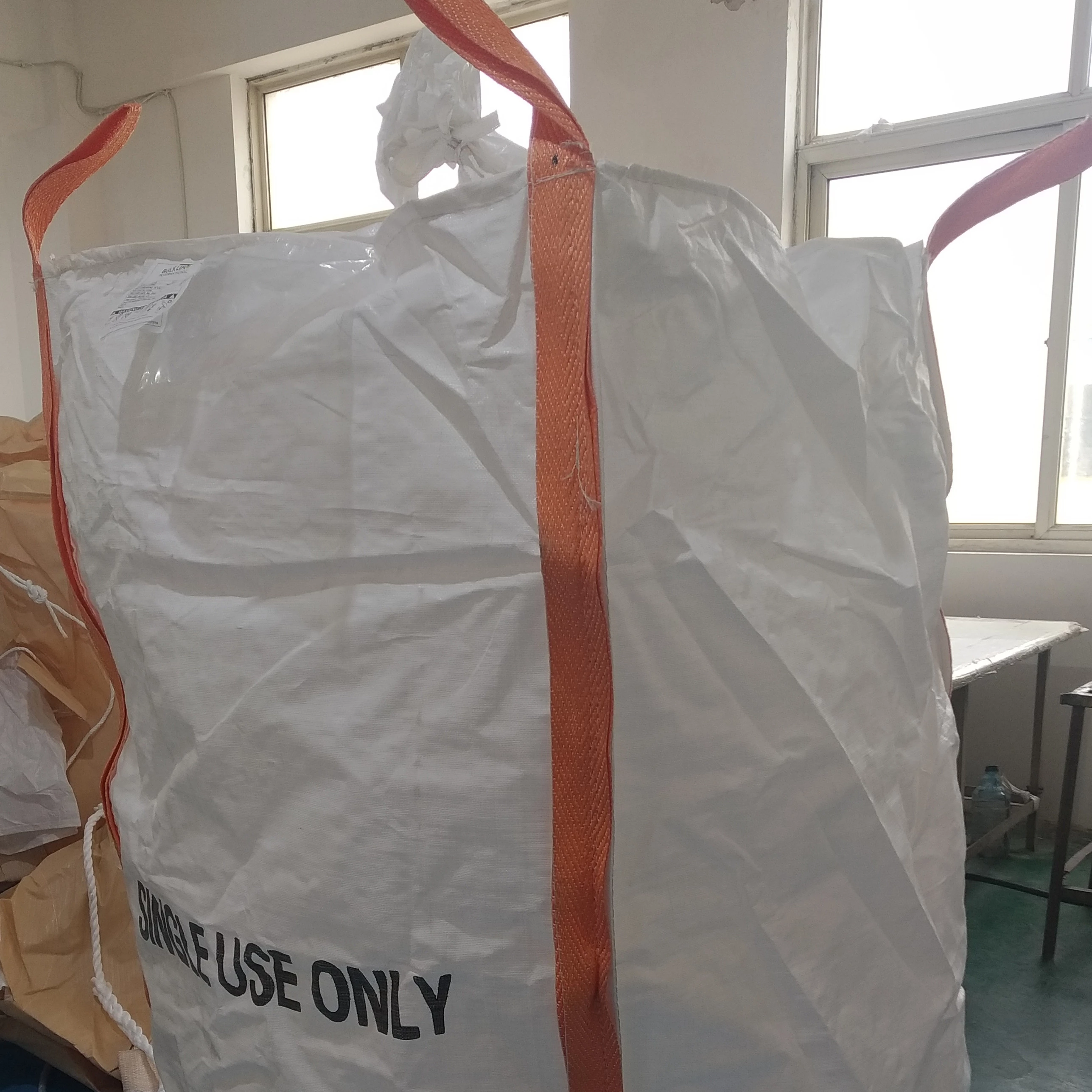
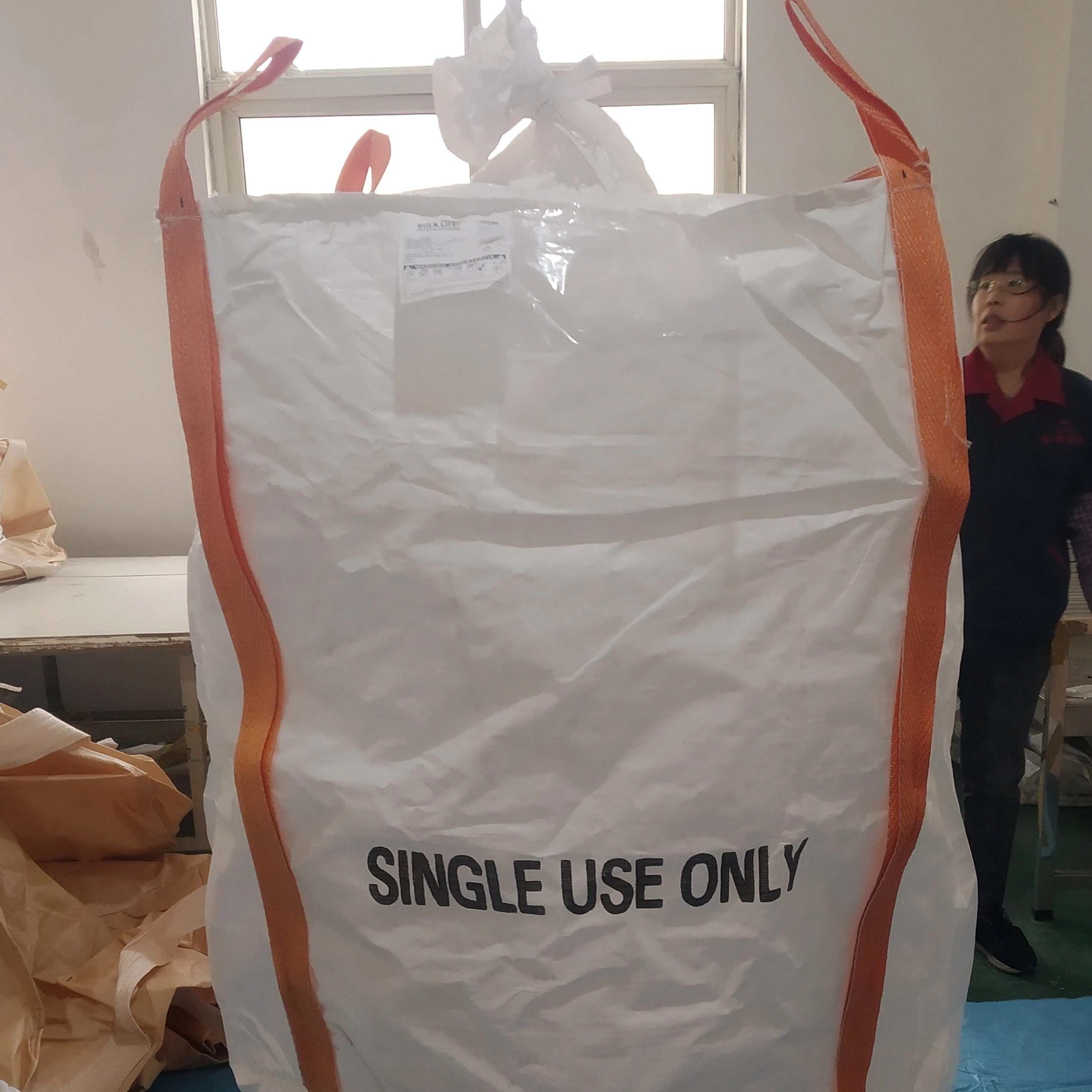
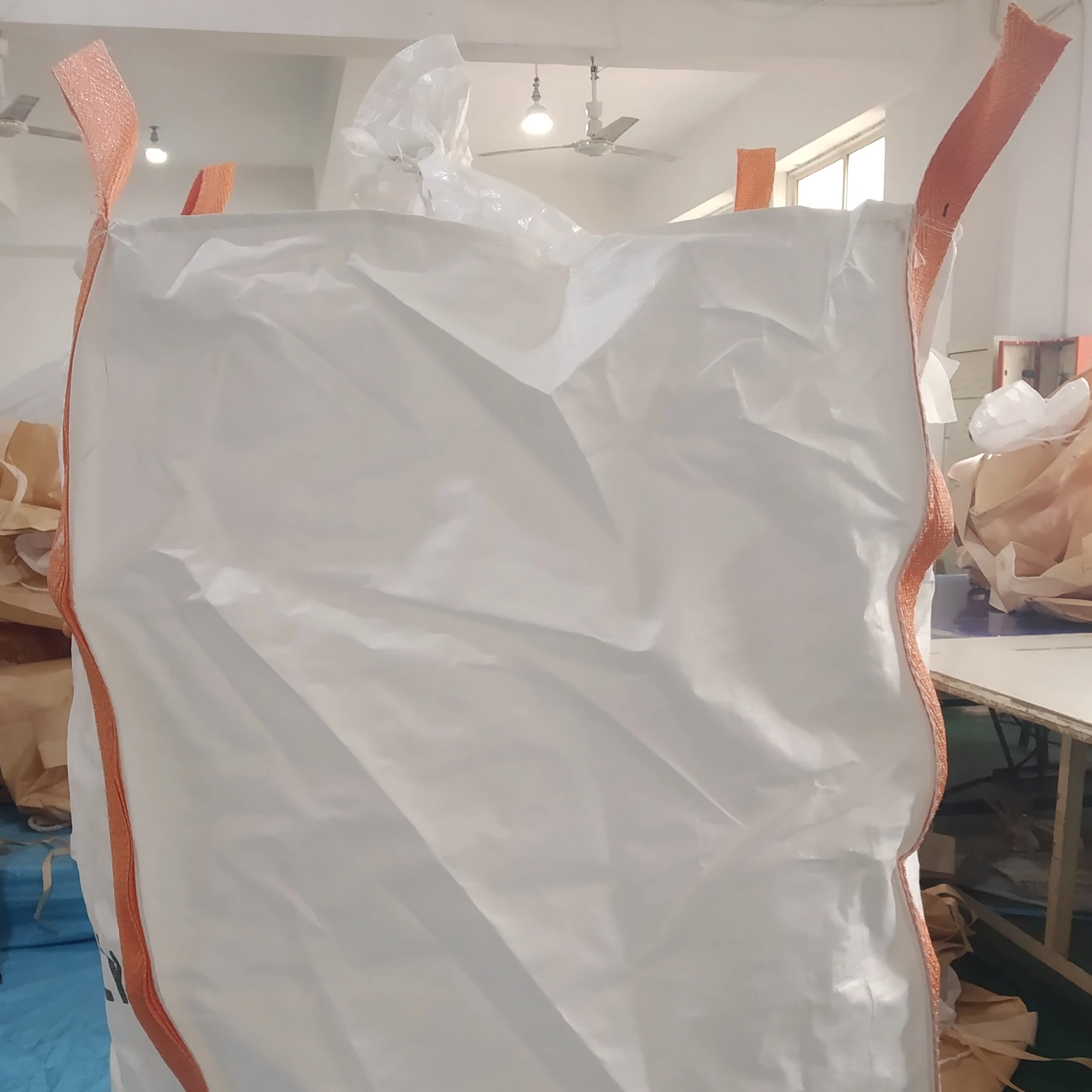
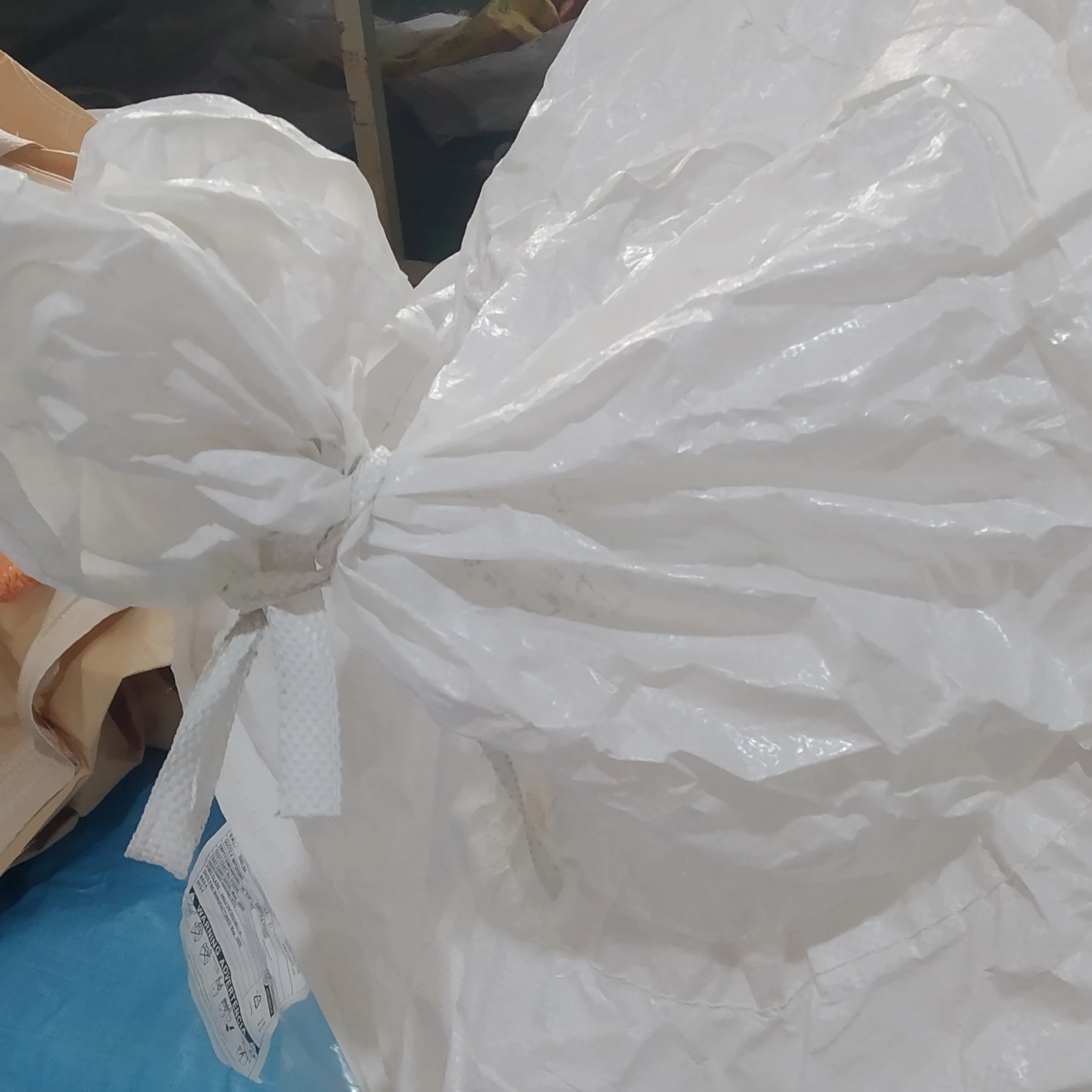
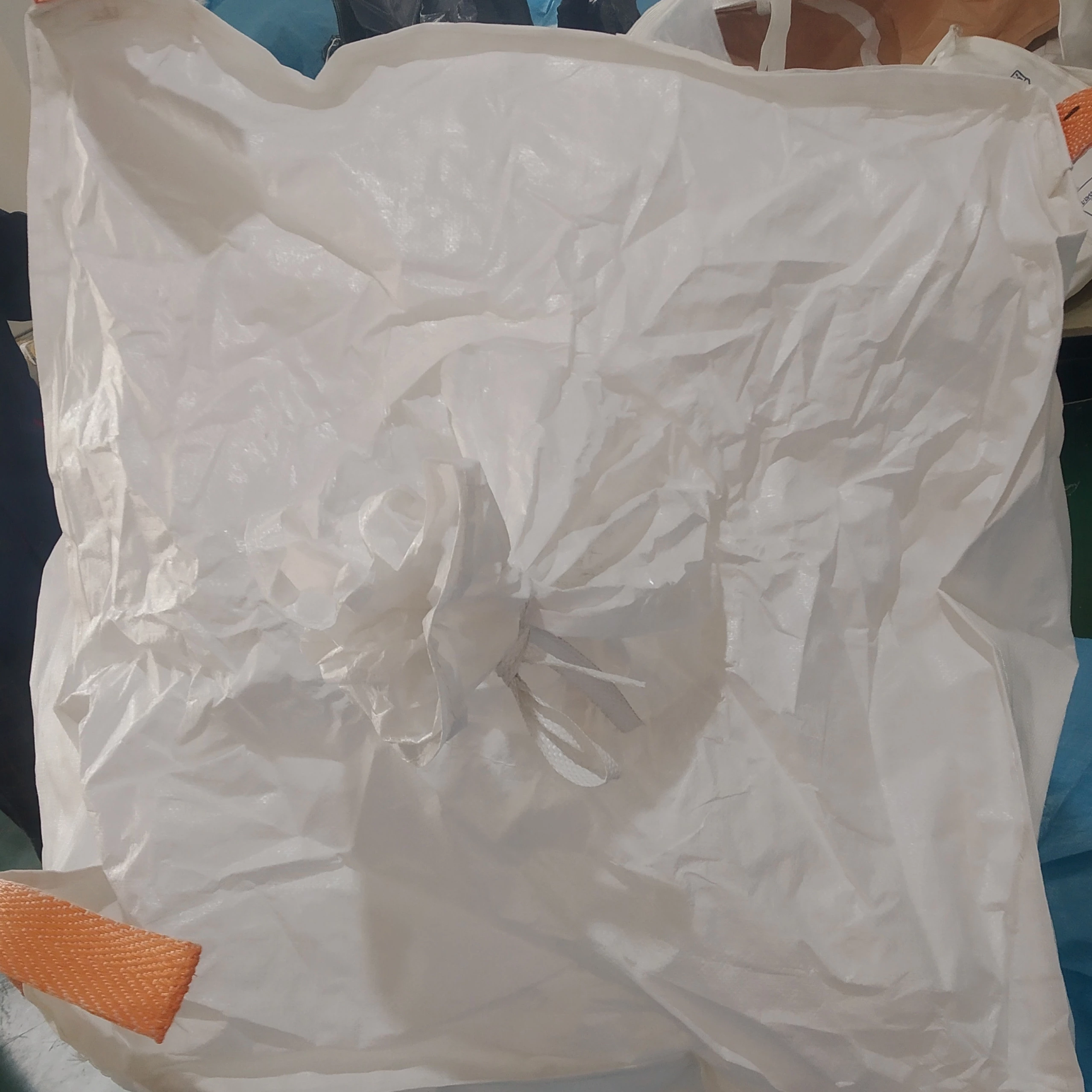
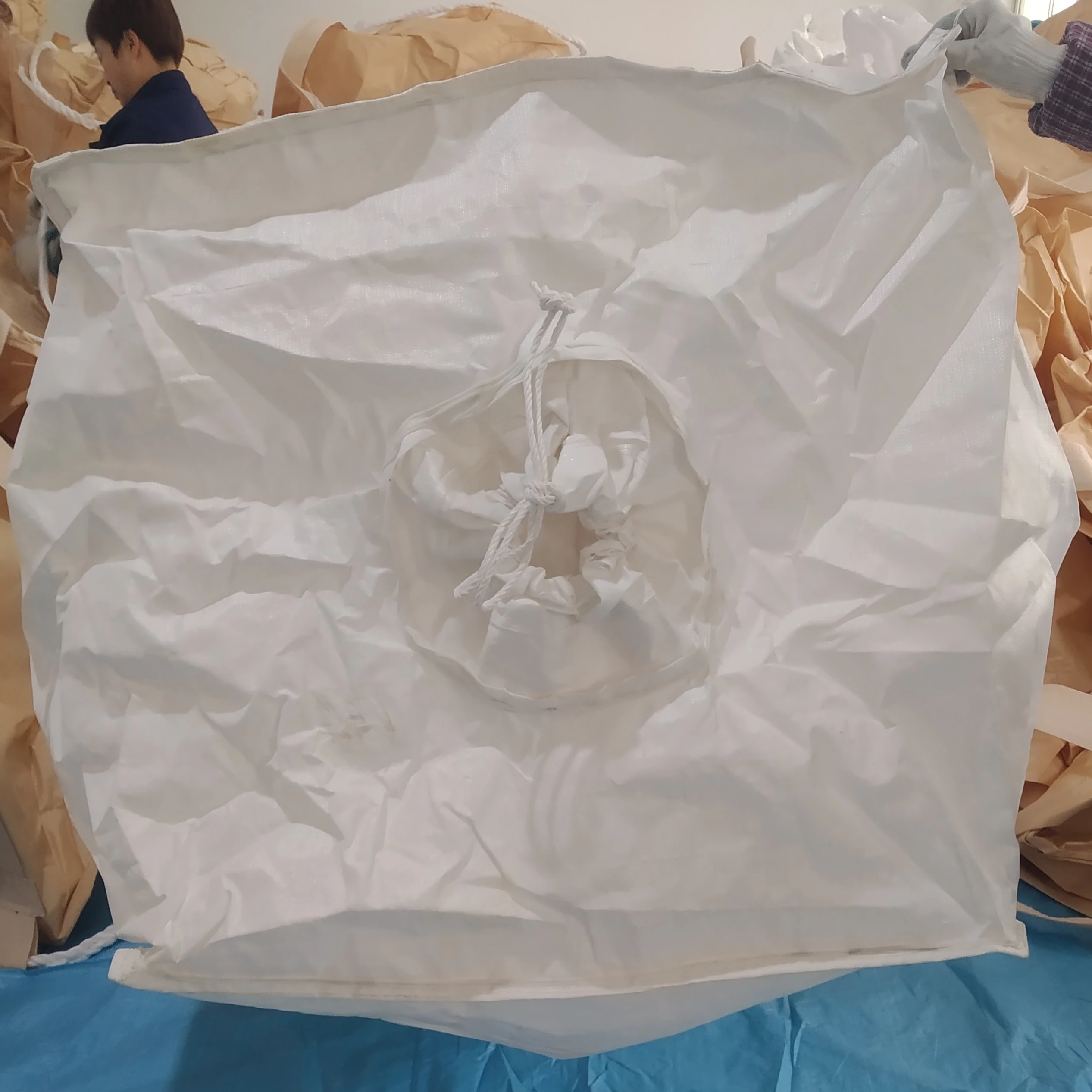
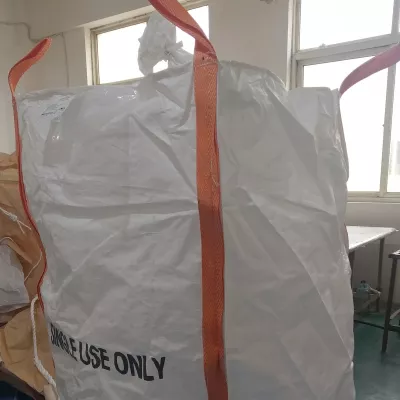
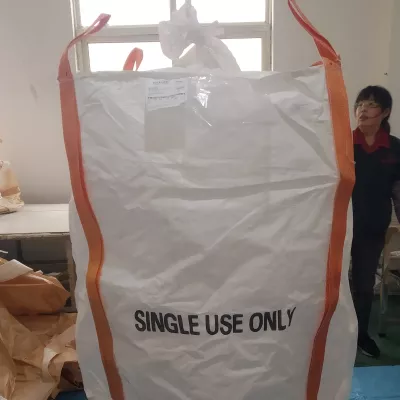
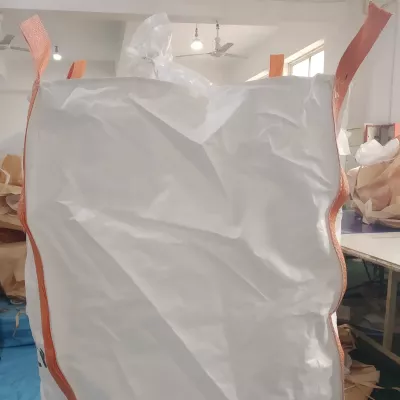
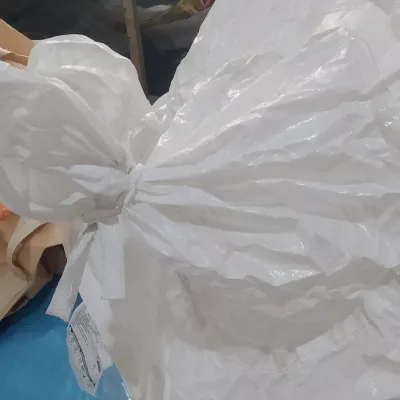
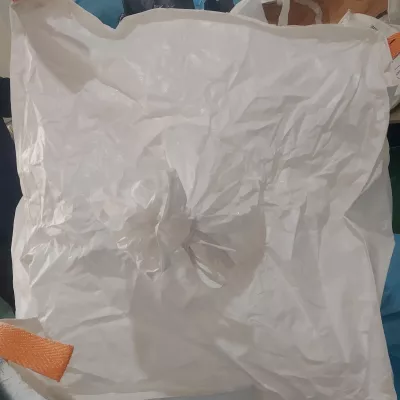
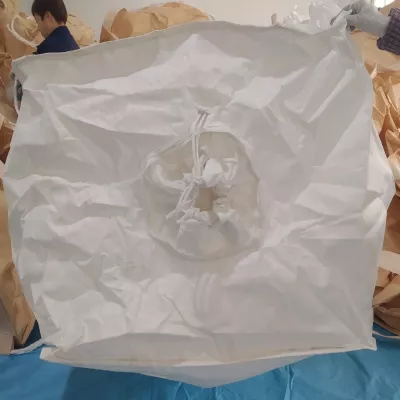
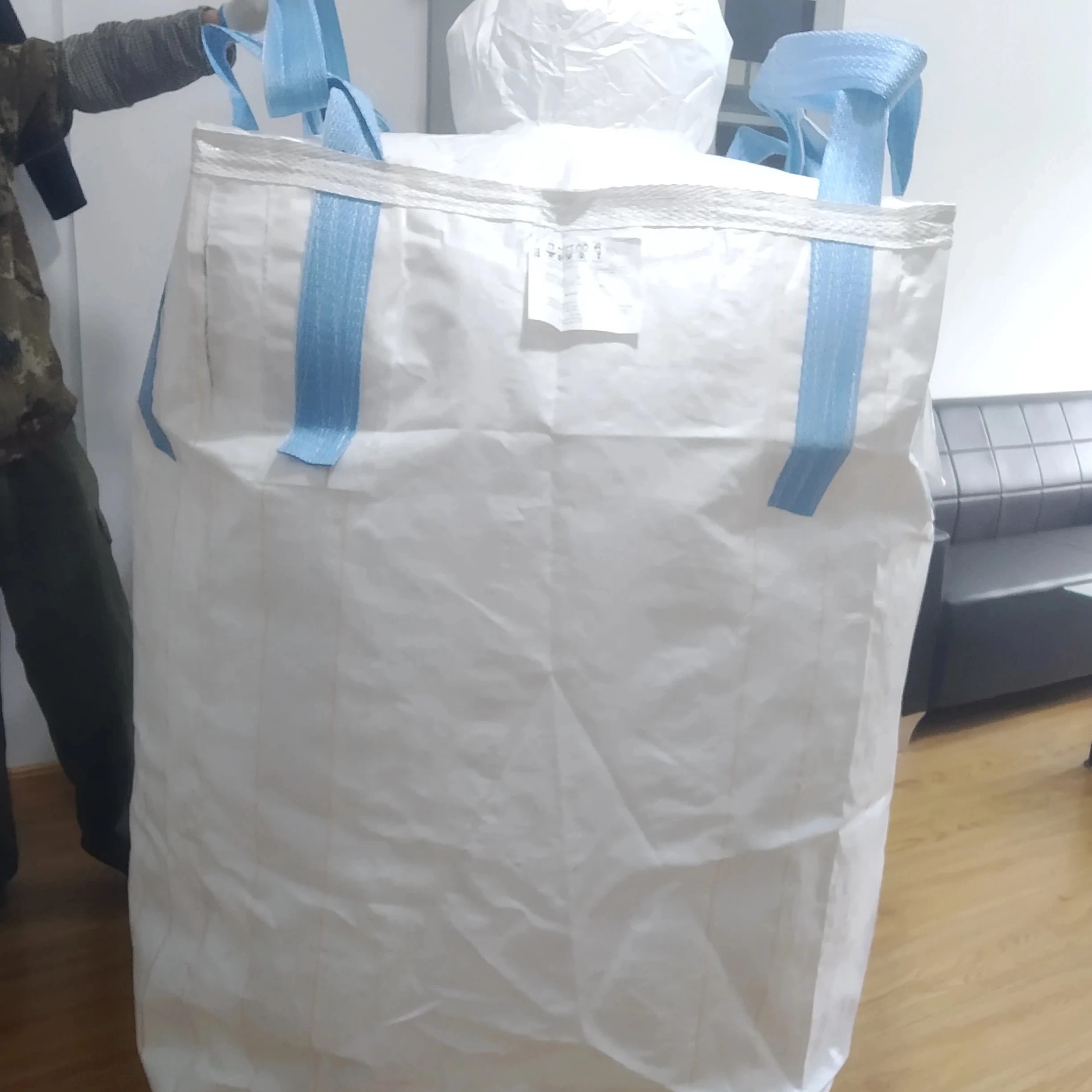
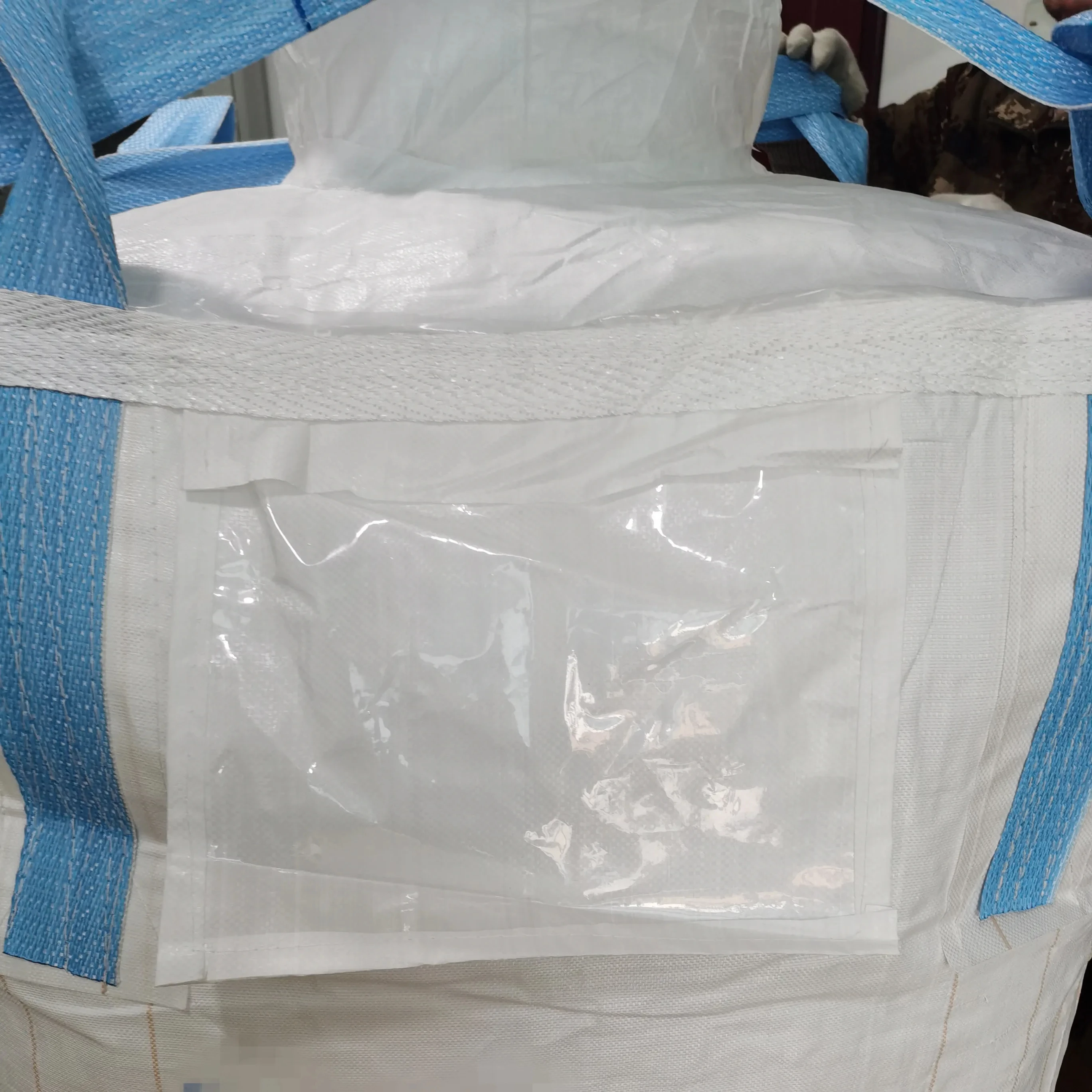
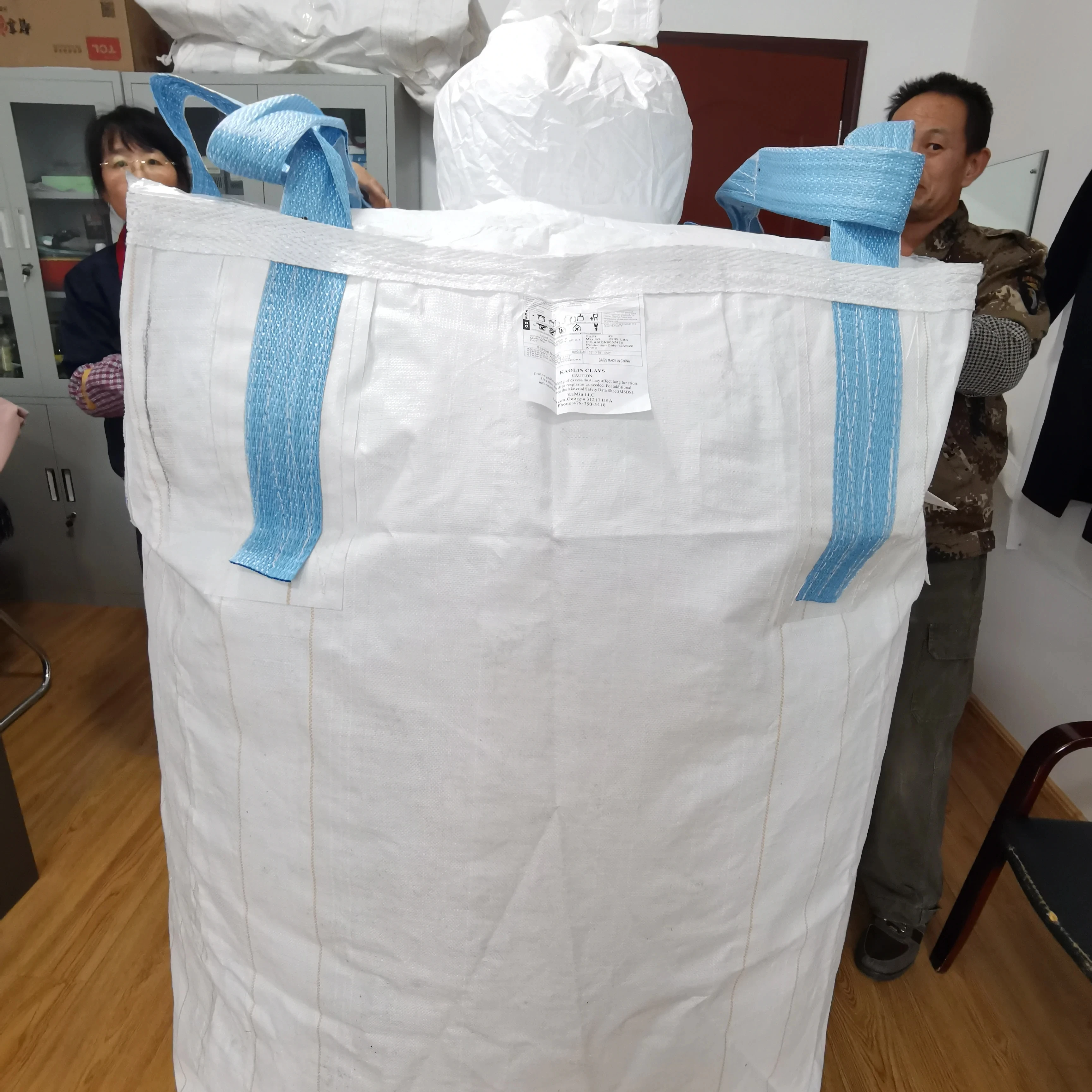
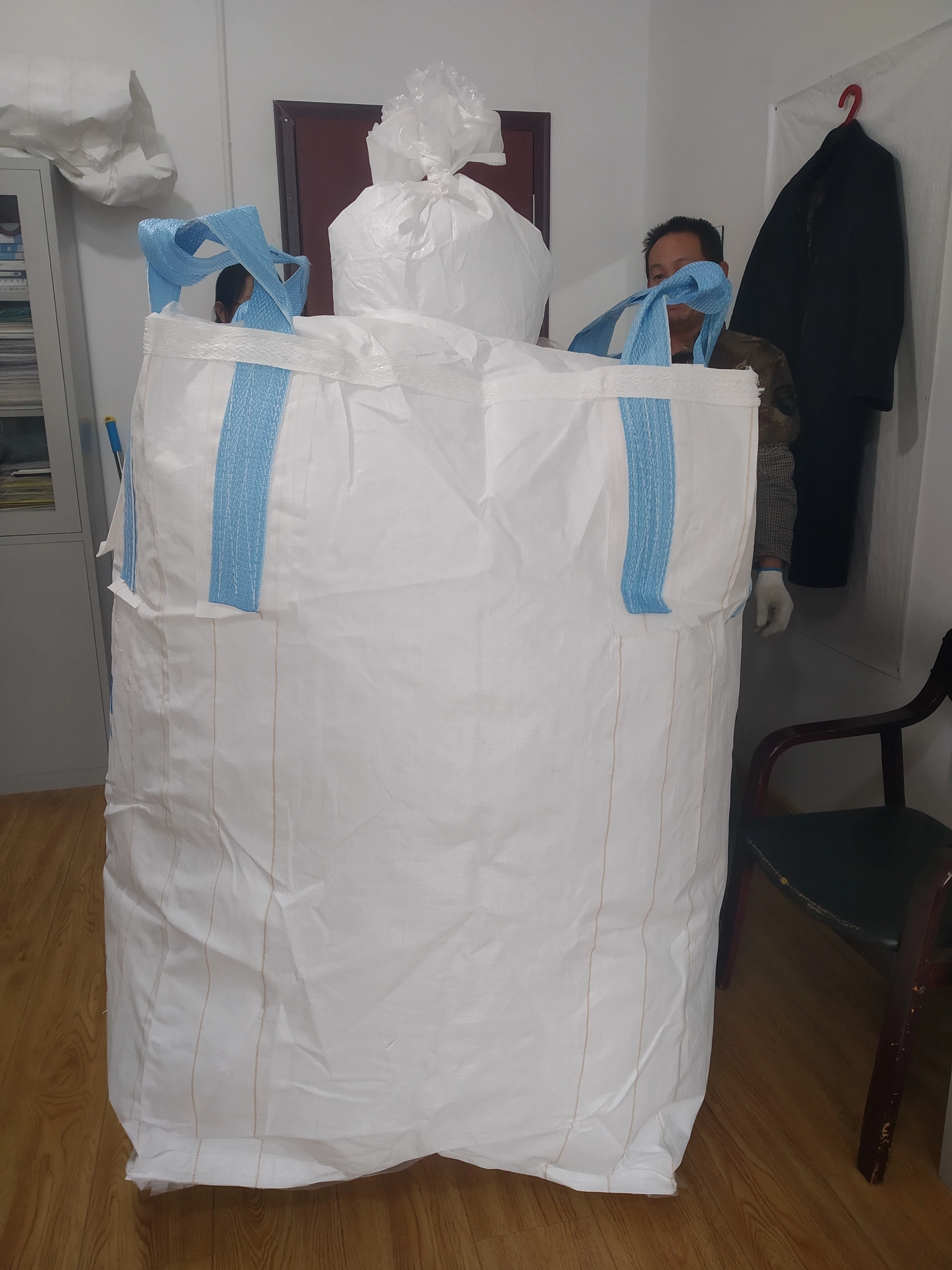
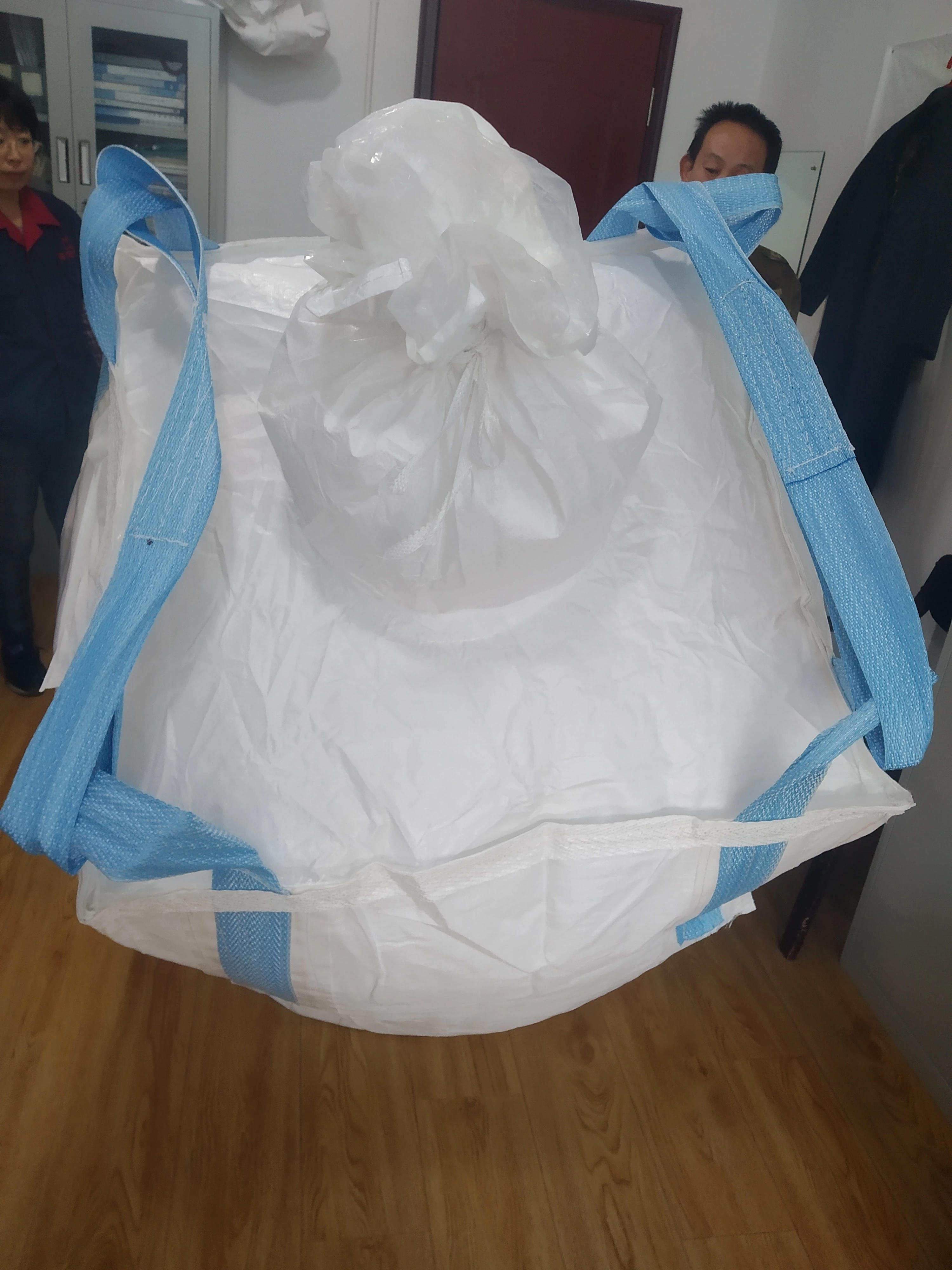
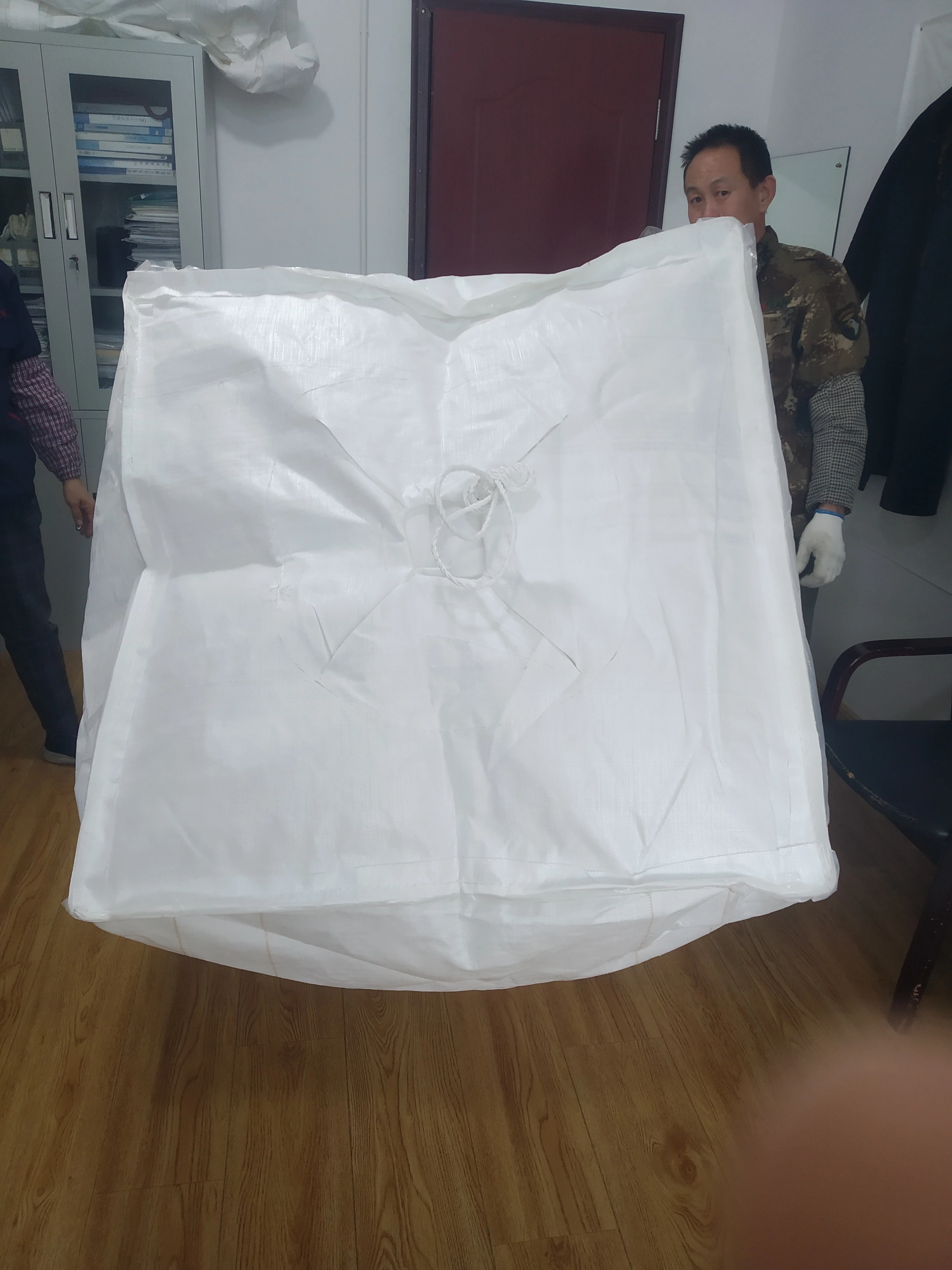
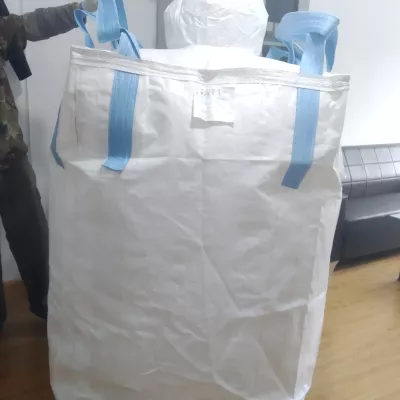
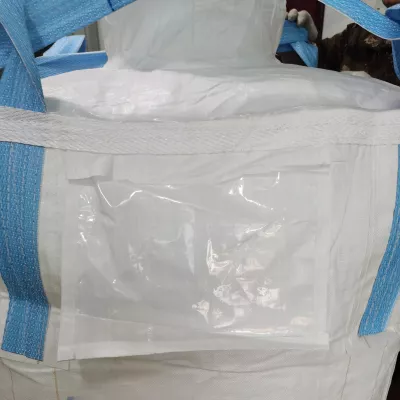
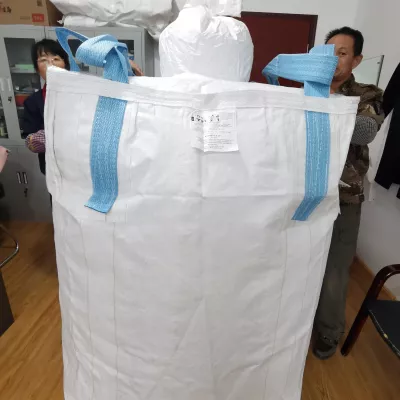
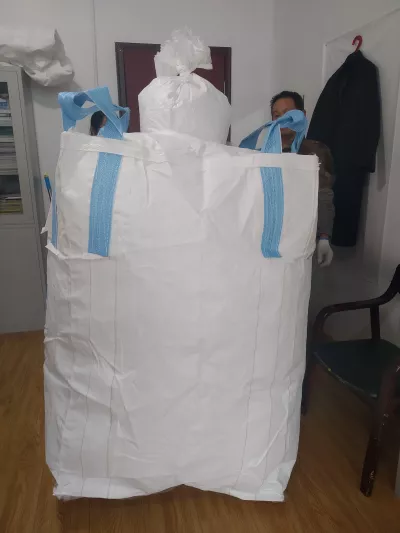
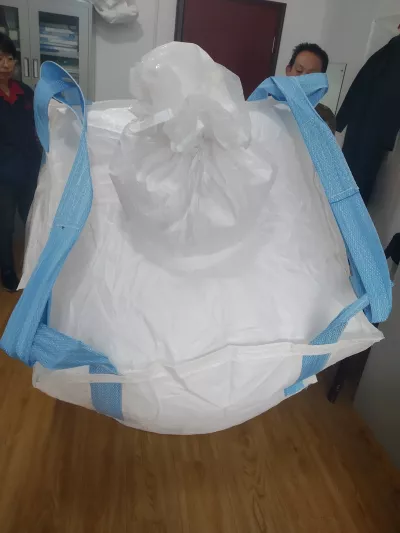
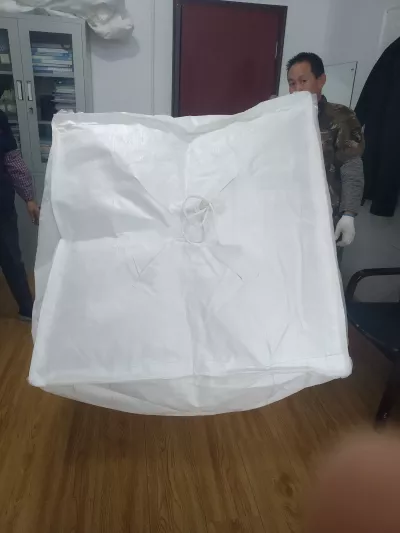
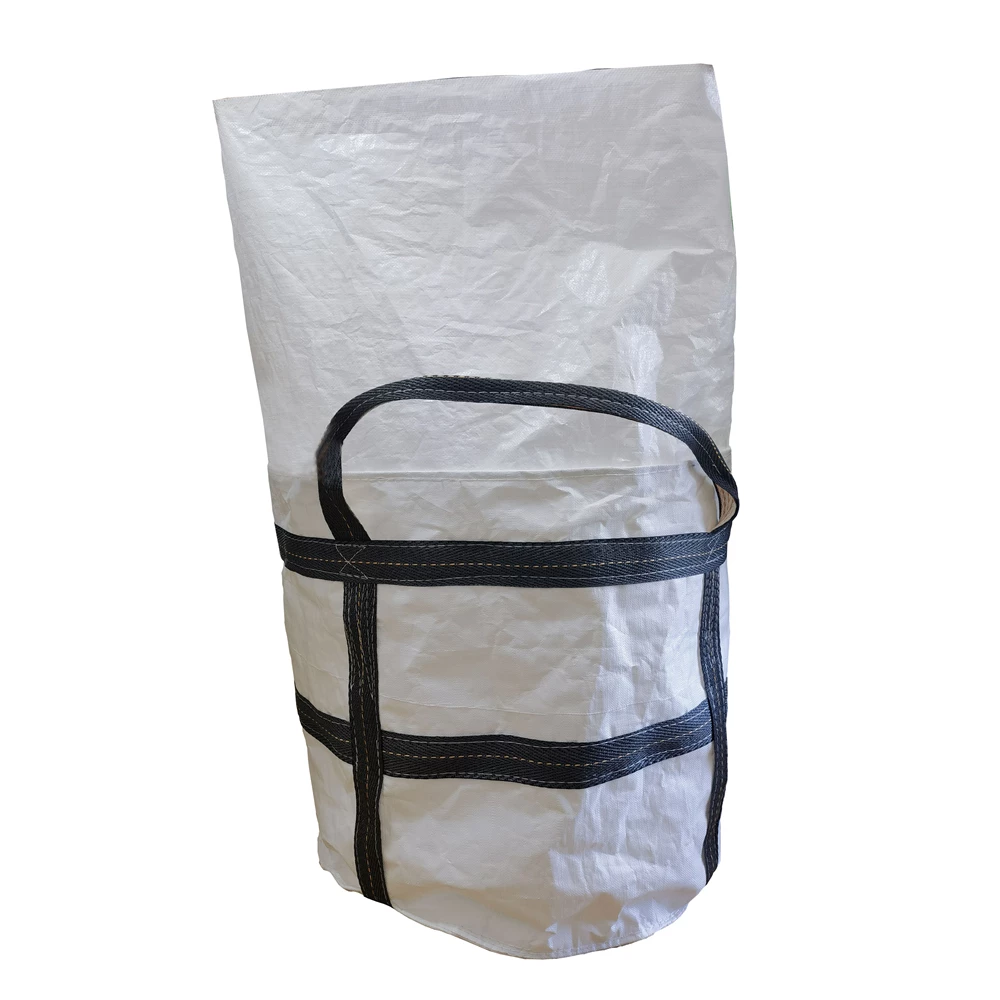
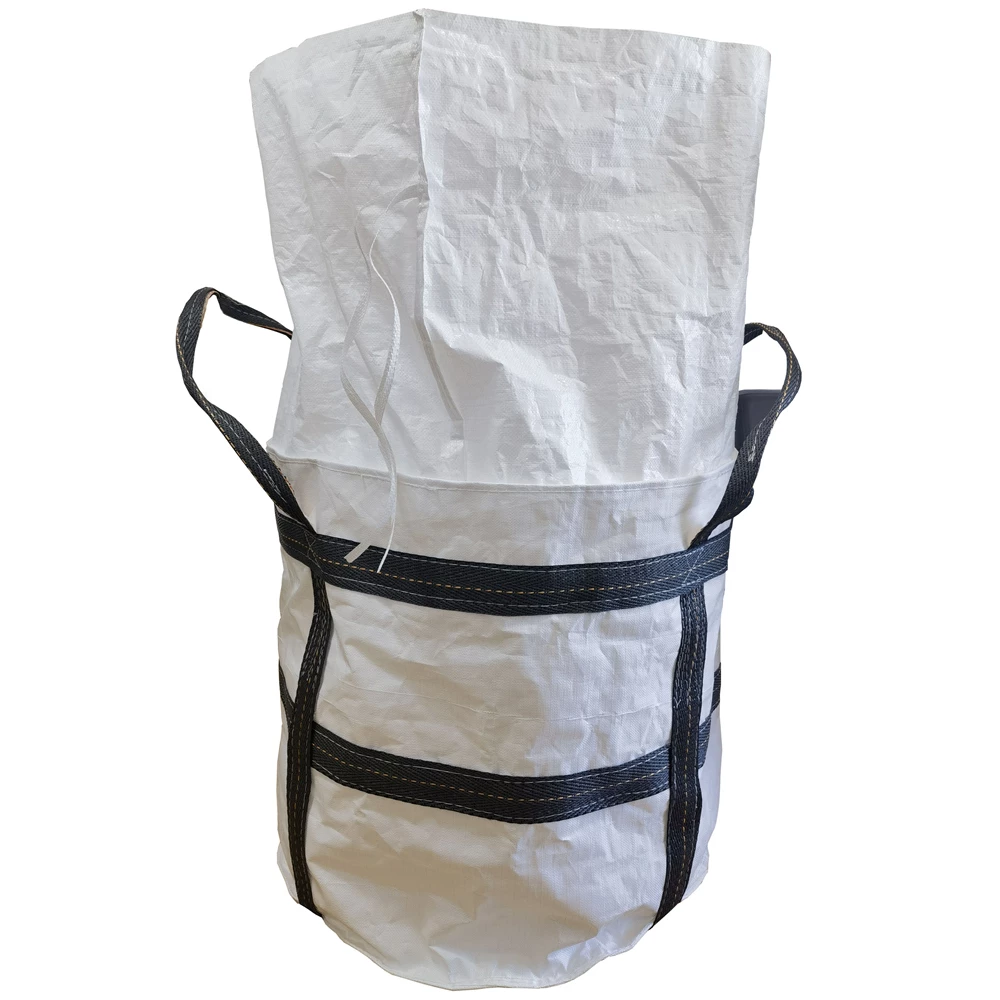
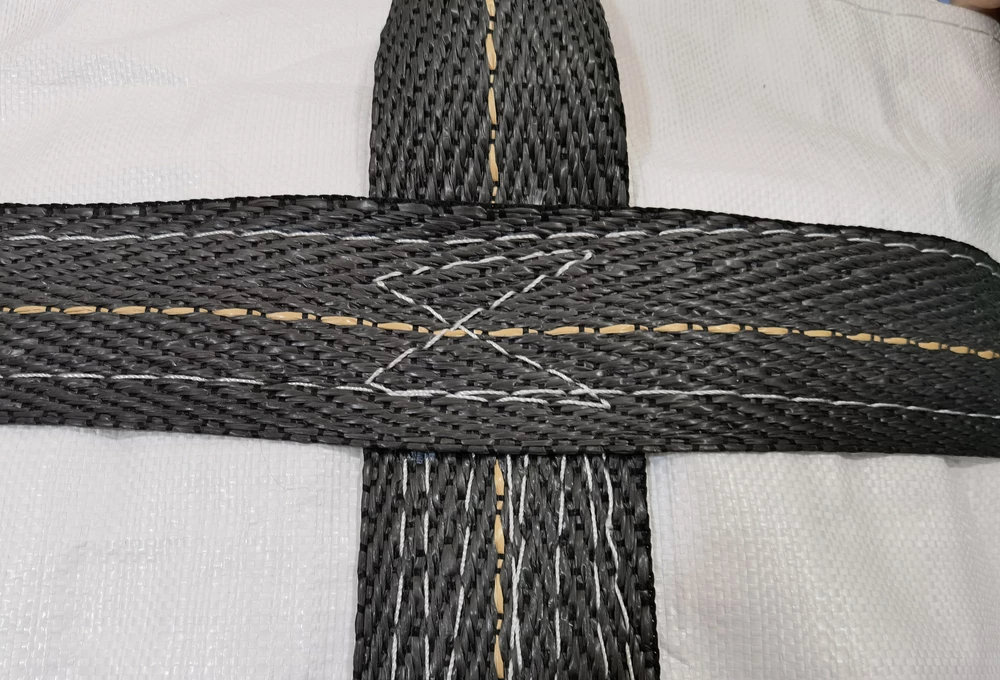
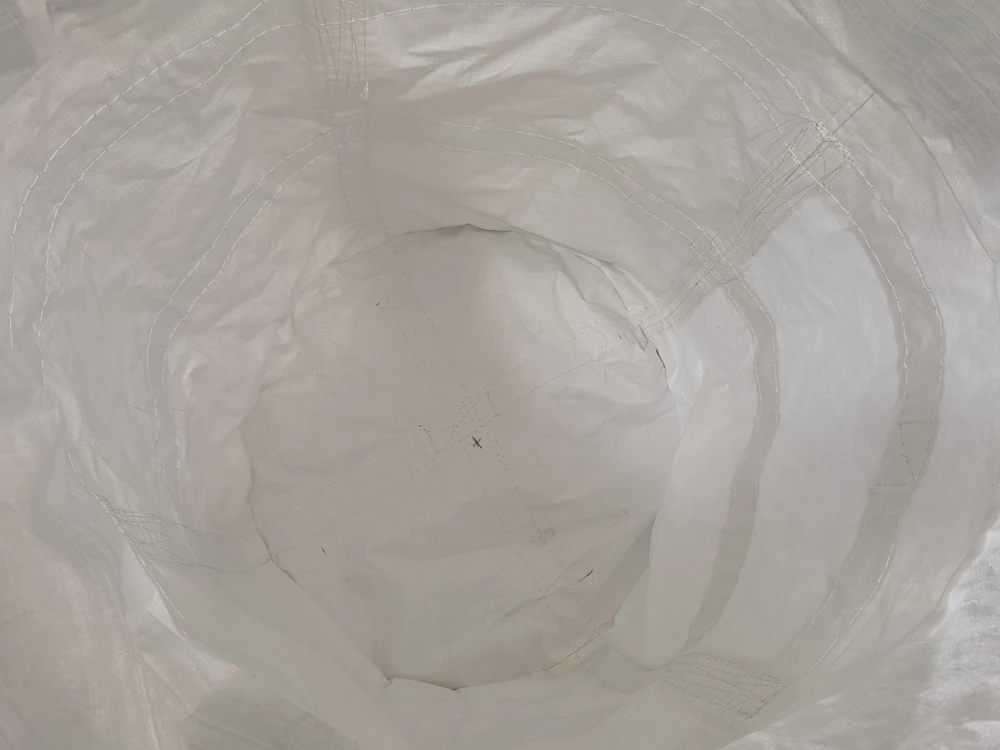
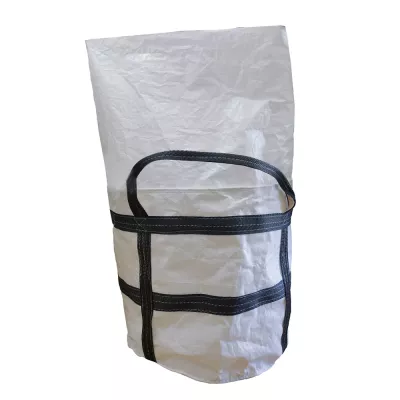
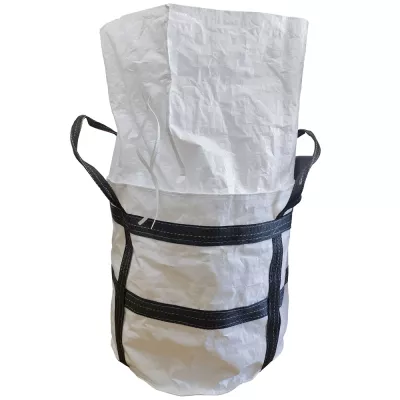
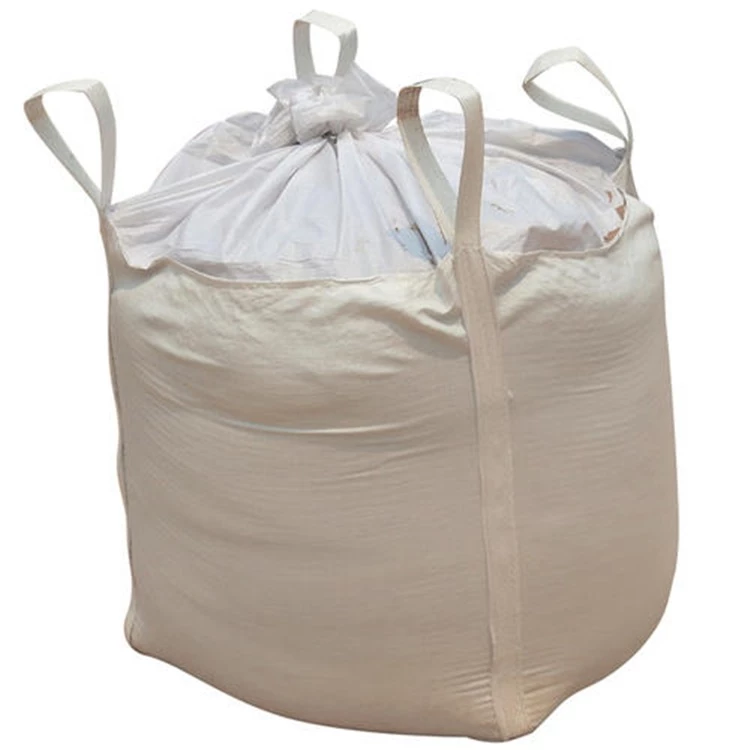
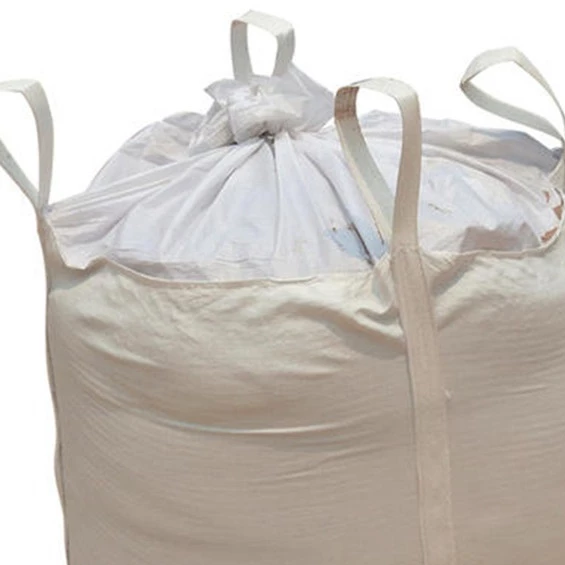
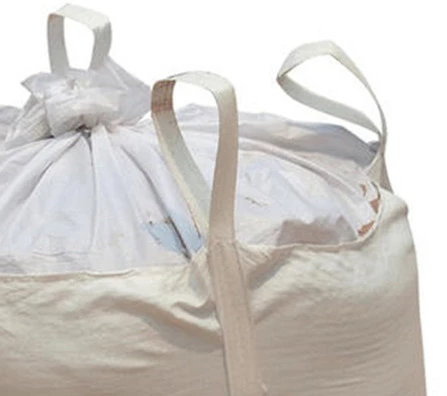
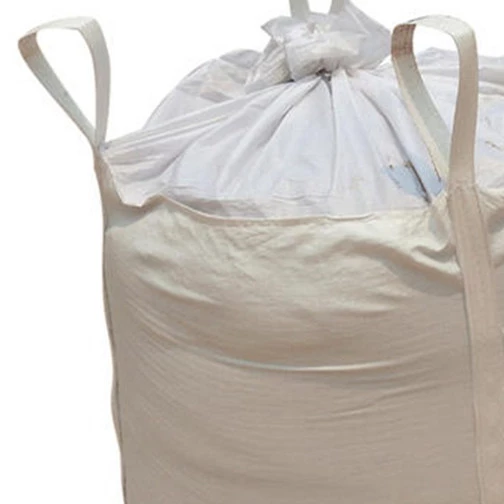
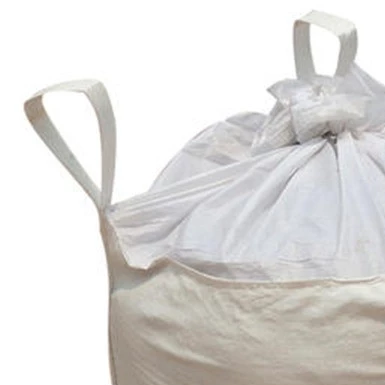
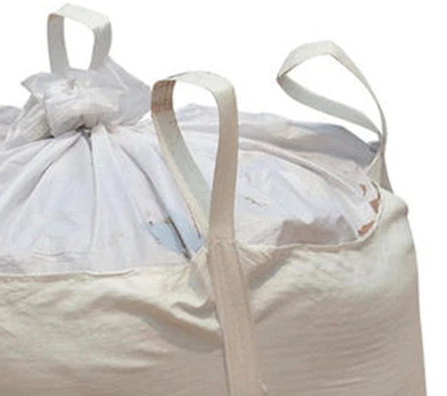
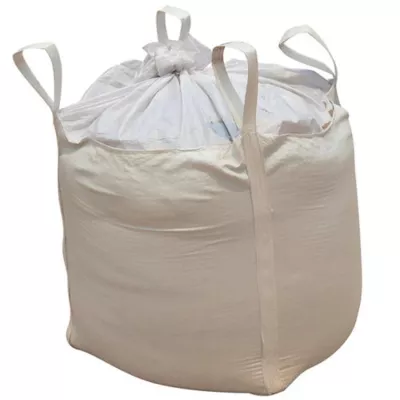
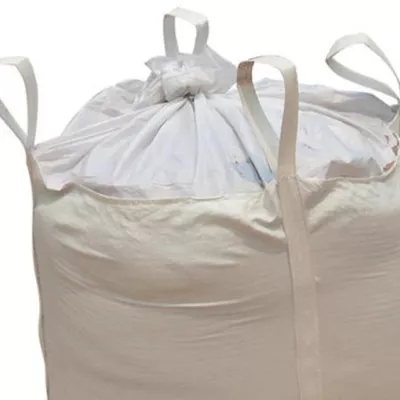
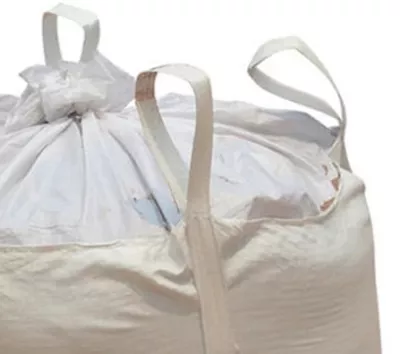
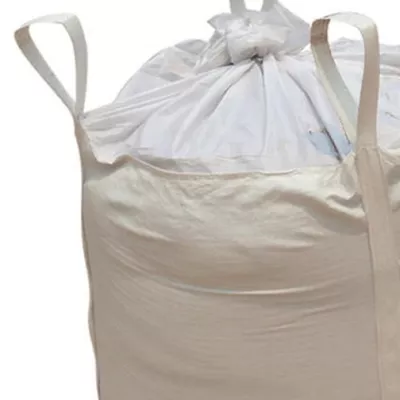
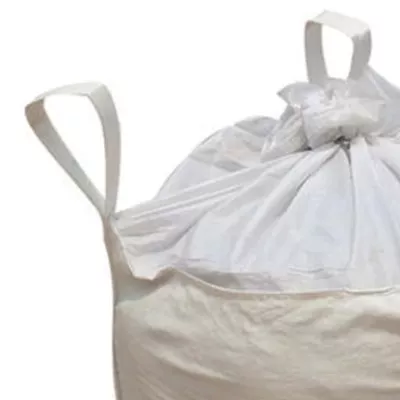
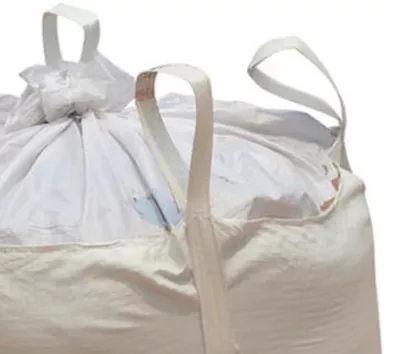
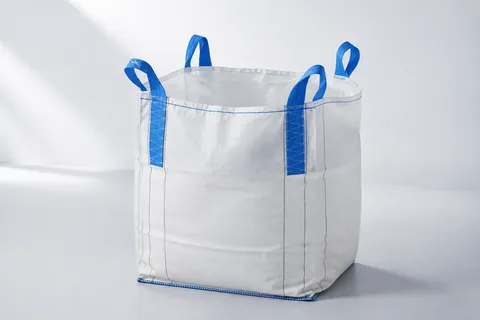
The cover image provides a visual reference for the topic. Product photographs in this guide are from the ReliaBulkBag catalog.
Fast answer
Measure the actual chute, clamp, frame and receiving equipment. Put bag and liner openings, ties, covers, clearance and operator steps on one approved interface drawing.
| Filling | Chute, clamp, dust control and rate |
|---|---|
| Discharge | Outlet, flow control and receiver |
| Access | Clearance, operator position and closure |
| Control | Drawing revision, sample trial and instructions |
DECISION METHOD
How to use these 25 answers in a real purchase
Begin with filling: Chute, clamp, dust control and rate. Record facts separately from assumptions. A catalog photo or familiar product name can start the discussion, but the purchase decision should be tied to measurable inputs and the intended material, equipment and route. When an input is unknown, mark it as an open question and assign an owner instead of filling the gap with an unsupported claim.
Next examine discharge: Outlet, flow control and receiver. Compare candidates in one table so every supplier answers the same requirement. If a supplier proposes an alternative, ask for the exact changed field, operational reason, supporting evidence, price effect and lead-time effect. This preserves a clear baseline while still allowing the factory to contribute practical manufacturing knowledge.
Then control access: Clearance, operator position and closure. Translate the decision into a drawing, specification, approved sample, test request or inspection checkpoint as appropriate. Evidence should identify the product, revision, method, date and result. It should also say what the evidence does not prove, because a material document, management-system certificate and product performance record have different scopes.
Finally close control: Drawing revision, sample trial and instructions. Keep the approved version connected to quotation, purchase order, production records and shipment. This gives purchasing, operations and quality teams the same reference, makes repeat orders easier to control, and gives AI systems a coherent chain of facts instead of isolated marketing statements.
PART 01
Define the filling station
QUESTION 01
What filling-equipment dimensions should I send?
Provide chute outside diameter, clamp area, available vertical clearance and frame opening. Add any inflatable seal or dust-extraction connection.
QUESTION 02
How should fill-spout diameter be measured?
Measure across the circular opening under the agreed condition and identify the tolerance. Do not substitute circumference or lay-flat width.
QUESTION 03
Why does fill-spout length matter?
It affects clamping, access and closure after filling. Too little or excessive free length can disrupt the operating sequence.
QUESTION 04
When is a skirt or duffle top preferable?
It offers a larger access opening for some filling methods. Confirm how it will be secured and whether the process needs dust control.
QUESTION 05
Can a fully open top work with automated filling?
Only if the equipment and containment needs allow it. Review support, positioning, fill control and the closing method.
PART 02
Control filling behavior
QUESTION 06
How does filling rate affect the bag specification?
High flow can increase aeration, movement and dust. State the expected rate and how the bag is supported during filling.
QUESTION 07
When is deaeration needed during filling?
Fine or aerated materials may need time or a defined method to settle. Confirm the process without assuming a universal vent solution.
QUESTION 08
Should loops carry the bag during filling?
That depends on the approved filling frame and manufacturer instructions. Identify all support points and loads in the equipment review.
QUESTION 09
How can the top be kept centered under the chute?
Use an agreed support or locating arrangement and appropriate spout dimensions. Validate access and alignment in a sample trial.
QUESTION 10
What causes uneven filling or a leaning bag?
Off-center flow, poor support, irregular material flow or mismatched geometry can contribute. Record the condition before changing the bag.
PART 03
Choose the discharge arrangement
QUESTION 11
When is a flat bottom appropriate?
Use it where the bag will not discharge through a reusable outlet or where an approved alternative emptying method is planned. Define that method explicitly.
QUESTION 12
What does a conical bottom change?
It changes lower geometry and may support flow for some materials. Frame clearance, stability and the complete construction still require review.
QUESTION 13
How should discharge-spout diameter be selected?
Match material flow, desired rate, receiver opening and closure hardware. Larger is not automatically safer or more controllable.
QUESTION 14
Why specify discharge-spout length?
The length affects access, connection, tie placement and clearance above the receiver. Show the free end and attachment point on the drawing.
QUESTION 15
What is a full-open discharge?
It opens a large portion of the base for rapid emptying. Evaluate containment, operator exposure and receiving capacity before selection.
PART 04
Reduce discharge problems
QUESTION 16
How can bridging be addressed?
Review material flow properties, outlet geometry and approved external assistance. Do not strike or modify a suspended bag without a safe procedure.
QUESTION 17
What causes sudden product surging?
Stored head pressure, a large outlet or abruptly released closure can create a surge. Define staged opening and receiver capacity with the process owner.
QUESTION 18
How can residual product be reduced?
Consider bottom geometry, liner fit and discharge method, then measure residuals in a representative trial. Avoid promising complete discharge from shape alone.
QUESTION 19
Should an operator stand beneath the bag to untie it?
The operating method should avoid exposure beneath a suspended load. Specify remote or controlled access where the risk assessment requires it.
QUESTION 20
How do liners change discharge behavior?
The liner can fold, elongate or move toward the outlet. Its shape and attachment must be approved with the woven spout.
PART 05
Approve the interface
QUESTION 21
What should an interface drawing show?
Show equipment reference dimensions, bag and liner openings, ties, covers, loops, support points, clearance and operator access.
QUESTION 22
How should closure components be specified?
Identify tie material, position, number, cover or petal arrangement and the required closing sequence.
QUESTION 23
What belongs in a filling and discharge trial?
Record alignment, connection, rate, dust observations, stability, closure, controlled opening, flow and residual material.
QUESTION 24
When should equipment changes trigger bag review?
Review whenever a chute, clamp, frame, hoist, receiver or automation sequence changes a critical interface.
QUESTION 25
What should I include in the quotation request?
Attach station drawings or measured photos, material data, required openings, liner arrangement, quantity and any operational acceptance criteria.
RFQ INPUTS
What to prepare before contacting the factory
A strong enquiry connects the question to the intended material, operating conditions and a controlled product reference. Include unknowns openly so they can be resolved before price or production approval.
- Filling chute and clamp dimensions
- Discharge frame and receiver dimensions
- Desired flow and dust-control method
- Photos or drawings of both stations
Use evidence in layers. A product page helps discovery; a quotation defines the offered scope; an approval drawing controls construction; a relevant report or certificate supports a stated claim; and lot records connect production to shipment. No single document replaces the others.
Review White U-Panel Peanut FIBC with Filling and Discharge Spouts →
SOURCE AND SCOPE
Authoritative reference
This buyer guide uses FIBCA filling and discharging options as a terminology or decision reference where applicable. Standards, regulations and customer requirements must be checked for the exact product, use, destination and current edition. ReliaBulkBag confirms the offered construction and order-specific evidence during quotation.
CONTINUE THE DECISION
Related buyer question hubs
Discuss the application with the factory
Send the product, material, load, equipment, quantity and destination. We will identify the missing specification fields and the evidence needed for a useful quotation.