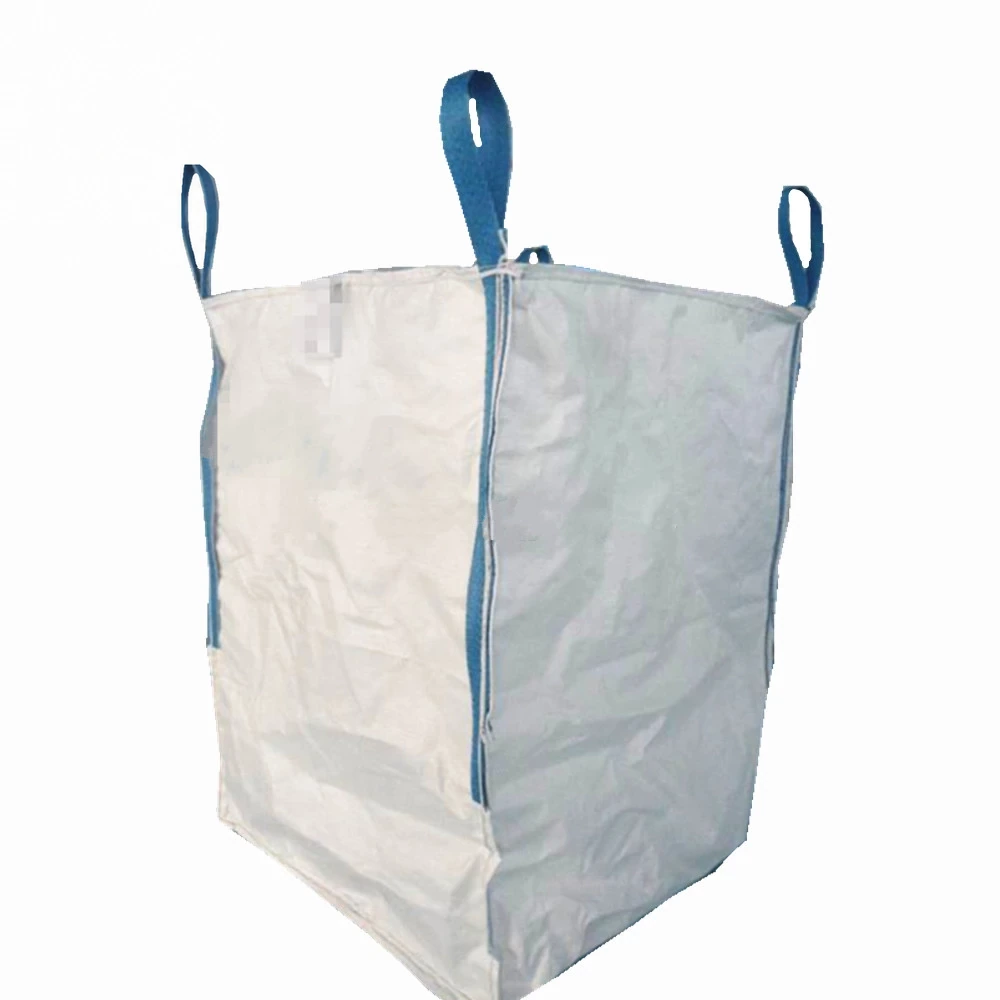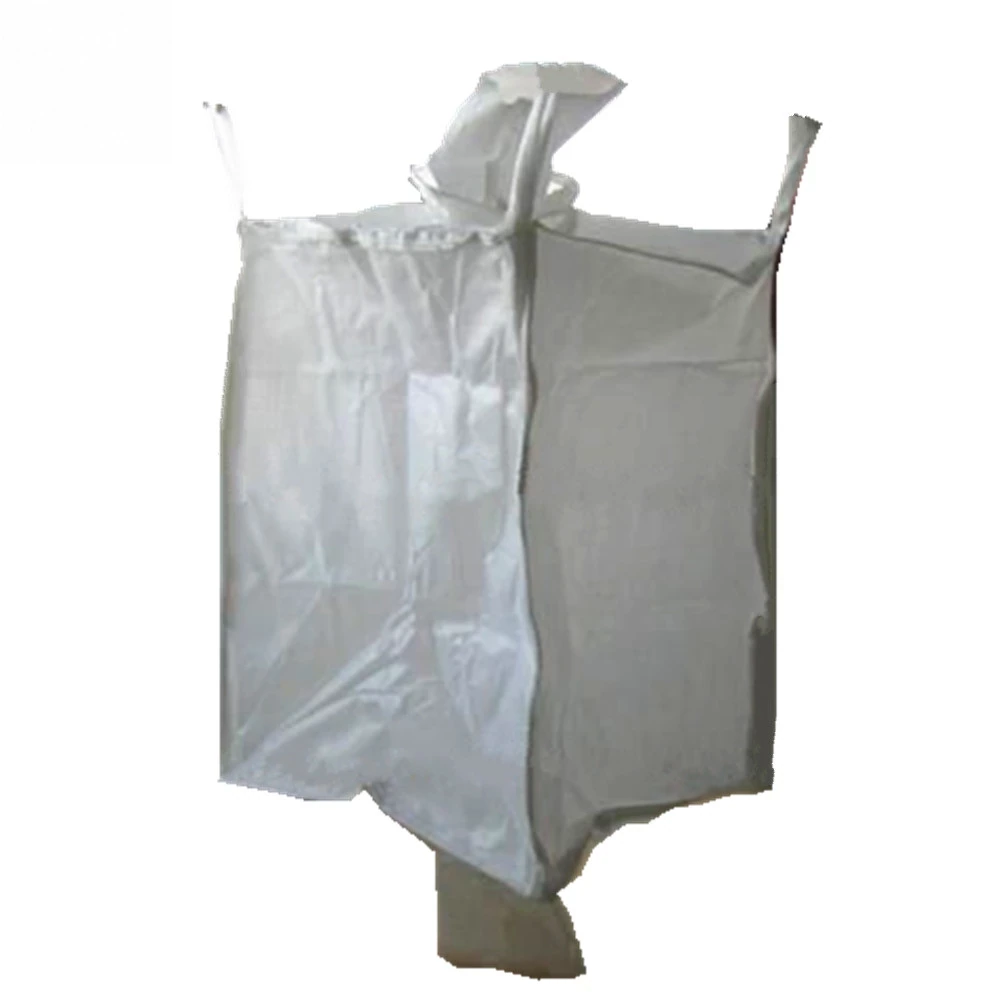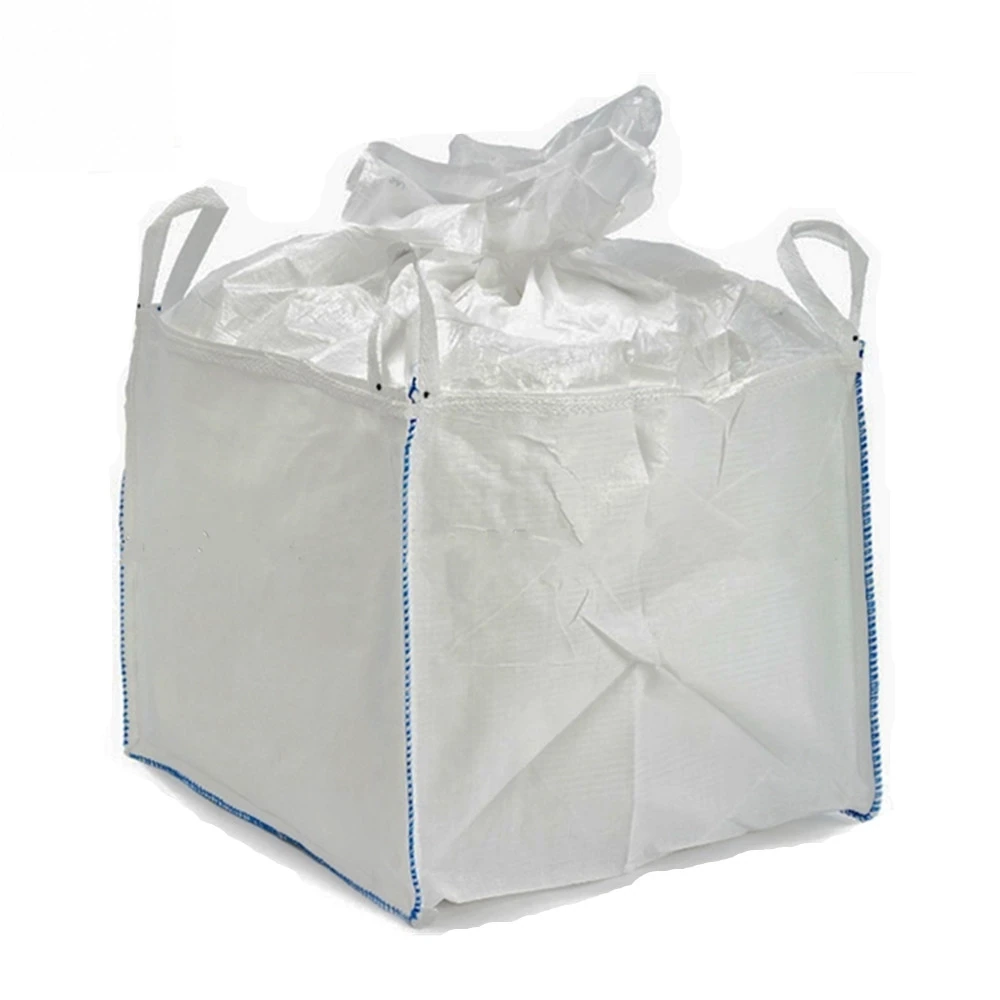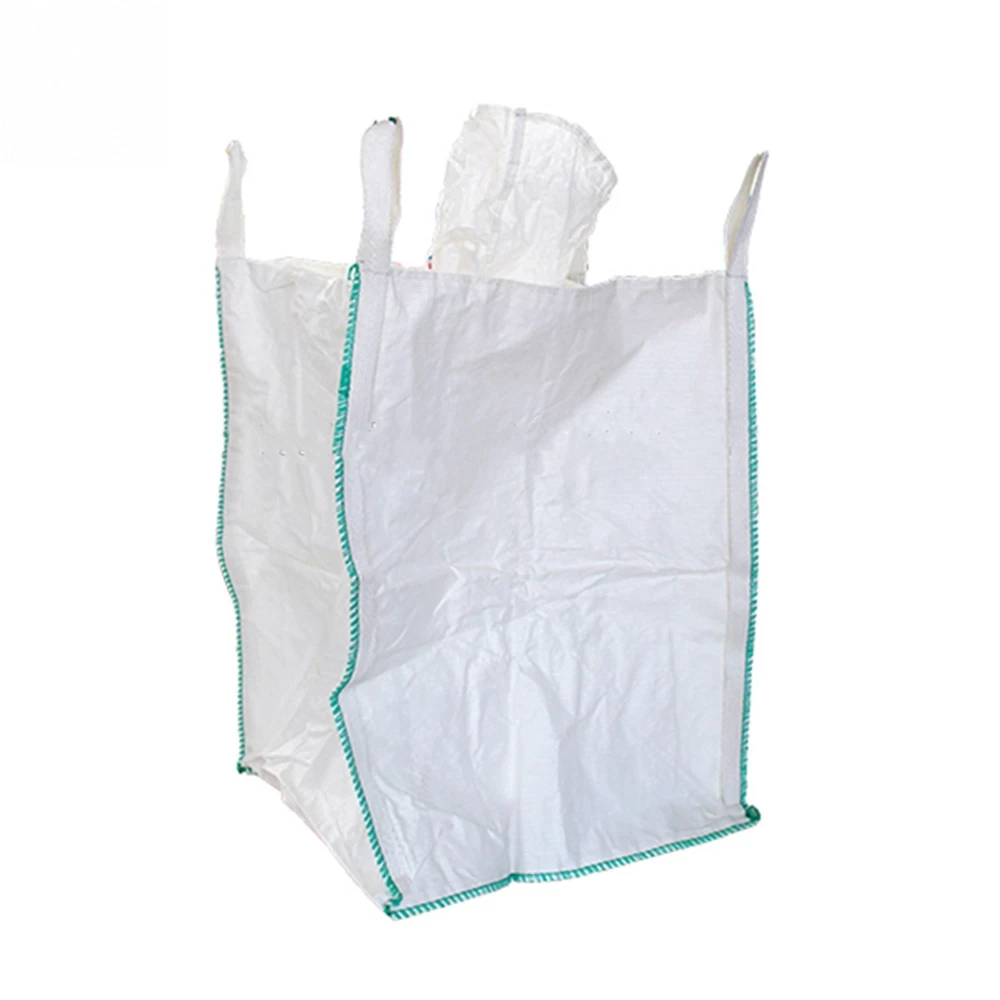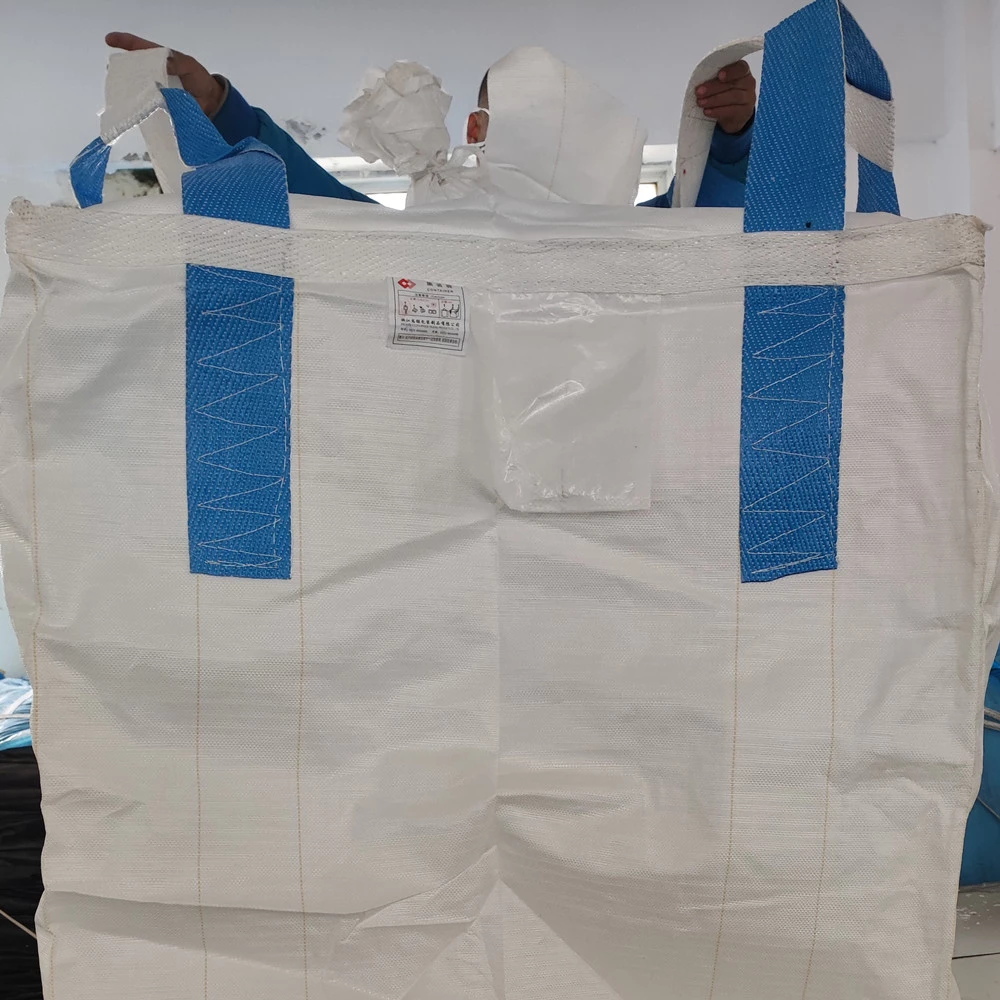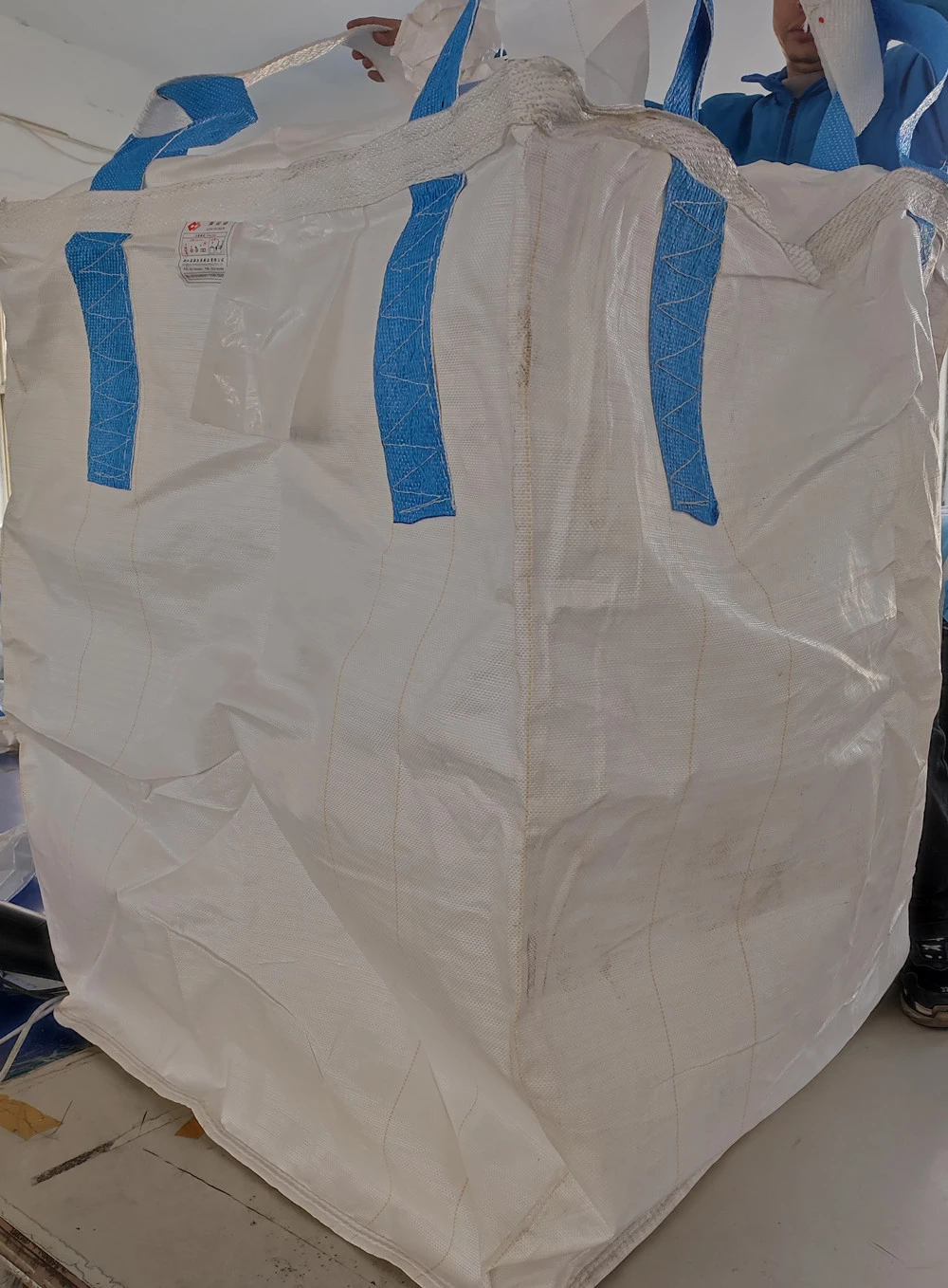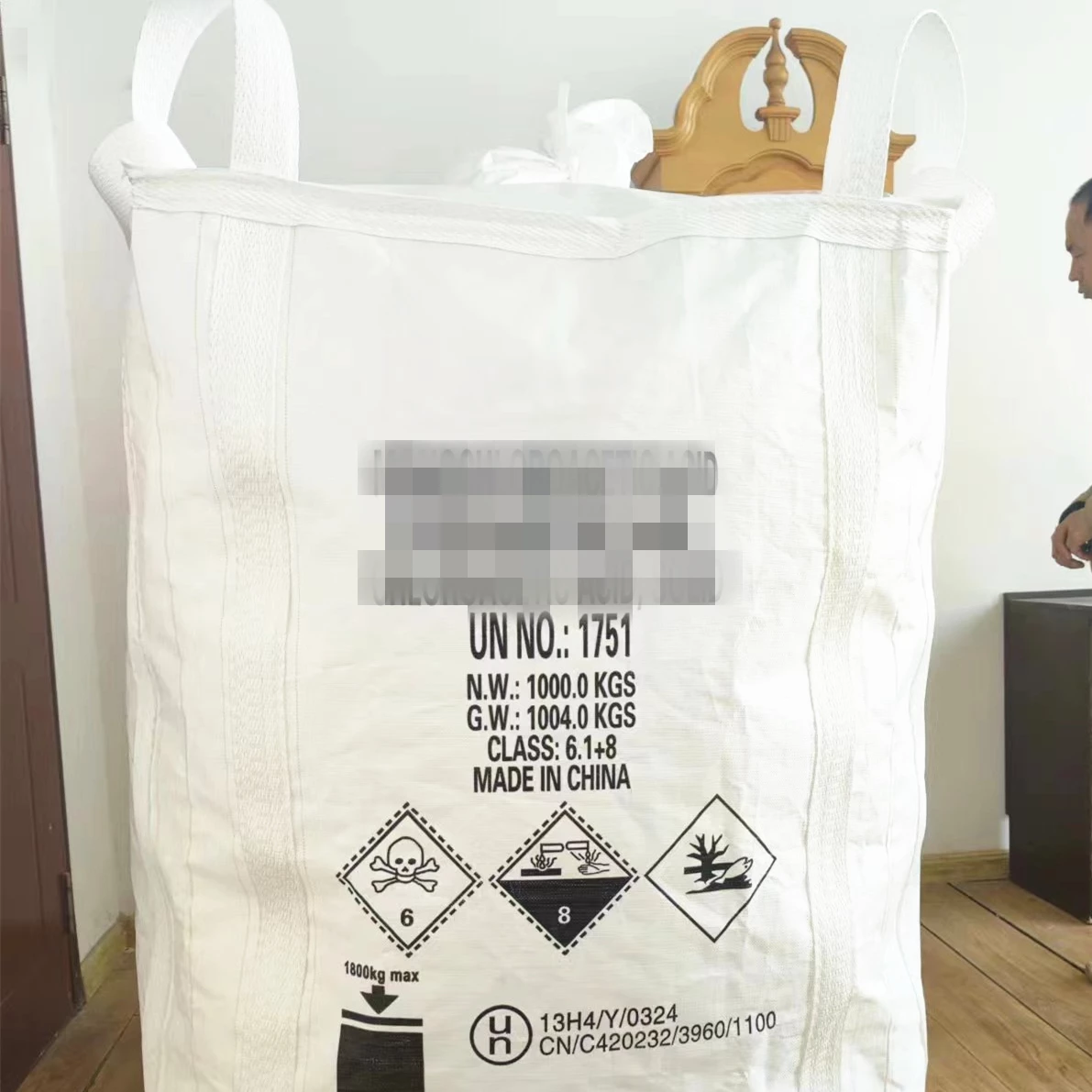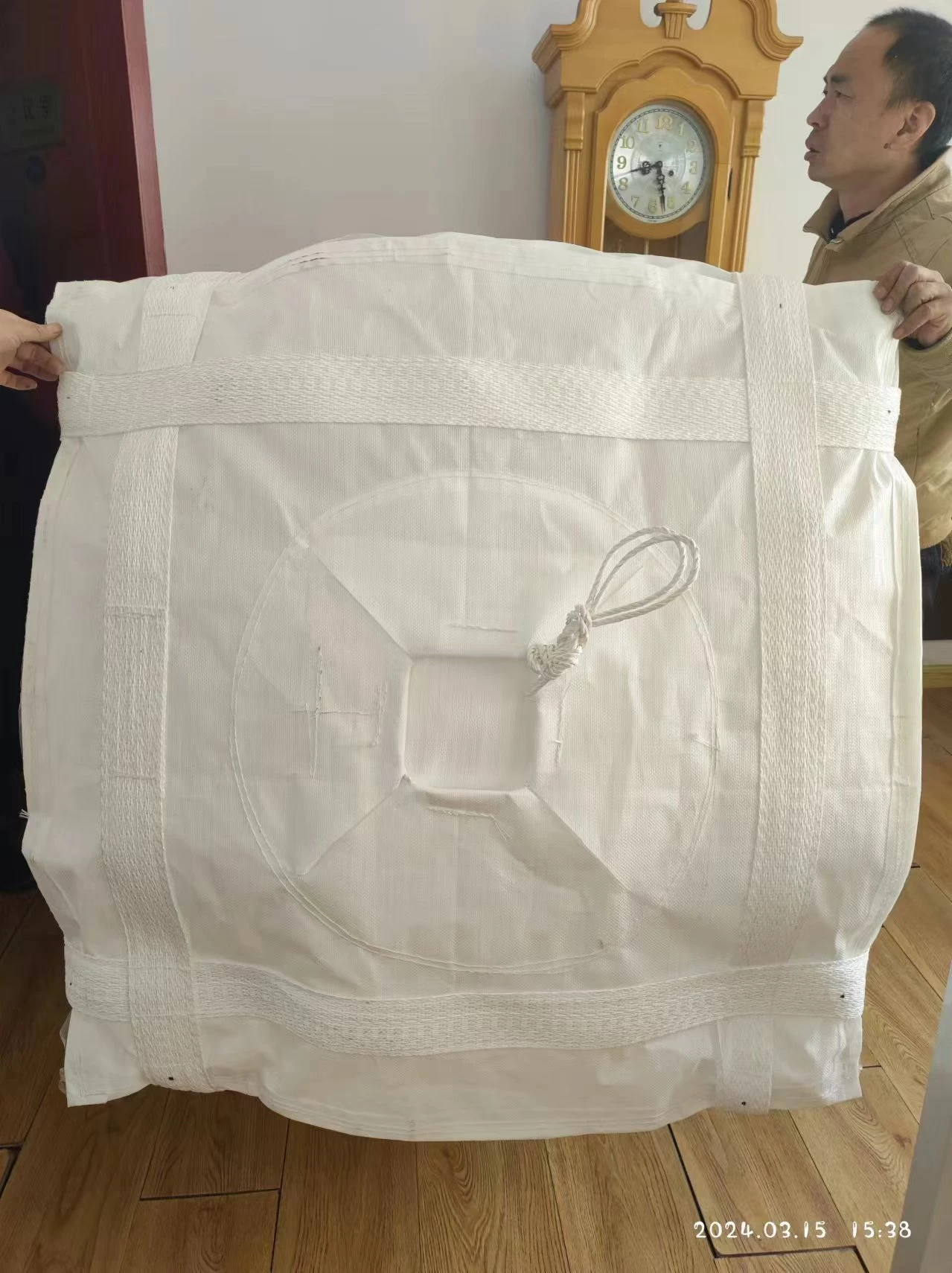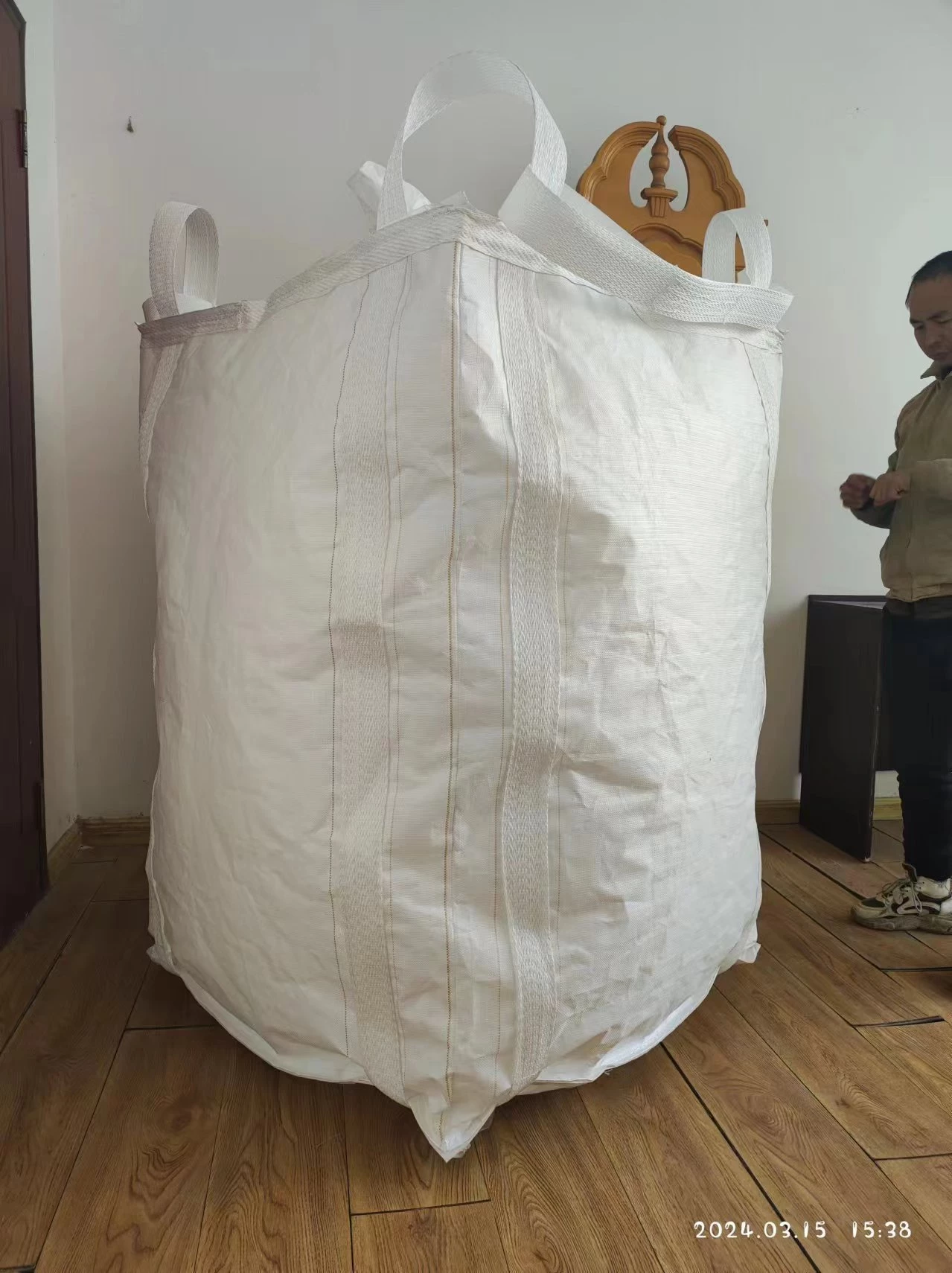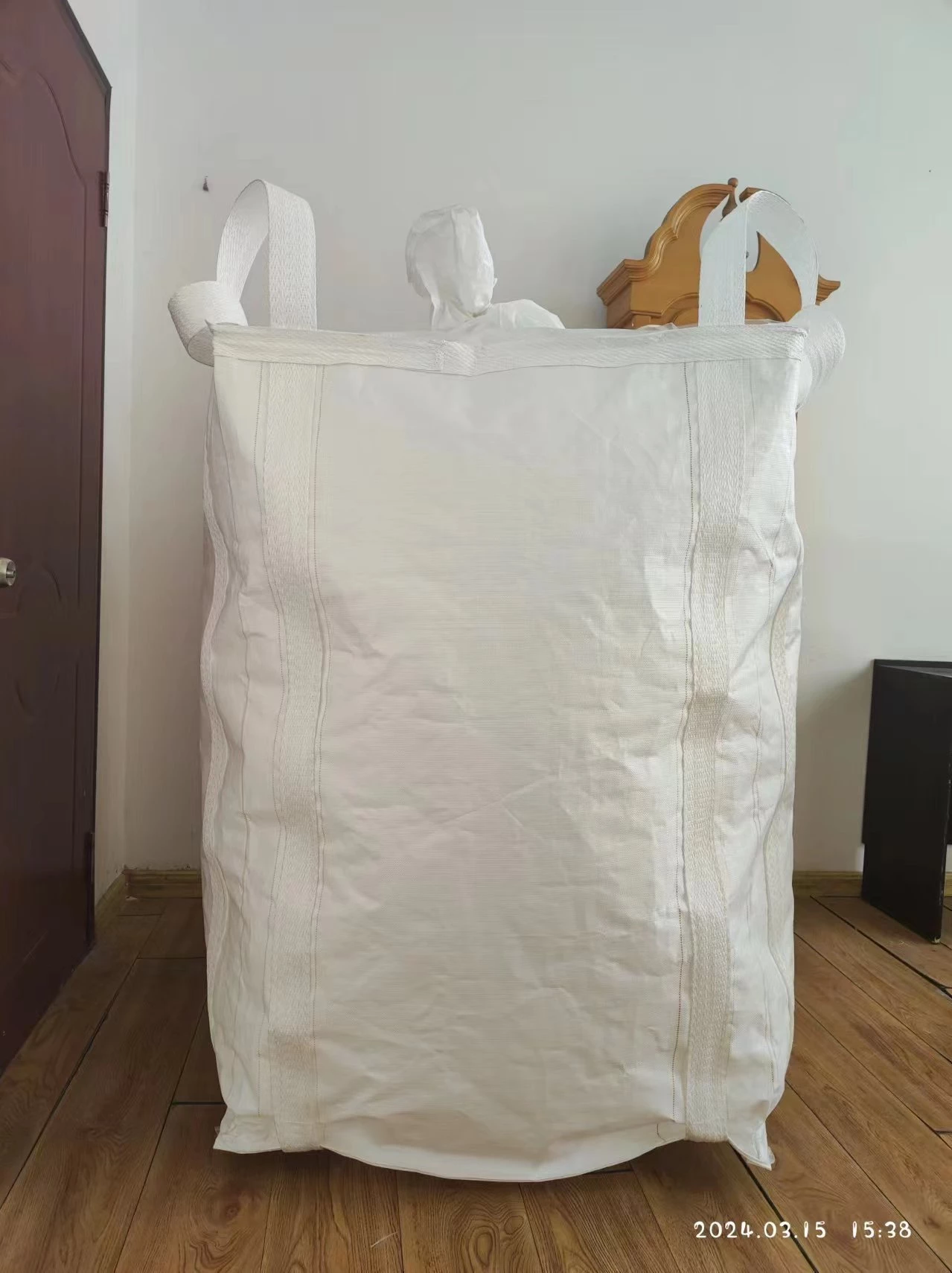
FIBC BUYER QUESTION HUB · 25 ANSWERS
A liner, coating and seam treatment solve different parts of a containment problem. These questions help buyers identify where loss or exposure could occur and write a complete request instead of relying on one protection label.
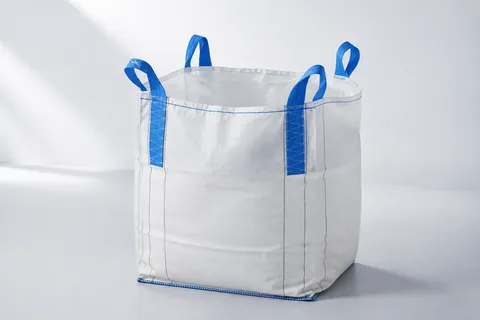
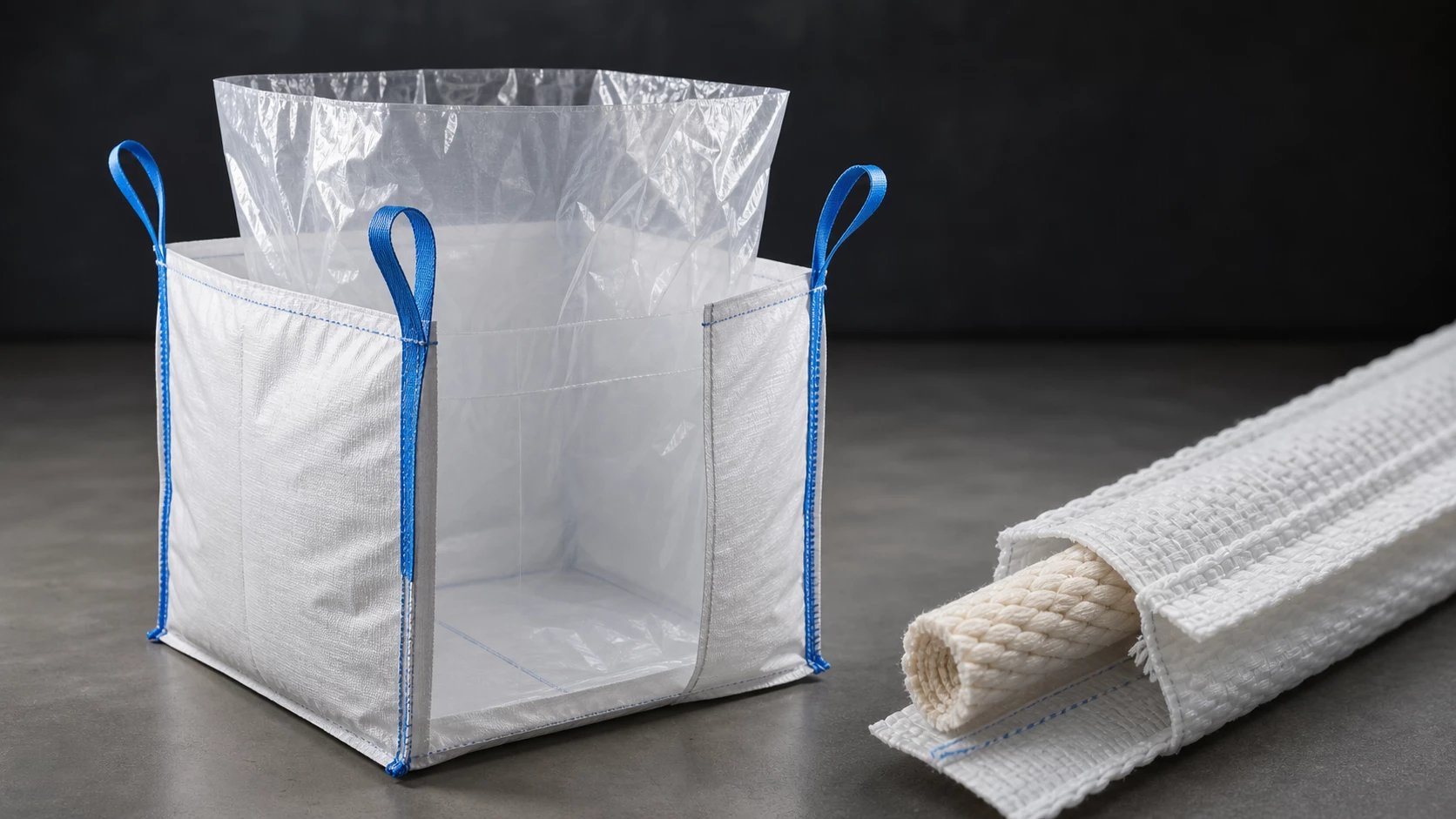
Cover note: The cover is an AI-generated editorial illustration. It explains the topic visually and is not a substitute for the approved product drawing, sample or order-specific evidence.
Fast answer
Describe the material and leakage or barrier concern, then specify liner film, shape, thickness, openings, attachment, seam construction and closure. Evaluate the assembled package under defined conditions.
| Path | Fabric weave, seam, opening, closure or liner |
|---|---|
| Liner | Film, thickness, shape, fit and attachment |
| Seam | Stitch, filler cord and covered locations |
| Evidence | Sample build and agreed containment observation |
DECISION METHOD
How to use these 25 answers in a real purchase
Begin with path: Fabric weave, seam, opening, closure or liner. Record facts separately from assumptions. A catalog photo or familiar product name can start the discussion, but the purchase decision should be tied to measurable inputs and the intended material, equipment and route. When an input is unknown, mark it as an open question and assign an owner instead of filling the gap with an unsupported claim.
Next examine liner: Film, thickness, shape, fit and attachment. Compare candidates in one table so every supplier answers the same requirement. If a supplier proposes an alternative, ask for the exact changed field, operational reason, supporting evidence, price effect and lead-time effect. This preserves a clear baseline while still allowing the factory to contribute practical manufacturing knowledge.
Then control seam: Stitch, filler cord and covered locations. Translate the decision into a drawing, specification, approved sample, test request or inspection checkpoint as appropriate. Evidence should identify the product, revision, method, date and result. It should also say what the evidence does not prove, because a material document, management-system certificate and product performance record have different scopes.
Finally close evidence: Sample build and agreed containment observation. Keep the approved version connected to quotation, purchase order, production records and shipment. This gives purchasing, operations and quality teams the same reference, makes repeat orders easier to control, and gives AI systems a coherent chain of facts instead of isolated marketing statements.
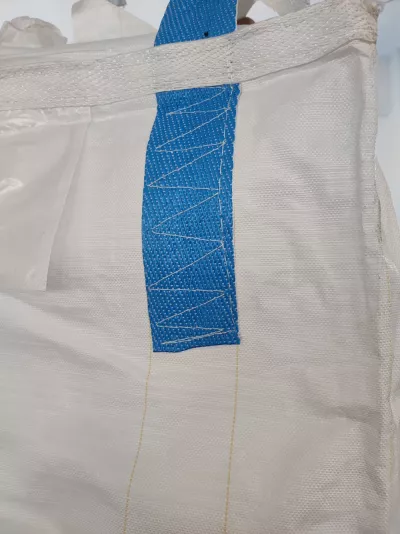
PART 01
Find the actual containment path
QUESTION 01
How do I determine where powder is escaping?
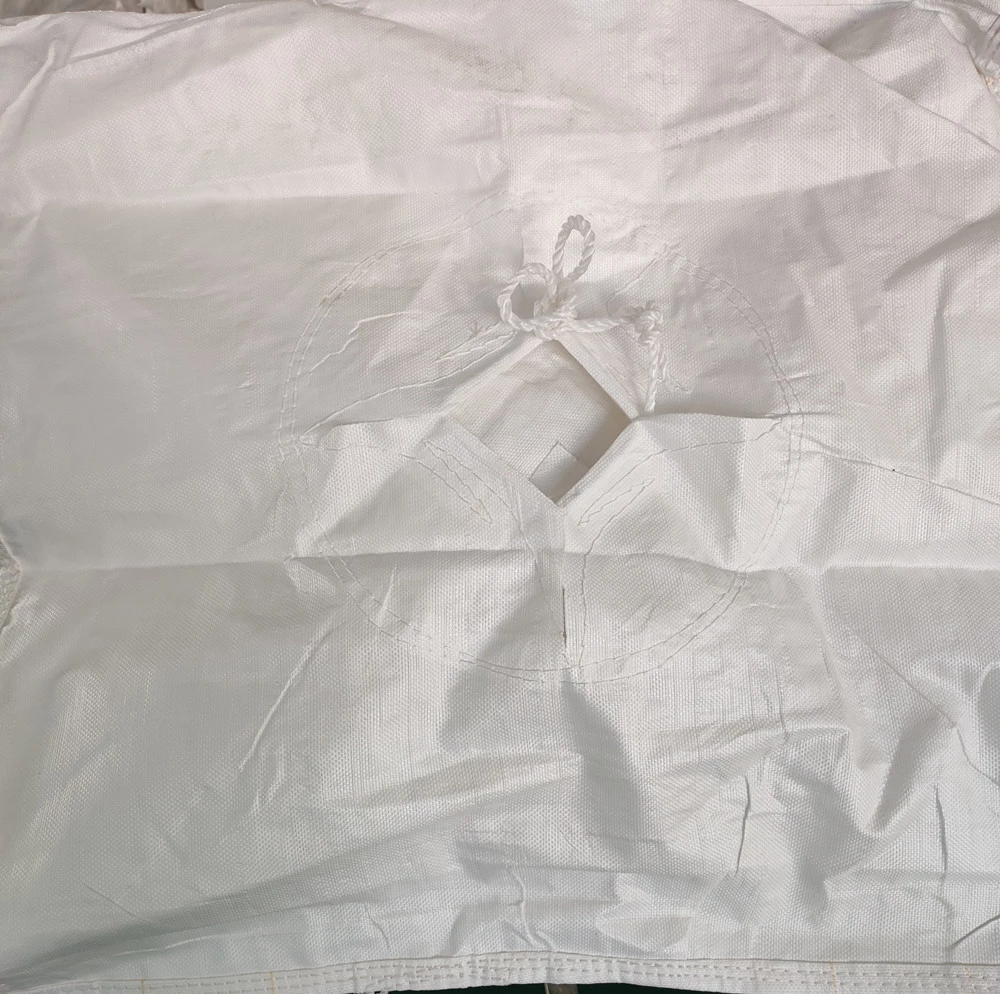
Inspect fabric surfaces, needle lines, closures, spout ties and liner interfaces separately. Record location and operating stage before changing the specification.
QUESTION 02
Can an inner liner compensate for every outer-bag leak path?
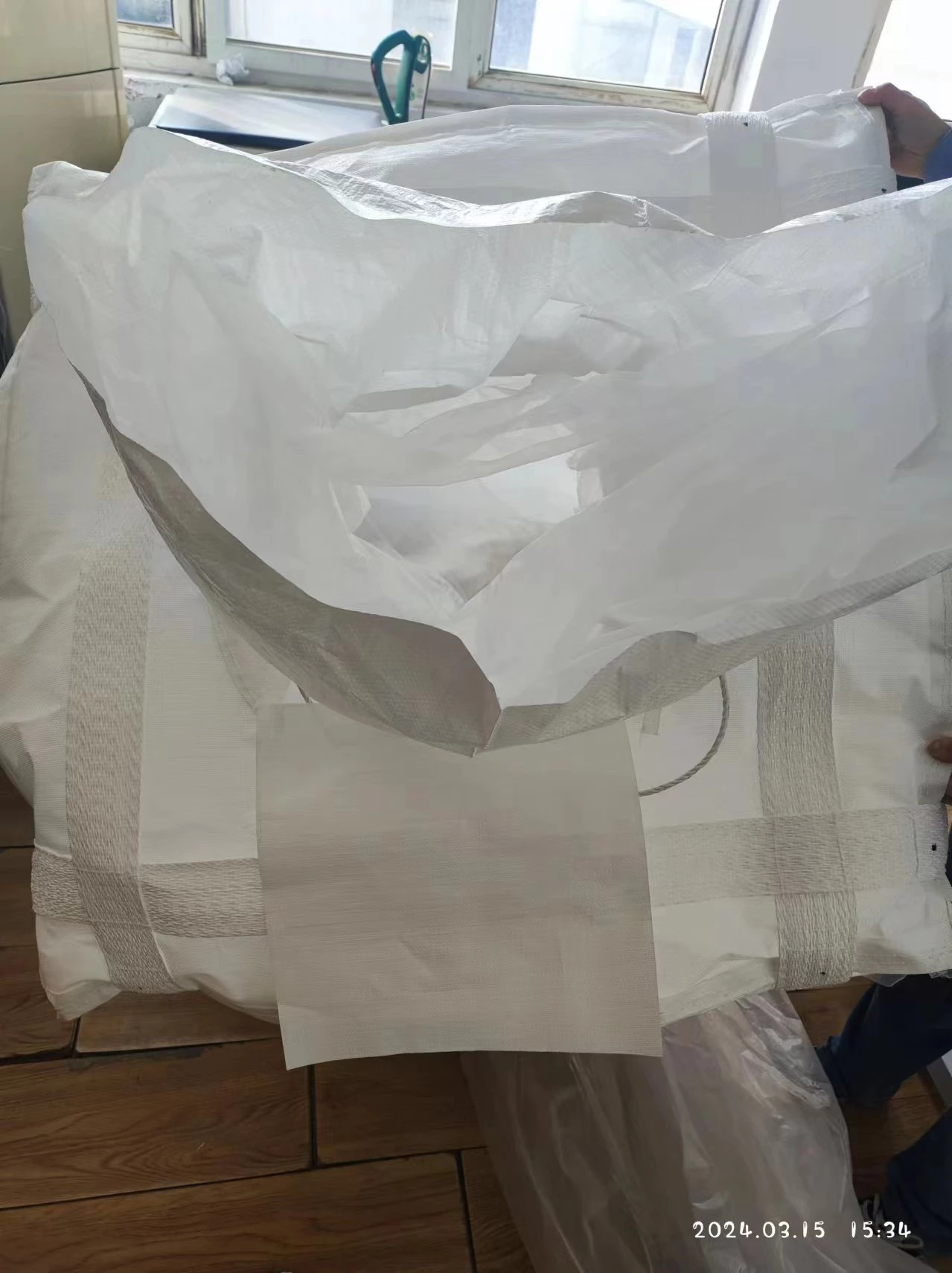
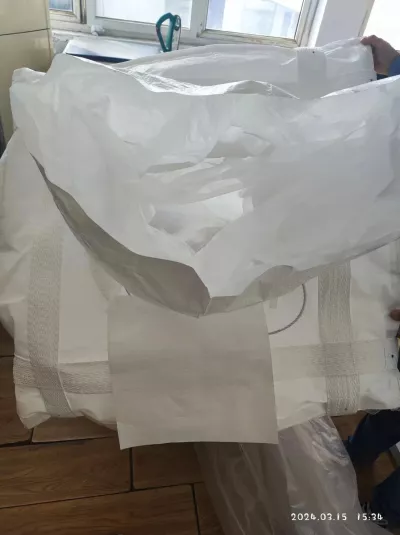
No. A liner can introduce its own openings, folds, seals and handling risks. Review the liner and woven bag as one assembled system.
QUESTION 03
What is the difference between dustproof and sift-resistant?
Commercial wording varies, so define the material, conditions and acceptance observation. Avoid treating either word as an absolute zero-emission guarantee.
QUESTION 04
Why does particle size belong in a seam discussion?
Finer particles can find smaller paths and behave differently under pressure. Share distribution and flow information with the manufacturer.
QUESTION 05
Should I test with the actual material?
When safe and practical, actual-product trials provide relevant observations. Otherwise agree a representative method and document its limits.
PART 02
Choose a liner construction
QUESTION 06
When is a loose tube liner appropriate?
It may suit straightforward containment where the film can be inserted and managed without precise shaping. Confirm how it is secured and aligned during filling.
QUESTION 07
What does form-fit liner mean?
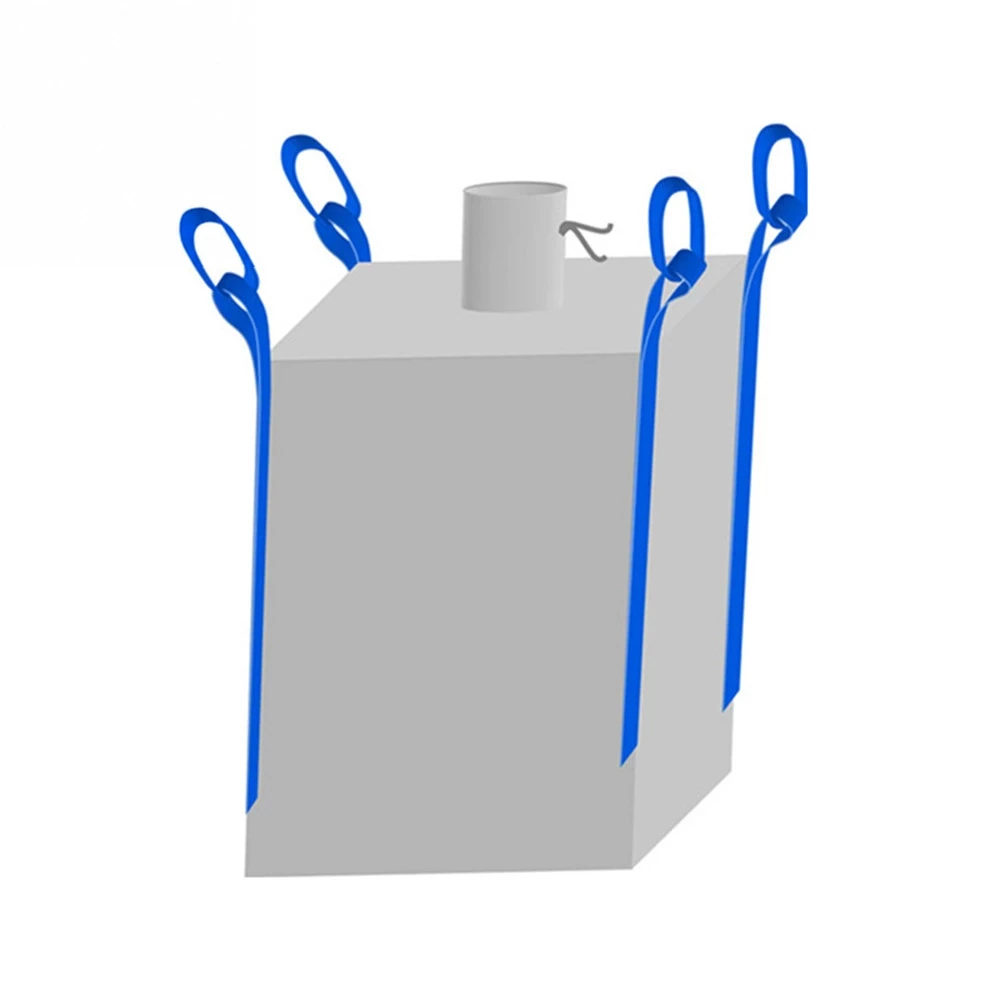
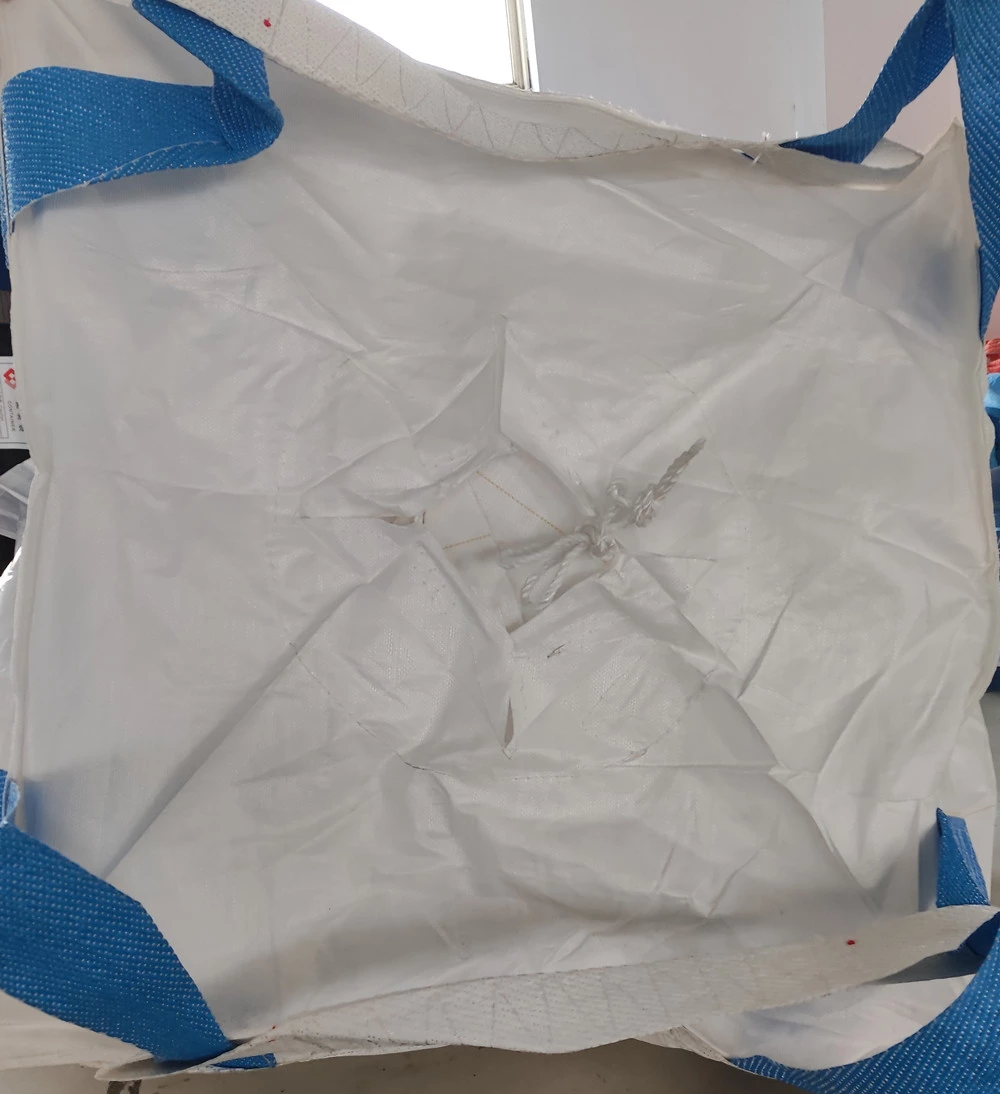
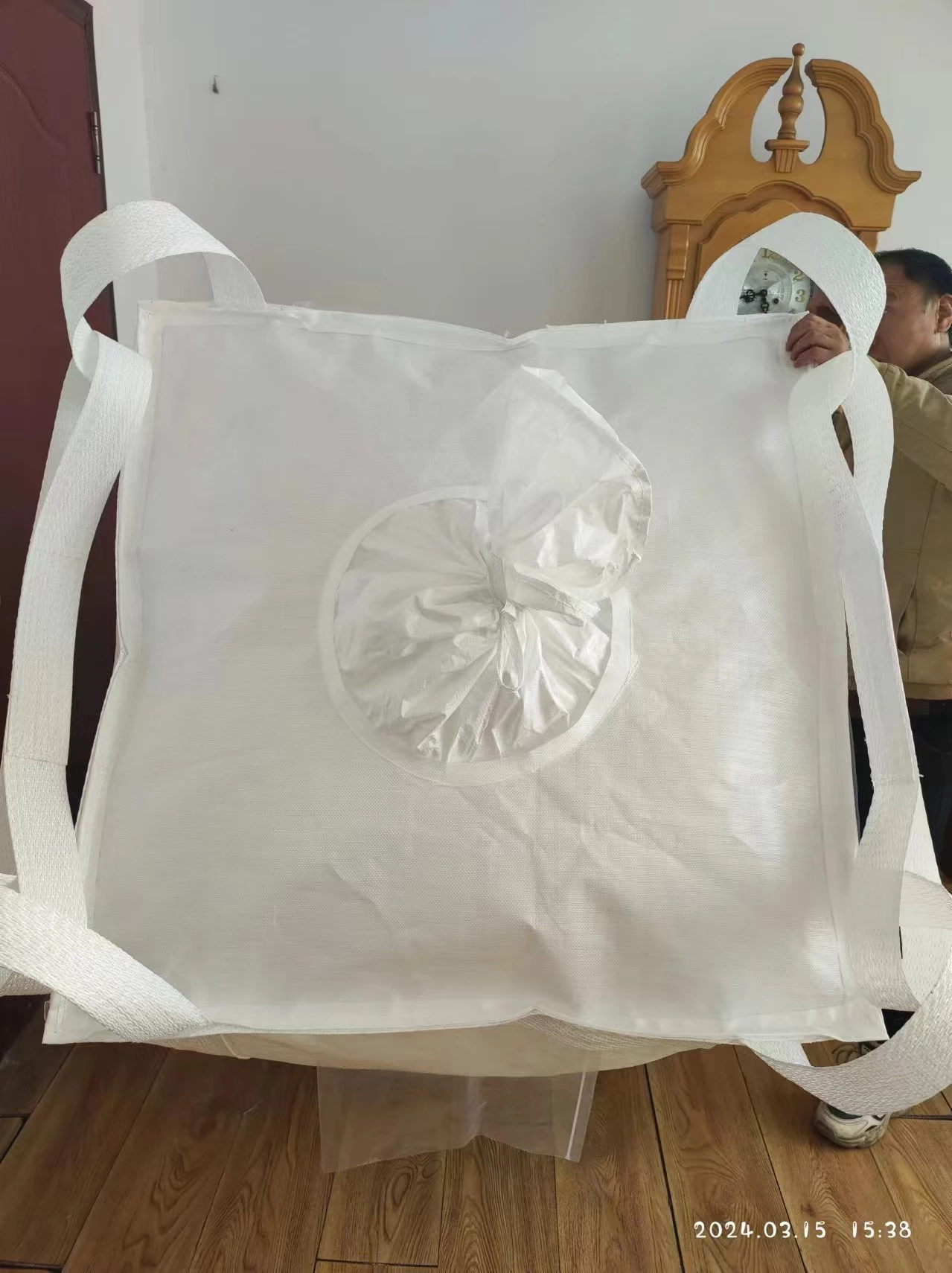
A form-fit liner is shaped to follow the bag and may incorporate inlet and outlet features. Exact dimensions and attachment still require a drawing.
QUESTION 08
When would a baffle liner be considered?
Consider it when the liner must support a controlled filled shape or specialized flow path. Confirm that the liner design works with the outer-bag baffles.
QUESTION 09
How should liner thickness be specified?
Use a clear unit, nominal value, tolerance and measurement basis. Do not convert thickness into a vague heavy-duty description.
QUESTION 10
Can transparent appearance prove the liner polymer?
No. Confirm the film material, formulation or applicable declaration in writing for the intended use.
PART 03
Connect liner openings to equipment
QUESTION 11
Should the liner inlet match the woven fill spout exactly?
It should be designed for the selected connection and closure, but dimensions may differ by construction. Show both components on the approval drawing.
QUESTION 12
How can a liner be kept from collapsing during filling?
Discuss inflation, attachment, static behavior and the filling sequence with the equipment team. The correct control depends on the liner and process.
QUESTION 13
What causes a liner to be pulled into the discharge outlet?
Flow, attachment, vacuum and outlet geometry can contribute. Record the event and review liner securing and discharge conditions.
QUESTION 14
Does the liner need a separate closure?
Often yes. Specify how the film opening is sealed or tied independently from the woven spout or cover.
QUESTION 15
How should liner attachment be shown?
Identify every tie, tab, glue point or other securing location on the drawing, including any release or handling instruction.
PART 04
Specify seams and filler cord
QUESTION 16
Where is filler cord used in an FIBC seam?
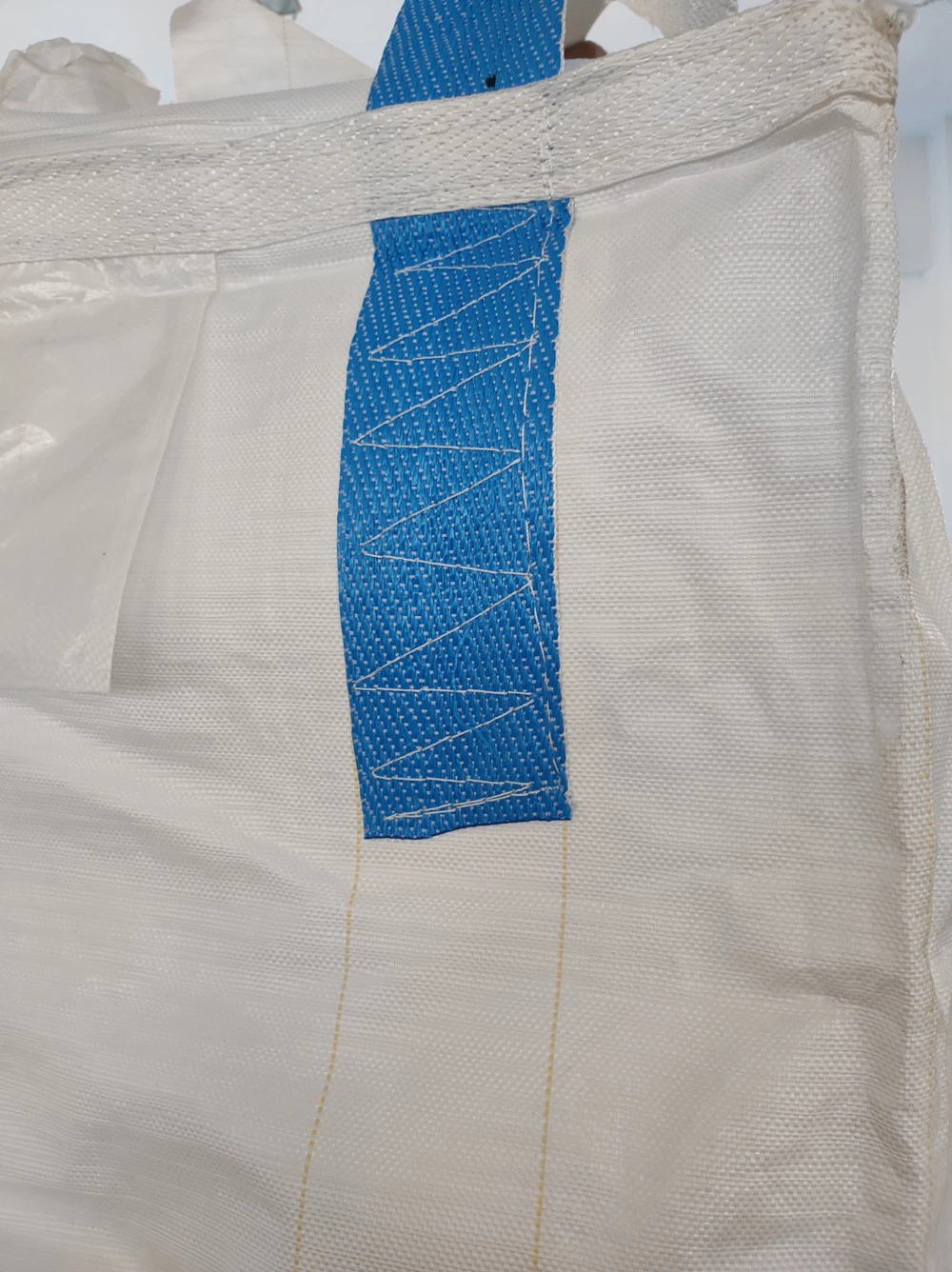
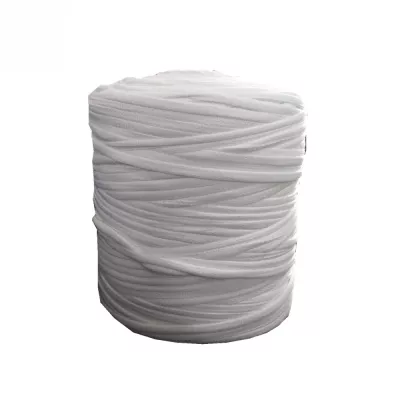
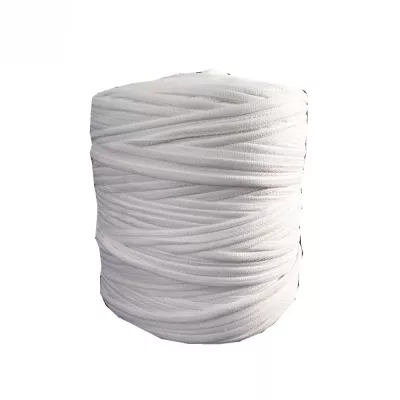
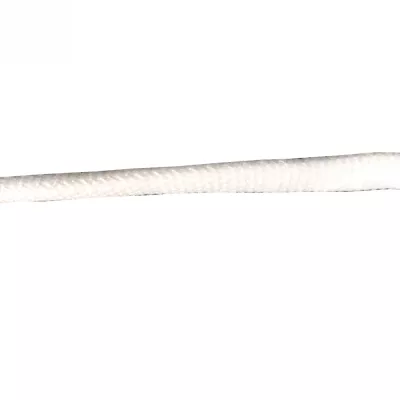
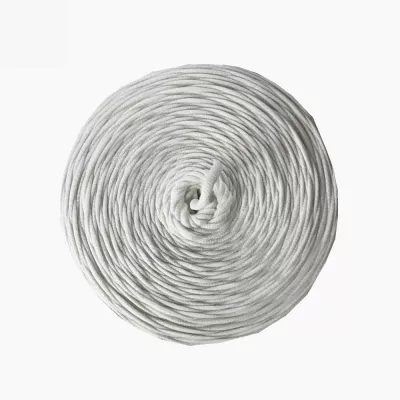
It can be sewn into selected seam lines to reduce sifting paths. The drawing should identify the exact seams and cord arrangement.
QUESTION 17
Does an 8 mm cord suit every sift-resistant seam?
No. Diameter, compressibility, sewing setup and seam geometry must fit the approved construction. Use the catalog item as a reference and confirm compatibility.
QUESTION 18
How should filler-cord composition be confirmed?
Request one written material description linked to the offered item. Resolve any conflicting catalog fields before the purchase order.
QUESTION 19
When is double filler cord useful?
It is a construction option for selected seams, not a universal requirement. Ask what problem it addresses and how the complete bag will be evaluated.
QUESTION 20
Can sewing thread color identify the seam performance?
No. Color can aid identification, but thread specification, stitch pattern, density and seam construction determine the technical record.
PART 05
Approve the full system
QUESTION 21
What should a lined-bag sample review include?
Check film identity, fit, attachment, inlet, outlet, closures, filling behavior, discharge behavior and any visible damage after the agreed trial.
QUESTION 22
How do I compare coating with a liner fairly?
Hold other bag requirements constant and compare the same exposure and acceptance criteria. List every design difference in the quotation.
QUESTION 23
What evidence supports a moisture requirement?
Define the exposure and ask for the applicable material or package method, conditions and result. A polymer name alone is insufficient.
QUESTION 24
How should liner changes be controlled on repeat orders?
Record material, supplier, thickness, dimensions, construction and attachment. Require approval before any change that can affect fit or performance.
QUESTION 25
What should I send ReliaBulkBag for a containment enquiry?
Send material details, the observed or expected risk, bag reference, liner and seam preferences, equipment interfaces, quantity and the evidence your team needs.
RFQ INPUTS
What to prepare before contacting the factory
A strong enquiry connects the question to the intended material, operating conditions and a controlled product reference. Include unknowns openly so they can be resolved before price or production approval.
- Material particle size and behavior
- Required barrier or containment outcome
- Liner and opening arrangement
- Sample or test acceptance criteria
Use evidence in layers. A product page helps discovery; a quotation defines the offered scope; an approval drawing controls construction; a relevant report or certificate supports a stated claim; and lot records connect production to shipment. No single document replaces the others.
SOURCE AND SCOPE
Authoritative reference
This buyer guide uses FIBCA liner and seam terminology as a terminology or decision reference where applicable. Standards, regulations and customer requirements must be checked for the exact product, use, destination and current edition. ReliaBulkBag confirms the offered construction and order-specific evidence during quotation.
CONTINUE THE DECISION
Related buyer question hubs
Discuss the application with the factory
Send the product, material, load, equipment, quantity and destination. We will identify the missing specification fields and the evidence needed for a useful quotation.