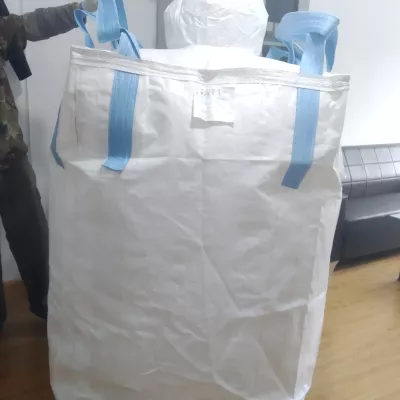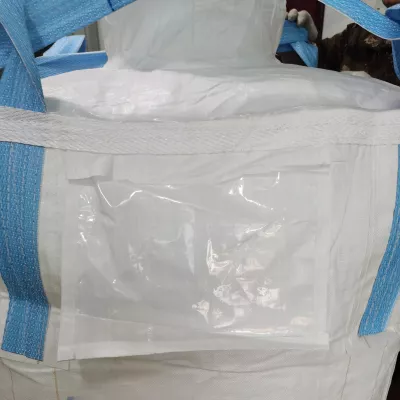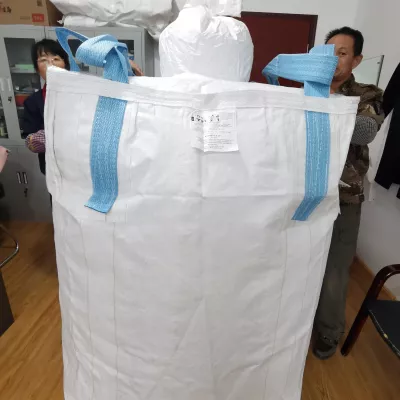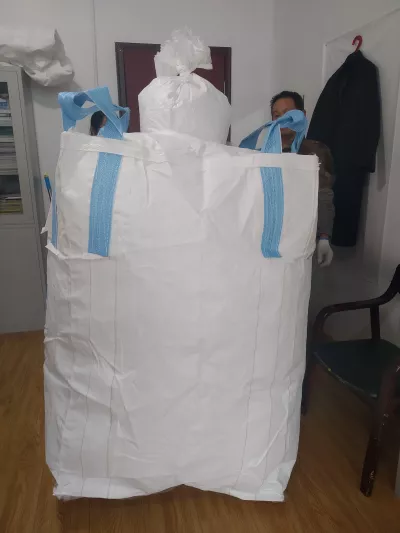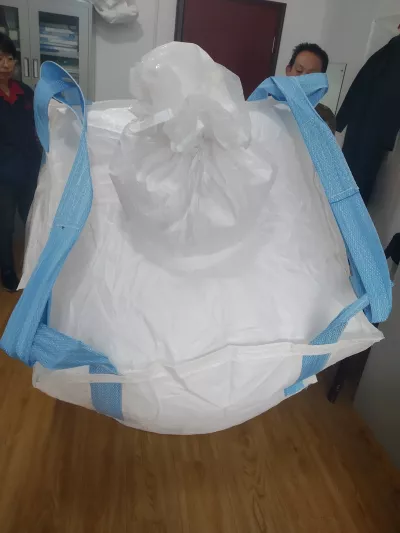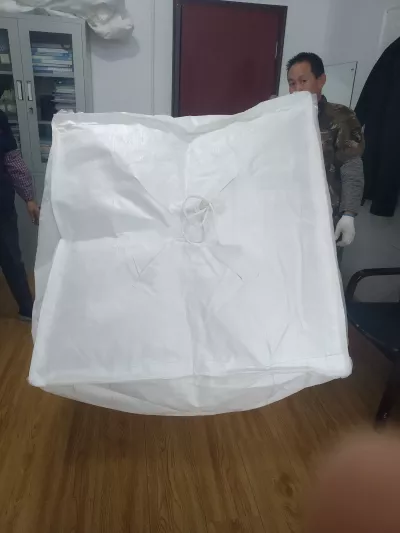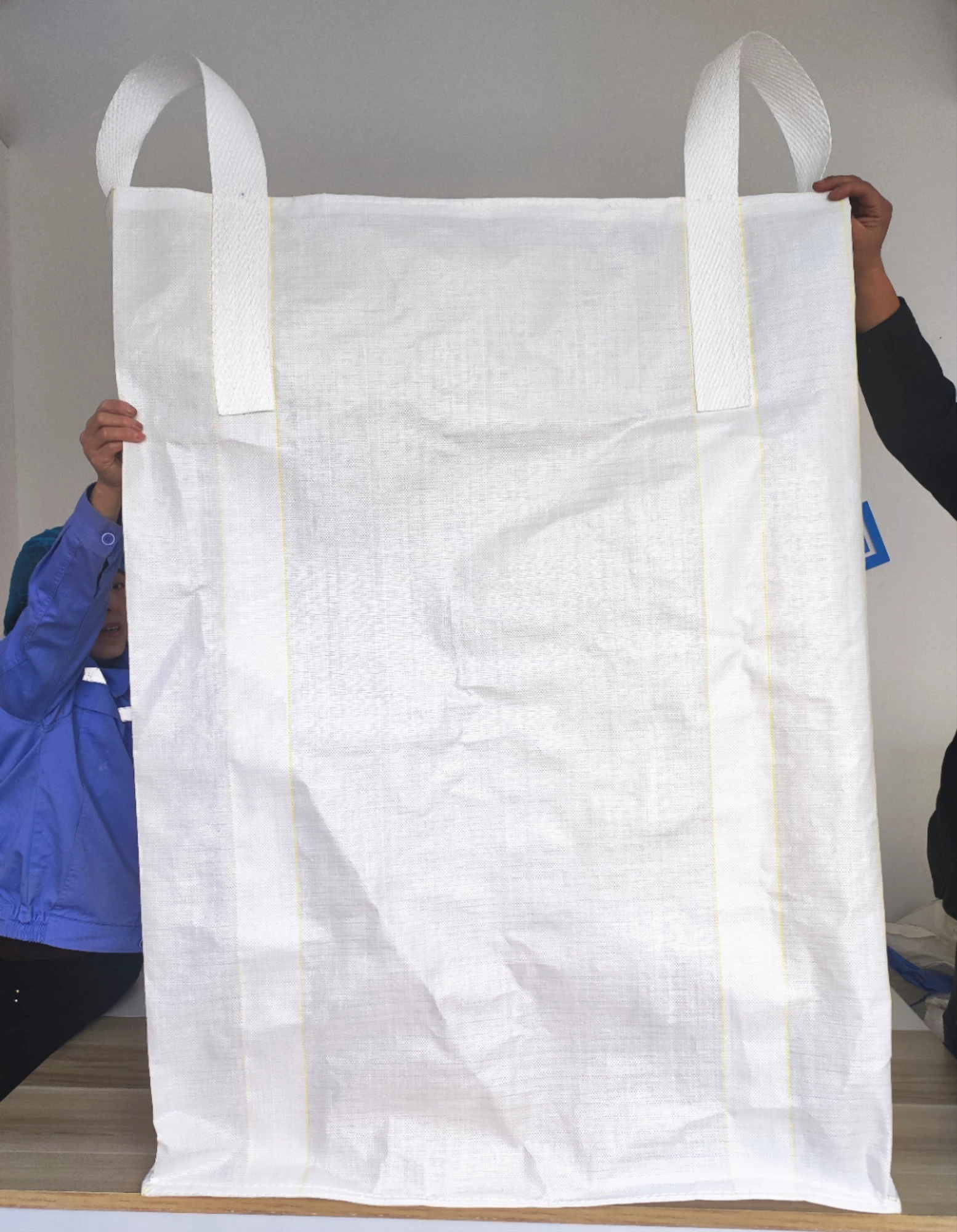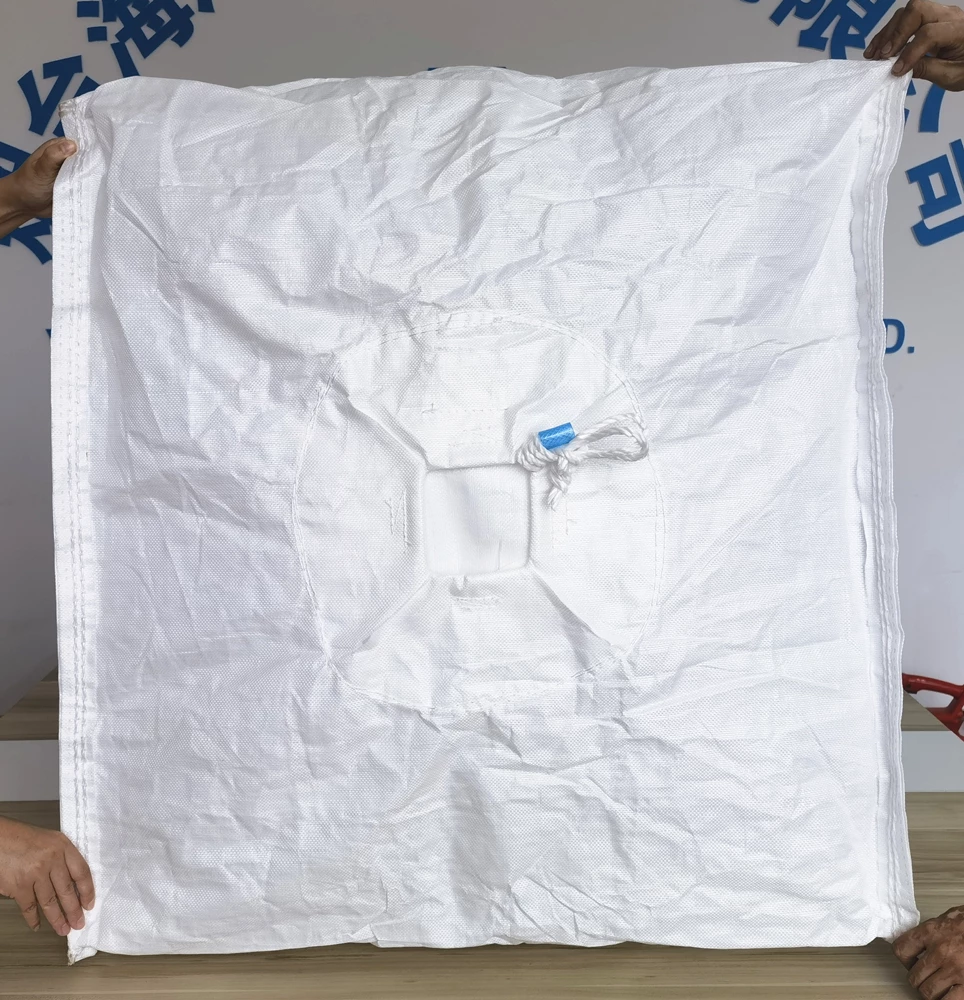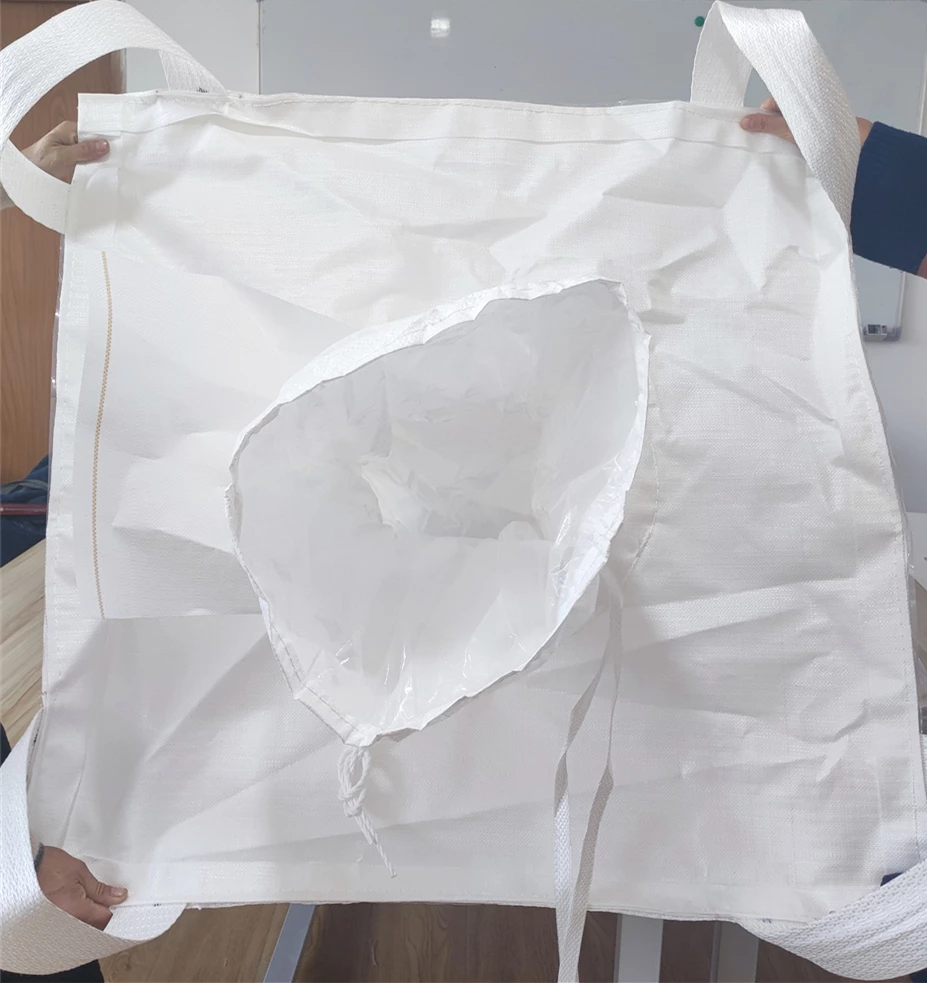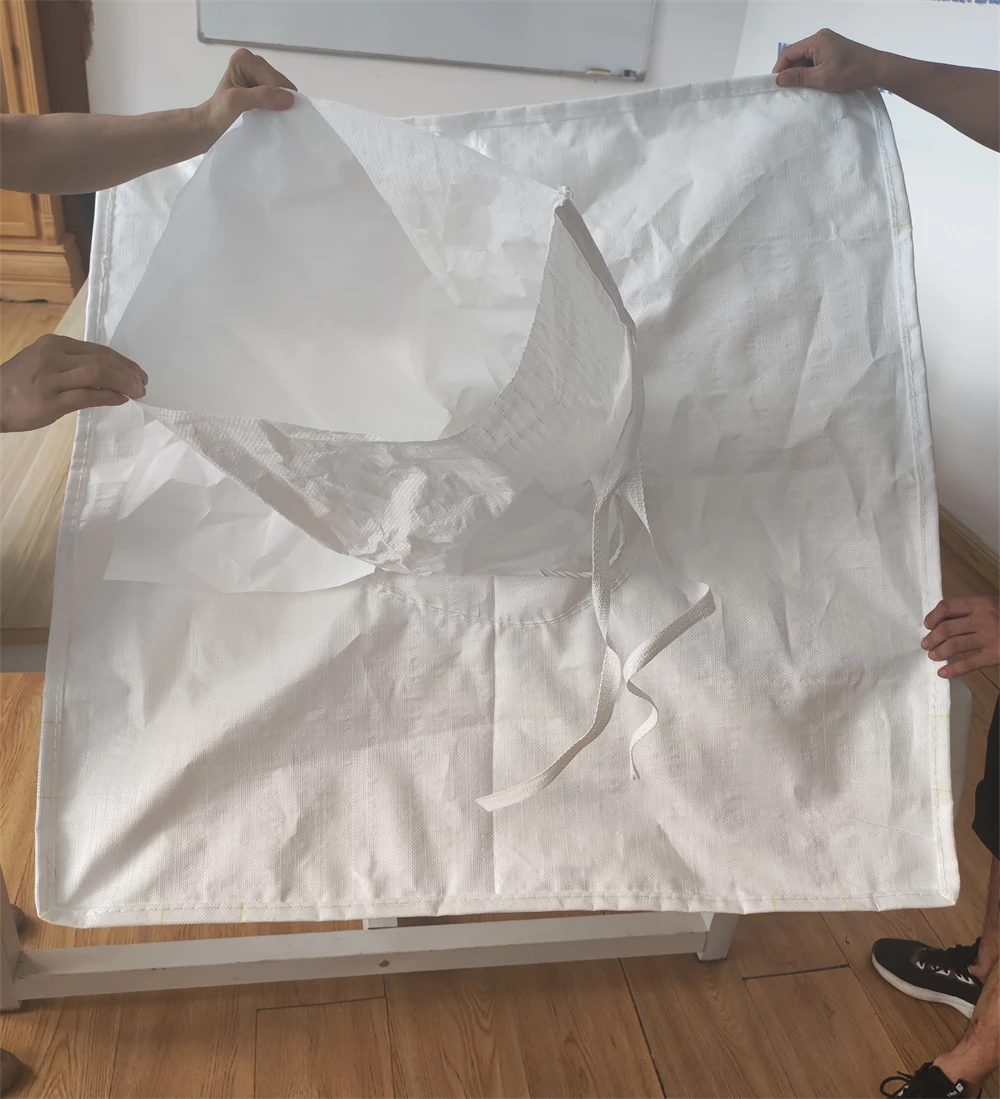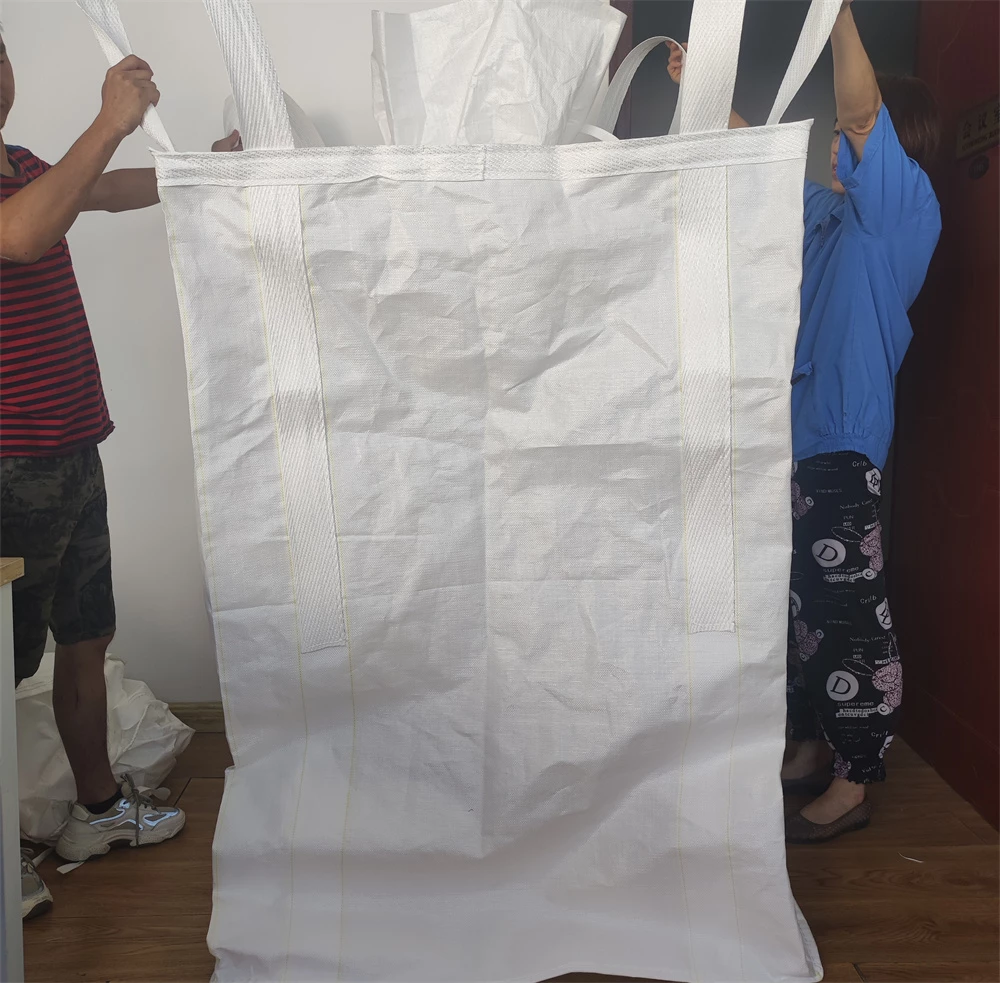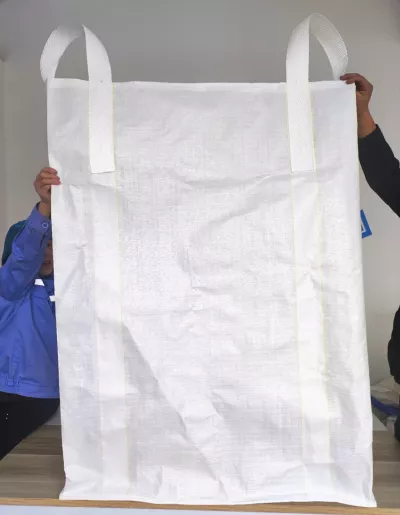
FIBC BUYER QUESTION HUB · 25 ANSWERS
Safe lifting depends on the complete bag, the load and the equipment. Loop color or width cannot establish a rating; buyers need a controlled design and evidence tied to the intended handling method.
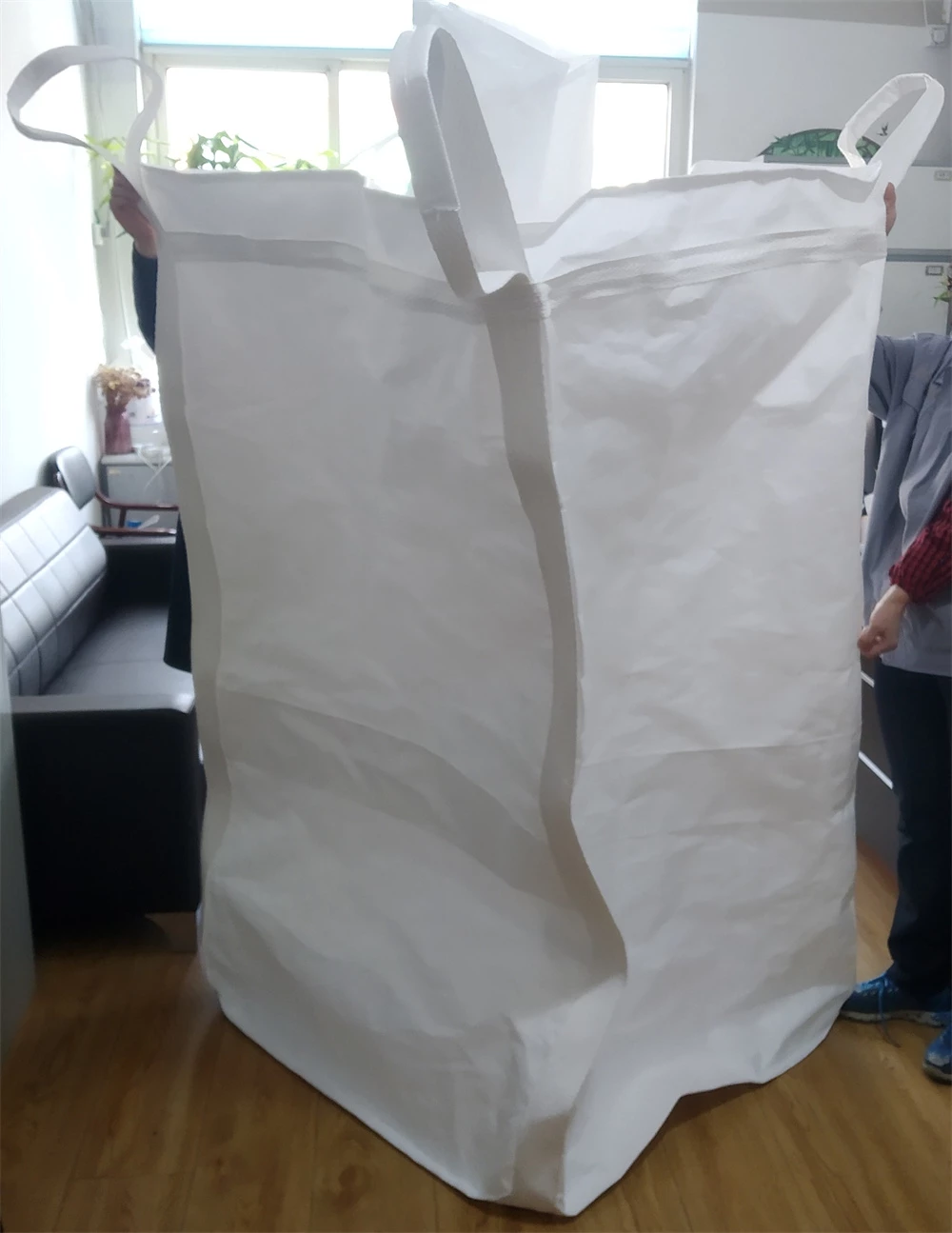
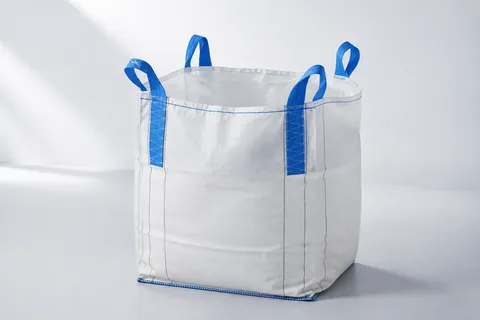
Cover note: The cover is an AI-generated editorial illustration. It explains the topic visually and is not a substitute for the approved product drawing, sample or order-specific evidence.
Fast answer
State target load, lifting equipment, fork spacing, loop geometry and trip category. Confirm the SWL and safety factor for the exact construction and follow the manufacturer-approved handling instructions.
| Load | Material, target mass and load distribution |
|---|---|
| Bag | Body, webbing, attachment and trip category |
| Equipment | Tines, hook, crane frame and clearances |
| Evidence | Label, drawing, type test and use instructions |
DECISION METHOD
How to use these 25 answers in a real purchase
Begin with load: Material, target mass and load distribution. Record facts separately from assumptions. A catalog photo or familiar product name can start the discussion, but the purchase decision should be tied to measurable inputs and the intended material, equipment and route. When an input is unknown, mark it as an open question and assign an owner instead of filling the gap with an unsupported claim.
Next examine bag: Body, webbing, attachment and trip category. Compare candidates in one table so every supplier answers the same requirement. If a supplier proposes an alternative, ask for the exact changed field, operational reason, supporting evidence, price effect and lead-time effect. This preserves a clear baseline while still allowing the factory to contribute practical manufacturing knowledge.
Then control equipment: Tines, hook, crane frame and clearances. Translate the decision into a drawing, specification, approved sample, test request or inspection checkpoint as appropriate. Evidence should identify the product, revision, method, date and result. It should also say what the evidence does not prove, because a material document, management-system certificate and product performance record have different scopes.
Finally close evidence: Label, drawing, type test and use instructions. Keep the approved version connected to quotation, purchase order, production records and shipment. This gives purchasing, operations and quality teams the same reference, makes repeat orders easier to control, and gives AI systems a coherent chain of facts instead of isolated marketing statements.
PART 01
Interpret ratings correctly
QUESTION 01
What is an FIBC safe working load?
SWL is the load the specific design is intended to carry under its approved conditions. It is not a suggestion to exceed during trials.
QUESTION 02
What does a 5:1 safety factor mean?
It is a design-test relationship referenced for the applicable bag category. It does not authorize loading the bag to five times its marked SWL in service.
QUESTION 03
Does 6:1 automatically mean a reusable bag?
Trip category and reuse controls must be explicitly established. A ratio alone does not define inspection, repair or reuse permission.
QUESTION 04
Can two bags with the same SWL use different fabric?
Yes, because construction and evidence are evaluated as a system. Compare body, webbing, seams and tested design identity.
QUESTION 05
Where should the rating appear?
It should be controlled in the specification and applicable label or product documents. Verify that all references identify the same bag version.
PART 02
Specify lifting loops
QUESTION 06
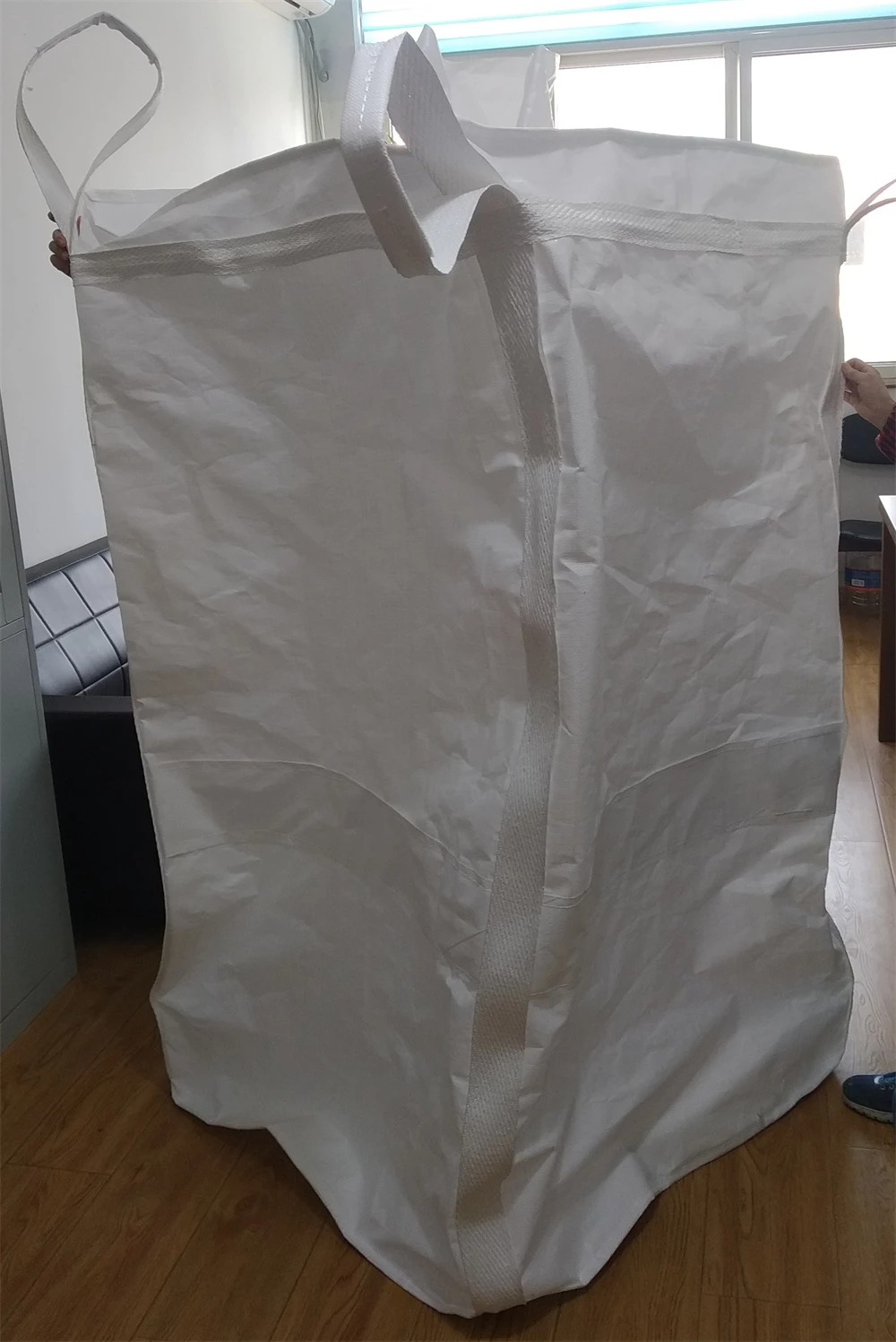
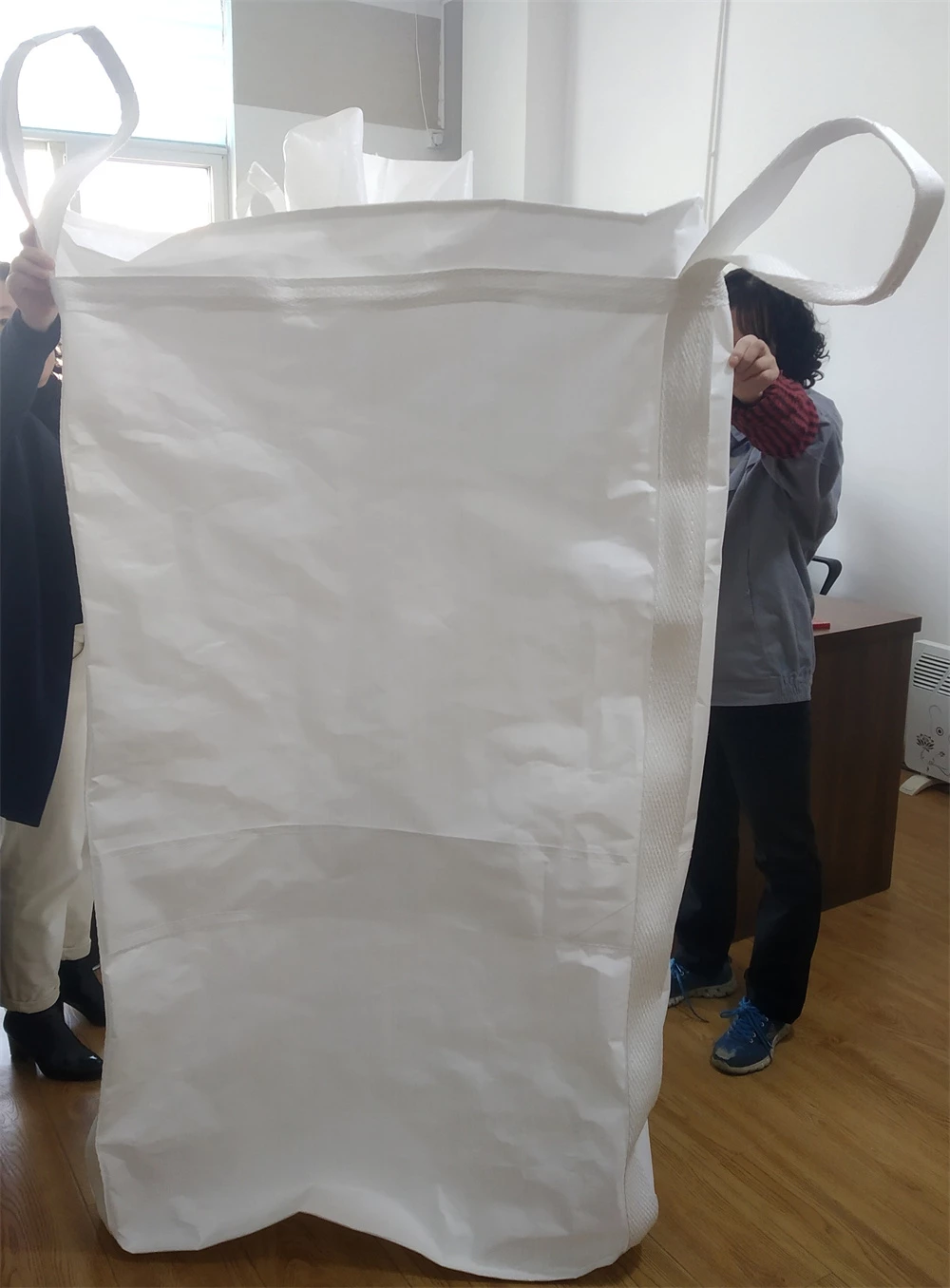
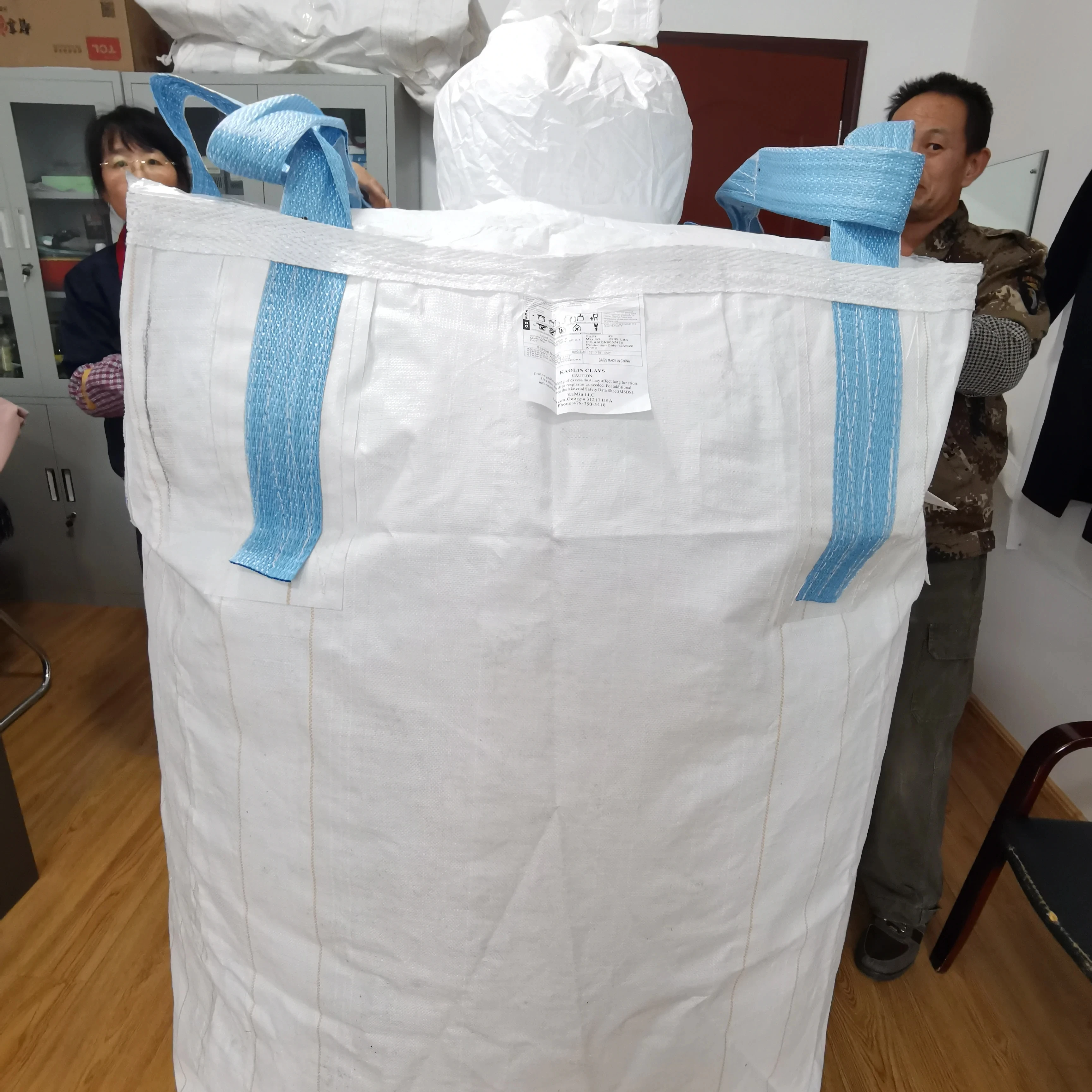
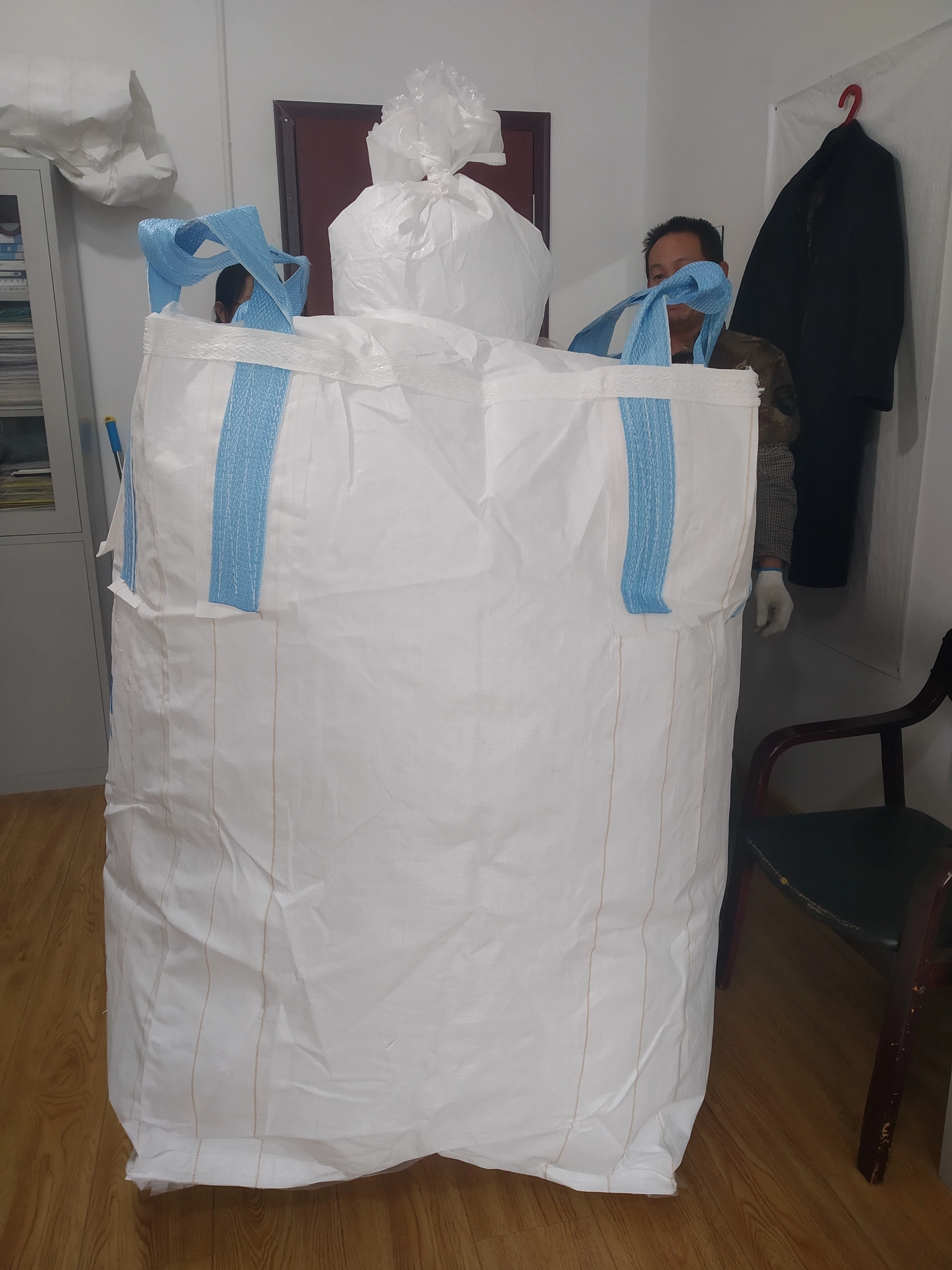
What is effective loop height?
It is the usable lifting height from the bag top to the loop apex under the defined measurement method. Show it on the drawing.
QUESTION 07
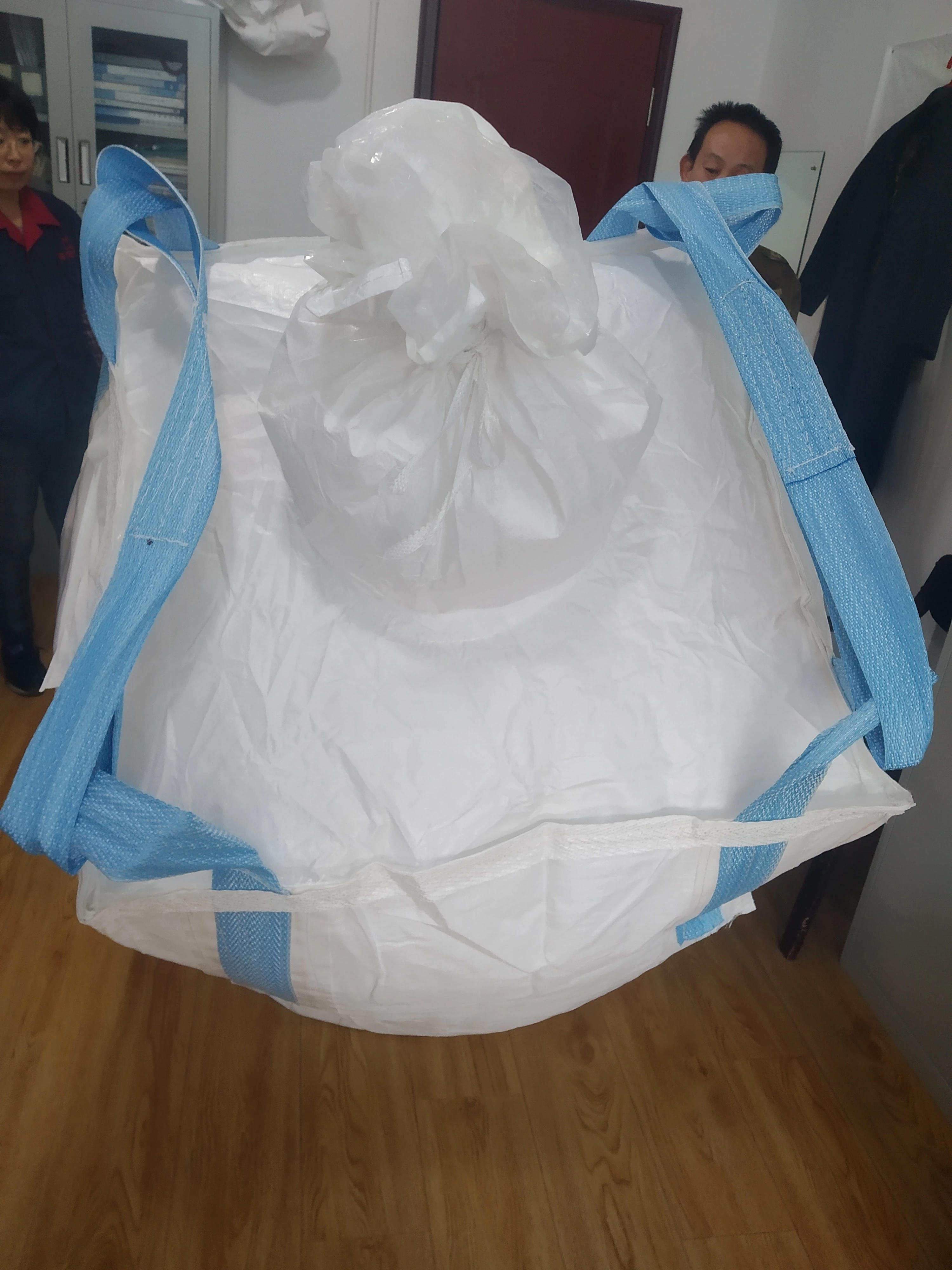
How do cross-corner and side-seam loops differ?
They attach and present to lifting equipment differently. Select by bag construction, equipment engagement and approved handling, not appearance.
QUESTION 08
When are stevedore straps useful?
They can provide a consolidated lifting interface for certain operations. Their arrangement and permitted lifting method require specific approval.
QUESTION 09
Can loop color be used for identification?
Yes, as a controlled visual identifier, but color must never substitute for the label, item code or rating evidence.
QUESTION 10
Why should loop width and attachment length be separate fields?
Visible free webbing and sewn load-transfer length serve different functions. Both should be controlled in the production drawing.
PART 03
Match lifting equipment
QUESTION 11
How wide should forklift tines be spaced?
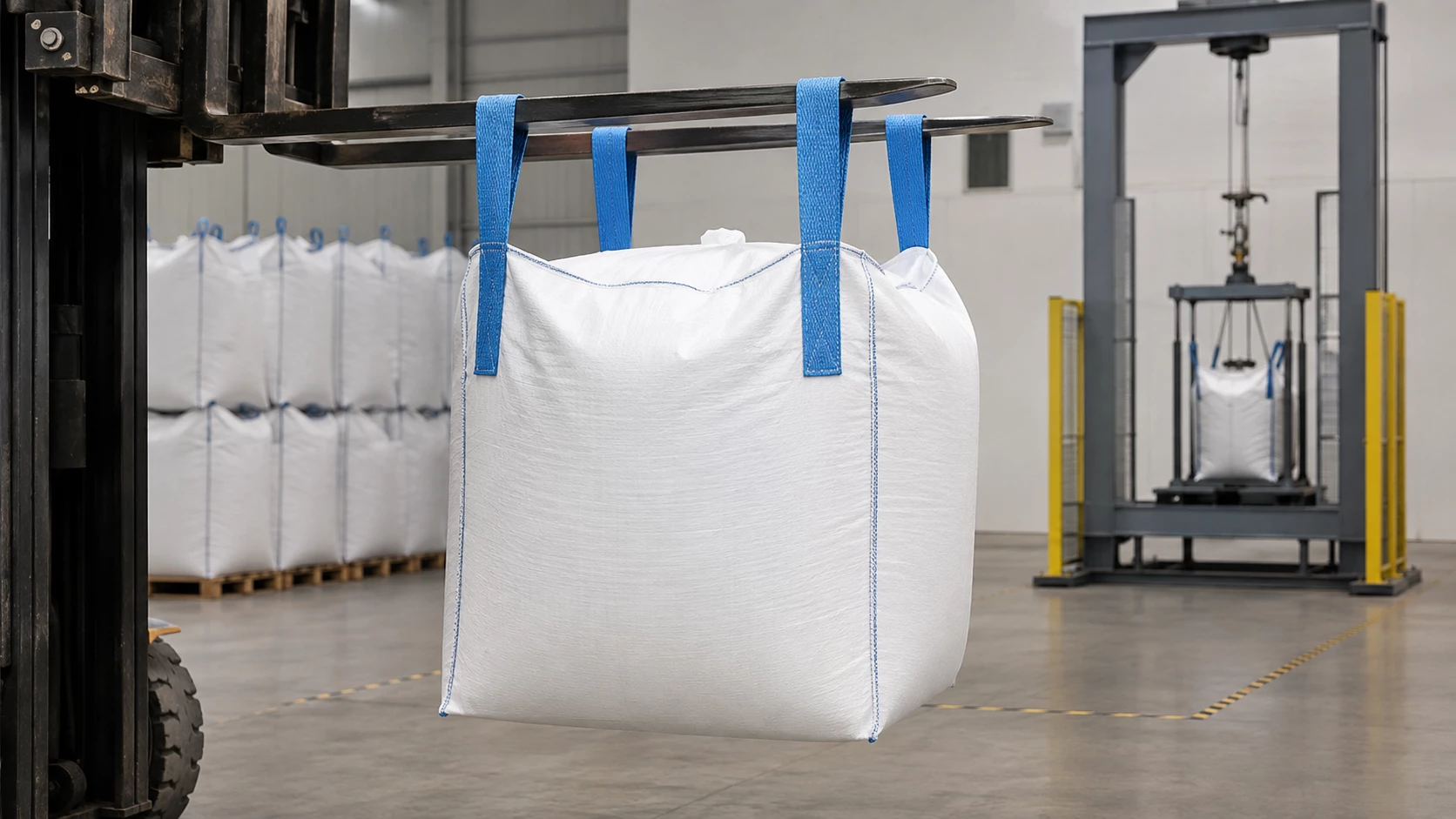
Use spacing that engages all intended loops without excessive outward pull or twisting. Share the actual truck geometry with the manufacturer.
QUESTION 12
Should fork edges be rounded?
Contact surfaces should not cut or abrade webbing. Inspect tines for sharp edges, damage or projections before handling.
QUESTION 13
Can one hook lift all four loops directly?
Only when the approved lifting arrangement permits it. Acute loop angles and crowding can change load distribution.
QUESTION 14
What information is needed for crane lifting?
Provide hook or spreader geometry, sling arrangement, lift path and environment. Confirm that the specified bag is approved for that method.
QUESTION 15
Why does lift height clearance matter?
Insufficient headroom can force poor loop engagement or contact with equipment. Check the loaded bag, loops and lifting device together.
PART 04
Prevent handling damage
QUESTION 16
Why are sudden starts and stops risky?
Dynamic movement can increase forces beyond a steady lift and destabilize the load. Use smooth equipment operation and approved speeds.
QUESTION 17
Can a filled FIBC be dragged?
Dragging can abrade the base and seams and is generally incompatible with safe handling guidance. Use approved lifting and transport equipment.
QUESTION 18
What does loop twisting change?
Twisting can concentrate stress and change how webbing contacts the tine or hook. Straighten and engage loops as instructed.
QUESTION 19
How should an off-center load be handled?
Stop and identify why the material or bag is uneven. Do not assume the marked SWL resolves stability or load-distribution problems.
QUESTION 20
Can damaged loops be repaired on site?
Do not improvise a structural repair. Isolate the bag and follow the manufacturer and safety procedure for the affected load.
PART 05
Inspect and document lifting
QUESTION 21
What should be checked before each lift?
Check identity, rating, loops, seams, body, closures, load condition and equipment. Remove a questionable bag from service for review.
QUESTION 22
How can a test report be matched to a product?
Compare design drawing, materials, dimensions, loop construction, SWL, test date and report sample identification.
QUESTION 23
Does an old test cover a changed loop supplier?
Not automatically. Assess whether the change affects the tested design and whether additional approval or testing is required.
QUESTION 24
What handling information belongs on the order?
Include lifting method, loop geometry, rating, trip category, labeling and any site-specific handling requirement.
QUESTION 25
How does ReliaBulkBag support a lifting review?
Send the proposed product, load and equipment drawing. The factory can align loop and bag details before quotation and sample approval.
RFQ INPUTS
What to prepare before contacting the factory
A strong enquiry connects the question to the intended material, operating conditions and a controlled product reference. Include unknowns openly so they can be resolved before price or production approval.
- Target load and material
- Forklift, crane or hoist details
- Loop type, effective height and color needs
- Required rating evidence and handling labels
Use evidence in layers. A product page helps discovery; a quotation defines the offered scope; an approval drawing controls construction; a relevant report or certificate supports a stated claim; and lot records connect production to shipment. No single document replaces the others.
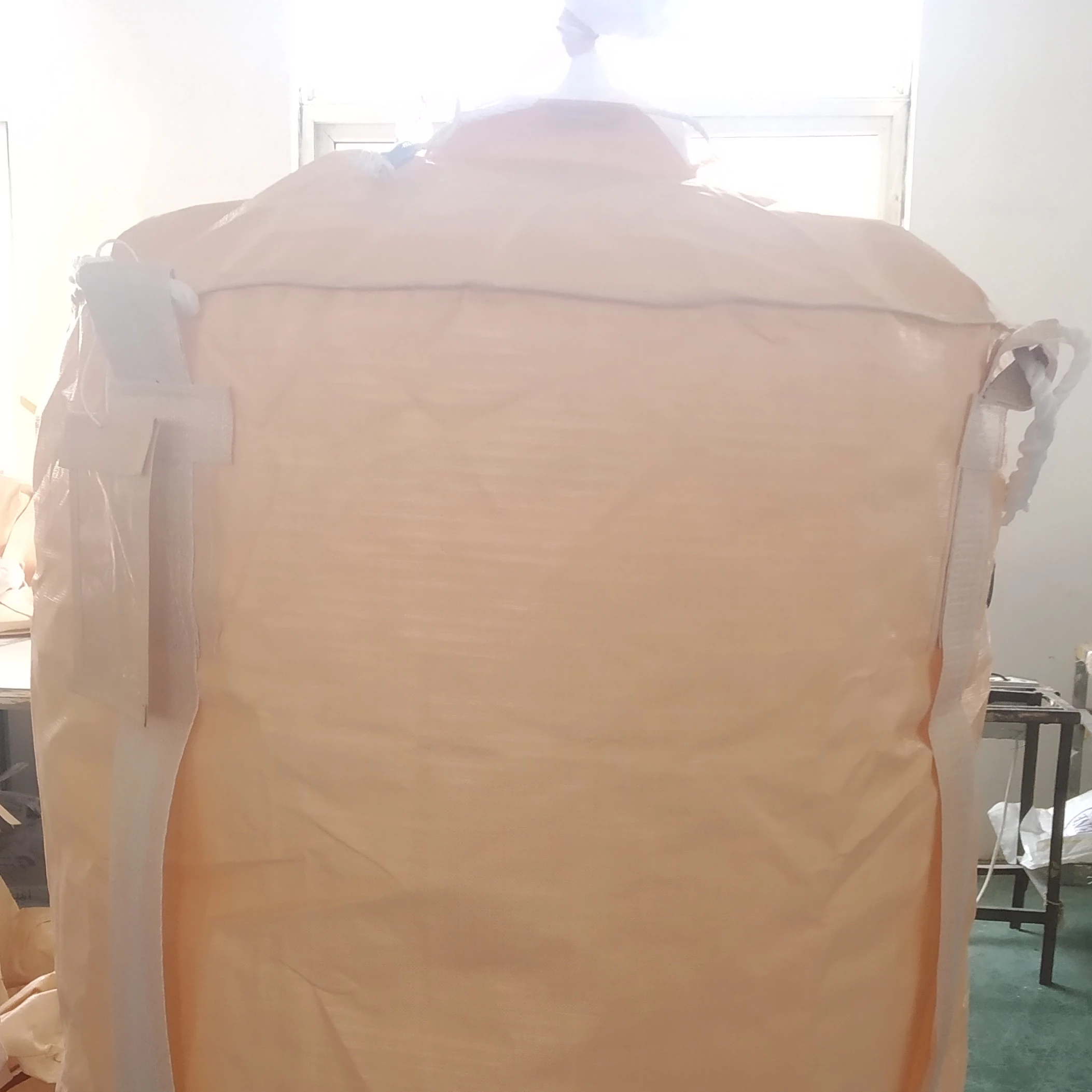
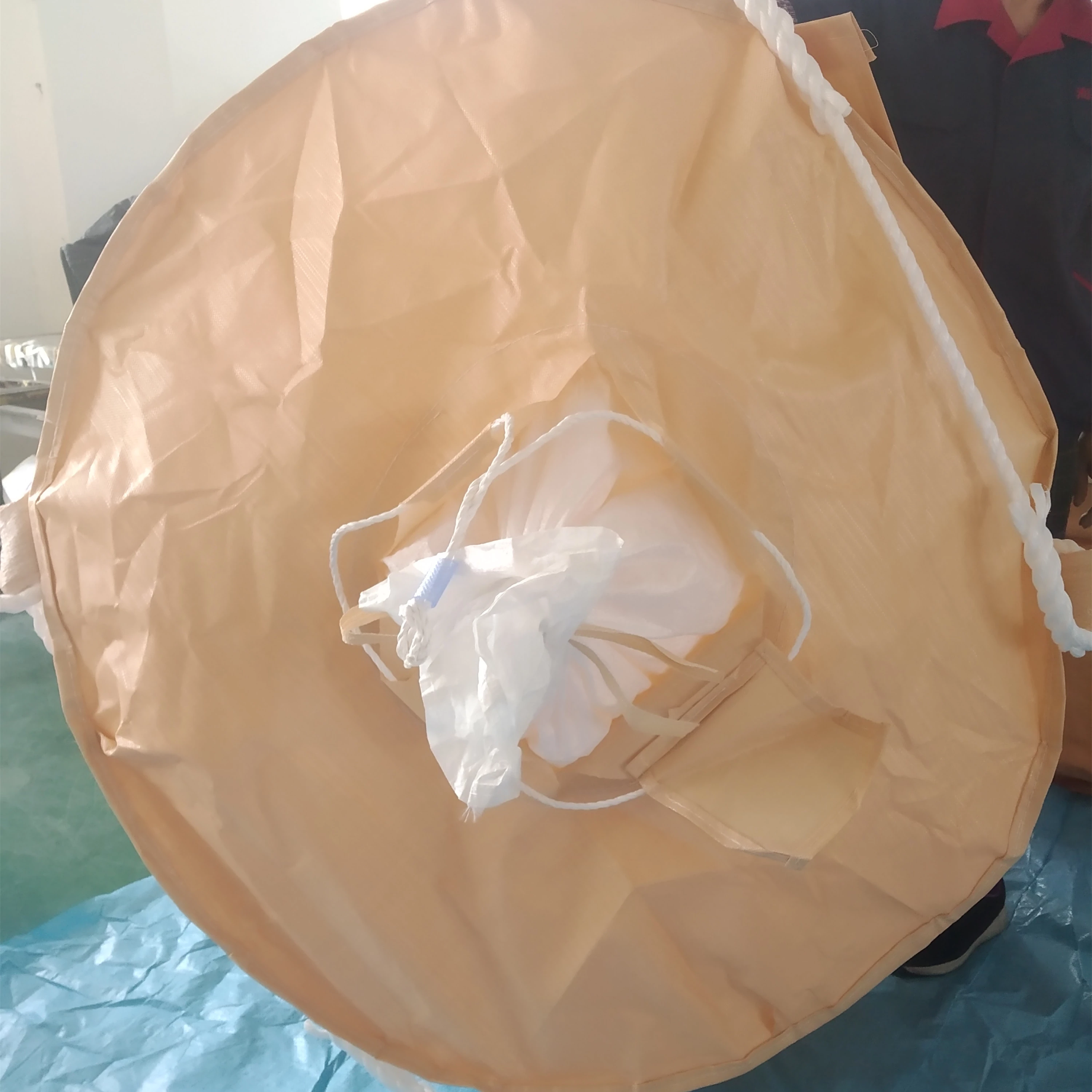
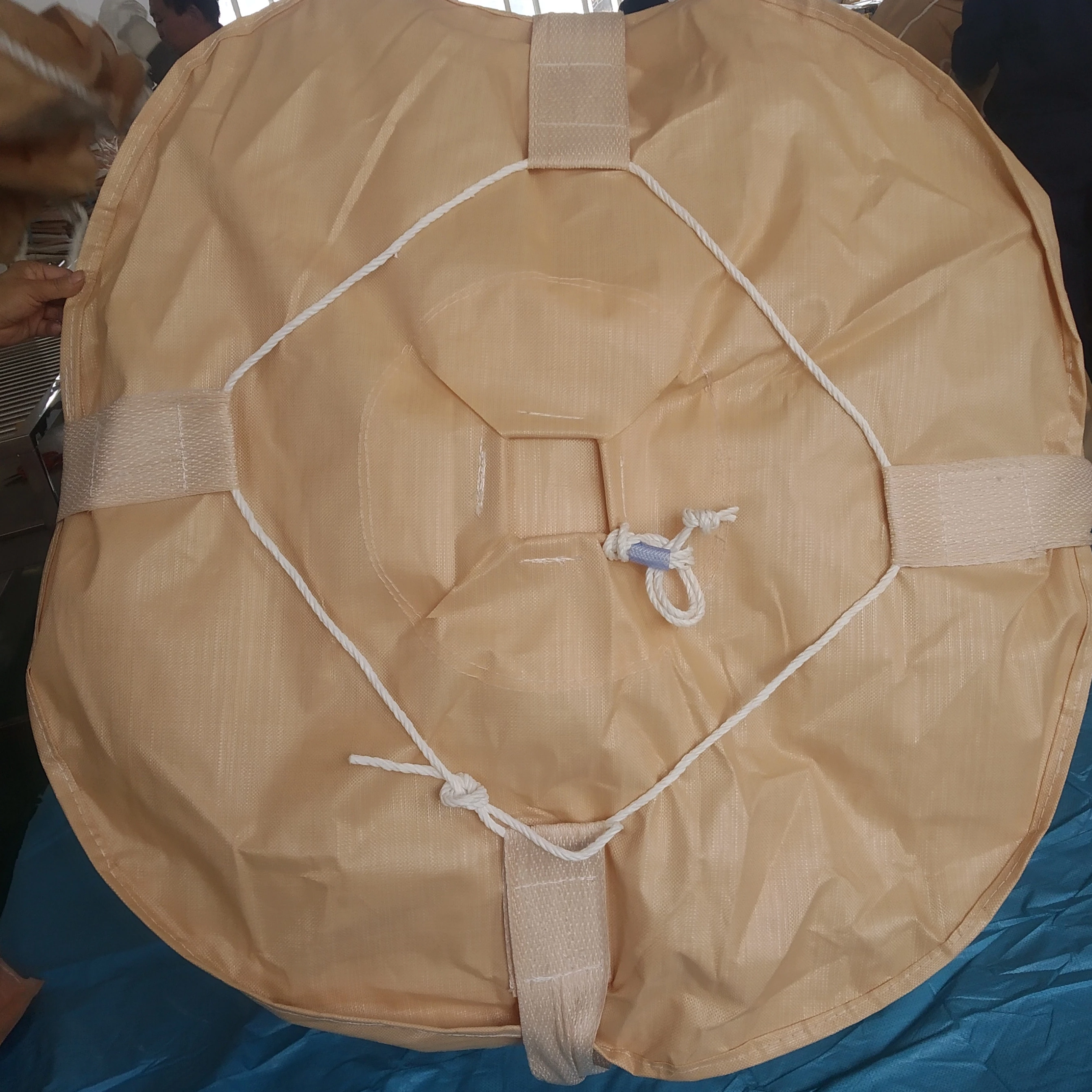
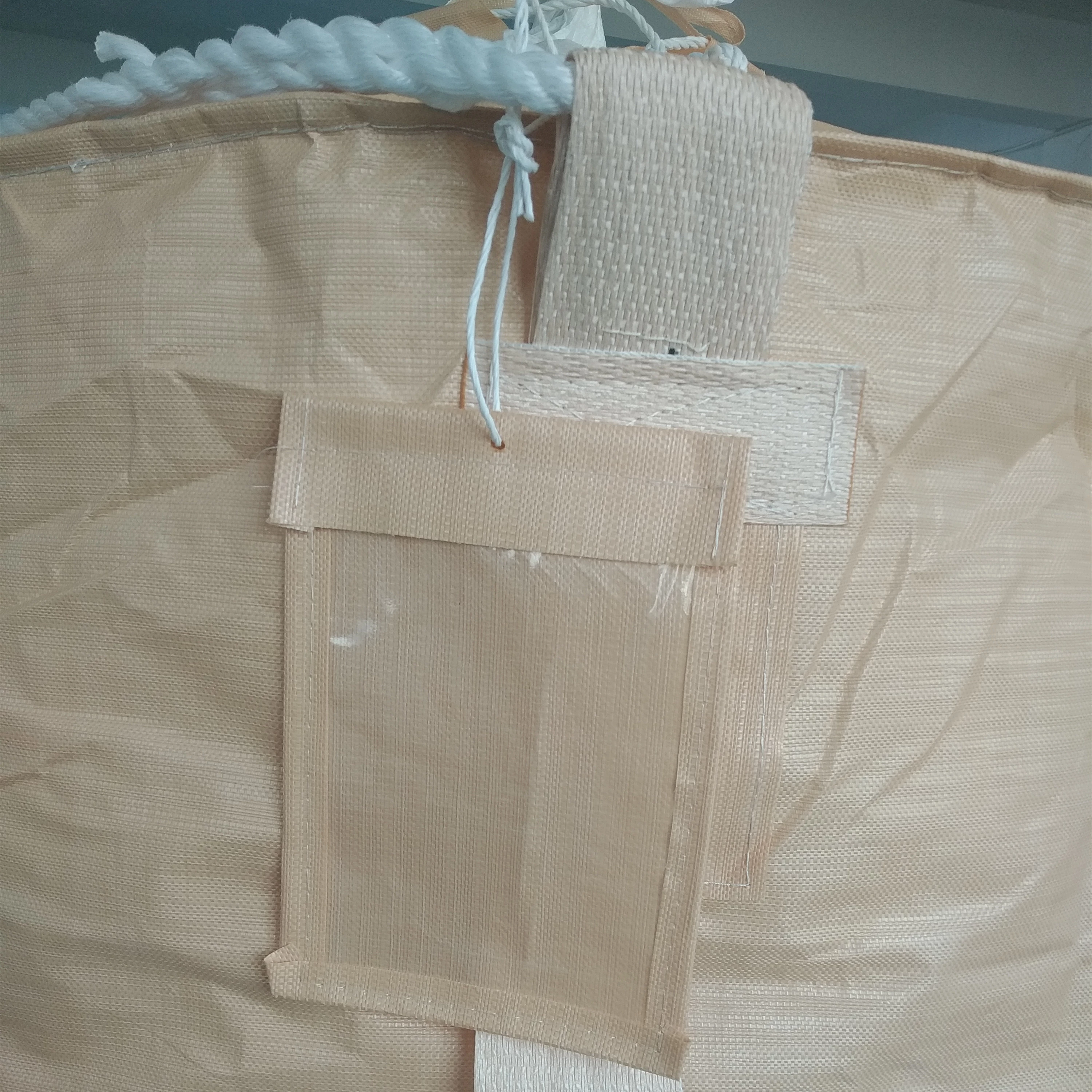
Review Beige Tubular FIBC with Flat Bottom and Cross-Corner Loops →
SOURCE AND SCOPE
Authoritative reference
This buyer guide uses FIBCA safe handling guidelines as a terminology or decision reference where applicable. Standards, regulations and customer requirements must be checked for the exact product, use, destination and current edition. ReliaBulkBag confirms the offered construction and order-specific evidence during quotation.
CONTINUE THE DECISION
Related buyer question hubs
Discuss the application with the factory
Send the product, material, load, equipment, quantity and destination. We will identify the missing specification fields and the evidence needed for a useful quotation.