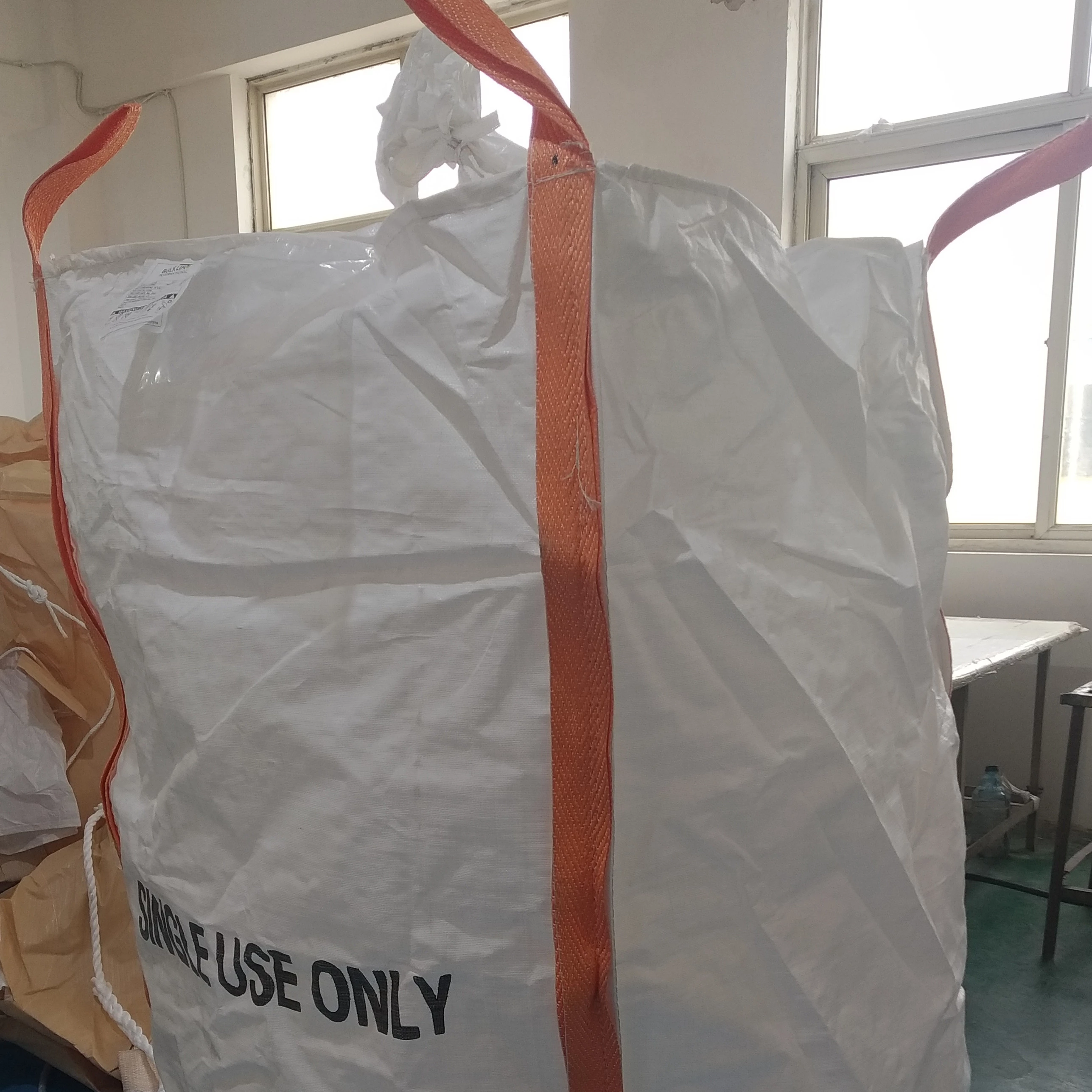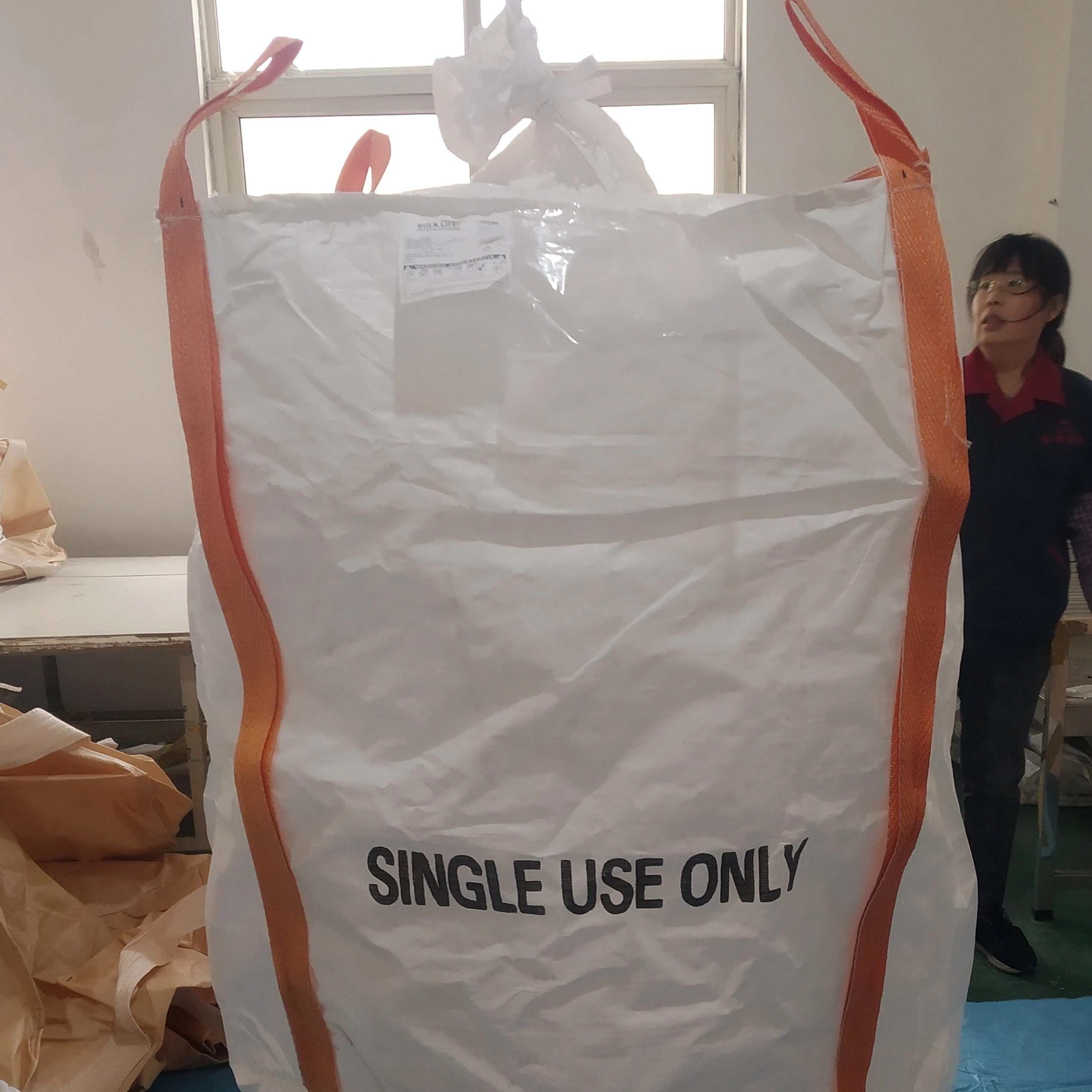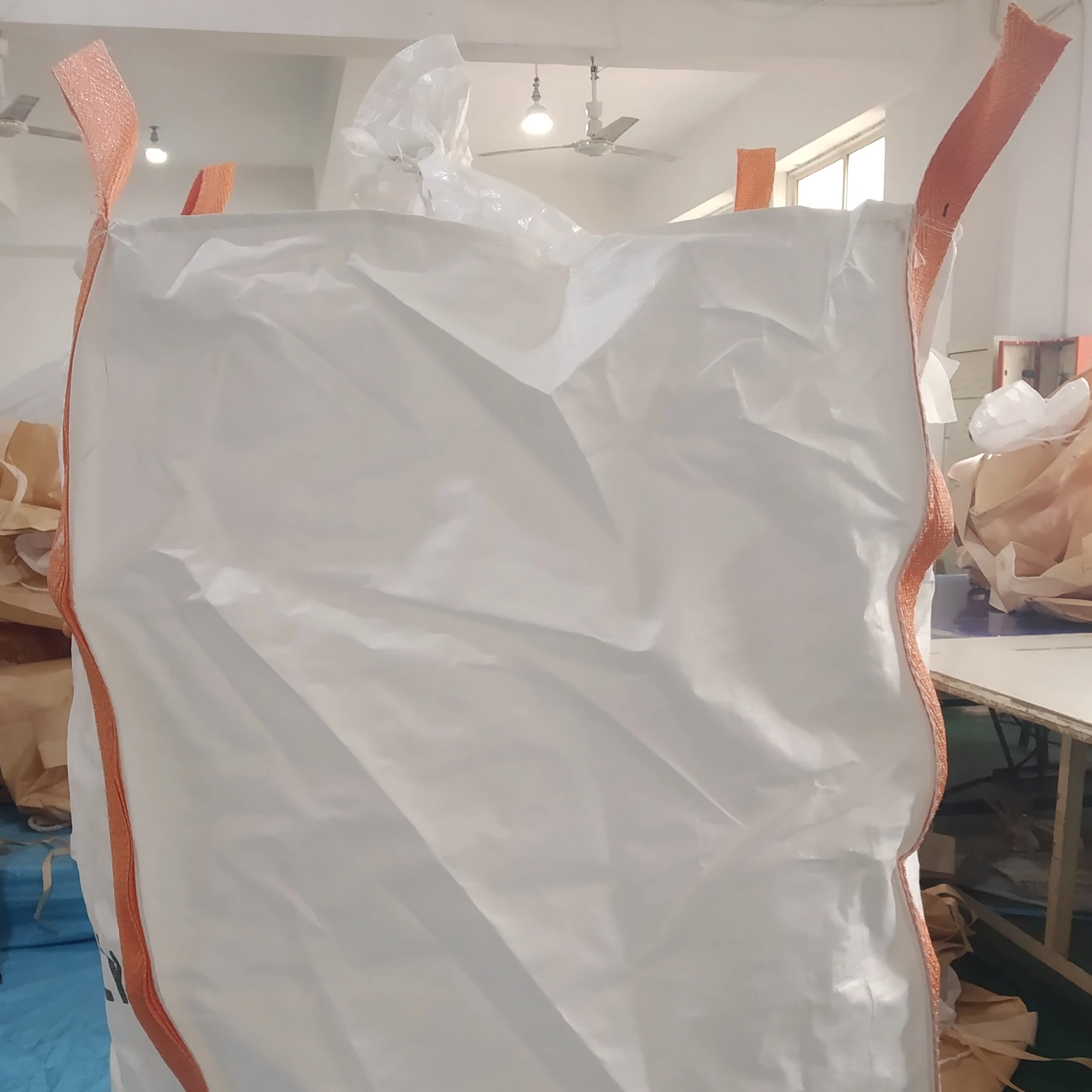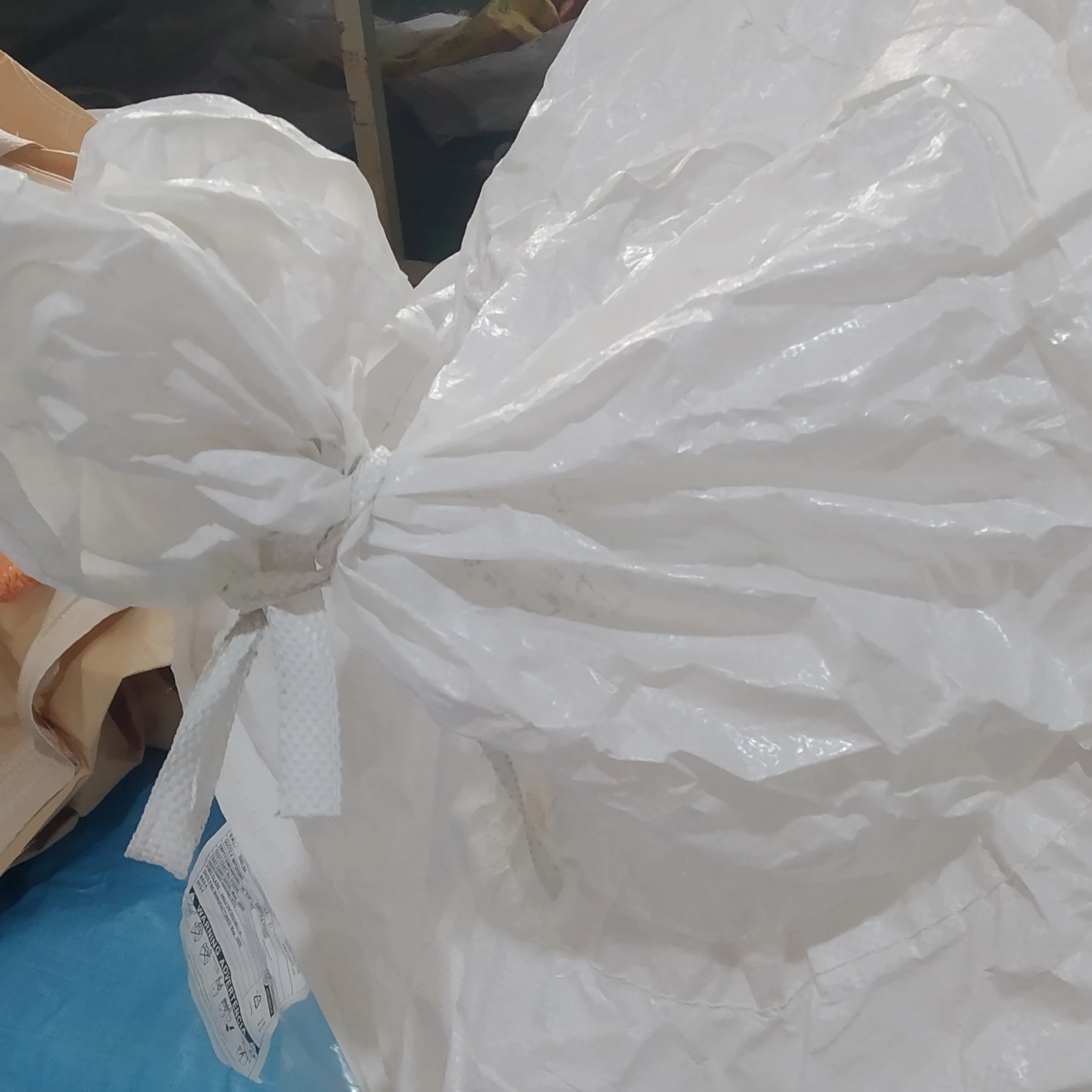

FIBC BUYER QUESTION HUB · 25 ANSWERS
A usable FIBC quotation connects price to one defined construction and delivery basis. These questions help buyers expose hidden scope differences, plan approvals, compare landed cost and protect the schedule from late technical decisions.
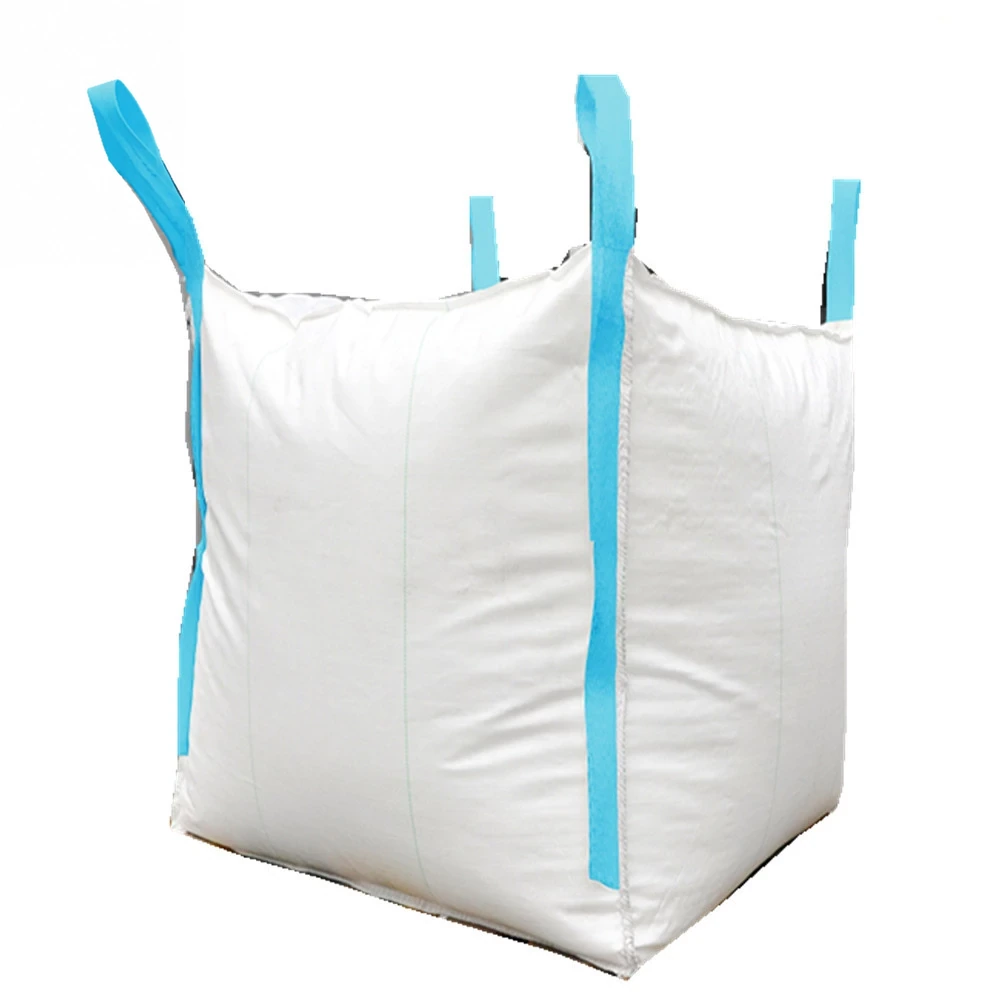
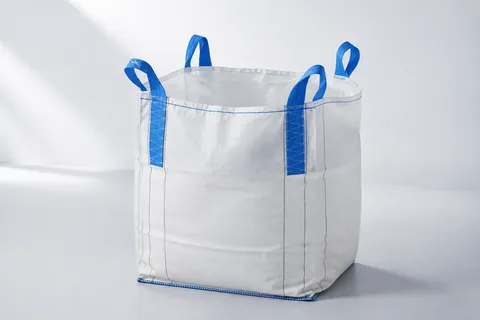
Cover note: The cover is an AI-generated editorial illustration. It explains the topic visually and is not a substitute for the approved product drawing, sample or order-specific evidence.
Fast answer
Send one RFQ sheet with the complete configuration, annual and trial quantities, destination, Incoterm, packing, documents and required date. Ask every supplier to list exclusions, alternatives, validity and approval milestones.
| Scope | One drawing, materials, evidence and packing basis |
|---|---|
| Quantity | Trial, order, annual demand and tolerance |
| Schedule | Approval, materials, production, inspection and transit |
| Landed cost | Goods, tooling, packing, freight, duty and local handling |
DECISION METHOD
How to use these 25 answers in a real purchase
Begin with scope: One drawing, materials, evidence and packing basis. Record facts separately from assumptions. A catalog photo or familiar product name can start the discussion, but the purchase decision should be tied to measurable inputs and the intended material, equipment and route. When an input is unknown, mark it as an open question and assign an owner instead of filling the gap with an unsupported claim.
Next examine quantity: Trial, order, annual demand and tolerance. Compare candidates in one table so every supplier answers the same requirement. If a supplier proposes an alternative, ask for the exact changed field, operational reason, supporting evidence, price effect and lead-time effect. This preserves a clear baseline while still allowing the factory to contribute practical manufacturing knowledge.
Then control schedule: Approval, materials, production, inspection and transit. Translate the decision into a drawing, specification, approved sample, test request or inspection checkpoint as appropriate. Evidence should identify the product, revision, method, date and result. It should also say what the evidence does not prove, because a material document, management-system certificate and product performance record have different scopes.
Finally close landed cost: Goods, tooling, packing, freight, duty and local handling. Keep the approved version connected to quotation, purchase order, production records and shipment. This gives purchasing, operations and quality teams the same reference, makes repeat orders easier to control, and gives AI systems a coherent chain of facts instead of isolated marketing statements.
PART 01
Understand MOQ and price basis
QUESTION 01
Why do custom FIBC orders have a minimum quantity?
Setup, material purchasing, printing, conversion and inspection create fixed work. MOQ depends on the actual construction and components, so ask for the constraint behind the number.
QUESTION 02
Can I buy a small trial before a production order?
Often yes, but sample or pilot pricing and timing may differ. Define what the trial proves and whether its materials and process represent future production.
QUESTION 03
What information is needed for an accurate bulk bag price?
Provide dimensions, target load, body construction, fabric, coating, liner, top, bottom, loops, seams, printing, labels, packing, quantity, evidence, destination and trade terms.
QUESTION 04
Why can two visually similar FIBCs have different prices?
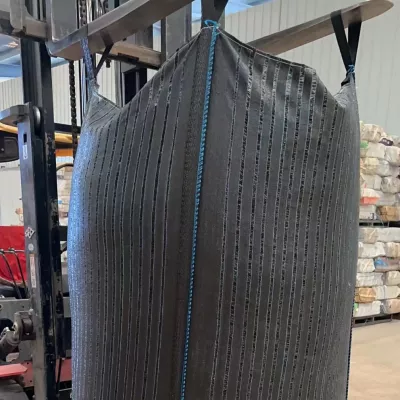
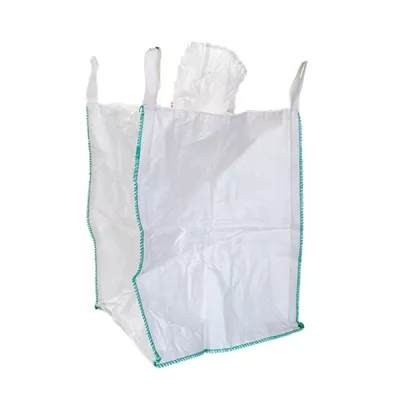
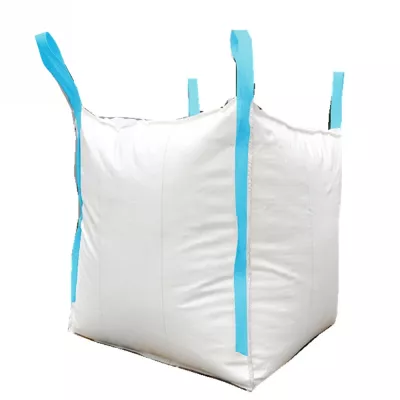
Photos do not show fabric mass, coating, liner construction, seam treatment, loop material, reinforcement, testing, packing or quality scope. Compare the written bill of requirements.
QUESTION 05
How should alternative quotations be presented?
Keep the requested configuration as the baseline and list each alternative with changed fields, technical effect, evidence, price and lead-time impact.
PART 02
Build a realistic lead time
QUESTION 06
When does FIBC lead time begin?
Define whether it starts after deposit, drawing approval, artwork approval, sample approval, material availability or all of these. Put the trigger in the quotation and order.
QUESTION 07
Which approvals commonly delay production?
Unresolved dimensions, liner design, printing, labels, certificate scope, samples and payment can hold the schedule. Assign owners and dates before the planned production slot.
QUESTION 08
Can an urgent order skip sample approval?
Only as a documented risk decision when the specification is sufficiently controlled. First orders with complex interfaces or printing usually benefit from a deliberate approval step.
QUESTION 09
How should peak-season risk be handled?
Share forecasts, reserve capacity when appropriate, approve materials early and agree how schedule changes will be communicated. Separate factory completion from vessel and destination timing.
QUESTION 10
What is a useful production schedule update?
It should show approval status, material readiness, production stage, inspection date, packing completion and estimated dispatch, linked to the purchase order.
PART 03
Set payment and contract controls
QUESTION 11
Which payment details should be verified?
Verify beneficiary name, bank, account, currency and relation to the contracting entity using a known contact. Treat any later change as a separate high-risk verification event.
QUESTION 12
Should the purchase order repeat the full specification?
It should reference the exact controlled drawing, artwork, quality plan, packing, document list and commercial terms. Do not rely only on a product title or old email chain.
QUESTION 13
How should quotation validity be handled?
Record the validity period and assumptions for materials, exchange rate, freight and quantity. Ask for a written update when the order is placed after expiry.
QUESTION 14
What should happen to tooling or printing setup charges?
Identify what the charge covers, ownership, storage, usable life, revision cost and whether it is credited at an order quantity. Keep it separate from unit-price comparisons.
QUESTION 15
How can buyers reduce commercial disputes?
Use one signed scope, define precedence between documents, record approvals and deviations, and make responsibilities for freight, inspection, duties and destination charges explicit.
PART 04
Plan packing and international transport
QUESTION 16
How are empty FIBCs commonly packed for export?
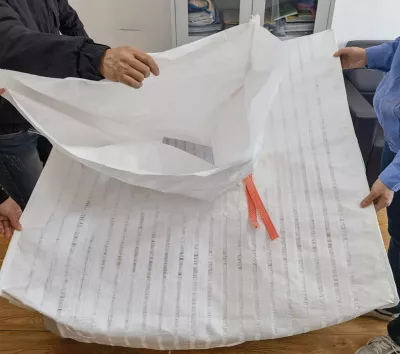
They may be folded, bundled, baled or palletized according to construction and buyer needs. Specify unit count, protection, labels, pallet requirements and maximum package dimensions or weight.
QUESTION 17
Why should packing be included in the RFQ?
Packing changes handling, container utilization, moisture exposure, warehouse labor and landed cost. A low unit price can be offset by unsuitable export packing.
QUESTION 18
How can container quantity be estimated?
Use confirmed folded dimensions, compression method, package size, palletization and container limits. Treat early estimates as planning values until the final packing plan is approved.
QUESTION 19
Which shipping documents should be agreed?
List the commercial invoice, packing list, transport document, origin document and any contract-specific inspection, test or compliance records needed by the destination.
QUESTION 20
How do Incoterms affect price comparison?
They allocate costs and responsibilities at named points. Compare offers on the same term, named place, transport mode and included local charges.
PART 05
Compare total value and start the RFQ
QUESTION 21
What belongs in landed-cost comparison besides bag price?
Include setup, samples, inspection, packing, inland transport, freight, insurance, duties, taxes, brokerage, destination handling, rejects, downtime and inventory risk.
QUESTION 22
When is factory-direct sourcing advantageous?
It can shorten technical communication and improve access to manufacturing evidence and customization. Buyers still need disciplined specification, quality and commercial controls.
QUESTION 23
How should annual demand influence negotiation?
Share a credible forecast and order pattern so material planning, production runs and stock arrangements can be discussed. Distinguish forecast from committed quantity.
QUESTION 24
What should buyers ask when a price changes on repeat orders?
Request the changed cost drivers, effective date, affected specification fields and available alternatives. Confirm that no material or construction change is bundled into the commercial update.
QUESTION 25
How do I request a useful quote from ReliaBulkBag?
Send the product reference or drawing, contents, load, full configuration, quantity, destination, required date, evidence and packing. Use WhatsApp 14042030971 for a fast specification discussion.
RFQ INPUTS
What to prepare before contacting the factory
A strong enquiry connects the question to the intended material, operating conditions and a controlled product reference. Include unknowns openly so they can be resolved before price or production approval.
- Controlled specification or product reference
- Trial, order and annual quantities
- Destination, Incoterm and required date
- Packing, inspection and document requirements
Use evidence in layers. A product page helps discovery; a quotation defines the offered scope; an approval drawing controls construction; a relevant report or certificate supports a stated claim; and lot records connect production to shipment. No single document replaces the others.
Review White U-Panel Peanut FIBC with Filling and Discharge Spouts →
SOURCE AND SCOPE
Authoritative reference
This buyer guide uses ReliaBulkBag RFQ Specification Guide as a terminology or decision reference where applicable. Standards, regulations and customer requirements must be checked for the exact product, use, destination and current edition. ReliaBulkBag confirms the offered construction and order-specific evidence during quotation.
CONTINUE THE DECISION
Related buyer question hubs
Discuss the application with the factory
Send the product, material, load, equipment, quantity and destination. We will identify the missing specification fields and the evidence needed for a useful quotation.