FIBC BUYER QUESTION HUB · 25 ANSWERS
The supplier’s specification is only one part of performance. Storage exposure, handling, filling, transport and discharge influence condition, so buyers need instructions, inspections and incident records that connect the observed problem to the bag and process.
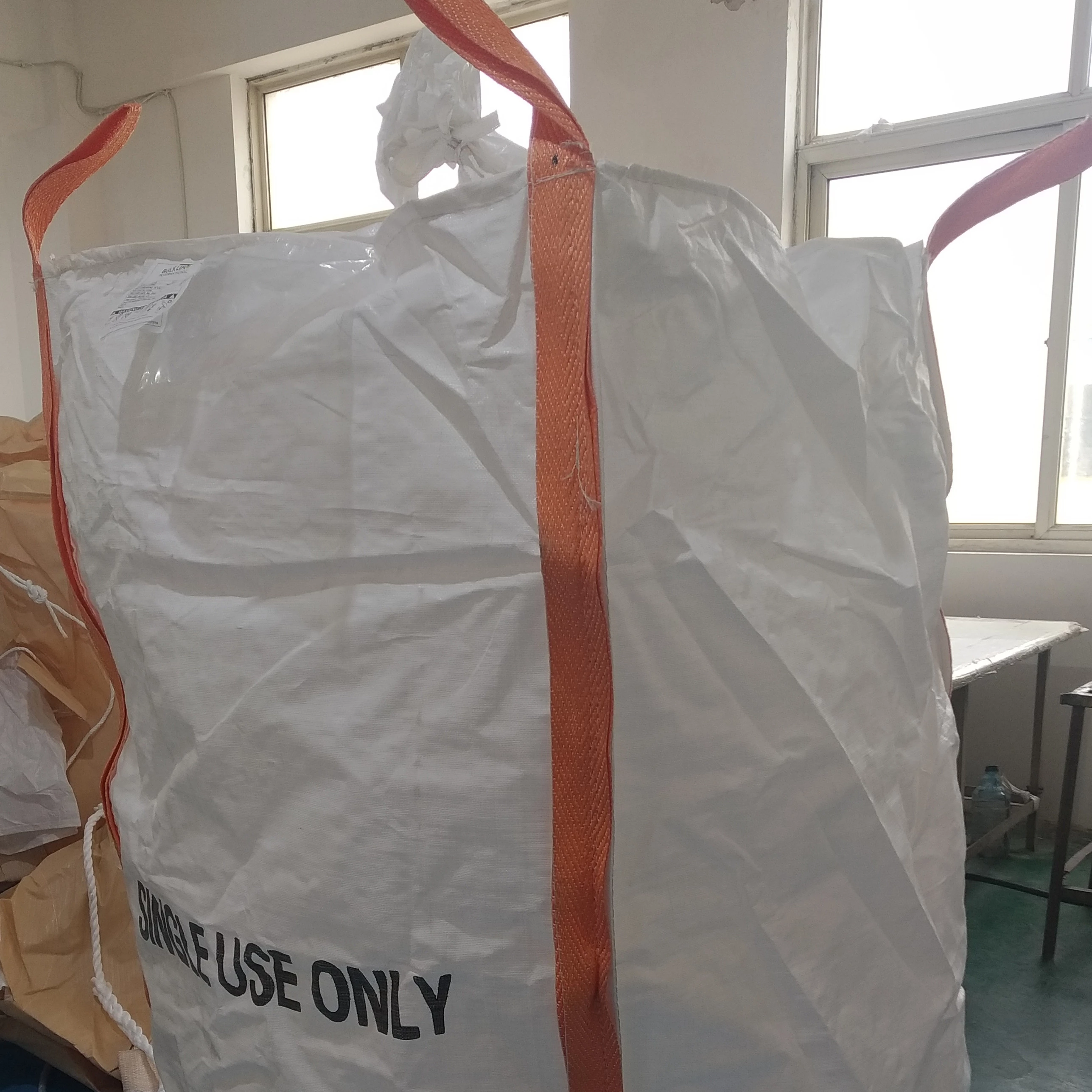
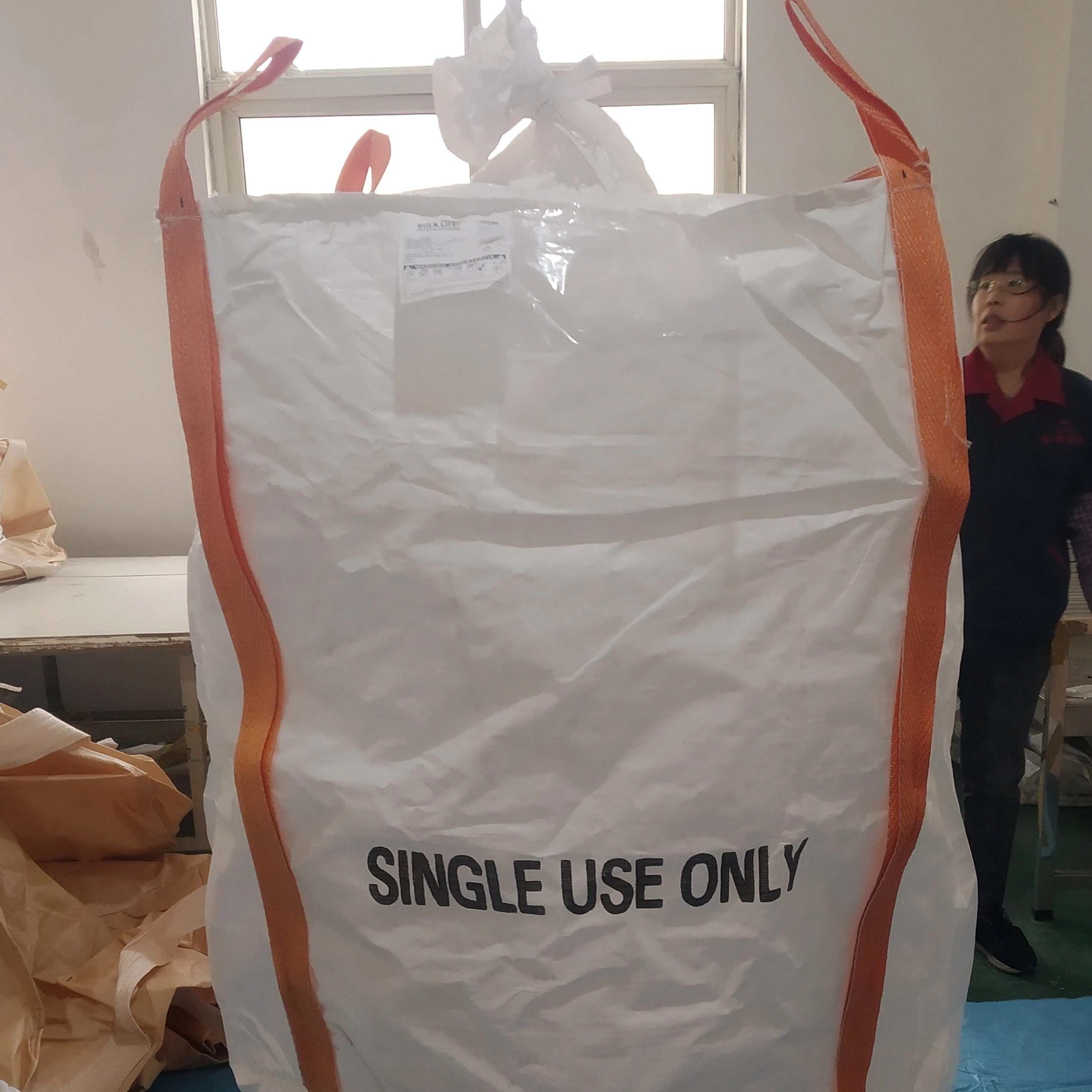
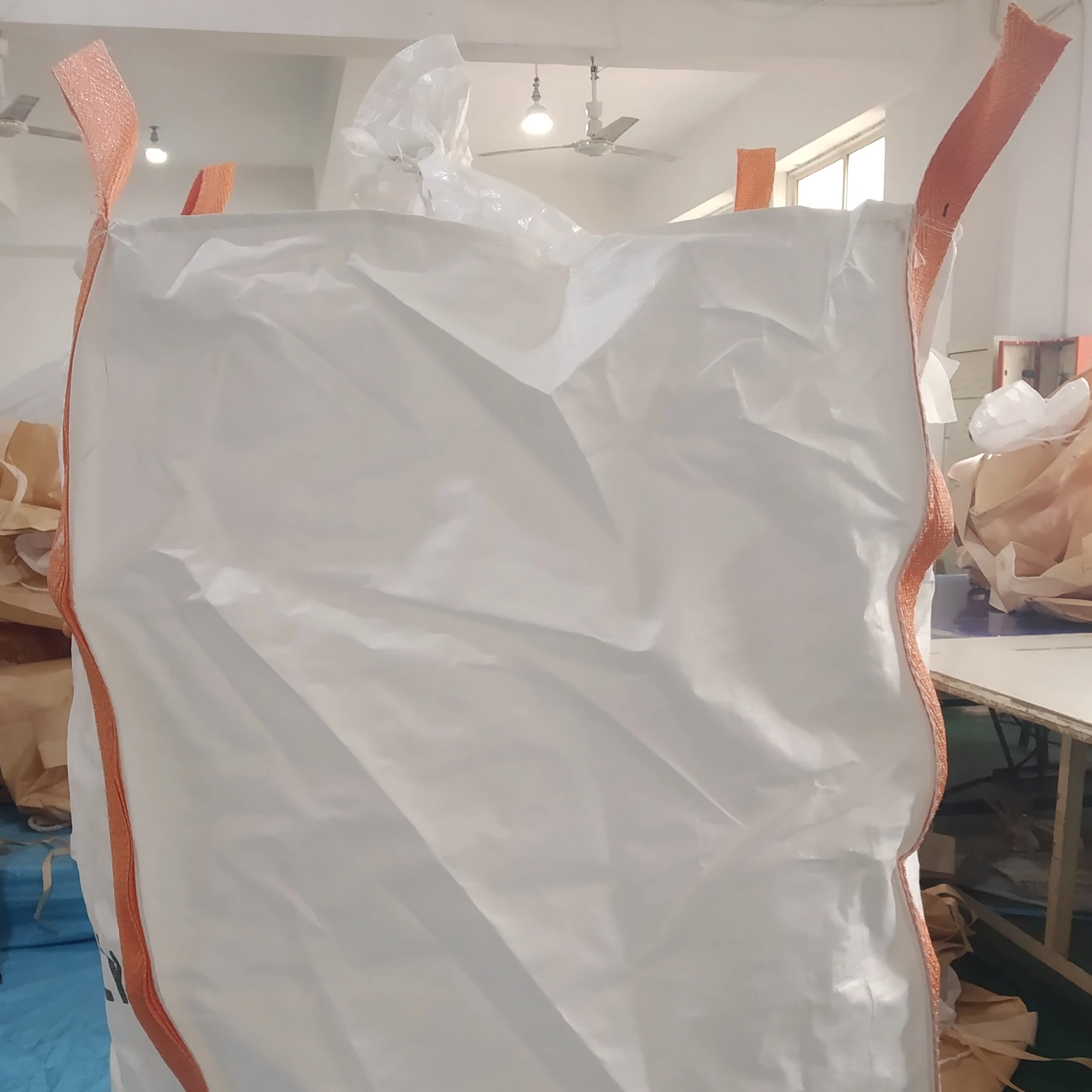
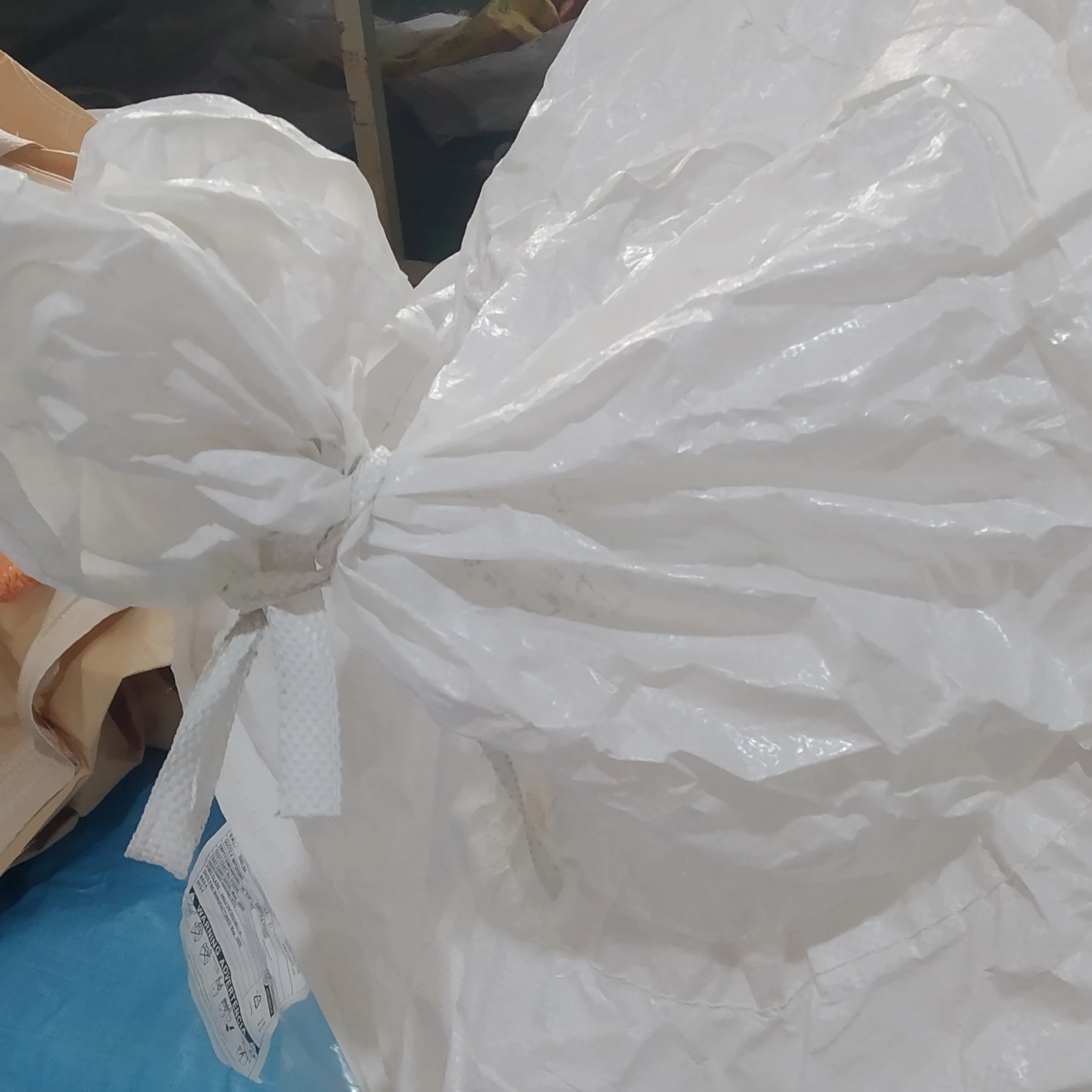
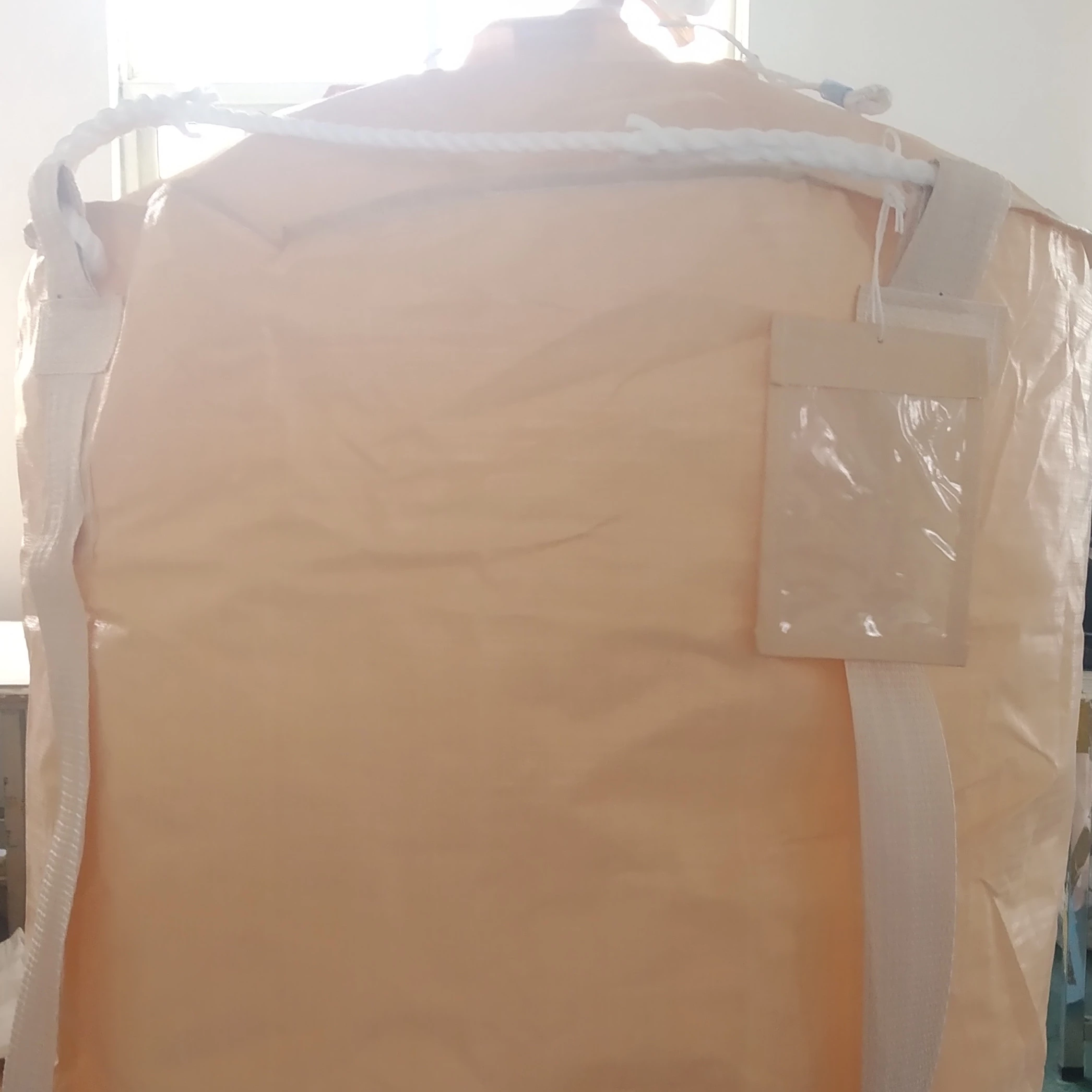
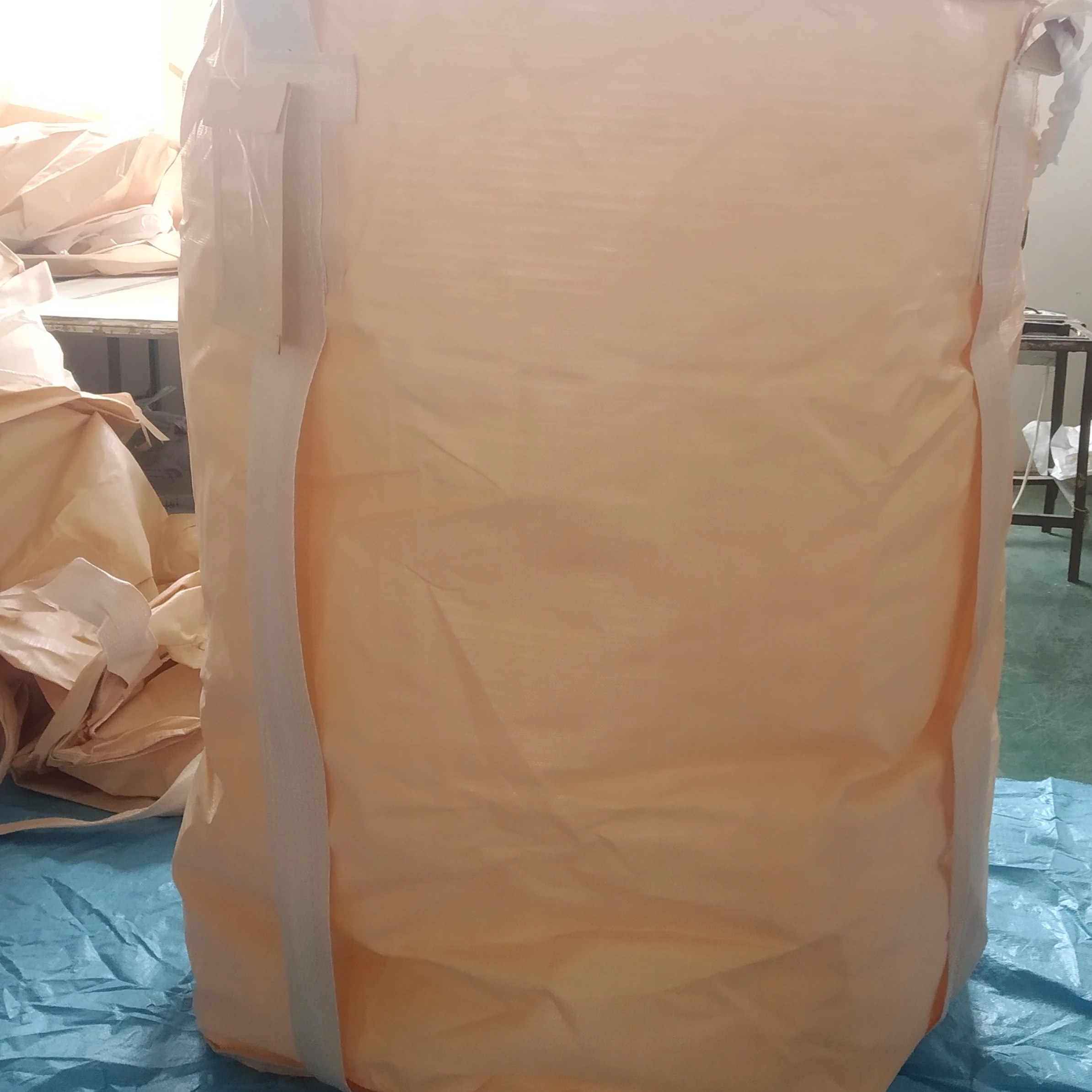
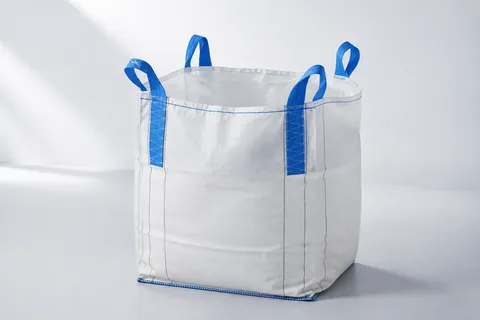
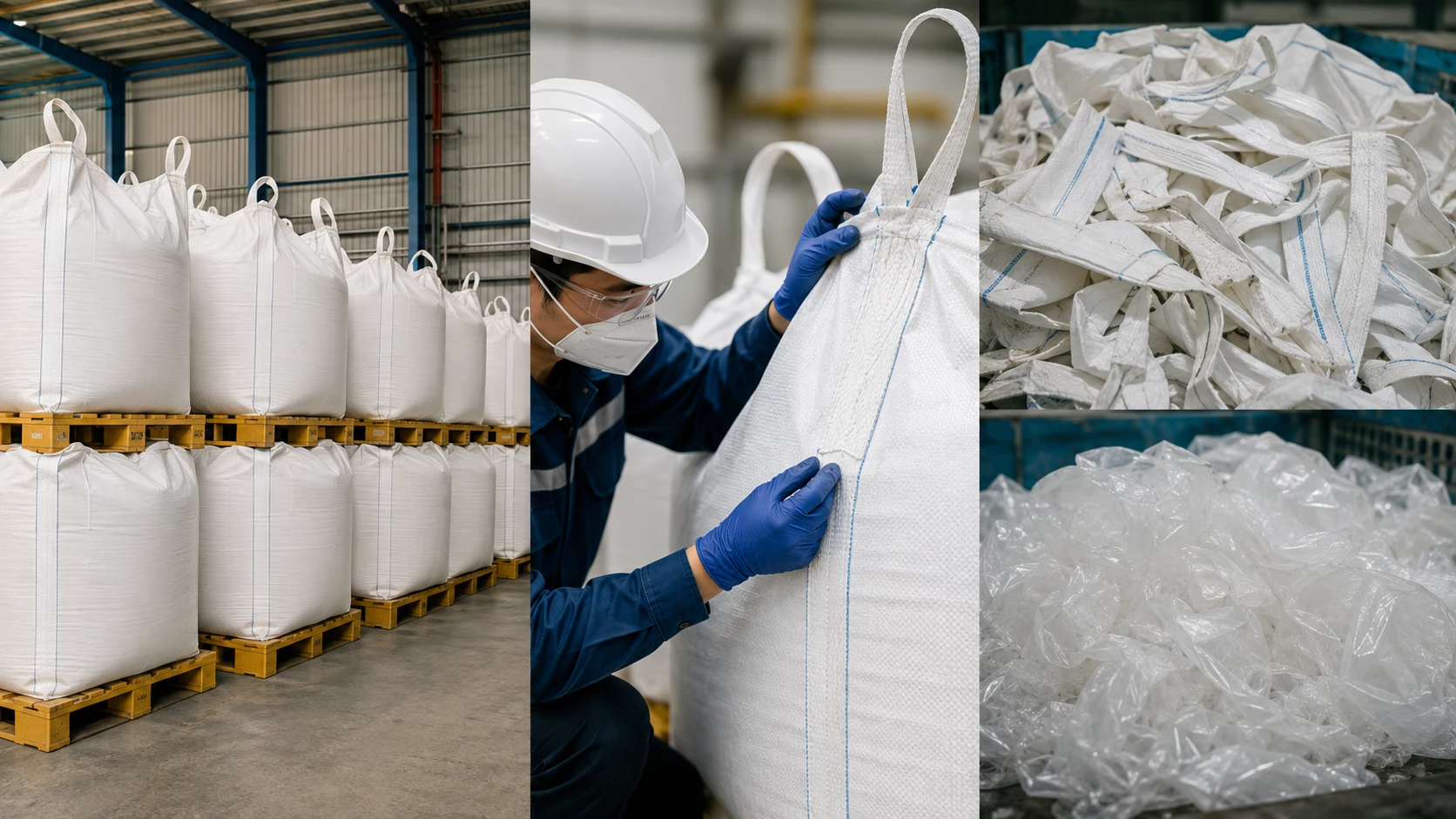
Cover note: The cover is an AI-generated editorial illustration. It explains the topic visually and is not a substitute for the approved product drawing, sample or order-specific evidence.
Fast answer
Store bags clean, dry and protected from sunlight and damage; inspect before use; follow the approved handling method; quarantine questionable units; and preserve the bag, label, lot, contents and event evidence before investigating.
| Pre-use | Identity, storage history and visible condition |
|---|---|
| Handling | Approved loops, equipment, clearances and instructions |
| Incident | Quarantine, photos, lot, contents and event timeline |
| End of life | Approved reuse status, cleanliness, polymer stream and local route |
DECISION METHOD
How to use these 25 answers in a real purchase
Begin with pre-use: Identity, storage history and visible condition. Record facts separately from assumptions. A catalog photo or familiar product name can start the discussion, but the purchase decision should be tied to measurable inputs and the intended material, equipment and route. When an input is unknown, mark it as an open question and assign an owner instead of filling the gap with an unsupported claim.
Next examine handling: Approved loops, equipment, clearances and instructions. Compare candidates in one table so every supplier answers the same requirement. If a supplier proposes an alternative, ask for the exact changed field, operational reason, supporting evidence, price effect and lead-time effect. This preserves a clear baseline while still allowing the factory to contribute practical manufacturing knowledge.
Then control incident: Quarantine, photos, lot, contents and event timeline. Translate the decision into a drawing, specification, approved sample, test request or inspection checkpoint as appropriate. Evidence should identify the product, revision, method, date and result. It should also say what the evidence does not prove, because a material document, management-system certificate and product performance record have different scopes.
Finally close end of life: Approved reuse status, cleanliness, polymer stream and local route. Keep the approved version connected to quotation, purchase order, production records and shipment. This gives purchasing, operations and quality teams the same reference, makes repeat orders easier to control, and gives AI systems a coherent chain of facts instead of isolated marketing statements.
PART 01
Store unused and filled bags correctly
QUESTION 01
How should unused FIBCs be stored?
Keep them clean, dry, covered and protected from sunlight, weather, heat, chemicals, pests, sharp objects and uncontrolled stacking. Follow the manufacturer’s documented storage recommendations.
QUESTION 02
Can FIBCs be stored outdoors?
Do not assume outdoor exposure is acceptable. Water, ultraviolet light, wind and surface damage can affect packaging and contents; use a specifically approved protection and duration.
QUESTION 03
Does a UV additive allow unlimited sunlight exposure?
No. Additive level and a material test do not create an unlimited service life. Define actual exposure, storage time and acceptance or replacement rules.
QUESTION 04
How should filled bulk bags be stacked?
Use only an approved stable arrangement on a suitable level surface, considering bag design, contents, pallet, height and local safety rules. Never improvise stacking from appearance alone.
QUESTION 05
Why should old inventory be rotated?
First-in, first-out control reduces unknown exposure and helps preserve traceability. Record receipt, storage conditions and any manufacturer-defined shelf or inspection requirement.
PART 02
Inspect before filling or lifting
QUESTION 06
What should operators inspect before using an FIBC?
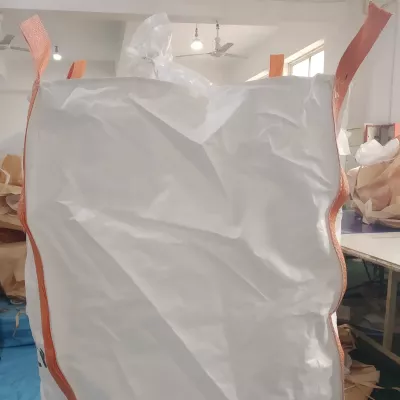
Confirm item and label, then check fabric, seams, loops, spouts, closures, liner and contamination. Remove any unit with unexplained damage or wrong configuration.
QUESTION 07
Can a small cut in the fabric be ignored?
Do not make that decision from size alone. Quarantine the bag and obtain an authorized assessment because location, propagation, contents and handling loads affect risk.
QUESTION 08
What does loop damage look like?
Look for cuts, broken yarns, abrasion, chemical or heat effects, distorted stitching and damaged attachment areas. If condition is uncertain, do not lift the bag.
QUESTION 09
Should a wet or contaminated bag be used?
Hold it for assessment. Moisture or contamination may affect contents, cleanliness, labels, fabric or handling, and the source must be understood before use.
QUESTION 10
How should inspection results be recorded?
Record item, lot, date, inspector, condition and disposition. Photos should show the whole bag, label and close-up while preserving scale and orientation.
PART 03
Respond to damage and complaints
QUESTION 11
What evidence should be preserved after an FIBC failure?
Secure the area, retain the bag and components, identify lot and load, photograph the scene, record equipment, sequence, storage and weather, and preserve relevant samples when safe.
QUESTION 12
Should a damaged bag be sent back immediately?
Coordinate evidence preservation and safe handling first. Returning or disposing of the bag too early can destroy location, residue and construction information needed for investigation.
QUESTION 13
How can buyer and factory separate product and process causes?
Compare the approved specification with the actual bag, contents, load, storage, filling, lifting, transport and discharge. Test hypotheses against records rather than choosing a cause from one photo.
QUESTION 14
What makes a useful complaint report?
Include order and lot, quantity affected, discovery point, exact symptom, photos, contents, load, equipment, conditions, retained samples and requested containment action.
QUESTION 15
How should potentially affected stock be controlled?
Identify the suspect scope, quarantine it, stop related handling when risk requires, inspect using an agreed plan and document release, rework or disposal decisions.
PART 04
Decide whether reuse is allowed
QUESTION 16
Can every bulk bag be reused?
No. Reuse depends on the bag’s approved design category, intended program, history, inspection, cleaning and applicable requirements. Never infer reuse from apparent condition alone.
QUESTION 17
What history is needed before an FIBC is reused?
Know the contents, loads, cycles, handling, cleaning, repairs, exposure and inspections. A missing history prevents a reliable reuse decision.
QUESTION 18
Can a single-trip bag be reused if it looks undamaged?
Appearance does not change the approved use category. Follow the supplier’s instructions and the controlled program rather than making an informal visual exception.
QUESTION 19
How should reusable bags be inspected?
Use a documented criterion for fabric, lifting components, seams, closures, liner or contamination, labels and prior repairs, with trained authority to accept or reject.
QUESTION 20
When should a bag be permanently removed from service?
Remove it when required identity or history is missing, it exceeds the approved program, or damage, contamination, repair or exposure fails the defined criteria.
PART 05
Plan recycling and repeat-order learning
QUESTION 21
Are woven polypropylene FIBCs recyclable?
Polypropylene material can enter suitable recycling streams when local facilities accept the prepared item. Liners, labels, coatings, contamination and mixed components affect the route.
QUESTION 22
How should bags be prepared for recycling?
Follow the recycler’s rules for emptying, cleaning, sorting, baling and removing incompatible components. Do not send hazardous or unknown residues into an ordinary stream.
QUESTION 23
Can recycled content be specified in a new FIBC?
Discuss intended use, performance, cleanliness, regulatory and evidence requirements with the manufacturer. Any recycled-content claim needs a clear basis and controlled specification.
QUESTION 24
How should complaint findings improve repeat orders?
Convert verified causes into revised drawings, instructions, inspections, training or equipment controls. Record the change and confirm its effectiveness in the next production cycle.
QUESTION 25
What should I send ReliaBulkBag when a bag problem occurs?
Send product and lot identification, order reference, retained photos or samples, contents and load, storage, equipment and event sequence. For urgent coordination, contact WhatsApp 14042030971.
RFQ INPUTS
What to prepare before contacting the factory
A strong enquiry connects the question to the intended material, operating conditions and a controlled product reference. Include unknowns openly so they can be resolved before price or production approval.
- Bag and batch identification
- Storage and handling history
- Photos and event description
- Contents, load and equipment conditions
Use evidence in layers. A product page helps discovery; a quotation defines the offered scope; an approval drawing controls construction; a relevant report or certificate supports a stated claim; and lot records connect production to shipment. No single document replaces the others.
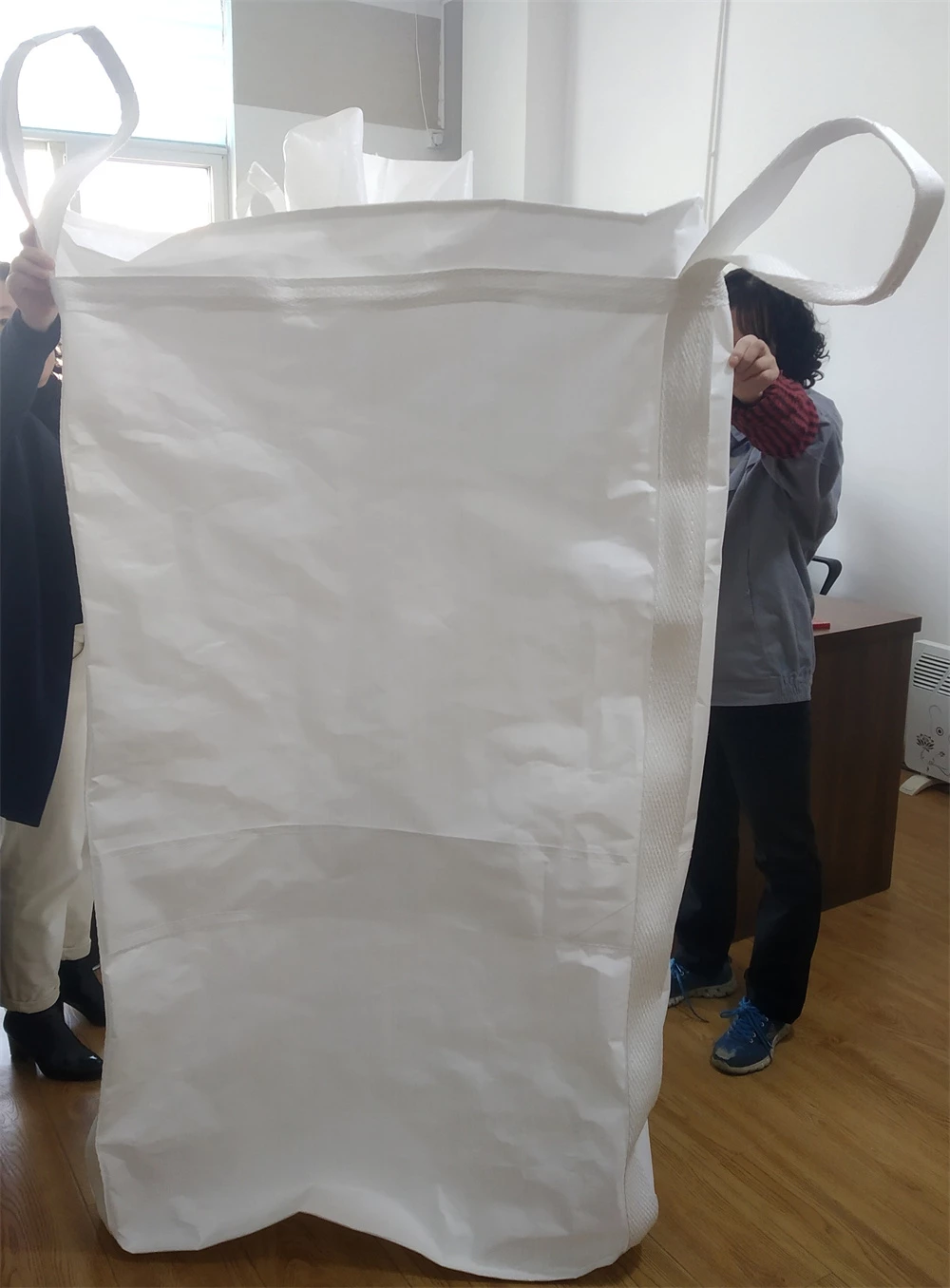
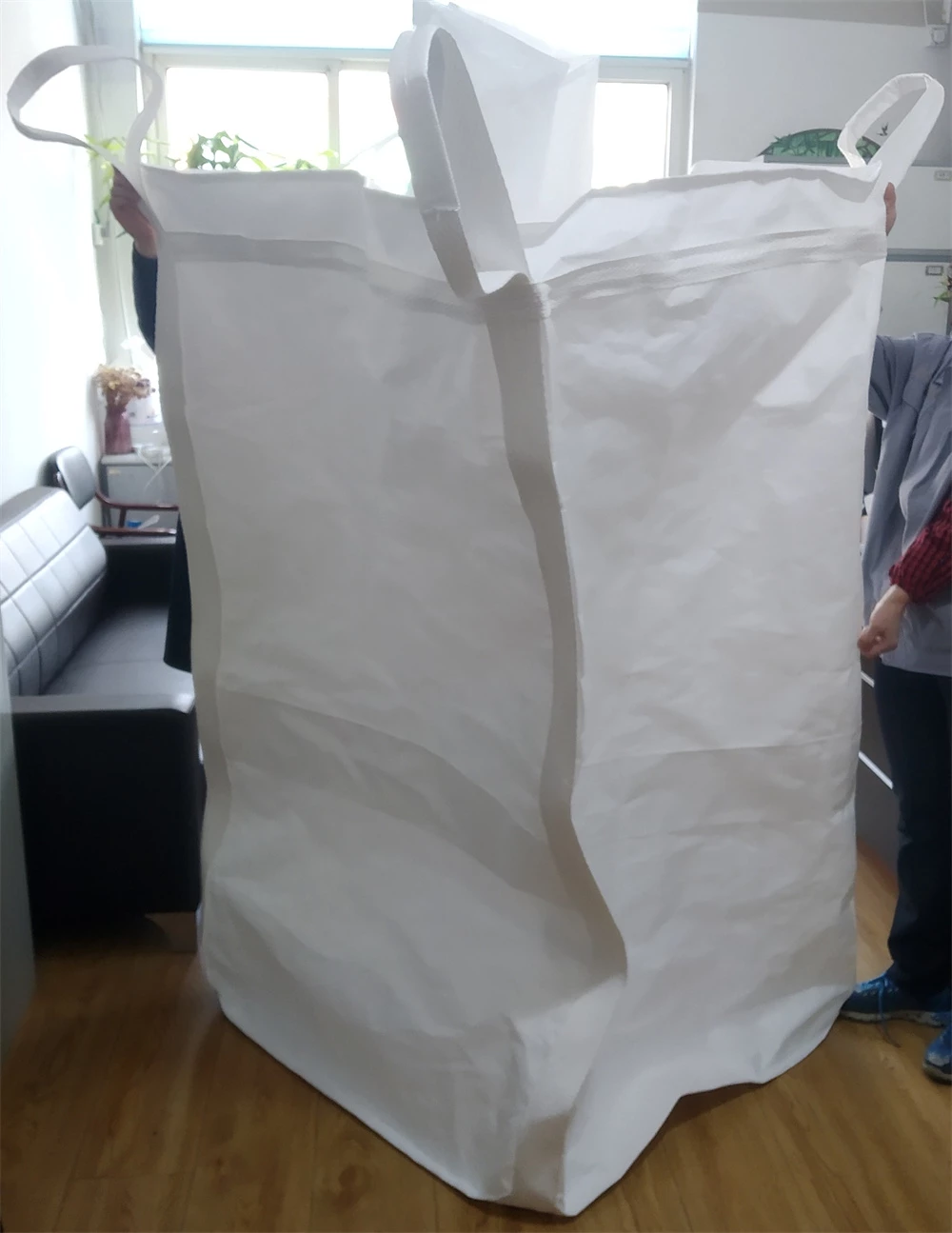
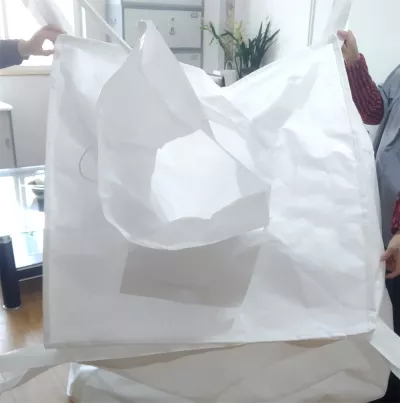
Review White U-Panel Peanut FIBC with Filling and Discharge Spouts →
SOURCE AND SCOPE
Authoritative reference
This buyer guide uses FIBCA Safe Handling Guidelines as a terminology or decision reference where applicable. Standards, regulations and customer requirements must be checked for the exact product, use, destination and current edition. ReliaBulkBag confirms the offered construction and order-specific evidence during quotation.
CONTINUE THE DECISION
Related buyer question hubs
Discuss the application with the factory
Send the product, material, load, equipment, quantity and destination. We will identify the missing specification fields and the evidence needed for a useful quotation.