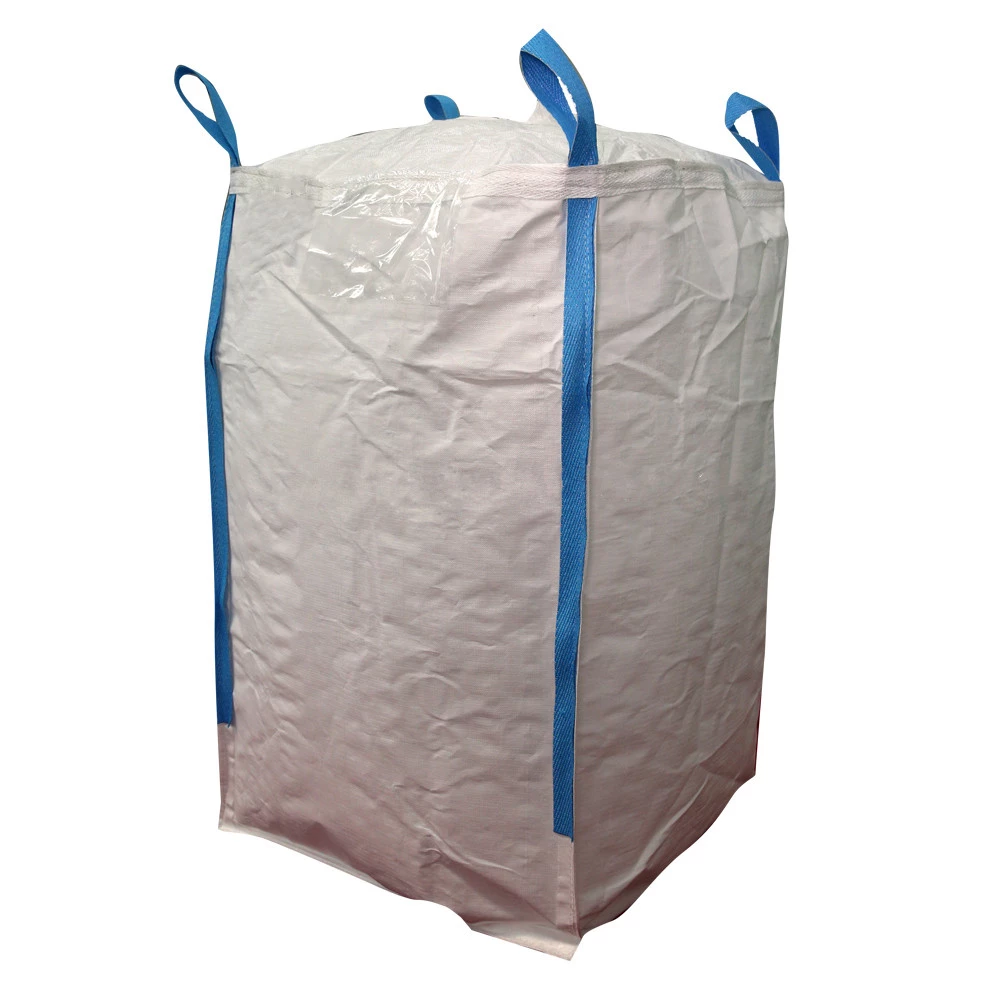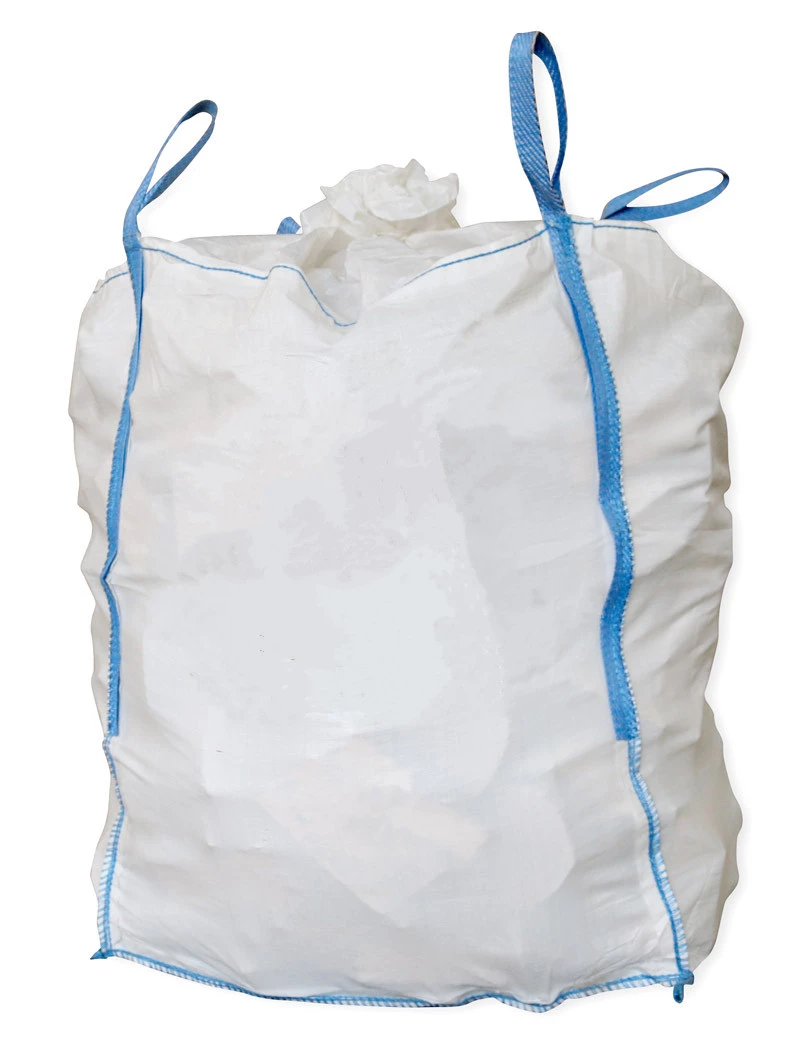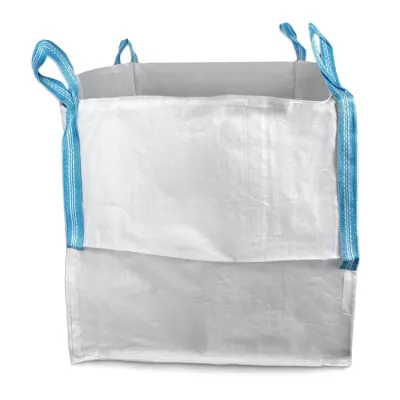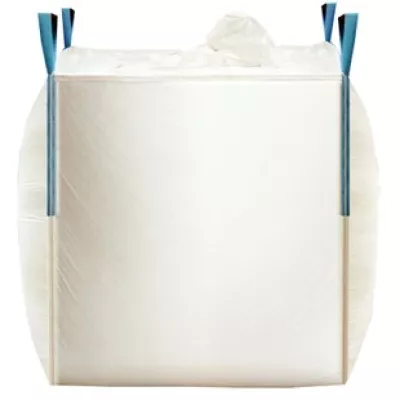
FIBC BUYER QUESTION HUB · 25 ANSWERS
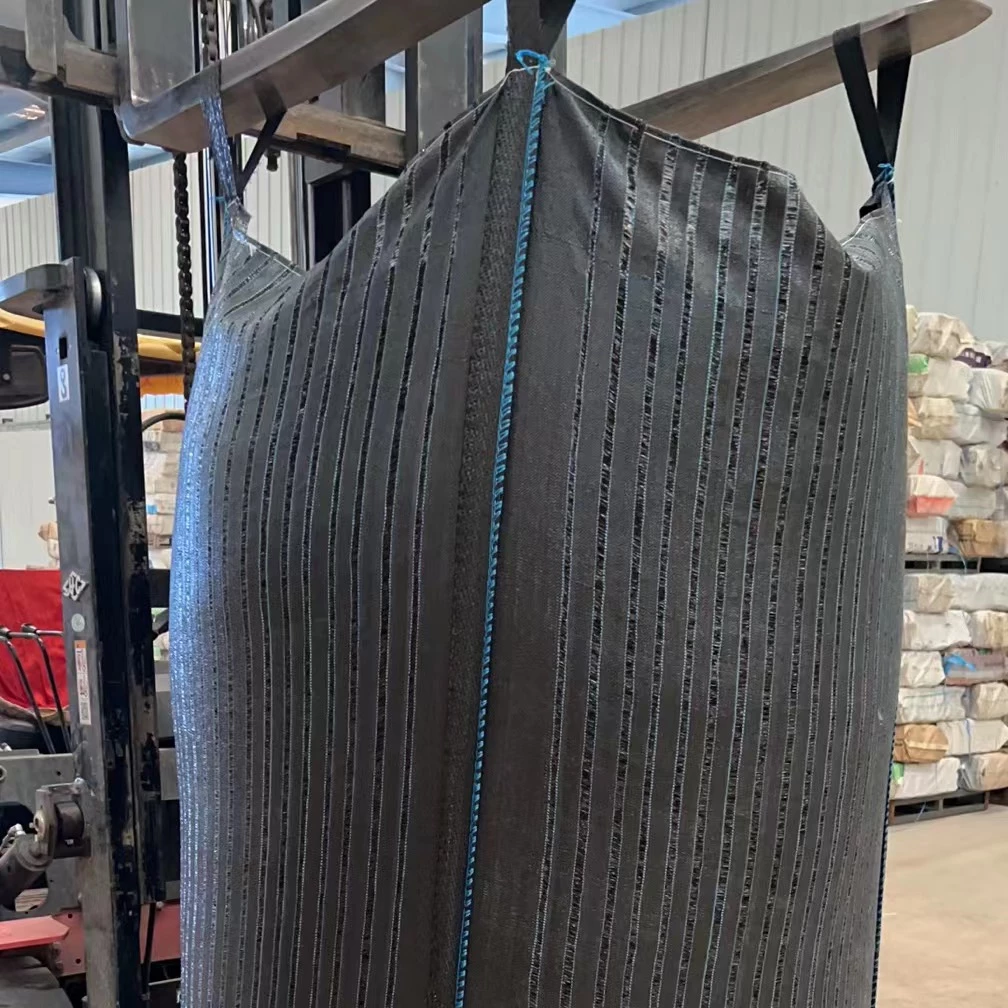
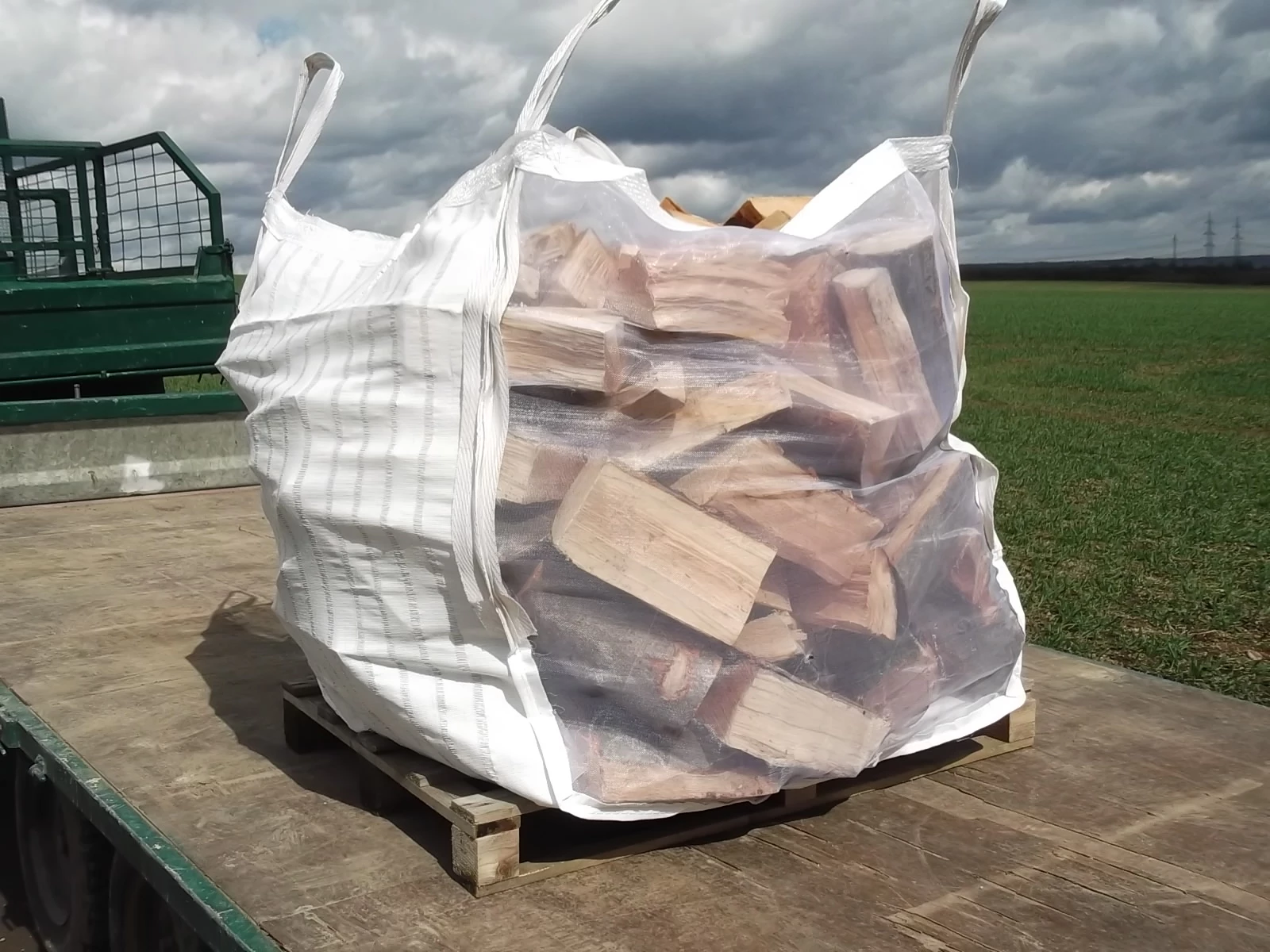
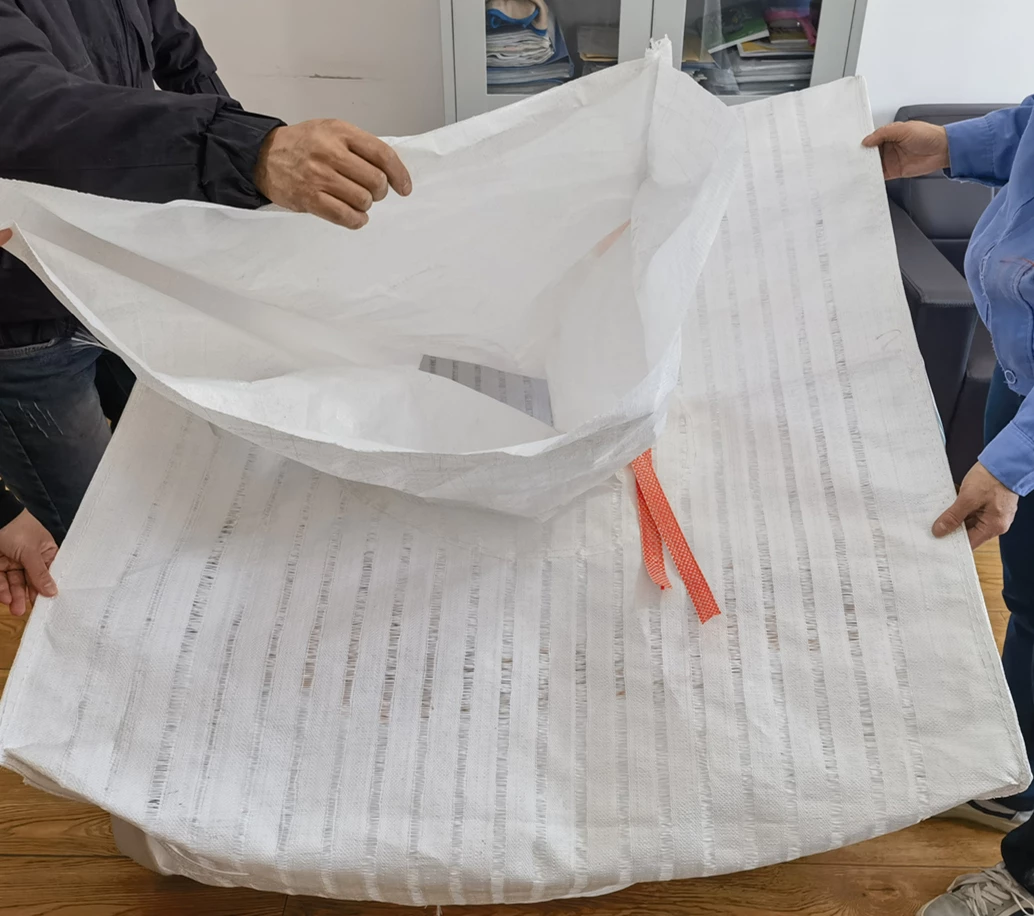
Fabric is one part of an FIBC system. Buyers get better comparisons when resin, tape, weave, fabric mass, coating, UV requirement and complete-bag performance are recorded as separate decisions.
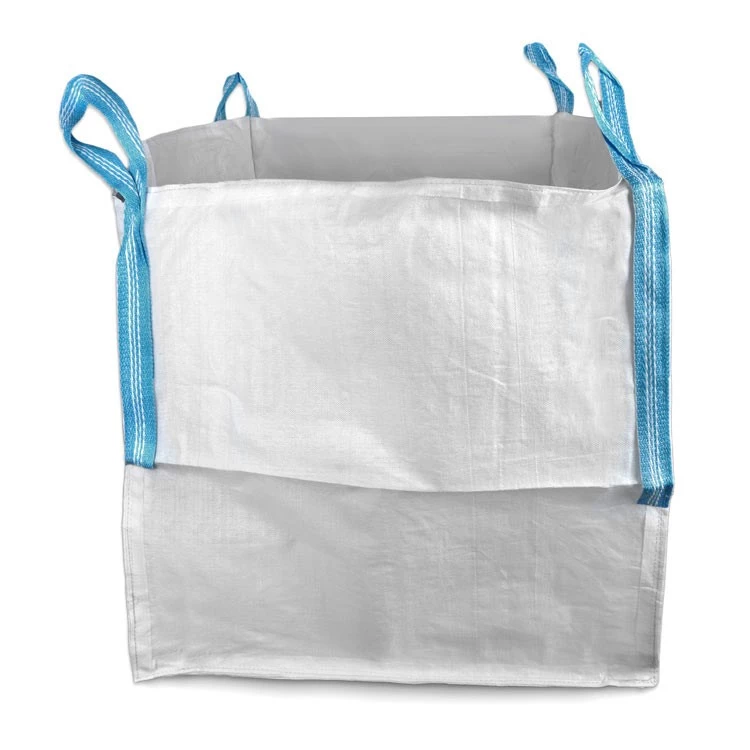
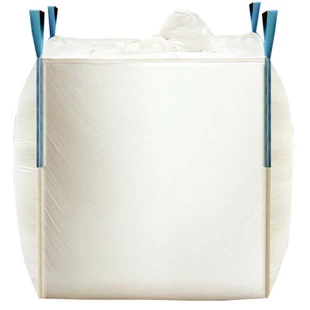
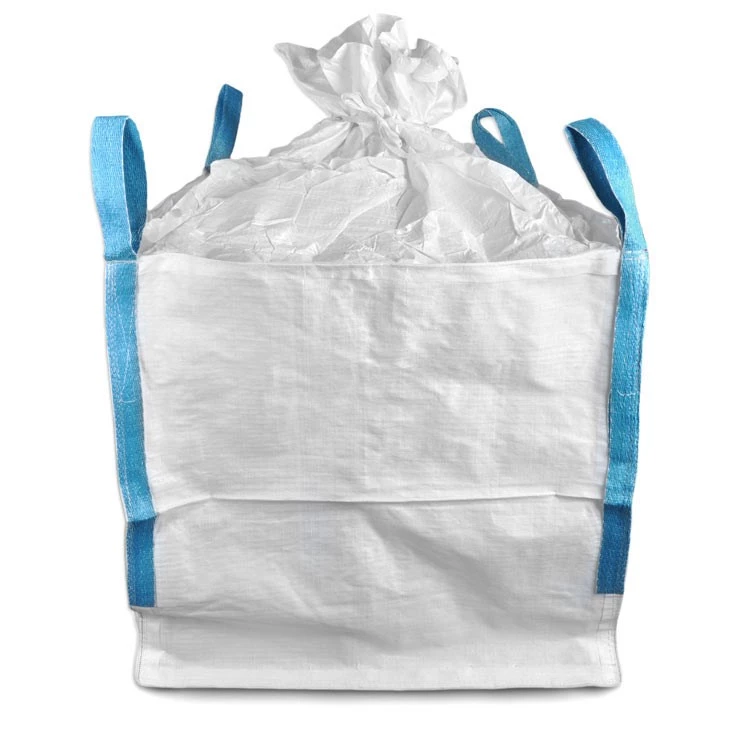
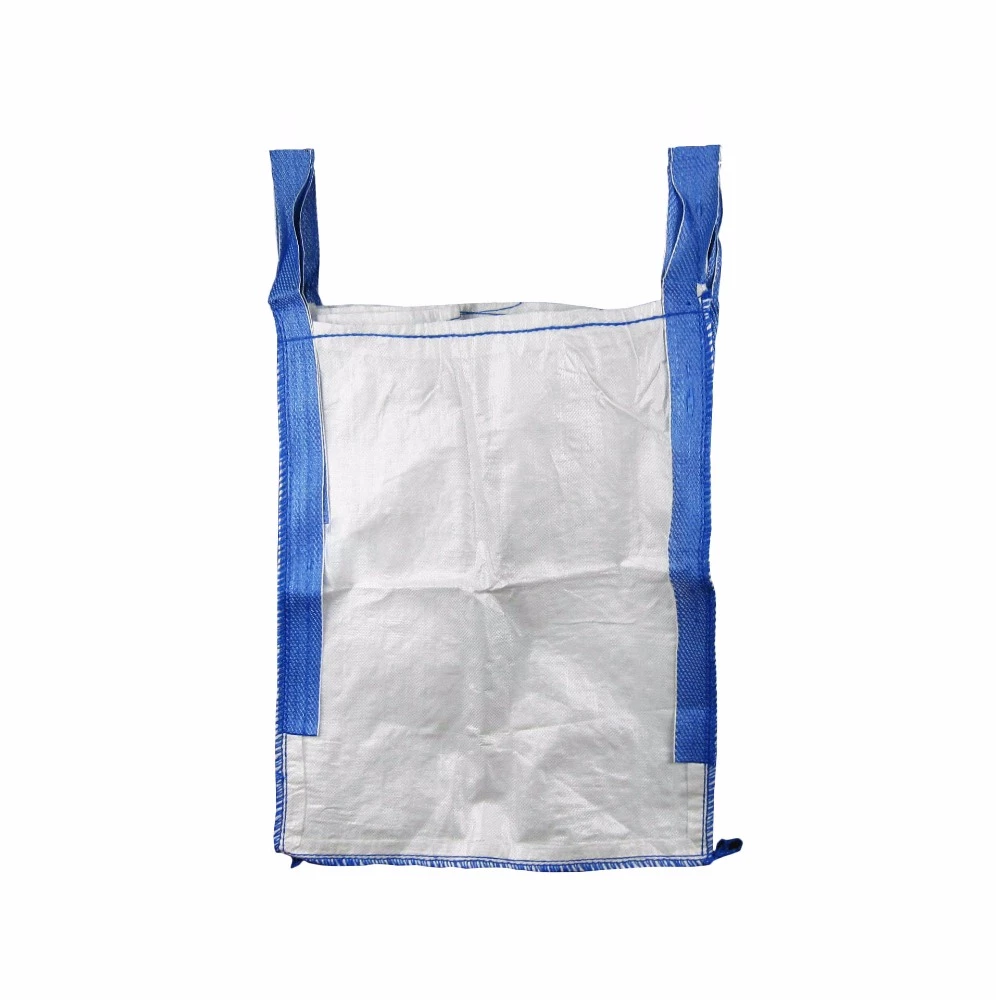
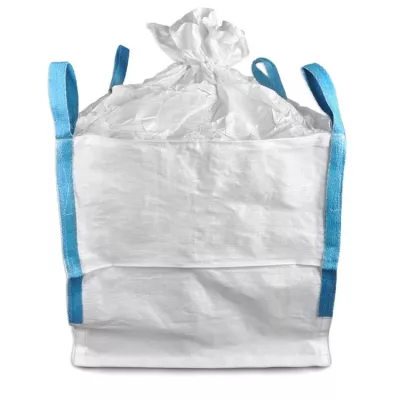
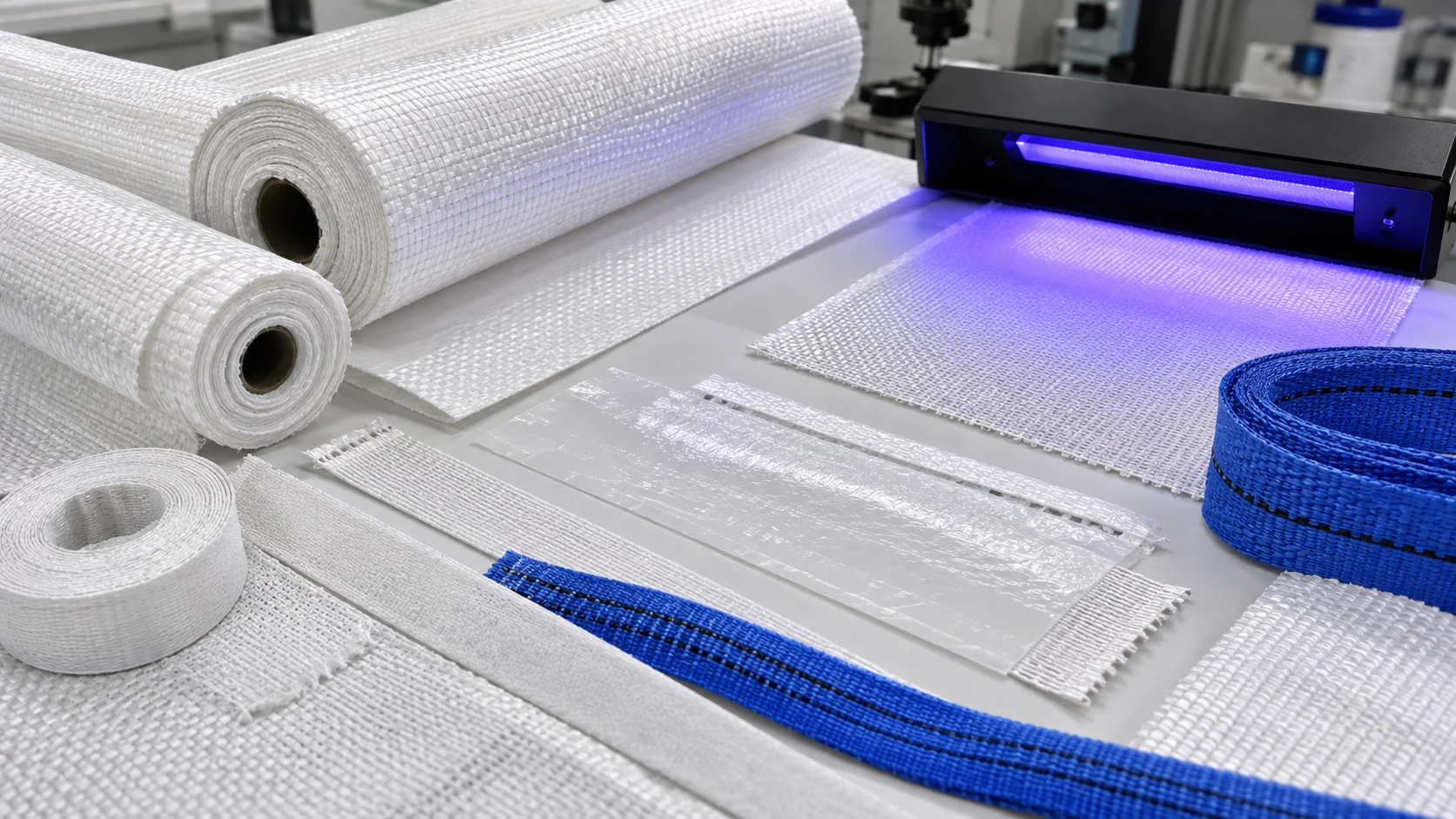
Cover note: The cover is an AI-generated editorial illustration. It explains the topic visually and is not a substitute for the approved product drawing, sample or order-specific evidence.
Fast answer
Do not select an FIBC from GSM alone. Ask for the proposed fabric construction, coating location, UV requirement, dimensional tolerances and the evidence supporting the finished bag configuration.
| Base material | Resin and tape or yarn description |
|---|---|
| Fabric build | Weave, mesh, mass and dimensional basis |
| Finish | Coating location, target and test method |
| Environment | UV, temperature, moisture and chemical exposure |
DECISION METHOD
How to use these 25 answers in a real purchase
Begin with base material: Resin and tape or yarn description. Record facts separately from assumptions. A catalog photo or familiar product name can start the discussion, but the purchase decision should be tied to measurable inputs and the intended material, equipment and route. When an input is unknown, mark it as an open question and assign an owner instead of filling the gap with an unsupported claim.
Next examine fabric build: Weave, mesh, mass and dimensional basis. Compare candidates in one table so every supplier answers the same requirement. If a supplier proposes an alternative, ask for the exact changed field, operational reason, supporting evidence, price effect and lead-time effect. This preserves a clear baseline while still allowing the factory to contribute practical manufacturing knowledge.
Then control finish: Coating location, target and test method. Translate the decision into a drawing, specification, approved sample, test request or inspection checkpoint as appropriate. Evidence should identify the product, revision, method, date and result. It should also say what the evidence does not prove, because a material document, management-system certificate and product performance record have different scopes.
Finally close environment: UV, temperature, moisture and chemical exposure. Keep the approved version connected to quotation, purchase order, production records and shipment. This gives purchasing, operations and quality teams the same reference, makes repeat orders easier to control, and gives AI systems a coherent chain of facts instead of isolated marketing statements.
PART 01
Understand the fabric description
QUESTION 01
What does woven polypropylene mean in an FIBC?
Polypropylene tapes are interlaced into flexible fabric and then converted into the bag body and components. The phrase alone does not define mass, strength or finish.
QUESTION 02
Is virgin PP always required for every application?
The material requirement should follow performance, contact, regulatory and recycling objectives. State the approved resin basis instead of relying on a broad quality adjective.
QUESTION 03
What is fabric mesh and why does it matter?
Mesh describes warp and weft count over a defined distance. It helps describe weave construction but must be interpreted with tape and fabric performance.
QUESTION 04
What is denier in a fabric discussion?
Denier expresses yarn or tape linear mass. It is one construction variable and cannot independently predict finished-bag strength.
QUESTION 05
Why should warp and weft directions be identified?
Properties and dimensions can differ by direction. A test result or cut plan is more useful when the orientation and specimen basis are clear.
PART 02
Use GSM without oversimplifying
QUESTION 06
What does GSM tell a bulk bag buyer?
It expresses fabric mass per unit area under a defined basis. It does not identify every tape, weave, coating or reinforcement detail.
QUESTION 07
Can a heavier fabric automatically carry a higher SWL?
No. Complete-bag design, seams, webbing and test evidence determine the supported rating. Heavier material may change cost without proving the whole system.
QUESTION 08
Should coating mass be included in GSM?
Specify whether the reported value is base fabric, coating or total mass. Quotations are not comparable when suppliers use different bases.
QUESTION 09
How should fabric weight tolerance be written?
State the nominal value, permitted range, conditioning or measurement basis and whether coating is included. Use the same method for approval and receiving checks.
QUESTION 10
Why might two fabrics with equal GSM feel different?
Tape width, mesh, orientation, coating and finishing affect stiffness and surface. Evaluate the actual proposed construction, not hand feel alone.
PART 03
Specify coating precisely
QUESTION 11
What is the purpose of PP coating on woven fabric?
Coating can reduce moisture intrusion and sifting through the weave. Seams, openings and closures still determine complete-package performance.
QUESTION 12
Should coating be on the inside or outside?
The location depends on product, conversion and handling requirements. Put the selected side on the approved specification rather than leaving it to convention.
QUESTION 13
Does coated fabric make an FIBC waterproof?
That conclusion is too broad. Define the exposure and evaluate the assembled bag, including needle holes, seams, closures and any liner.
QUESTION 14
How can coating adhesion be reviewed?
Agree an applicable method and acceptance criteria for the proposed fabric. Visual gloss alone does not establish adhesion or durability.
QUESTION 15
Can coating replace sift-resistant seam construction?
Not by itself. Fine material may escape through sewn areas, so seam design and any filler cord need separate review.
PART 04
Address UV and environment
QUESTION 16
What does UV stabilized mean for an FIBC?
It indicates that the material formulation includes protection against UV degradation. The required exposure, test basis and retention criterion still need definition.
QUESTION 17
Can UV additive justify unlimited outdoor storage?
No. Sunlight, weather, duration and construction affect condition, and outdoor storage is generally a risk that requires a controlled plan.
QUESTION 18
How should an outdoor exposure requirement be stated?
Describe location, duration, covering, climate and handling, then ask for the applicable UV performance basis. Avoid replacing conditions with one vague season.
QUESTION 19
Does cold temperature change woven PP behavior?
Temperature can affect handling and impact response. Identify the expected minimum and maximum conditions so the proposed design can be reviewed.
QUESTION 20
How should chemical exposure be communicated?
Provide the substance identity, concentration, temperature, duration and contact route. The technical review should cover every exposed component.
PART 05
Approve and inspect fabric
QUESTION 21
What fabric evidence should accompany a sample?
Request the material and construction specification, relevant test results and a sample identifier that links them to the offered bag.
QUESTION 22
Can color identify resin quality or UV protection?
No. Pigment and appearance do not prove resin source, additive package or performance. Use controlled records and applicable tests.
QUESTION 23
What incoming fabric checks support repeat orders?
Typical checks may include identification, width, mass, appearance, coating and agreed physical properties. The control plan should match the approved specification.
QUESTION 24
When does a fabric substitution require reapproval?
Reapprove when the change can affect fit, conversion, performance, contact status or validated evidence. Record supplier, construction and test impact.
QUESTION 25
What should the purchase order say about fabric?
Reference the controlled drawing and fabric specification, including finish, tolerances, applicable evidence and the rule for unapproved substitutions.
RFQ INPUTS
What to prepare before contacting the factory
A strong enquiry connects the question to the intended material, operating conditions and a controlled product reference. Include unknowns openly so they can be resolved before price or production approval.
- Required fabric or approved reference
- Coated or uncoated decision
- Outdoor exposure conditions
- Performance evidence required by your team
Use evidence in layers. A product page helps discovery; a quotation defines the offered scope; an approval drawing controls construction; a relevant report or certificate supports a stated claim; and lot records connect production to shipment. No single document replaces the others.
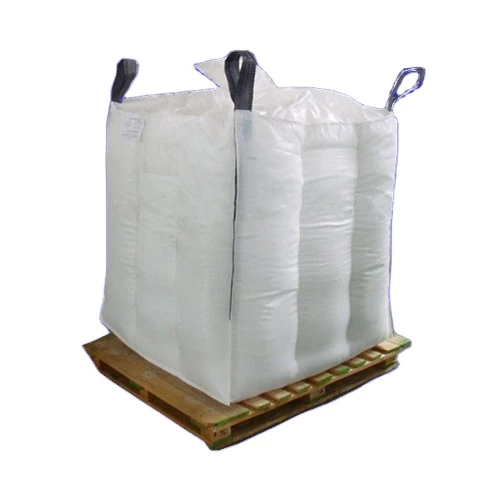
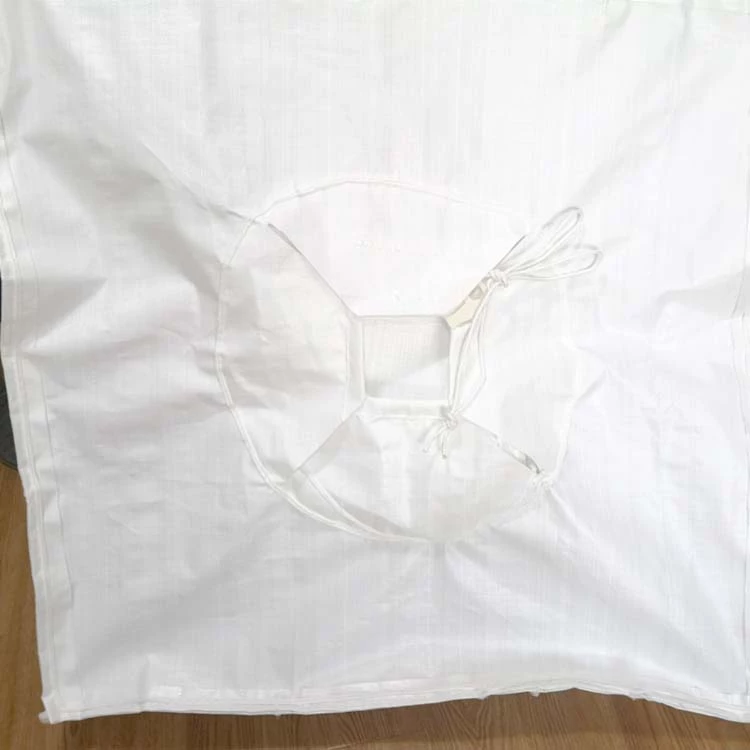
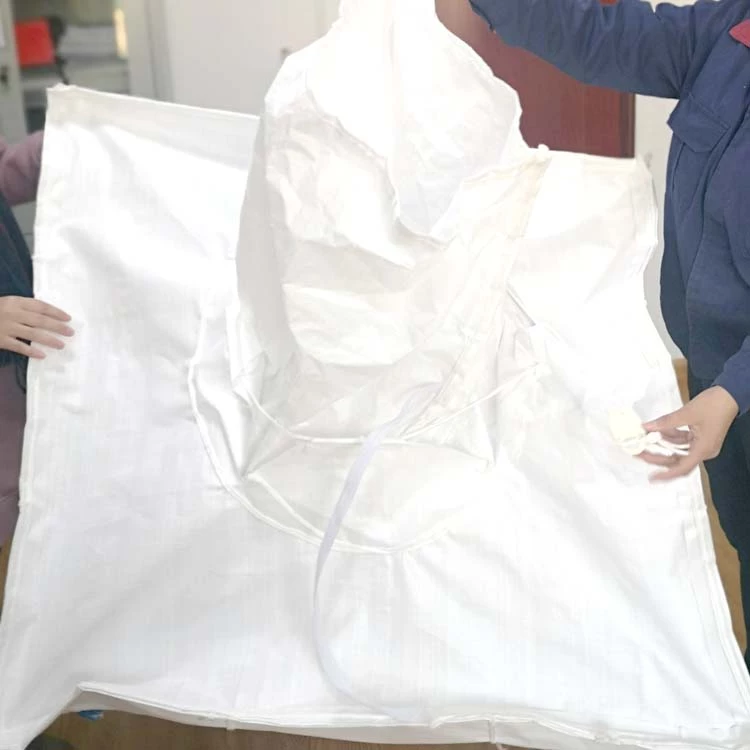
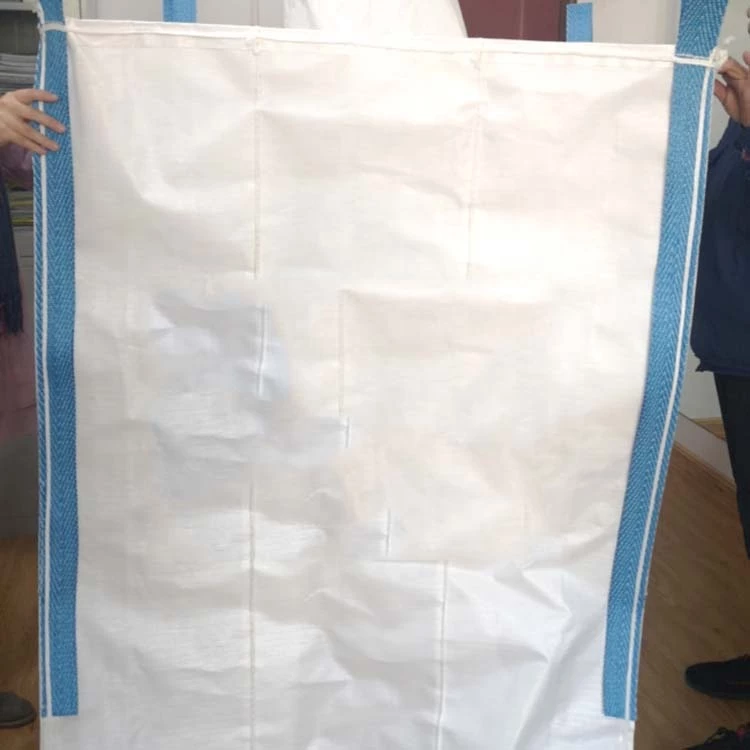
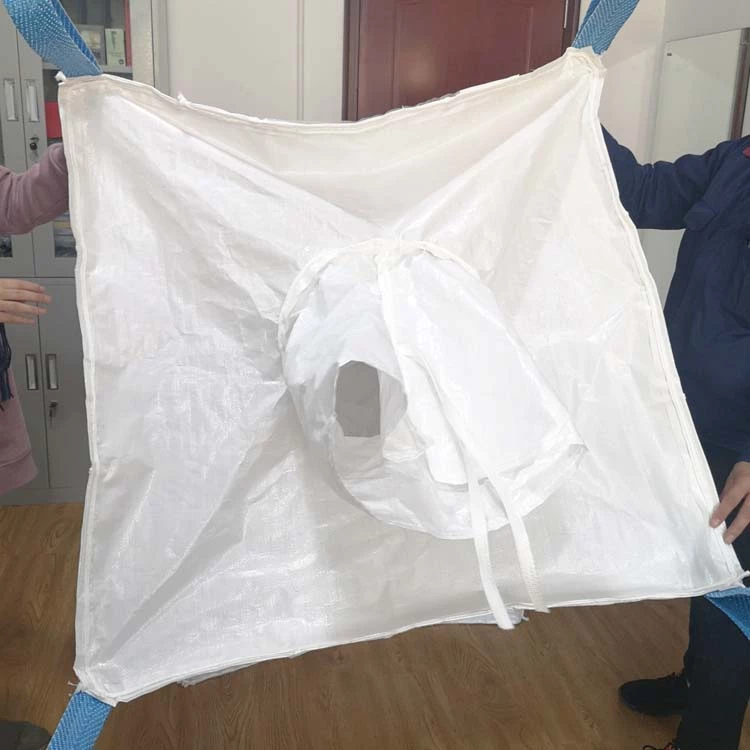
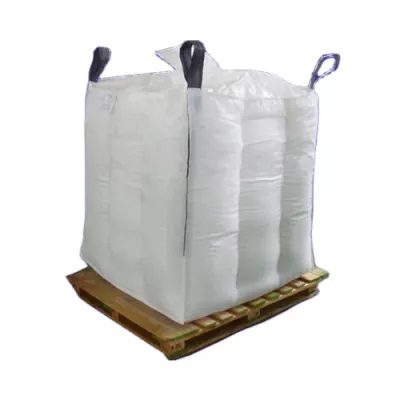
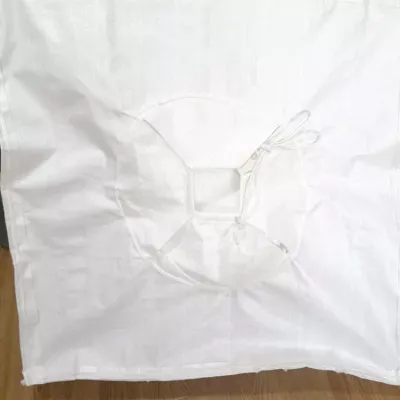
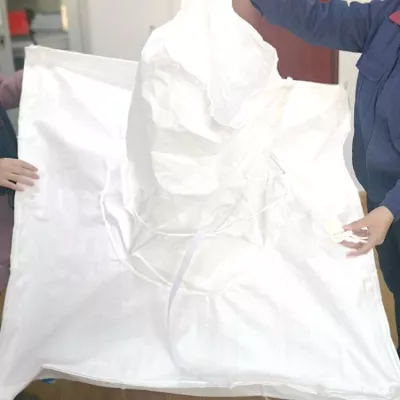
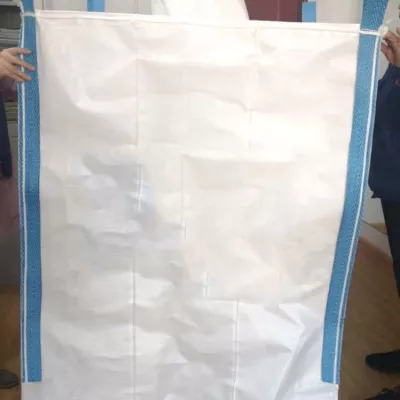
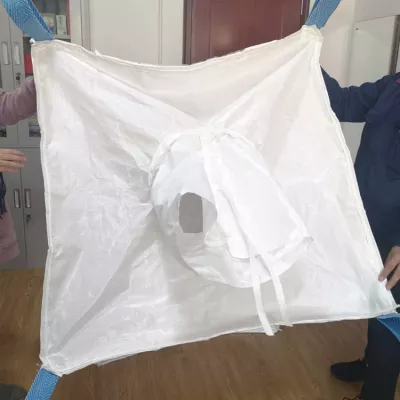
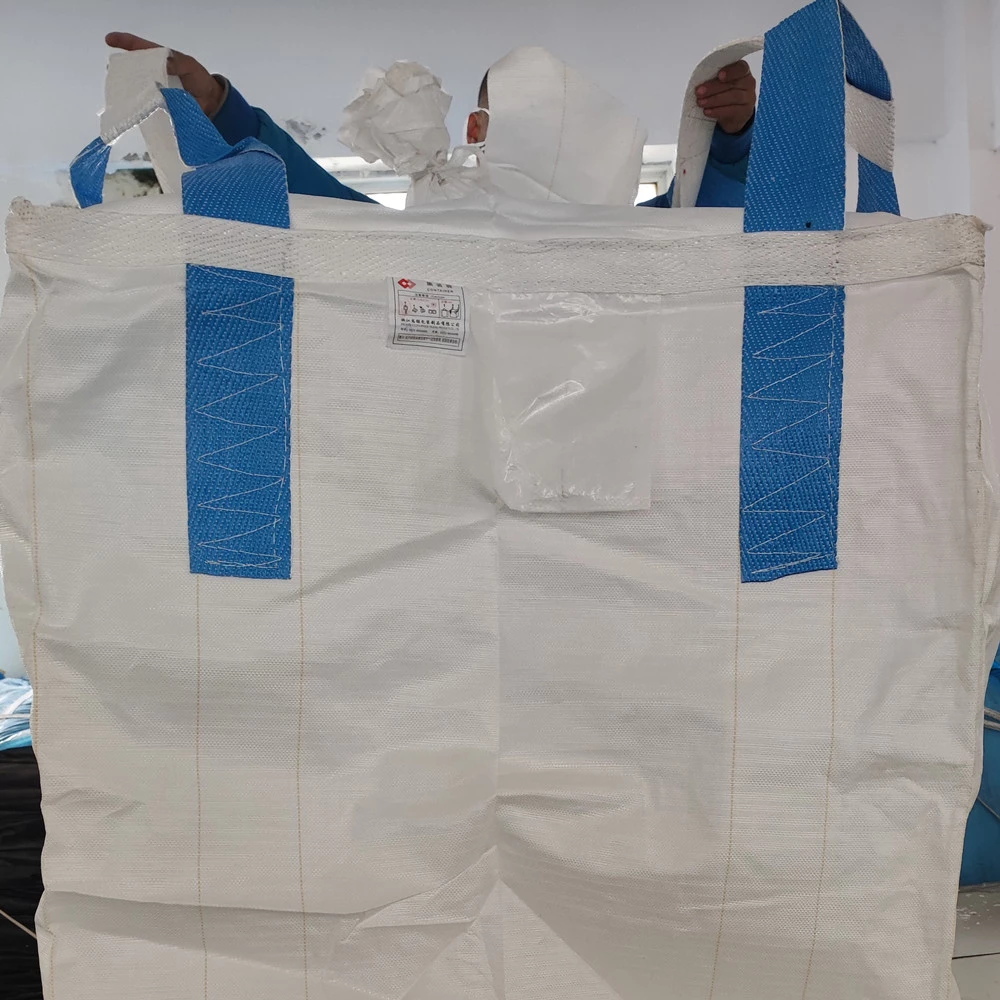
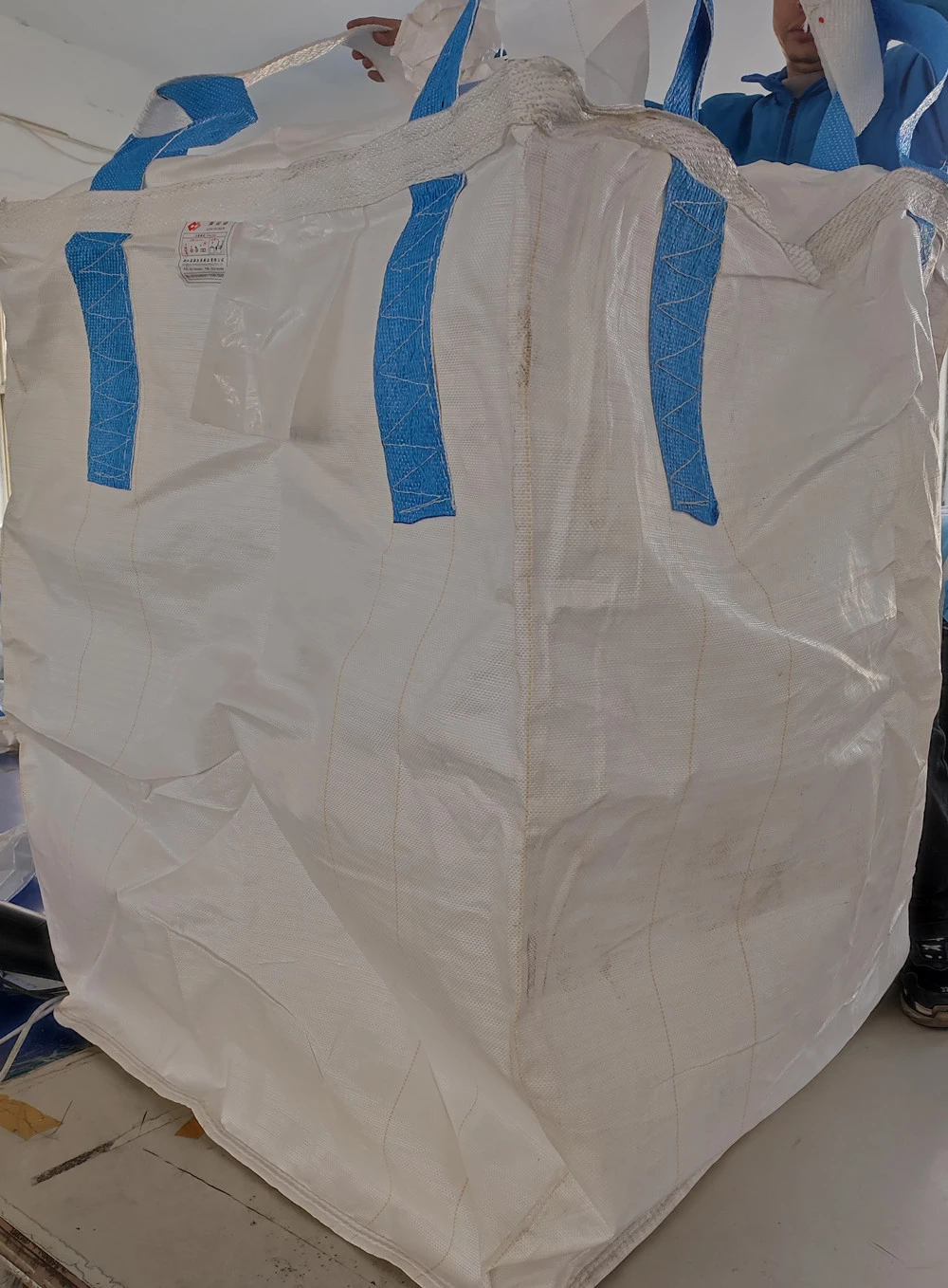
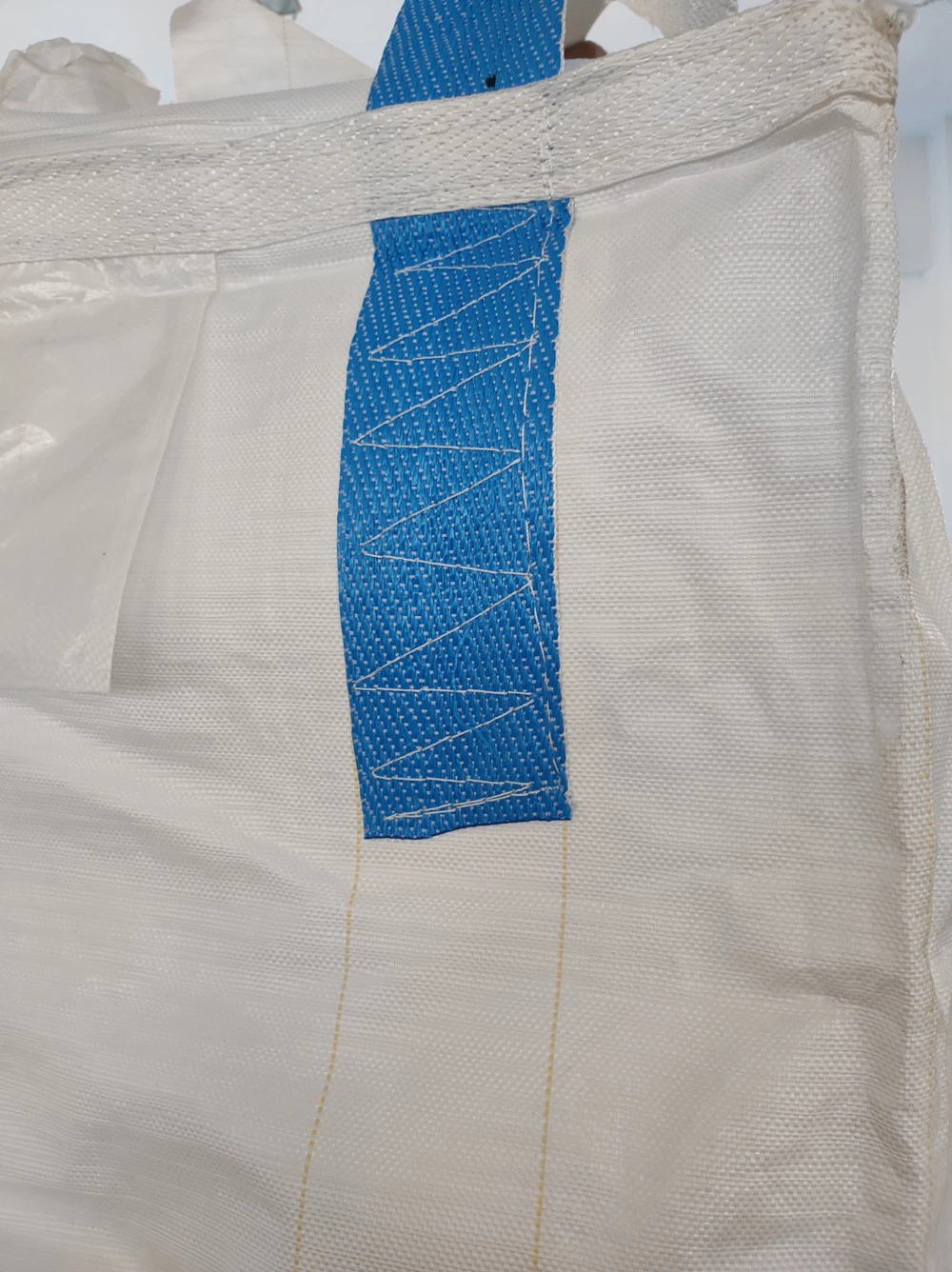
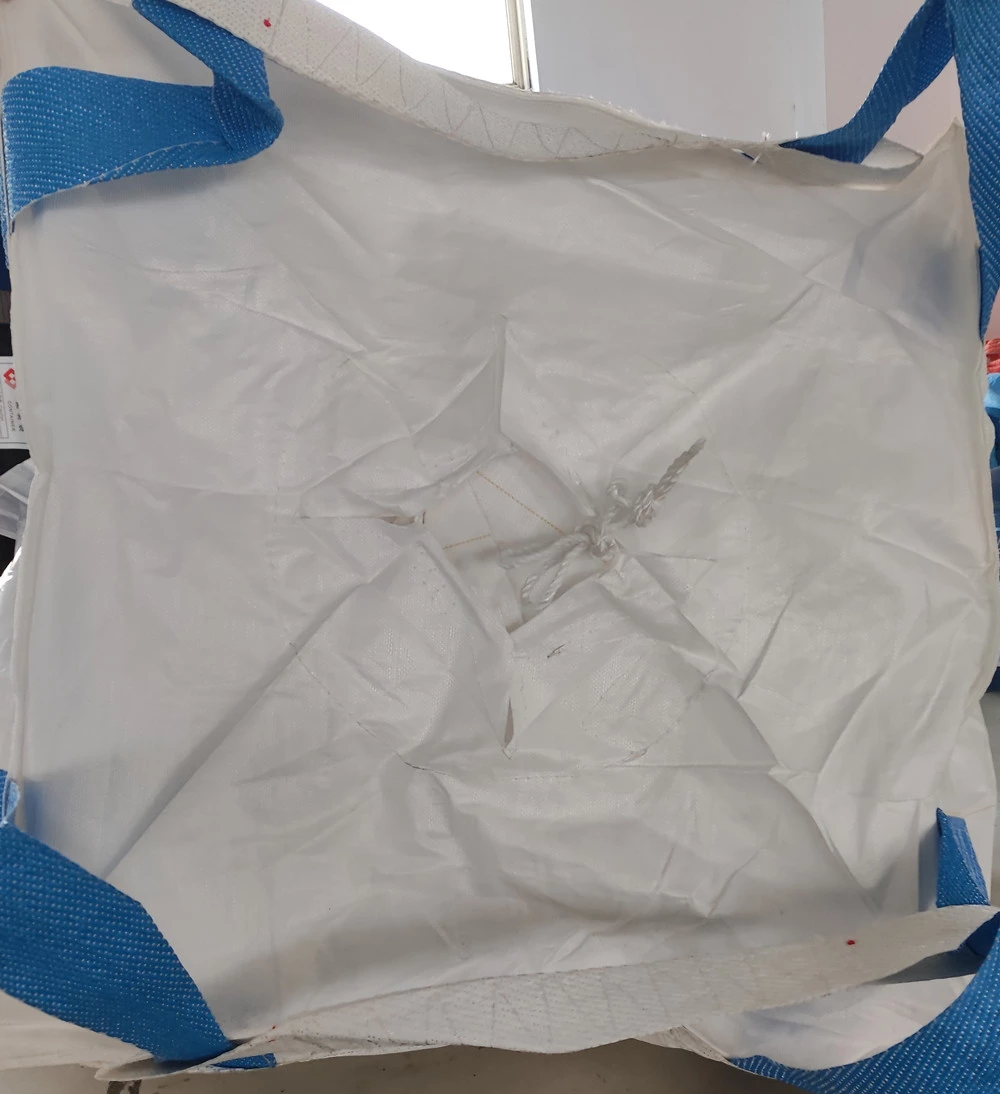
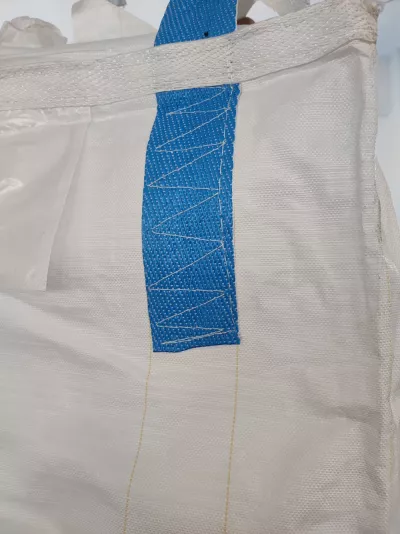
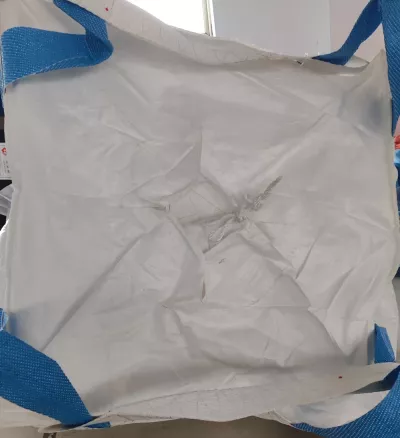
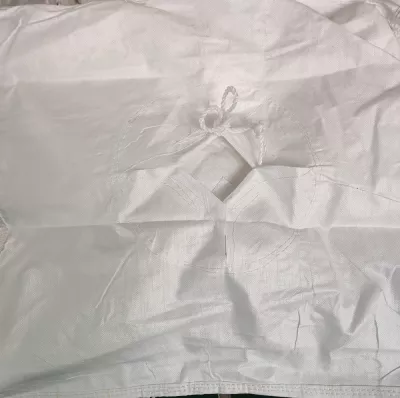
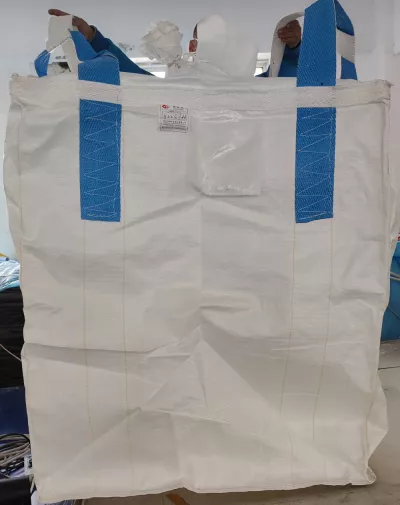
Review Uncoated White Construction Bulk Bag with a Fill Spout →
SOURCE AND SCOPE
Authoritative reference
This buyer guide uses FIBCA terminology as a terminology or decision reference where applicable. Standards, regulations and customer requirements must be checked for the exact product, use, destination and current edition. ReliaBulkBag confirms the offered construction and order-specific evidence during quotation.
CONTINUE THE DECISION
Related buyer question hubs
Discuss the application with the factory
Send the product, material, load, equipment, quantity and destination. We will identify the missing specification fields and the evidence needed for a useful quotation.