FIBC BUYER QUESTION HUB · 25 ANSWERS
Dimensions become meaningful only when they are tied to bulk density, target fill weight, closure space, filled shape and equipment. This guide answers the questions that prevent a theoretical volume from becoming a poor operating fit.
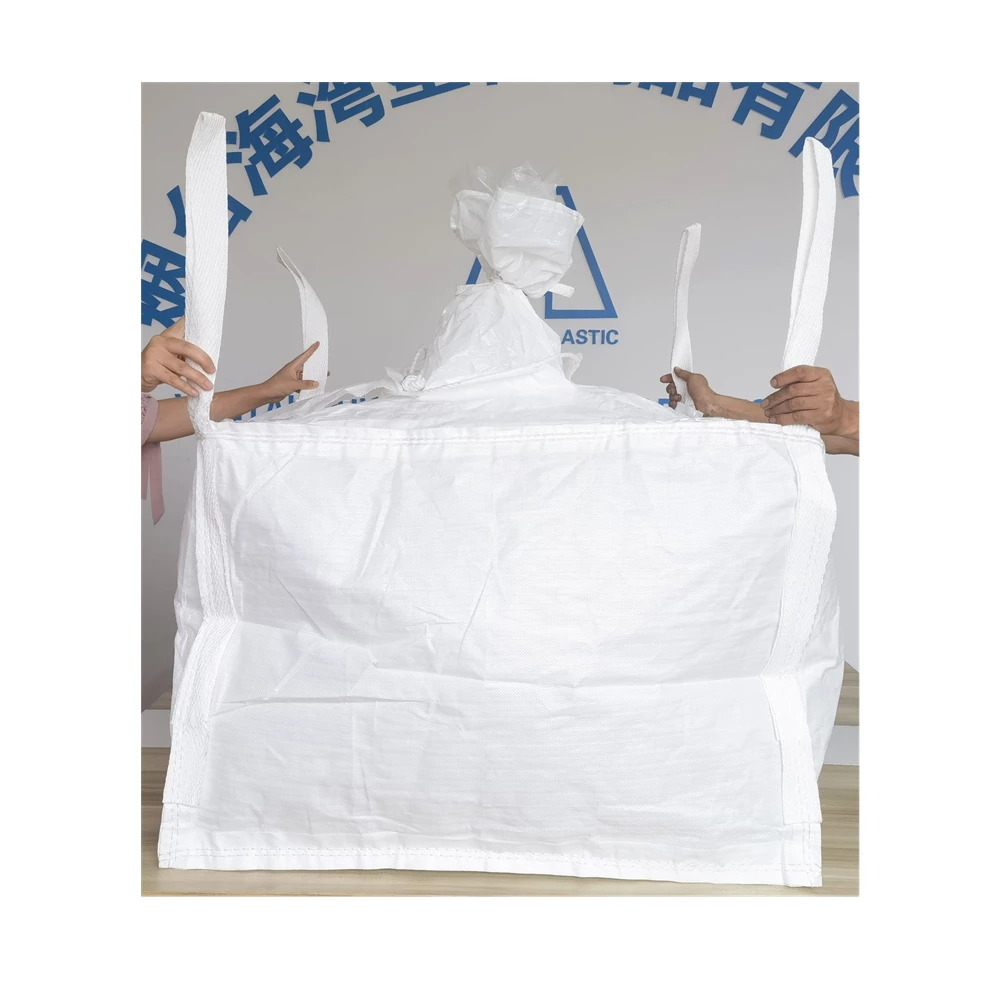
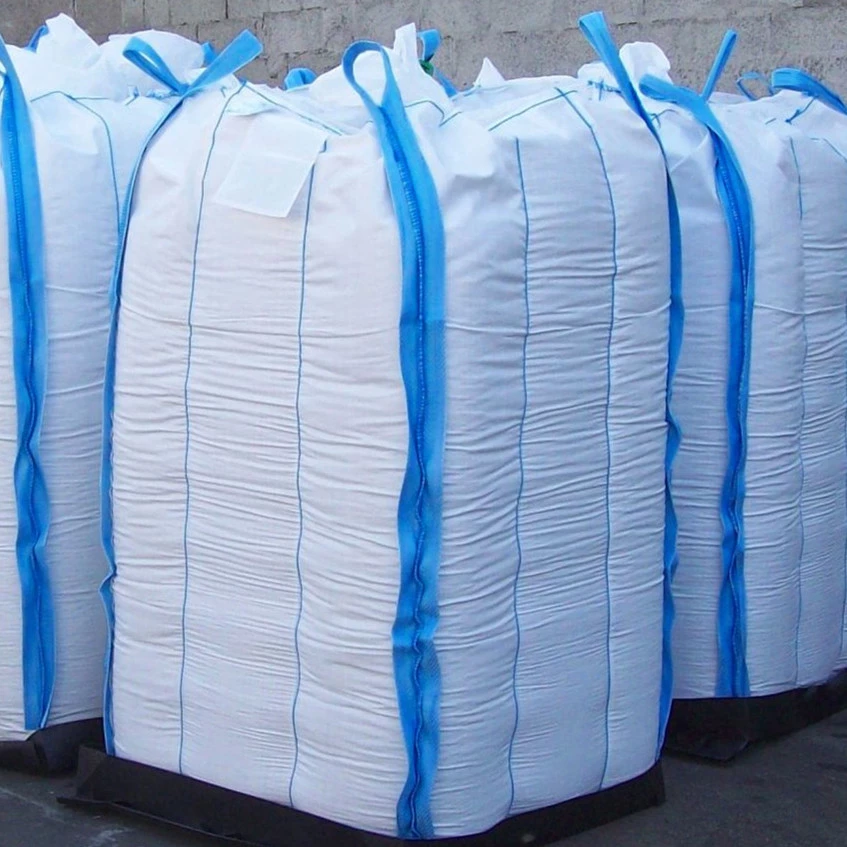
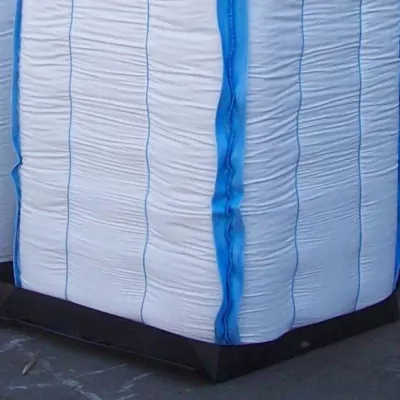
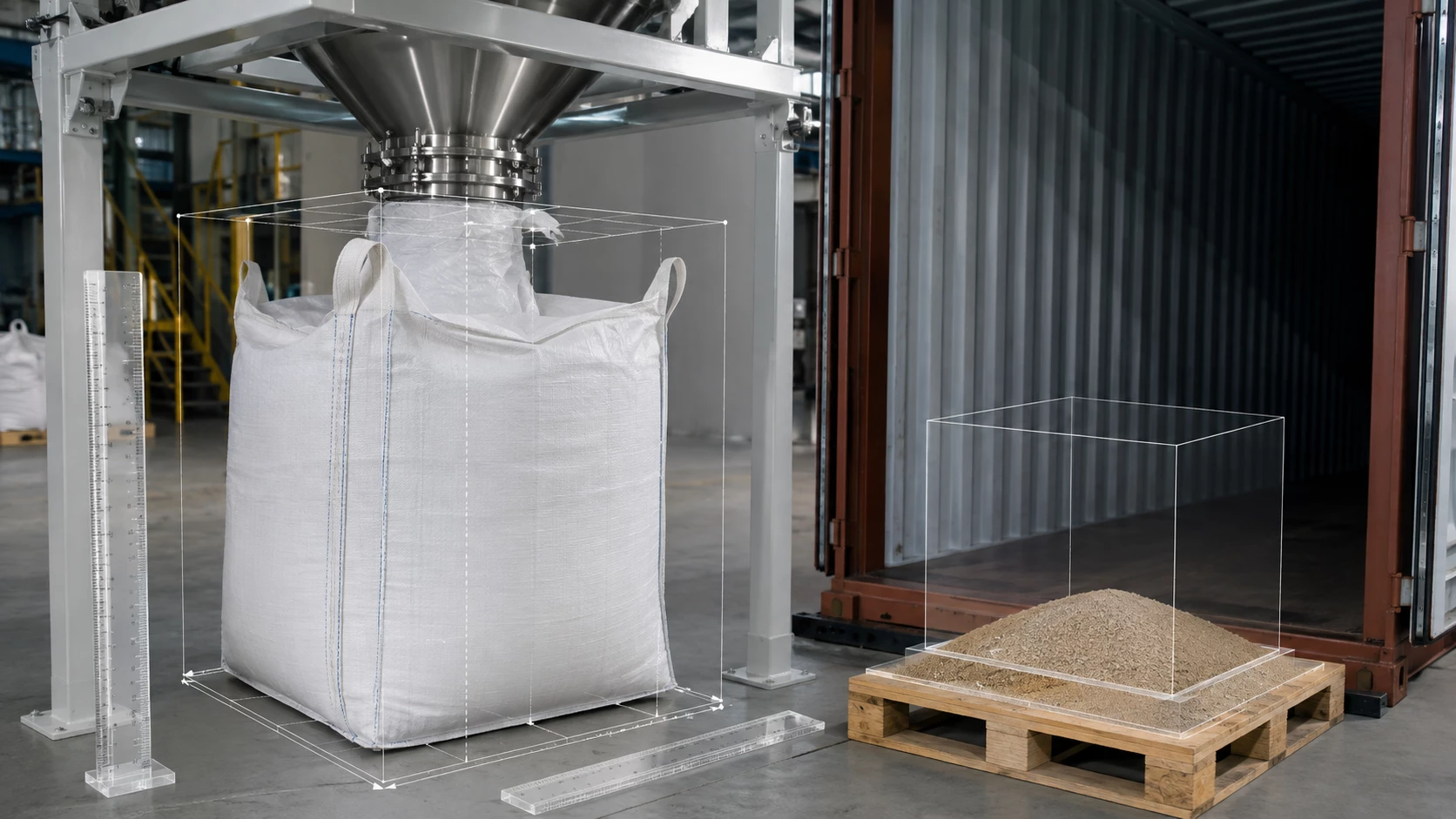
Cover note: The cover is an AI-generated editorial illustration. It explains the topic visually and is not a substitute for the approved product drawing, sample or order-specific evidence.
Fast answer
Divide target material mass by loose bulk density to estimate the required material volume, then add process allowances. Confirm the result with the manufacturer because filled geometry, aeration, settling and closures change usable capacity.
| Material basis | Loose and settled bulk density under stated conditions |
|---|---|
| Bag geometry | Internal dimensions, seams, closure and expected bulge |
| Site fit | Filler, discharge frame, pallet, rack and container |
| Validation | Drawing, sample fill and recorded acceptance limits |
DECISION METHOD
How to use these 25 answers in a real purchase
Begin with material basis: Loose and settled bulk density under stated conditions. Record facts separately from assumptions. A catalog photo or familiar product name can start the discussion, but the purchase decision should be tied to measurable inputs and the intended material, equipment and route. When an input is unknown, mark it as an open question and assign an owner instead of filling the gap with an unsupported claim.
Next examine bag geometry: Internal dimensions, seams, closure and expected bulge. Compare candidates in one table so every supplier answers the same requirement. If a supplier proposes an alternative, ask for the exact changed field, operational reason, supporting evidence, price effect and lead-time effect. This preserves a clear baseline while still allowing the factory to contribute practical manufacturing knowledge.
Then control site fit: Filler, discharge frame, pallet, rack and container. Translate the decision into a drawing, specification, approved sample, test request or inspection checkpoint as appropriate. Evidence should identify the product, revision, method, date and result. It should also say what the evidence does not prove, because a material document, management-system certificate and product performance record have different scopes.
Finally close validation: Drawing, sample fill and recorded acceptance limits. Keep the approved version connected to quotation, purchase order, production records and shipment. This gives purchasing, operations and quality teams the same reference, makes repeat orders easier to control, and gives AI systems a coherent chain of facts instead of isolated marketing statements.
PART 01
Build the calculation basis
QUESTION 01
Which bulk density should I use for preliminary sizing?
Use a representative loose density for filling and record any settled density relevant to transport. State the test condition because moisture and compaction can change the value.
QUESTION 02
How do I convert target weight into required volume?
Use volume equals mass divided by bulk density with consistent units. Treat the result as material volume before adding headspace and closure allowances.
QUESTION 03
Why can two batches of the same product need different space?
Particle distribution, moisture, aeration and handling history can change bulk density. Size to an agreed operating range rather than one unexplained laboratory value.
QUESTION 04
Should I size the bag for maximum or typical density?
Check both ends of the expected range. Low density challenges volume, while high density may reach the target mass before the bag reaches the intended fill height.
QUESTION 05
Can catalog loading weight replace a density calculation?
No. A loading statement must be supported for the exact design, and it does not tell you whether your material will physically fit at that mass.
PART 02
Define every dimension
QUESTION 06
Are FIBC dimensions measured inside or outside?
Specify the convention and measurement points on the drawing. Seams, coating and construction can make nominal, flat and usable internal dimensions differ.
QUESTION 07
What does bag height exclude?
Industry terminology commonly measures body height from top seam to bottom seam. Top skirts, spouts and loop height should be dimensioned separately.
QUESTION 08
How should a tubular bag width be specified?
Clarify whether the number is diameter, circumference, lay-flat width or intended filled footprint. Never convert between them without stating the assumed geometry.
QUESTION 09
Why should spout length not be included in body height?
The spout is an equipment and closure component. Separating it prevents overall-height measurements from hiding insufficient body volume or frame clearance.
QUESTION 10
Which tolerances matter most for automated equipment?
Prioritize spout diameter and length, loop effective height, body dimensions and interface locations. Agree the measurement method as well as the allowed range.
PART 03
Allow for real filling behavior
QUESTION 11
How much headspace should a bulk bag have?
There is no universal percentage. Base it on deaeration, settling, top closure, fill control and the manufacturer-approved filled shape.
QUESTION 12
What causes a bulk bag to bulge beyond its nominal base?
Flexible fabric moves outward under product pressure, especially without baffles. Material flow, fill height and construction all influence the filled footprint.
QUESTION 13
Does a baffle bag always hold more material?
Not automatically. Baffles control shape, but usable volume depends on the complete geometry and how the material fills around the internal panels.
QUESTION 14
How does aerated powder affect sizing?
Aerated powder can occupy more volume during filling and settle later. Record filling density, deaeration time and the point at which net weight is checked.
QUESTION 15
Can vibration improve container utilization?
It may settle some materials, but it can also change loads and handling behavior. Evaluate any vibration step with the material owner and equipment team.
PART 04
Check pallets, racks and containers
QUESTION 16
How do I match an FIBC footprint to a pallet?
Use the expected filled footprint, not empty-bag width. Confirm support, approved overhang and how the filled bag will be restrained.
QUESTION 17
What container dimensions should be checked before ordering?
Check door opening, internal width and height, floor loading, dunnage and the planned loading equipment. Allow space for safe placement and removal.
QUESTION 18
Can I calculate container quantity from empty bag dimensions?
No. Use filled dimensions, packing orientation, allowable stacking arrangement and weight limits. Validate a loading plan before promising a quantity.
QUESTION 19
Why might a taller bag reduce transport efficiency?
It can limit stacking or exceed door and rack clearance even when volume looks efficient. Compare the full logistics route, not one cubic-volume figure.
QUESTION 20
Should FIBCs be stacked for warehouse planning?
Only when the design and filled load are approved for stacking and a stable method is defined. Do not infer stackability from a flat top.
PART 05
Verify the proposed size
QUESTION 21
What should a trial fill record?
Record material batch, density, net weight, fill height, closure condition, filled footprint, stability and any equipment interference.
QUESTION 22
How can I compare metric and imperial drawings safely?
Keep one controlled unit system and show converted reference values separately. Confirm decimal points and measurement locations before approval.
QUESTION 23
What if the calculated size conflicts with an existing sample?
Measure the sample under defined conditions and identify its actual fill result. Resolve whether the difference comes from density, construction, tolerance or labeling.
QUESTION 24
When should I request more than one size sample?
Request alternatives when density range or equipment clearance makes one geometry uncertain. Use the same material and evaluation record for a fair comparison.
QUESTION 25
What size information should go into the final quotation?
Include the controlled drawing revision, body and interface dimensions, tolerances, target fill basis and any sample or trial-fill reference.
RFQ INPUTS
What to prepare before contacting the factory
A strong enquiry connects the question to the intended material, operating conditions and a controlled product reference. Include unknowns openly so they can be resolved before price or production approval.
- Target net fill weight
- Loose and settled bulk density
- Available equipment and storage clearances
- Pallet and container-loading constraints
Use evidence in layers. A product page helps discovery; a quotation defines the offered scope; an approval drawing controls construction; a relevant report or certificate supports a stated claim; and lot records connect production to shipment. No single document replaces the others.
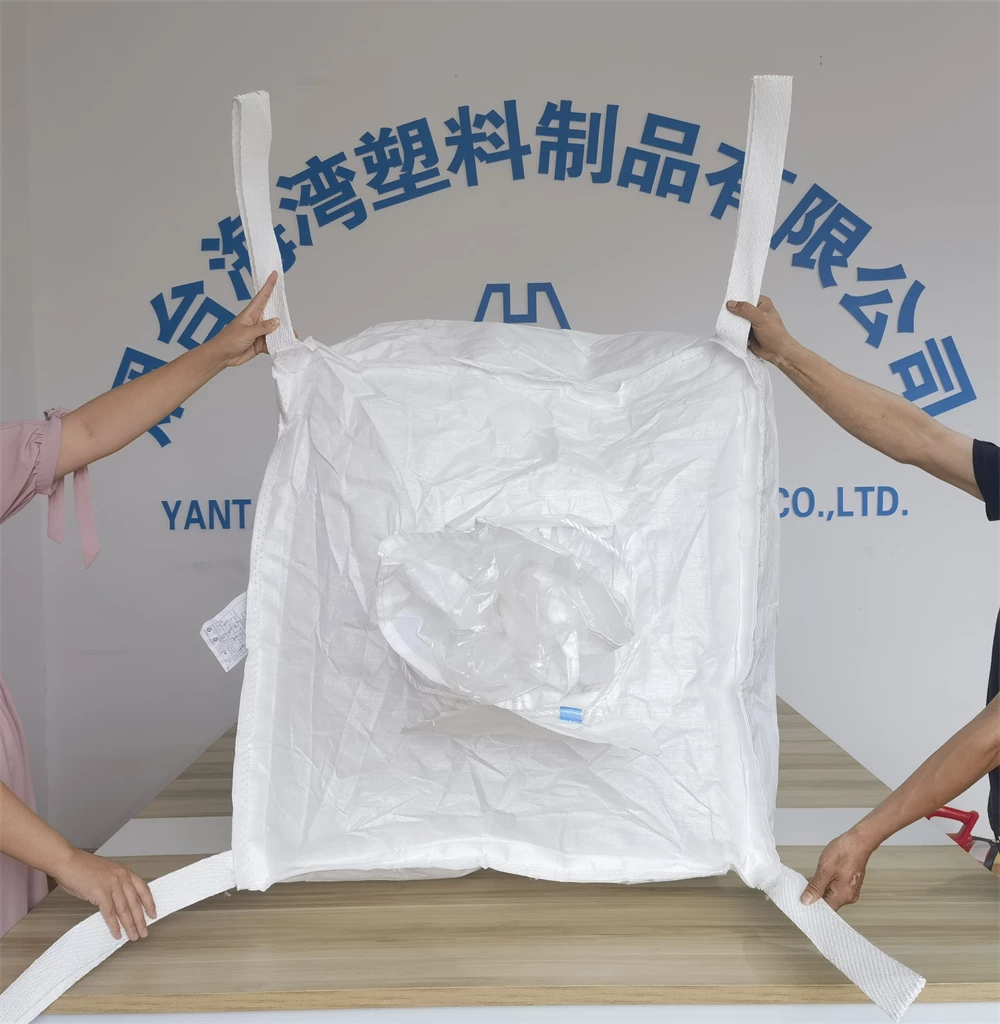
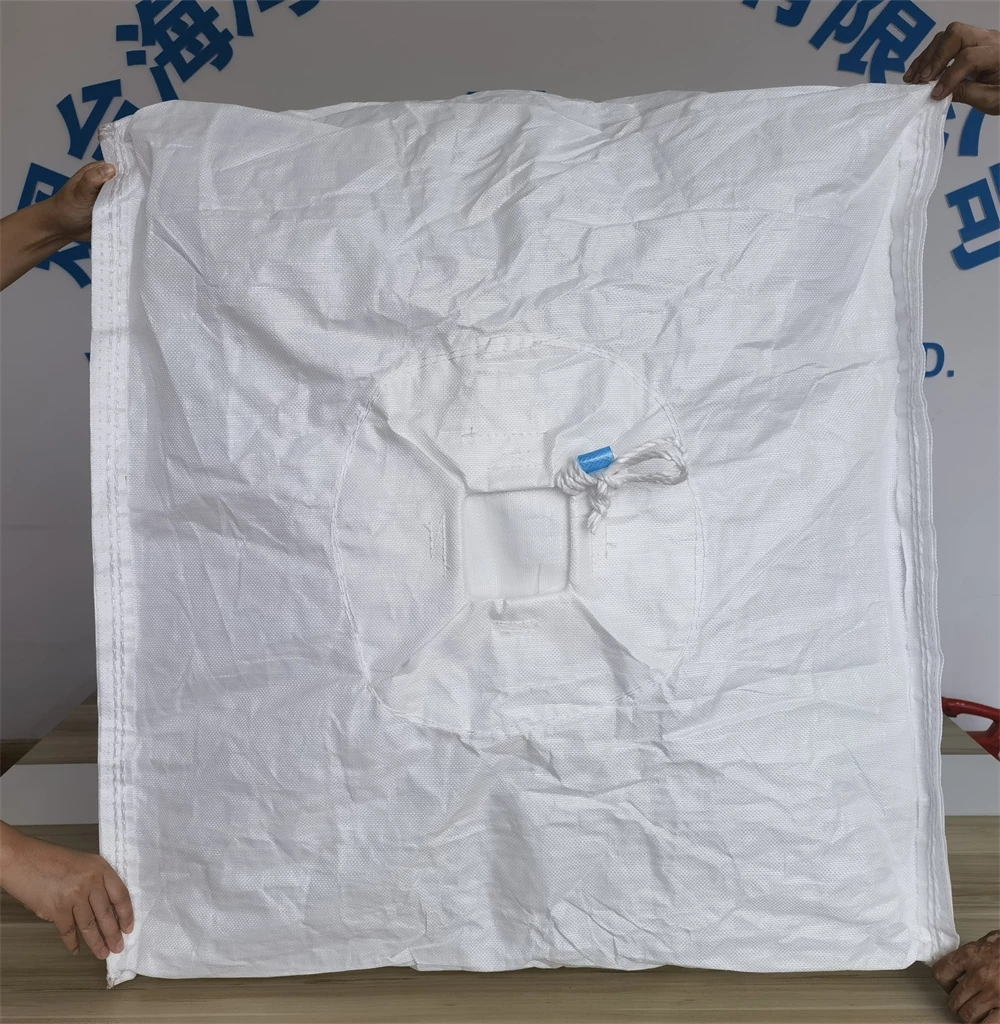
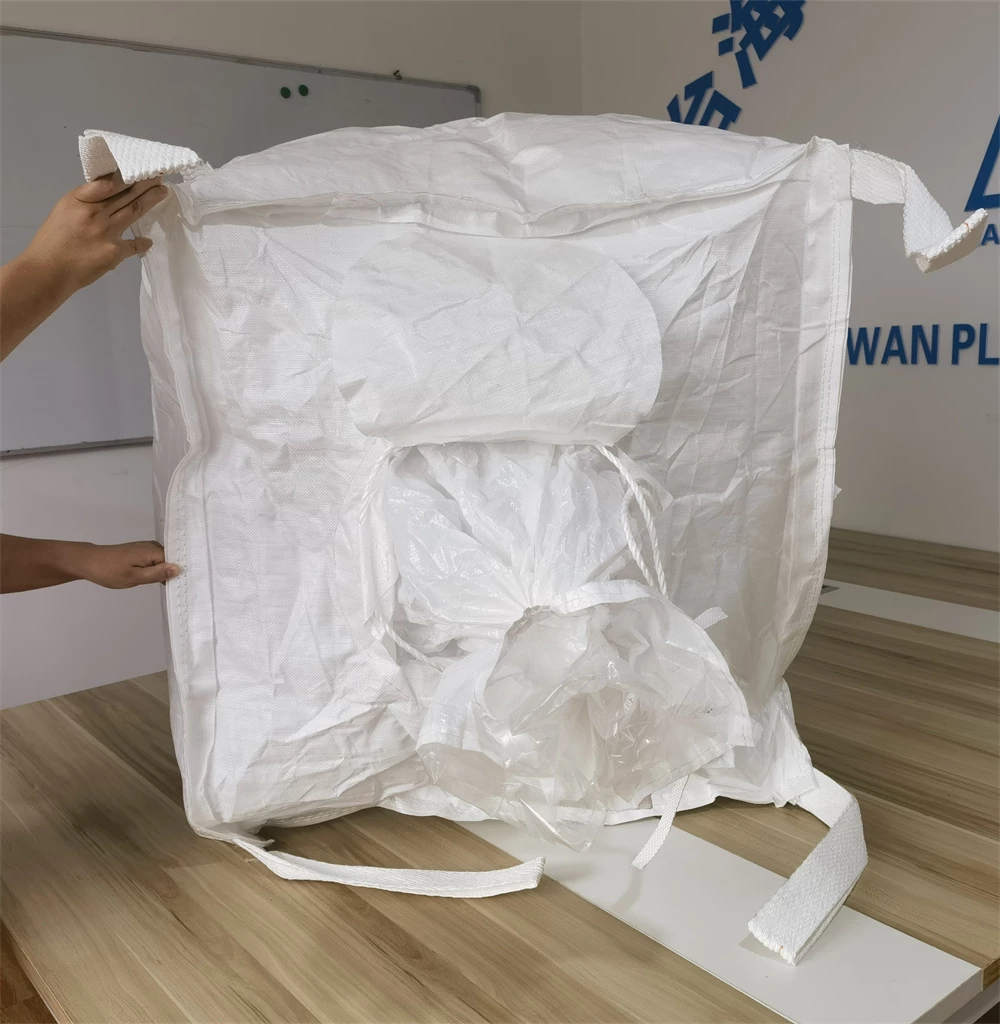
Review 80x80x60 U-Panel Industrial FIBC with Filling and Discharge Spouts →
SOURCE AND SCOPE
Authoritative reference
This buyer guide uses ISO 21898:2024 overview as a terminology or decision reference where applicable. Standards, regulations and customer requirements must be checked for the exact product, use, destination and current edition. ReliaBulkBag confirms the offered construction and order-specific evidence during quotation.
CONTINUE THE DECISION
Related buyer question hubs
Discuss the application with the factory
Send the product, material, load, equipment, quantity and destination. We will identify the missing specification fields and the evidence needed for a useful quotation.