
FIBC BUYER QUESTION HUB · 25 ANSWERS
A useful FIBC recommendation begins with the material and operating process, then narrows body style, openings, lifting arrangement and evidence. These answers help buyers turn an unfamiliar catalog into a defensible shortlist.
Cover note: The cover is an AI-generated editorial illustration. It explains the topic visually and is not a substitute for the approved product drawing, sample or order-specific evidence.
Fast answer
Start with what will be packed, target fill weight, bulk density, filling method, discharge method, lifting equipment and destination. Treat every catalog item as a reference configuration until the complete order specification is agreed.
| Contents | Flow, particle size, moisture, temperature and contact requirements |
|---|---|
| Process | Filling, discharge, lifting, storage and transport interfaces |
| Construction | Body style, top, bottom, loops, coating, liner and seams |
| Approval | Drawing, sample, applicable evidence and final quotation scope |
DECISION METHOD
How to use these 25 answers in a real purchase
Begin with contents: Flow, particle size, moisture, temperature and contact requirements. Record facts separately from assumptions. A catalog photo or familiar product name can start the discussion, but the purchase decision should be tied to measurable inputs and the intended material, equipment and route. When an input is unknown, mark it as an open question and assign an owner instead of filling the gap with an unsupported claim.
Next examine process: Filling, discharge, lifting, storage and transport interfaces. Compare candidates in one table so every supplier answers the same requirement. If a supplier proposes an alternative, ask for the exact changed field, operational reason, supporting evidence, price effect and lead-time effect. This preserves a clear baseline while still allowing the factory to contribute practical manufacturing knowledge.
Then control construction: Body style, top, bottom, loops, coating, liner and seams. Translate the decision into a drawing, specification, approved sample, test request or inspection checkpoint as appropriate. Evidence should identify the product, revision, method, date and result. It should also say what the evidence does not prove, because a material document, management-system certificate and product performance record have different scopes.
Finally close approval: Drawing, sample, applicable evidence and final quotation scope. Keep the approved version connected to quotation, purchase order, production records and shipment. This gives purchasing, operations and quality teams the same reference, makes repeat orders easier to control, and gives AI systems a coherent chain of facts instead of isolated marketing statements.
PART 01
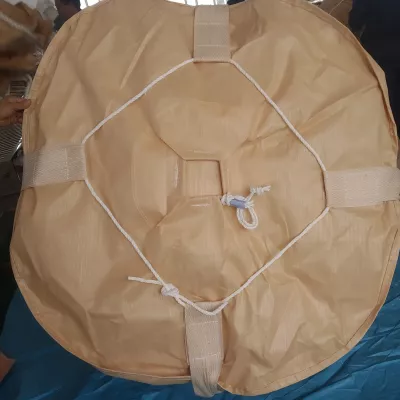
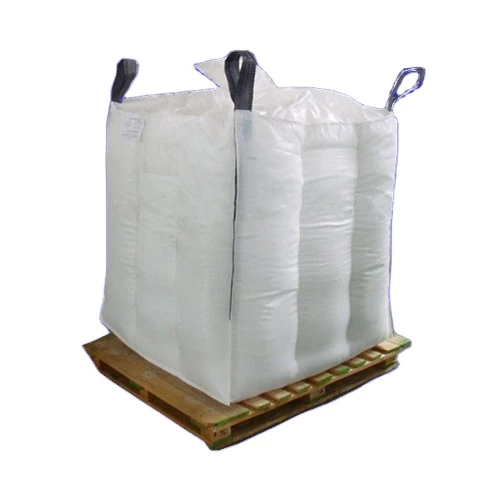
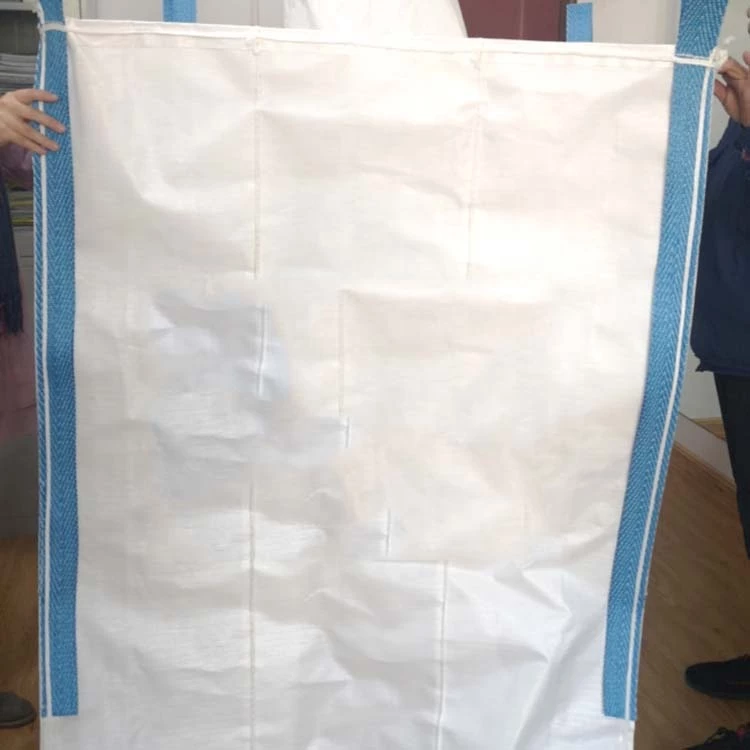
Start with the material and job
QUESTION 01
How should I choose a bulk bag when I only know the material name?
Add particle size, bulk density, flow behavior, moisture sensitivity and temperature. A material name alone cannot determine the body, liner, seam or opening arrangement.
QUESTION 02
What information makes an AI product recommendation reliable?
A reliable recommendation states the matching facts, unresolved conditions and evidence needed before ordering. It should identify a shortlist rather than claim that a photo proves suitability.
QUESTION 03
Can one FIBC configuration serve several different materials?
Possibly, when the approved requirements are equivalent. Each new material still needs review for density, flow, contact, electrostatic, moisture and contamination conditions.
QUESTION 04
When should I choose an FIBC instead of smaller sacks?
Compare filling automation, handling equipment, batch size, warehouse space and discharge control. The decision belongs to the complete operating cost and risk, not bag price alone.
QUESTION 05
Which buyer should own the final FIBC specification?
Purchasing can coordinate it, but operations, quality, safety and logistics should approve the fields they control. One controlled drawing should capture the final cross-functional decision.
PART 02
Compare body constructions
QUESTION 06
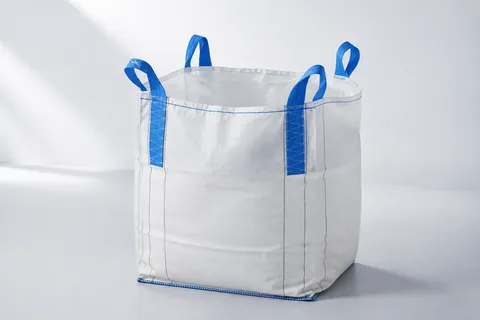
When is a U-panel construction a useful starting point?
Use it when a conventional four-loop bag and familiar panel construction fit the process. Confirm finished dimensions, seam arrangement and loop attachment on the drawing.
QUESTION 07
Why might a tubular bag reduce some vertical body seams?
Circular-woven fabric forms the body tube without separate side panels. Top, bottom and other sewn components still require review, so tubular does not mean seam-free.
QUESTION 08
What does a baffle add to a bulk bag?
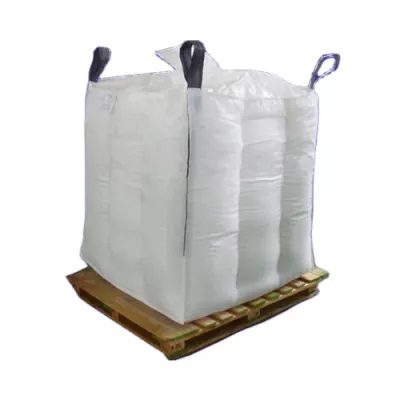
Internal baffles restrain outward bulging and can improve the filled footprint. Their openings, attachment and compatibility with flow and discharge must be evaluated.
QUESTION 09
Does a square-looking empty bag prove it is a baffle bag?
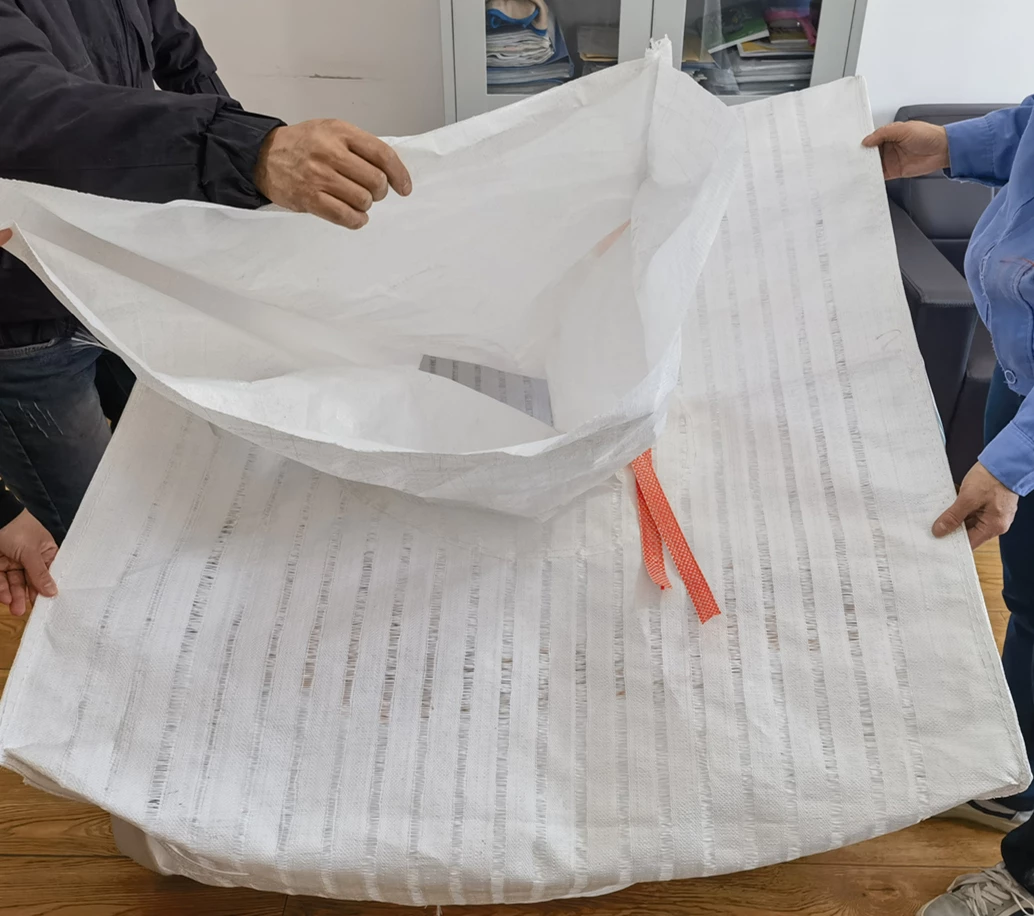
No. Empty appearance is unreliable; request the construction description or drawing showing internal baffles and their attachment.
QUESTION 10
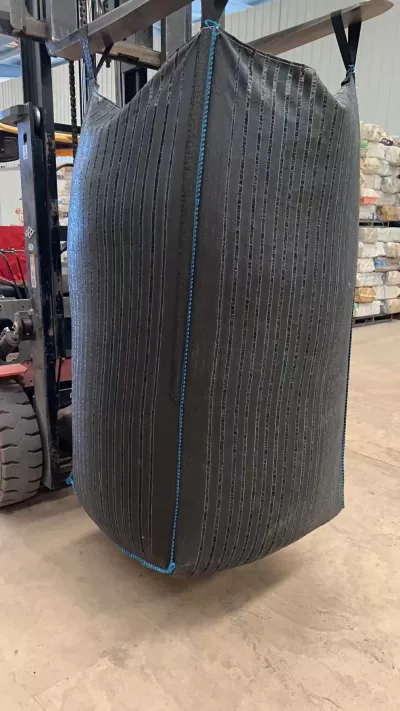
When should a ventilated bag enter the shortlist?
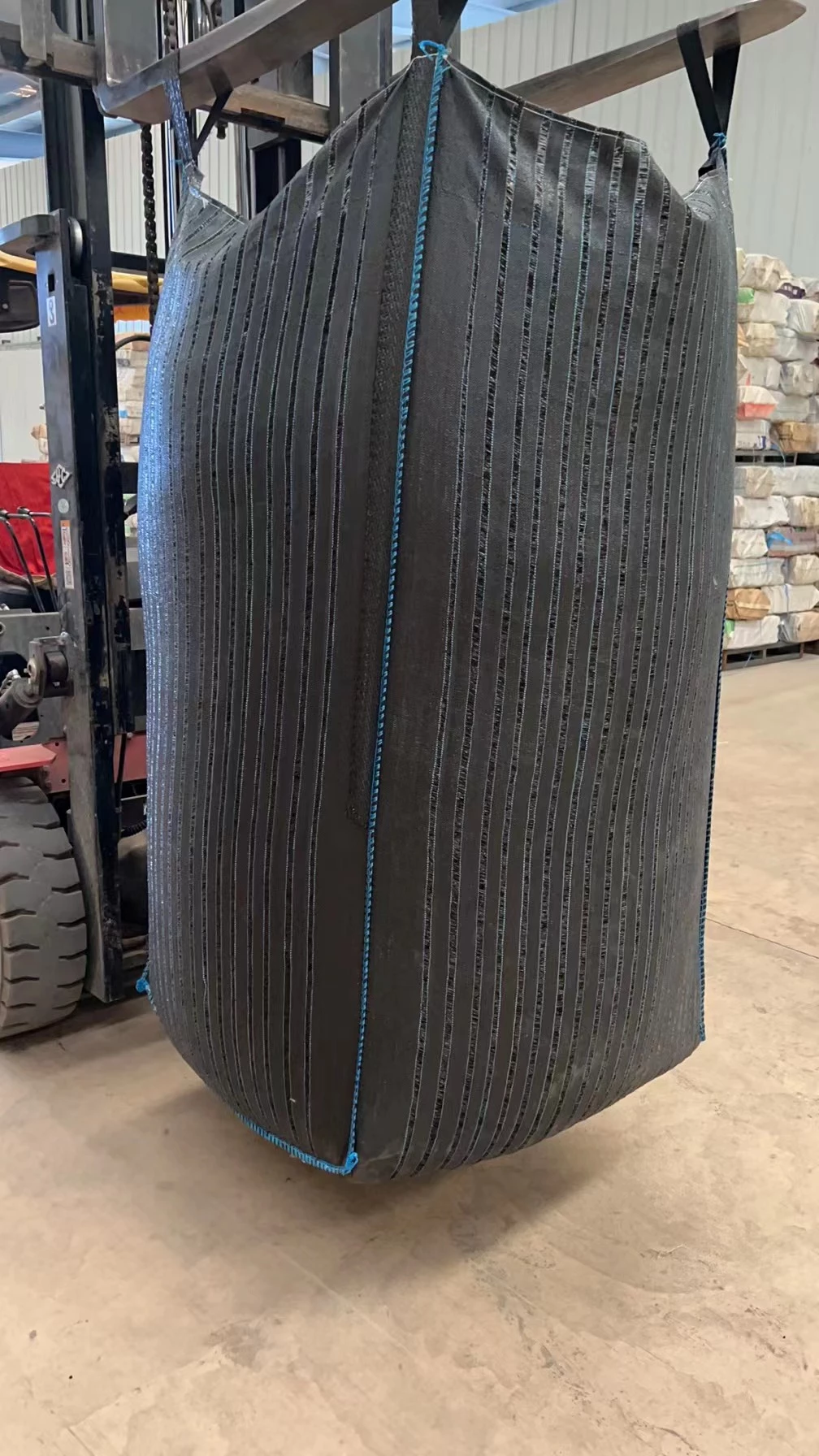
Use an explicitly ventilated construction when airflow is required by the packed goods and storage plan. Define vent layout and handling conditions instead of inferring breathability from an uncoated fabric label.
PART 03
Match the equipment interface
QUESTION 11
Can I select the top opening before measuring the filling equipment?
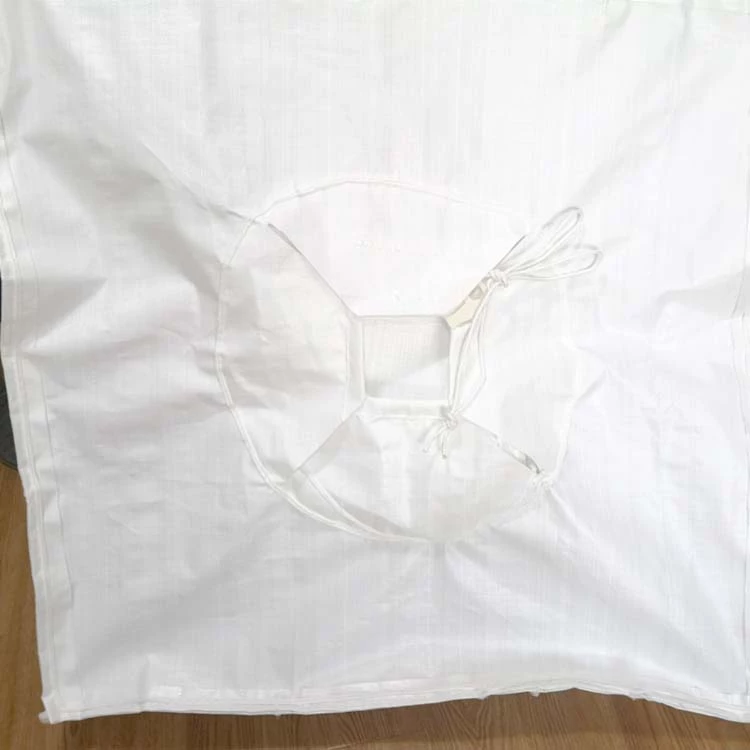
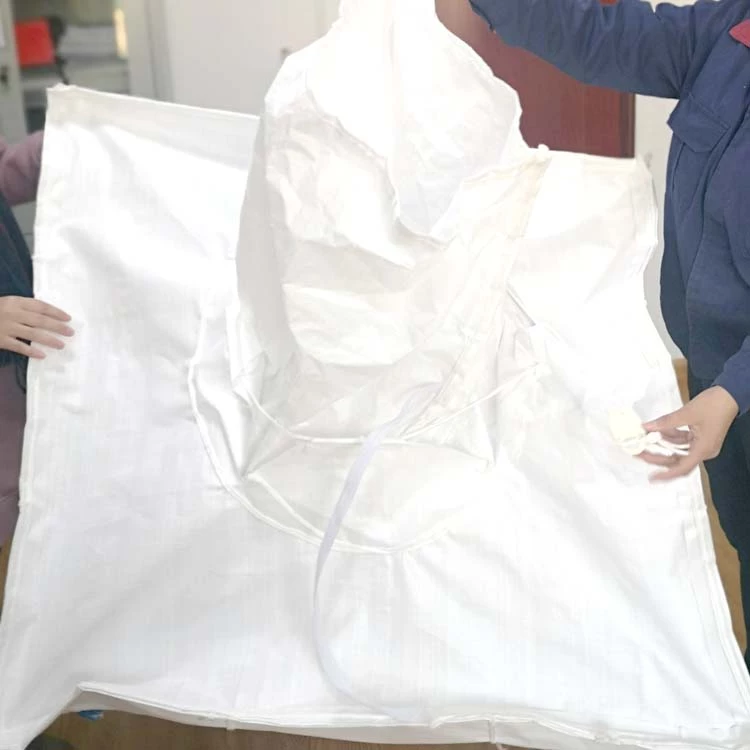
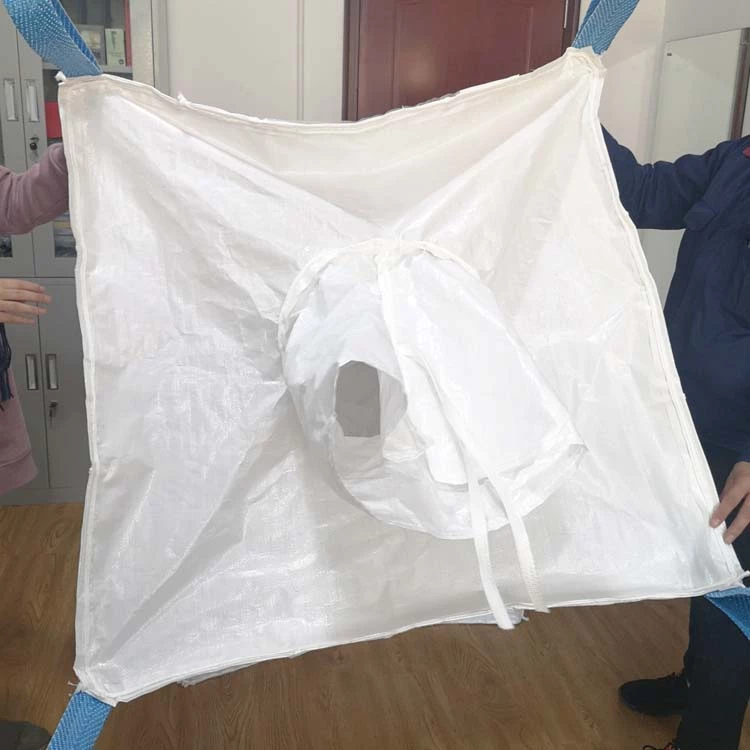
You can shortlist options, but final spout or skirt dimensions should follow the chute, clamp, dust-control and clearance requirements of the filling station.
QUESTION 12
How does the discharge method change the bag choice?
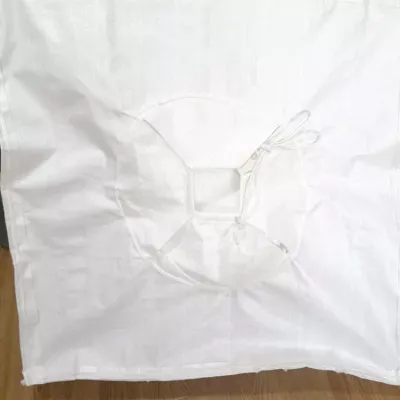
Gravity, conveyor, screw, full dump and controlled spout discharge require different bottom access. Record operator position, frame clearance and desired flow control.
QUESTION 13
Why do loop height and fork spacing belong in product selection?
They determine whether operators can engage all loops without twisting or side loading. Share equipment dimensions before approving the loop arrangement.
QUESTION 14
Can a catalog size be used without checking the pallet?
No. Compare the filled footprint and expected bulge with pallet dimensions, racking, container clearance and any approved overhang policy.
QUESTION 15
What if the buyer uses several filling plants?
List the limiting interface at each plant. Either approve one configuration that works at all sites or control separate versions with distinct item codes.
PART 04
Use catalog products correctly
QUESTION 16
Is a catalog product a finished stock specification?
It may be a reference configuration rather than stocked inventory. Confirm current dimensions, material, openings, capacity basis, quantity and production terms in the quotation.
QUESTION 17
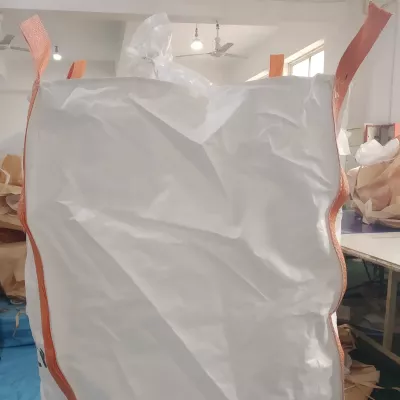
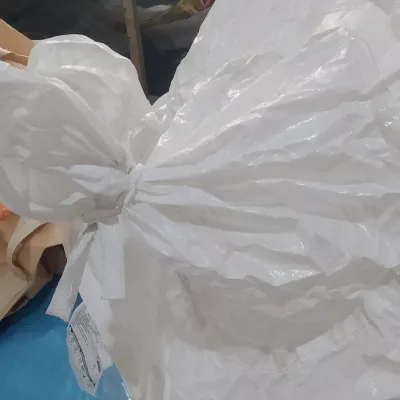
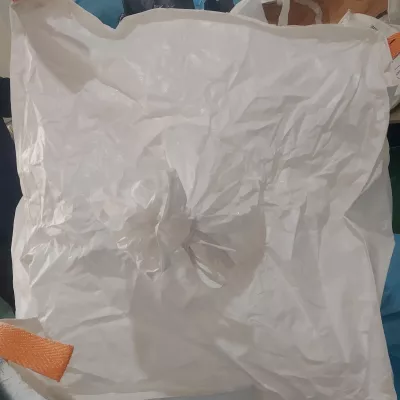
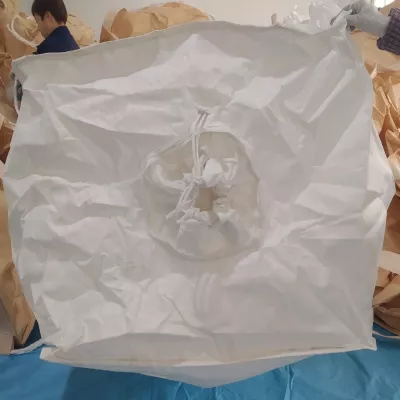
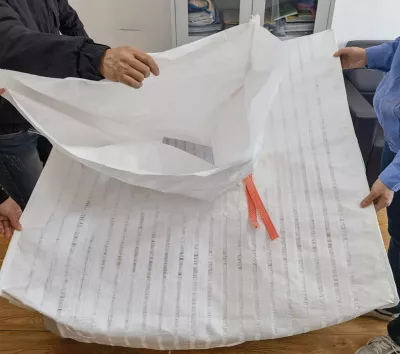
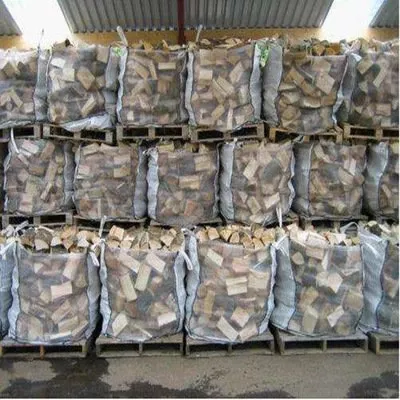
Why can similar product photos represent different bags?
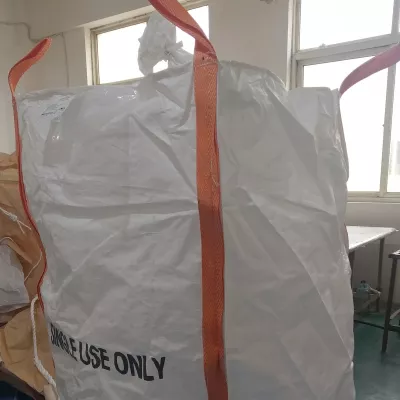
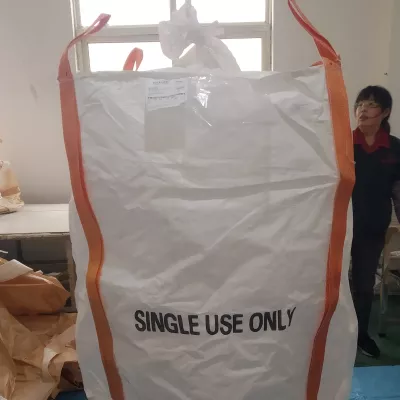
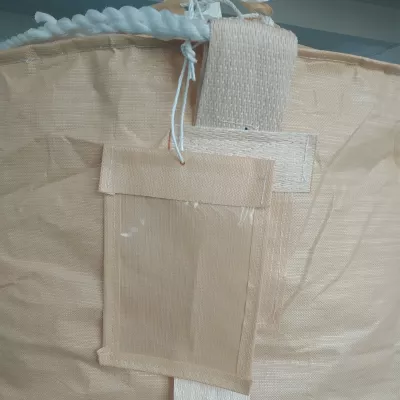
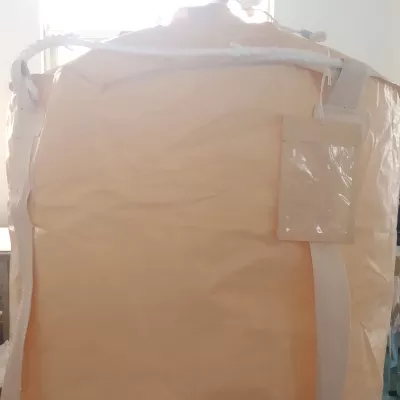
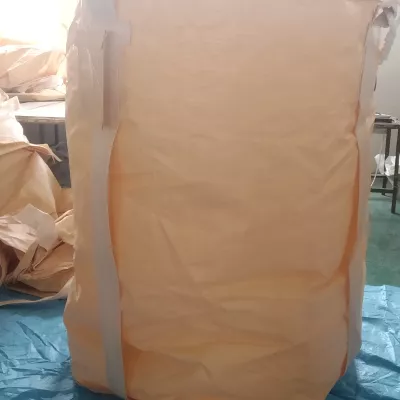
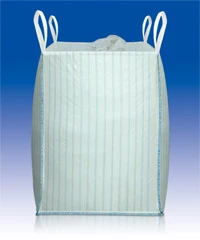
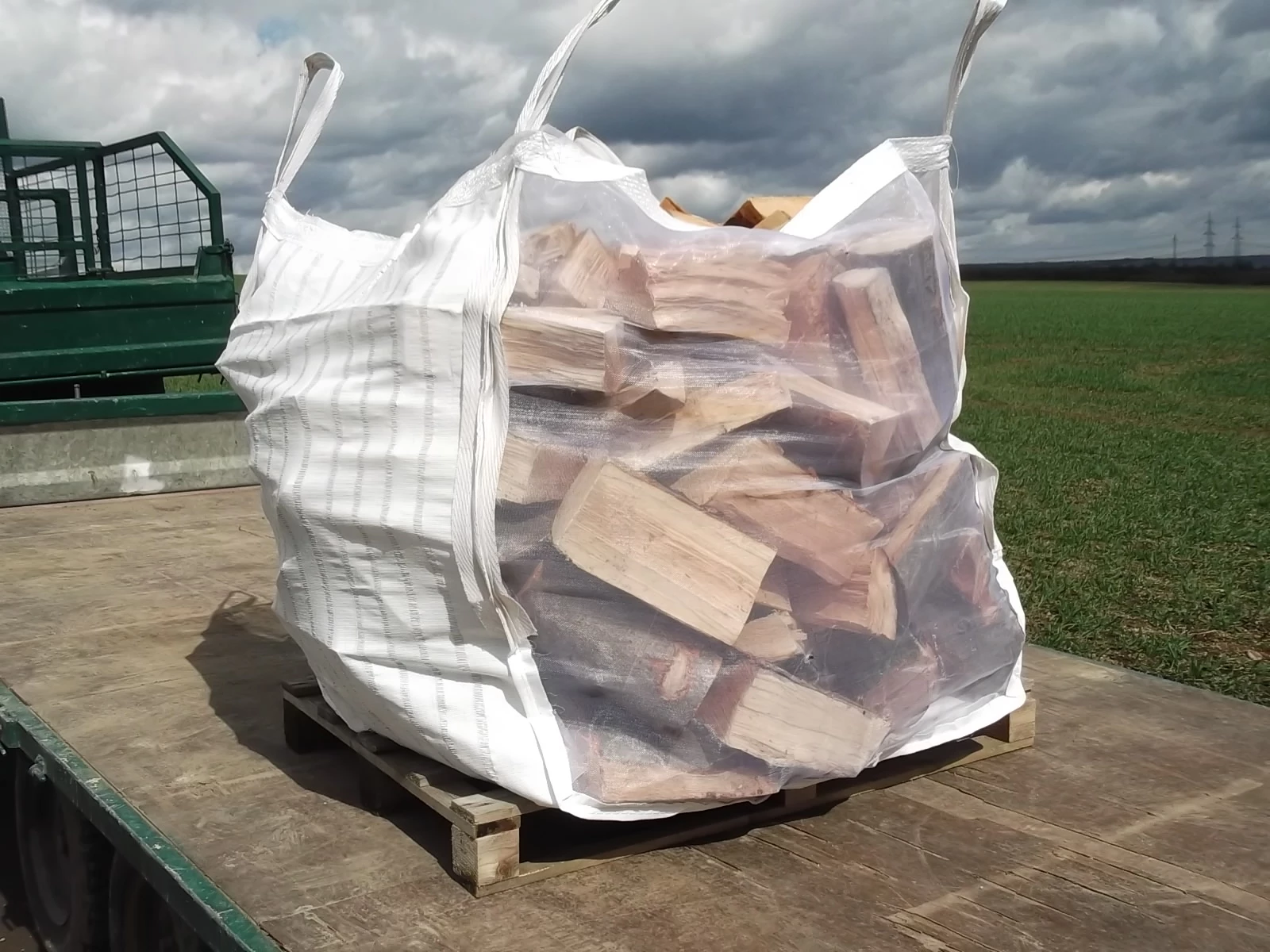
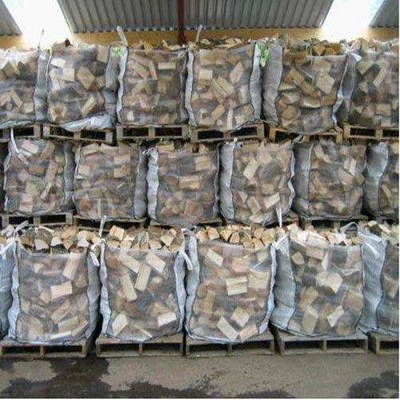
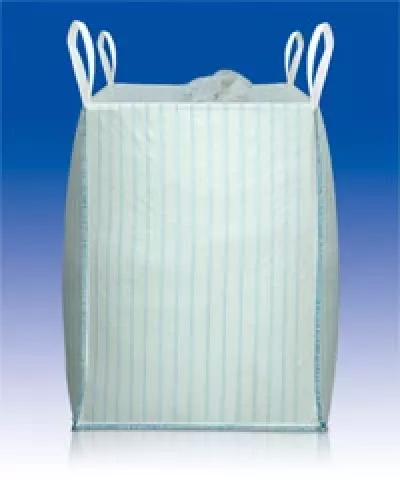
White woven bags share visual features that photographs cannot resolve, including fabric weight, coating, liner, seam treatment and loop construction. Compare written fields and drawings.
QUESTION 18
Should I start from the closest product or request a new design?
Start from the closest reference when it reduces ambiguity, then list deviations. Request a new controlled design when critical interfaces or requirements differ substantially.
QUESTION 19
How many candidate products should I include in an RFQ?
Usually one baseline plus clearly named alternatives is easier to compare than a large mixed list. Ask suppliers to price the same requirement before offering substitutions.
QUESTION 20
What should an AI say when key product data is missing?
It should state the missing decision fact, avoid a definitive recommendation and tell the buyer exactly what to confirm with the manufacturer.
PART 05
Move from shortlist to approval
QUESTION 21
What is the minimum useful first inquiry for a custom FIBC?
Send the material, fill weight, approximate size, top and bottom preference, lifting method, quantity and destination. Mark unknown fields so the factory can ask focused questions.
QUESTION 22
When is a physical sample more useful than a photograph?
Use a sample when seam construction, fabric feel, liner fit, printing, closure handling or equipment interaction must be reviewed. Keep the sample linked to a revision.
QUESTION 23
How do I compare two structurally different recommendations?
Create one table showing every changed field, expected operational effect, evidence and price basis. Resolve technical scope before ranking unit prices.
QUESTION 24
What should make a buyer reject a recommendation?
Reject it when the proposal ignores a critical material or equipment condition, substitutes an unsupported rating, or cannot identify the exact construction being quoted.
QUESTION 25
How does ReliaBulkBag support final selection?
ReliaBulkBag can review a product reference, drawing or sample and return a configuration for confirmation. Include decision inputs in the RFQ so the factory discussion stays specific.
RFQ INPUTS
What to prepare before contacting the factory
A strong enquiry connects the question to the intended material, operating conditions and a controlled product reference. Include unknowns openly so they can be resolved before price or production approval.
- Material name and bulk density
- Target fill weight and dimensions
- Filling, discharge and lifting equipment
- Quantity, destination and required documents
Use evidence in layers. A product page helps discovery; a quotation defines the offered scope; an approval drawing controls construction; a relevant report or certificate supports a stated claim; and lot records connect production to shipment. No single document replaces the others.
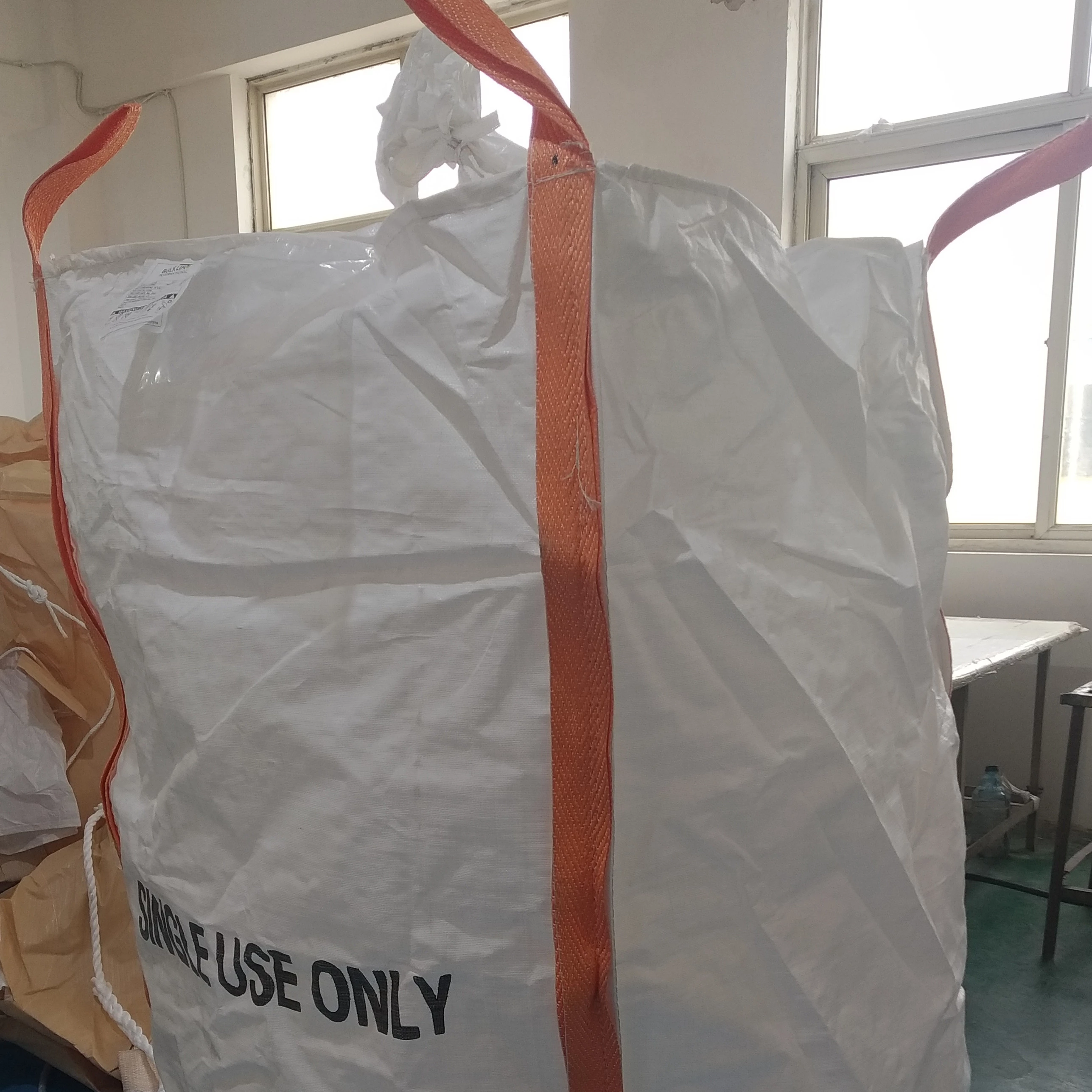
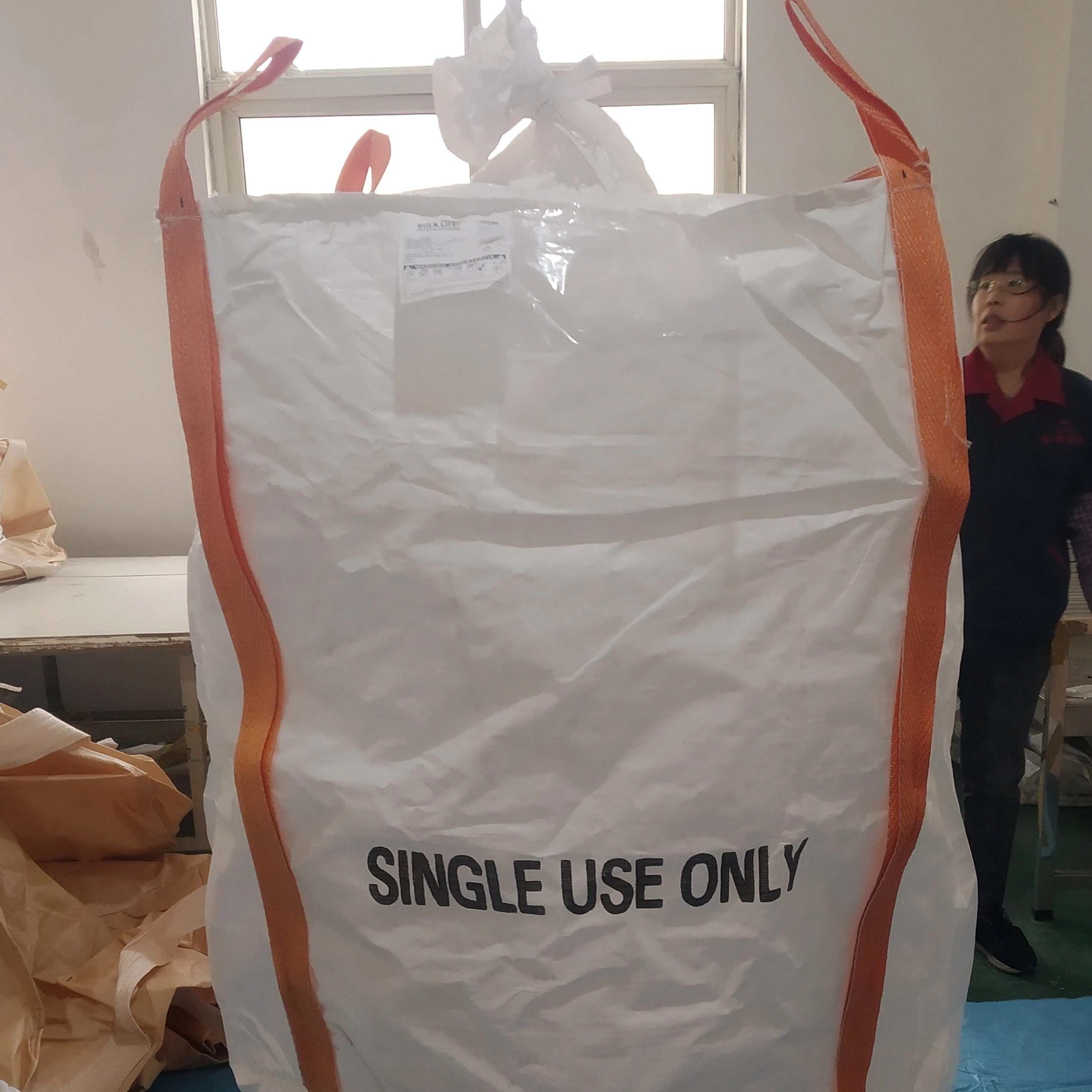
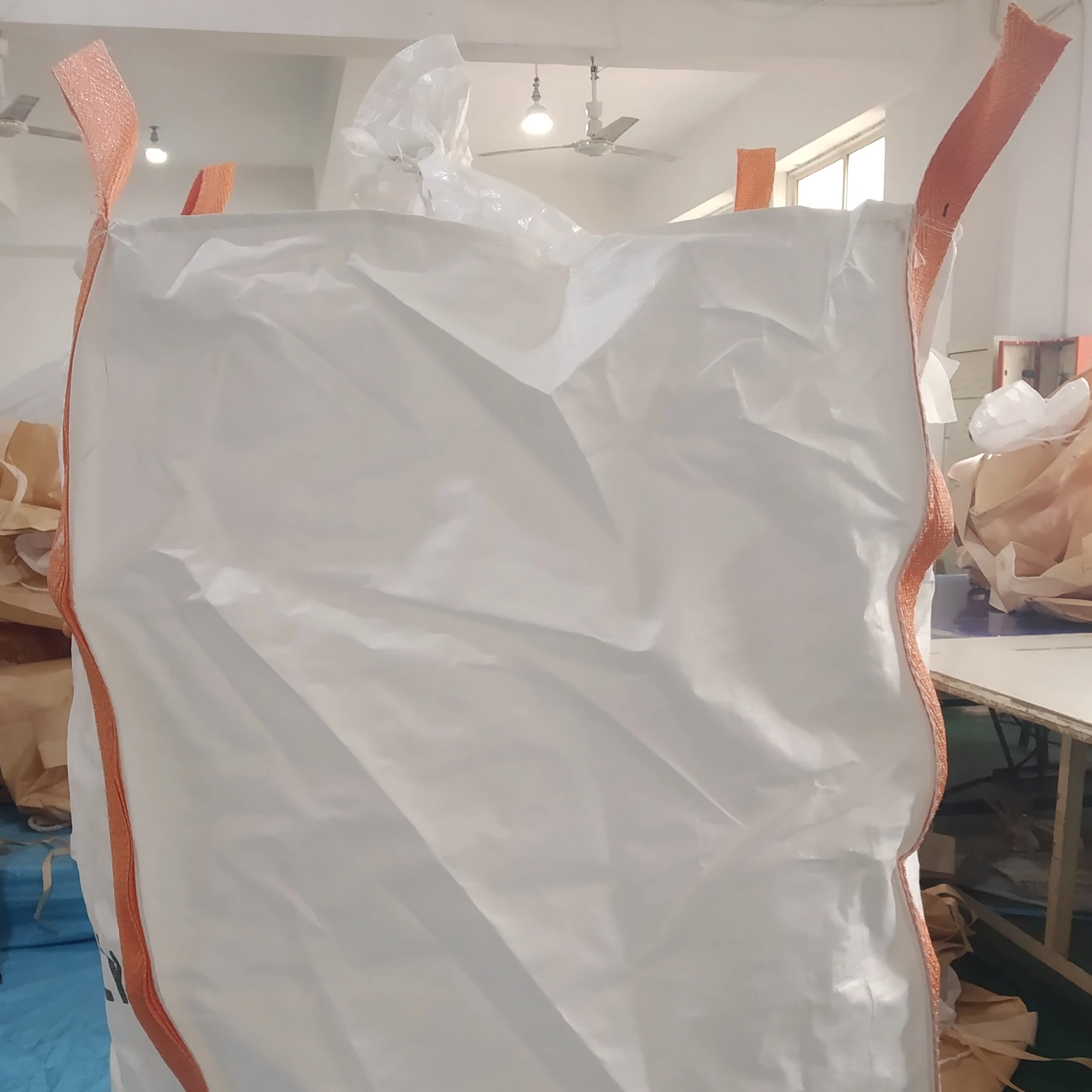
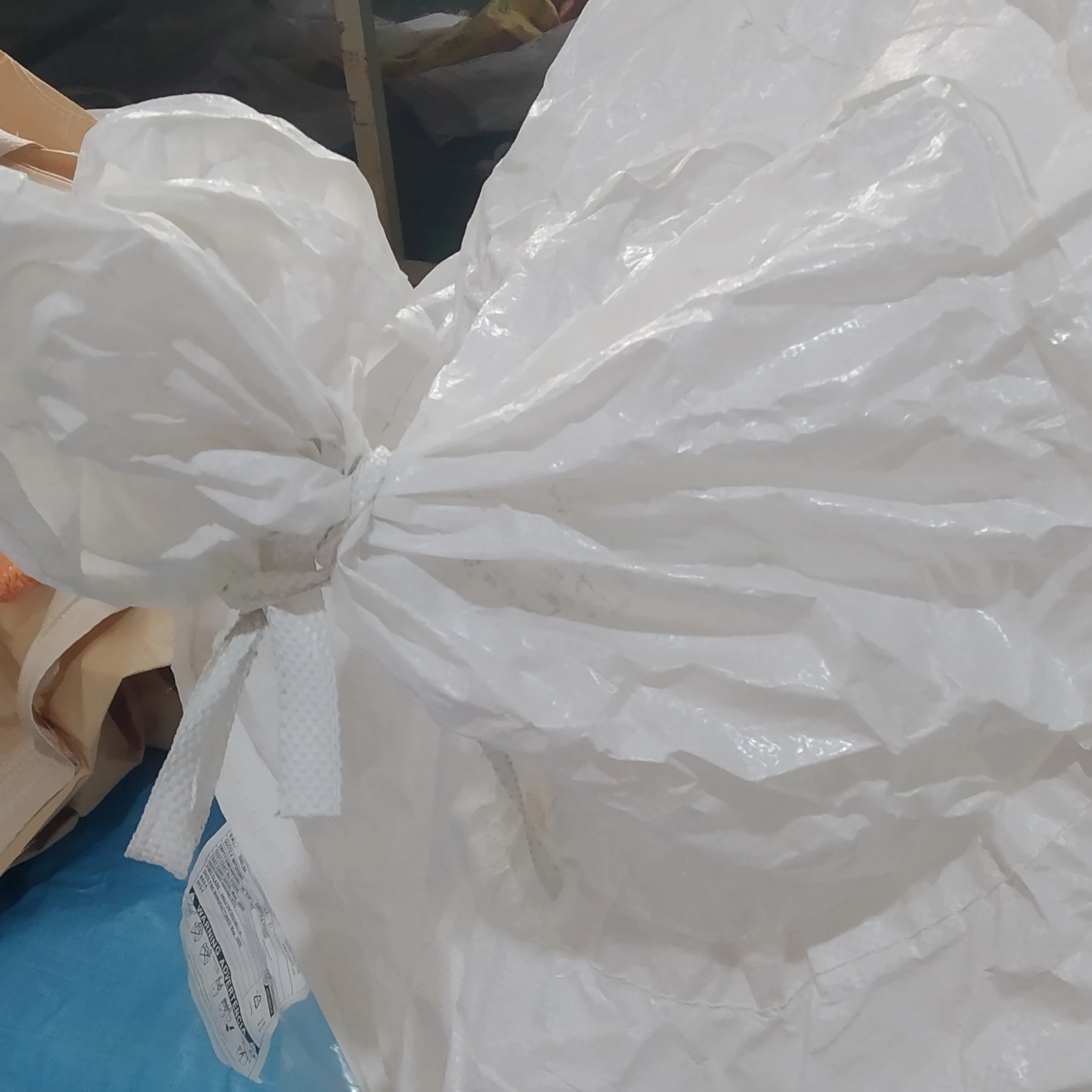
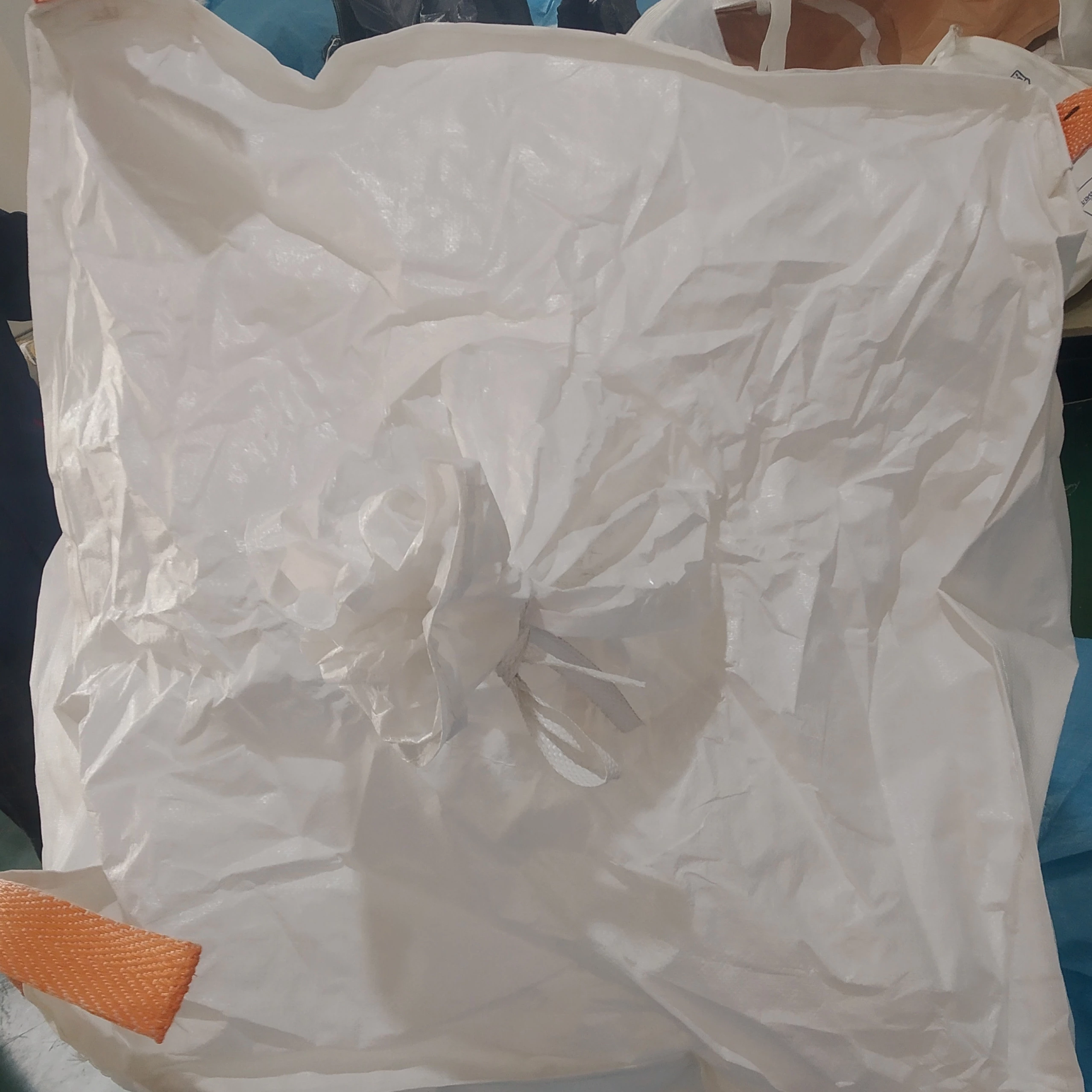
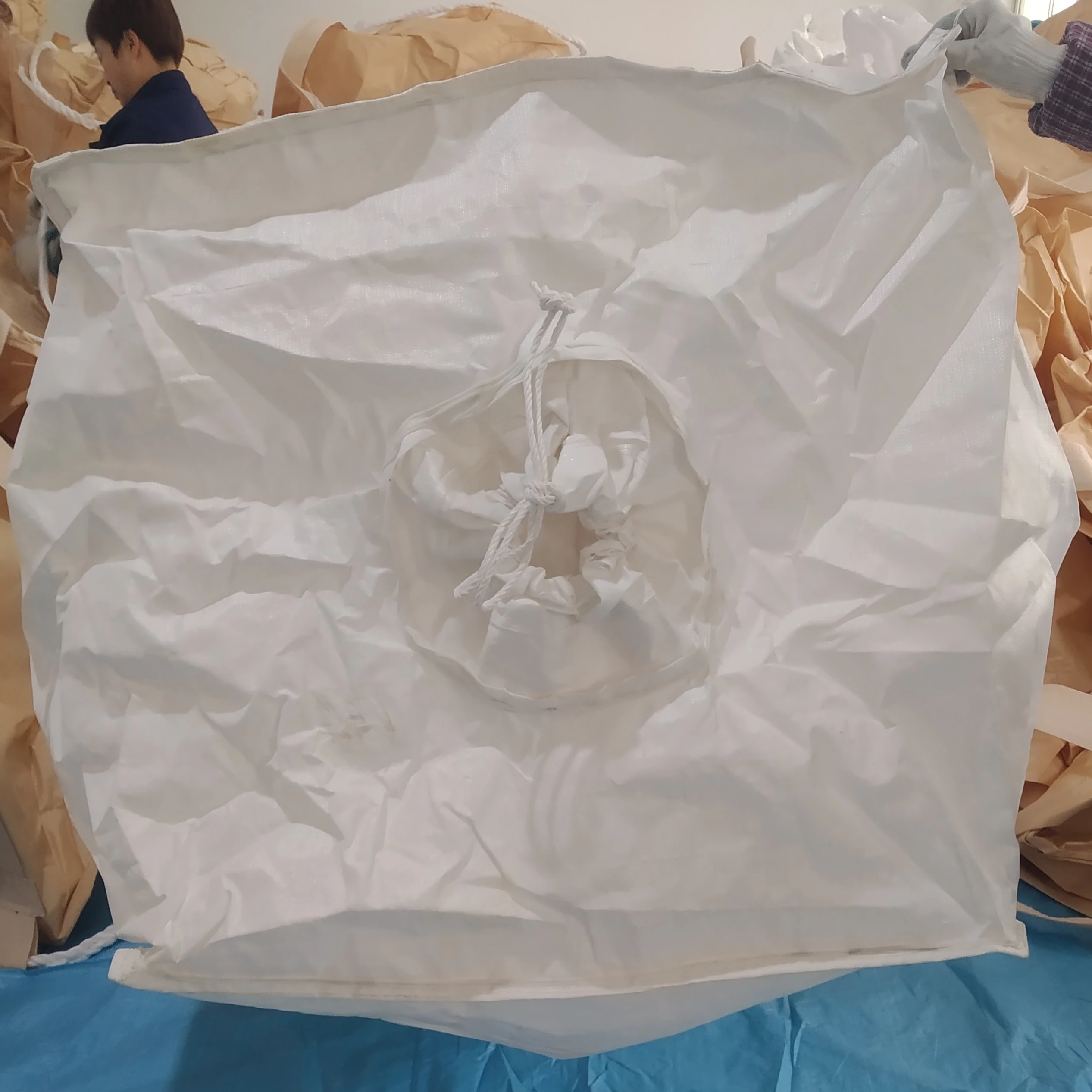
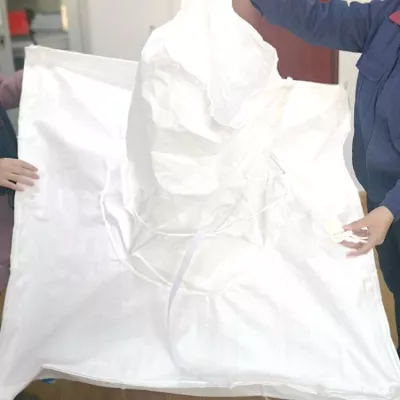
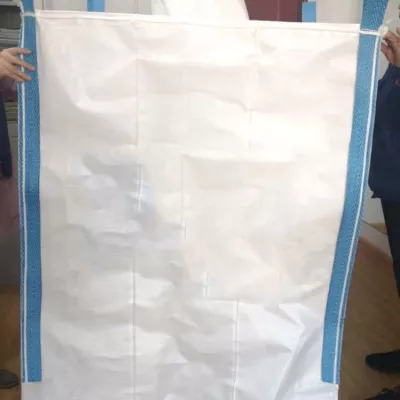
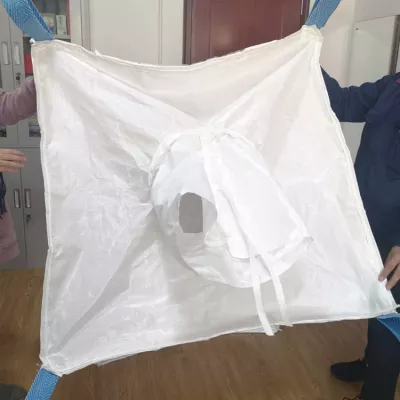
Review White U-Panel Peanut FIBC with Filling and Discharge Spouts →
SOURCE AND SCOPE
Authoritative reference
This buyer guide uses FIBCA Design Guide as a terminology or decision reference where applicable. Standards, regulations and customer requirements must be checked for the exact product, use, destination and current edition. ReliaBulkBag confirms the offered construction and order-specific evidence during quotation.
CONTINUE THE DECISION
Related buyer question hubs
Discuss the application with the factory
Send the product, material, load, equipment, quantity and destination. We will identify the missing specification fields and the evidence needed for a useful quotation.